
What seems completely ordinary in the U.S. can feel weirdly unfamiliar to people who grew up almost anywhere else.
Moving the house
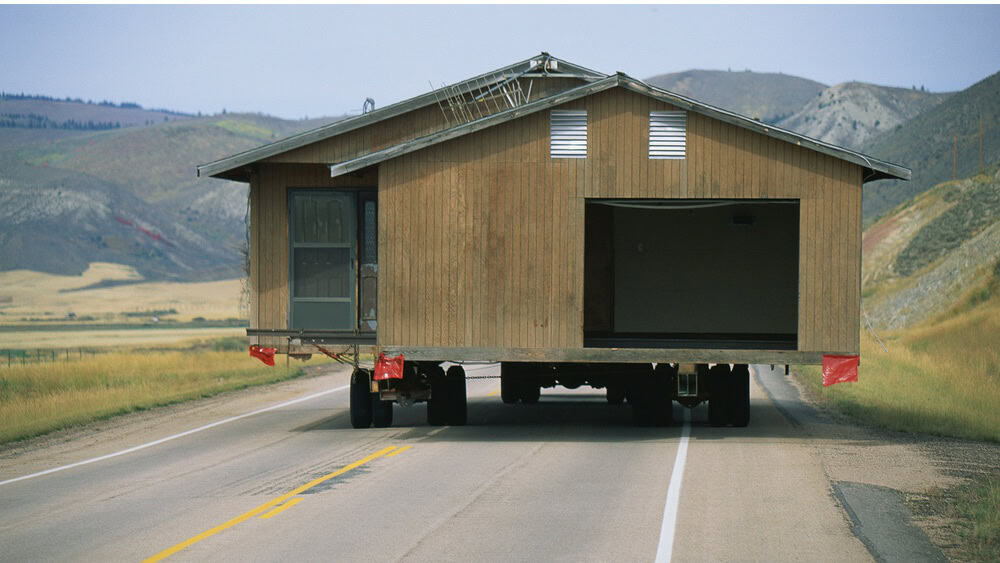
In sections of the U. S., it is sometimes possible to pick up an entire house, put it on rollers, and move it to another foundation. Sure, Americans don’t see houses careening down the freeway every day. But the concept is common enough that there are entire businesses dedicated to the task.
Still not the price

A product may have a price of $19.99 on the shelf, but it will likely cost more at the cash register, as sales tax is frequently applied in the US. Tourists from countries where such taxes are included in the posted consumer price may be quite unexpectedly annoyed by this. Because sales tax varies by state and sometimes locality, an already ambiguous price tag becomes even less clear.
The bathroom mystery
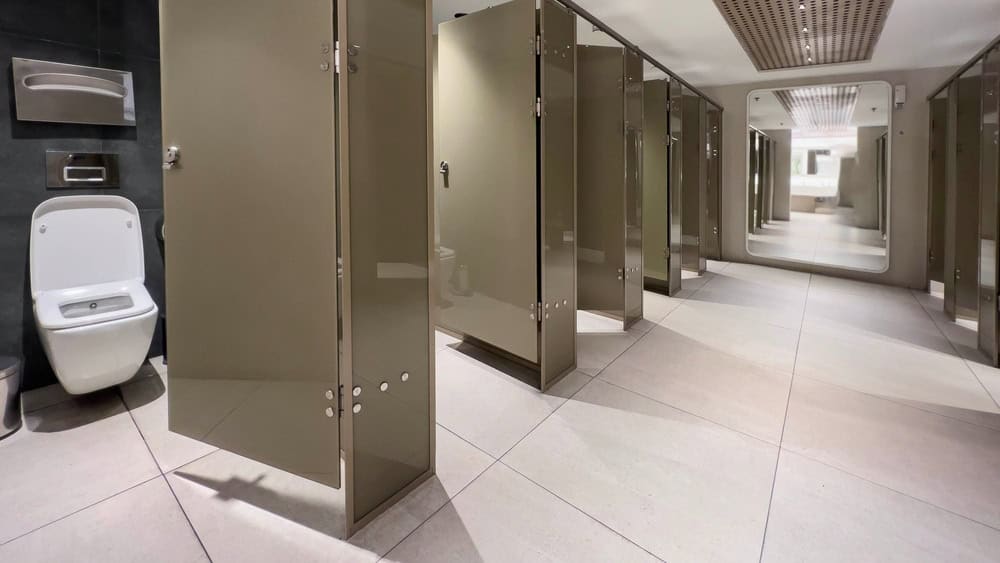
The stalls in American public restrooms tend to have pretty big gaps around their doors and partitions. Visitors who are used to doors and walls that provide far more privacy may never forget their first time. Americans are used to it growing up, and may not even notice what’s so confusing to others.
A question without a question

“How are you?” is often a greeting and not a sincere request for a full update on someone’s life. One might start answering truthfully and find the other person has walked off. Americans’ friendliness often takes the form of conversational greetings disguised as questions, confusing newcomers trained to take every sentence literally.
The iceberg
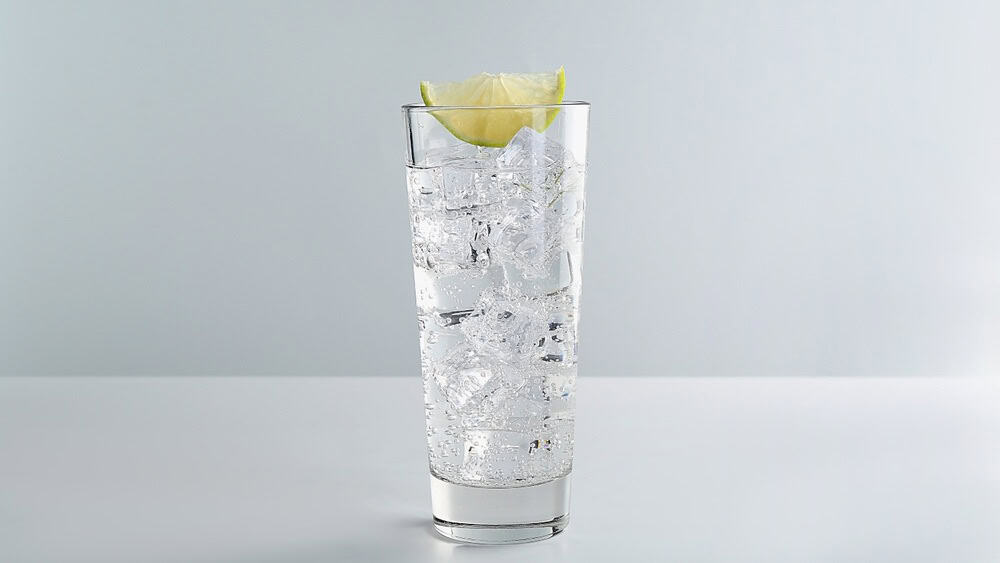
Order water or soda in the US and you may receive it filled to the rim with ice cubes. Visitors from countries where beverages are served with only a few ice cubes (or none unless specially asked for) might question why so much of their glass is taken up with ice.
Driving for everything

Living in many American neighborhoods, even a quick trip to run errands means getting in your car. Neighborhoods, particularly suburbs and newer developments, may place houses, stores, schools, and workplaces separated by roads that are less than inviting, sometimes not even practical, to walk on. Friends from densely built, pedestrian-focused cities can be amazed that somewhere only minutes away might require driving.
Dinner before dark
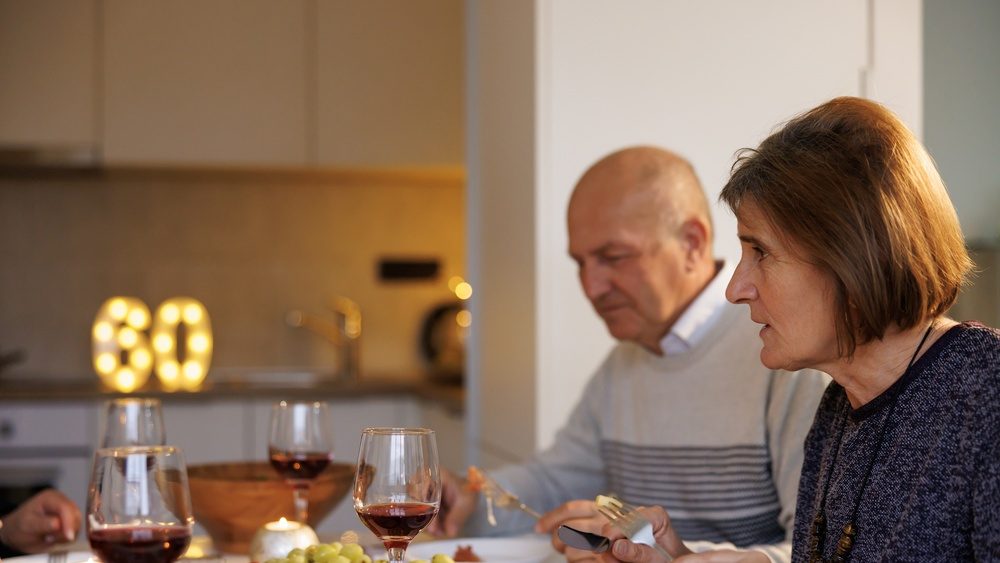
In some regions of the United States, having dinner at 5 or 6 p. m. is perfectly normal. People from Spain, Italy, Argentina, and other cultures where dinners can be eaten much later may be baffled by how early dinner can be in America.
Cheerful strangers
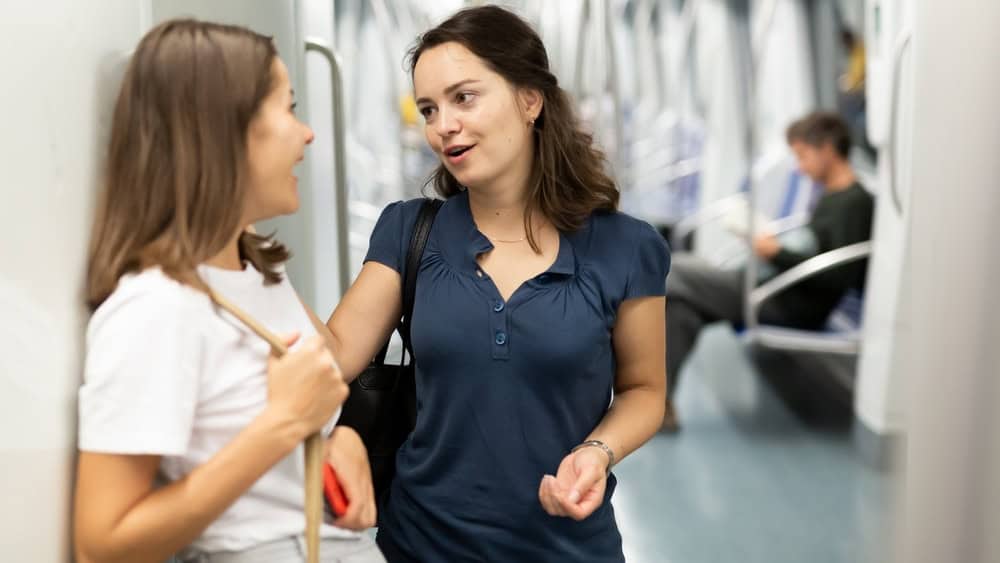
An American cashier might comment on your shirt. A stranger might strike up conversation with you in an elevator. Someone standing behind you in a grocery line might suddenly launch into a tale of their weekend. To people from cultures where strangers keep more distance, such familiarity can at first feel invasive, even suspect. What foreigners may mistake for immediate camaraderie is often just routine American sociability.
The name comes first

Americans tend to use first names unusually soon, even at work or when talking to someone older than you. In cultures where titles, last names, and formal forms of address are still common, addressing your professor, your manager, or someone much older than you by their first name after only minutes of meeting them can seem borderline rude.
So much water

Toilets in the United States tend to fill the bowl with more water than toilets in many other countries. It’s a small detail in daily life that most Americans take for granted. But some travelers will notice the difference as soon as they step into a bathroom. It turns out bathroom design is one of those pesky details that changes from country to country.
College never leaves

Americans can stay weirdly invested in their college for years, long after they leave college. They wear college apparel, donate funds, attend reunions, follow their alma mater’s athletics, and quiz strangers on their college choices.
To those from countries where university is something you went to before starting your adult life, it can seem charmingly odd to see a 60-year-old lose his mind over his alma mater’s football team.
A different floor
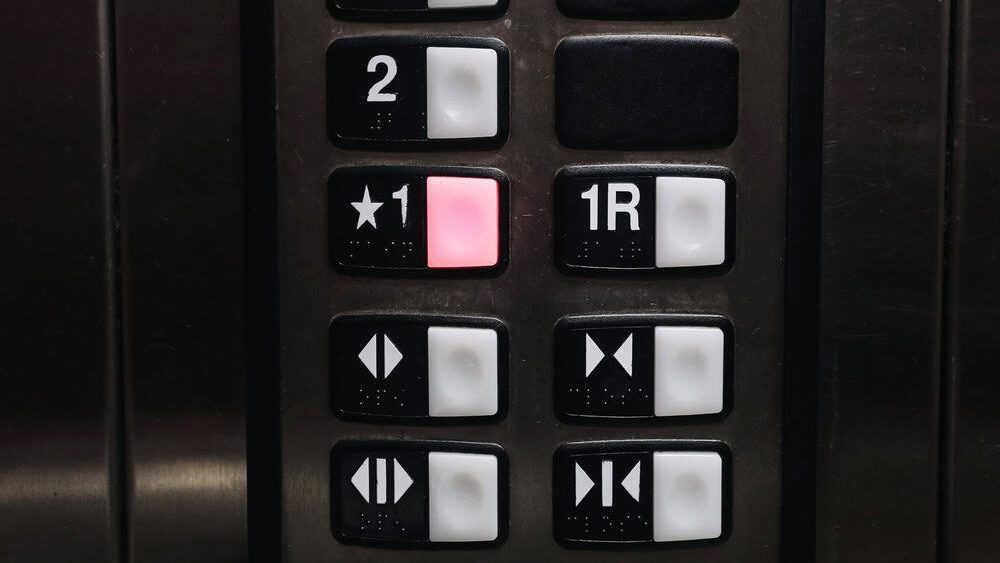
Get on an elevator in America, and the level immediately above the ground level is called the second floor. To someone from a country that calls the ground level “ground floor” and the next level “first floor”, this can lead to a surprisingly shocking experience. Neither convention is particularly hard to learn, but stepping onto floor “1” only to arrive somewhere unexpected is a timeless example of culture shock.
The bottomless medicine cabinet

In America, you can purchase painkillers, vitamins, and other OTC drugs in bottles that hold hundreds of pills. Tourists from countries that sell blister packs the size of a quarter might faint at seeing a container that holds enough pills for months. Warehouse stores push bulk quantities of common medications even further.
A different measuring stick

Miles, feet, inches, pounds, ounces, and Fahrenheit have not quite disappeared from everyday American life even though most of the world speaks mostly metric. You may know that it’s 30°C outside, but do you have any clue off the top of your head if 86°F is comfortably warm or blisteringly hot? Even people in America laugh at how you need to do weird conversions in their system.
Like our content? Be sure to follow us.