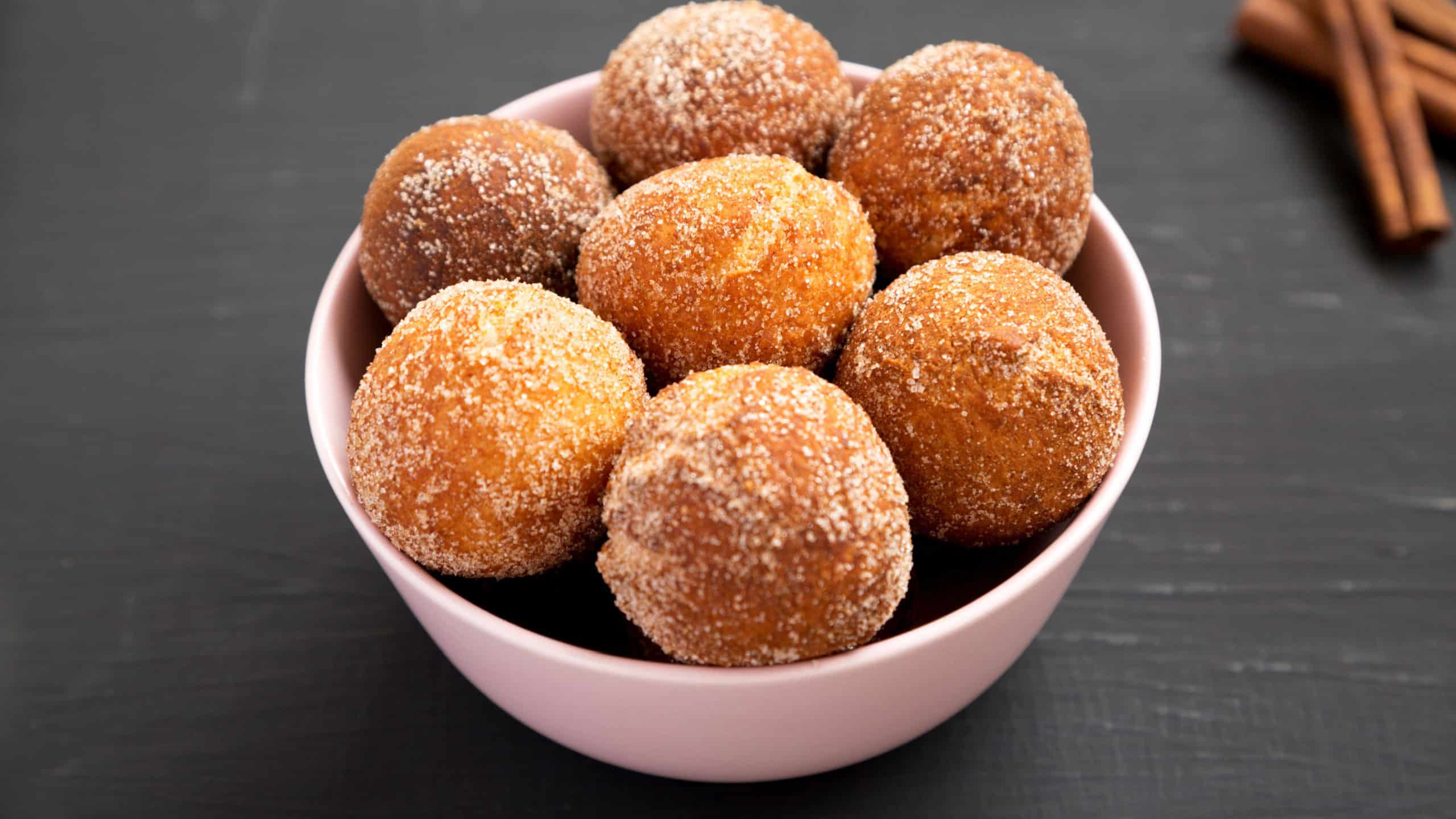
Timbits & American donut holes seem virtually the same at a glance. They’re both small and round treats that are designed to be eaten by the handful, but once you look past the shape, you may realize there are quite a few differences. These include the packaging and presentation, among other things.
Branding is an important factor as to why they’re not exactly the same as each other. Here are ten ways that Canadian Timbits are different from American donut holes. Which snack do you prefer?
It’s a protected name in Canada
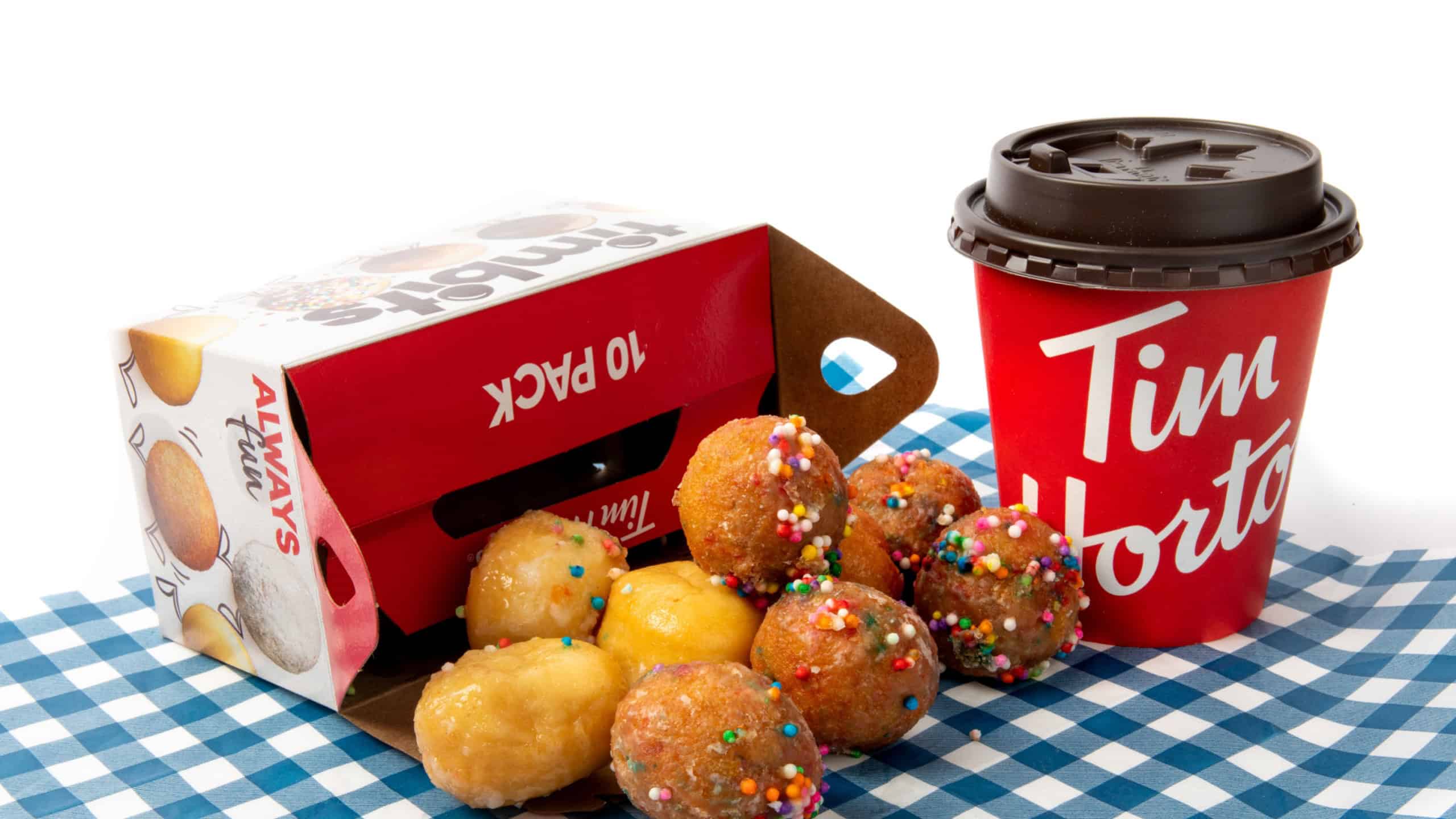
One of the biggest differences is the fact that “Timbits” is actually a trademark name in Canada. Unsurprisingly, it’s registered to Tim Hortons, and that means only they are allowed to sell treats of the same name.
But “donut holes” is more of a generic term in the United States. It’s only branded kinds of donut holes, such as Dunkin’ Donuts’ Munchkins donut holes, that have the same kind of protection.
The standard box counts are different
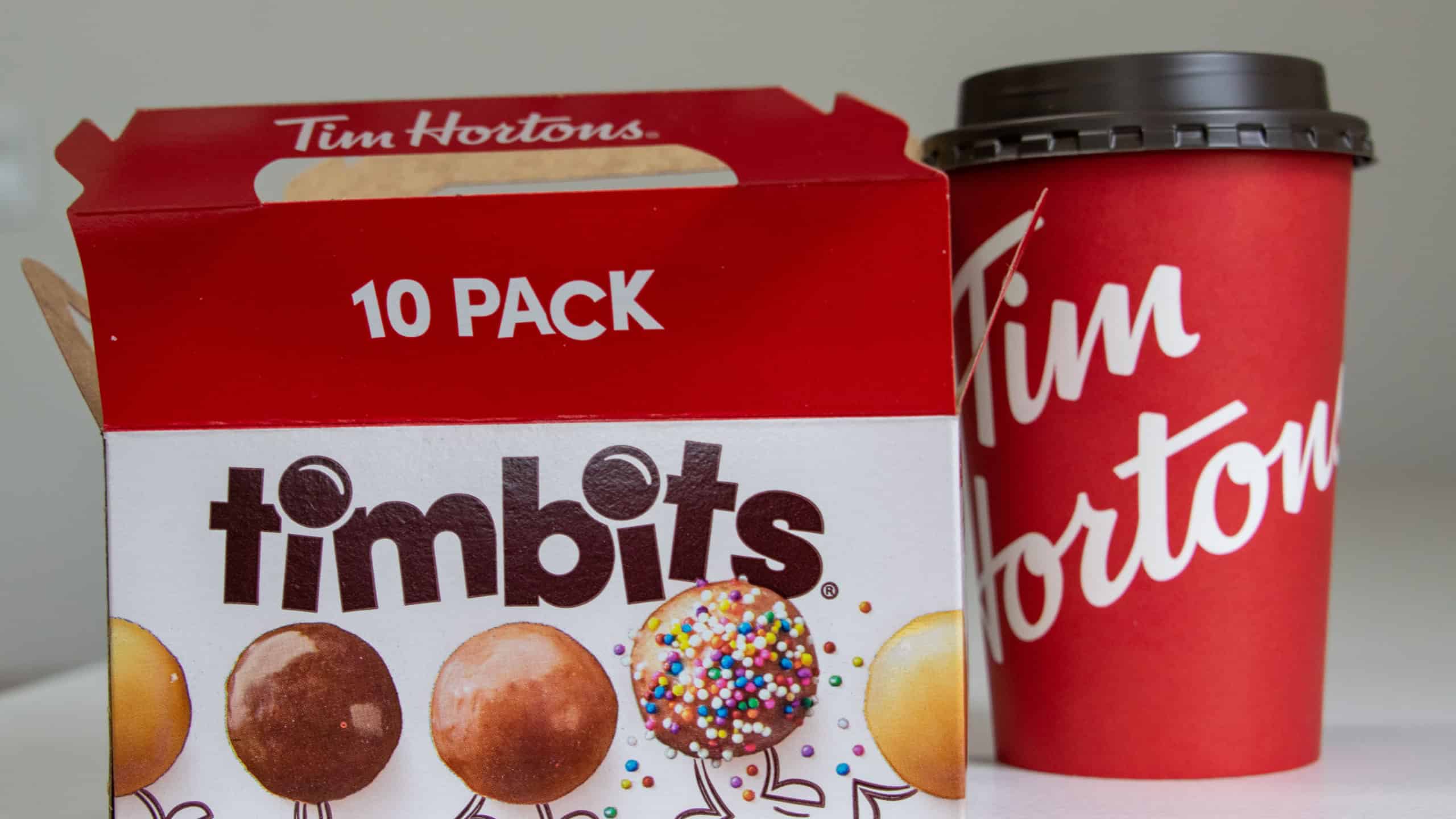
You can buy Timbits in certain box sizes at Tim Hortons, and the 10-count box is often the most common one to start with. But the sizes are bigger in the United States.
Dunkin’s, for example, sells a baseline Munchkins box of 15 donuts. It seems that a standard American box is slightly bigger than a Canadian box of sweet treats.
Some Tim Hortons Timbits are explicitly filled
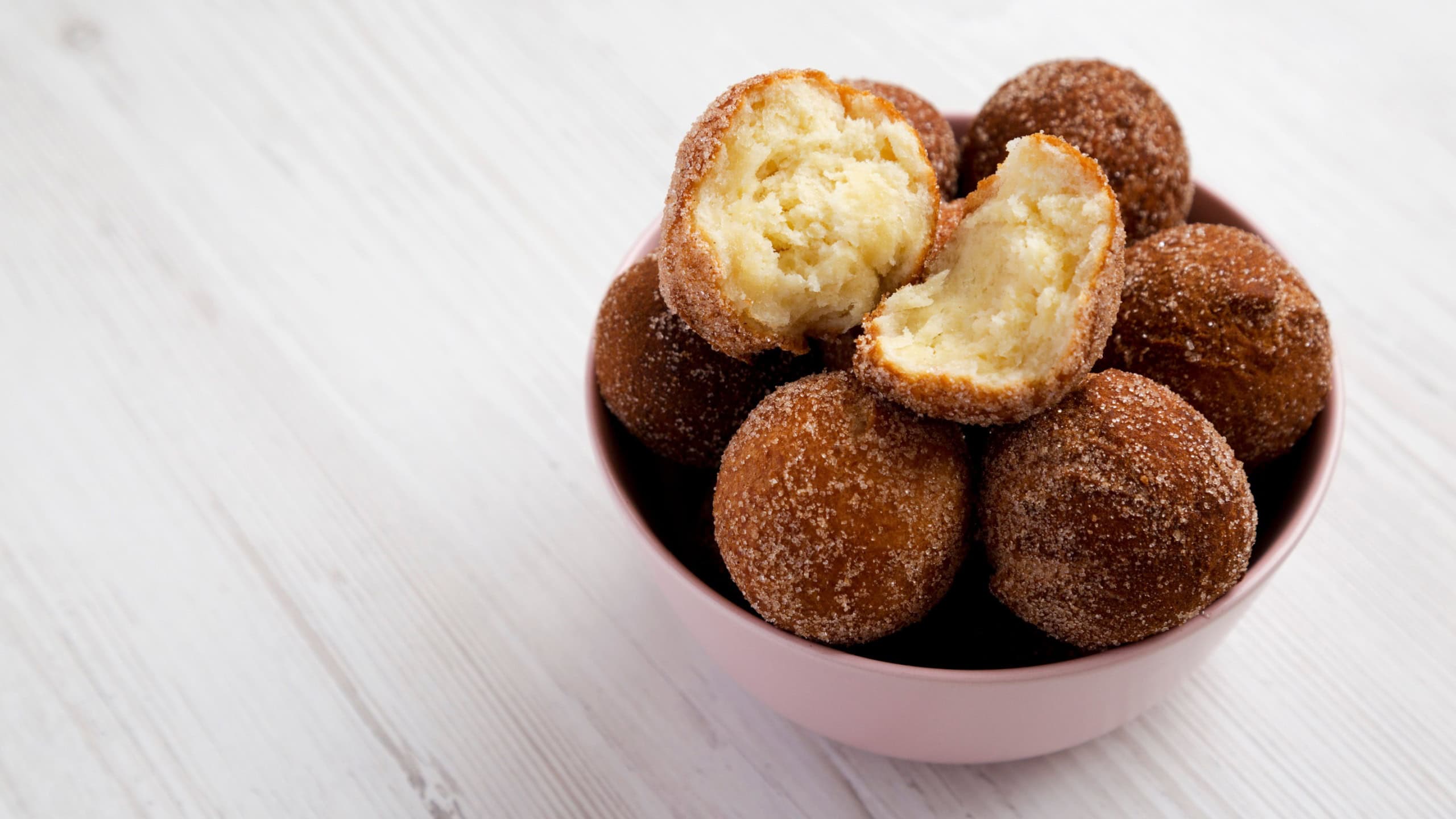
Certain Timbits are sold with filling as a defining feature. Product descriptions say things like “filled with blueberry sauce,” which is spelled out directly on the menu.
American donut holes are often assumed to be plain unless otherwise stated. Even branded U.S. versions tend to emphasize coatings rather than filling in the same way.
Timbits is used beyond food

You can find Timbits beyond the glass case in Canada because Tim Hortons also runs the Timbits Sports Program. It’s a youth initiative for kids across the country, and it uses the same name as the sweet treat.
But you’re unlikely to see any similar programs named after donut holes in the United States. It certainly doesn’t sound as appealing a term as “Timbits.”
The type of milk
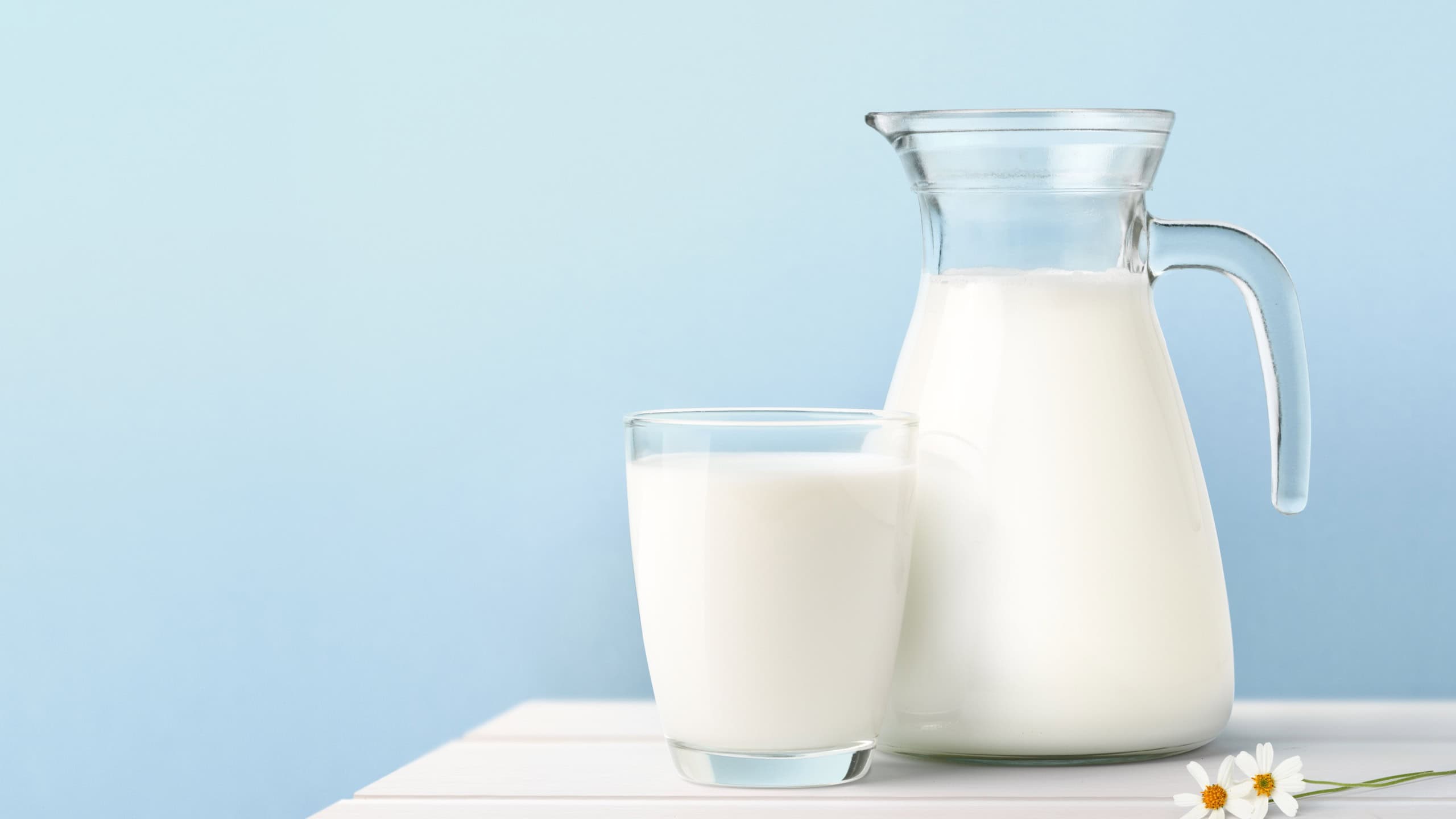
American chains tend to use skimmed milk to make their donut holes, alongside sugar & oils. Yet the ingredients page on Tim Hortons’ website says that Timbits include skimmed milk powder. They sometimes use whey powder, which is milk, instead.
Both of these ingredients legally count as milk, the only distinction being that they’re used in different physical forms.
The fat blend
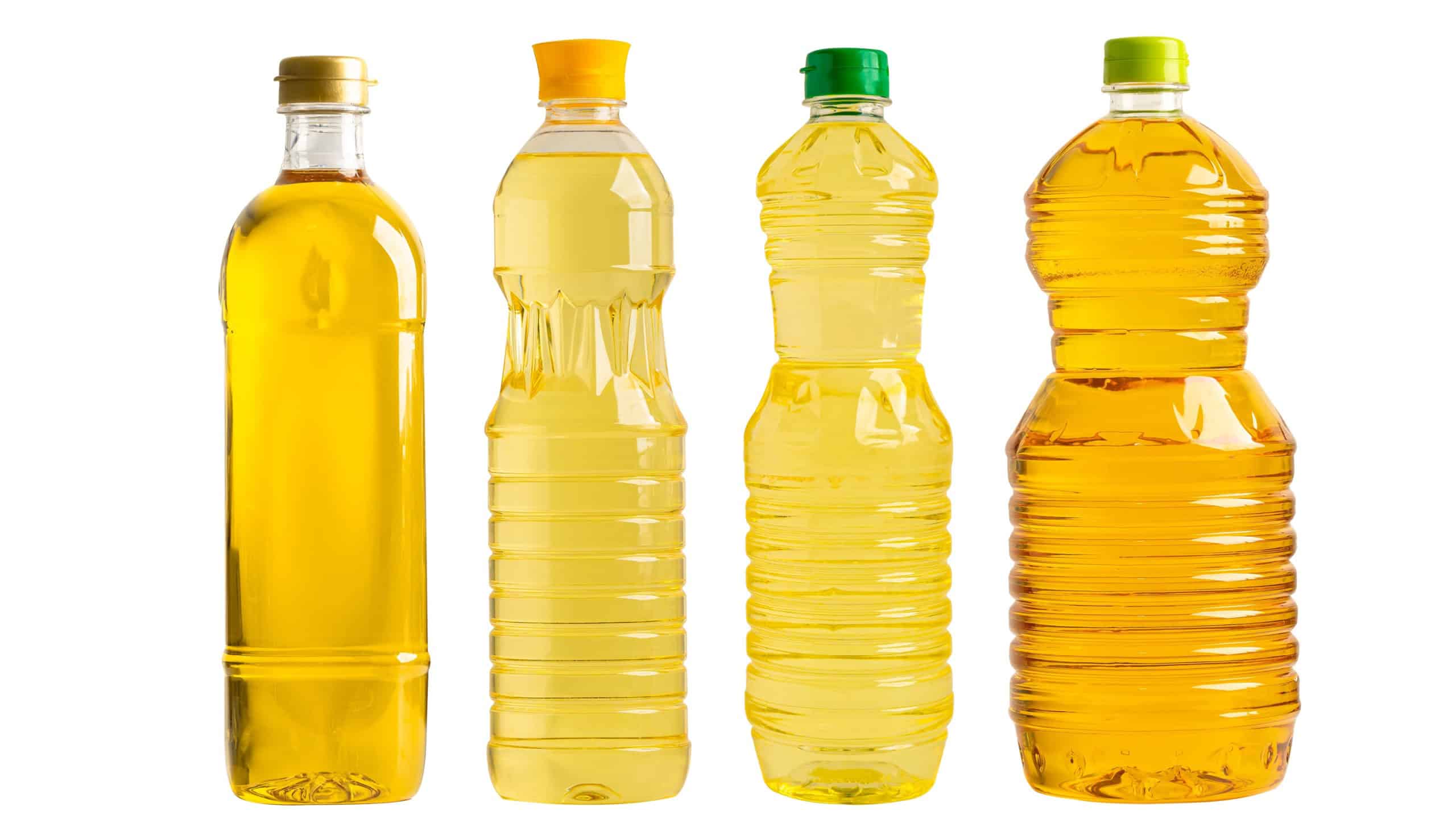
Palm oil is a popular ingredient in a lot of American donut holes, and quite a few chains will add soybean oil as well. But not in Canada.
Timbits are usually made from separating fats into shortening & vegetable oil, with the official ingredients page naming canola and soybean together.
However, Tim Hortons has faced some criticism for using palm oil, especially from environmental groups like Ekō.
Some Munchkins have extra texture
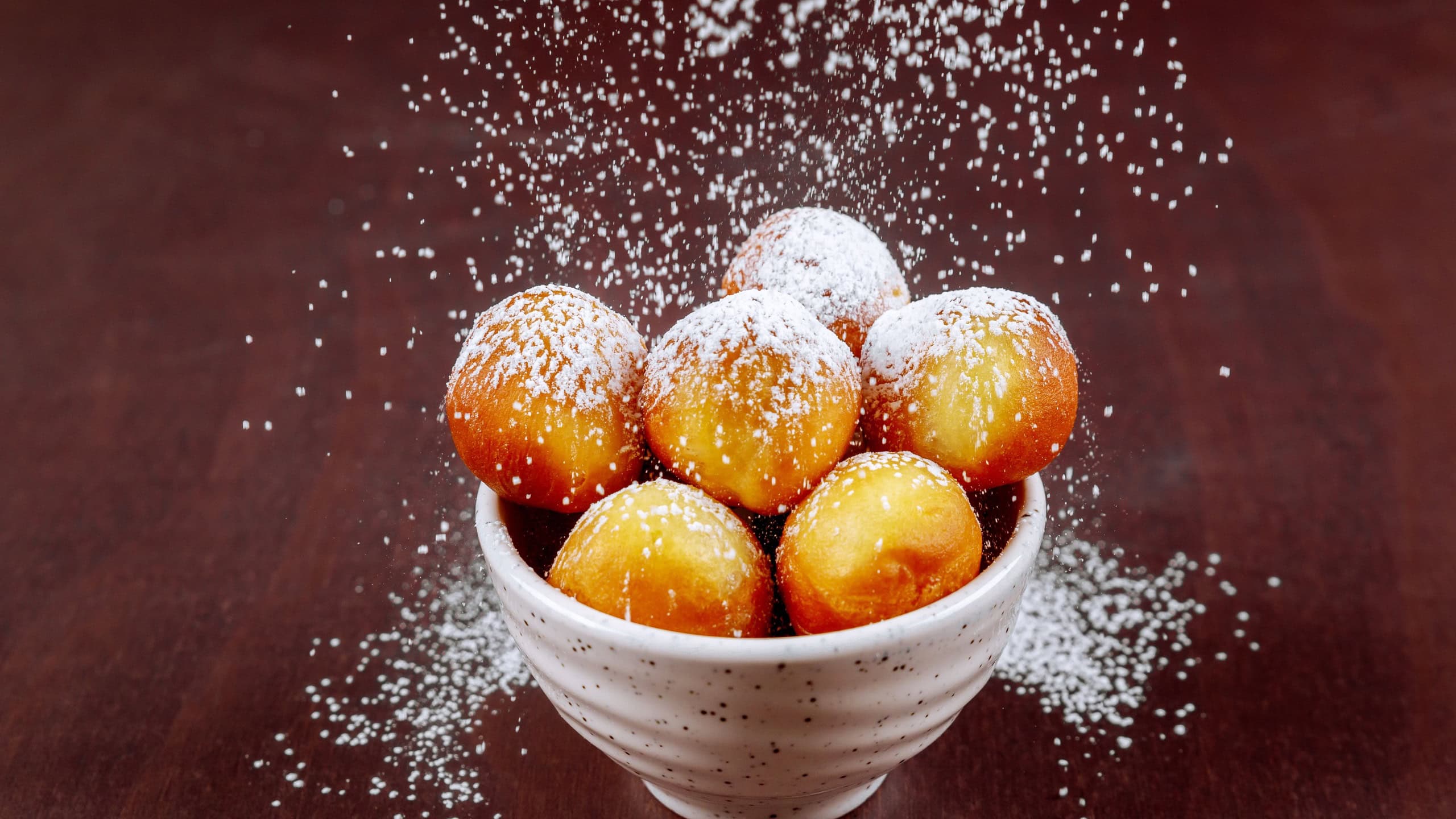
A few types of Munchkins have ingredients like konjac flour & carrageenan, as well as gelatinized wheat starch. These help to give these donut holes their texture. Yet you won’t find Timbits with the same ingredients, since Timmy’s focuses on other things for texture.
They use flour, sugars, fats, leavening & emulsifiers to get that iconic Timbits bite.
Tim Hortons designs Timbits to survive long hold times
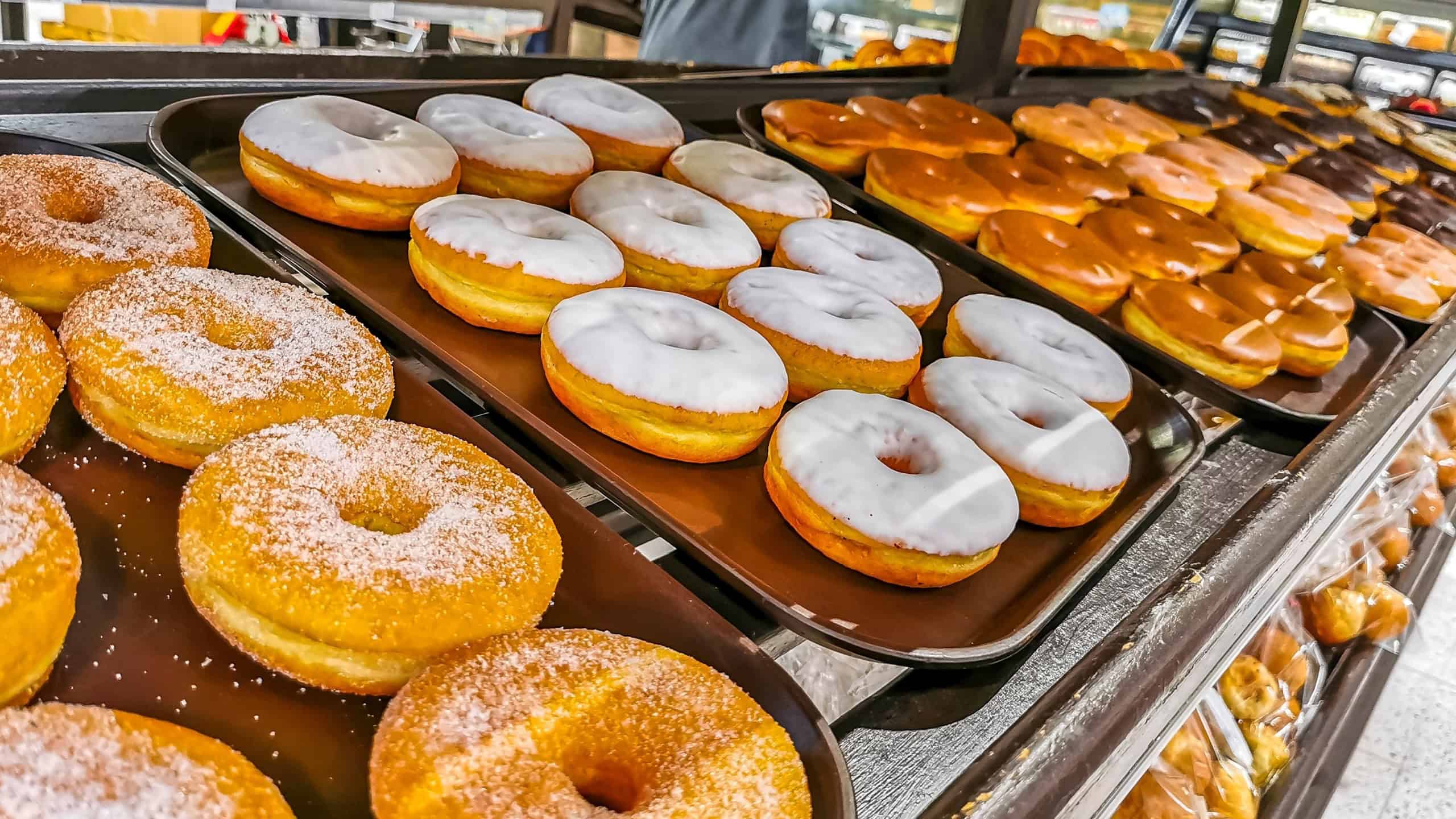
Tim Hortons specifically creates Timbits in a way that’ll make them last for long stretches in open display cases, including with holding expectations. These affect the dough formulas & frying targets for each batch.
But the majority of American donut holes are designed for faster turnover, especially for stores that aren’t part of major chains. It completely changes how they’re prepared.
Timbits are portioned before frying

Bakers have to form Timbits as individual dough pieces before they go into the fryer because portion control is part of the production process. That’s rather different from the majority of American stores.
They usually create donut holes by removing the centre from ring donuts during cutting. It’s not a huge difference, but it’s still noticeable.
Timbit size tolerances are tightly controlled
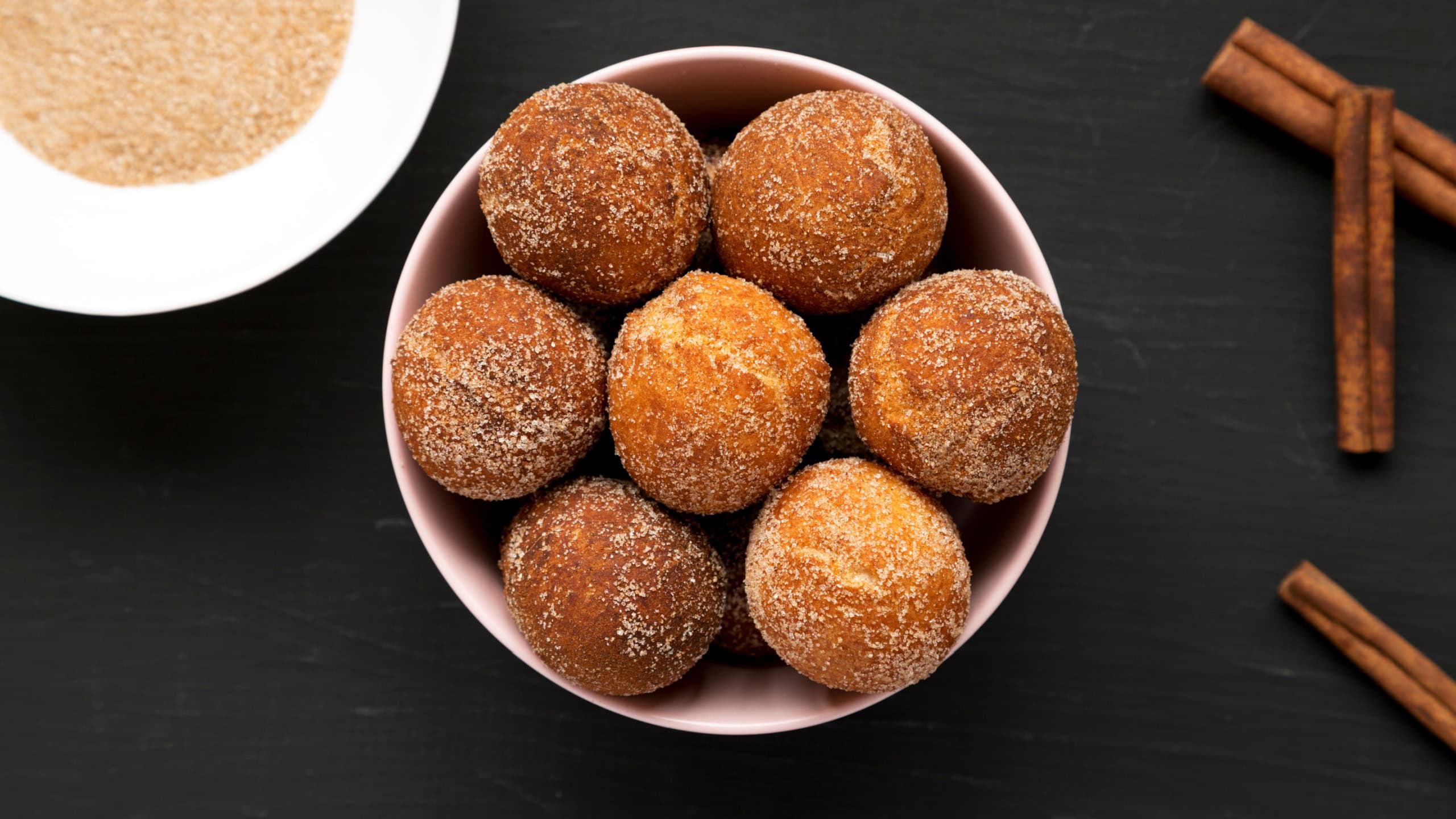
There’s a reason why you can expect Timbits to be the same size in every Tim Hortons. The chain works from centralized production specs that make sure each dough piece falls within a set weight range. That’s before the staff even touches them.
A lot of American donut shops have workers who cut or form the donut holes locally. Naturally, it means that there may be small size differences in each batch of donut holes.
Sources: Please see here for a complete listing of all sources that were consulted in the preparation of this article.
Like our content? Be sure to follow us.