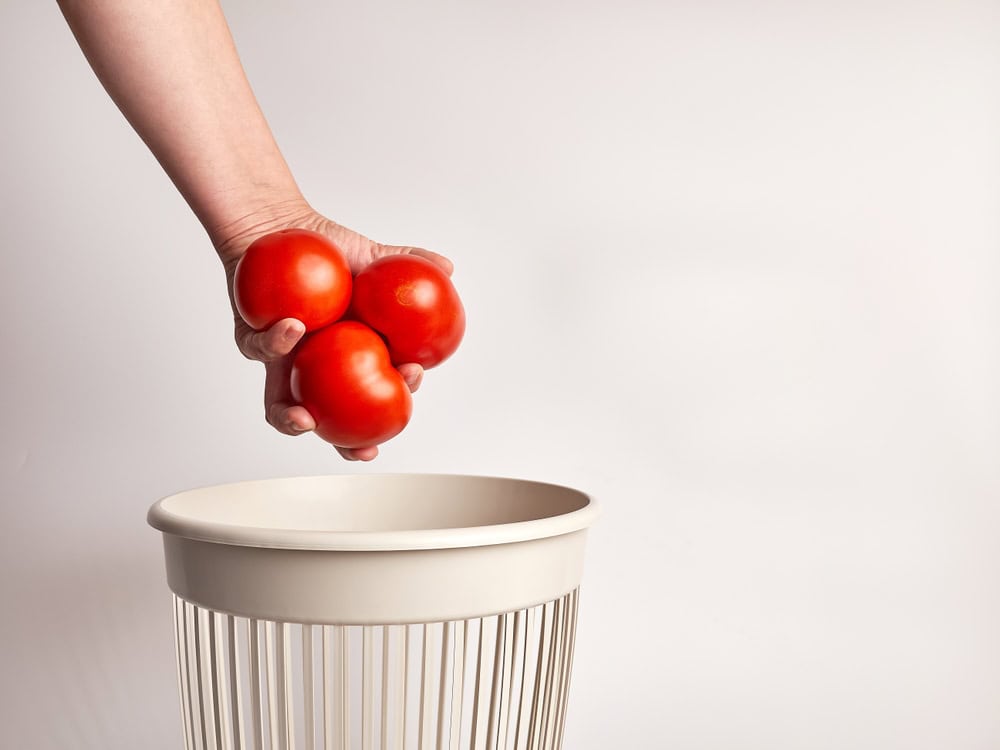
Before your next grocery trip, check your pantry for these 13 things you might need to throw away.
Expired cooking oils
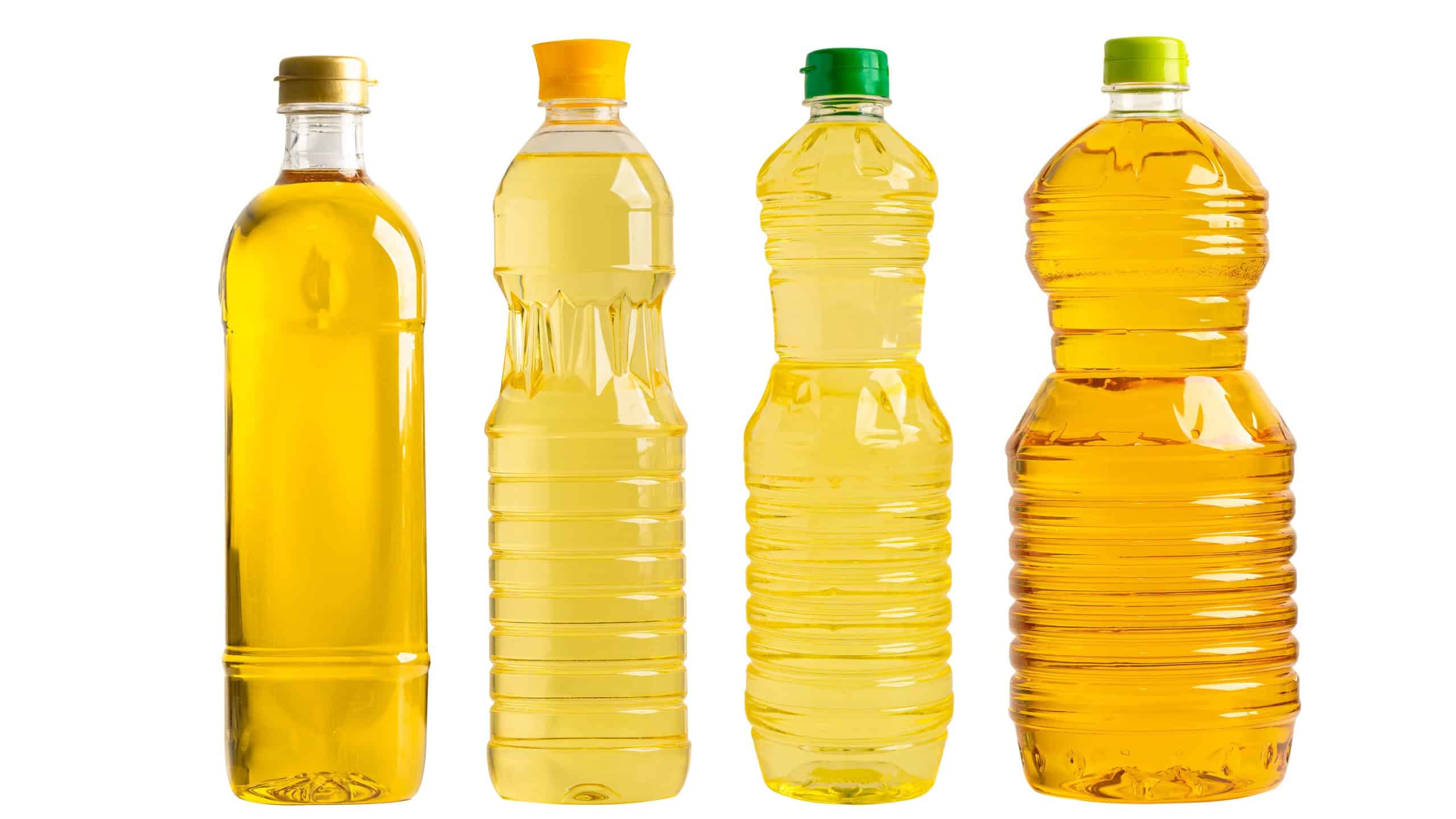
Even when you store cooking oils in sealed bottles, they won’t last forever. When exposed to heat and air over time, oils can become rancid. Make sure not to store your oil near the stove, as it deteriorates faster due to the heat. If your cooking oil has a bad smell (like old paint) or taste, it’s best to throw it away.
Old ground spices
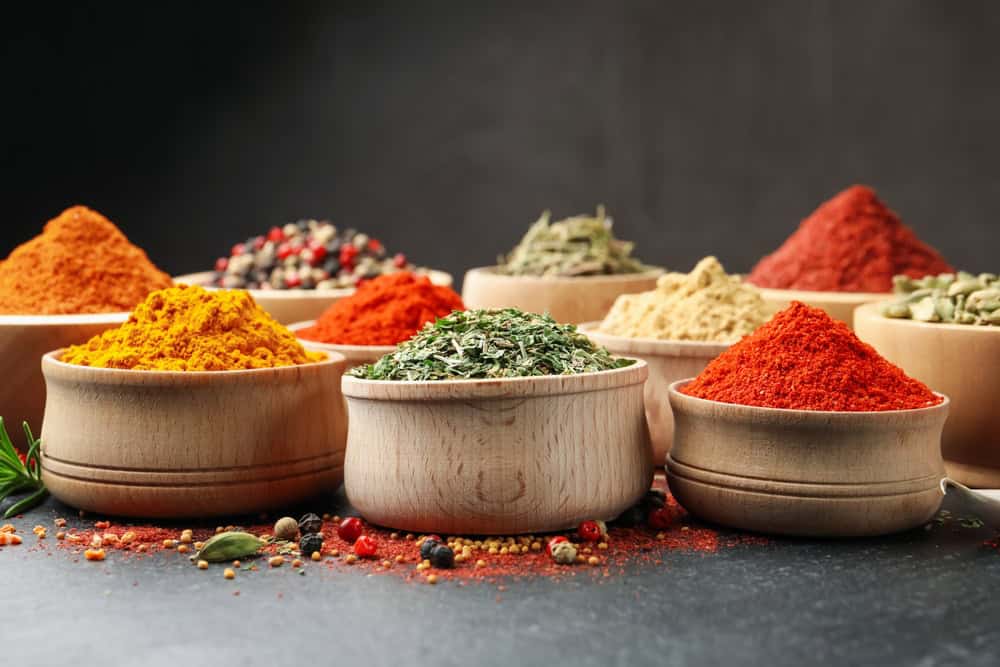
After grinding, spices gradually lose their flavour, especially when exposed to heat or humidity. If your cinnamon, cumin, paprika, or most other ground spices have been in the cupboard for five years, they’re not likely to add much taste. It’s hardly ever a health risk; it just might not do much for the flavour. Rub a little between your fingers and take a sniff; if there’s hardly any scent, it might be time to restock.
Flour with signs of insects
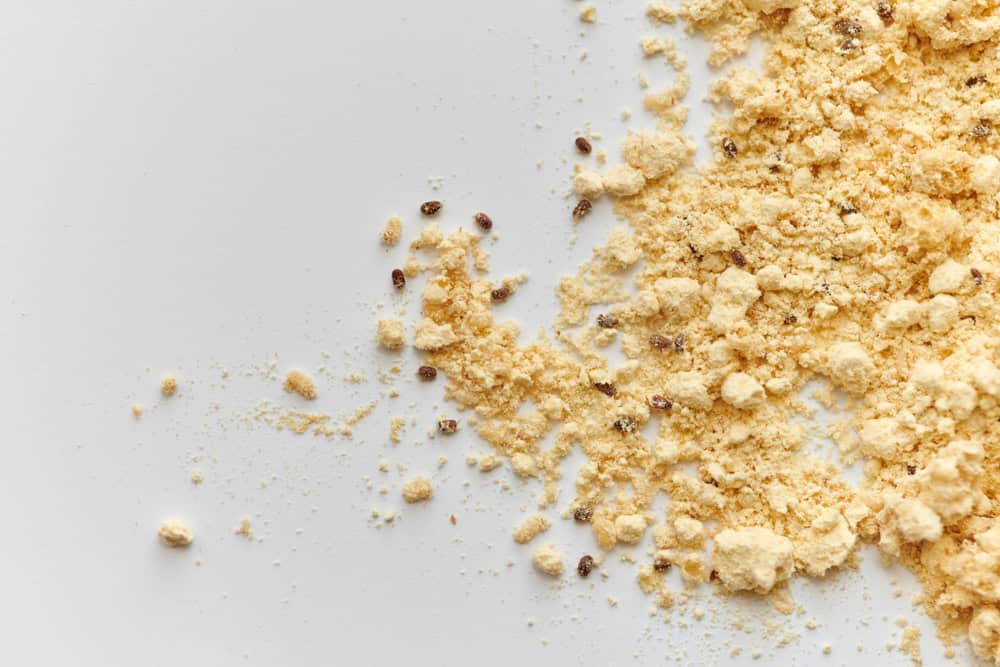
If you leave flour in its original paper bag without sealing it, weevils and other bugs may get into it. You could notice tiny bugs in the flour as well as small lumpy spots. Once an infestation begins, these pests can also spread to other dry foods in your pantry. So throw out any flour that’s been affected and inspect the items around it. And always store fresh flour in sealed containers.
Bulging canned foods
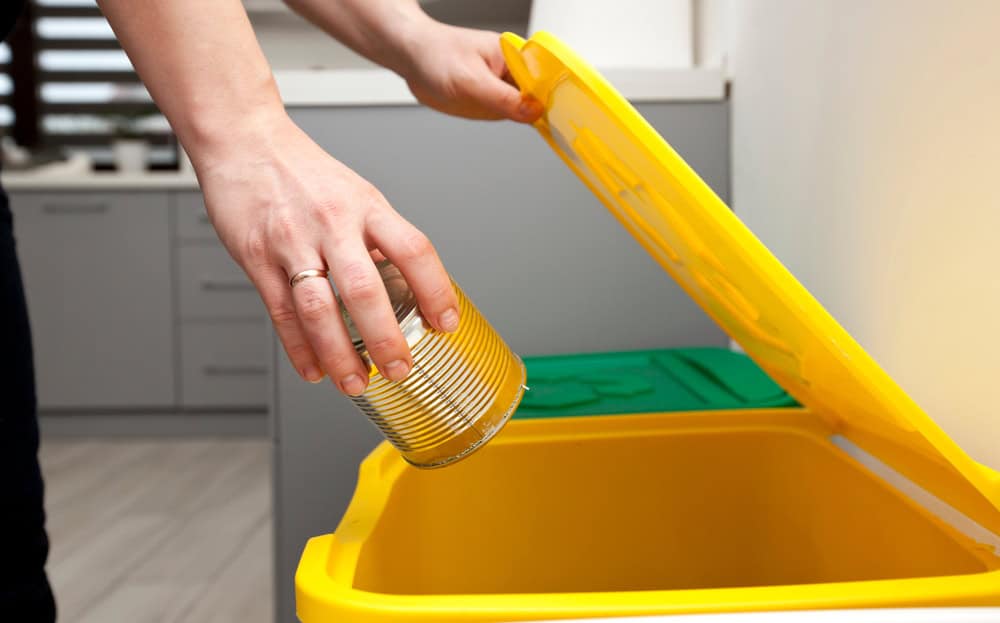
If you notice that a can looks swollen or bulging, don’t open or taste it. This can be a sign of gas production inside the can. This may be associated with dangerous bacterial growth. Some contaminated cans can contain toxins that cause serious illness, including botulism. More importantly, don’t assume a can is safe to eat just because its expiration date hasn’t passed yet.
Stale nuts
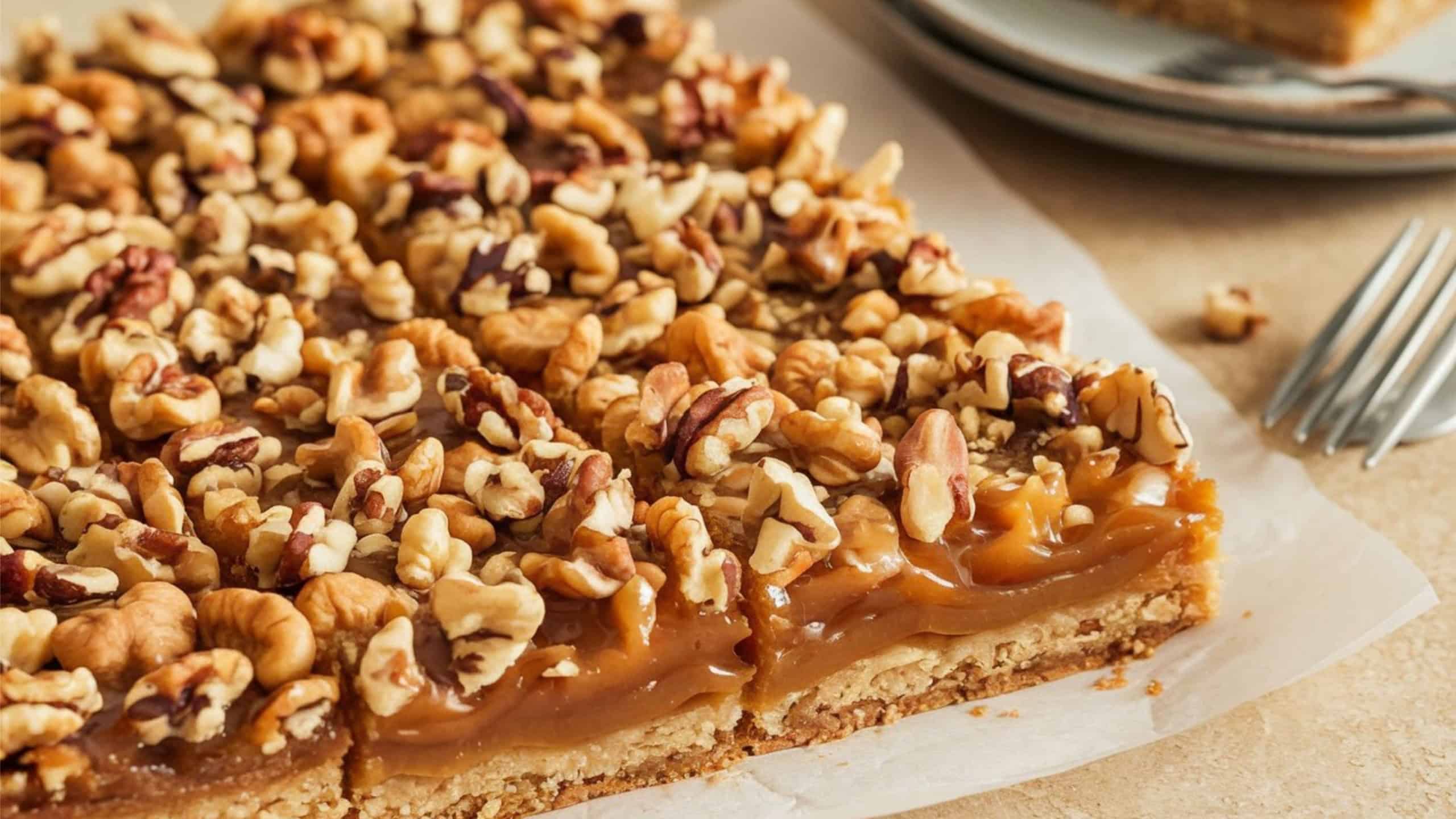
All nuts have oils, so they may go rancid at one point. This is especially true of walnuts and pecans. You can usually tell your nuts have spoiled if they give off an unpleasant smell or taste. Keeping nuts at room temperature in a warm cupboard will just make them go bad faster. They can be kept in the fridge or freezer to prolong their freshness.
Opened crackers and biscuits
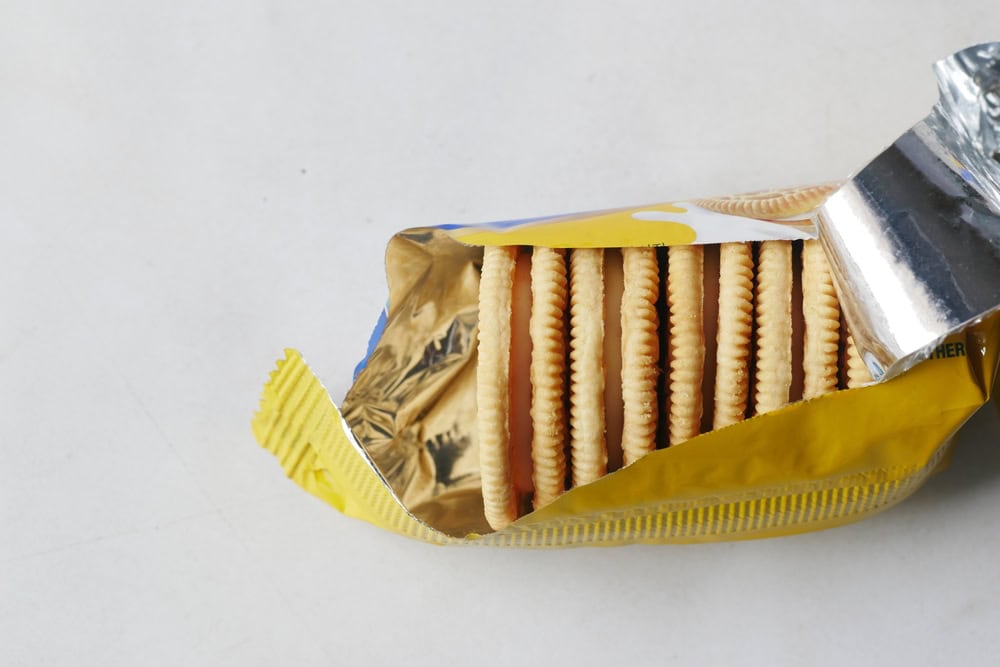
That half-eaten packet of biscuits shoved at the back of the cupboard should probably go in the bin. Air and moisture will make many of them go off and turn soggy, and they can also absorb smells from other items. This doesn’t make them unsafe to eat, but if you spot any mould or pests, those ones should definitely go in the bin.
Expired baking powder
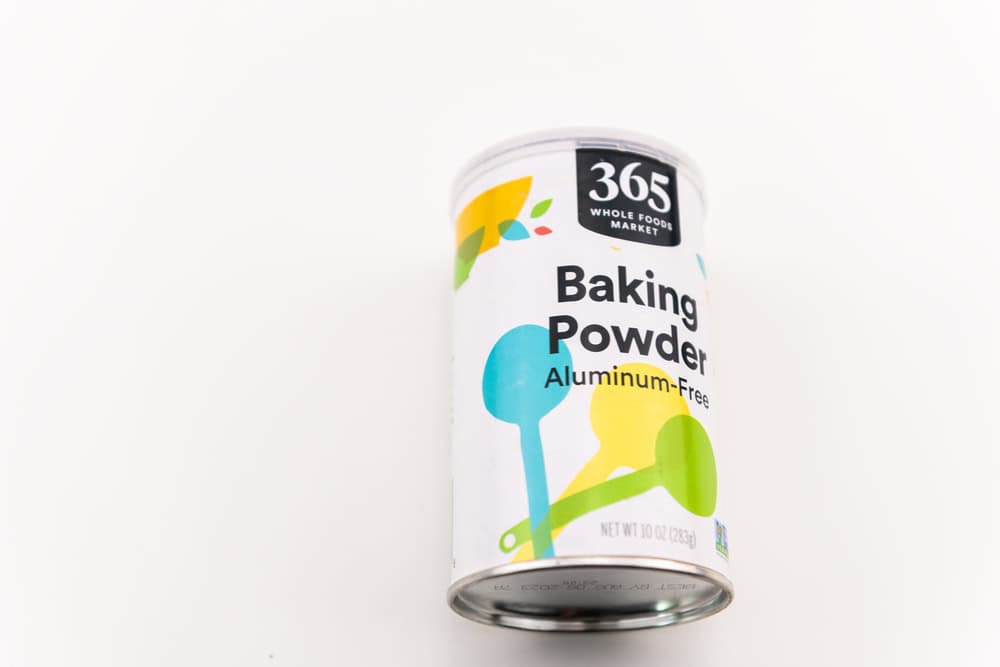
Over time, baking powder will begin to lose its ability to make cake and baked goods rise. After many months (or even years) of storage in one tin, it might no longer work properly. To check this, add some baking powder to a cup of very hot water. There should be noticeable fizzing if it’s still fresh. In the case of minimal (or no) bubbling, you’ll need to buy more for your next bake.
Mouldy bread
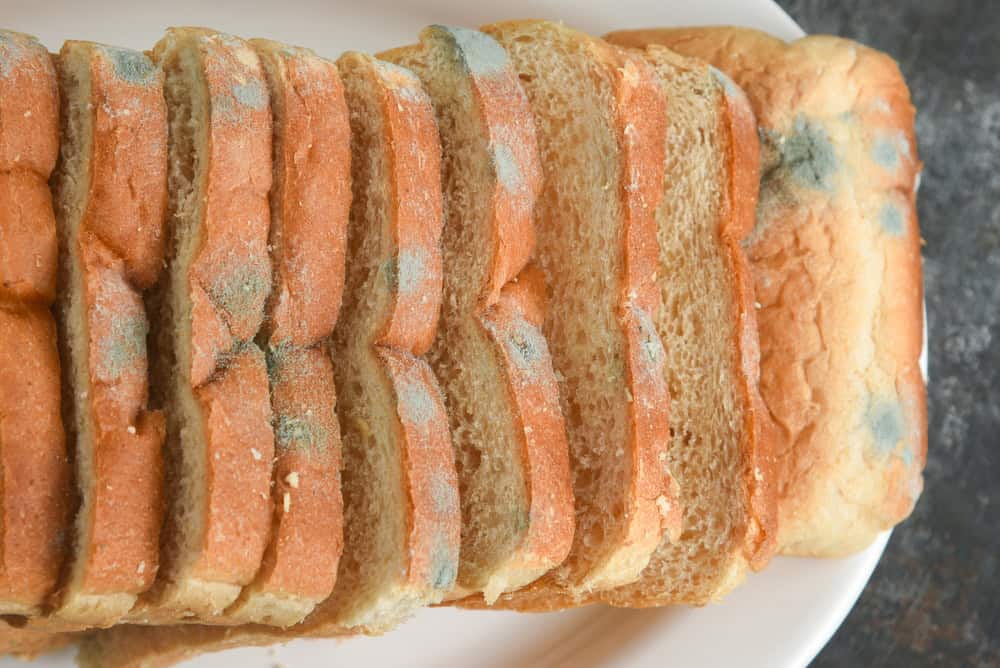
Bread will go mouldy very quickly if left in hot and damp weather. You might think it’s fine to just cut off the mouldy bit and eat the rest, but that’s risky because the mycelium (the root system) has spread deeper into the bread than you can see. As soon as any mould appears, throw the whole loaf away. It’s a good idea to freeze it if you won’t be using it in the near future.
Old whole-grain flour
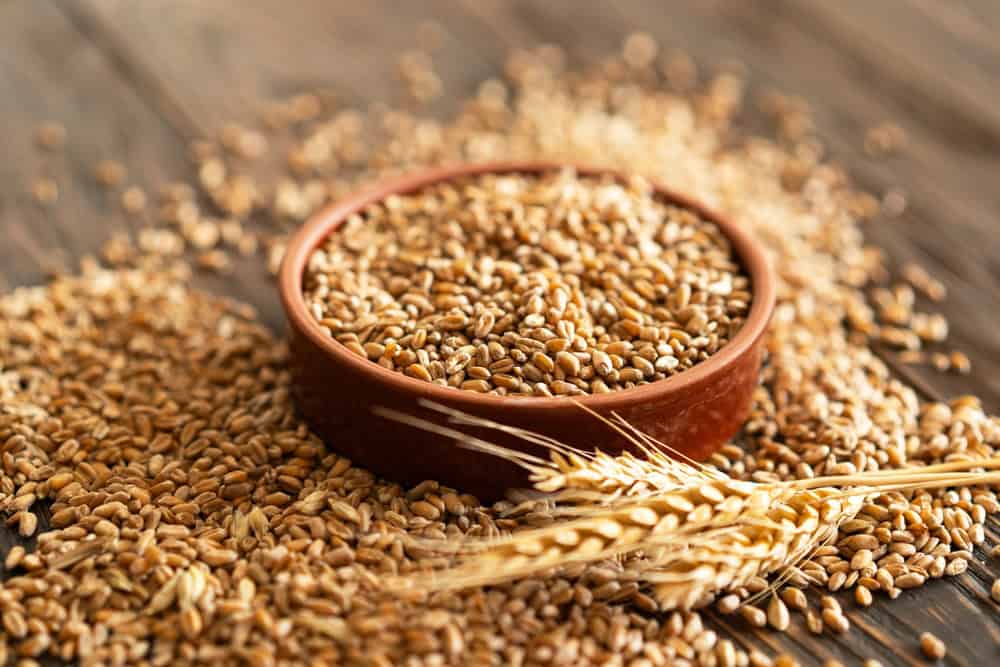
Most whole-grains will have a reduced shelf-life compared to their white flour equivalent due to the presence of oils. They will go rancid over time if stored in a warm spot such as a kitchen cupboard, releasing an off-putting or bitter odour. However, if you don’t use much whole-grain flour, consider keeping it in your fridge or even freezer.
Damaged food packages

When food packaging is properly sealed, it stops water from getting in and keeps insects out. If you notice small tears in a bag of rice or a hole nibbled through a cereal box, that might mean pests are present. Always inspect the packaging for damage before you consume any food. Discard anything you suspect is contaminated, and check nearby products and shelves as well.
Old peanut butter
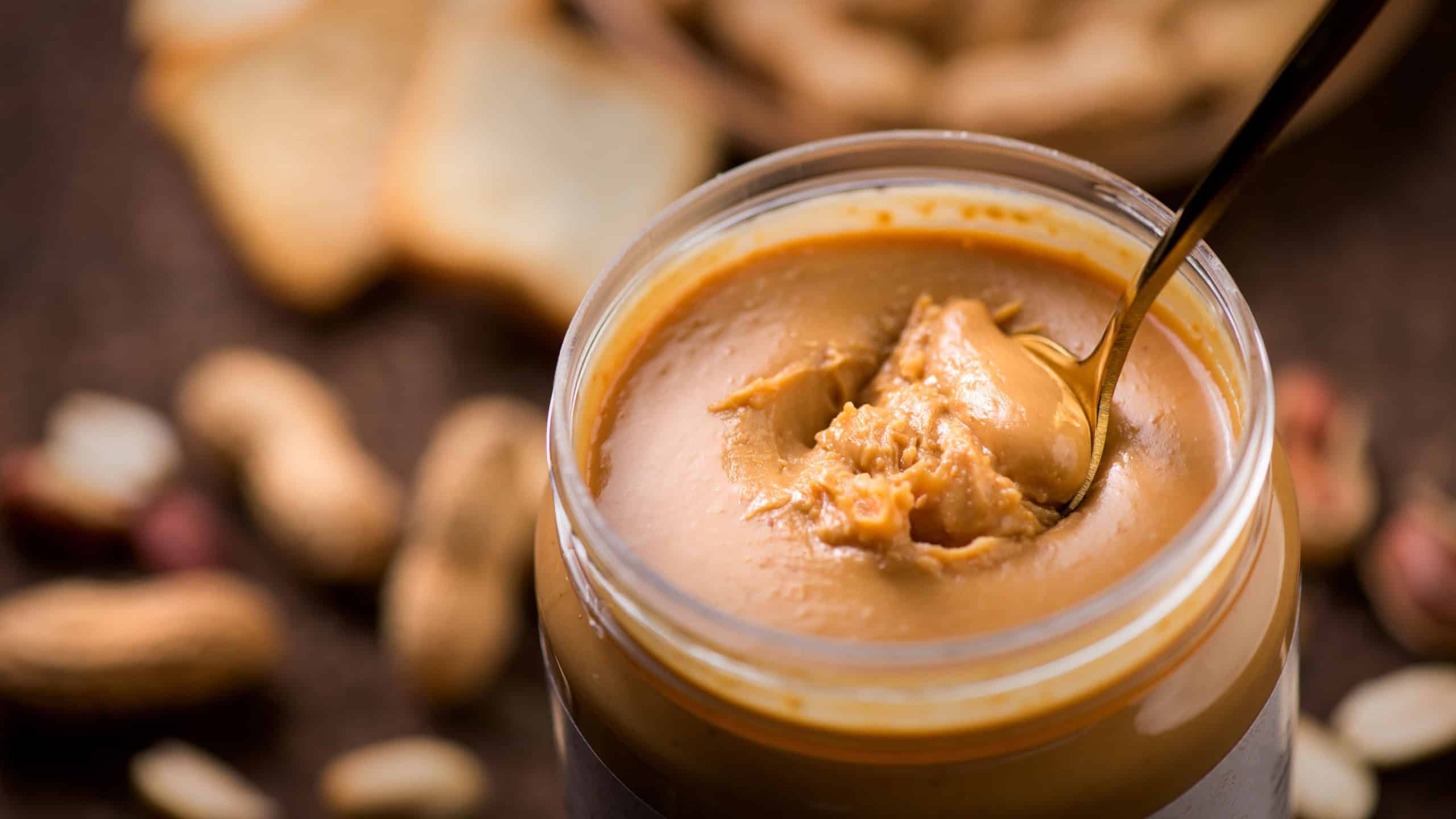
Like many other products with high oil content, peanut butter will go off if left long enough. You should keep certain natural varieties without stabilizers refrigerated once they’re open (refer to the packaging).
A bit of oil floating on top is perfectly normal, but steer clear of peanut butter that tastes bitter or has an odd smell. Check the label and inspect any jars that have been open for a while, then throw them out if needed.
Moist or clumpy powdered foods
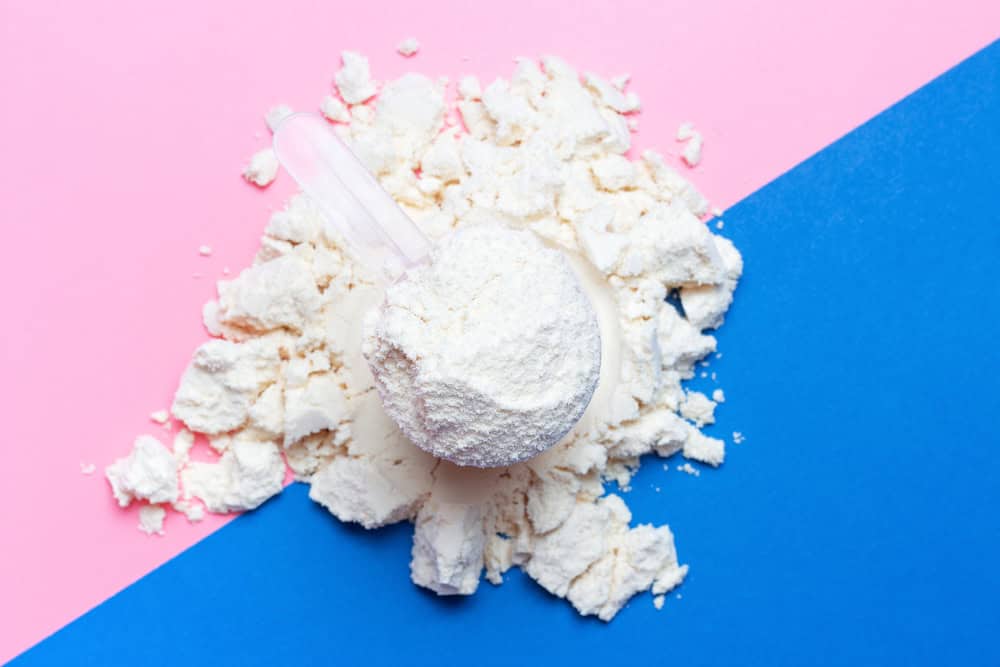
Powdered milk, instant drinks, and similar products soak up moisture quickly when left open or not sealed properly. Sometimes this causes clumping and speeds up the food spoiling. A few small lumps are usually nothing to worry about, but a strong smell, fungus, or dampness means you should discard the product.
Forgotten homemade preserves
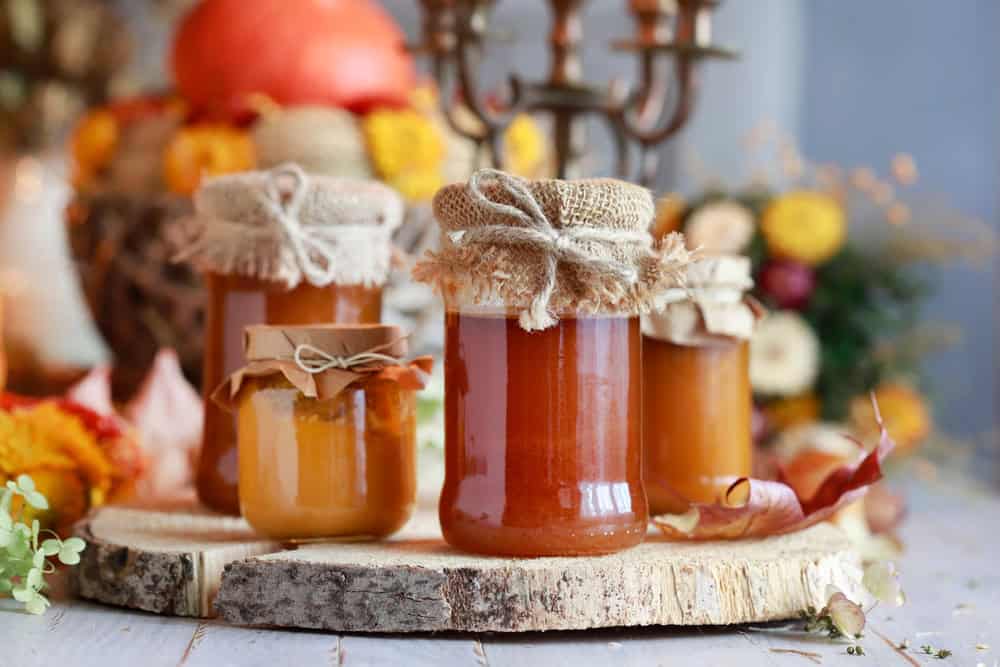
It’s easy for homemade jams, relishes and similar items to end up pushed to the back of your food store and forgotten. You have to be much more careful with them than with tinned or vacuum-packed items, as their safety depends on the process used to make them. Even when a jar looks and smells normal, incorrect processing may mean it contains harmful organisms.
Like our content? Be sure to follow us.
11 grocery habits Canadians are ditching to survive 2026 prices

As food prices continue to skyrocket, Canadians are changing the way they grocery shop.
11 grocery habits Canadians are ditching to survive 2026 prices