Before going to bed, check whether these household appliances really need to stay plugged in.
Clothes iron

An iron will reach very high temperatures after only a few minutes, so it should always be unplugged from the wall once used. Leaving it switched on with auto-off is an option, but it’s not smart to depend on that each evening in case the mechanism or some other part fails.
So remember to turn yours off and remove it from the power source when you have finished.
Portable space heater
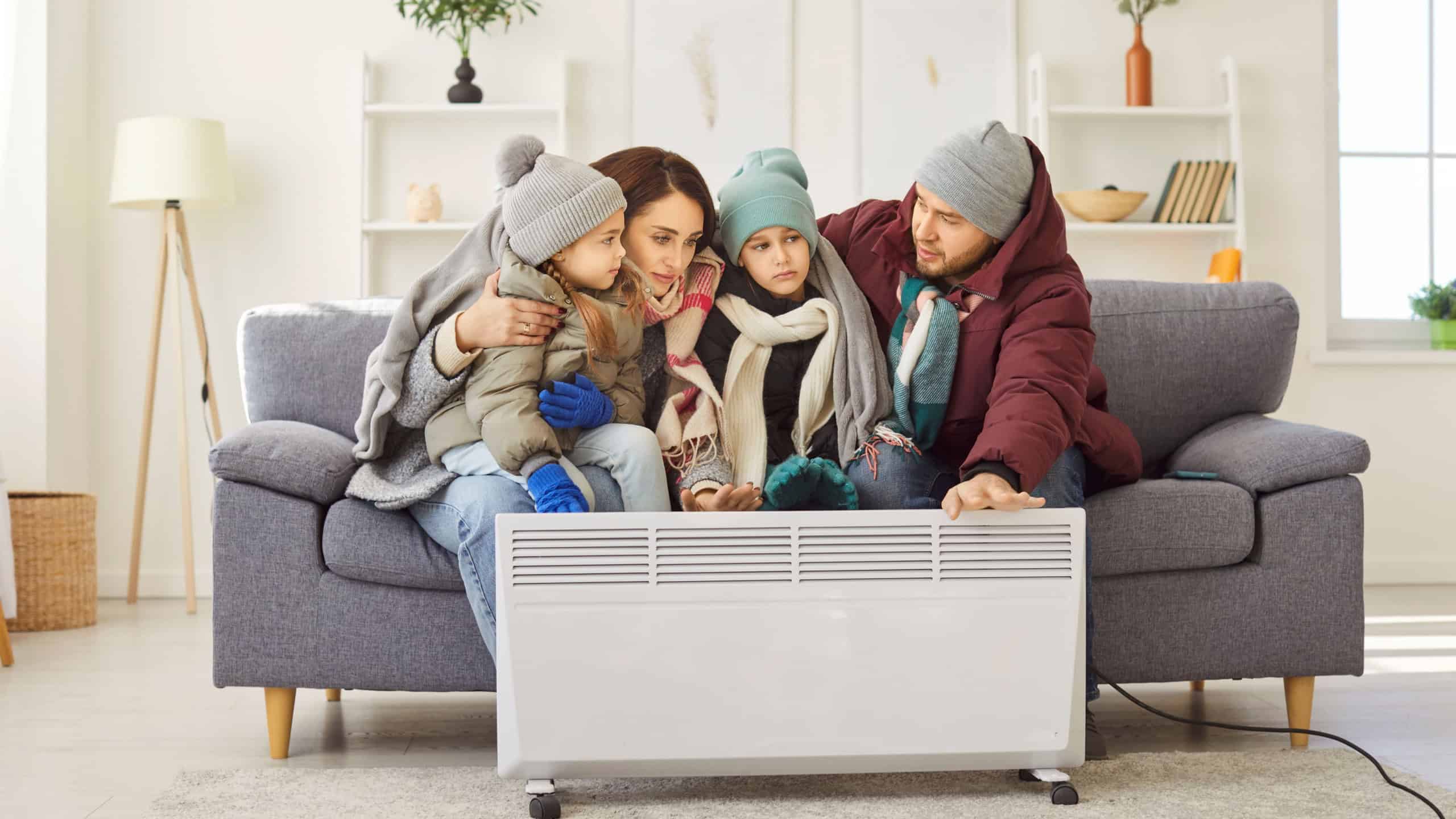
Portable heaters cause a large number of home fires, often from being positioned too near to bed, curtains, and other furnishings. Some will turn themselves off if knocked over, and a few have further safety features built in, but there is still a risk if one is left running unattended for a long time.
So before you go to sleep, turn off any portable heater and pull the plug, unless the manufacturer says otherwise.
Hair straighteners

Many hair straighteners get hot enough to scorch clothing and other materials, so they need to be handled carefully. It is easy to leave a straightener on when going to turn in for the night, especially if it does not turn off automatically.
The metal plates will stay very hot for a while after the straightener is turned off. So it’s best to unplug them and set them on a surface that can handle the heat.
Older televisions
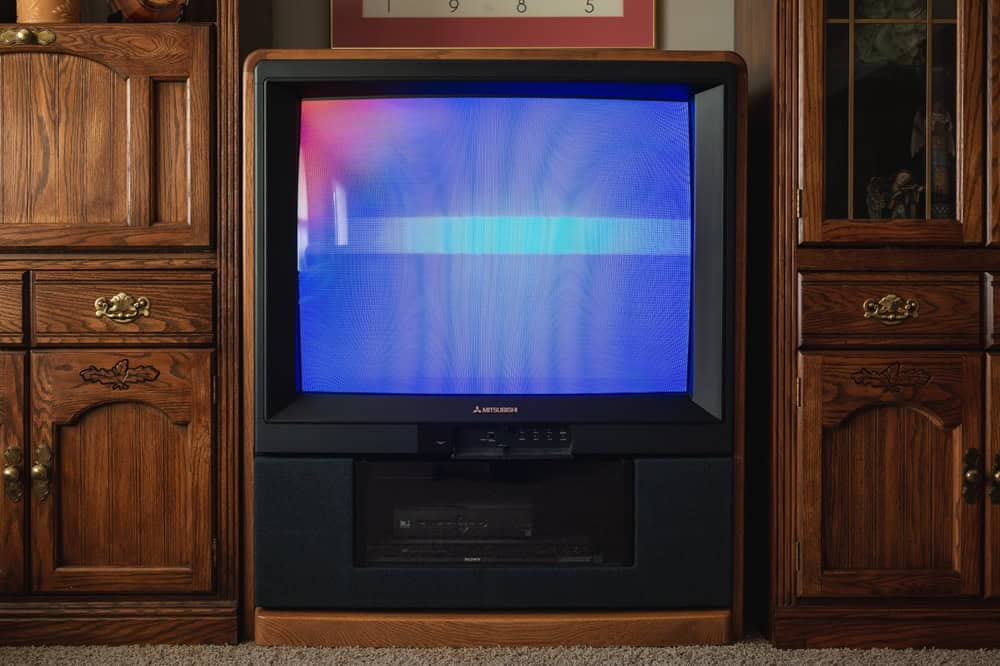
Older TVs, especially plasma, will usually use more power than an equivalent LED model. A lot of them will keep drawing power if you leave them on standby with the remote.
That means leaving it running all night could really waste a fair bit of energy. So if you don’t use features that need standby power, switch it off at the wall when not in use.
Electric blankets and heating pads
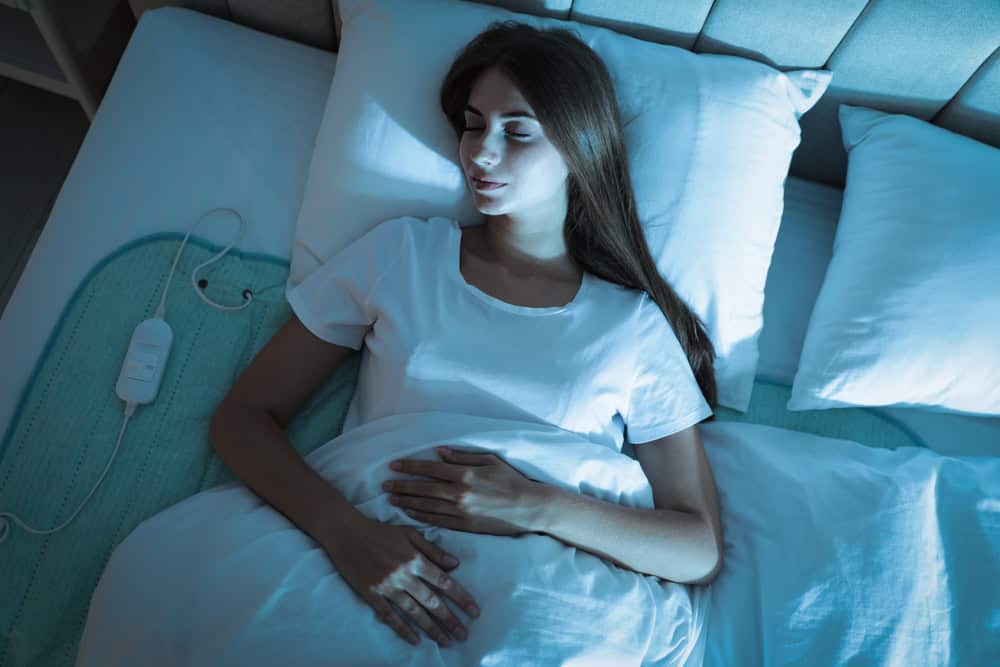
If the wires are frayed, or the blanket or pad has been bunched up or folded, an electric blanket or heating pad can overheat in places. This may cause burns and start a fire.
It is a good idea to be especially cautious with older items since their safety features are not reliable. There are some electric blankets that can be slept on; however, you should check the instructions before sleeping with a heating pad on. Of course, check for any signs of wear and tear and remove from the mains when not required.
Air fryers

An air fryer contains very strong heat sources to cook food. Most appliances will time their cycles and switch off when complete, but defective controls or other electrical failure may be dangerous.
A build-up of grease and debris makes a fire more likely. So when you have finished cooking, leave the appliance to cool down and remove it from the power source.
Coffee makers with hot plates
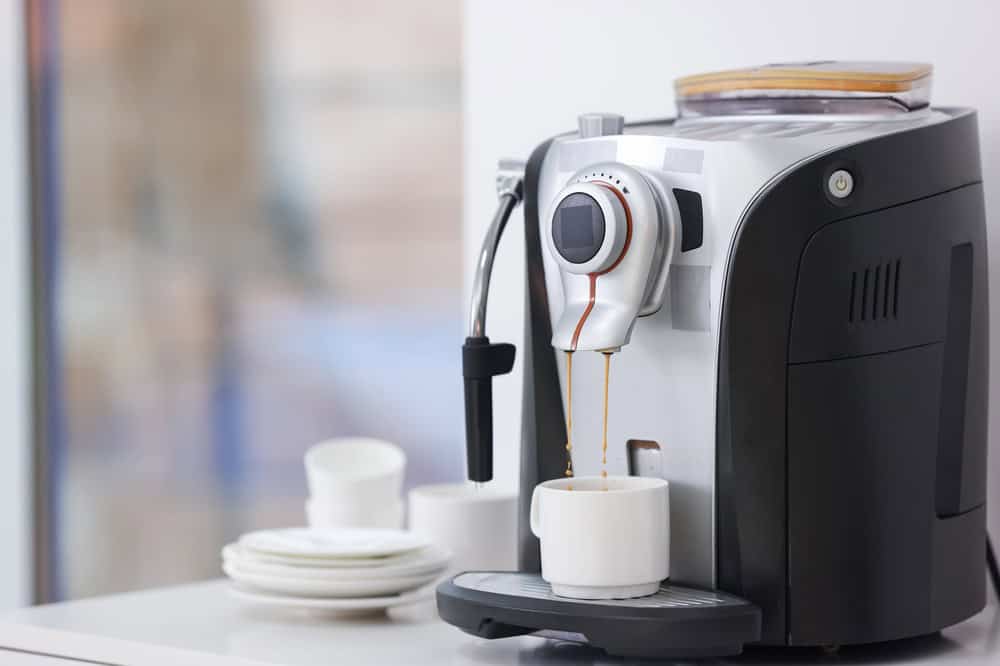
Some old coffee makers have heated plates that can keep brewed coffee warm for extended periods. If you leave the machine accidentally on, the plate might keep producing heat even after the coffee has been made. However, most modern machines tend to have automatic shut-off features.
Toasters
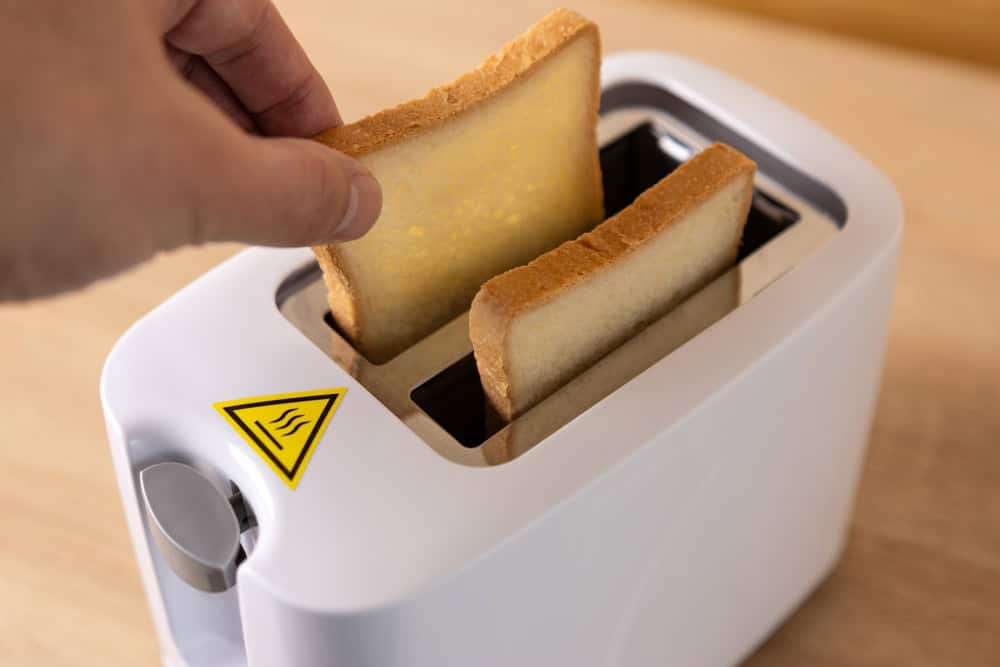
If breadcrumbs collect around the heating elements inside the toaster, this creates a potential fire hazard. A damaged lever or other switching mechanism can also cause problems. Most modern toasters are generally safe to keep plugged in as long as they are turned off. But unplugging it after use and cleaning crumbs often can keep the appliance extra safe.
Gaming consoles
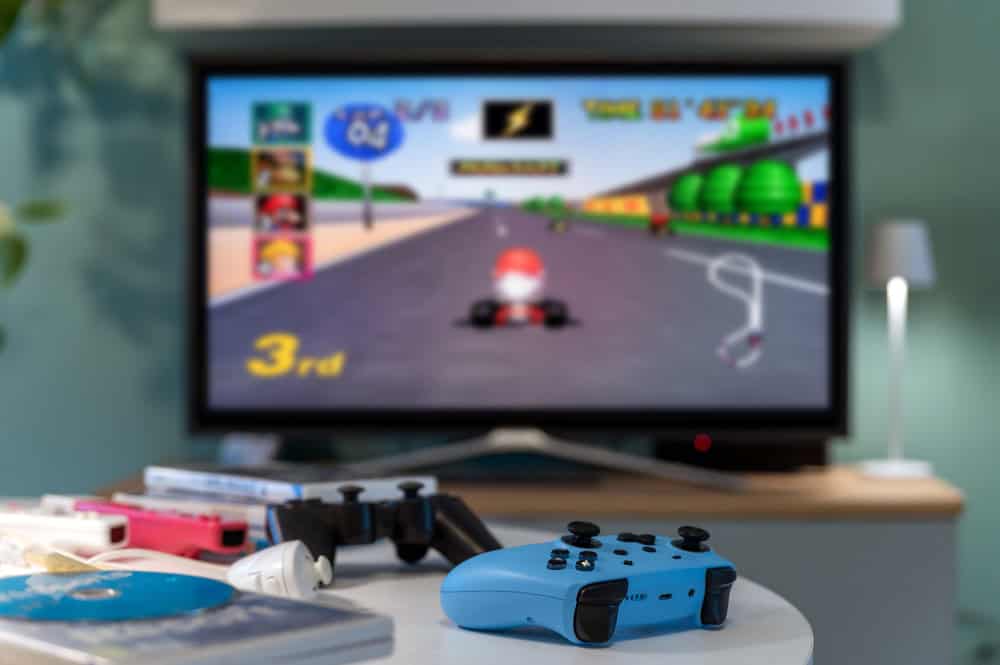
Modern gaming consoles usually have standby or rest modes that allow them to download updates while they’re not in use. Although these features are very convenient, they also consume electricity.
However, depending on the settings, some consoles use a lot more power in rest mode when compared to being fully shut down. If you don’t need overnight downloads or remote access, turning the console off completely can reduce electricity use.
Electric kettles

Most modern kettles will switch off once the water reaches boiling point, but this may be unreliable with some older or damaged kettles. If the thermostat or another switch is defective, leaving it on may cause it to overheat. To be extra safe, turn it off at the wall if you won’t need it again before morning.
Like our content? Be sure to follow us.
12 dangerous things people thought were perfectly normal in 1960s homes

Many everyday features of a 1960s home seemed harmless at the time, even though we now know they carried serious risks.
12 dangerous things people thought were perfectly normal in 1960s homes