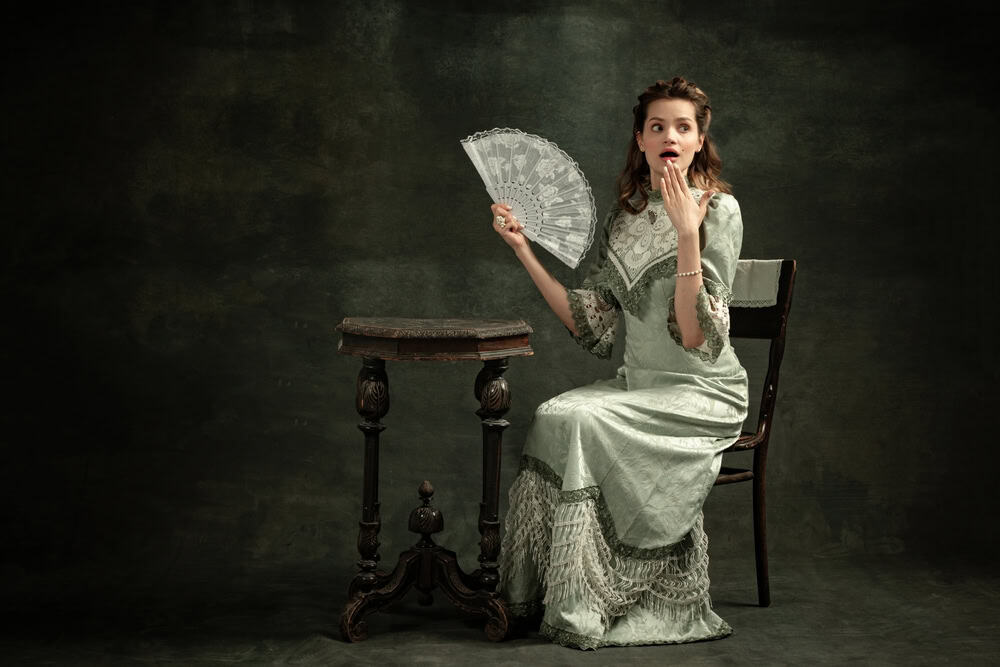
Some of the most disturbing things in history are the ones we never learned about in school.
Mummies as medicine
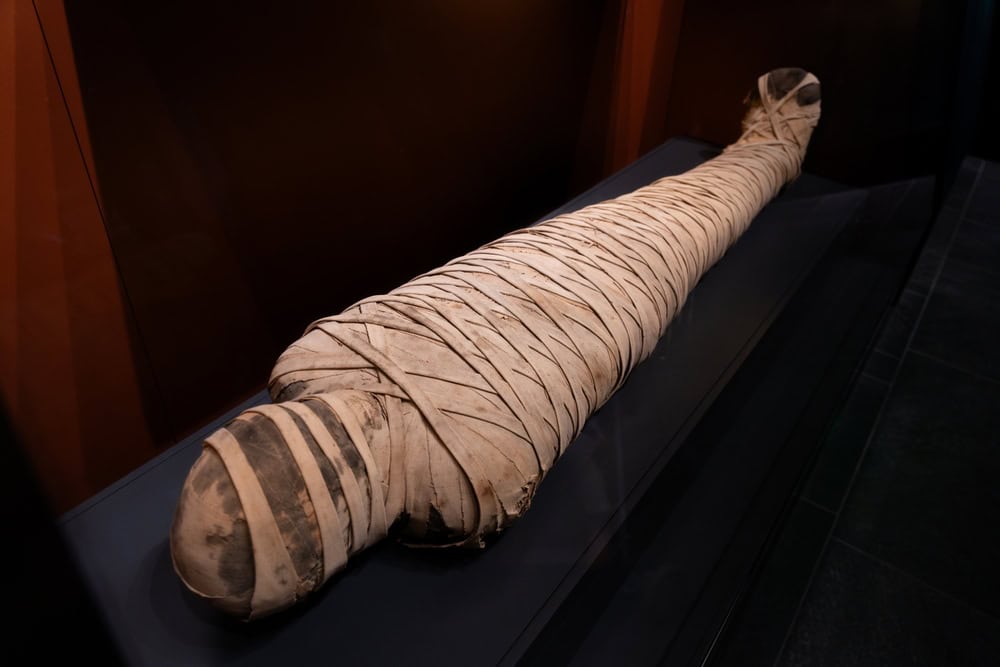
Powdered Egyptian mummies (mummia) were eaten by Europeans for medicinal purposes for many hundreds of years. It was thought to cure ailments like headaches and internal bleeding. Apothecaries sold medicines made from mummified human remains.
At one point, fake mummia was manufactured to meet high demand, some made from freshly killed corpses. The practice died out as medical science advanced.
Coffins with emergency bells
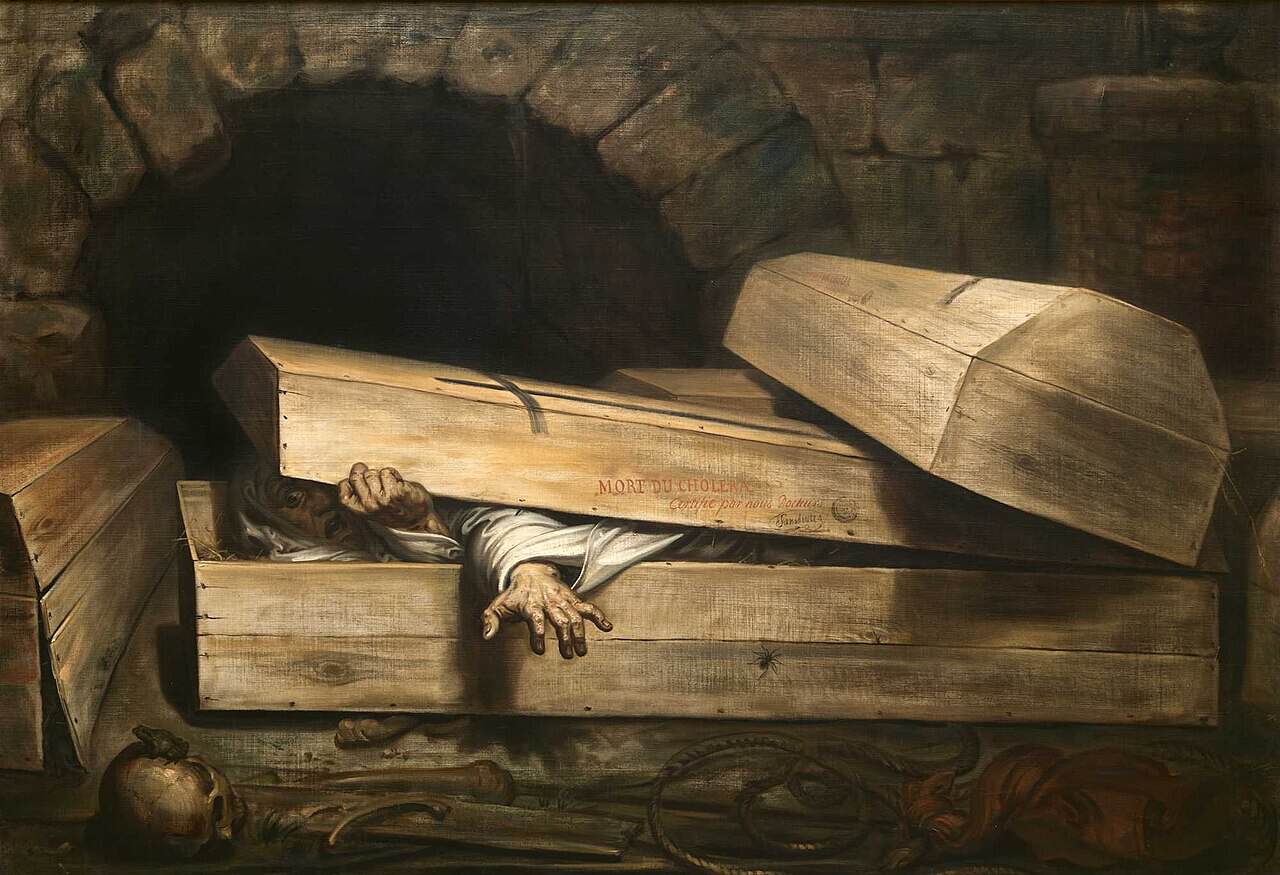
During the 18th and 19th centuries, many people were terrified of being buried alive. They worried that they would be mistakenly declared dead while being unconscious. Inventors took this fear as a chance to design special safety coffins with bells, which could be rung by someone trapped underground. Some designs even included ventilation tubes to provide fresh air.
Stolen corpses
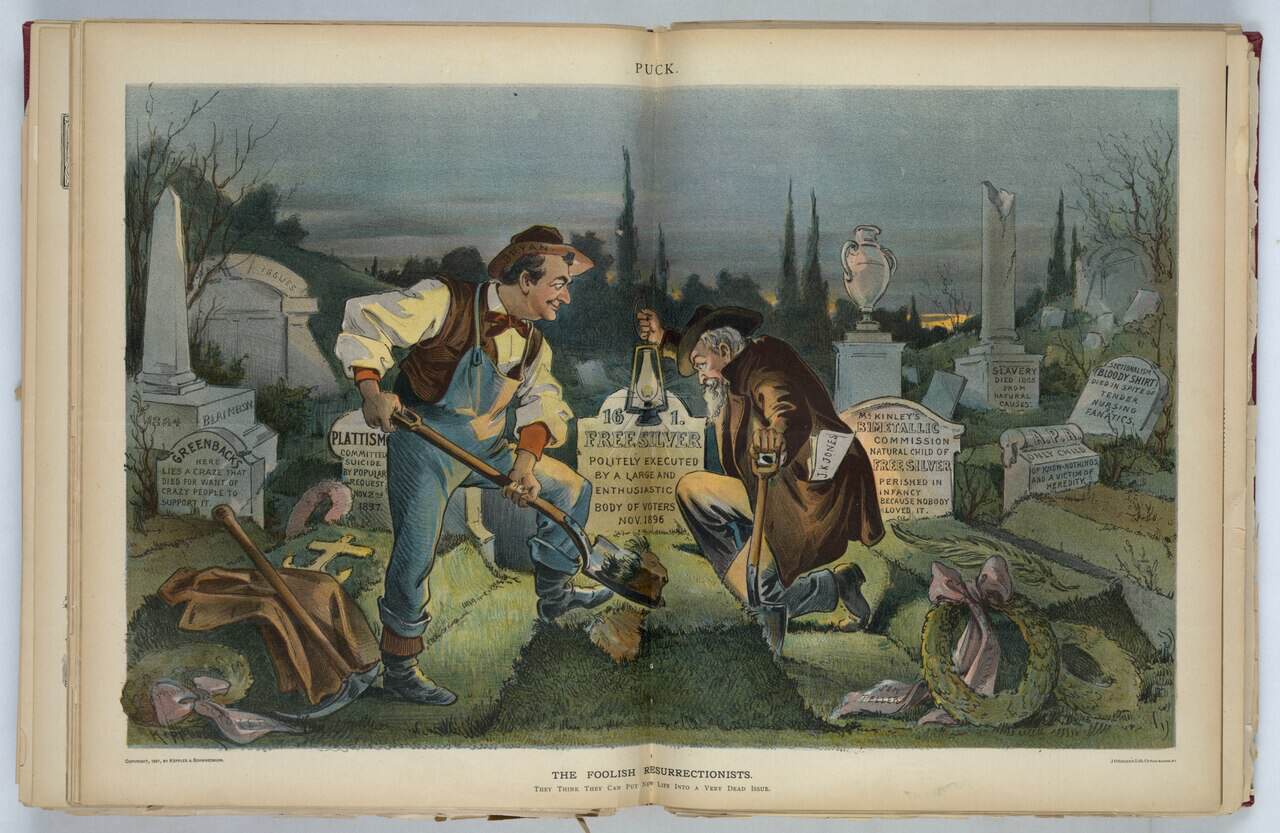
There was a shortage of bodies available for dissection at most British medical schools in the 1800s. This created a profitable business opportunity for grave robbers (they were called resurrection men), who dug up recently buried corpses and sold them to medical institutes.
In Edinburgh, William Burke and William Hare took things even further by murdering at least 16 people and selling their bodies to anatomist Robert Knox. Their crimes were exposed in 1828.
Human skin covered books
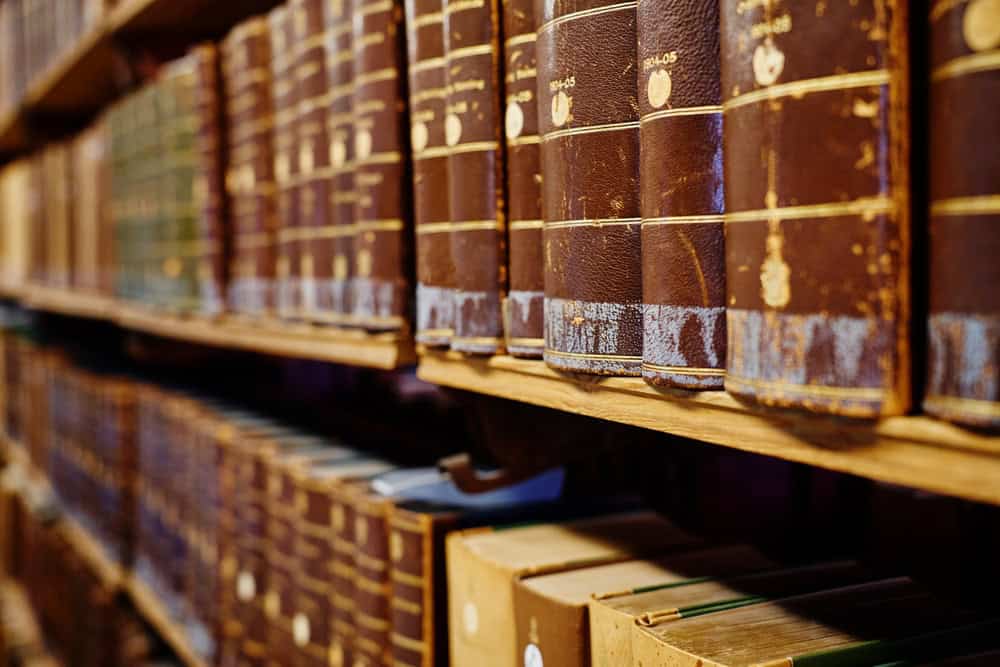
Some old books were bound in human skin and are referred to as anthropodermic bibliopegy. Quite a few of these books survive today and have been confirmed as authentic.
One such example is a book that belonged to Ludovic Bouland, a doctor in France, bound in the skin of a dead woman without her consent. The book eventually became part of Harvard University’s collection. In 2024, Harvard removed the human skin binding due to ethical concerns.
Children working in chimneys
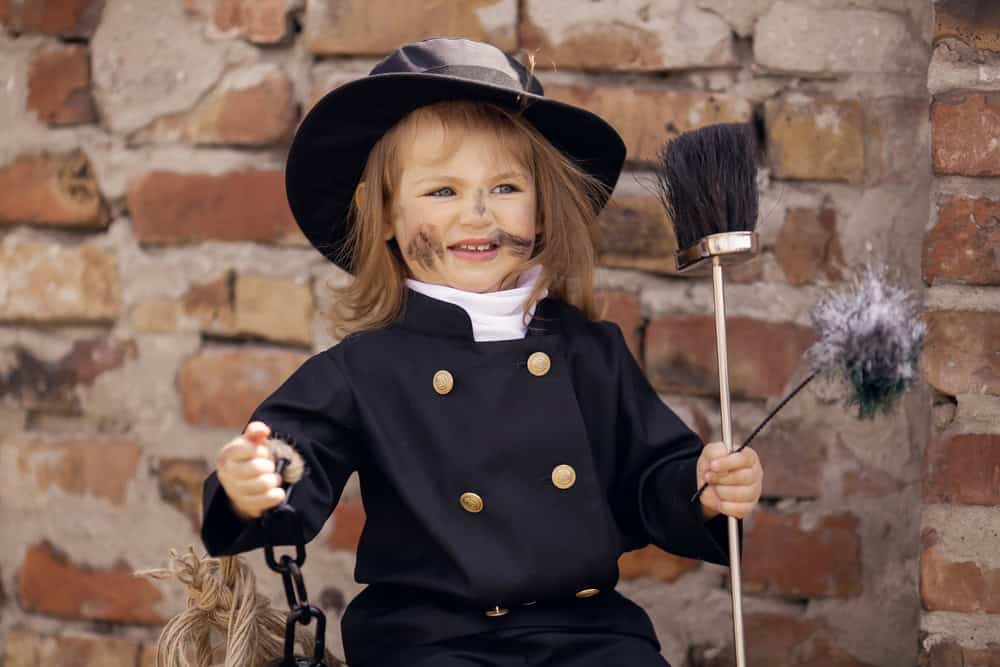
Very young children were used as chimney sweepers in the UK. They were able to squeeze up tight chimney flues, but many got stuck, burned or became severely ill from the build-up of soot in their bodies.
Sweepers would resort to brutal tactics to encourage the terrified children to climb further. Legislation was passed to try to abolish the custom, but it was not effectively policed, and young chimney sweepers remained common into the 1800s.
Executions became entertainment
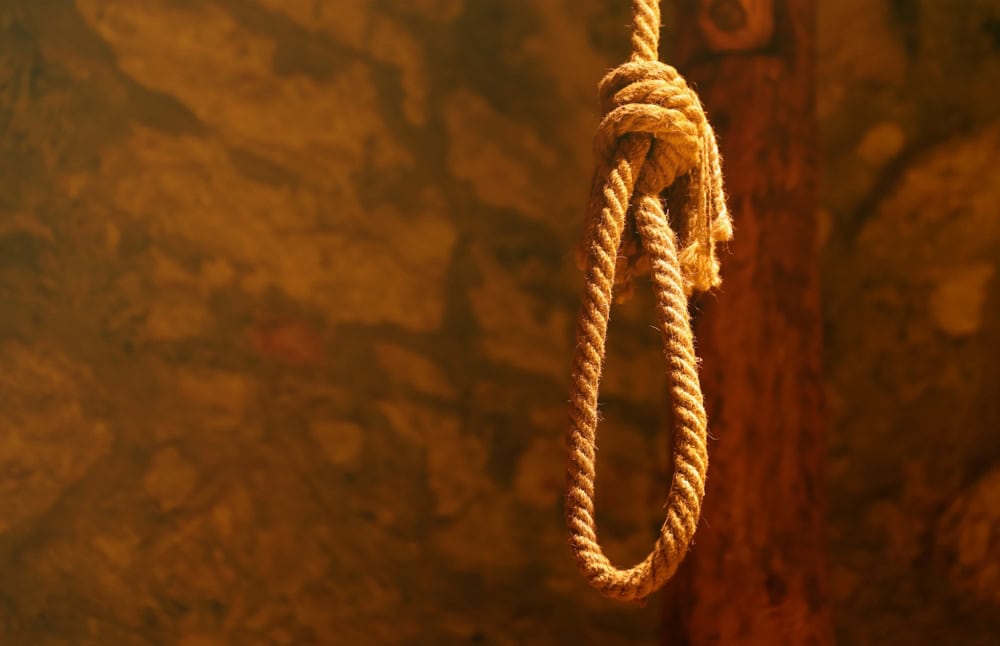
Public executions would draw very large audiences, with people queuing for hours to get a place and street vendors would sell refreshments and pamphlets detailing the life and crimes of the convicted.
There were also reports of people paying for a view from local buildings. It had developed into a popular public spectacle. England’s last public execution took place in 1868, when Michael Barrett was hanged outside Newgate Prison in London.
Teeth from dead soldiers
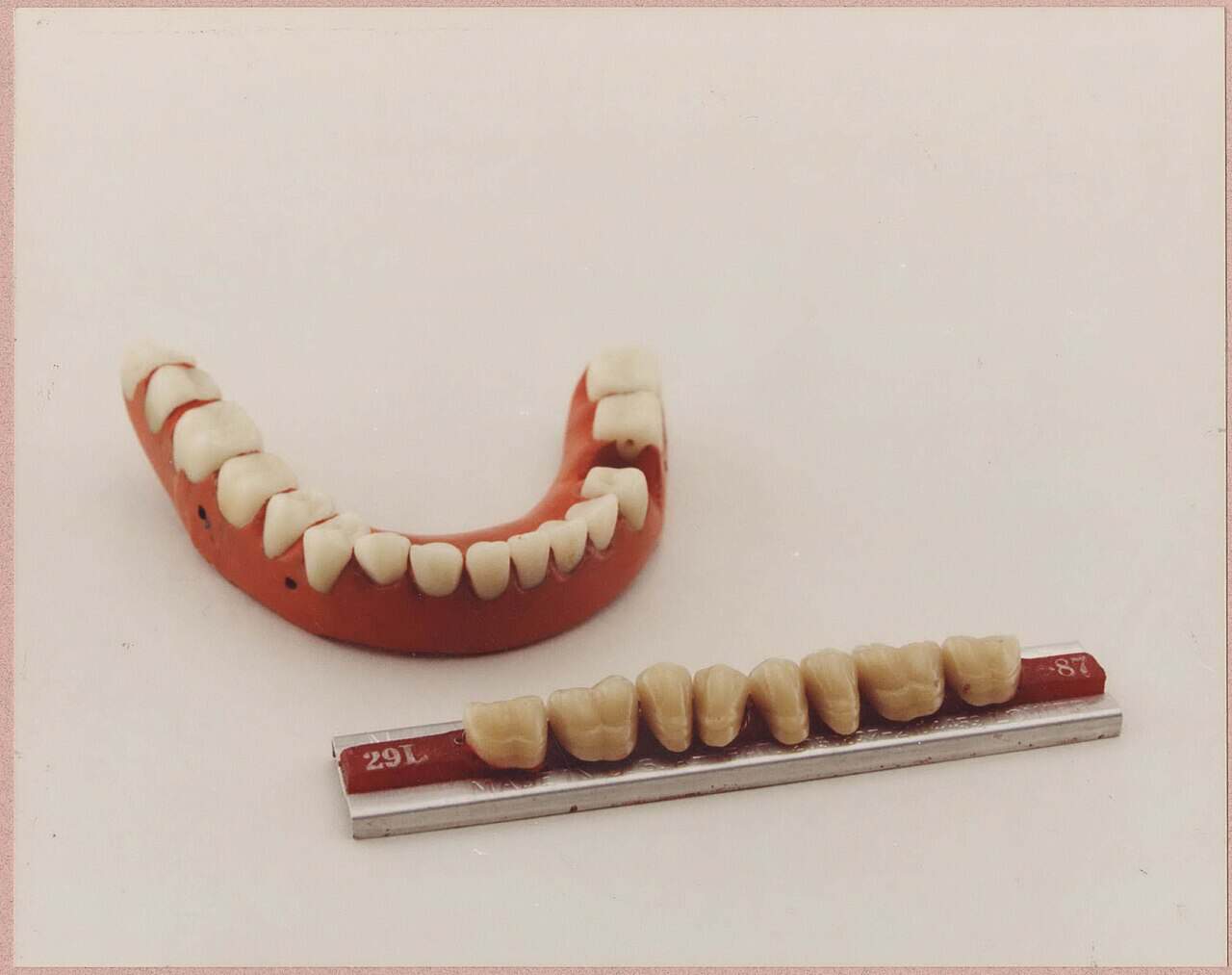
Before modern dentistry, dentures were sometimes made out of actual human teeth. These were obtained from grave diggers, poor people willing to part with their teeth, or from dead soldiers after major battles.
The Battle of Waterloo in 1815 was especially associated with this practice, giving rise to the name “Waterloo teeth.” So wealthy people could end up wearing dentures with teeth taken from dead soldiers.
Gladiators’ blood
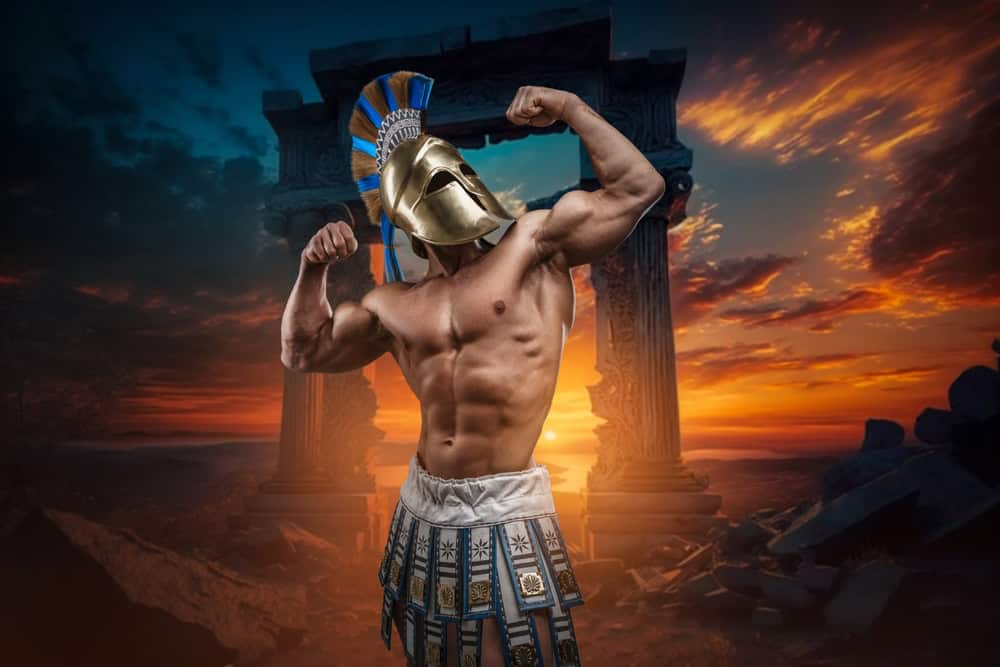
In ancient Rome, there were those who drank the fresh blood of a killed gladiator as a remedy for epilepsy. This macabre custom was recorded by various Roman authors, including Pliny the Elder.
People believed that drinking the blood of someone strong and healthy would pass that vitality on to the drinker. This practice continued in some parts of Europe once the gladiator combats were gone, where executed criminals’ blood was drunk as a remedy for epilepsy.
Deadly wallpapers
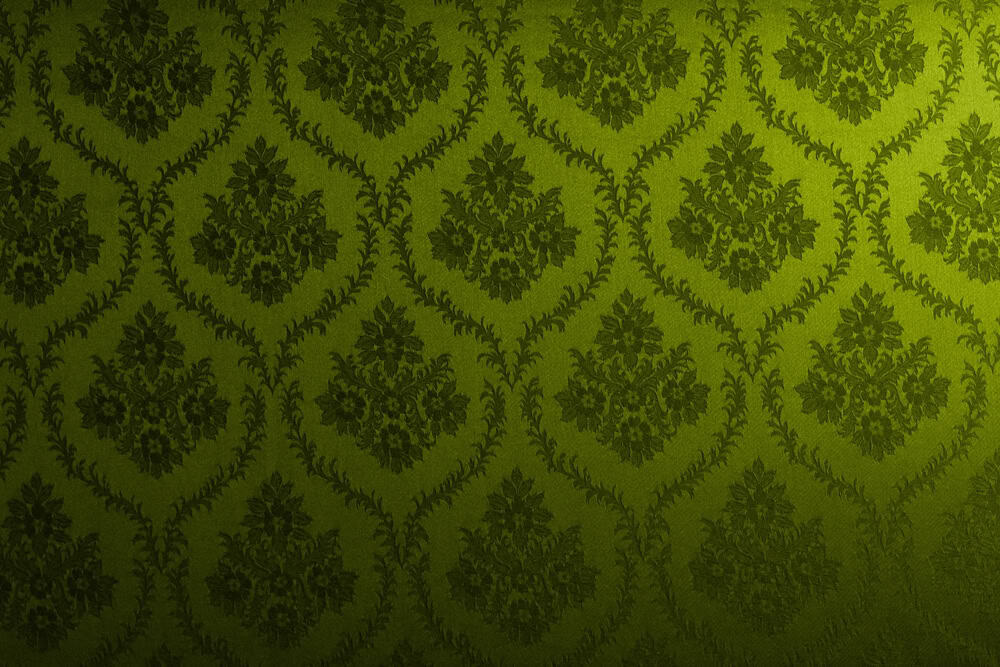
In the Victorian period, vivid shades of green wallpaper were very popular in homes. Unfortunately, many varieties relied on Scheele’s Green, an arsenical compound. With age, small amounts of this would become airborne and be breathed in by people living in the house.
Medical practitioners started to associate various ailments with the presence of the wallpaper, and there were even fatal cases of suspected arsenic poisoning. Public alarm led to the manufacture of non-arsenic-based wallpapers.
Baby mail

In 1913, when the US began offering its Parcel Post scheme, there were reports of people attempting to transport their children. As no rules specifically forbade sending a child, several families sent their babies or young children through the post.
One such case was that of May Pierstorff (aged 5), who was sent by the Mail Train to her Grandparents’ home in Idaho in 1914, having had stamps fixed to her clothes. They appear to have been cared for by the post office staff, and not shipped in parcels.
Dead photographed
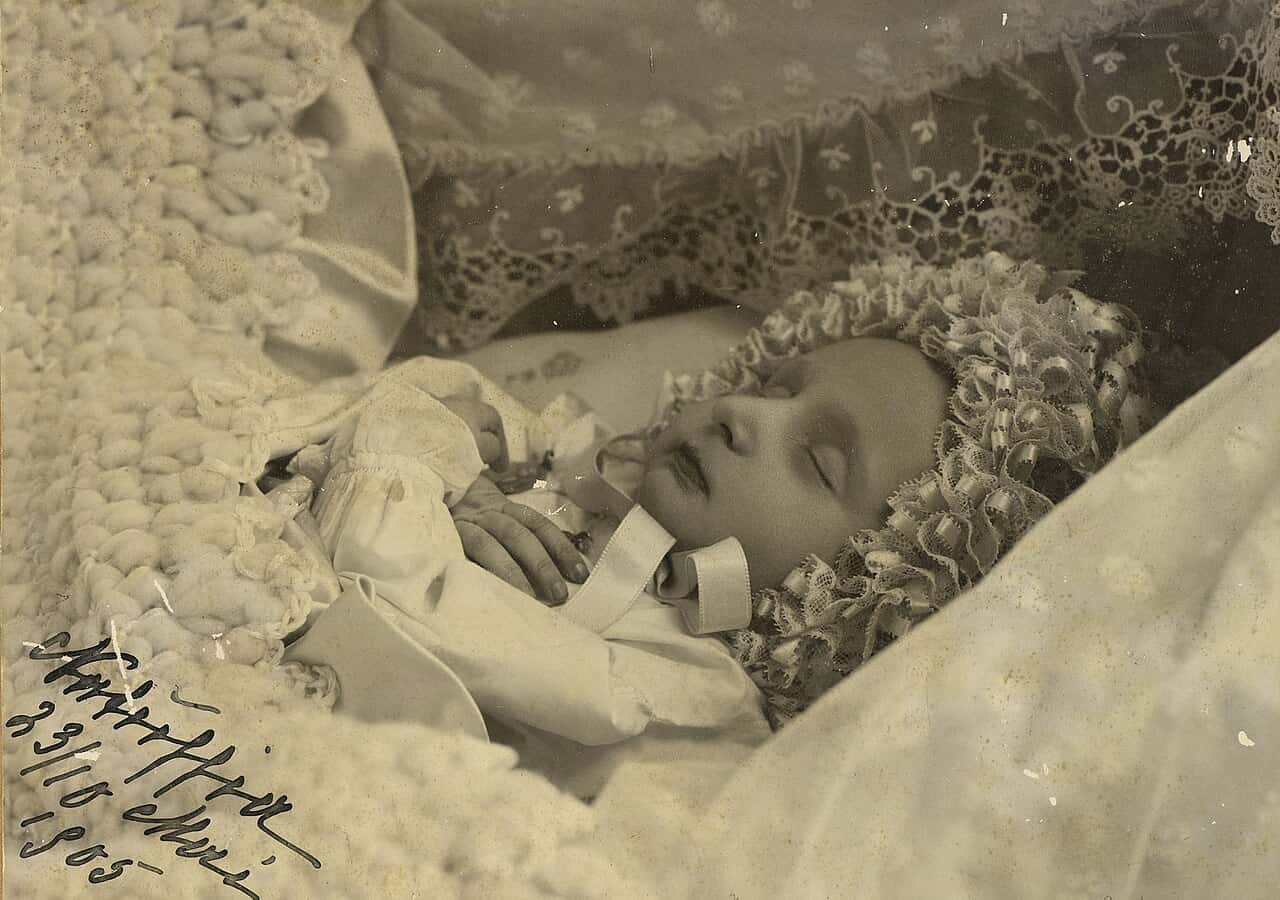
In the 1900s, many would have their dead family members photographed as a last memento. Since photography was often rather expensive back then, these pictures might be the only photographs a family had of that person.
It was common for young children to be photographed in their beds or held in the arms of their parents. Adults were often photographed in their coffins or posed to appear as if they were just asleep.
Radioactive beauty products
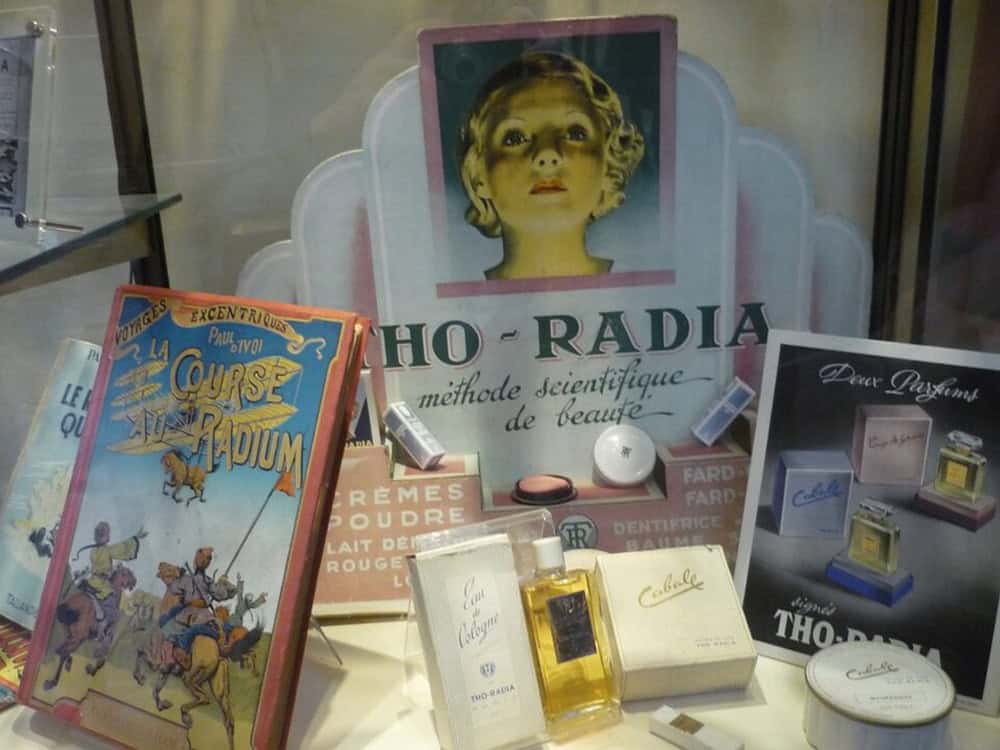
In the first half of the 20th century, radioactivity was widely advertised for its supposed medical and cosmetic properties. One French company, Tho-Radia, offered face creams and powder laced with radium and thorium in the 1930s.
Their advertising suggested that this would increase blood flow to the face and promote a youthful complexion. People at this point did not know how hazardous radioactivity was, but as knowledge grew, its inclusion in such goods came to be banned.
Sources: Please see here for a complete listing of all sources that were consulted in the preparation of this article.
Like our content? Be sure to follow us.
10 urban legends that are scarier because they’re actually true

While some urban legends are only made to scare kids at sleepovers, some of them are true enough to scare even the bravest of people.
10 urban legends that are scarier because they’re actually true