Across America, some of nature’s most unusual phenomena look like something straight out of a science fiction movie.
Eternal Flame Falls
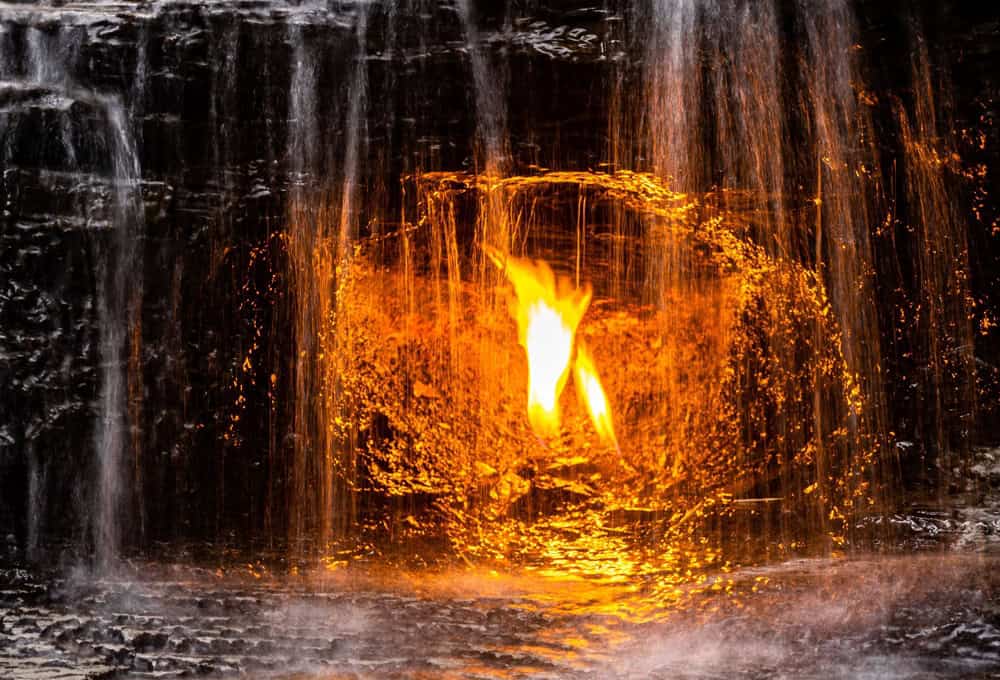
Hidden behind a waterfall in Chestnut Ridge Park in New York, there is a flame that seems to burn right from the rocks. Natural gas, mostly methane, seeps from cracks in the shale and burns to produce a flame.
The strange thing is that the flame keeps burning as usual even with water flowing right over it. However, the flame isn’t eternal in the truest sense, as it sometimes extinguishes and has to be ignited again.
Thundersnow
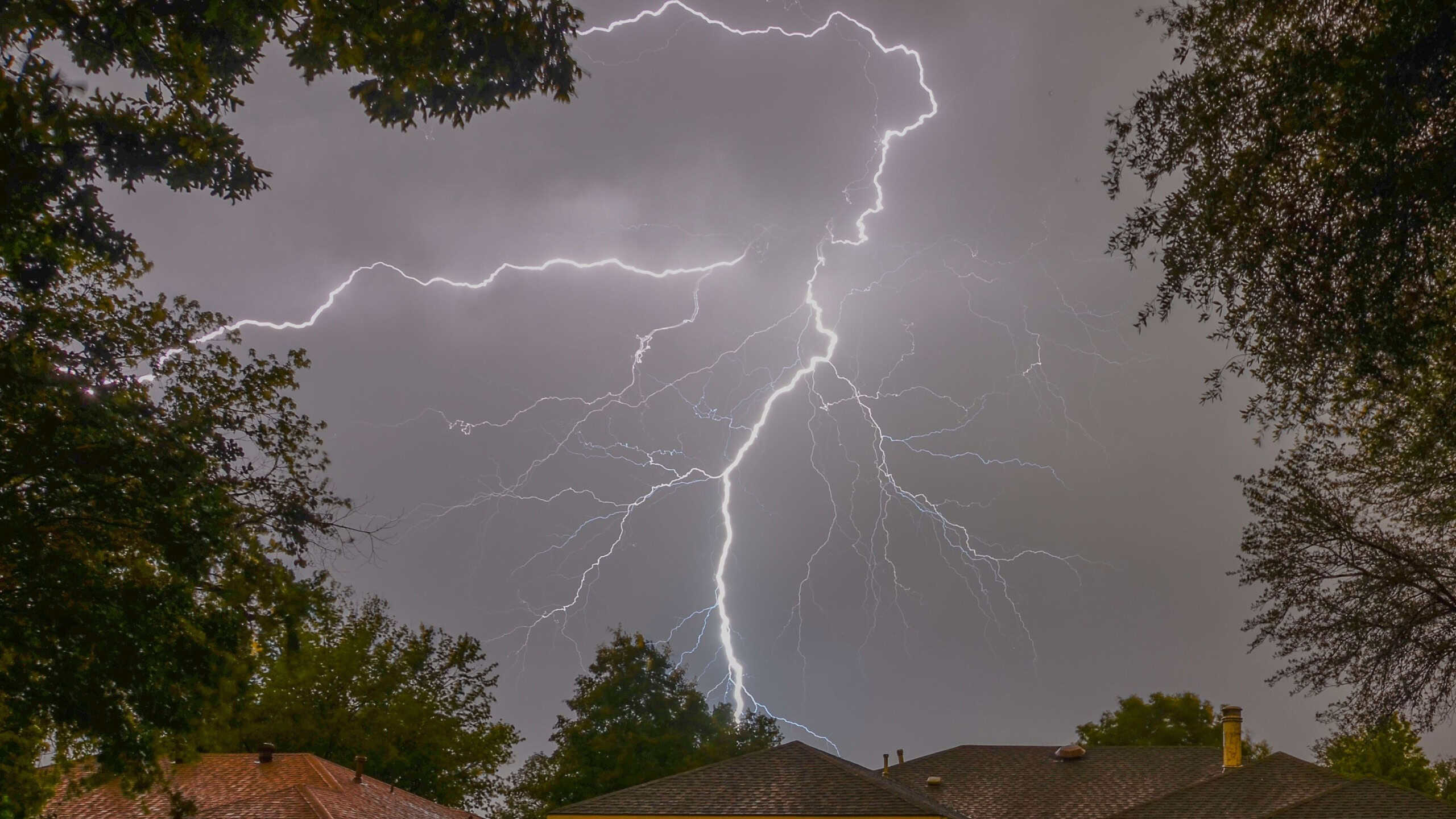
Thunder and lightning during a snowstorm may seem strange, but it can happen. Thunderstorms that produce snow are called thundersnow. These storms produce strong updrafts inside the storm. This lets electrical charges accumulate and create lightning, like in a summer thunderstorm.
Thundersnow commonly occurs with intense lake-effect snowstorms near the Great Lakes. Falling snow absorbs the sound of thunder, so it is significantly quieter and does not travel as far as during normal thunderstorms.
Fire whirls
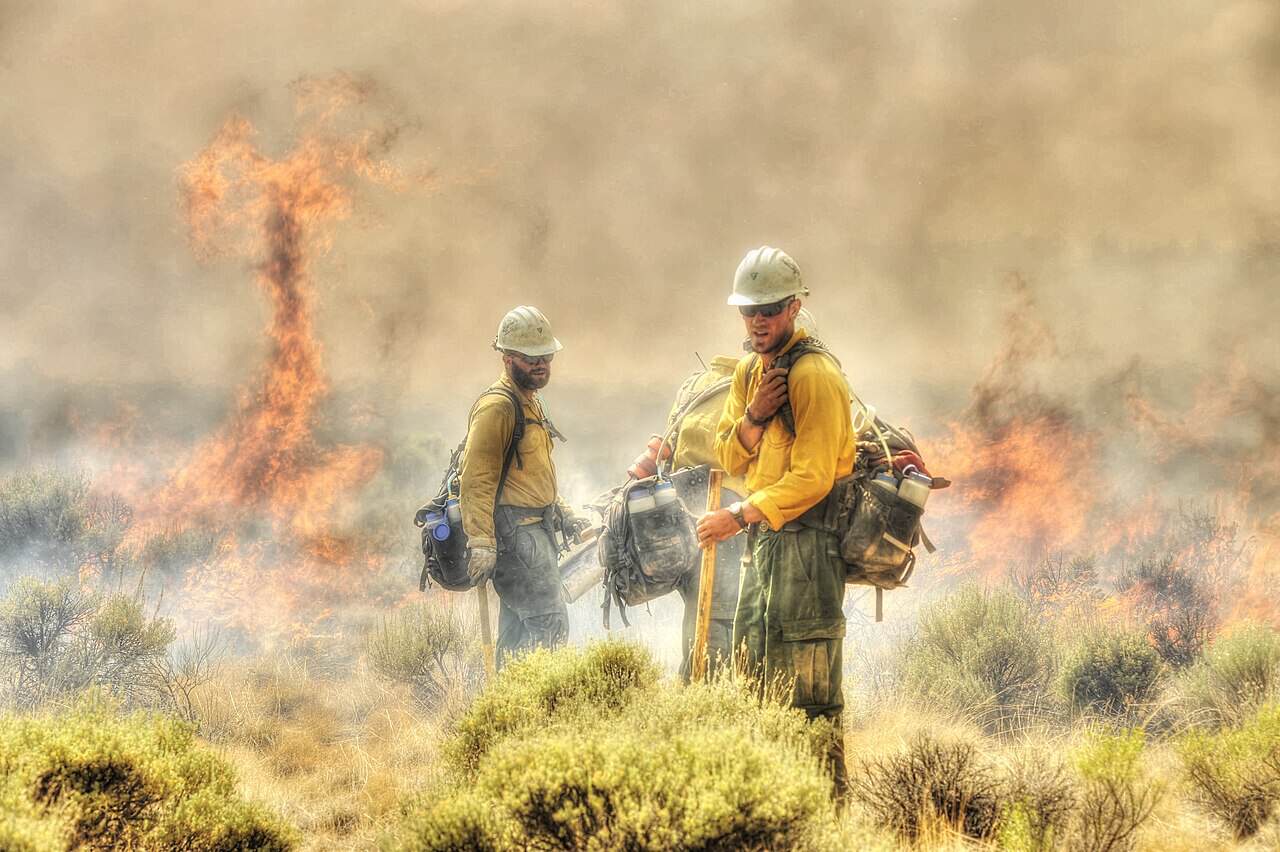
Sometimes, fire from large wildfires will produce vortices of flame called fire whirls. Fire whirls occur when rising hot air starts spinning, due to environmental winds and turbulence. They can range from only a few metres in height to colossal sizes.
If large enough, they can hurl burning debris into the air and carry fire into yet untouched areas. Several large western US wildfires in California have produced fire whirls.
Bioluminescent waves
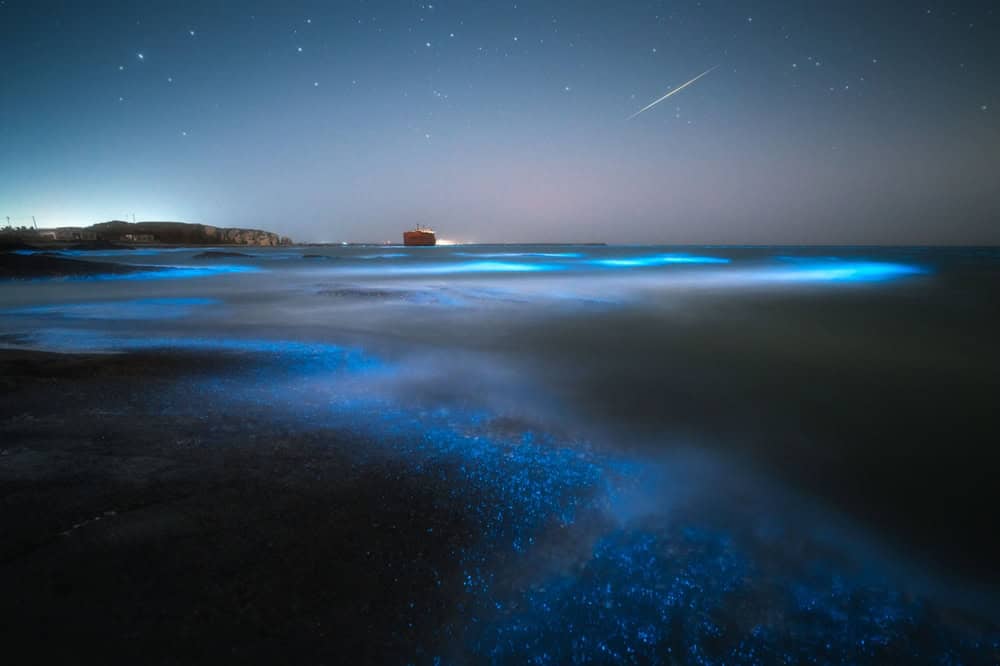
In some areas of the California coastline, ocean waves emit bright blue light after dark. The light originates from single-celled organisms called dinoflagellates, which produce light whenever they are disturbed by movement in the water. During specific algae blooms, large concentrations of dinoflagellates can cause breaking waves to emit visible electric-blue light.
Even swimmers and passing boats can produce glowing trails in the water. Bioluminescence sometimes occurs during red tides, but not all red tides are visibly bioluminescent.
Frost quakes
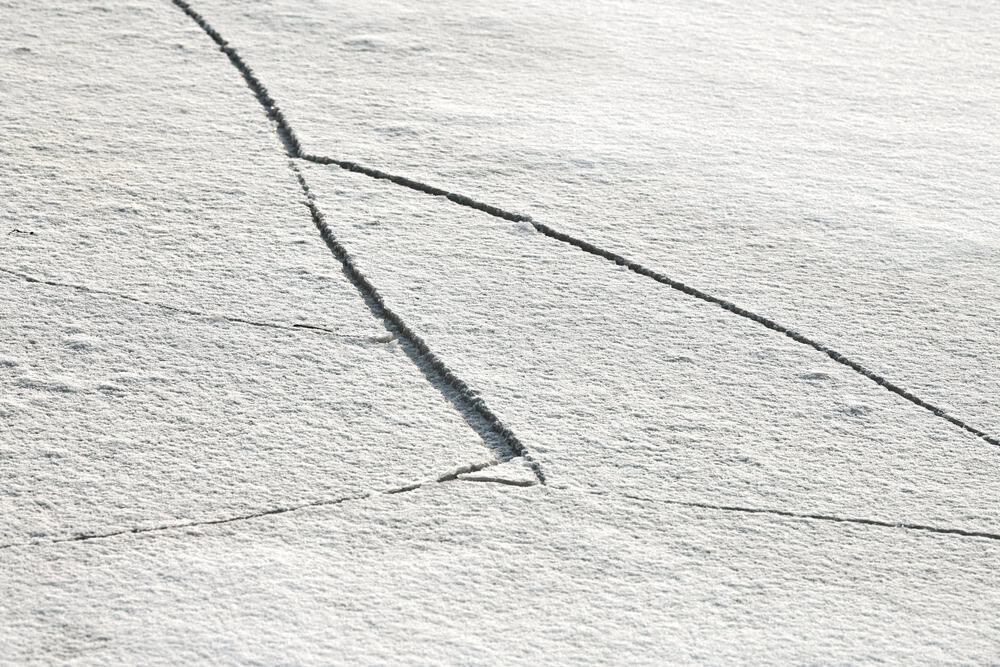
On cold winter nights, some people report hearing explosive noises or little earthquake-like bangs. These strange sounds could be caused by frost quakes. Frost quakes, also called cryoseisms, occur when soil filled with water rapidly freezes. Water gets into small pores in the soil and when it freezes, it expands.
As this happens, pressure begins to increase, stressing the surrounding soil. When the pressure becomes too much, the soil will crack, causing a loud boom. Frost quakes tend to occur when rain or melted snow saturates the ground before temperatures quickly drop below freezing.
Sailing stones
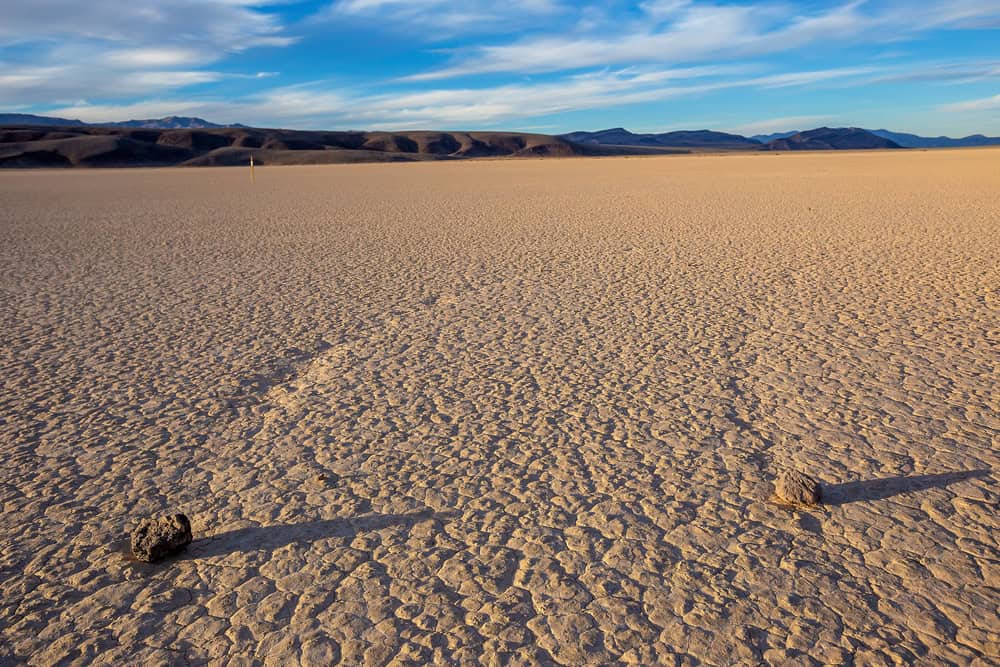
Giant rocks weighing hundreds of pounds move across a dry lakebed in California’s Death Valley National Park. The rocks leave trails behind them as they move, but scientists have been stumped for years about how they move without someone behind them.
Researchers have now figured out that winter weather plays a key role. Water sheets the ground and then freezes overnight, turning into ice sheets. As the ice melts and fractures, light winds blow the ice sheets against the rocks, causing them to slide across the muddy terrain.
Ice shoves
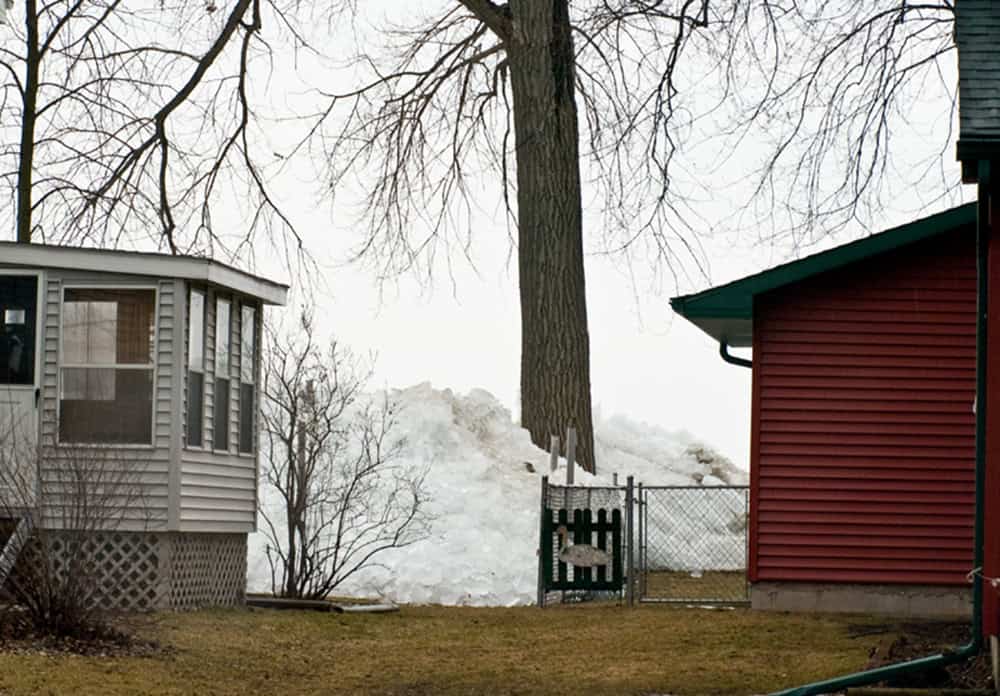
Sometimes lake ice shoves enormous wedges of ice onto the shore, creating a scene that looks almost impossible. Ice shoves happen when wind or temperature fluctuations force sheets of ice towards the shoreline.
These sheets are broken apart and deposited as ridges many metres wide and several metres high. Ice shoves near shorelines can damage trees, fences, roads and houses. Ice shoves can be observed on some of the Great Lakes and other lakes further north, especially in late winter and early spring.
Light pillars
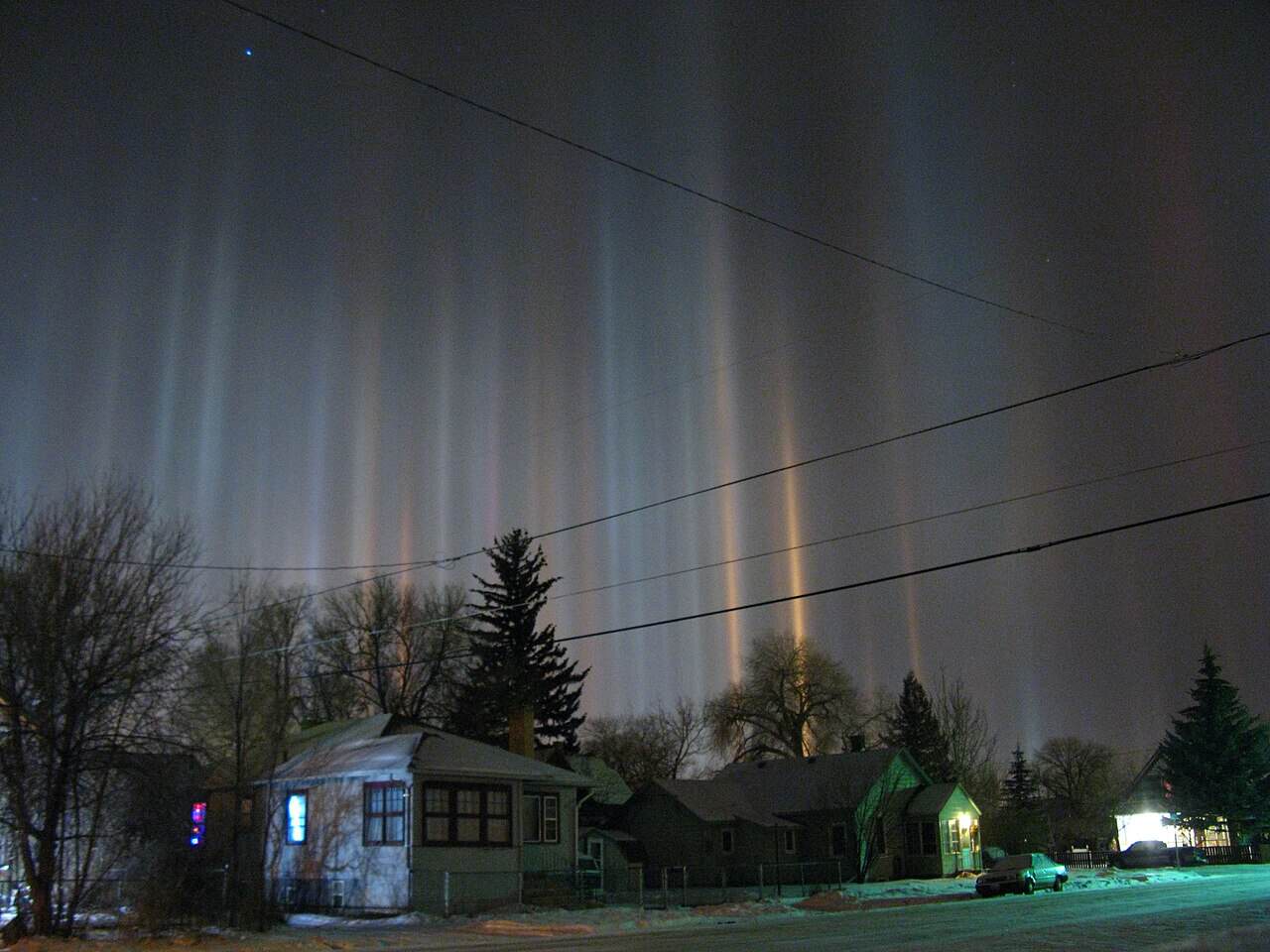
Sometimes on bitterly cold nights, columns of light can appear to reach up into the sky. Known as light pillars, these luminous columns can resemble eerie lights rising from the ground, or beaming down from space. Light pillars occur when tiny, flat ice crystals in the air reflect light from below, such as light bouncing off street lamps, buildings or other objects.
The individual crystals act as millions of tiny mirrors that combine to create columns of light. Light pillars can be very prominent in Alaska and other northern areas during the winter months.
Frozen methane bubbles
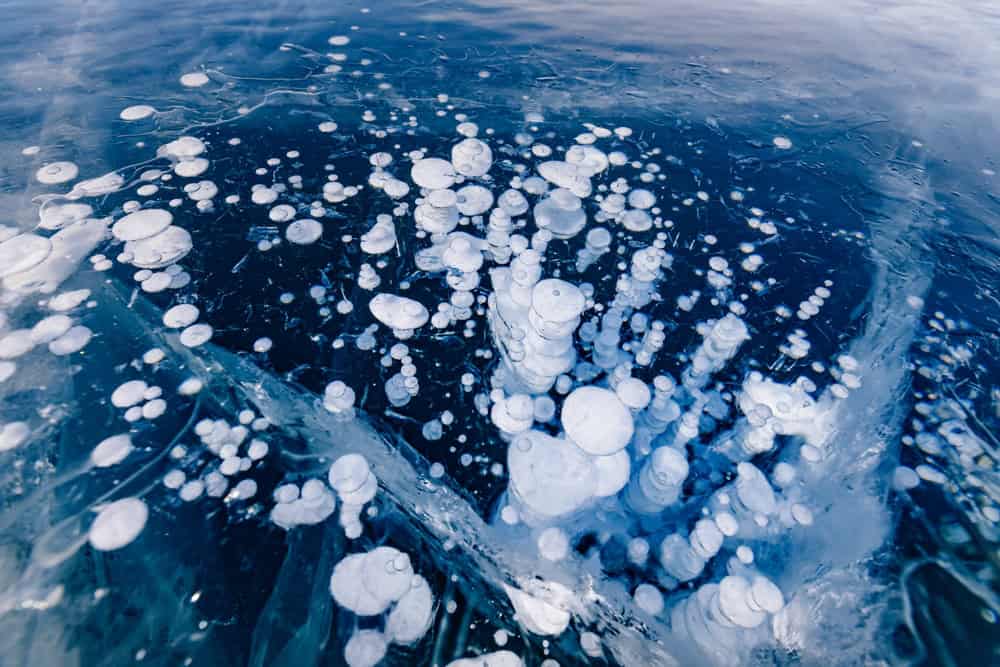
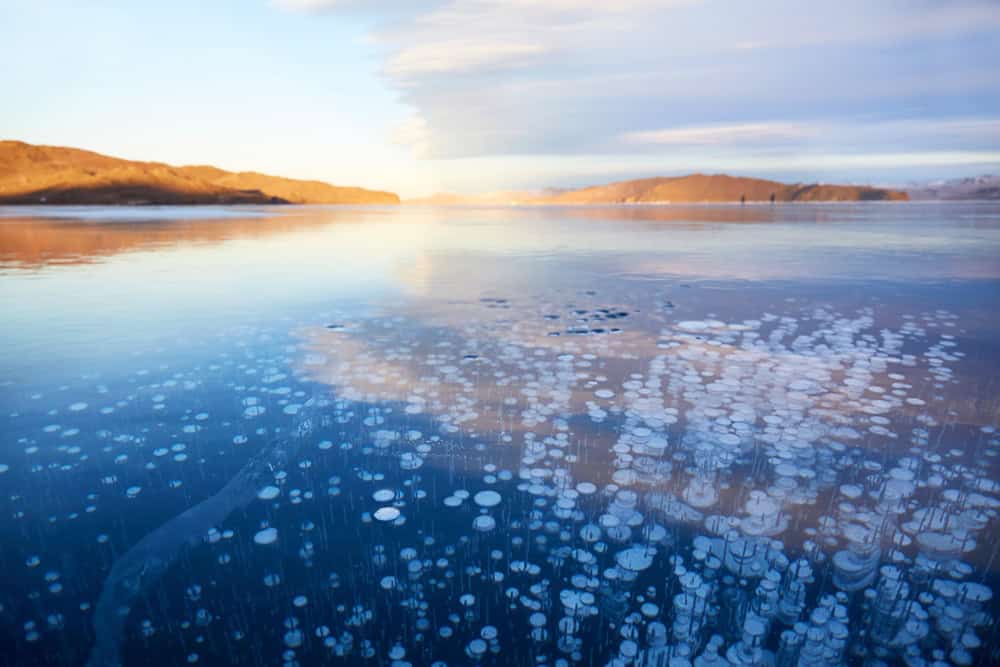
Odd white bubbles can get trapped between layers under ice at lakes farther north. These are made of methane gas released from decomposing plants and other matter that sinks to the bottom of lakes. When lakes freeze, methane gets trapped either beneath the ice or between growing layers of ice.
Scientists in Alaska have photographed frozen methane bubbles near the surface of lakes. Alaska’s freezing winter weather creates the right conditions for methane bubble formation. Despite how pretty they look, methane bubbles are made of flammable gas and will burn if released near a fire.
Volcanic lightning
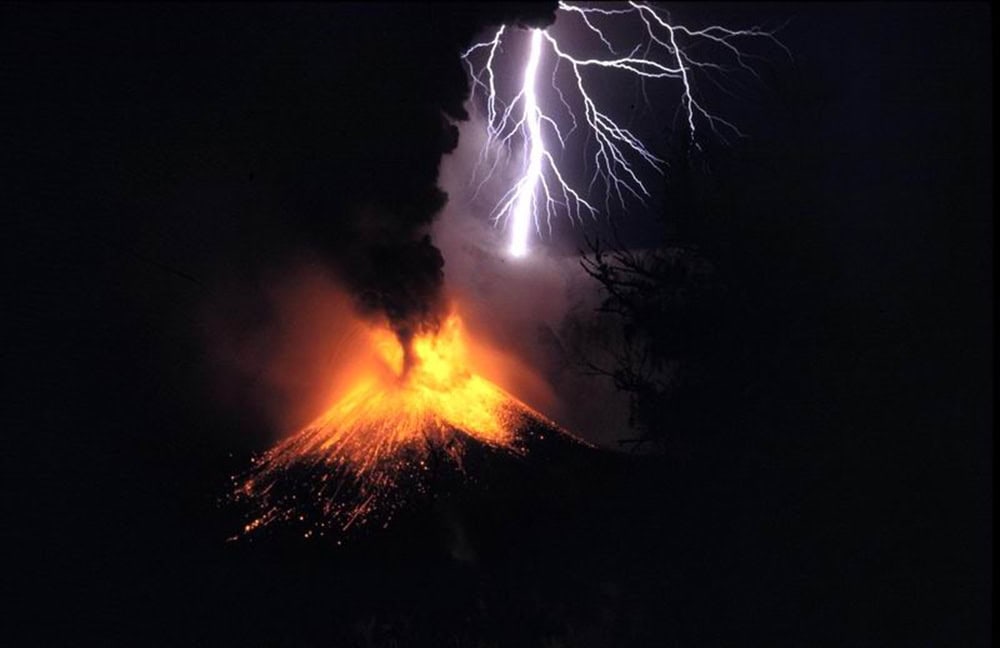
Lightning can streak across ash clouds produced by major volcanic eruptions in giant storms of fire, smoke, and electricity. Lightning occurs when ash particles and debris within the erupting plume slam into each other, becoming electrically charged. When the electric charge is big enough, lightning may discharge within the cloud.
Lightning has been seen during volcanic eruptions in Alaska such as those at Mount Redoubt. Flashes of lightning can occur within clouds containing volcanic ash and rock debris, unlike those within ordinary thunderstorms.
Like our content? Be sure to follow us.
The 10 countries with the largest forests on Earth
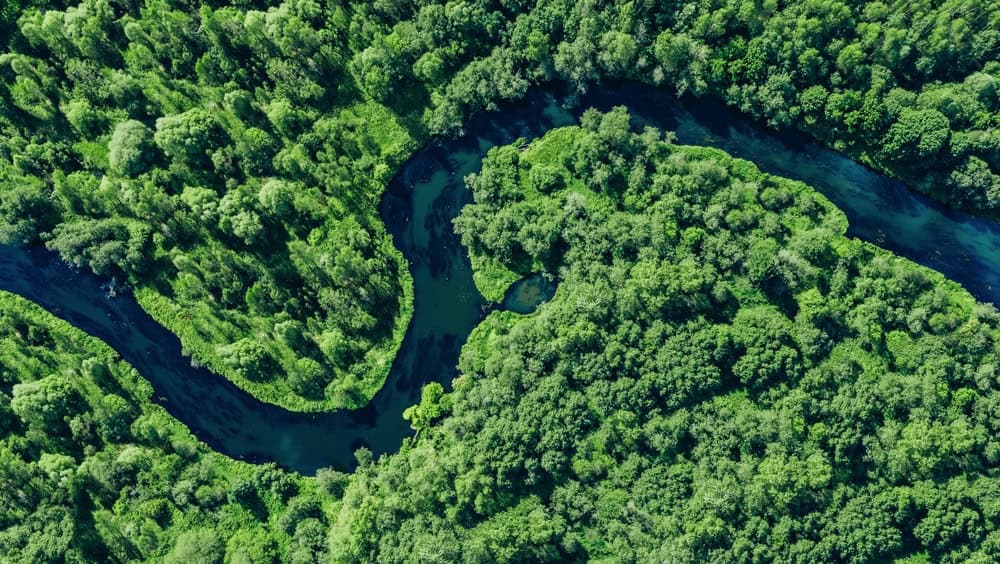
Forests make up just over a third of Earth’s land area, but an unexpectedly large portion is found in only a few countries.