
Many things drivers once did without a second thought are now against the law.
Worn-out tires
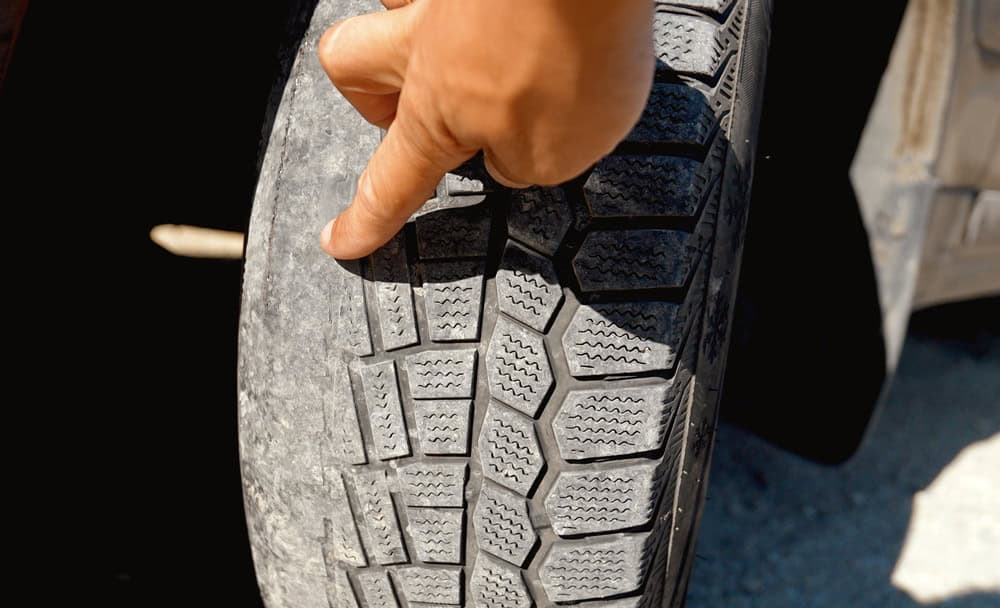
Older generations of drivers made as much mileage from their tires as possible, sometimes driving vehicles long after the tread had completely worn away. Tires were costly to replace, so some drivers waited until there were holes in the rubber or the car couldn’t get any traction on the road before replacing their tires.
Modern tires must conform to certain standards of minimum tread depth and safety. Tires with worn treads are especially dangerous on wet or snowy roads as they provide less traction and increase braking distances.
Driving with tires that are dangerously worn, damaged, or badly maintained can lead to fines and may result in your vehicle failing its inspection.
Coloured headlights
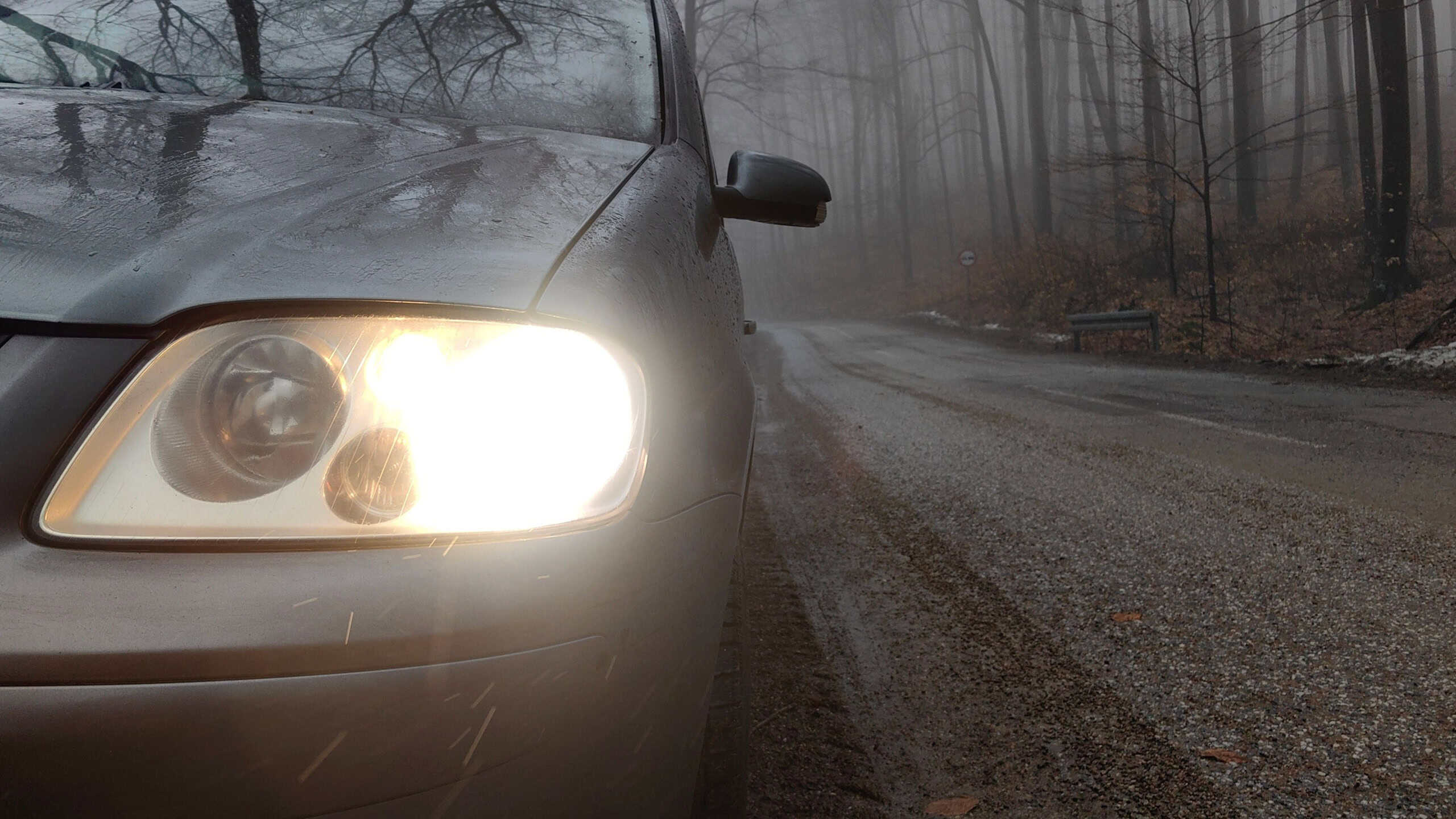
Some drivers used to modify their headlights by adding coloured covers or tinted lenses to differentiate themselves from other cars on the road. It was a cheap way to personalize your car when customized cars became a trend.
However, current Canadian regulations on vehicle lighting usually mandate approved white headlights, with only a handful of exceptions. Drivers can be fined for using red, blue, or non-standard coloured headlights.
Homemade licence plates
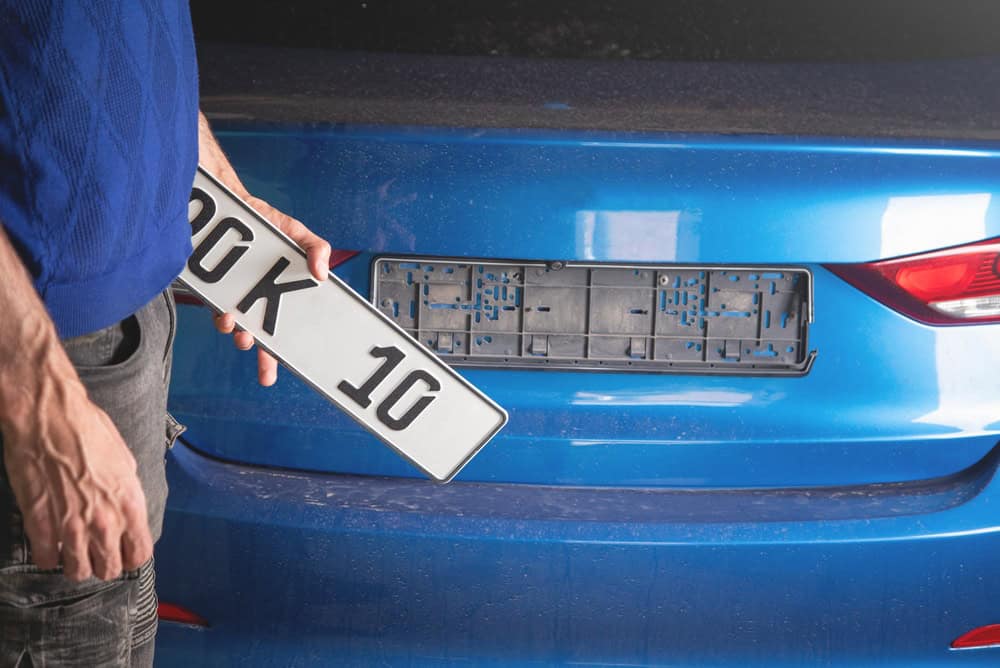
Back in the day, when licence plates faded, rusted or became illegible, some people tried to repaint the numbers. Some even made their own replacements by attaching sheet metal to their vehicle and hand-painting the required lettering.
Registration plates today must be issued by an official source and conform to standards of visibility. Even when a plate displays the right numbers, making your own replacement or changing an official one can still result in a penalty.
Roadside litter
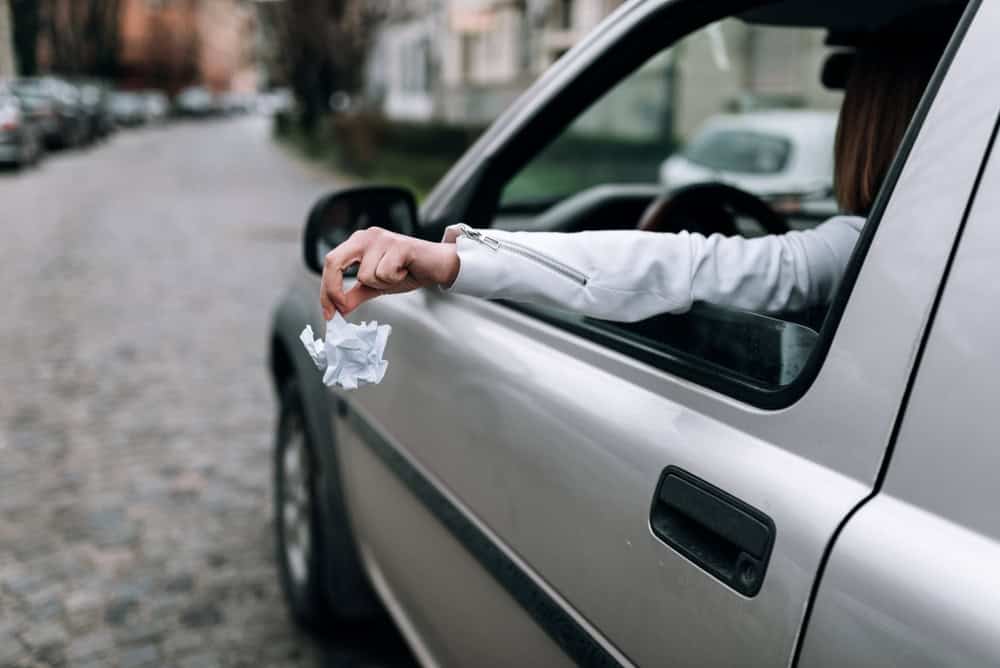
Throwing cigarette butts, candy wrappers, or other garbage from a moving vehicle was once acceptable behaviour. Drivers often emptied their ashtrays along the roadside on long journeys, giving little thought to the environmental damage.
It is now illegal under provincial and municipal regulations and drivers may face a fine for doing so. It is especially risky to throw away cigarettes that are still burning, because they can set fire to dry grass and plants where they land.
Overcrowded cars

Grandparents sometimes packed every member of the family into one car. Children rode on laps or shared seats. Sometimes families would all fit in the back seat of the car with just the adults up front. No one worried about whether there were enough seat belts; instead, they worried about whether everyone would fit.
These days, a car can only carry as many people as it has seat belts. Drivers risk a ticket when they carry more riders than the vehicle allows or when children are not properly secured.
Drunk driving
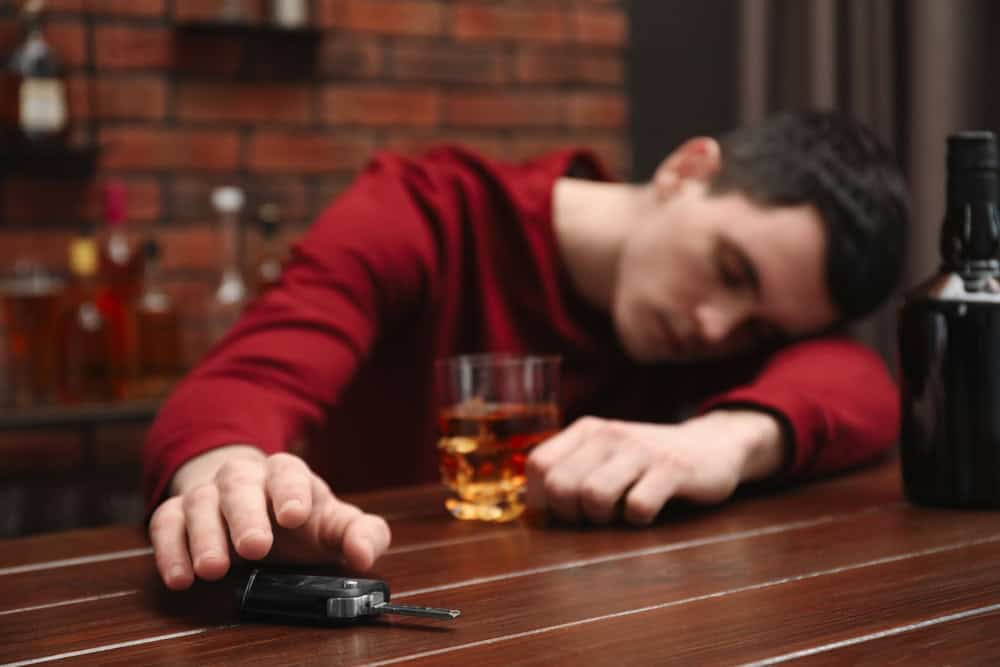
Some drivers once saw nothing unusual about getting behind the wheel after a few beers. Even back then, drunk driving laws were on the books, but they were seldom enforced. Drivers rationalized that they were OK to drive if they didn’t feel drunk.
Nowadays, police catch drunk drivers with roadside breath tests and other investigative techniques. Drivers can lose their licences on the spot for being over the legal limit and receive fines, vehicle impoundment or even criminal charges.
Loud exhausts
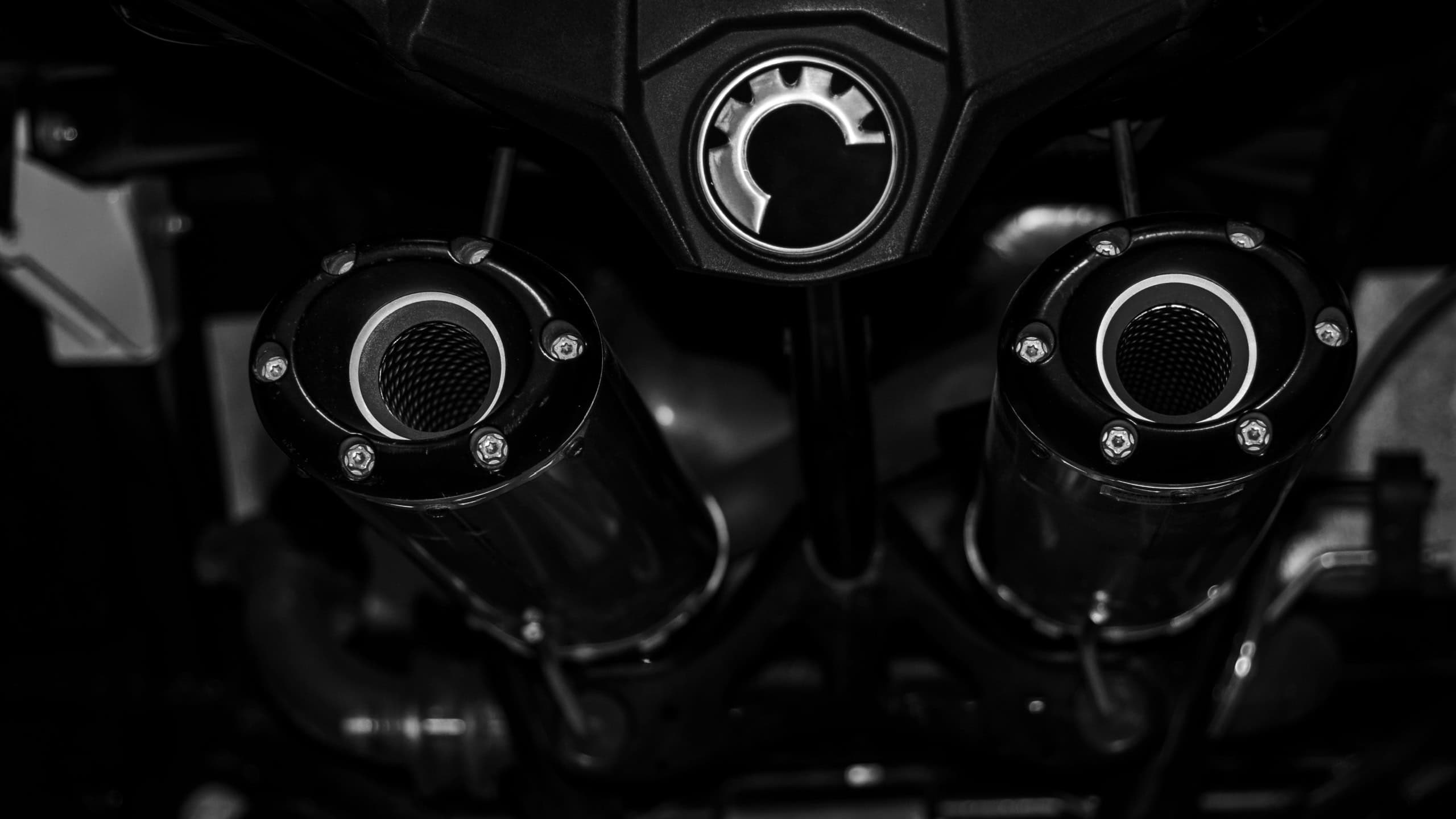
Back then, some drivers intentionally removed or altered mufflers or exhaust pipes so engines could produce more noise. Drivers sometimes repaired exhaust systems with makeshift solutions so they would not have to purchase replacement parts. Modifications can allow a standard vehicle to sound like it has a more powerful engine.
However, contemporary traffic laws limit noise pollution from vehicles. People can be fined for driving with an altered exhaust that is not street legal or has other noise-amplifying equipment.
Roof overloading
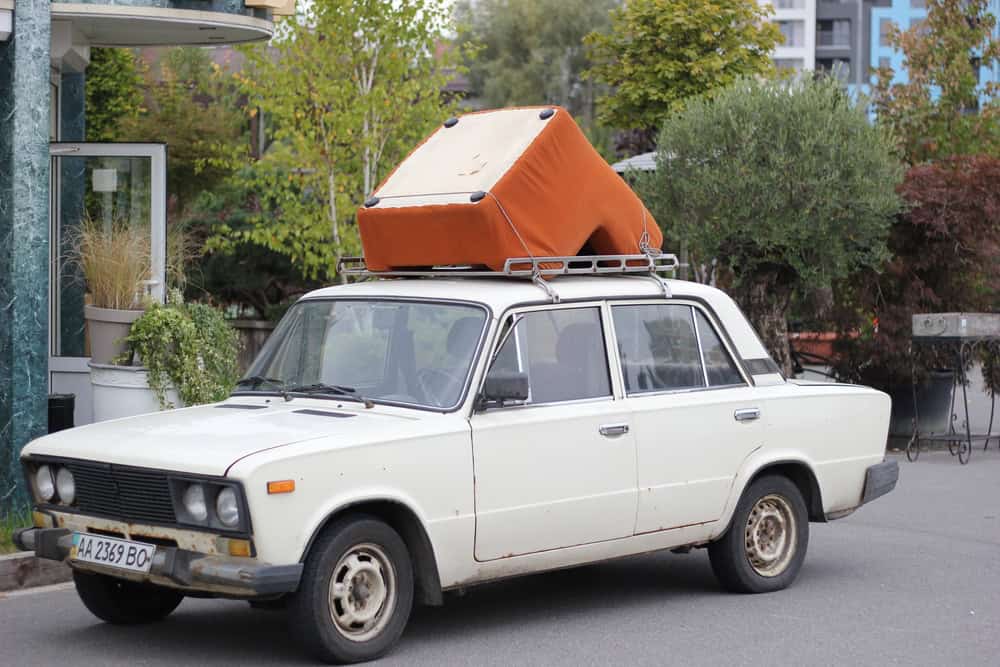
Before roof racks and cargo carriers were popular, families occasionally tied mattresses, furniture and gigantic piles of luggage directly to their car roofs. People often thought a few pieces of rope were enough to keep everything in place.
Drivers now may get ticketed for surpassing designated weight limits or improperly securing their loads. If cargo shifts or falls from a moving vehicle, it could cause severe accidents.
Windshield decorations
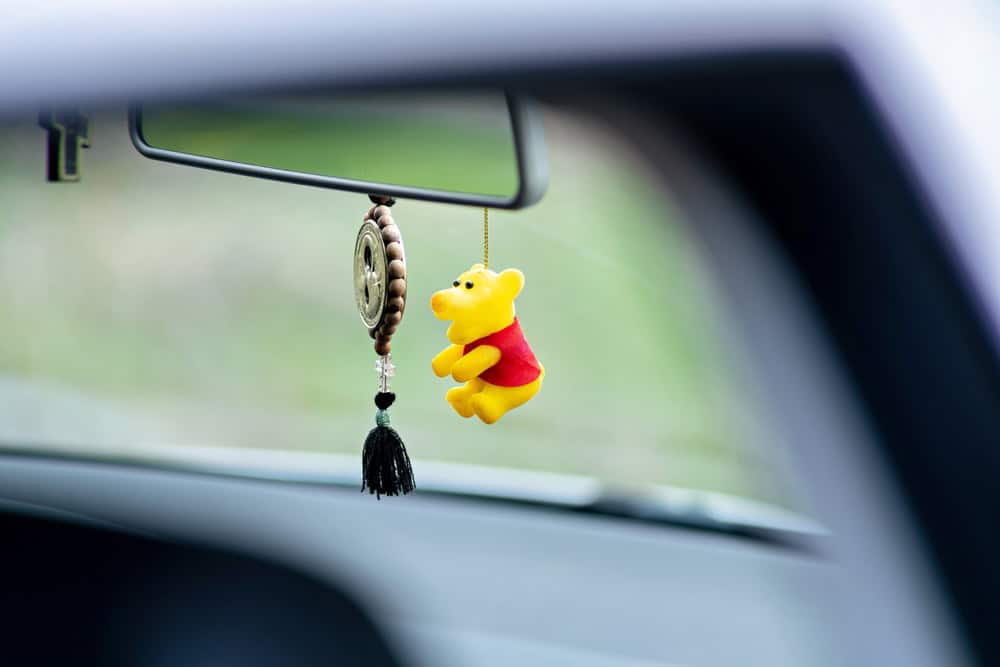
Driving with dangling souvenirs, gigantic stickers or other accessories attached to cars used to be common practice. Some drivers hung oversized ornaments around their rearview mirrors or across their windshields with decorations dangling from side to side.
Hanging objects that block the field of vision required by law are now a traffic violation. Even harmless-looking decorations may lead to fines if they interfere with the driver’s ability to see the road clearly.
Dangerous ornaments
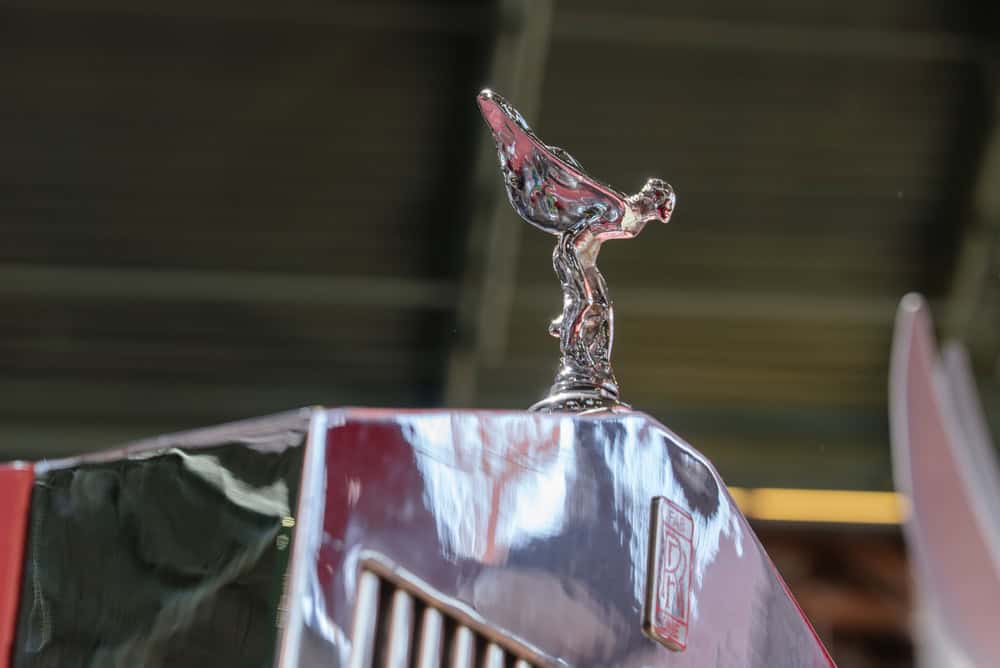
Decorative large metal hood ornaments were once very popular, especially in luxury cars. So some drivers installed decorative animals, pointed objects, or homemade novelties to the front of their cars.
Safety standards for cars now limit protrusions from vehicles, especially those that could cause injury to pedestrians. While ornaments on older cars are usually still permitted, an unsafe aftermarket hood ornament can be treated as a breach of vehicle safety standards.
Window curtains
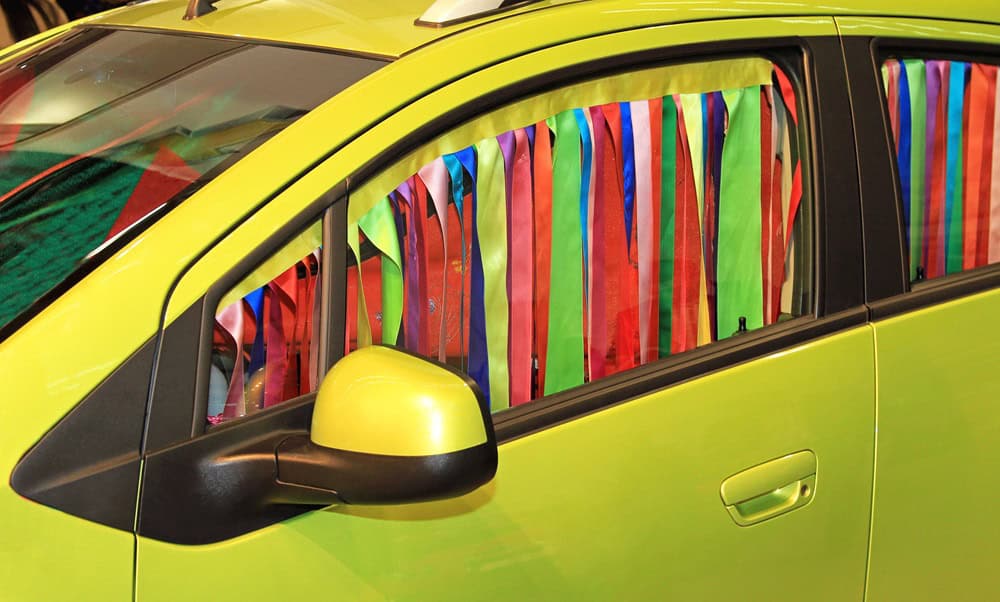
In the early days before air-conditioning was common, families sometimes used homemade curtains on the inside of their windows to prevent sunlight from entering and to afford privacy. These window coverings came in handy on long trips during summer months.
Today, though, curtains across the driver’s window or windshield may break traffic laws. A driver needs to be able to see other cars, people and intersections. Decorations which impair visibility can result in fines.
Sources: Please see here for a complete listing of all sources that were consulted in the preparation of this article.
Like our content? Be sure to follow us.
12 household chores grandparents did that kids today can’t imagine

Many everyday chores once required far more time, effort, and manual labor than they do today.
12 household chores grandparents did that kids today can’t imagine