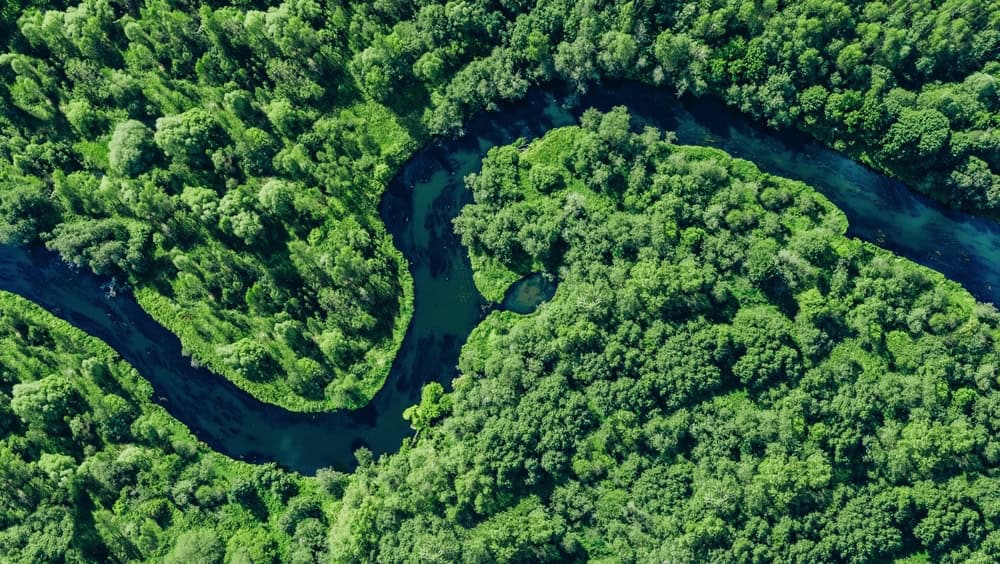
Forests make up just over a third of Earth’s land area, but an unexpectedly large portion is found in only a few countries.
Across the frozen north
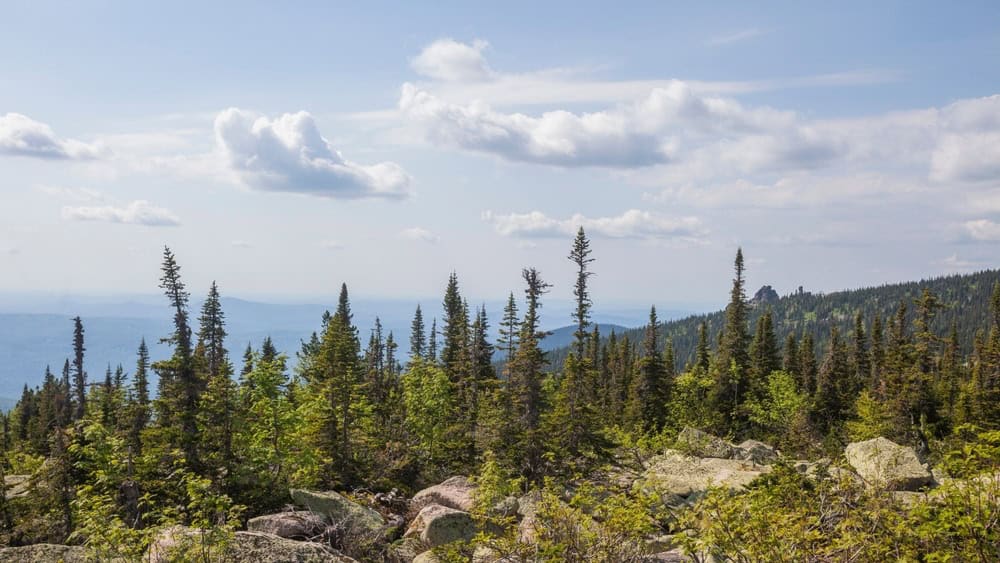
Russia is home to one-fifth of the planet’s trees and the largest forested area on Earth: the Siberian Taiga, spanning over 12 time zones. Taiga is a cold and dense forest that covers thousands of miles and consists primarily of hardy evergreens including pines, spruces, and larches, all adapted to withstand temperatures below −50° C (−58° F).
The biome serves as a global carbon sink, storing immense quantities of carbon in its trees and permafrost soils. Logging and huge summer wildfires pose major threats to the taiga.
The green giant
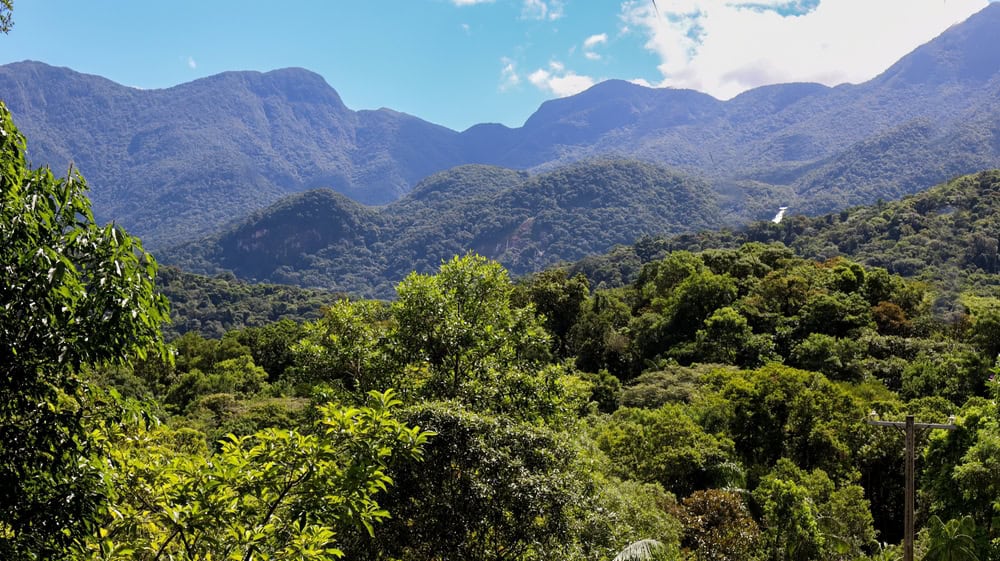
Approximately 60% of the Amazon rainforest is located in Brazil. The largest and most well-known tropical rainforest on the planet, the Brazilian Amazon is hot, humid, and bursting with biodiversity. Spanning millions of acres of dense greenery, the rainforest is home to millions of species of plants, insects, and animals.
It absorbs billions of tons of carbon dioxide every year. Indigenous populations in the hundreds call the Brazilian Amazon home, and the ecosystem is responsible for worldwide weather cycles through evapotranspiration, also known as “flying rivers.”
Beyond the lakes

Canada‘s vast wilderness consists of millions of acres of northern tree species including spruce, pine, and fir, mixed with lakes and peatlands. This forest makes up nearly 40 percent of Canada’s land mass and 9 percent of the world’s forests.
The ecosystem is home to abundant wildlife, including grizzly bears, woodland caribou, and billions of migratory birds. It contains more freshwater per acre than almost any other ecosystem due to its vast network of forest wetlands.
From Alaska to Florida
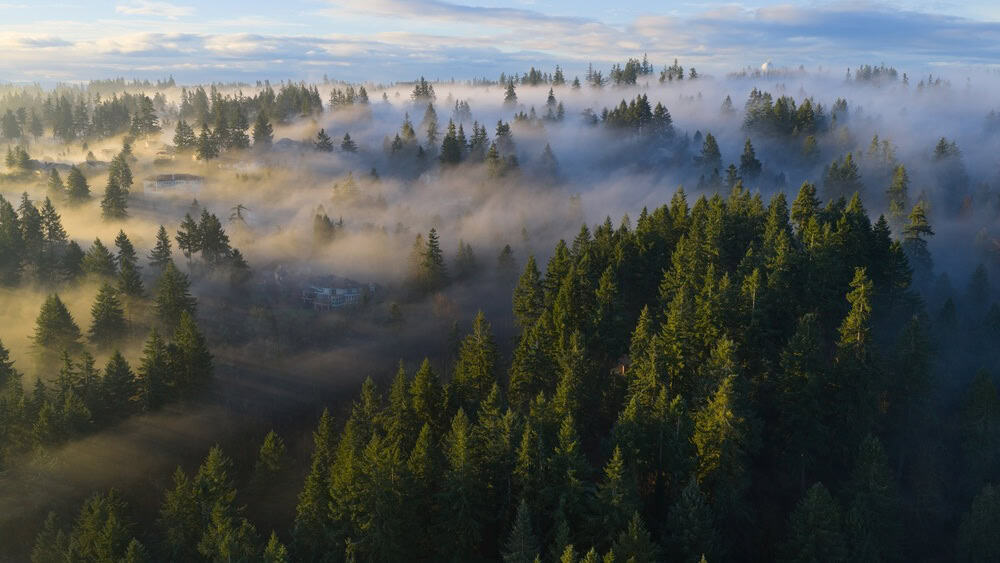
Forests in the United States cover more than 300 million hectares and include everything from Alaska’s snow-packed pine forests to the rainy Pacific Northwest temperate rainforests and scenic hardwood trees along the East Coast.
Forest land is managed as national parks, public lands, and timber company-owned forests. Forests in the U. S. also produce billions of dollars worth of timber each year and provide watershed protection and recreation for millions of Americans.
A greener transformation
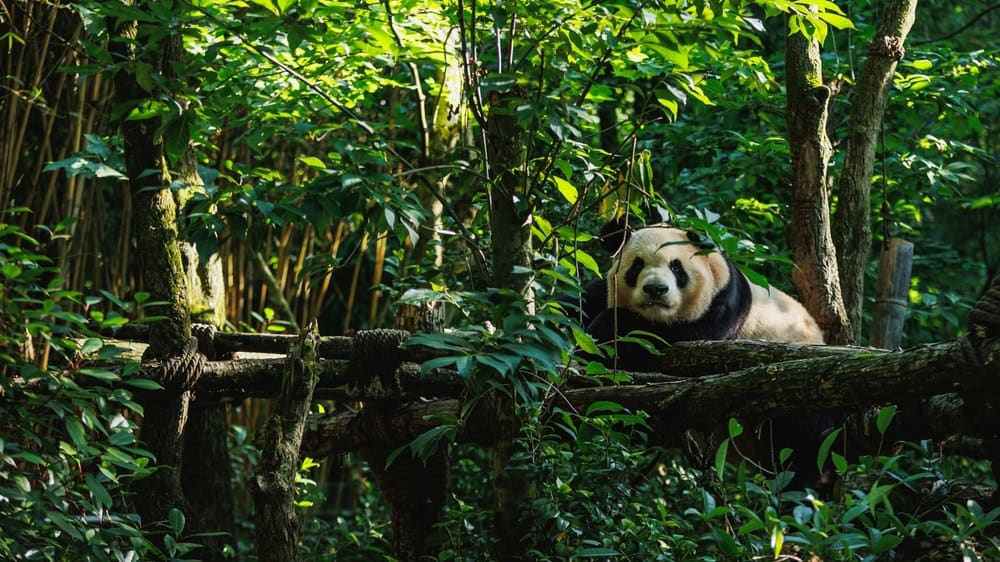
China has forests ranging from cool temperate coniferous forests in the north to humid subtropical forests and jungles in the south. China is one of the few countries in the world to increase its tree cover over the last few decades, adding tens of millions of hectares through government programs such as the Great Green Wall.
These programs were started primarily to stop the expansion of the Gobi Desert, cut back on intense dust storms in China’s major cities, and reclaim eroded agricultural land.
The second great rainforest
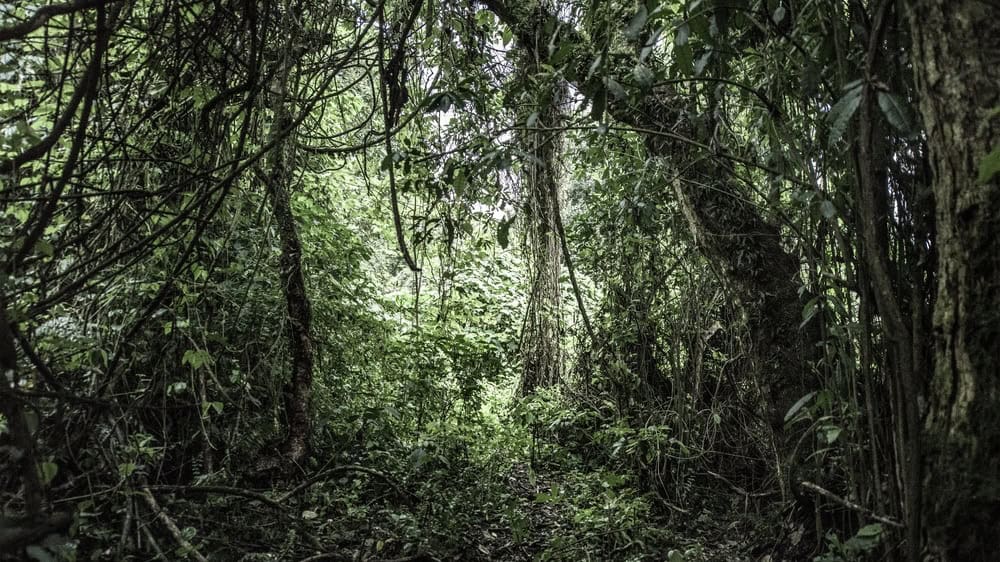
The Democratic Republic of Congo sits centrally in Africa, harboring most of the Congo Basin, the world’s second-largest tropical rainforest. The dense and stratified jungle canopy is one of the most intact ecosystems on Earth. It serves as a home for threatened wildlife such as mountain gorillas, forest elephants, and bonobos. Over 40 million people depend on this forest for food, shelter, and medicine.
More than the outback
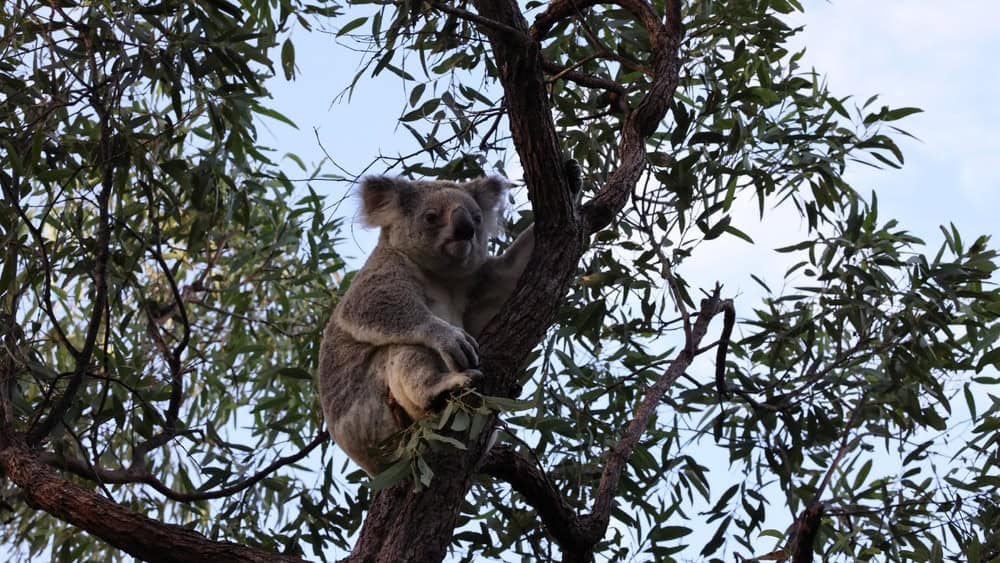
Australia’s bushland is best known for hard-leaved, drought-resistant, sunlight-requiring eucalyptus (or gum trees) that account for about 80% of the country’s forest cover. Adapted to extremes in climate and soils of low fertility, these woodlands are fire-prone, with many eucalyptus species only regenerating after fire events (which open the seed pods).
Although clearing of bushland has occurred extensively for farming uses, Australia’s diverse dry forests still support kangaroos, koalas and possums amongst many others.
Across thousands of islands
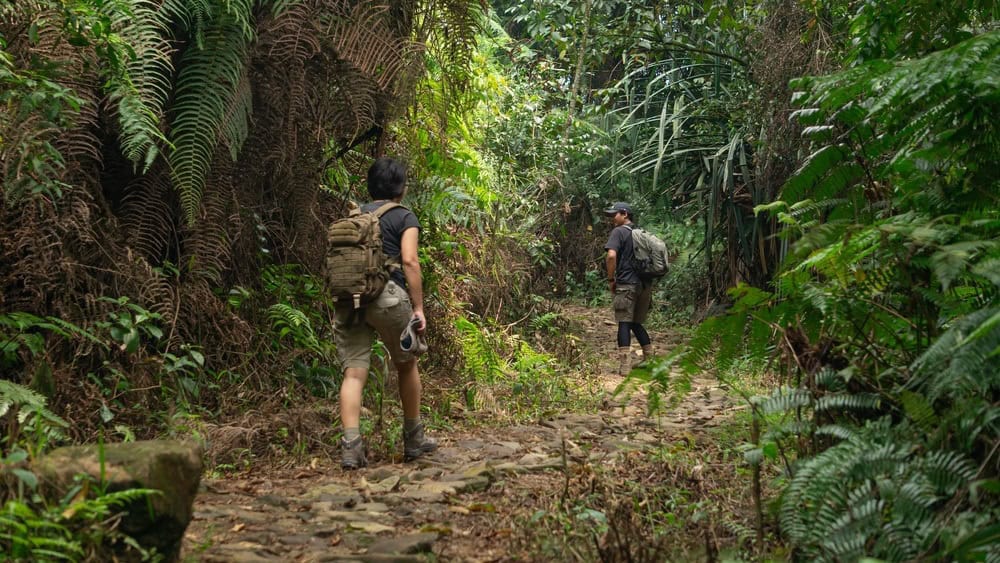
Home to millennia-old tall trees, deep peat forests and unparalleled biodiversity, Indonesia‘s rainforests stretch across thousands of tropical islands. Situated on important evolutionary crossroads, Indonesia is one of the few places left on Earth where you can find wild orangutans, rhinos, tigers and elephants all living together.
However, large tracts of these ecologically important forests are under severe threat from commercial logging and palm oil.
From mountains to mangroves
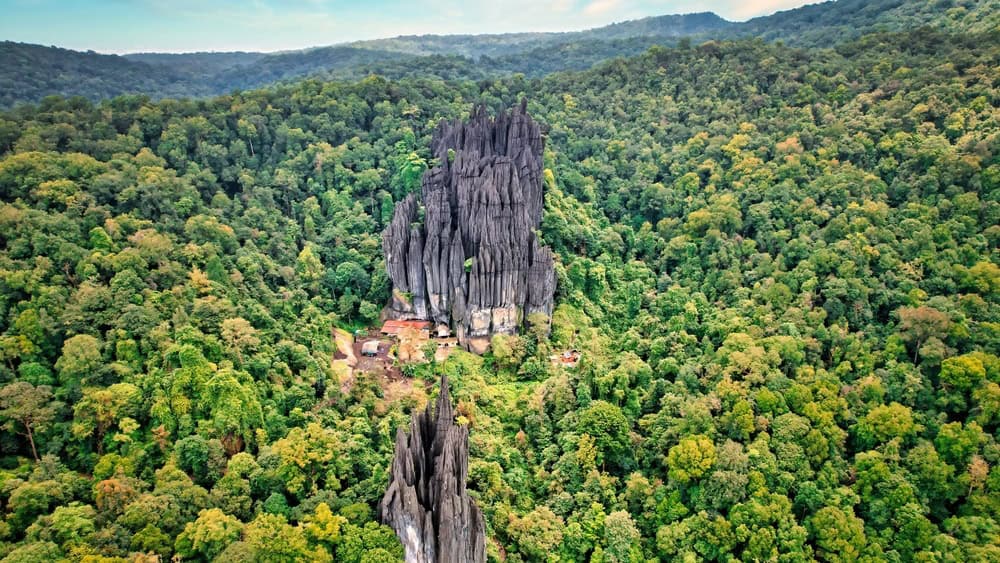
Forests in India include snowy pine forests in the higher elevations of the Himalayas, wet evergreen forests on the coasts, and dry scrub forests in the interior.
Forests cover more than 20 percent of India’s land area, much of which comprises isolated patches that are inhabited by large human populations along with wildlife. India also has a system of protected tiger reserves and national parks across its forests to conserve flagship species such as the Bengal tiger, Asian elephant, and Indian leopard.
Beyond the Andes
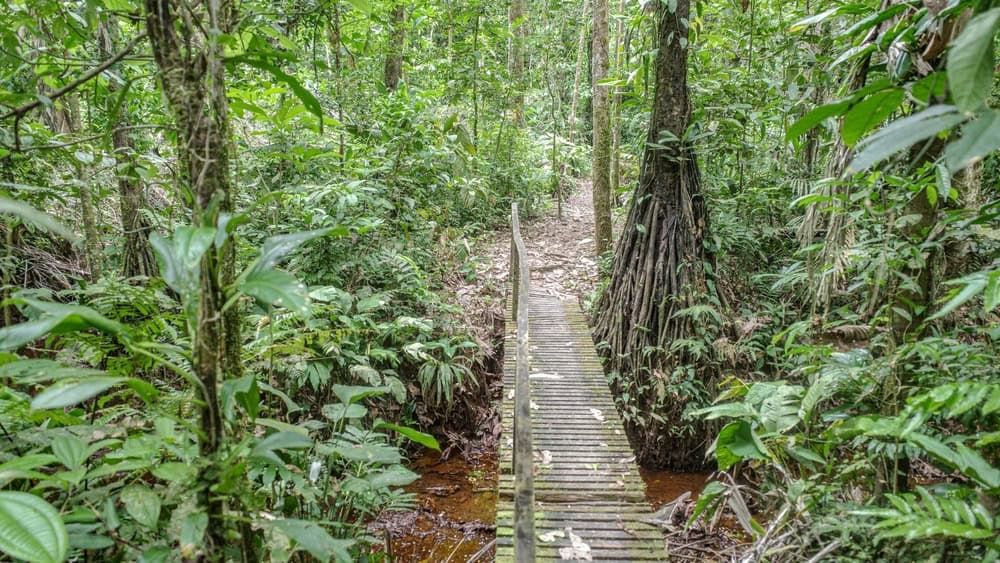
Occupying over half of Peru‘s landmass, the Peruvian Amazon spans lofty, mist-covered Andes Mountains foothills down into broad plains jungles. Spanning thousands of feet in elevation, Peru contains hundreds of different microclimates within its forests. As such, the Peruvian Amazon is one of the most biodiverse places on the planet. It is also home to many isolated and uncontacted Indigenous tribes, as well as the Amazon River itself.
Sources: Please see here for a complete listing of all sources that were consulted in the preparation of this article.
Like our content? Be sure to follow us.