Even though millions of Canadians still head south for vacations each year, many will tell you the U.S. just doesn’t feel as safe as it used to.
Gun violence

Most Canadians cite gun violence as the reason they feel uneasy traveling to the United States. Canadians enjoy strict gun-control laws and very few mass shootings, so public spaces tend to feel safer and more relaxed for Canadians at home.
But between constant media coverage of school shootings, mall shootings, road rage killings, and daily reports of senseless violence, Canadians spend a lot of time on high alert when visiting the United States. Even innocently witnessing civilians carrying guns around openly in certain states can be profoundly unnerving for visitors.
Random confrontations

Canadians often think Americans are more aggressive and hot-tempered. Canadians grow up being taught to be hyper-polite and avoid confrontation at all costs.
For them, the brazen stand-your-ground mentality many Americans can have can be terrifying. In fact, the thought of some small incident, such as brushing past someone or yelling at someone over a seat, can escalate into a vulgar, loud confrontation with a stranger, scaring many Canadians.
Expensive healthcare

When it comes to anxiety-inducing topics, American healthcare is right up there because it is so vastly different from Canada’s taxpayer-based system. Canadians are used to walking into a hospital without worrying about the bill, so the thought of a single accident resulting in a $50,000 invoice is terrifying.
Even with travel insurance, they fear getting seriously injured or sick could make them completely bankrupt.
Crime perception

Although the majority of America is extremely safe, crime reporting makes Canadians feel like there’s danger lurking in every corner. Due to sensationalized reporting of violent breaking news, Canadians believe American cities are exponentially more dangerous than Canadian cities.
This fear usually leads to the mentality of better safe than sorry and many Canadians avoid certain cities or districts altogether.
Political tension

Political discourse in the U.S. seems overly dramatic and polarized to Canadians. Canadians will hear about things like angry protests going on, vitriolic anger towards the opposing party, rudeness, and closed-mindedness.
Visitors get the feeling that they have to censor their own views when in public, so as not to be the target of someone else’s political rage.
Aggressive driving
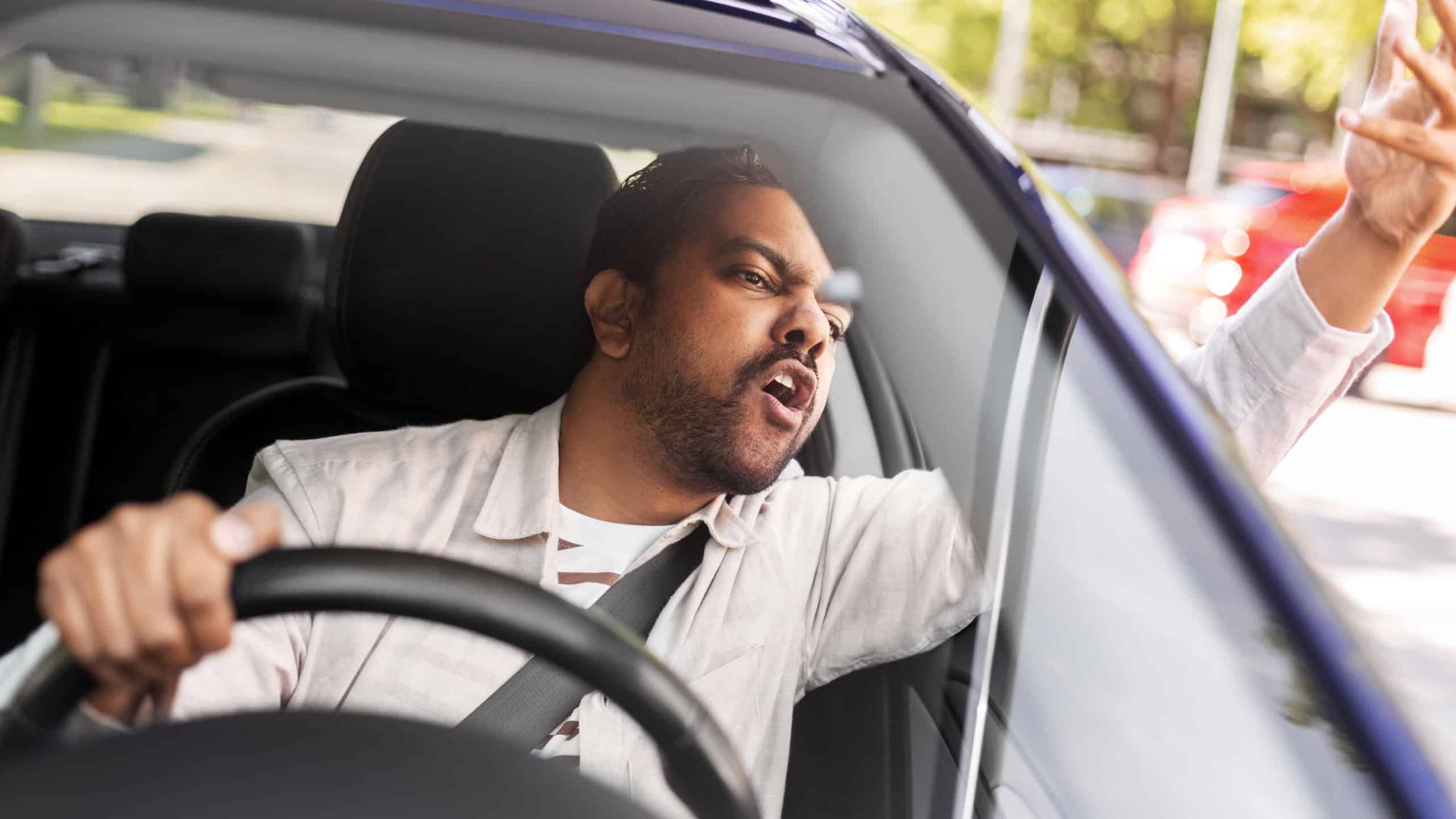
Driving on American interstates can be an intimidating experience for Canadians. Not only is the speed frenetic compared to Canada’s more tentative driving style, but drivers change lanes without using their turn signals and tailgate like nobody’s business.
Add to that the fear of what could happen if someone they anger on the road is armed, and Canadian drivers often feel physically threatened while driving in the States.
Policing style

Americans may be viewed as far more militarized and ready to go off than Canadian police officers by Canadians. News flashes about police behaviour and paramilitary tactical gear can cause dealings with the police to feel threatening instead of comforting.
Canadian policing styles tend to follow a more community-oriented constabulary style, so dealing with American police can feel very aggressive and volatile to Canadians.
Hate crimes

Minority groups and members of the 2SLGBTQI+ community fear that they can be targeted for who they are in certain areas of the United States. Canadians are hearing news of increased hate speech and legislation targeting specific groups of people.
They feel like they must look up the social safety index of a particular state to determine whether or not it is safe enough for them to travel there.
Sources: Please see here for a complete listing of all sources that were consulted in the preparation of this article.