
Your heart often warns you well before a major emergency occurs, but many brush off these warning signs as signs of normal aging, anxiety, or fatigue.
Chest pressure
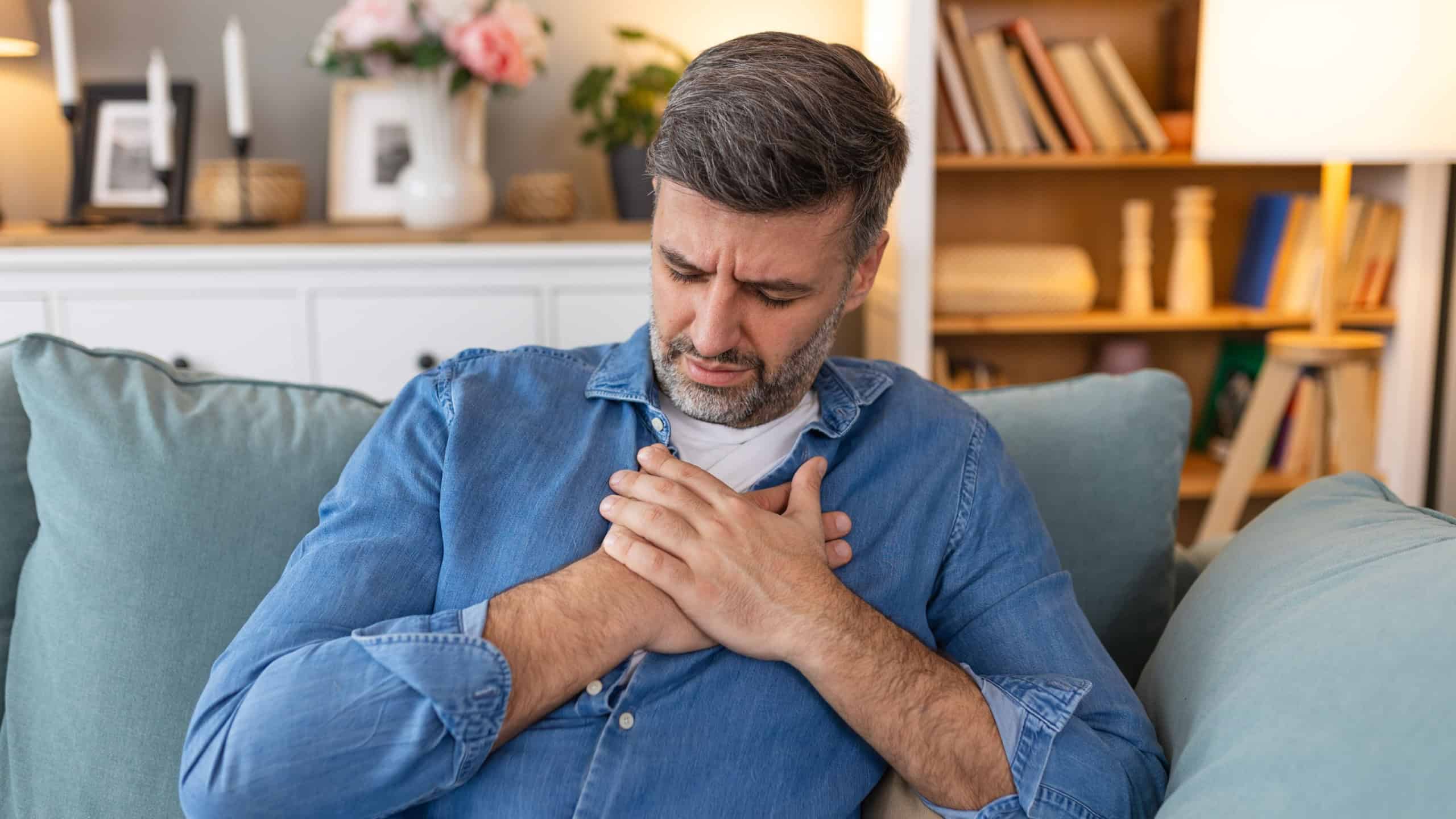
While many expect sudden sharp pain, heart trouble is often described as uncomfortable pressure, squeezing, or fullness in the middle of the chest. This discomfort may last for several minutes or go away and return. Most describe it as feeling like a weight sitting on your chest.
Shortness of breath
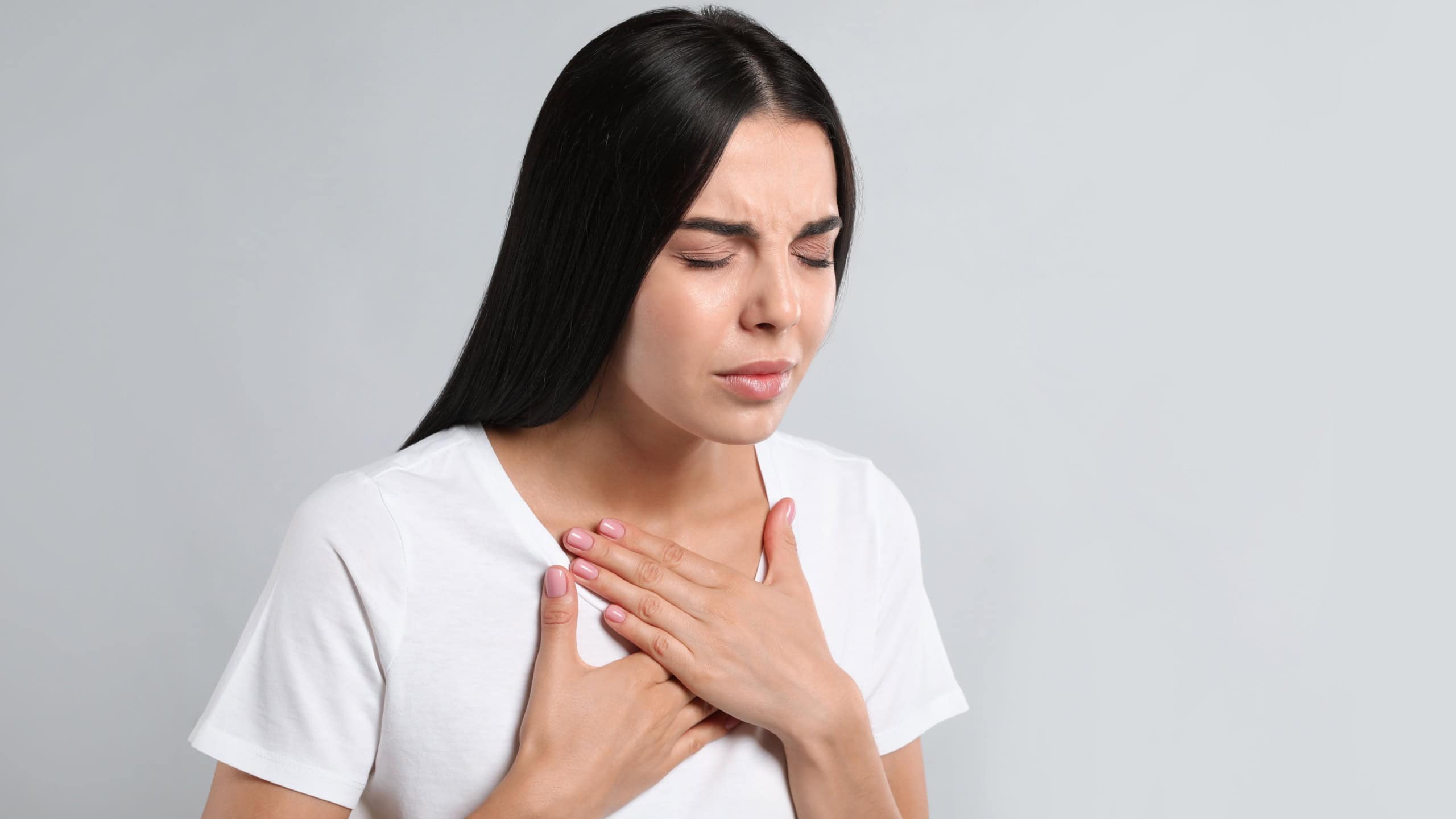
Struggling to breathe after going up one flight of stairs or performing light housework can be a sign that your heart is having a difficult time pumping blood to your lungs and other organs.
If blood flow is slowed or stopped, fluid can build up in your lungs and cause shortness of breath. You may experience this symptom while sitting or lying down.
Persistent cough

If you constantly have a dry cough with white or pink phlegm, it could mean that your heart is leaking blood into your lungs. Your heart is too weak to pump blood through your body. Some people may believe that they just have a chronic cough or cold.
Severe fatigue

If you feel worn out after a normal day or awaken tired after sleeping through the night, it could be a problem. When your heart can’t pump sufficient blood rich with oxygen to your muscles, even light activity will wear you out.
Even making your bed can feel like running a marathon. Feeling unusually tired, especially for women, can be another very common physical sign.
Swollen limbs

If your heart is weak, blood returning from your lower extremities struggles to flow back up to your heart. Because fluid doesn’t flow properly, it can accumulate in your feet, ankles, and legs.
You may find your shoes are tighter by the evening, or your socks leave deep grooves in your ankles. Swelling in your ankles and feet is called edema.
Racing pulse
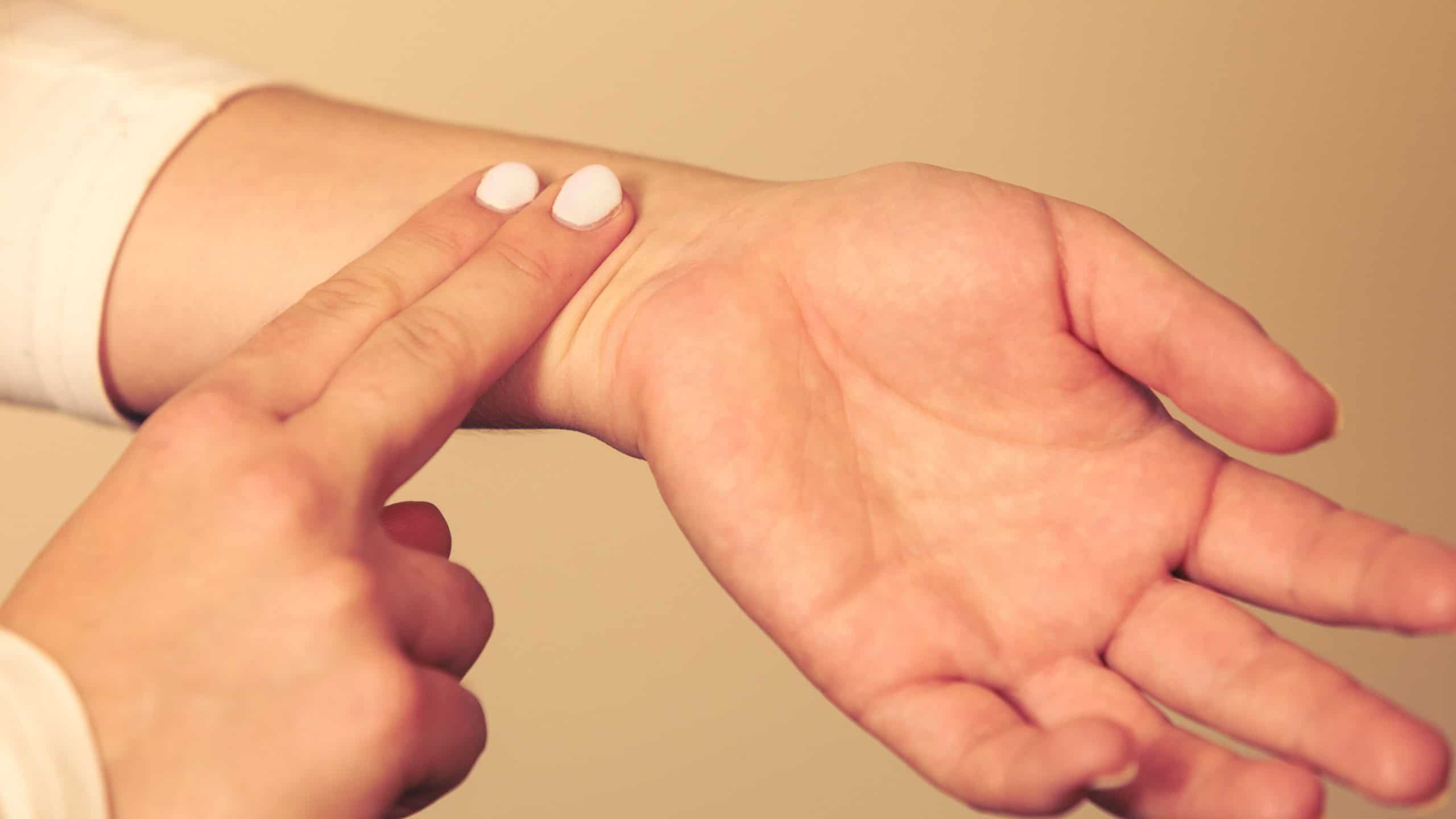
When you’re nervous or working out, it’s normal for your heart to beat faster than normal. However, it shouldn’t feel like your heart is skipping beats or pounding away when you’re sitting still.
If your heart races often and makes you feel weak, there could be an electrical problem with your heart. Irregular heartbeat or a heart beating too fast can be serious.
Dizziness

You may feel dizzy or pass out if your blood pressure drops. Low blood pressure can occur if your heart doesn’t pump enough blood. Sometimes this occurs if you have a valve problem or a blockage.
If you feel like you’re going to faint when you stand up or walk around, your heart may be the problem.
Body pain

Heart-related pain doesn’t always start in your chest; it can move to your shoulders, arms, neck, or jaw. You may feel a dull pain in your back between your shoulder blades or heavy pressure in your left arm.
Many people ignore this pain since it is so far away from the heart and believe they’ve just strained a muscle.
Nausea/indigestion

Some people assume they have heartburn or an upset stomach instead of a heart attack. You may feel overly full or a burning sensation in your upper abdomen that will not respond to antacids. This is particularly true in elderly patients and women who may not feel the traditional chest pain.
Excessive sweating

If you break out into a cold sweat for no apparent reason (you’re not exercising, you don’t have a fever, etc.), it’s time to take notice. When your heart must pump harder to move blood through narrow arteries, your body perspires more in an effort to lower your body temperature. This will typically occur in conjunction with chest pain or difficulty breathing.
Throat/jaw pain

Although a sore throat is most likely caused by a cold, pain or pressure that originates in the center of your chest and radiates upward into your throat or jaw may be indicative of a heart attack.
If the pain seems like it’s radiating up from your chest, and not actually in your throat, take heed.
Snoring problems

If you snore loudly, sound like you are gasping or choking while you sleep, you may have sleep apnea. Sleep apnea places an incredible strain on your heart as you essentially stop breathing multiple times throughout the night.
High blood pressure and heart disease are long-term effects of allowing your heart to be strained like this.
Skin discoloration
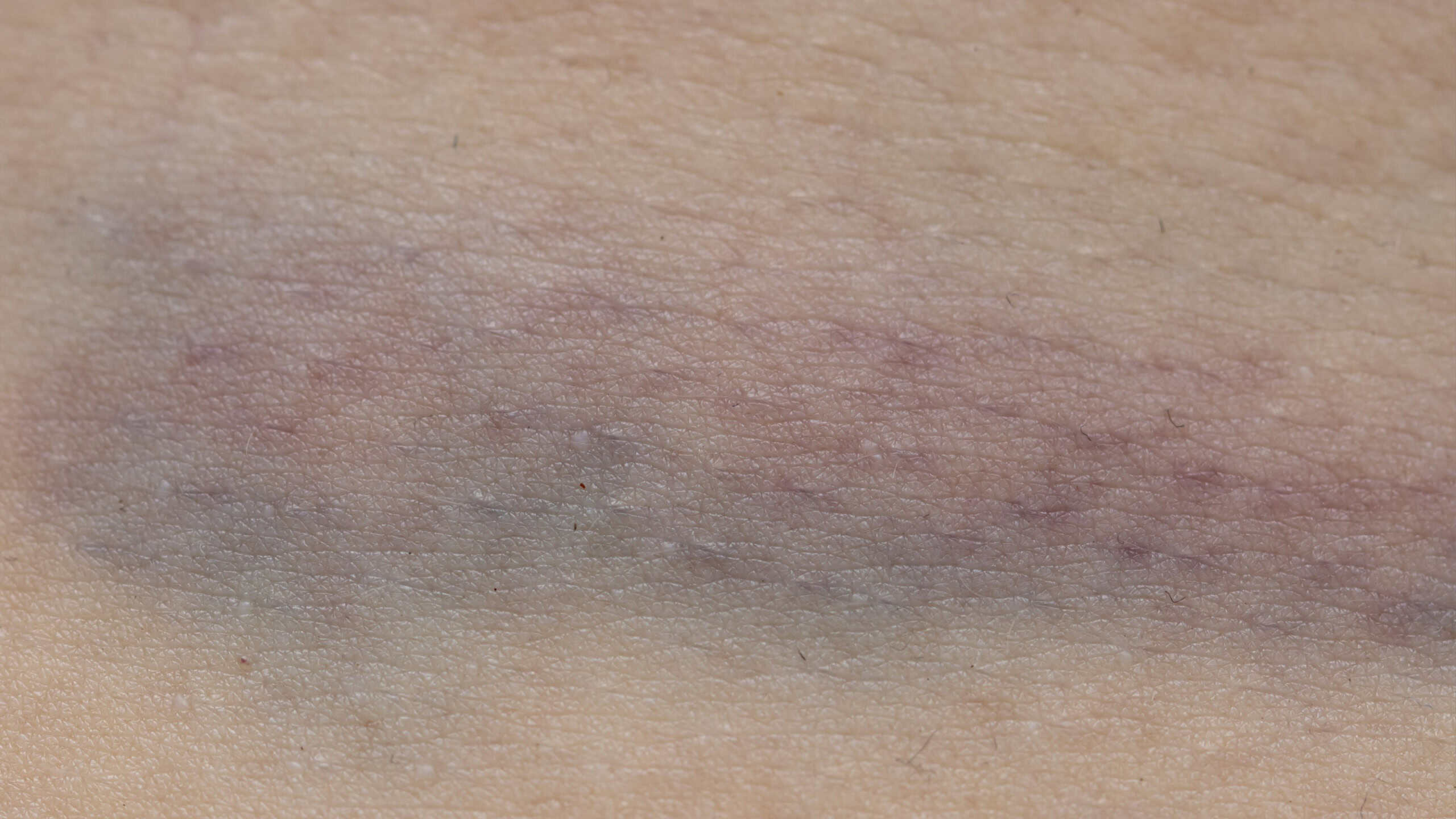
If your fingers, toes, or lips develop a bluish or gray tint, your blood may not be oxygenated enough. This means that your heart isn’t able to pump blood out to your extremities far enough.
In some people, a lace-like purple discoloration can mean small blood vessels are blocked.
Sleeping elevation

Are you stacking pillows to prop yourself up so that you can breathe easier at night or sleeping upright in a recliner? You may be suffering from heart troubles.
Orthopnea is when fluid that is normally pooled in your legs moves up into your trunk when you lie down and causes your lungs to fill with fluid. Many patients wake up suddenly in the middle of the night, gasping for air.
Exercise tolerance

You were able to walk a mile without problem, but now find yourself needing to rest after one block. Notice functional declines in your energy. A subtle, progressive reduction in what you can physically do is often the earliest slight indicator that your heart’s pumping strength is diminishing.
Sources: Please see here for a complete listing of all sources that were consulted in the preparation of this article.