
Americans visiting Canada rarely experience major culture shock, but it’s the little differences that can have them unexpectedly missing home.
The doorstep difference
Americans are spoiled by the remarkable convenience of online shopping. In larger American cities, people can have things delivered the same day or next morning when they order online.
Canada also has great online shopping opportunities, but our small population distributed over such a large land mass can mean different product availability, shipping costs, and delivery times than some visiting Americans might expect.
Items that can be quickly purchased from U.S.-based stores may cost more, take longer to receive, or may not even ship to Canada. Most Americans don’t realize how spoiled they are until that “buy” button doesn’t result in instant gratification.
One more cup

Coffee refills are one of those little luxuries some Americans don’t realize they have until they travel. Throughout the U.S., diners and family restaurants will usually allow customers who order coffee to have their server refill the cup again and again at no extra charge.
Canada definitely has diners with refills, and you can certainly find coffee, but it doesn’t always feel quite the same. An American used to leisurely working their way through an all-American breakfast with frequent coffee interruptions will notice when each refill becomes an occasion.
The painful conversion
Buying gasoline will remind the American driver that they have indeed crossed into foreign territory. Gasoline is sold by the litre in Canada instead of the U. S. gallon. Therefore, the friendly number posted on the gas gauge looks incredibly inexpensive at first.
Then reality sets in. Gasoline prices are often higher than what Americans normally pay. However, this depends widely on which U. S. state you’re from and which Canadian province you’re in. If you happen to come from one of the lower-price states for gasoline, you will know it right away.
Dinner requires some arithmetic

Restaurant prices can feel awkward for a moment because the number on a Canadian menu is in Canadian dollars and food prices are generally quite a lot higher. To American eyes, a $40 lunch suddenly seems a lot more expensive than a comparable $20 lunch back home, exchange rates aside. Then they have to factor in provincial sales taxes and a tip at a sit-down restaurant.
The situation isn’t very complex, but it does have visitors doing mental currency conversions before judging whether something is priced high.
Where’s the game?

Rooting for an American favourite team isn’t always as simple as it is back home. Hockey and Canadian teams will dominate Canadian telecasts by default, and that sport they are looking for might fall under a regional network, college conference, or streaming bundle they usually receive back home.
Big NFL, NBA, and MLB games are easy to find. Problems usually present themselves when they want to watch one specific local game.
The restaurant that didn’t cross the border
Canada has McDonald’s, Burger King, Wendy’s, Subway, and all other favourite American chains. So tourists won’t have any trouble figuring out where the fast food is. What they’ll miss are the local chains they frequent at home.
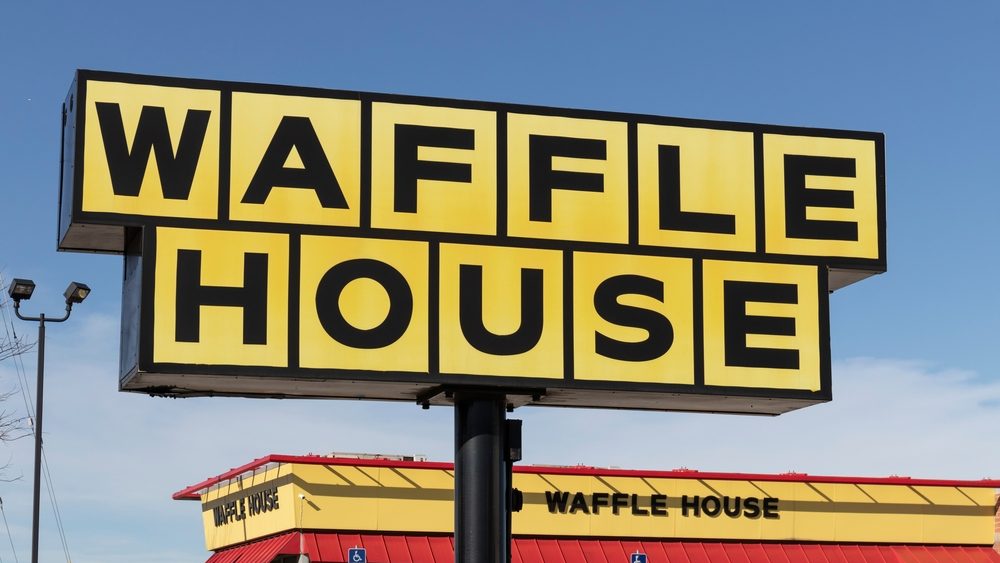
Californians won’t find replica In-N-Out restaurants just north of the border. Texans will long for Whataburger. Visitors from the South will find themselves craving Waffle House. And Canadians, of course, have our fair share of chains and regional favourites to discover.
The surprisingly expensive bottle

Purchasing alcohol may be another sticker shock experience for Americans. Taxes and retail regulations on alcohol differ greatly across Canada; however, the price of beer, wine and spirits tends to be higher than what many Americans are used to.
Liquor may also only be sold at government-run or provincially regulated stores, depending on the province. Those used to grabbing a cheap bottle of wine while doing their grocery shopping at Trader Joe’s may find this change especially drastic.
Winter gets serious
Living through a Canadian winter will make those from less severe climates south of the border grateful for what they had. A newcomer from California, the Carolinas, or much of the South may expect cold weather but not be ready for how cold it is in Canada.
Depending on where you visit, that can mean punishing wind chills, icy sidewalks, snowbanks along the side of the road, and stretches of days where the temperature doesn’t climb above freezing. Canadians have the proper clothing, heat, and infrastructure to handle it. Visitors, however, may find themselves spending their entire stay discovering why Canadians have so many different kinds of boots.
Like our content? Be sure to follow us.