
It’s often the smallest things, rather than the obvious cultural differences, that make Europeans recognize an American.
Using superlatives

Americans love to label everything “amazing,” “awesome,” “incredible” or “the best ever.” An average sandwich may earn rave reviews and a nice afternoon may be called unforgettable. That kind of over-the-top praise can sound insincere in countries where compliments are more muted.
First name basis

An American may comfortably greet a hotel manager, university professor, or older coworker by their first name. Professional titles and formal forms of address remain important in certain contexts in countries like Germany, France, and Austria.
It might strike a European as odd when an American uses a first name like “Mike” for someone they’ve only just met.
Just a short drive
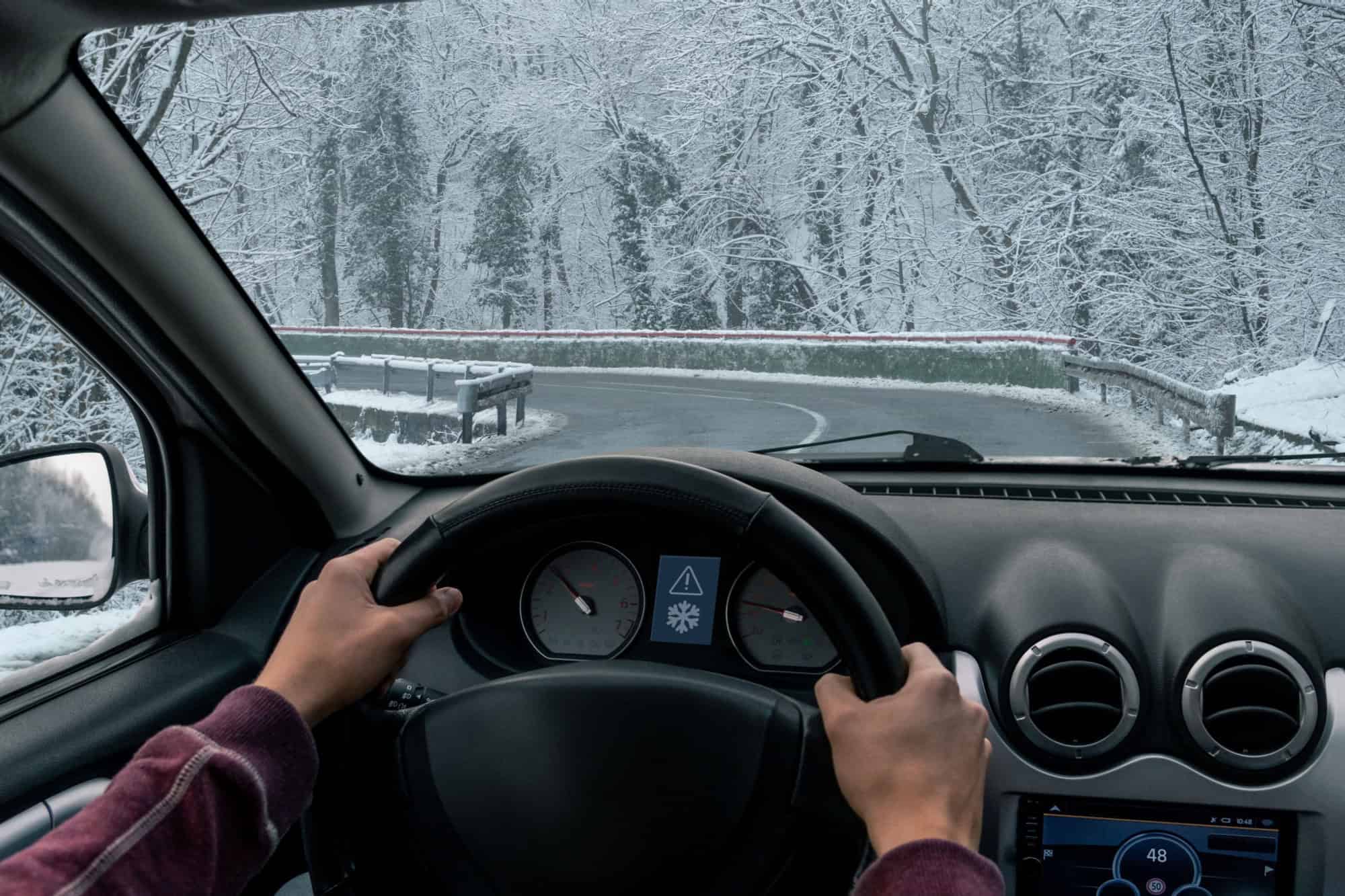
Tell an American you can see a pretty village two hours away and they will plan to go there after breakfast. Lots of Europeans (especially those who live in smaller countries) would think two hours is a significant trip for a day excursion.
People in areas of the US where cars are the primary mode of transport tend to view extended drives for shopping, seeing relatives, or short vacations as perfectly normal. For them, “just down the road” can mean something else entirely.
The bathroom hunt
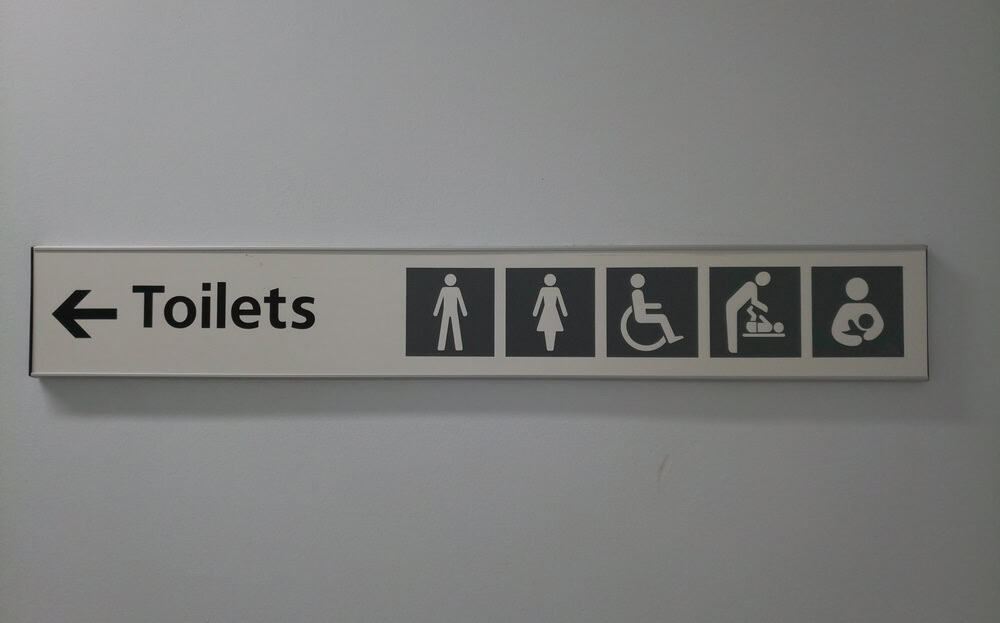
Americans can be caught off guard when asked to pay for the use of a toilet at a European train station or shopping plaza. They are also used to toilets being available in grocery stores, restaurants and larger department stores.
In certain European cities, locating a restroom isn’t easy, and you’ll often need to make a purchase or pay a small charge. Asking for the nearest free restroom will quickly reveal American origins.
Ever-present smiles

Americans tend to smile at people they pass by on the street as a greeting, even if they don’t plan on stopping to talk to them. In cultures where smiling is not done unless you’re actually amused or know someone, this can be very noticeable.
In European eyes, a constant smile might seem artificial, while Americans tend to see not smiling as a sign of unfriendliness.
Air conditioning

Americans tend to assume that air conditioning will be a standard feature in hotels, restaurants, shops, and public buildings. In Europe, this is not necessarily the case, especially in older buildings or cooler climates.
An American visitor may first question whether their hotel room will be air-conditioned or complain that the restaurant is too hot. Europeans who are used to opening windows or using fans may be surprised at their behavior.
Waiting for the check

In most restaurants in America, servers will bring the check shortly after you are finished eating. In some areas of Europe, like France, Italy and Spain, they may leave you completely alone until you ask for it.
An American might sit there waiting for their bill, thinking the waiter forgot them while the waiter is thinking they are being polite by not rushing their guests.
What counts as old?

An American may refer to a house built in the 1970s as “old”, especially if it hasn’t been remodeled. To residents of European cities who live in houses centuries old on a daily basis, that can sound funny.
A building that is 100 years old may even be regarded as fairly modern by a European. The contrast is striking when Americans excitedly take pictures of seemingly mundane historic streets locals stroll down daily.
The medicine hunt

Americans expect to find pain relievers, cold medications and other nonprescription drugs in supermarkets, convenience stores and big box stores.
In many European countries, those same products are dispensed largely through pharmacies. An American traveler who develops a headache will hunt through the grocery for ibuprofen before realizing they need to go to a pharmacy.
Free water

When dining at restaurants in the United States, you can usually request a glass of tap water without hesitation for free. If you order water in some European countries, it may mean getting the waiter to bring you a bottle and charging it to your table.
While free tap water is offered (or required by law) in many places, there are still different etiquette rules.
Full volume

When discussing cultural differences, the volume of some Americans’ public speech is a very common point raised. Americans may talk louder on buses, trains, in restaurants, or museums, so their conversations can reach across the room.
This isn’t because they’re rude; it’s because different cultures have different expectations of how loudly it’s okay to speak.
Proud hometown

Americans will often mention what state they’re from when introducing themselves, even sometimes just naming their hometown. They assume everyone knows they’re from the United States.
“I’m from Wisconsin,” or “I’m from Nebraska,” or even “I’m from a town outside Dallas” without even mentioning their country. Many Europeans who don’t know much about U.S. geography won’t have a clue where that is.
Introducing their heritage

When Americans are asked where they’re from, some will proudly answer that they’re Irish, Italian, German or Polish, even though they were born and raised in the United States and their family has been here for many generations. This often confuses Europeans, particularly if the person does not speak the language or has never been to that country.
So, it’s basically a matter of different ideas about what those identifiers convey. What Americans mean by ancestry is different from the literal understanding of nationality among Europeans.
Generous tips
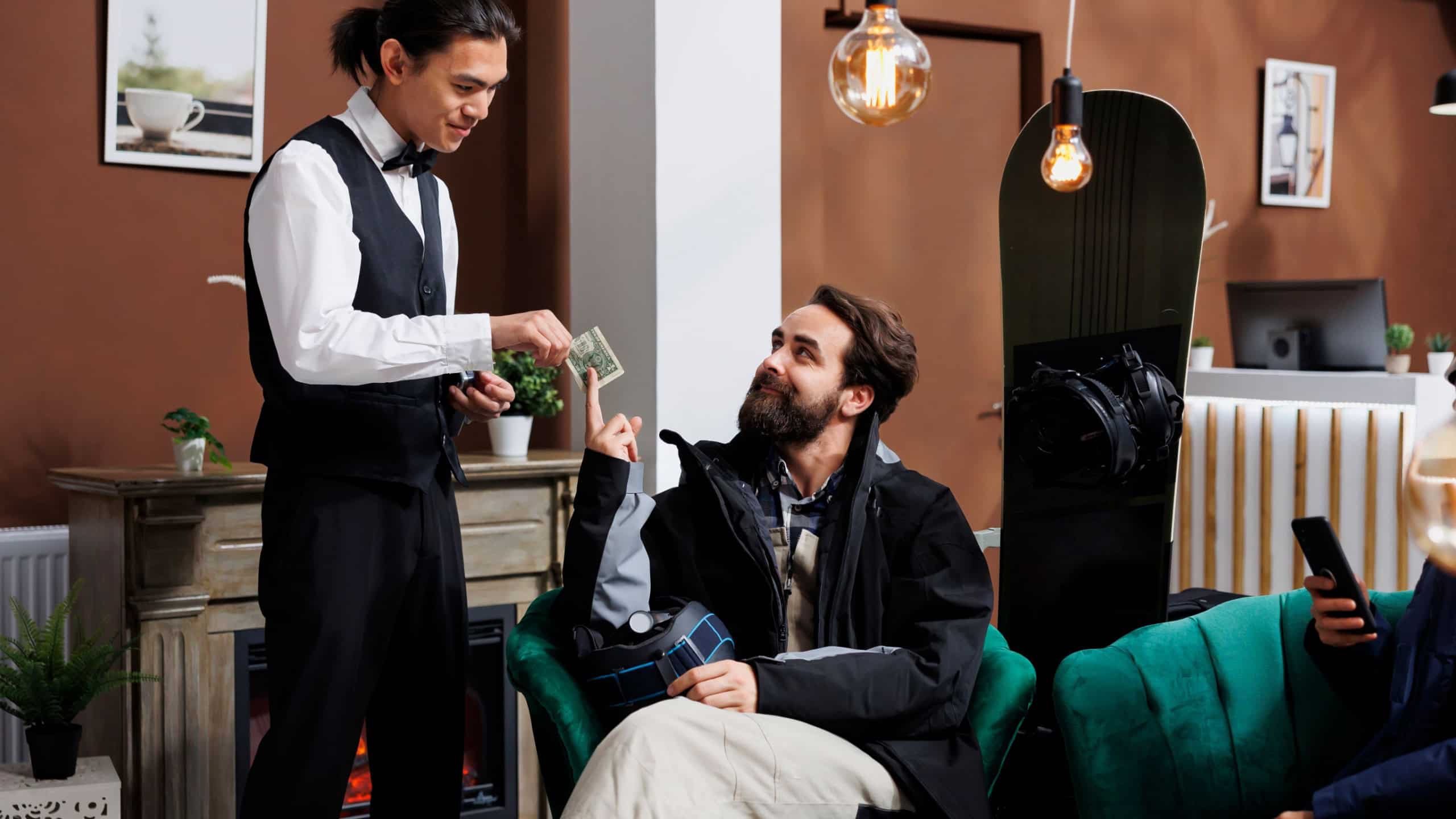
Americans are used to tipping around 15–20% at sit-down restaurants. Tipping customs across Europe differ widely, sometimes with a service charge already included.
American travelers may over-tip when it is not expected. Others feel uneasy simply walking away without adding on. Locals may just round up the bill or leave some coins.
Like our content? Be sure to follow us.