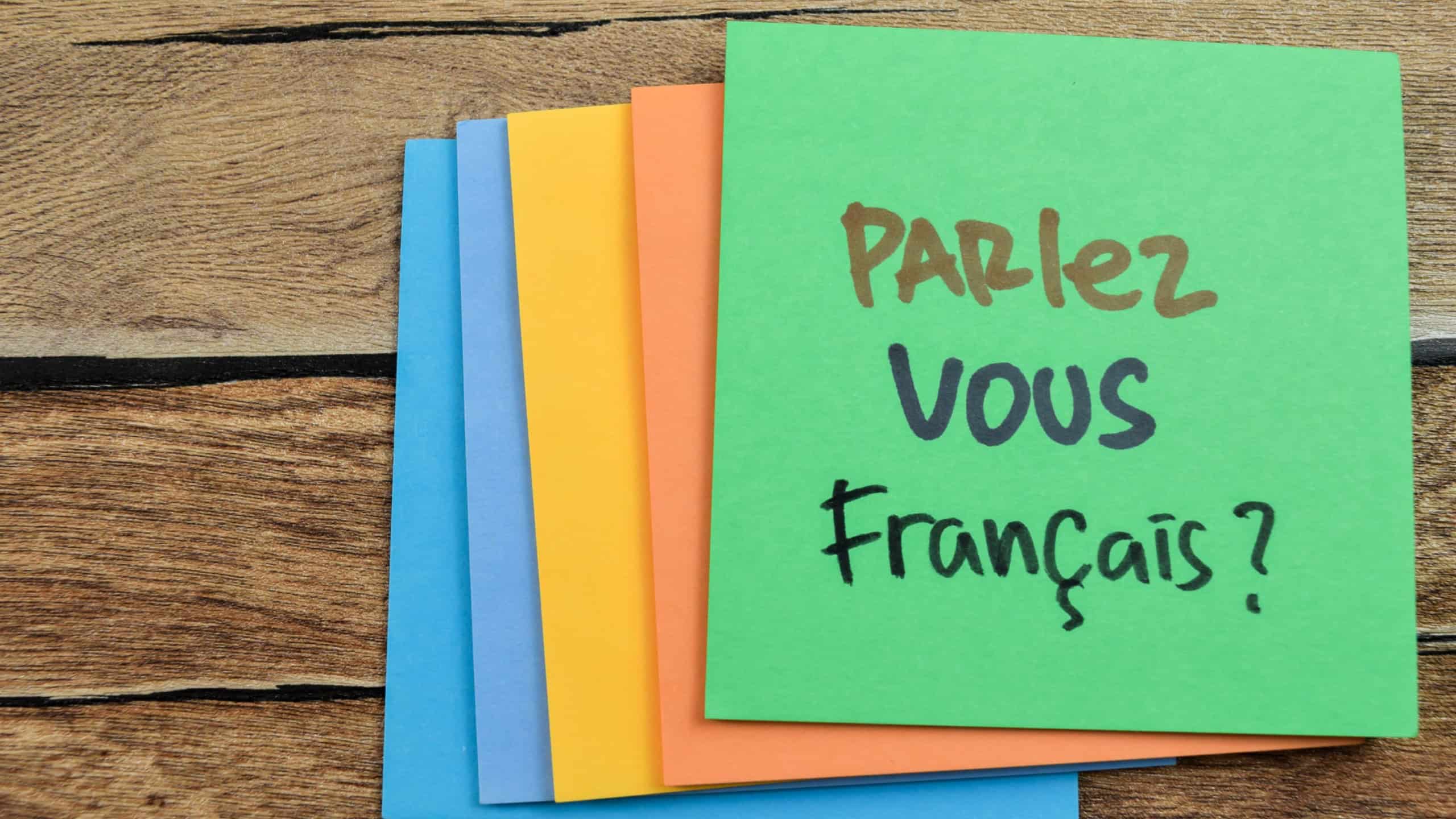
Whether you’re visiting Quebec or simply want to feel more confident in Canada’s second official language, these French phrases can come in handy.
Je ne comprends pas

Meaning: I don’t understand.
This might be the most handy phrase for any student of French. When someone talks too fast or throws out words you don’t understand, this lets them know politely that you don’t understand what they’re saying.
They will usually repeat themselves more slowly or use different vocabulary. Rather than beating yourself up about not understanding, this phrase will allow the conversation to continue and show that you are trying.
Pouvez-vous parler plus lentement?

Meaning: Can you speak more slowly?
Native French people speak way faster than French beginners think they do. This nicely asks someone to slow their French down enough for you to understand. This can be super helpful when asking for directions, talking to customer service employees, or in any situation where you need to have a serious conversation. Most people love to slow down and help when they know you’re a beginner.
Je voudrais…

Meaning: I would like…
This is one of the first phrases that every student should learn by heart. You use it to politely order food, buy tickets, ask for a coffee, or request almost anything in a store or restaurant. Instead of bluntly saying what you want, this phrase allows you to sound much more natural and polite.
Est-ce que vous parlez anglais?

Meaning: Do you speak English?
When having trouble speaking French, it’s always courteous to ask if the other person speaks English. Most Canadians are bilingual, especially in bigger cities and tourist regions. You are showing the person that you care about their language and culture by asking. Plus, it will help conversations flow effortlessly should they speak English.
Je suis perdu(e).

Meaning: I’m lost.
Whether you find yourself lost in Old Quebec, Montreal, or anywhere else, you’re in an unfamiliar town, this sentence can help you get assistance fast. It quickly identifies to people that you are lost. Canadians will be more than willing to give you directions to your destination. It’s a simple sentence that will save you time and aggravation.
Où est l’arrêt d’autobus?

Meaning: Where is the bus stop?
Public transit is one of the easiest ways to travel throughout many Canadian cities. If you don’t know where the next bus is, this question can be invaluable. Ask it at train stations, inside shopping centres, or out on the street. It’s one of those travel phrases you’ll end up using way more than you think you will.
Est-ce que vous acceptez les cartes?

Meaning: Do you accept cards?
While paying with your card is extremely common throughout Canada, not all small businesses accept all forms of payment. This question is particularly helpful when used at local cafés, farmer’s markets, and boutiques. Ask before you order or buy something, so you don’t find yourself in an embarrassing position at the cash.
L’addition, s’il vous plaît.

Meaning: The bill, please.
This is the phrase to ask for the bill in a polite way once you’re done eating. You can use this French phrase at restaurants, cafés, and most casual dining establishments. Instead of waiting for your waiter to realize you’re done eating, you can ask them nicely when you’re ready to pay and leave.
C’est combien?

Meaning: How much is it?
Everything doesn’t come with a price tag, especially when you’re shopping at a market, local store, or flea market. This quick and simple phrase allows you to ask how much anything is. It’s easier to remember than other longer versions and is used frequently in casual French. You can ask how much food, souvenirs, clothing, or anything costs with this phrase.
Ça va?

Meaning: How are you? / Is everything okay?
You will hear this frequently in casual French. Friends will say this to give someone a casual greeting, but it can also be translated to “you good?” if someone is upset or went through a rough situation. Since this French phrase has multiple meanings, you will hear it used in various situations.
Like our content? Be sure to follow us.