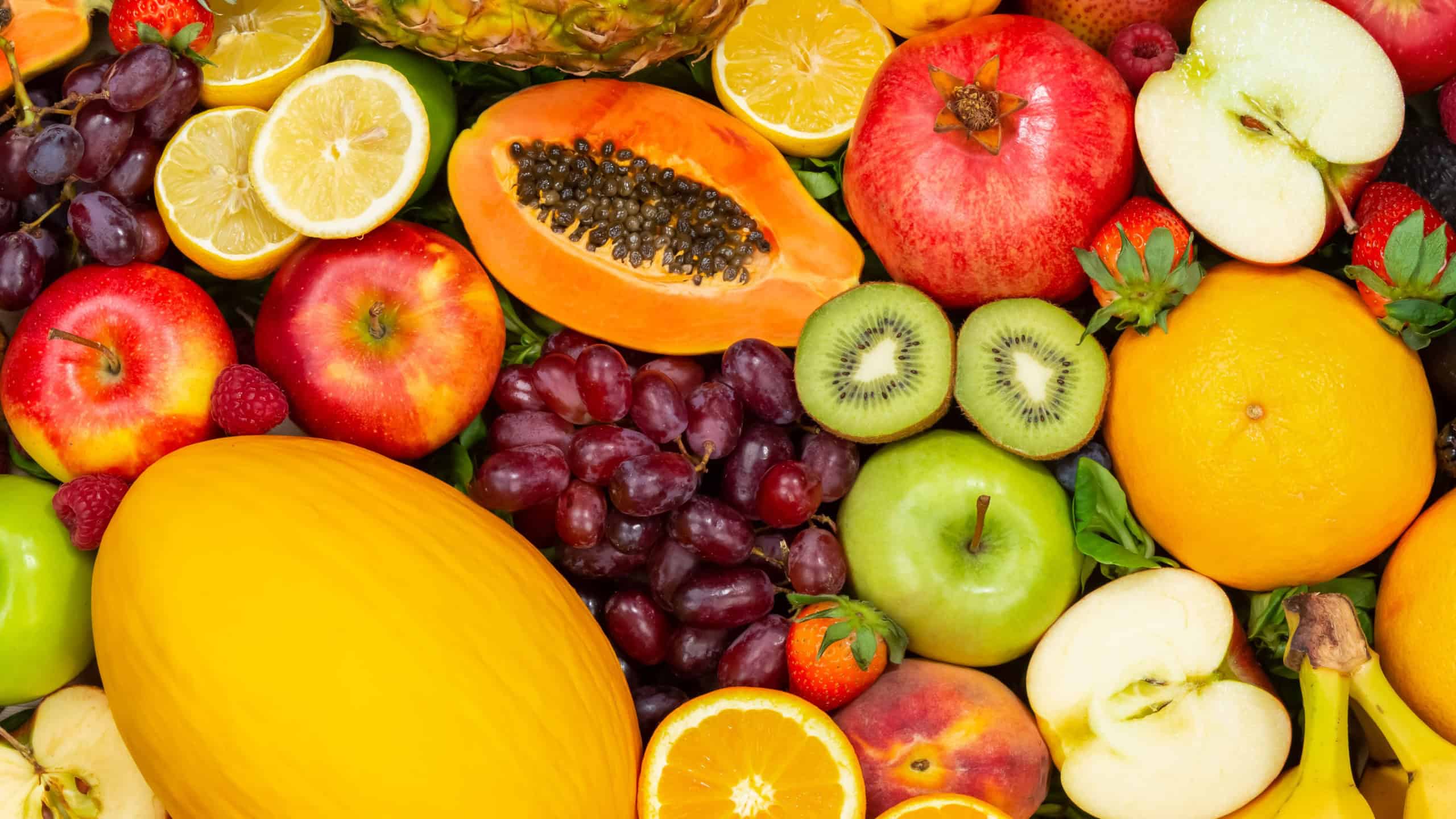
Naturally, most fruit provides our bodies with many health benefits, but some fruits top the charts with nutritionists more than others because they pack more nutrients, fiber, and have less sugar.
The 6 best fruits – Avocados
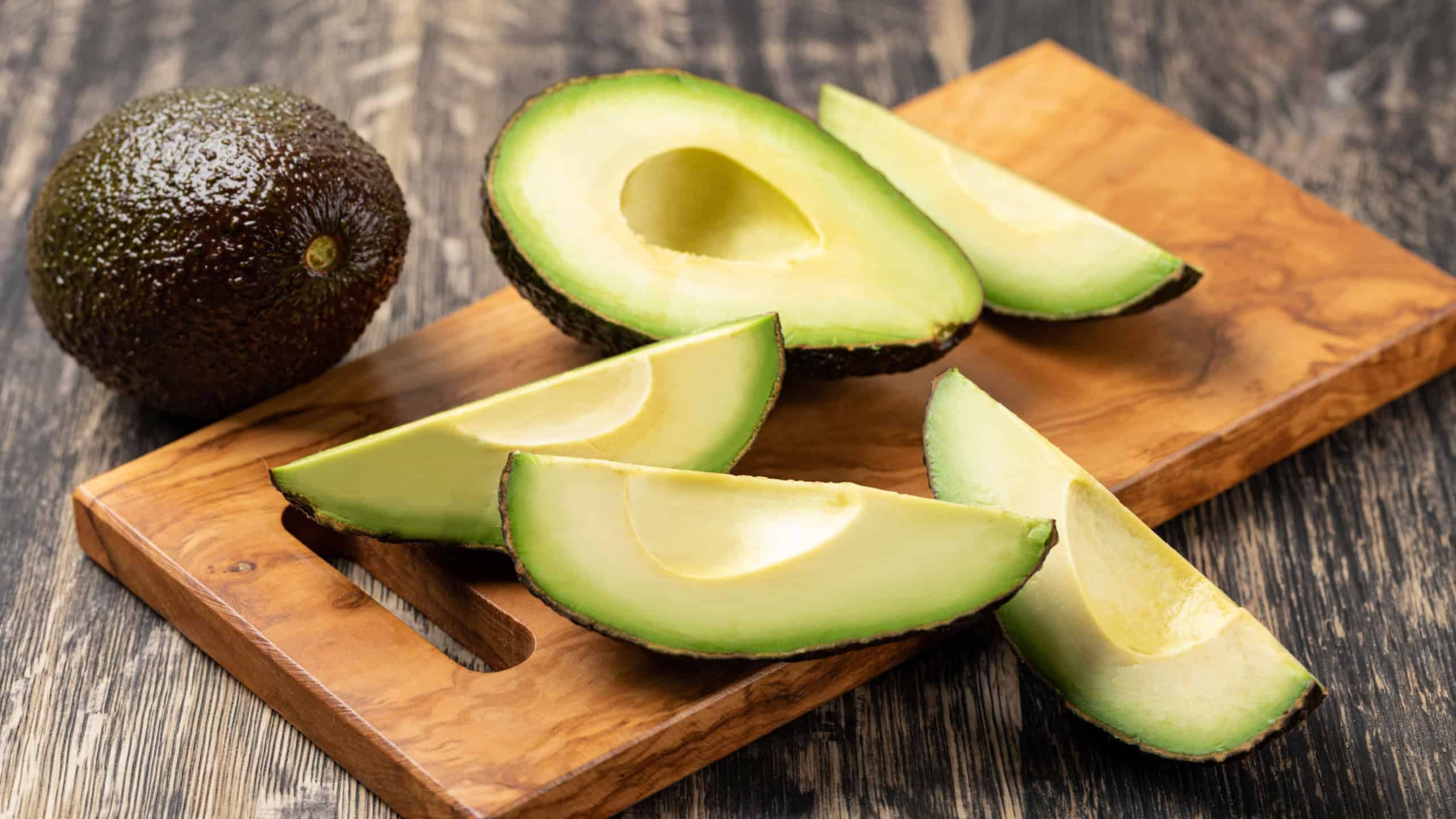
Avocado is number one on our nutritionist’s list due to its exceptionally low sugar content and high healthy fats. Each avocado contains about 10 grams of filling fiber that helps support gut health, nutrient absorption, and helps keep blood sugar levels balanced.
The oleic acid found in avocado also helps reduce inflammation and benefits heart health by improving cholesterol levels.
Wild blueberries
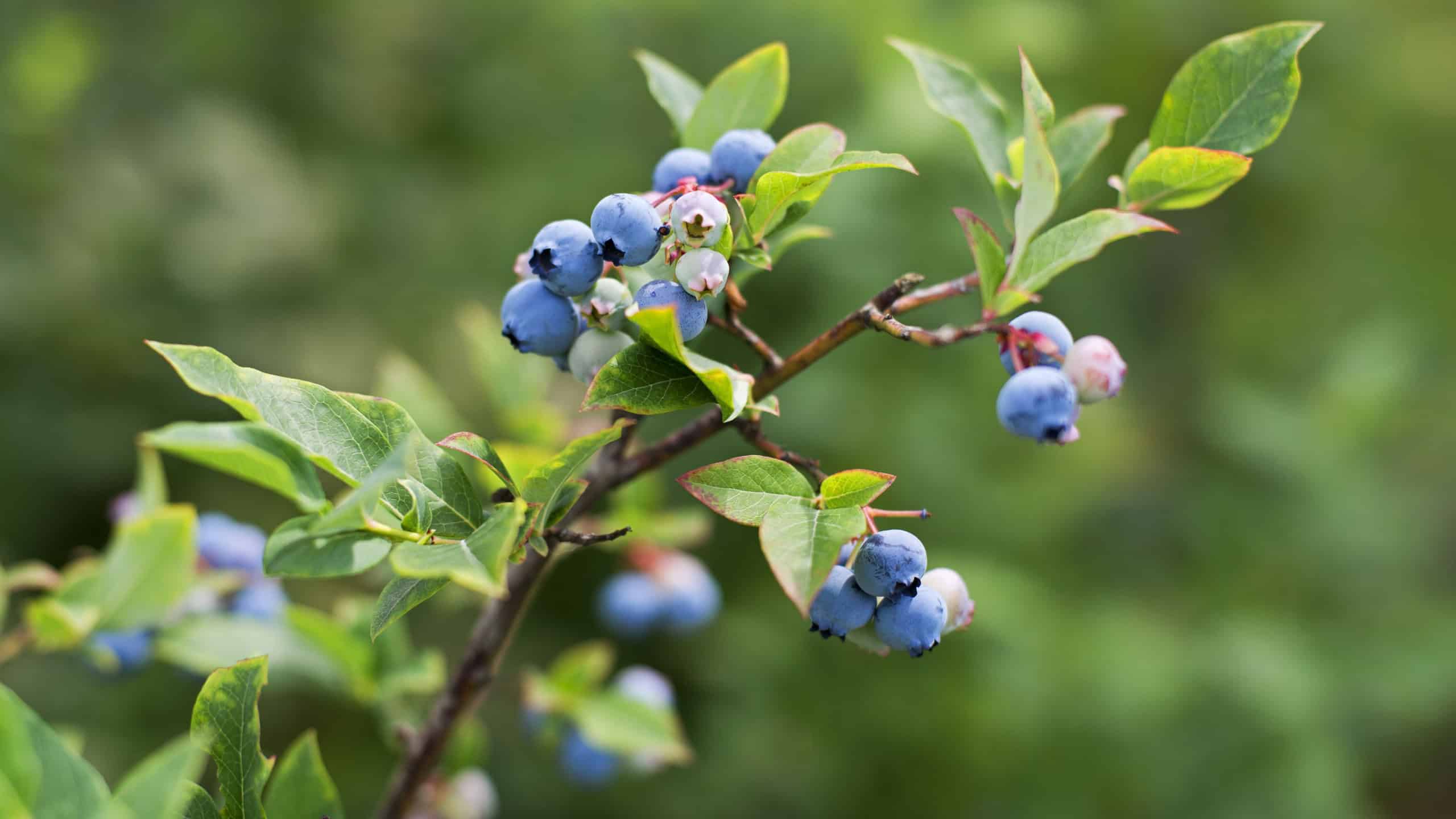
Blueberries are known to be one of the best brain foods and for a good reason. They contain high amounts of antioxidants called anthocyanins.
Not only do wild blueberries have a lower glycemic load than regular blueberries, but they also have over twice the amount of fiber. Studies show that eating blueberries can help with memory and mood and help prevent oxidative damage.
Raspberries
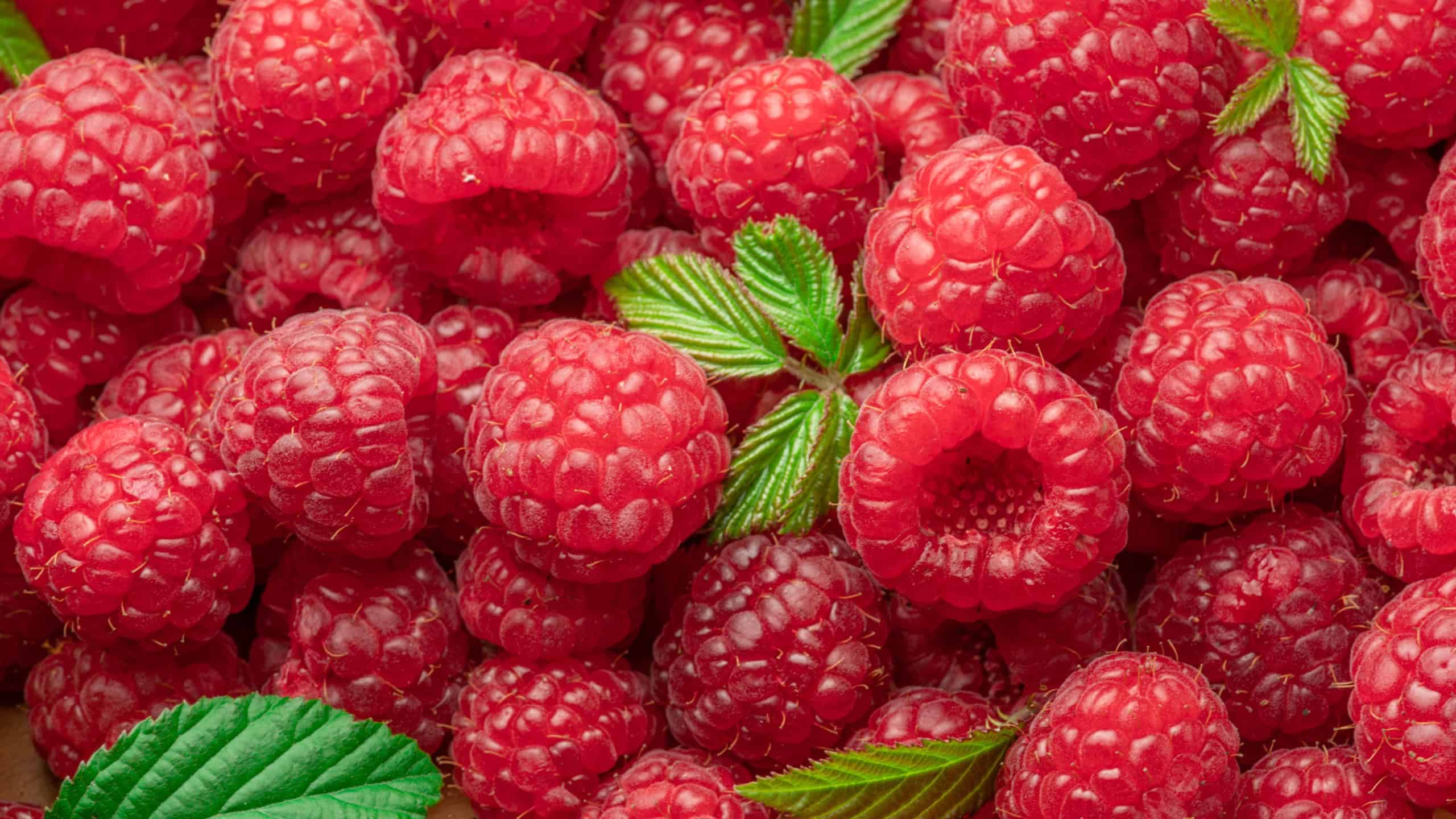
Raspberries in particular have one of the highest fiber-to-sugar ratios of any fruit. In fact, one cup of raspberries contains 8 grams of fiber and only 5 grams of sugar.
Loaded with fiber and low in sugar makes them fantastic for weight loss and controlling insulin levels. Not to mention they’re jam-packed with immune-boosting vitamin C.
Blackberries
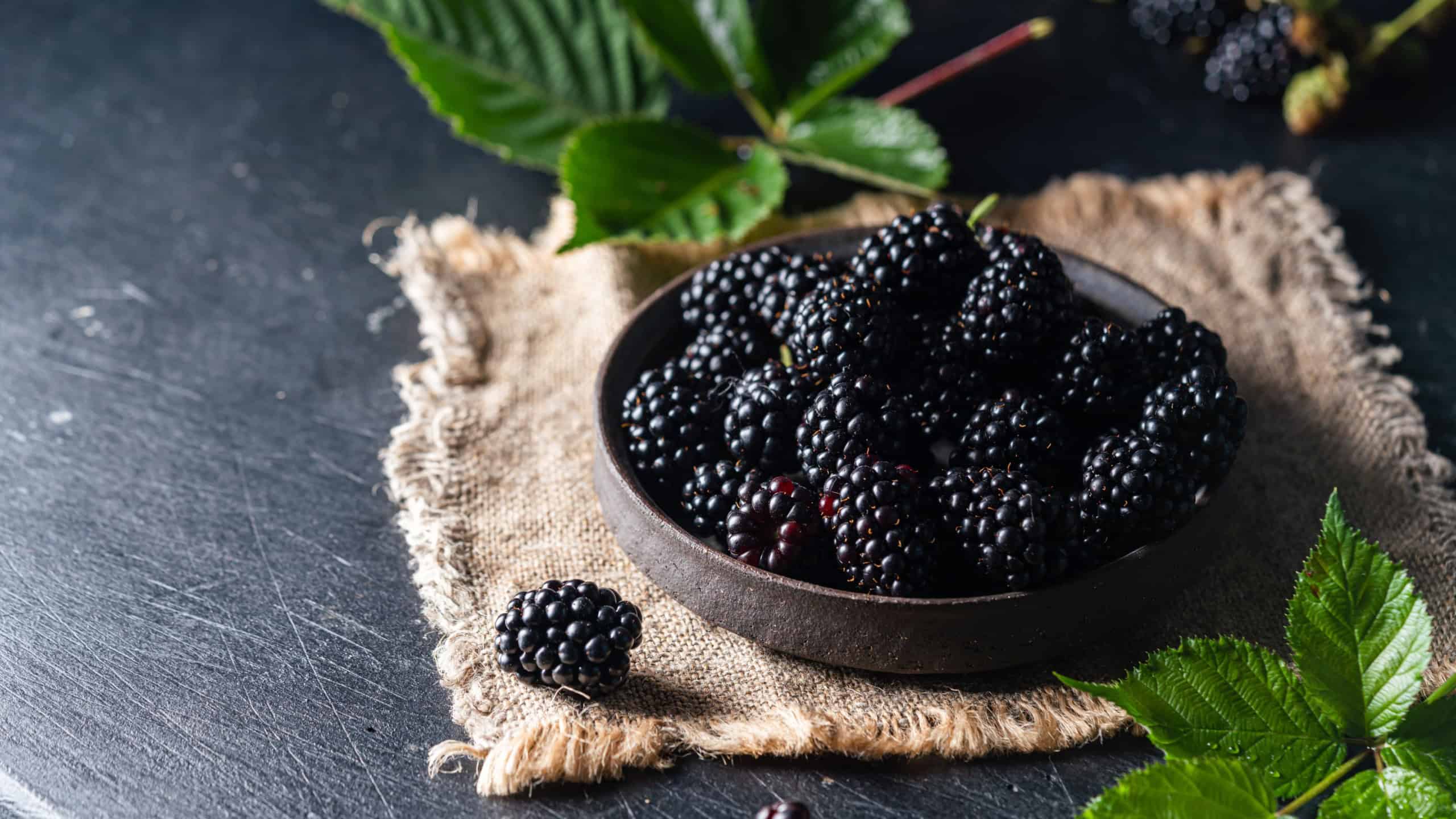
Blackberries are another nutrient-dense food to increase your metabolism. They are incredibly high in both soluble and insoluble fiber. They help regulate digestion and manage cholesterol levels.
They’re also a great source of manganese, which promotes bone growth and carbohydrate metabolism. Last but not least, their deep purple color means they’re rich in polyphenols that help restore vascular tissue.
Kiwifruit
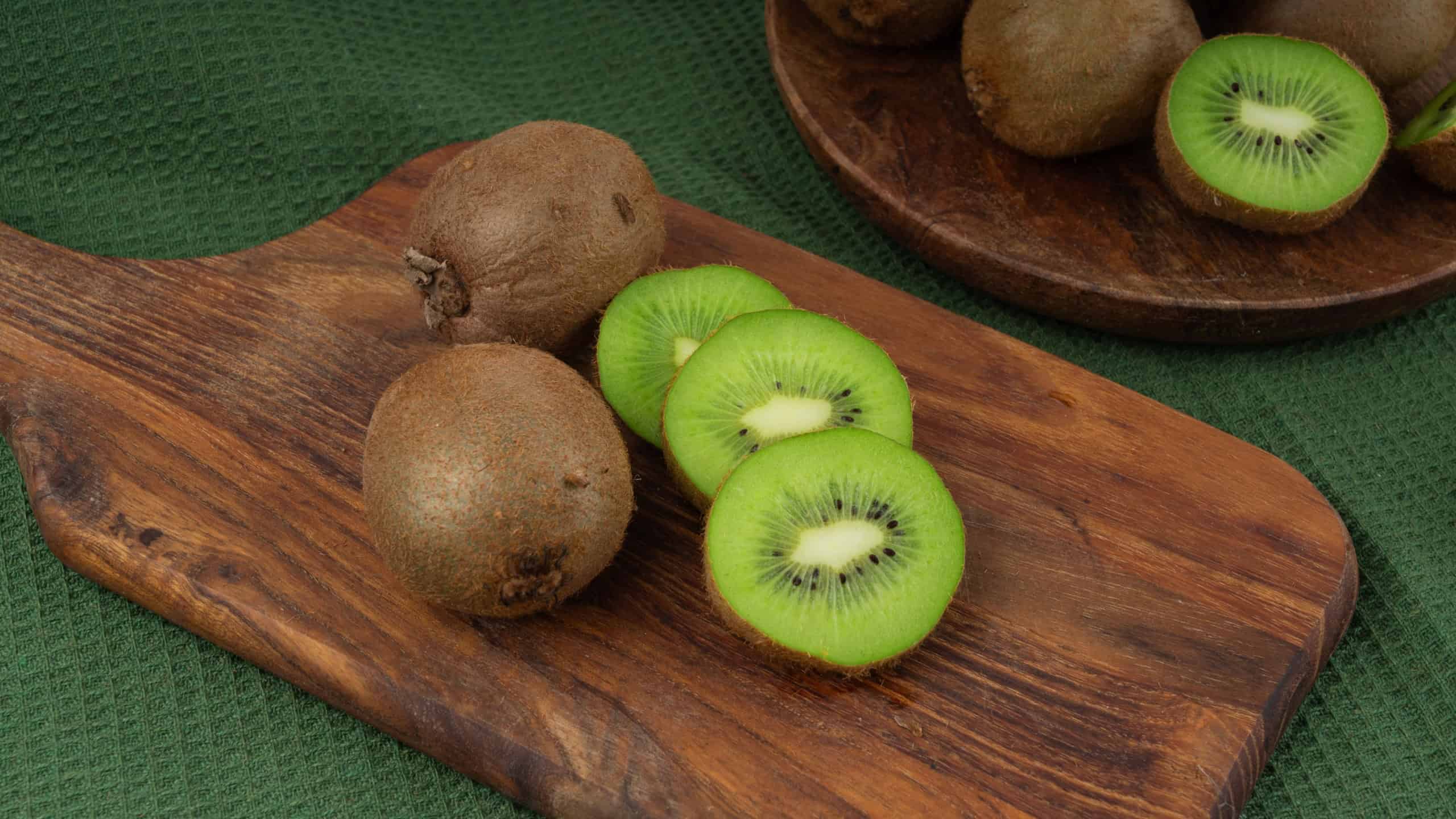
Kiwi makes nutritionists’ lists quite often due to the high concentration of actinidin, a powerful enzyme. It assists your body with digesting protein and alleviating abdominal bloating.
Two small kiwis can pack more than twice the amount of vitamin C you need daily, beating oranges handily. Kiwis have also been linked to reducing blood pressure and promoting wonderful sleep thanks to fiber and potassium.
Pomegranates
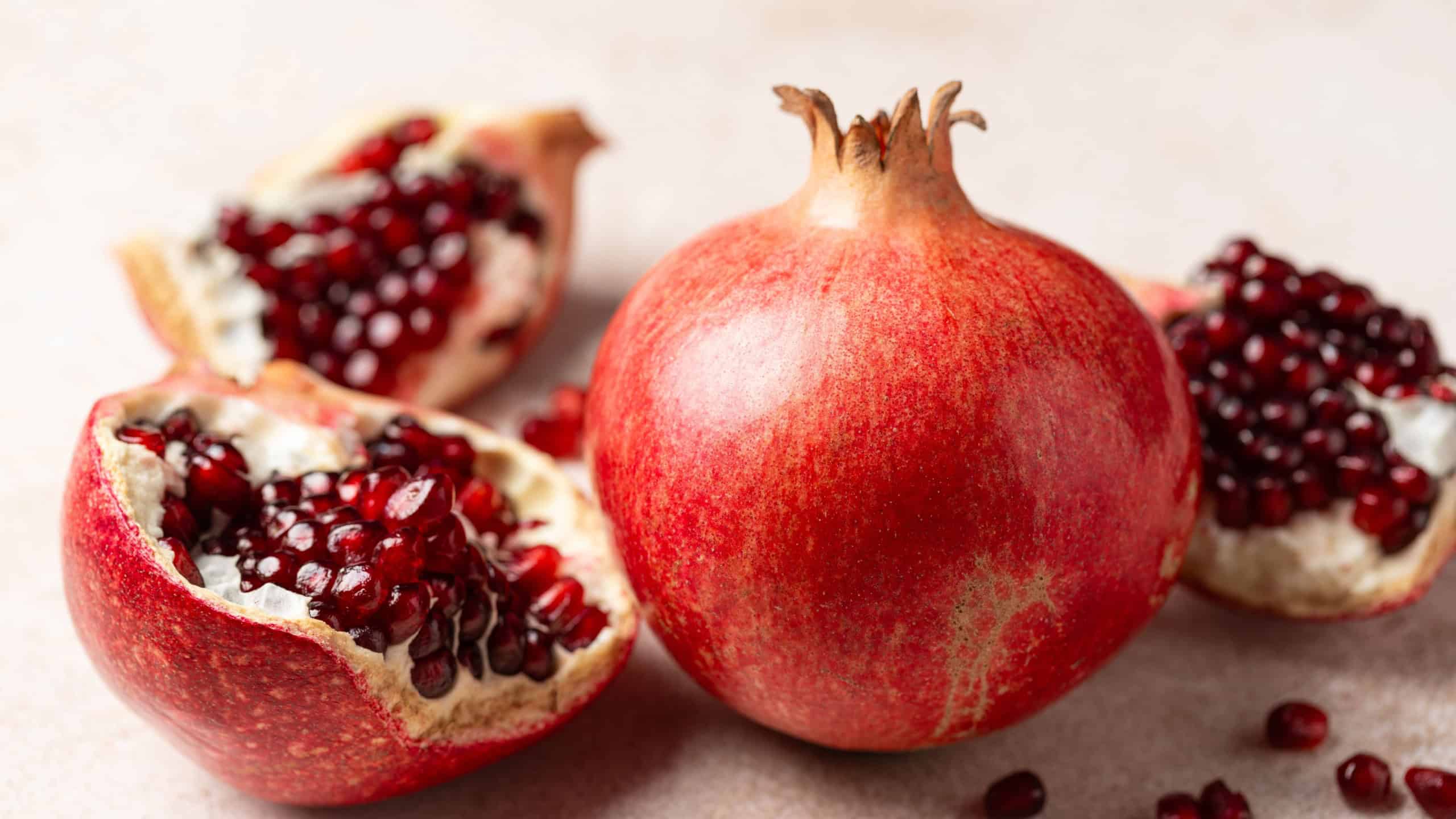
Pomegranates pack high concentrations of punicalagins, which are some of the most powerful antioxidants your cardiovascular system will encounter.
The tasty, crunchy arils are also filled with fiber and vitamin K, which support healthy blood clotting and bone density. Clinical nutritionists praise them for their ability to decrease plaque in your arteries and reduce blood pressure over time.
The 6 worst fruits – Dried dates
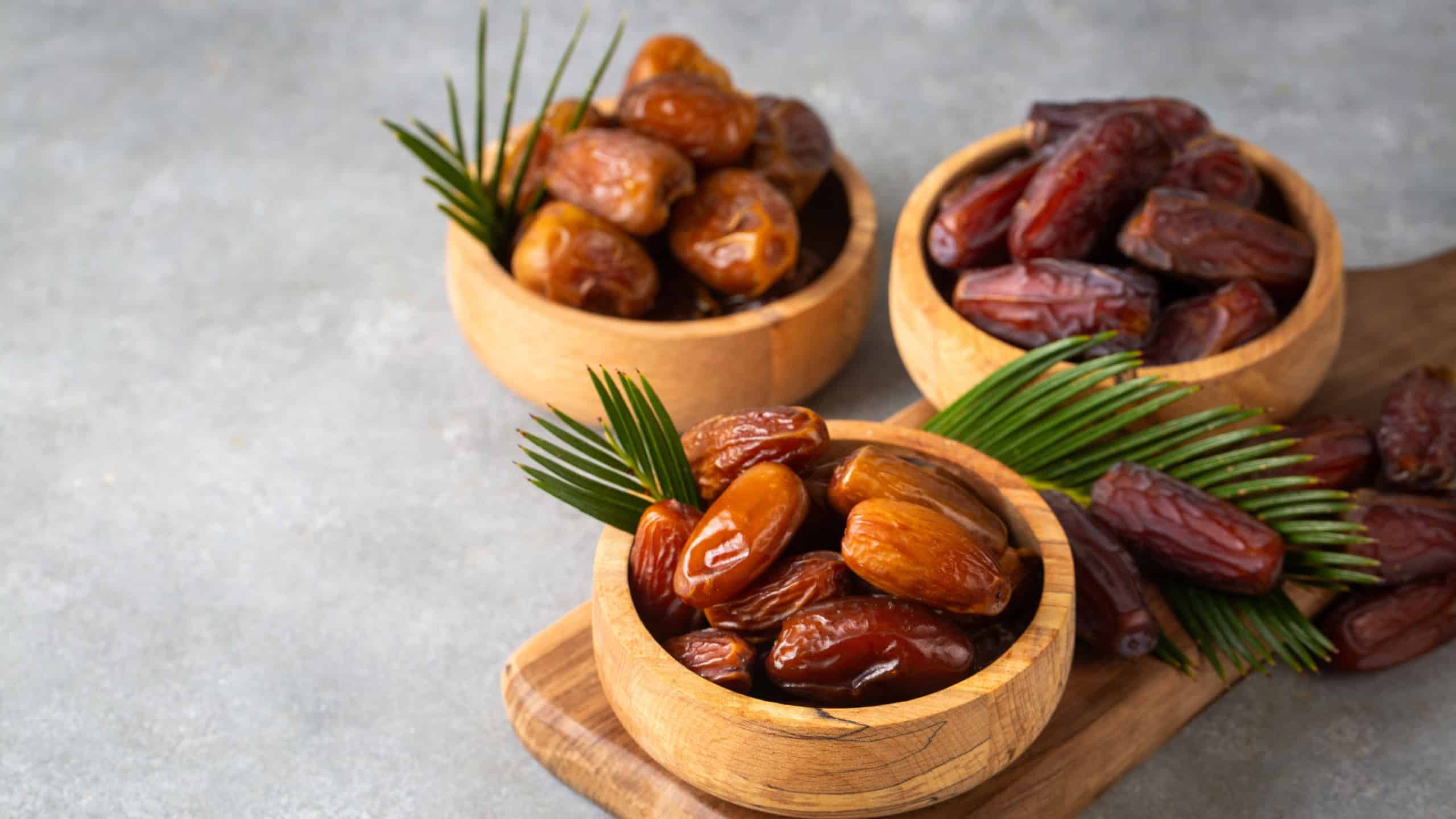
Dates are great sources of minerals like potassium, but the dehydration process packs natural sugars into concentrated metabolic bombs. A few dried dates can contain a glycemic impact comparable to a candy bar. The resulting blood sugar spike is fast and unwanted. Nutritionists advise treating dates as a natural fuel to eat before ripping workouts, not an afternoon treat.
Watermelon
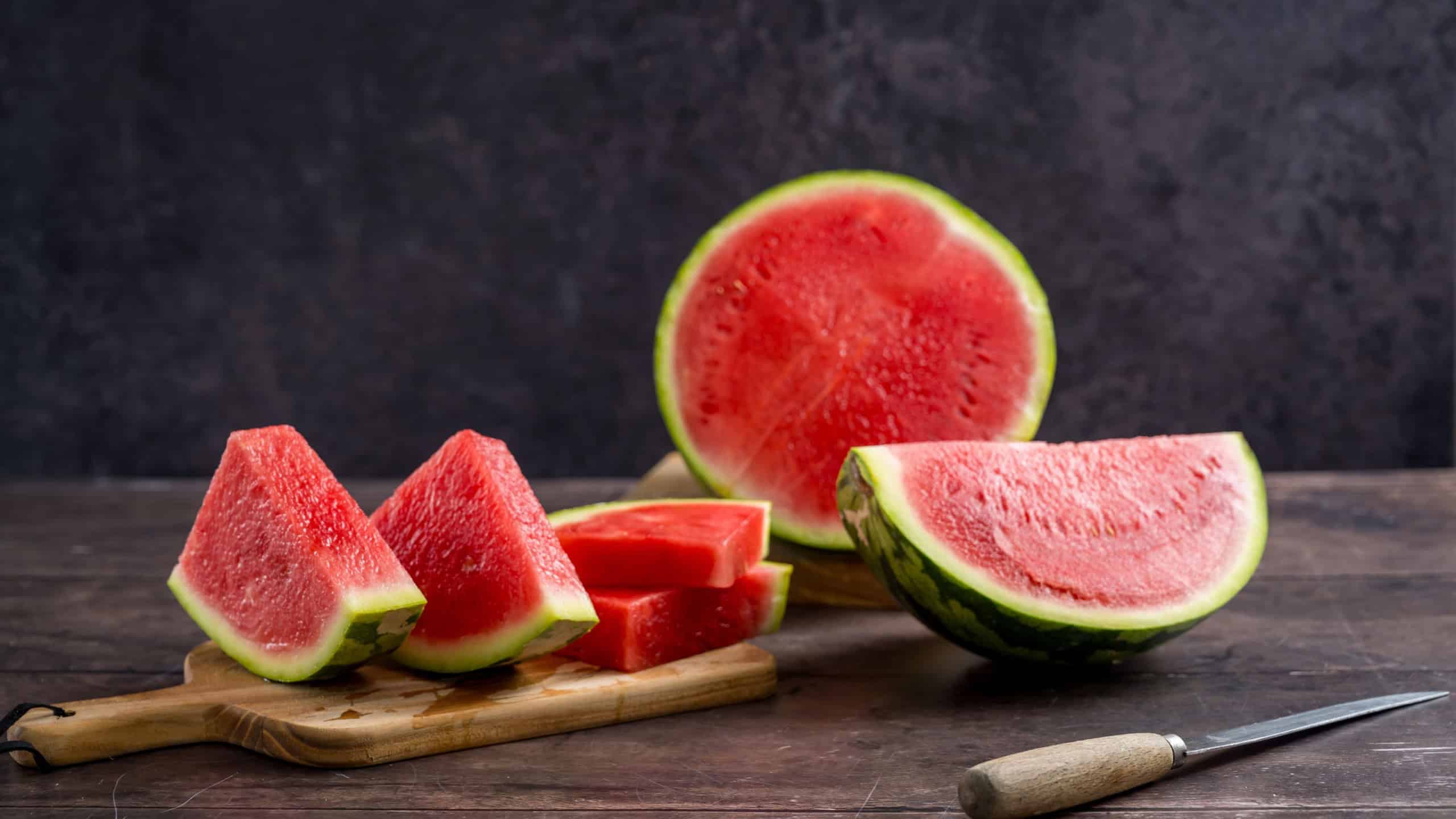
Watermelon tastes amazing and is incredibly hydrating, but it’s made up of mostly water and fast-burning simple sugars. There’s nearly no fiber to slow digestion and absorb the natural sugar.
Fiber adds bulk and literally slows fruit through your digestive tract. With limited fiber, you’ll experience a spike in blood sugar, then a crash and serious hunger. If you’re insulin resistant, pair watermelon with some nuts to stabilize the metabolic response.
Mangoes
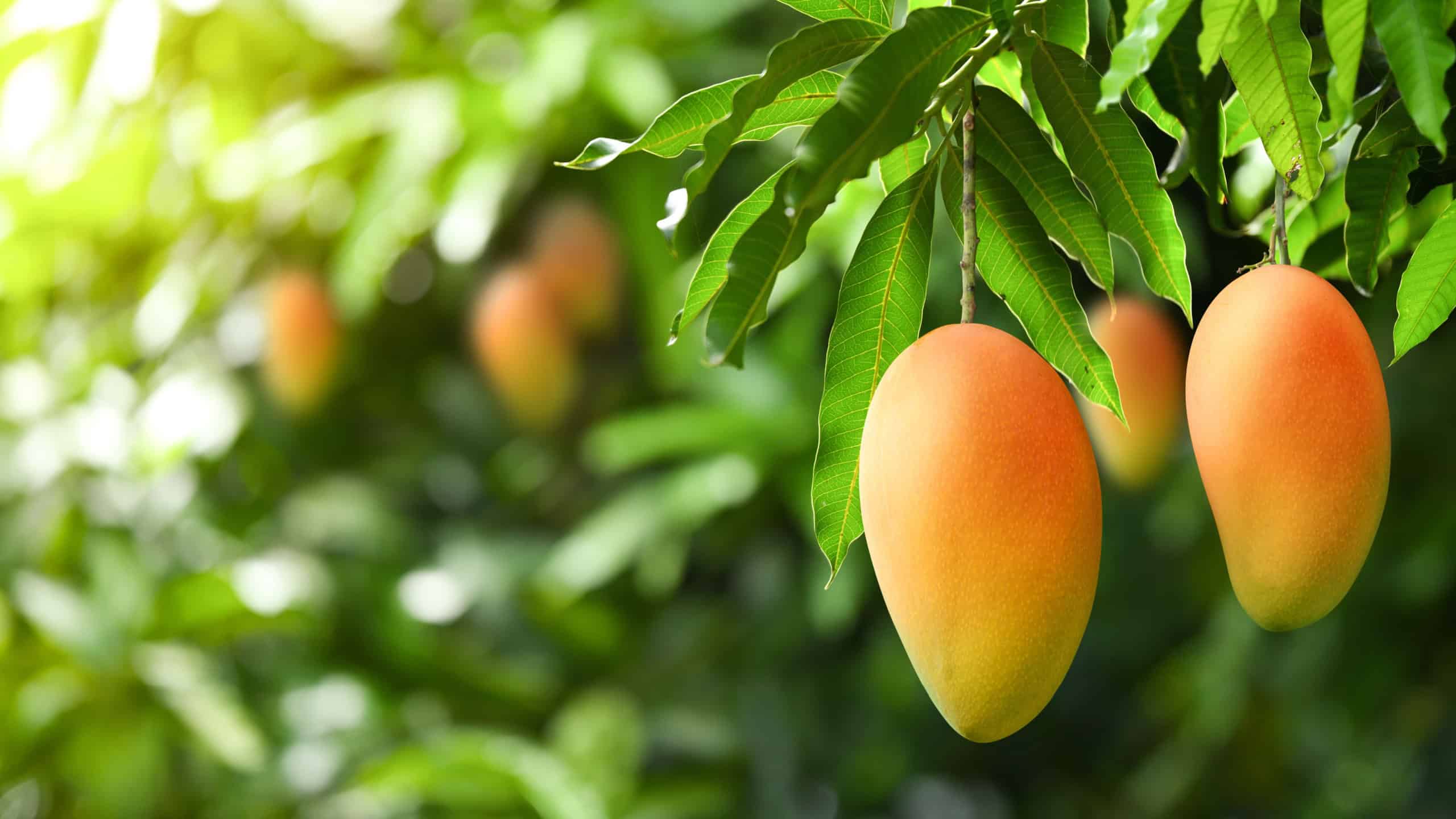
You can’t deny that mangoes taste great, but there are 45 grams of sugar in a single mango, more than almost any fruit you’ll find at the grocery store.
Mango does have exceptional vitamin A and folate content, but eating too much will flood your body with fructose that your liver will struggle to process. Dietitians recommend enjoying only a half cup of mango mixed into a fiber-packed salad or high-protein yogurt bowl.
Ripe bananas
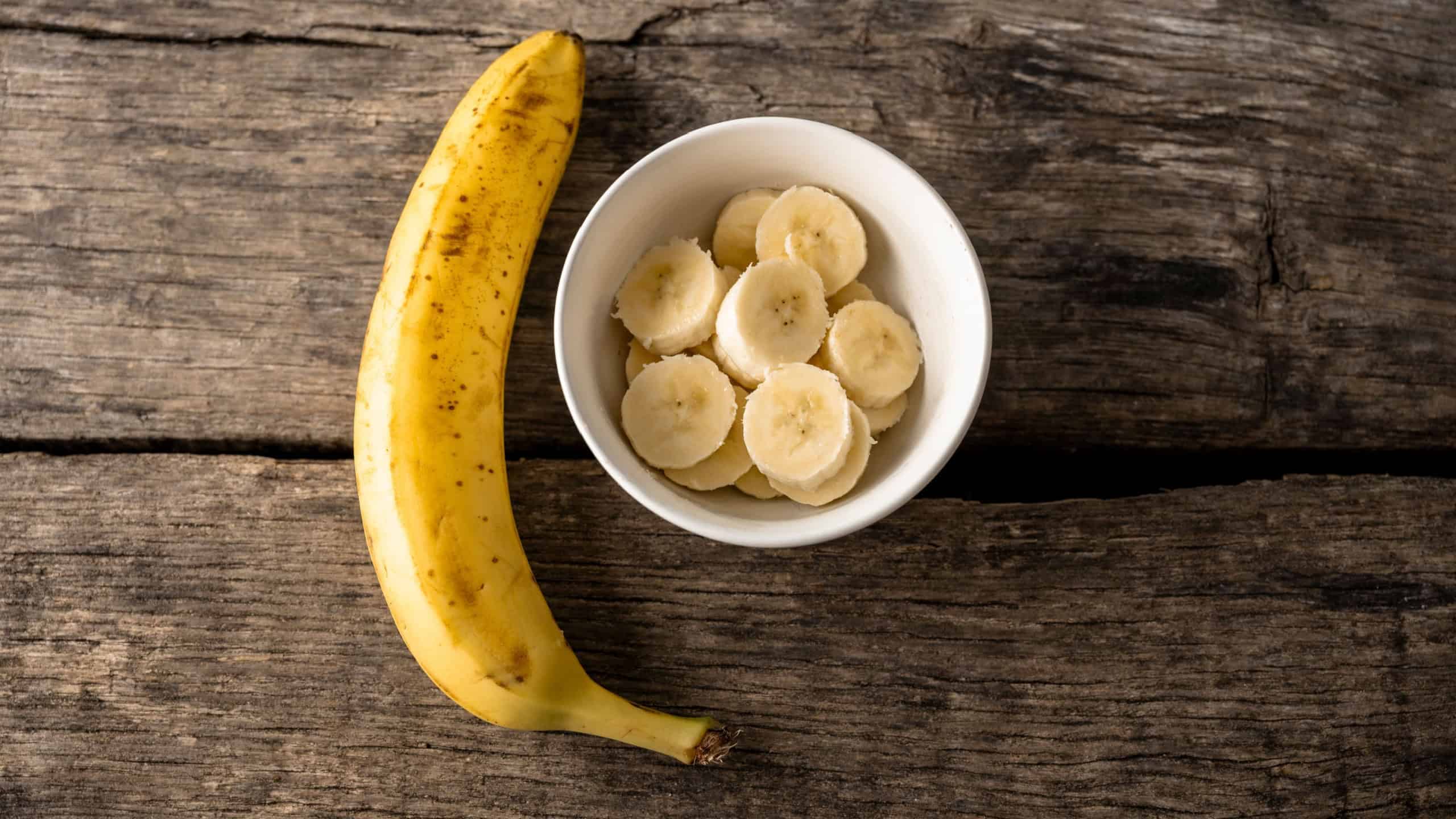
The more brown spots you see on your banana, the more those complex starches have been converted into rapidly digesting simple sugars like sucrose and fructose. Eating a banana that still has a bit of green on it can supply beneficial prebiotic resistant starch to your gut.
However, a banana at peak ripeness will send your blood sugar soaring much more quickly. Bananas are still one of the best post-workout snacks for athletes in need of a quick boost of energy.
Grapes
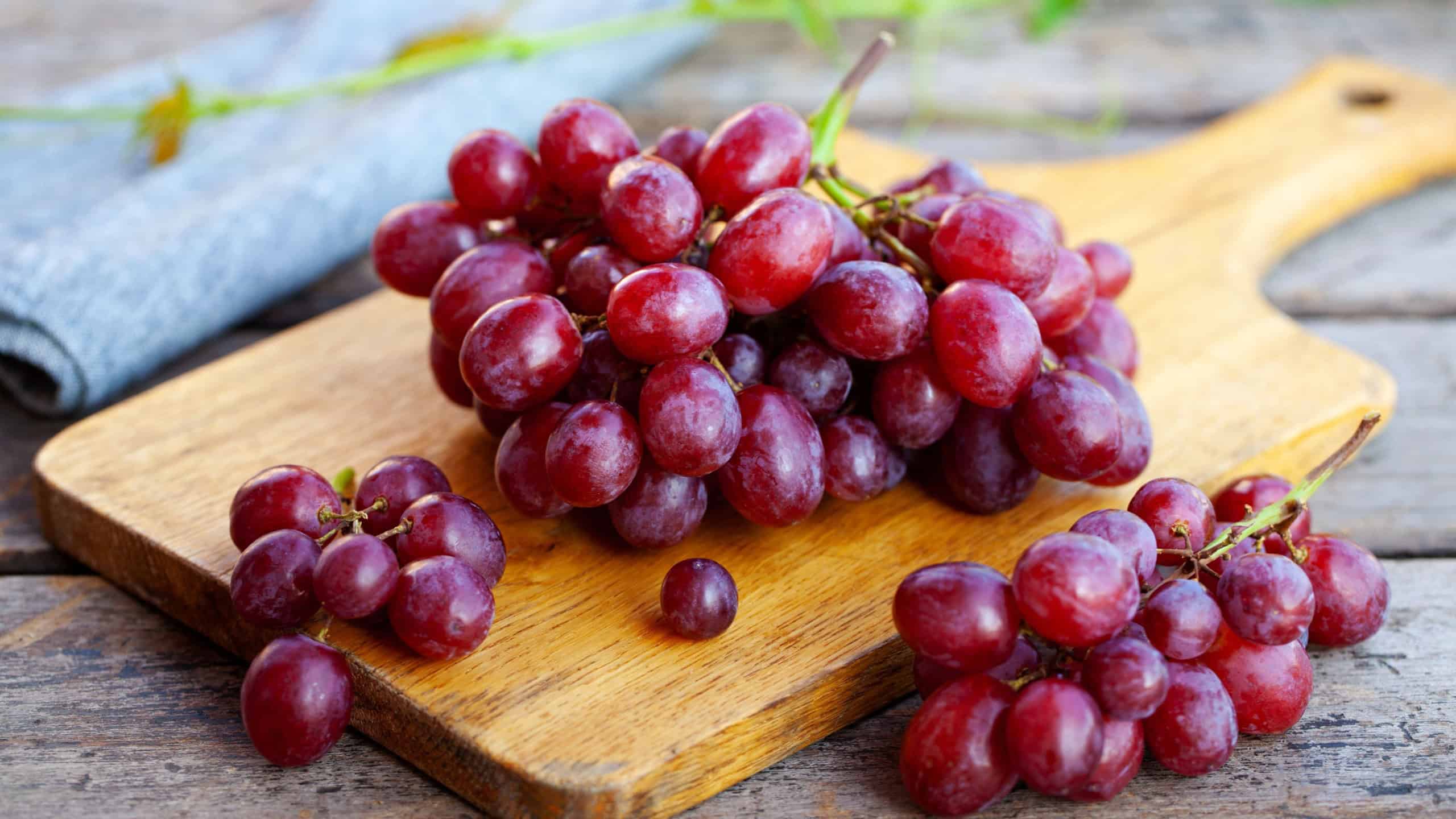
You can easily overeat grapes because half a pound can be devoured quickly and with little chewing, emptying into your bloodstream large amounts of concentrated sugar.
They don’t have the tough skins that berries do. Which means that they send very little resistance to your body’s satiety cues. Nutritionists say to freeze them to slow down consumption or replace them with blackberries instead.
Fresh lychees
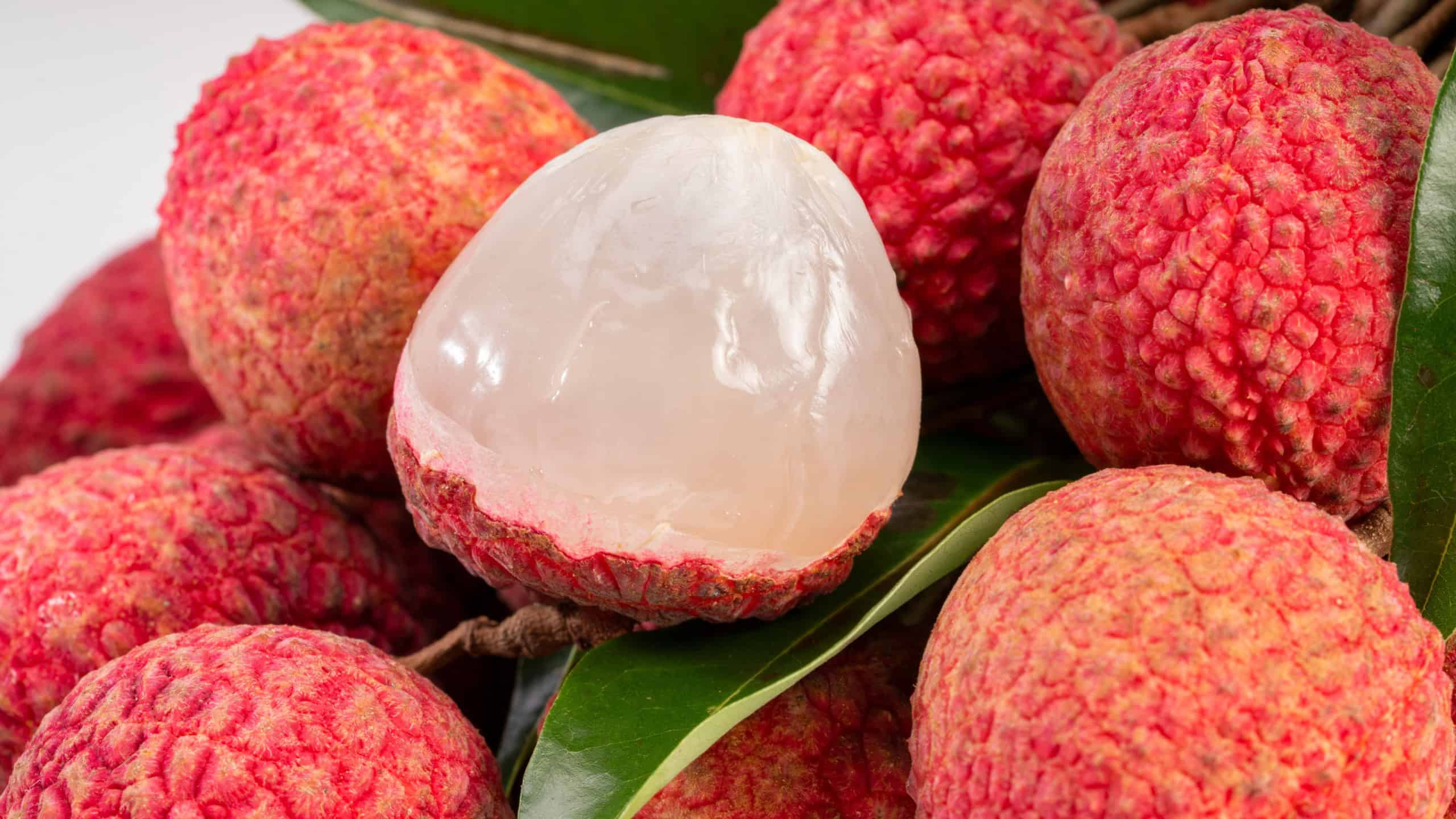
Lychees are delicious and very sweet. One cup of lychees contains almost 29 grams of sugar and almost no fiber to offset the glycemic load. Your body happily and efficiently absorbs that fructose. Have them as a treat once in a while. But don’t make them part of your daily wellness plan.
Sources: Please see here for a complete listing of all sources that were consulted in the preparation of this article.
Like our content? Be sure to follow us.