
Crossing the border between Canada and the US appears simple, but sometimes, even innocent mistakes can land you in the dreaded secondary inspection room.
Bringing fresh food
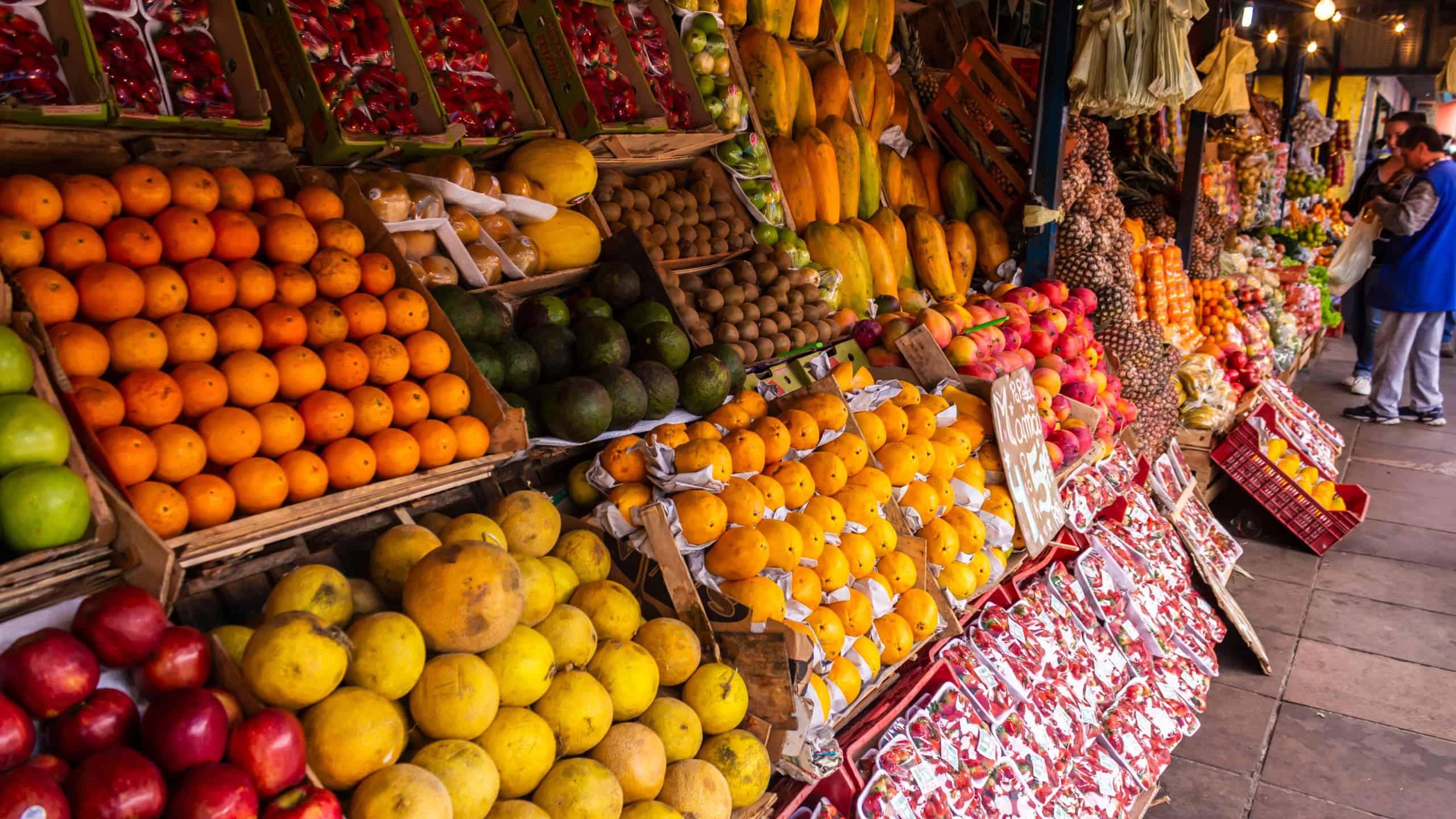
Most Canadians are unaware that fresh fruit/vegetables, meat, eggs and some dairy products are regulated under U.S. agricultural policies. That apple you’re eating on your way across, your homemade sandwich, or even your bag of potatoes could be confiscated or subject to inspection.
Many Canadians make the mistake of thinking that if it came from Canada, it’s allowed in. Always declare any food in your possession, even if it’s only intended for your journey
Forgetting to declare purchases

Whether it’s that new jacket you bought, groceries, souvenirs, or electronics, American border agents will want to know about it and expect you to be truthful.
Some travelers believe that if you buy something cheap, you don’t need to declare it. But getting caught trying to sneak something across the border can land you in more trouble than the item is worth.
Carrying cannabis
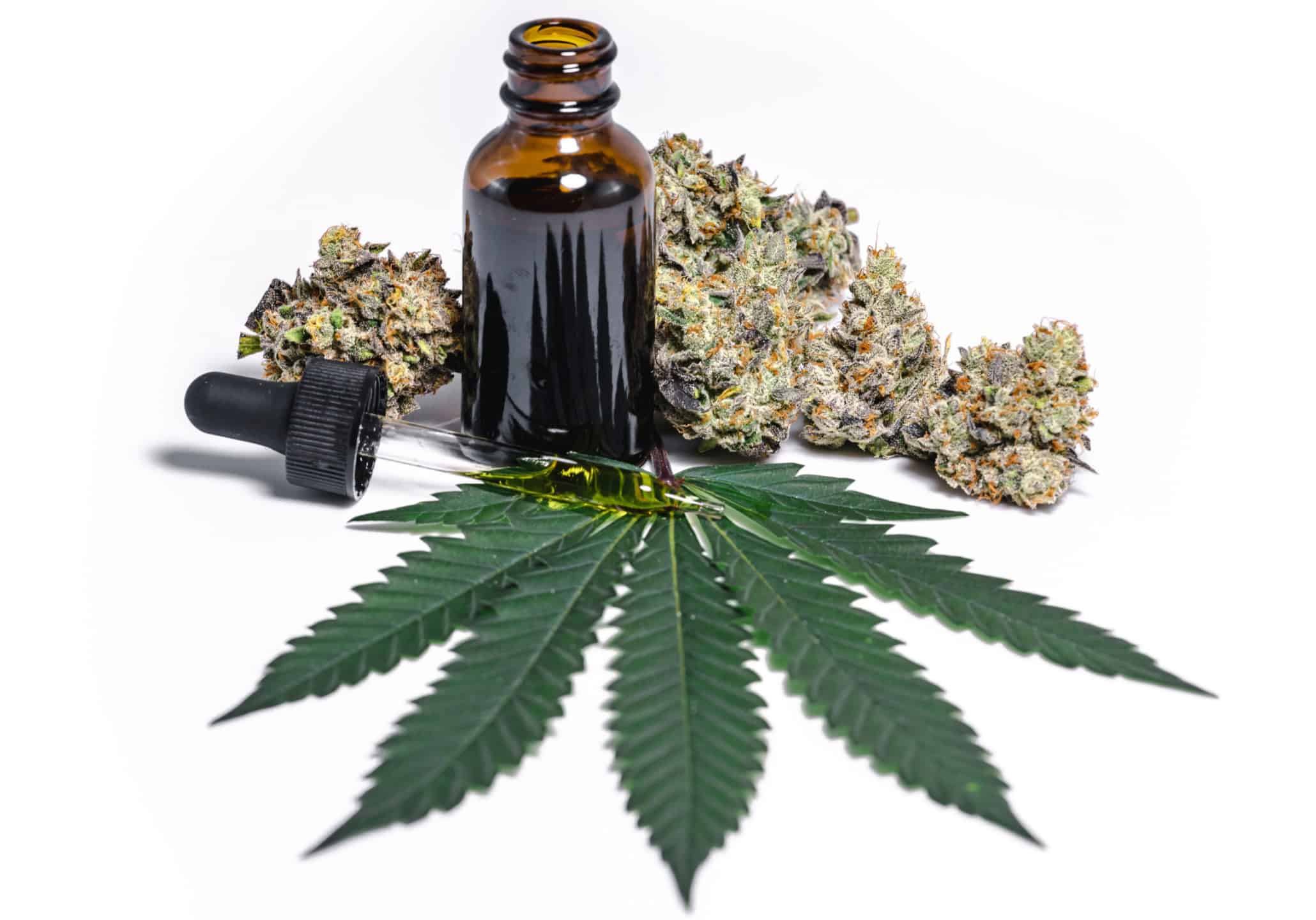
While cannabis is fully legalized in Canada and many U.S. states, you cannot bring cannabis products over the border. That includes cannabis oils, edibles, or even CBD products that contain THC. Even admitting to carrying cannabis recently may lead to additional questions.
Giving vague answers

Border agents commonly ask where you are going, why you are traveling and how long you will be staying. Answers such as “Just driving around”, “Not sure yet”, or “Visiting somewhere in New York” are likely to prompt more questions. Agents want to see that you have definite plans that correspond with your travel documents.
Staying too long
Taking long vacations isn’t against the rules, but multiple or extended visits may receive additional scrutiny. They may ask you where you work in Canada, where you live in Canada, and your return plans. They want to ensure you are visiting and not actually living or working in the United States.
Traveling with another’s belongings

Carrying someone else’s packages or suitcase can seem innocent enough. But it’s not something border officers will take lightly. They’ll likely ask you what is in it; if you say you don’t know, you’re in trouble. Legally, everything in your vehicle and your luggage is your responsibility when entering or exiting the country.
Bringing firewood
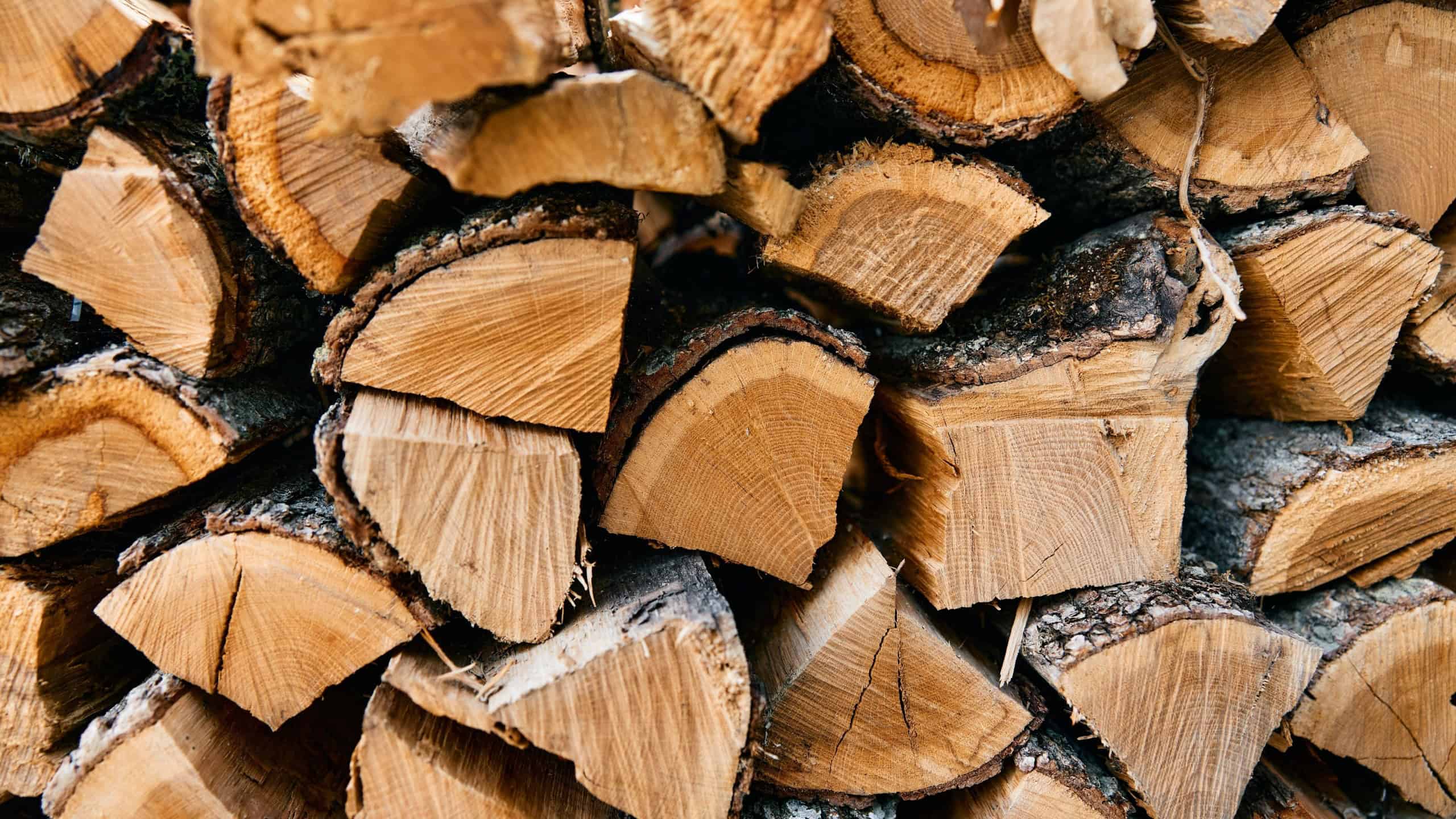
Many travelers don’t realize untreated firewood can harbor insects and tree diseases that could harm forests. For that reason, certain firewood is either restricted from entering the country or completely prohibited. Border Patrol can pull over a camper bound for a local provincial park because of suspicious firewood in their trunk. Your best bet is to buy firewood once you’ve crossed the border.
Carrying lots of cash

There is nothing illegal about traveling with cash. However, if you’re carrying large sums of money, you may find yourself answering more questions than you’d like from border officers. If you’re entering or exiting the U.S. with more than US$10,000 in currency or monetary instruments, you need to declare it. Officers will want to know where you obtained the money and what you plan to do with it.
Not knowing your destination

If officers can’t verify your hotel address or the name of your friend you’re staying with, they may think you’re leaving out information. This happens more frequently to those traveling to the U.S. for the first time or individuals driving across on a whim.
Proof of reservations or information on your travels will make inspections go smoother. The better prepared you look, the fewer questions you’ll get.
Crossing for work

Many Canadians are unaware that business dealings and work are considered separate activities by U.S. immigration law. Answering that you are “helping a client”, “installing equipment,” or “doing a few days of work” may prompt agents to ask if you have authorization to do this in the U.S.
In some cases, even unpaid work may require the appropriate immigration status.
Packing plants or seeds

Plants, seeds, soil, and even some flowers can harbor pests and diseases that the U.S. doesn’t want entering the country. These items are highly regulated and may need a permit to enter or may even be prohibited.
Some travelers are surprised when their little potted plant or packet of garden seeds raises an issue. When in doubt, declare them.
Carrying unlabeled medication

Ideally, your prescription medications will be in the bottle they came in from the pharmacy, with the label still attached. Loose pills in a sandwich baggie or other container will prompt officers to ask more questions about what they are. You should also consider carrying a copy of your prescription, especially if it’s a controlled medication.
Using an expired passport
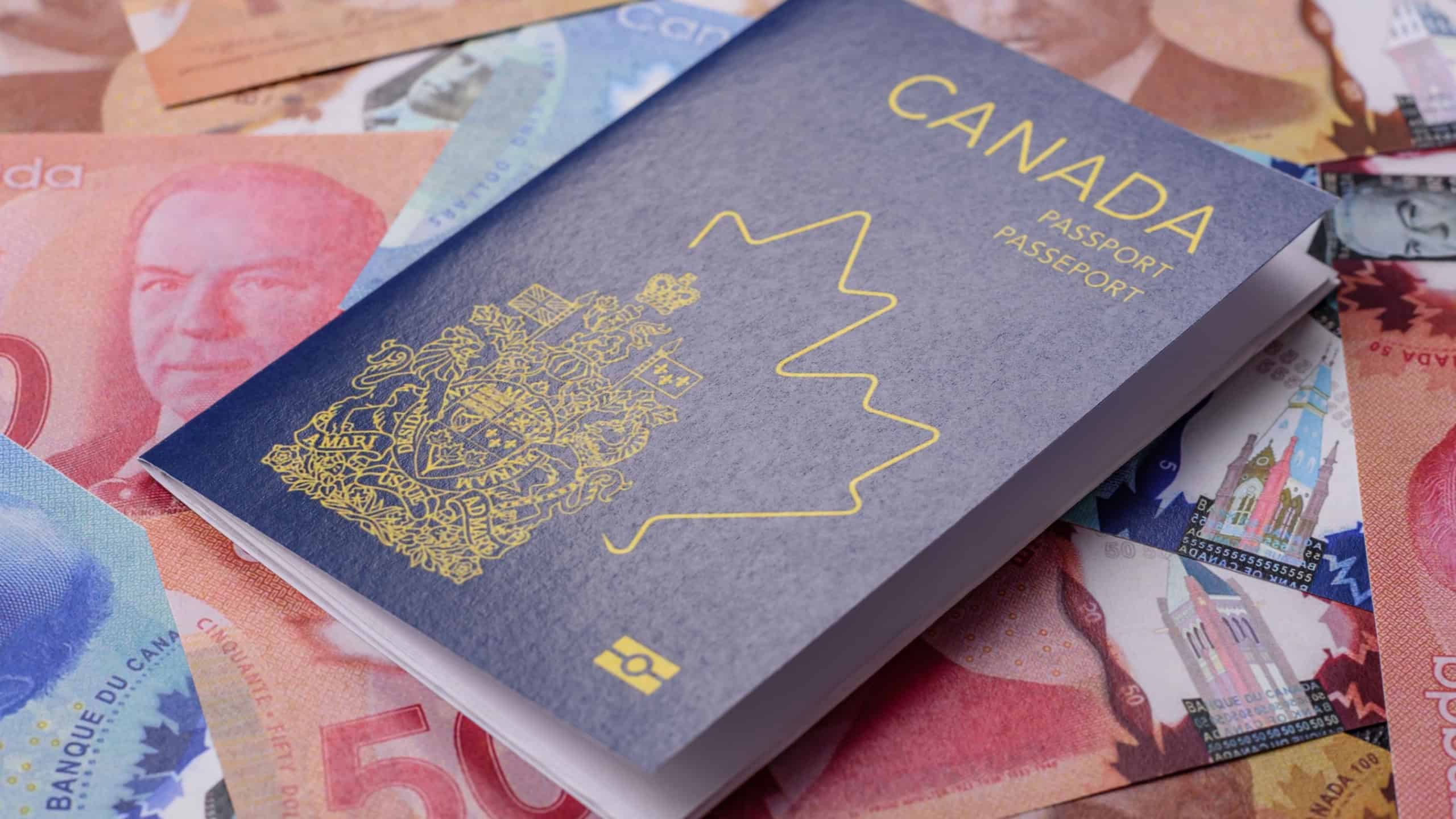
This one may seem like a no-brainer, but you’d be surprised how many people don’t realize their passport is expired until they arrive at the border. Others are surprised to find out it’s been damaged enough to raise concerns. If your travel documents are expired, you will be denied entry before you start your trip.
Joking at the border

Border Patrol agents work with security threats every day. As a result, jokes about guns, drugs, explosives or smuggling operations are not very funny to them. Try to avoid sarcastic remarks as well, as they could lead to a more thorough search. Border Patrol agents are instructed to assume every potential threat is real until proven otherwise.
Driving someone else’s vehicle

It is perfectly legal to cross the border in a rented vehicle, one you borrowed from a friend, finance or even one that belongs to your company. However, you should be prepared to answer some questions about the vehicle you are driving. Specifically, agents may want to know who the vehicle belongs to and if you have permission to cross the border with it. Simply carrying the car rental agreement or a letter giving you permission to use the vehicle can get those questions answered quickly.
Sources: Please see here for a complete listing of all sources that were consulted in the preparation of this article.
Like our content? Be sure to follow us.