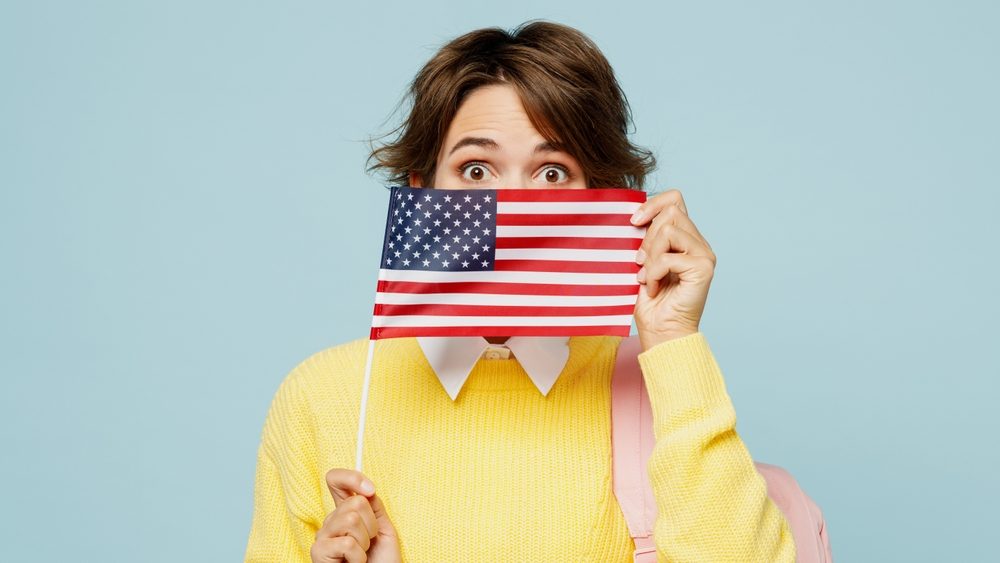
Some everyday American habits seem so normal that people don’t realize just how strange they can look to someone from another country.
One bird gets very lucky
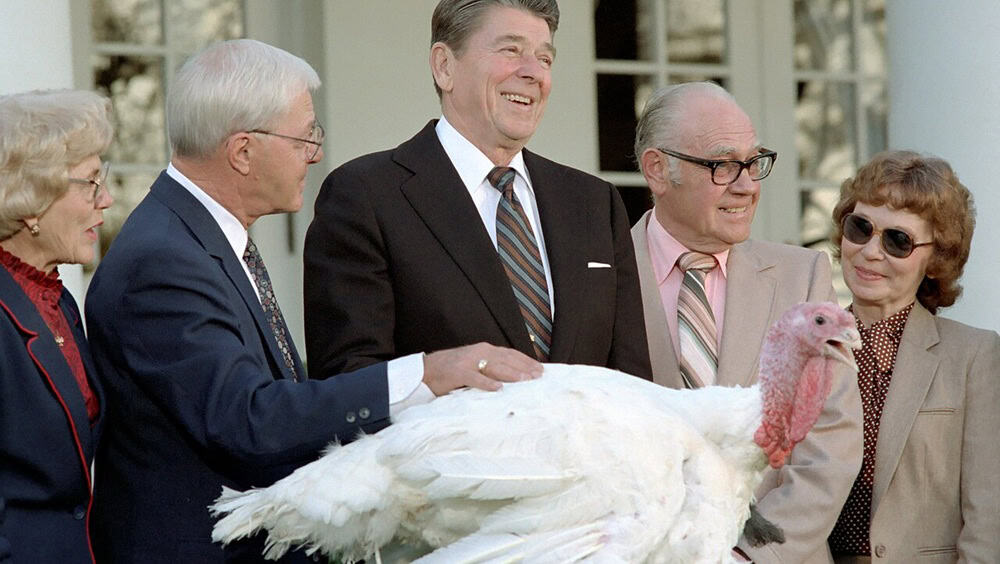
Each Thanksgiving season, one of the quirkiest traditions played out by American presidents comes when they “pardon” a turkey. The turkey is brought to a White House ceremony, granted its symbolic reprieve from fate, and is not eaten for Thanksgiving.
The history behind this tradition is somewhat complex, but now the yearly presentation of a turkey to the president for pardon is very American. The presidency, Thanksgiving, laughter, and television are mixed into a ceremony that most other places would find absurd.
Before the lessons begin
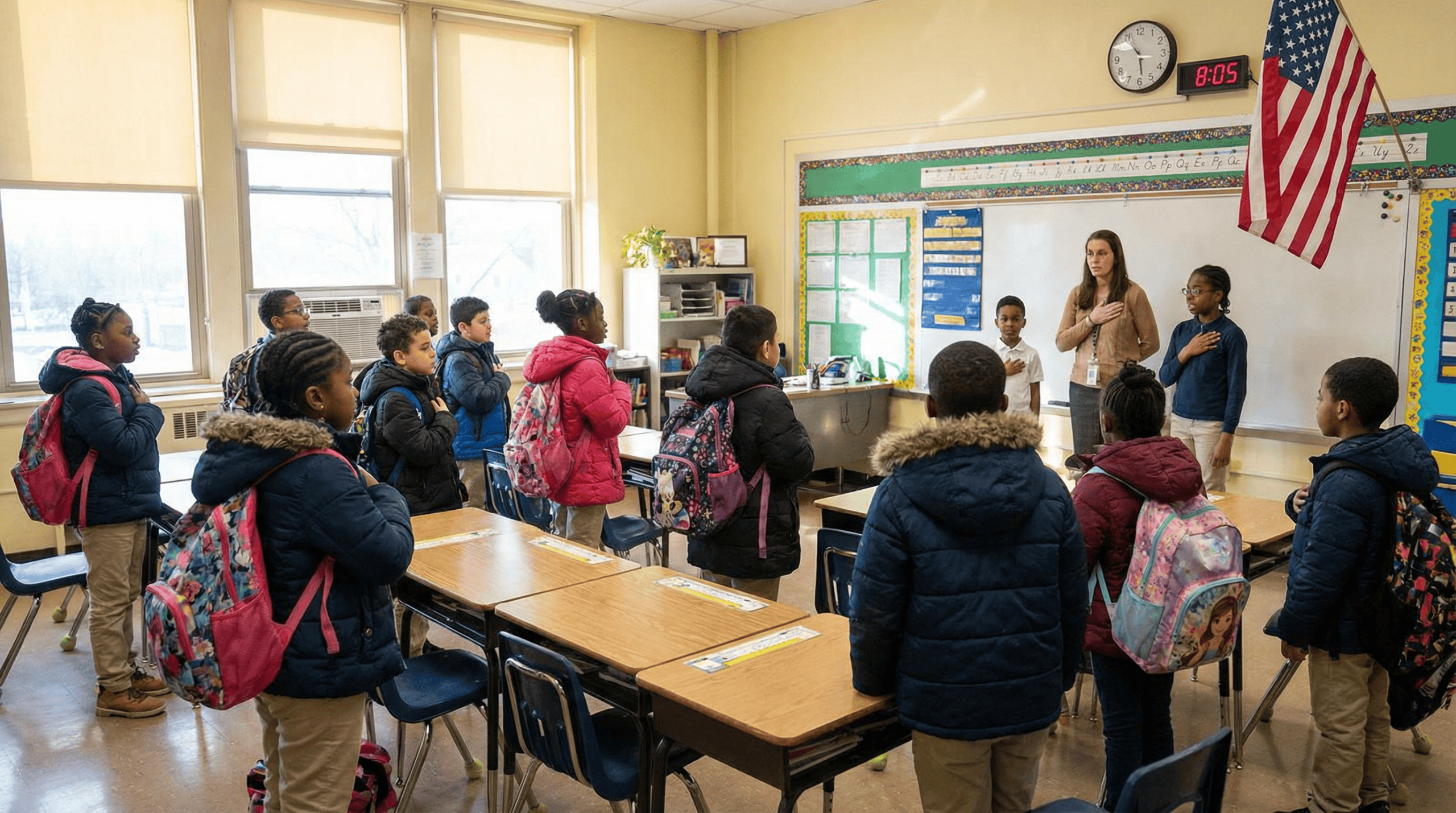
Millions of Americans learned to recite “I pledge allegiance…” automatically.
In countless schools across the U.S., it was customary to start the day by standing, facing the American flag, and reciting the pledge. Rules and frequency vary, of course, and students cannot be forced to recite the pledge under the Constitution. But the ritual has been a part of American school life for generations.
Other countries may also have patriotic ceremonies and saluting the flag. But few combine a classroom flag with a standardized pledge recited daily by children like America does.
A museum for every presidency
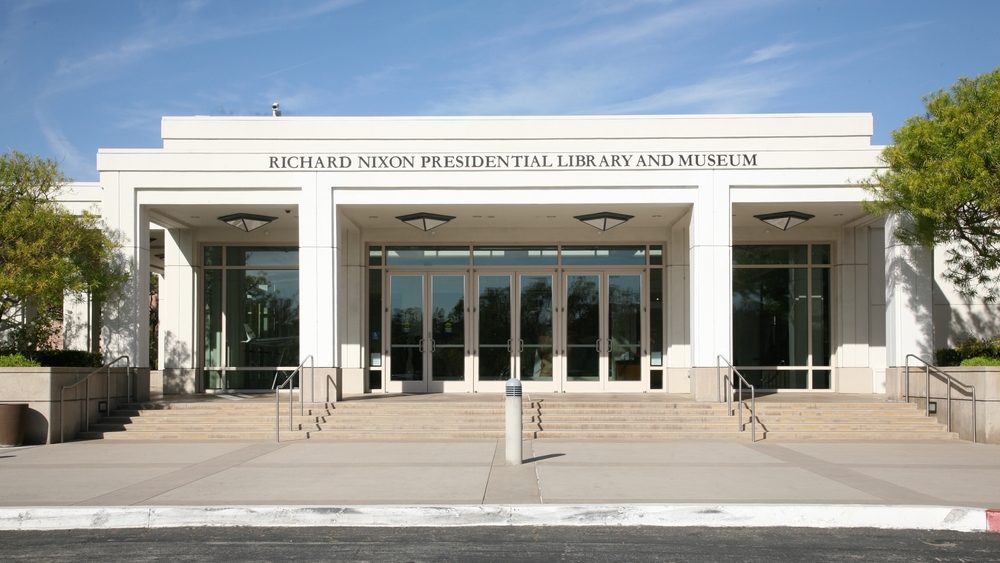
Presidents are not entirely erased from existence upon leaving the White House either. The United States has a system of presidential libraries, with modern presidents having their own libraries which store documents and historical materials from their time in office.
Most also function as museums, allowing visitors to view presidential memorabilia, replica interiors, gifts given to the president, and exhibits on significant moments during their presidency. Roosevelt was the first president to have a presidential library, with many presidents to follow suit.
One for each state
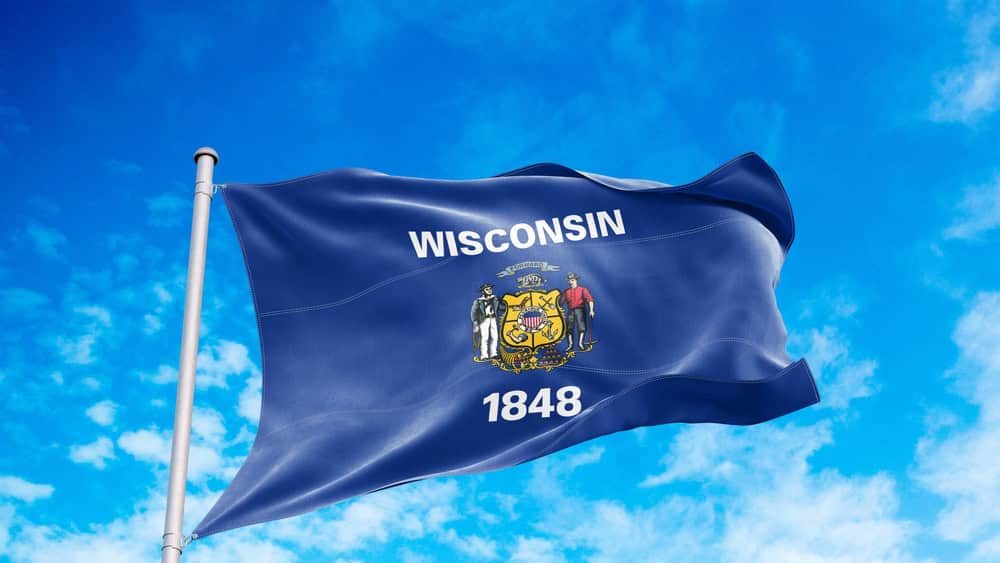
Every state in the Union has a flag, bird, or flower. Many have far more official designations than that. All 50 state legislatures have officially recognized fossils, dinosaurs, insects, gemstones, dances, foods, and more. Texas has a state flying mammal (the Mexican free-tailed bat), and Maryland has a state exercise: walking. New Mexico has gone so far as to adopt an official state question: “Red or green?”
America asks a rodent

Each February, Americans briefly permit a groundhog to be their national weather forecaster. Groundhog Day tradition states that should the groundhog come out of his burrow and see his shadow, there will be six more weeks of winter. If he doesn’t see his shadow, spring will come early.
This holiday is most commonly celebrated with Punxsutawney Phil in Punxsutawney, Pennsylvania. Punxsutawney Phil’s forecast is met with attendees from around the world and coverage from news outlets across the country.
Everyone important is in one room
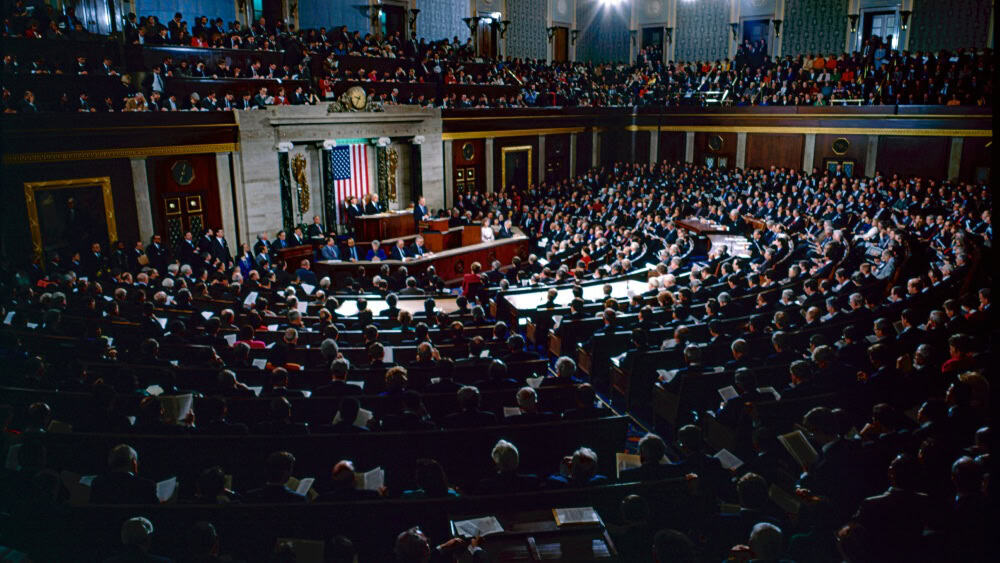
Annually, the president of the U.S. walks into the House chamber to give the State of the Union speech before a unique assembly of American political leadership. Congressmen and Senators from both political chambers are present along with Supreme Court justices, top military commanders, Cabinet officials, and guests of the president.
Traditionally, one Cabinet member is purposefully absent, sitting elsewhere as the designated survivor just in case disaster strikes, to maintain continuity of government. While other countries may have big speeches made before their legislative bodies, State of the Union speeches have evolved uniquely American traditions around them.
One final message

Presidents departing the White House may leave behind a private letter for their successor. The tradition, most agree, dates to Ronald Reagan, who handed off the presidency to George H.W. Bush in 1989 with a handwritten note. Presidents have kept up the tradition since, writing letters for successors within their own party and across the aisle, even when the campaign had left rivals bitterly divided.
The letters vary, but they aren’t journals full of constitutional advice or president-to-president directives. Think of them as personal notes from one member of a very small club to the next man about to understand what the job really feels like.
That tiny flag has a job
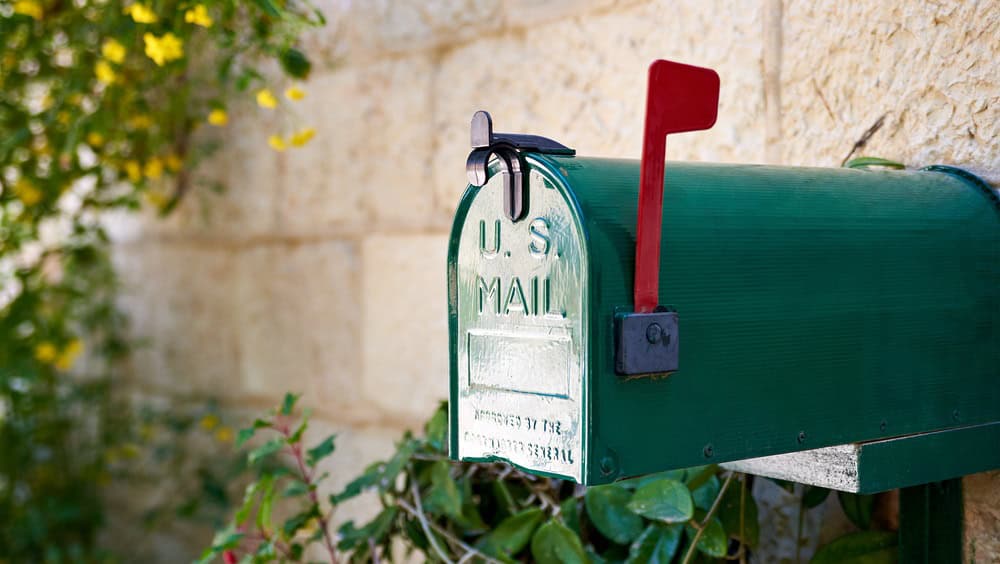
The small red flag dangling from the traditional American roadside mailbox is not there for decoration. When there are letters to go out, the person leaving the mail simply places it in the mailbox and flips up the flag. Later, when the postal carrier comes by, they know there’s mail to pick up because they can see the flag sticking up. After grabbing the outgoing mail, they push the flag back down.
The switch beside the sink
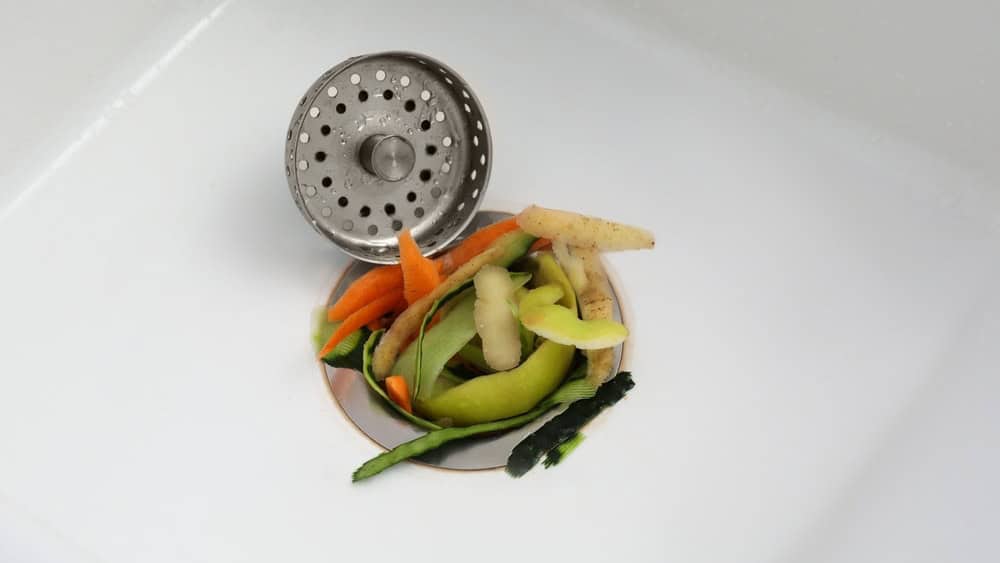
The in-sink garbage disposal is so commonplace in American kitchens that many take it for granted. Leftover food scraps on plates can be rinsed down the drain, the switch is pressed, and the device under the sink whirs away, chopping up the waste into small pieces that can easily be washed through the pipes.
While garbage disposals are used in other countries, they are much less prevalent throughout Europe and Asia. Most people there keep food scraps to compost or toss them in their regular trash.
The glass rarely stays empty

Order a soda at countless American sit-down restaurants, and one tab will usually keep your glass filled for the duration of the meal. Servers often deliver another Coke, iced tea, or lemonade without charging customers per refill, and ice water gets topped off automatically for most patrons as well. Sometimes, the server even refills the glass before you ask at many restaurants.
Free refills don’t only happen in the U.S., but they are such a normal part of dining in America that visitors from countries where you pay for every soft drink may be surprised. Even the large amount of ice can be shocking if you are only used to getting a couple cubes.
The number on the screen keeps growing
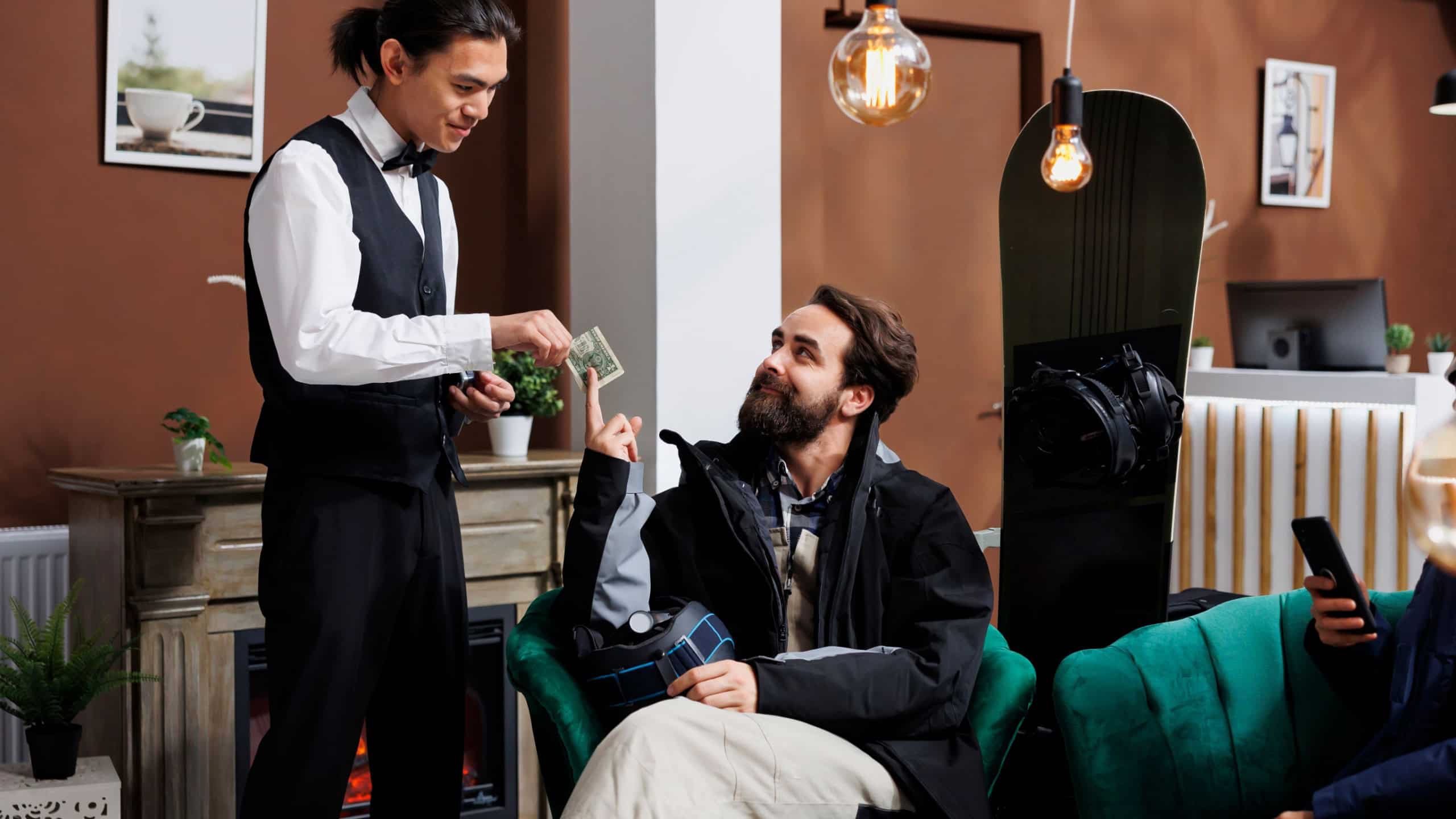
Many visitors to America are surprised to learn that settling the bill is not always the end of the calculation. In addition to sit-down restaurants where customers typically leave 18 to 20 percent or more for good service, tipping prompts now pop up at cafés, takeout counters, and other places of business where tipping was once rare.
Many Americans themselves question how pervasive the tipping culture has become. What makes the American system unique is that tips make up a significant percentage of income for many workers who receive them. Figuring out when, where, and how much to tip can be one of the more bewildering aspects of traveling in the U. S. for visitors.
The date that confuses everyone

Write 09/02/2026 for a United States citizen, and it will likely mean September 2. Show 09/02/2026 to someone in much of the rest of the world, and they will likely read February 9. Americans typically format dates as month/day/year, much of the world as day/month/year, and the international standard as year/month/day. Americans get so used to writing month first that the format rarely feels unfamiliar until Americans are completing an international form or making an overseas reservation.
This isn’t amateur hour

University sport in most countries simply refers to sport played by students for their university. In the United States, however, college sports can involve packed stadiums, nationally broadcast games, rock-star coaches, marching bands, corporate sponsorships, and billion-dollar media contracts.
Stadiums for college football can seat upwards of 100,000, and fans will often travel for weeks or spend entire weekends to support schools they may have graduated from decades ago. College basketball hosts the juggernaut known as March Madness each year.
College basketball players compete each year in March Madness, which draws one of the largest annual sports audiences in the nation. While other countries have college athletics, none operate them like sprawling entertainment businesses as in the U.S.
Everyone comes back
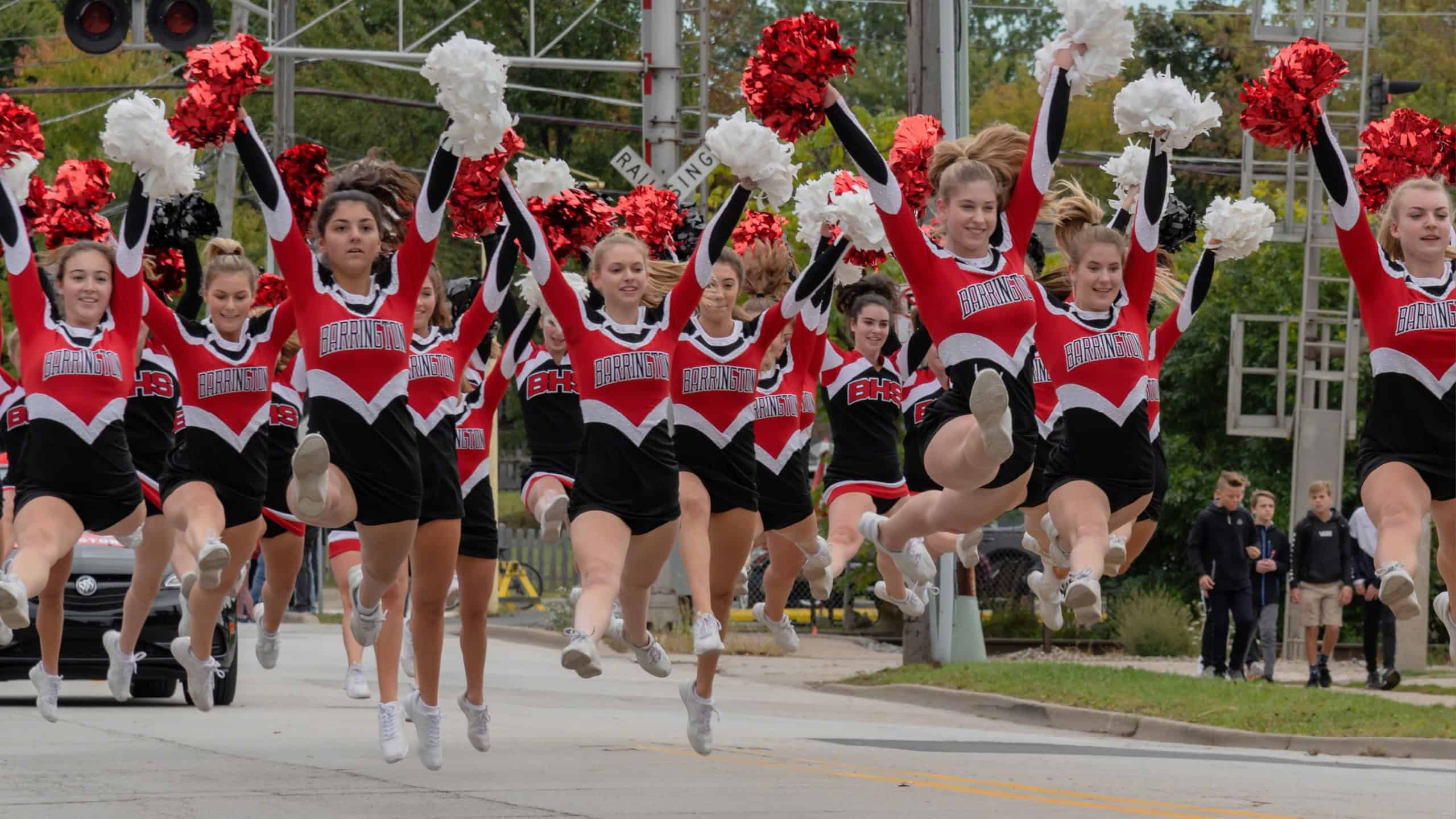
The football game is only part of it. American homecoming celebrations can include parades, dances, alumni events, marching bands, contests of school spirit, and the coronation of a king and queen. The tradition began with colleges celebrating alumni returning to campus, but eventually worked its way into American high schools as well. For many high school students, homecoming is one of the biggest social events of the year.
Of course, other countries hold alumni reunions and school dances, too. But Americans wrap all these traditions up into one festively athletic event.
The old country stays in the family

Ask a U.S. citizen where they’re from, and you might get answers like “I’m Irish,” “I’m Italian,” or “I’m Polish,” even if their family immigrated to the United States many generations ago. In most cases, they aren’t saying they’re from those countries or that they hold citizenship. They’re explaining their ancestry and what they perceive to be their family’s culture, which can come from food, last names, holidays, religion, or stories about their immigrant ancestors.
To many people around the world, it can be baffling, especially if someone who has never set foot in Ireland proudly says that they’re Irish. This happens because America has had a long history of widespread immigration.
Sources: Please see here for a complete listing of all sources that were consulted in the preparation of this article.
Like our content? Be sure to follow us.