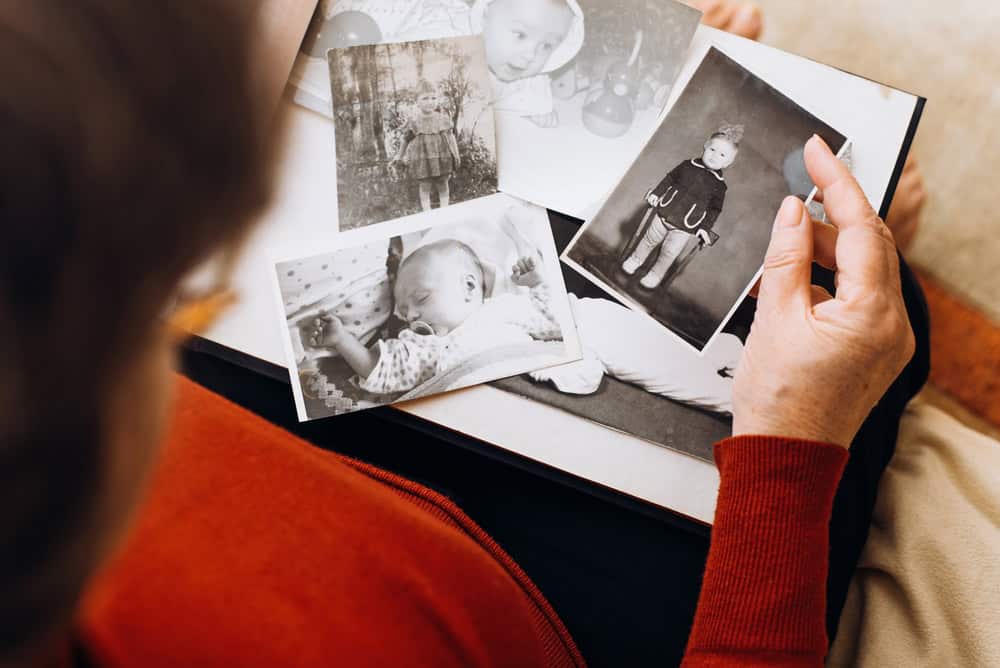
Before you clean out a loved one’s house, take another look at these items you may someday regret tossing.
Handwritten letters
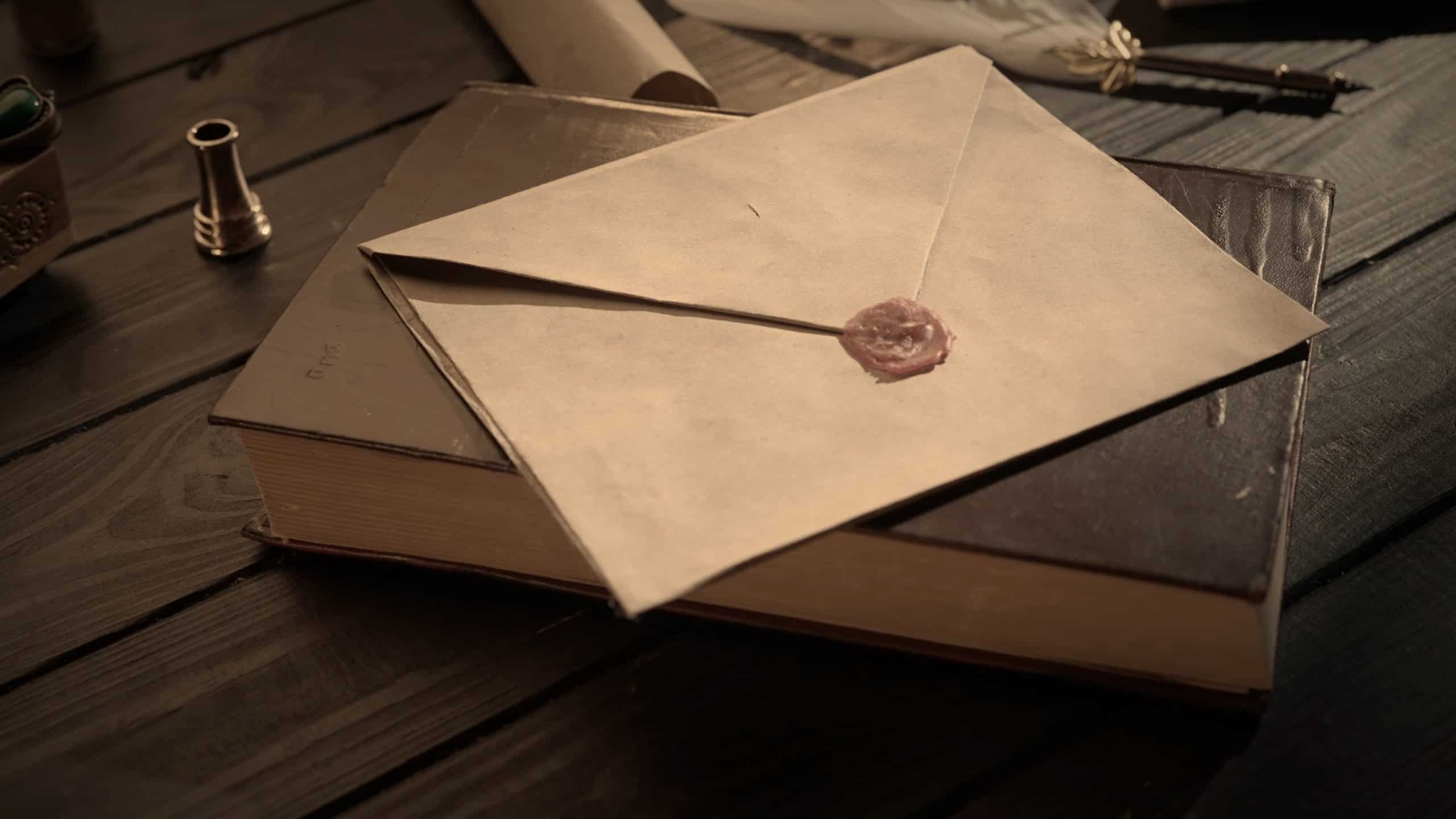
Old letters, greeting cards and notes handwritten by them are often among your most prized possessions when someone dies. A typed note can never capture a person the way the sight of their handwriting does. That casual birthday card or note left on the counter may mean more to you than an extravagant gift.
So before discarding old documents, scan through them looking for handwritten notes you or another family member may want to save.
Family photos
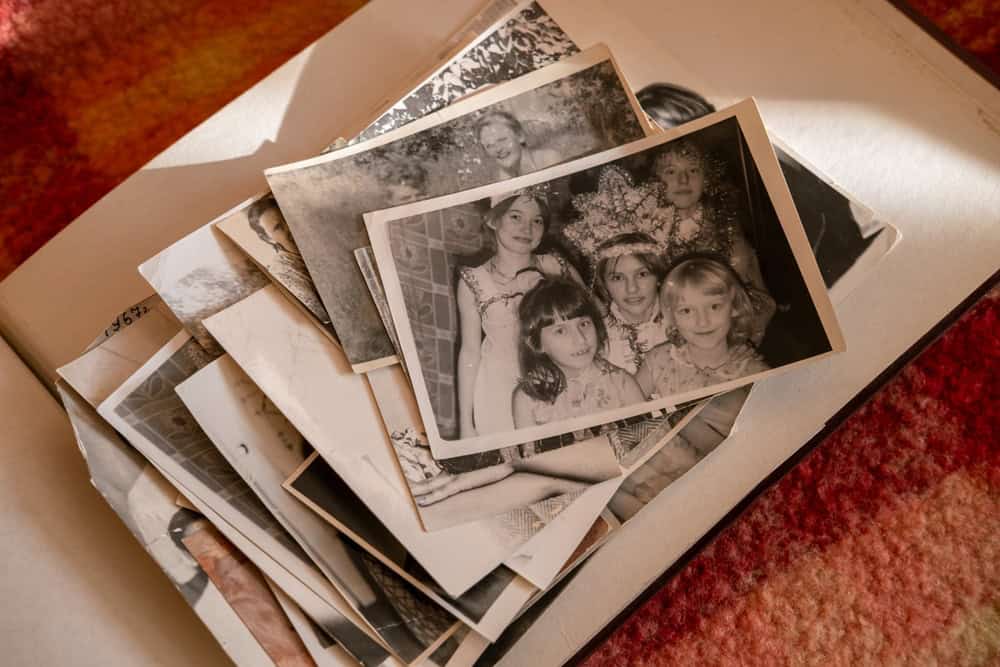
Vintage family photos stashed in worn leather albums, loose prints hiding in desk drawers, or envelopes found in the back of cupboards are tangible connections to our past. Faded photographs capture snippets of time, vintage clothing, and generations of relatives long gone by, preserving how things truly looked and felt during another era.
Favourite clothing
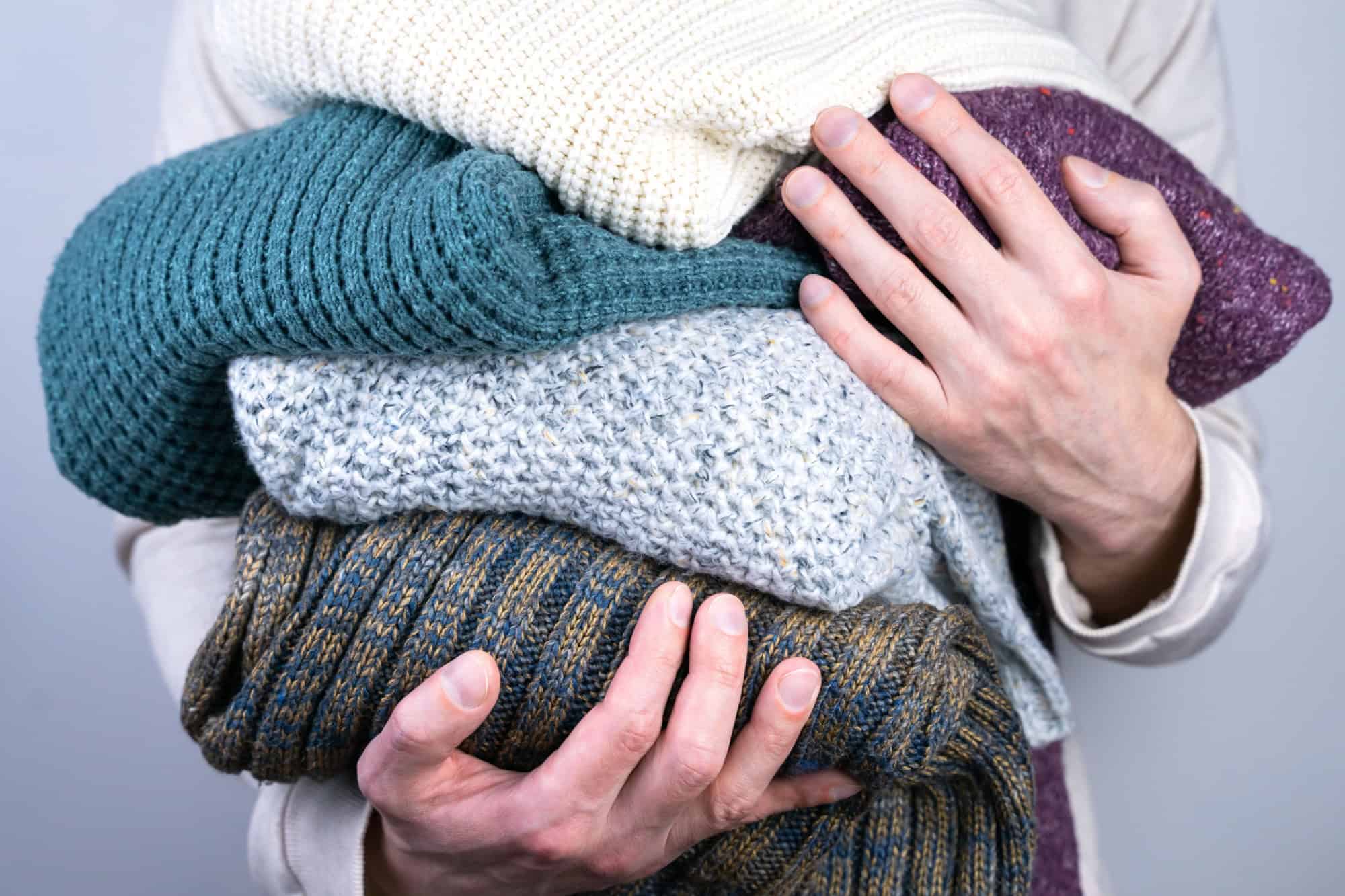
An old sweater, favourite cardigan or well-loved jacket won’t seem like much. But clothes can hold strong memories. Sometimes, just holding onto something a loved one wore every day can feel comforting when you’re having a hard time.
Some people keep that favourite shirt in a drawer, while others like to make quilts or pillows from meaningful clothing. You don’t have to preserve every article of clothing. But setting aside one or two special pieces can be a special way to honour someone’s memory.
Family recipes

Recipes handwritten on index cards, stained notebooks full of favourite recipes, and scraps of paper with stains from cooking are not just cooking guides. Each has unique handwriting, hastily scribbled notes in the margins, and individual cooking idiosyncrasies of your loved one (or even their family’s).
Every spill and crease represents years of family holidays, get-togethers, and family dinners around the kitchen table.
Personal jewellery
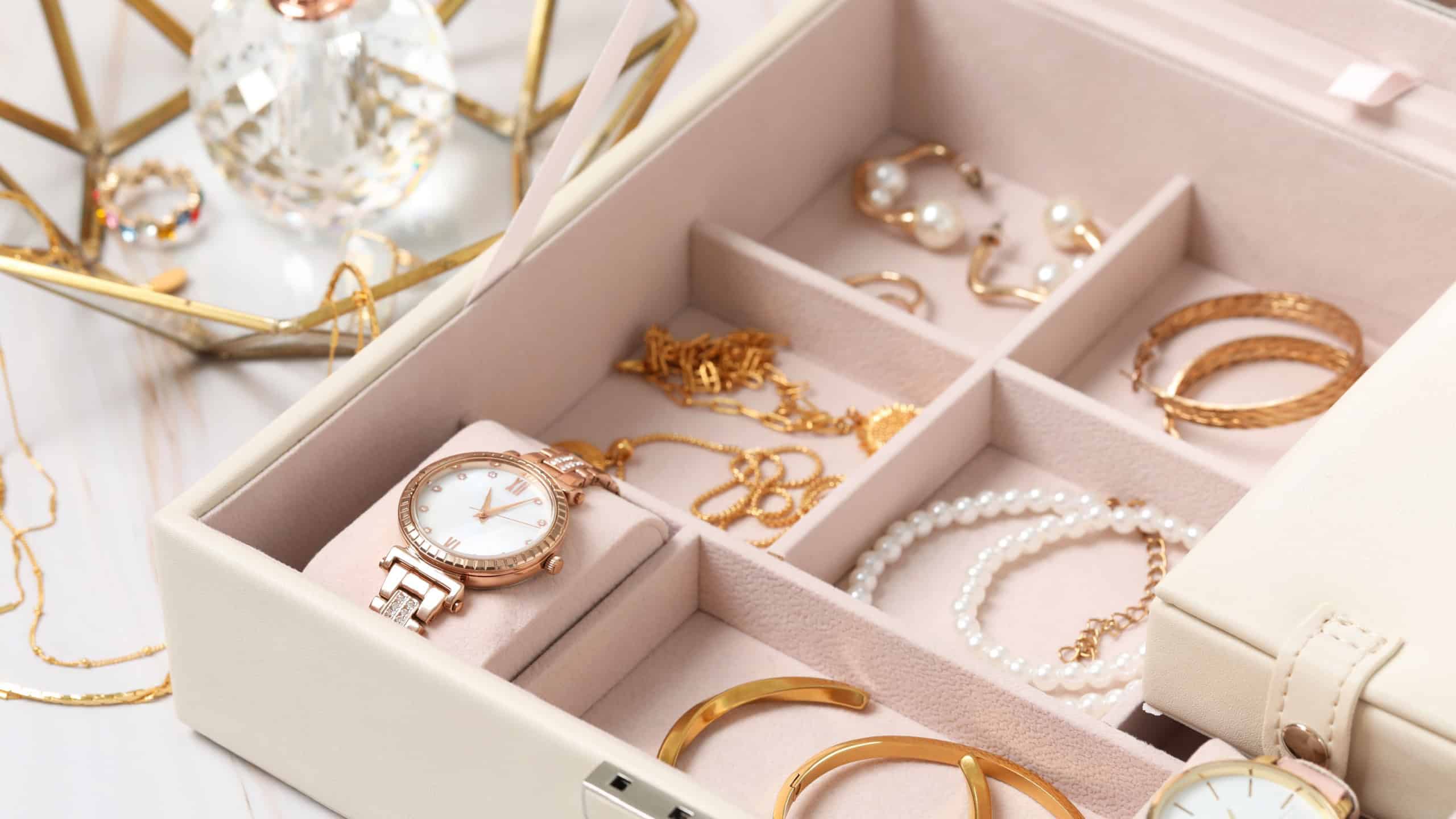
Jewellery doesn’t have to be high-value to have sentiment attached to it. Even a wedding ring, an old watch, a basic necklace or a pair of everyday earrings can remind you of them.
Some jewellery pieces may have been handed down through multiple generations. So it’s best to check with family members first if any pieces have some special value to the family or if anyone would like to have them for sentimental reasons.
Medals and trophies
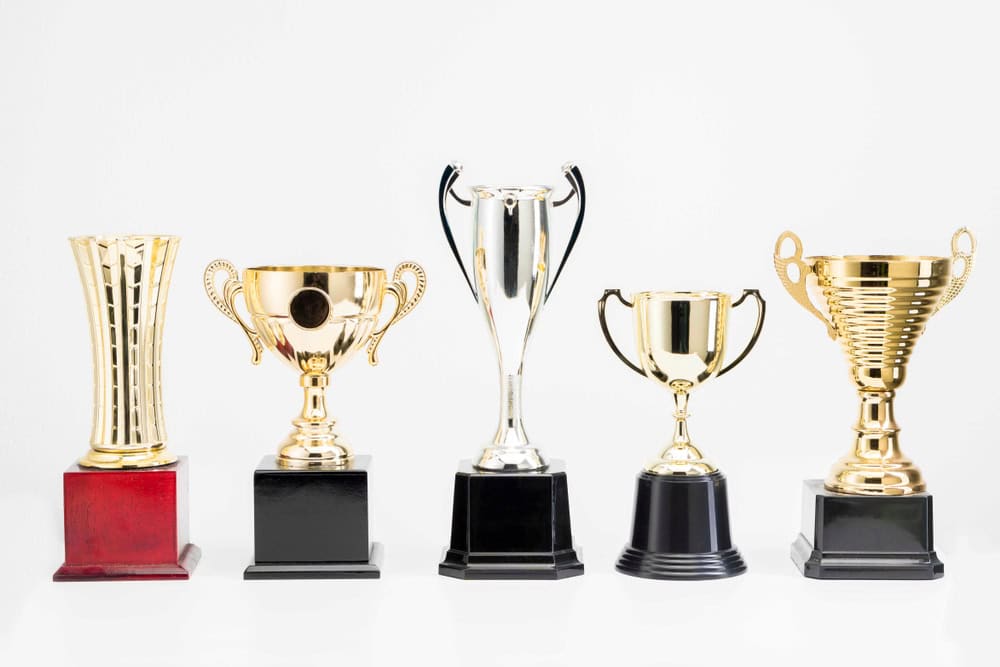
Old certificates, trophies, medals, and awards may not seem particularly important when sorting through a loved one’s belongings, but they can tell you a lot about their achievements. However, they can speak volumes about the life they lived.
Whether it’s a school certificate, an award from work or a medal earned during a sporting event, these treasures symbolize hours and years spent bettering themselves. You may even discover awards you didn’t know your loved one had won.
Legal documents
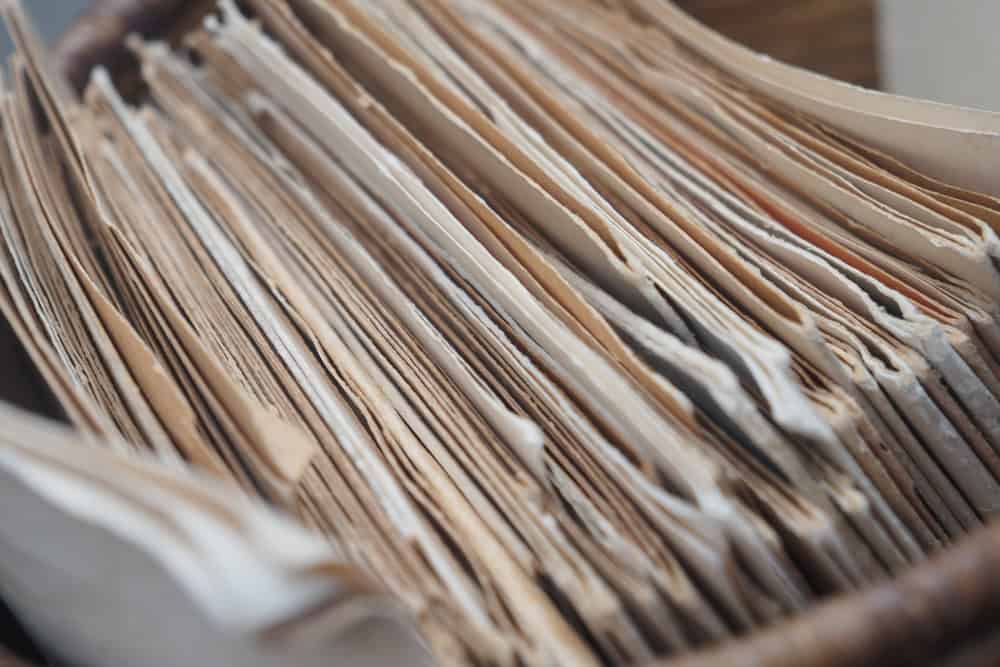
Birth certificates, marriage certificates, military documents, immigration records, and other vital documents can tell you a lot about a loved one. Some records might come in handy later for legal or financial matters, or just for tracing your family history. Even paperwork that is no longer required by law can give you important clues about previous generations.
Favourite books
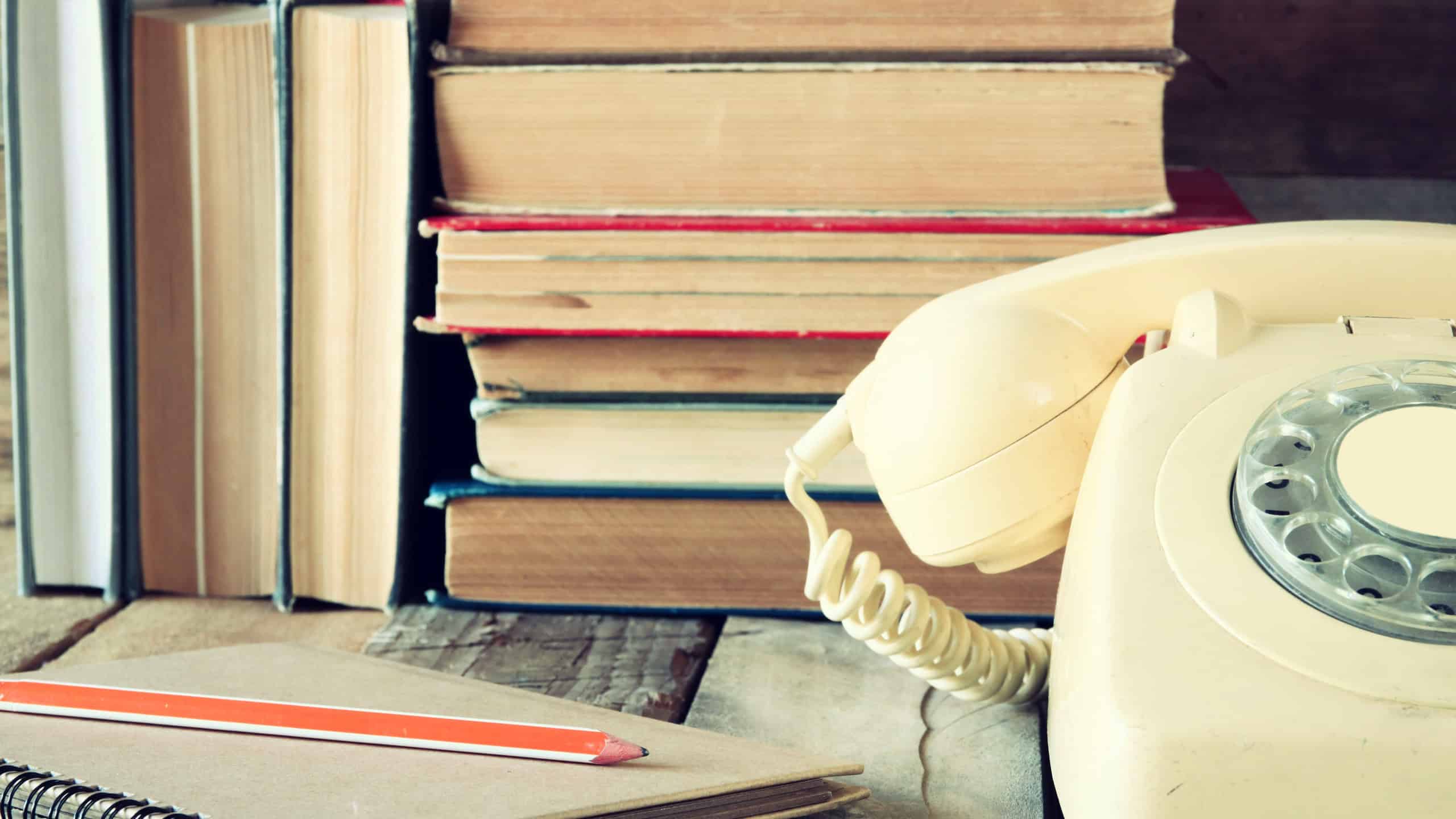
Did your loved one read? Books from their library may have annotations, reflections, and inscriptions that share their reactions to what they read. Pages may be dog-eared, passages underlined, notes scribbled in margins, or inscribed with a note on the inside cover of the book.
Find books that capture your loved one’s essence, as their favourite novels will have held quotes that made them think, cry, smile, or appreciate.
Everyday objects
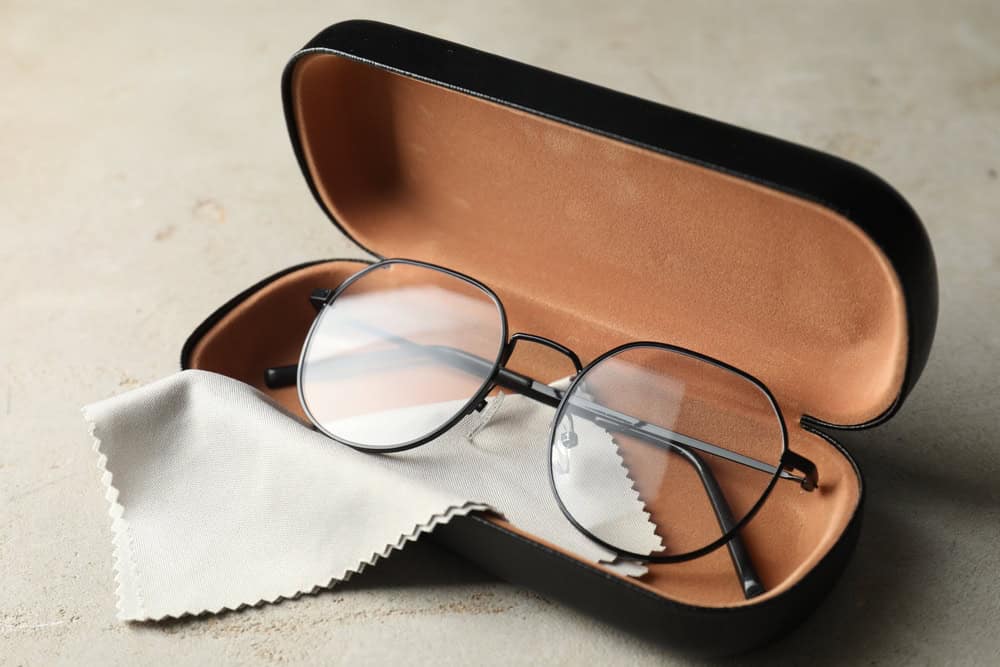
Sometimes the most meaningful belongings are the ordinary things a person used every day. Whether a favourite coffee mug, an old pair of reading glasses, a sewing basket or a gardening tool, these simple things can evoke memories because you’re familiar with seeing them.
They may also remind you of smaller routines you would do together.
Family heirlooms
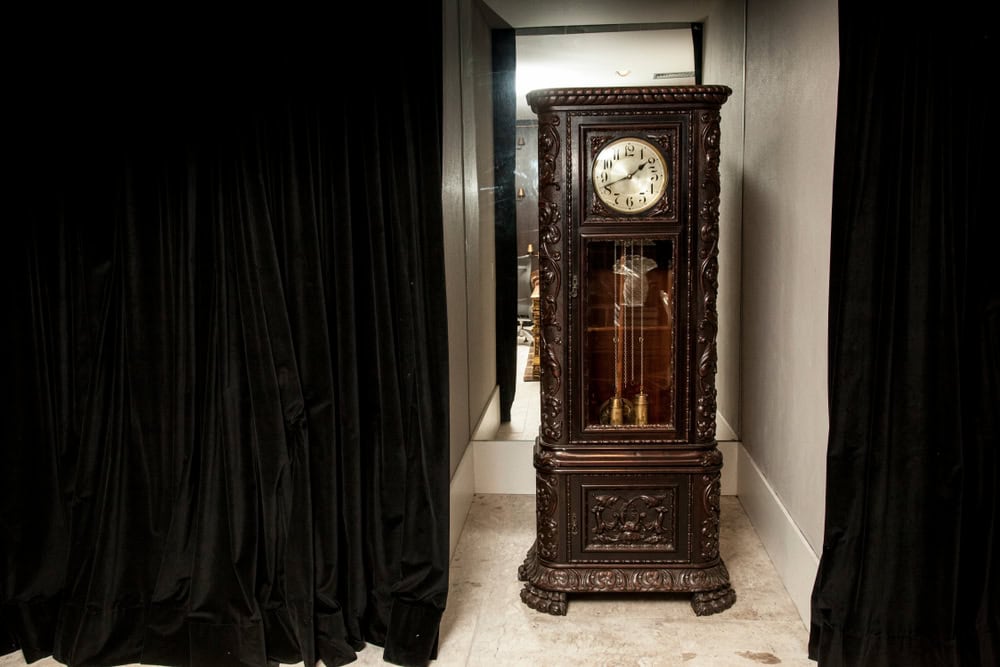
Some belongings can have sentimental value, even when not worth much monetarily. A grandfather clock, an heirloom quilt, furniture, or knick-knack may have been owned by many relatives. They may have history lessons to tell you about relatives, old family homes, and traditions you never knew about. Try to find out their background before disposing of them.
Personal diaries
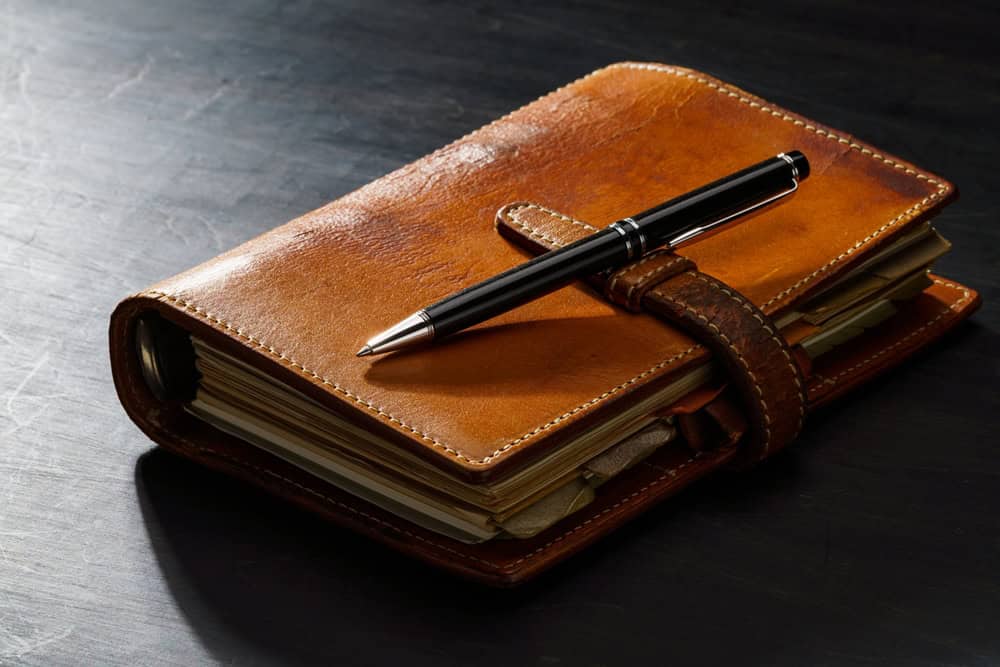
A diary, journal or notebook might provide insight into your loved one’s thoughts and experiences as well as day-to-day life. These writings may include anecdotes about childhood, family gatherings, vacations or other milestone events that your loved one never shared verbally.
Journals can also include private information. It’s best to proceed with sensitivity and respect your loved one’s wishes if you know what they are.
Handmade gifts
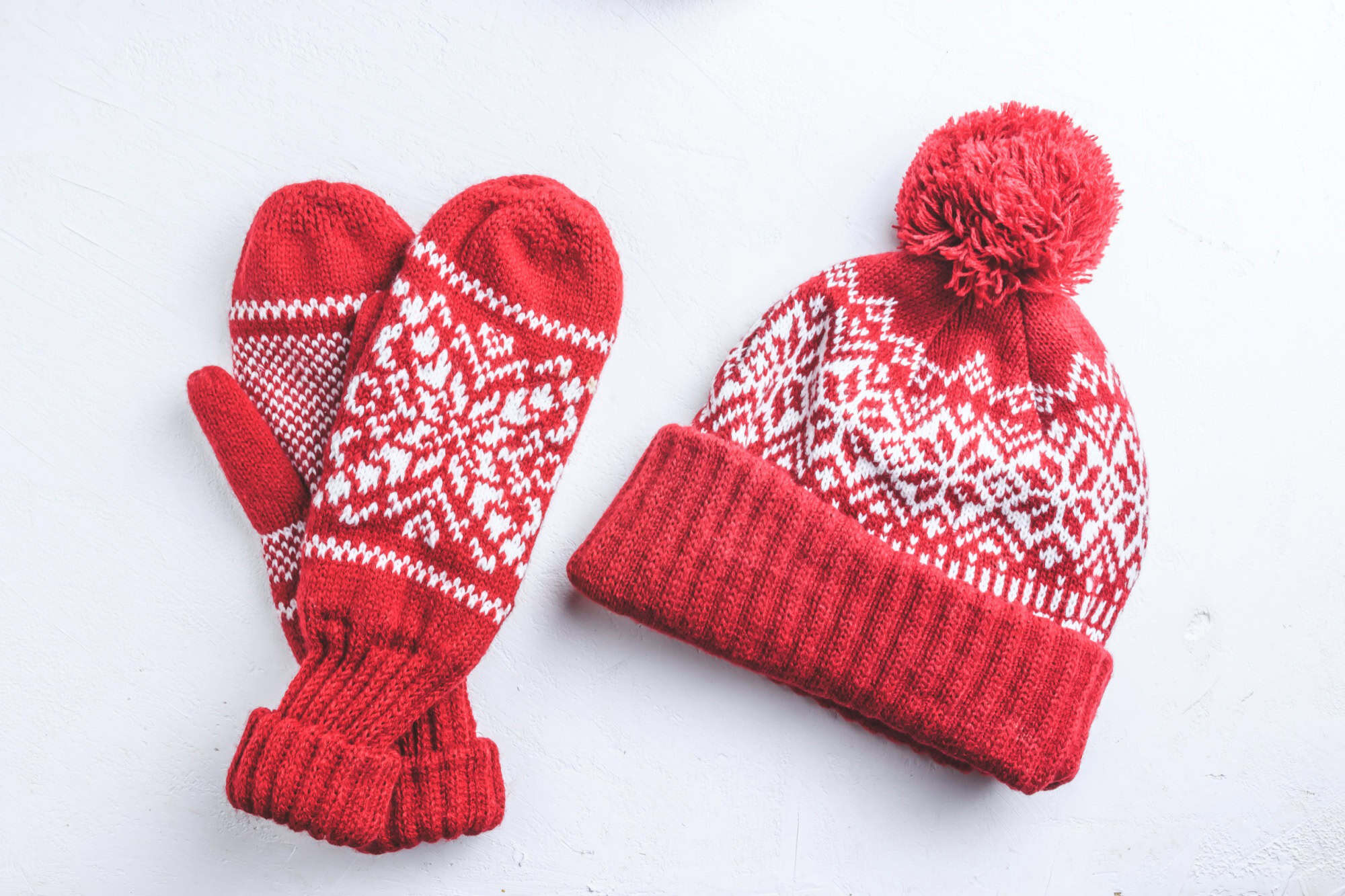
A knitted scarf, homemade birthday card, embroidery, or handmade wooden item can grow even more special after death. These gifts took time and effort to create something just for someone else. Whether it’s a picture your child made that grandma saved or a handmade Christmas ornament, there will be memories no store bought toy or gift will ever have. Some may be worn or older but that doesn’t mean you should toss them away.
Voice recordings
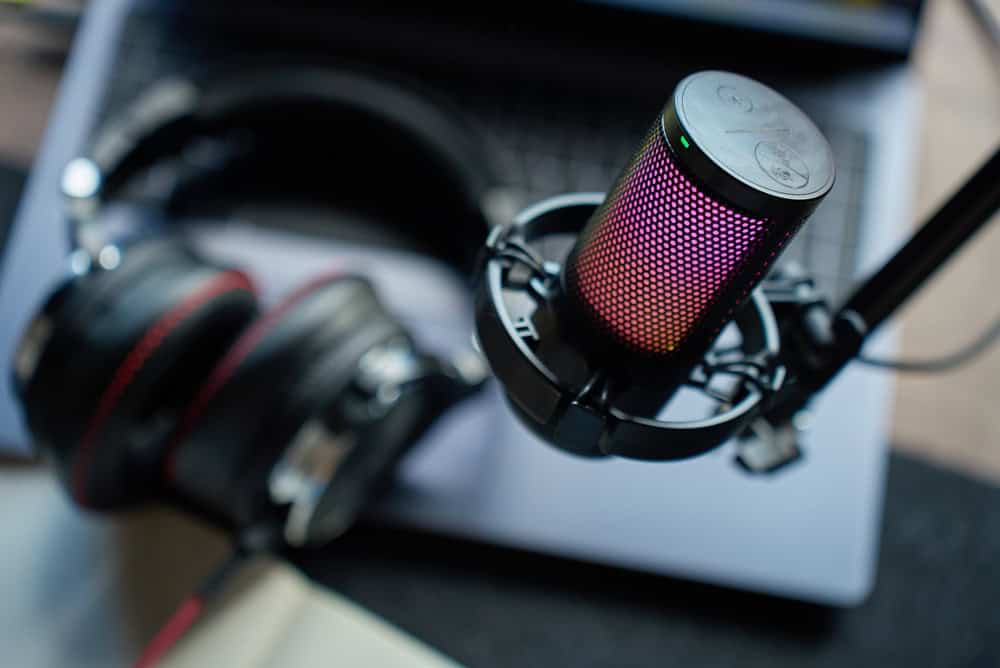
Digitally, their voice can live on through old voicemail greetings, saved phone messages, video clips, and computer files. Before you delete old phone data, clear hard drives, or deactivate email accounts, remember to save all audio files, videos, and computer versions of your loved one’s contact lists.
There is nothing like hearing their voice or reading old messages when you are truly missing them.
Like our content? Be sure to follow us.
15 valuable things often mistakenly thrown away as worthless
Before you clean out your attic or garage, you might want to take a second look at these surprisingly valuable items.
15 valuable things often mistakenly thrown away as worthless