
Retirement can look very different when the same Canadian pension suddenly covers cheaper housing, more meals out and a lifestyle that once felt out of reach.
Close enough to come home
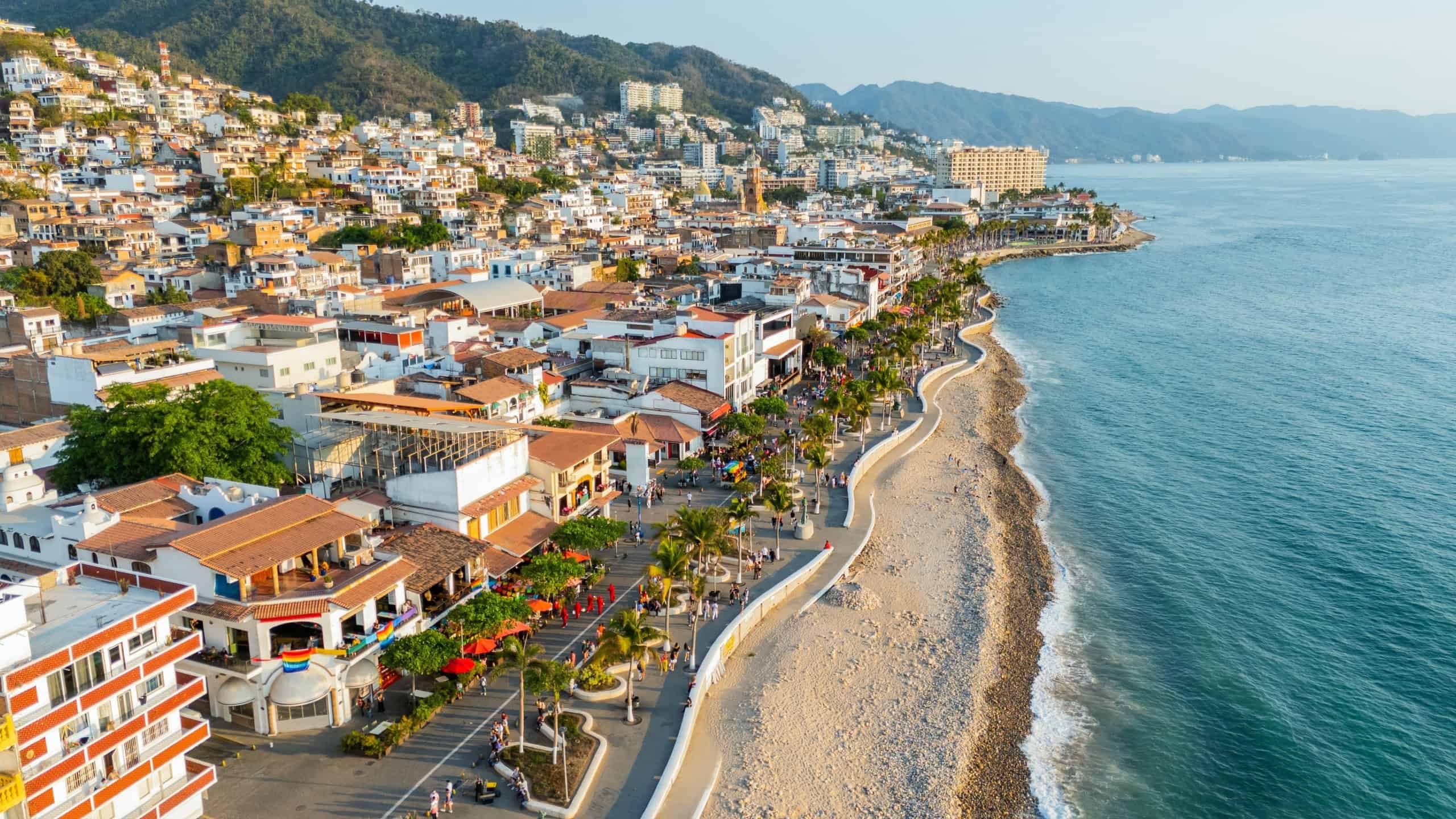
Mexico is an obvious choice for Canadians seeking a more affordable retirement without being separated from their families by an ocean. Accommodation, restaurant meals and day-to-day services can be significantly cheaper than in Canada’s large cities, though costs differ wildly depending on where you go.
You’ll also find plenty of expats in popular foreign-retiree destinations like Lake Chapala, Puerto Vallarta and San Miguel de Allende.
Another huge benefit is simply how close it is. Expats can fly south for the winter without making a trip back to Canada feel like a once-yearly voyage. Mexico ranks #5 in the 2026 Global Retirement Index.
The pension gets special treatment
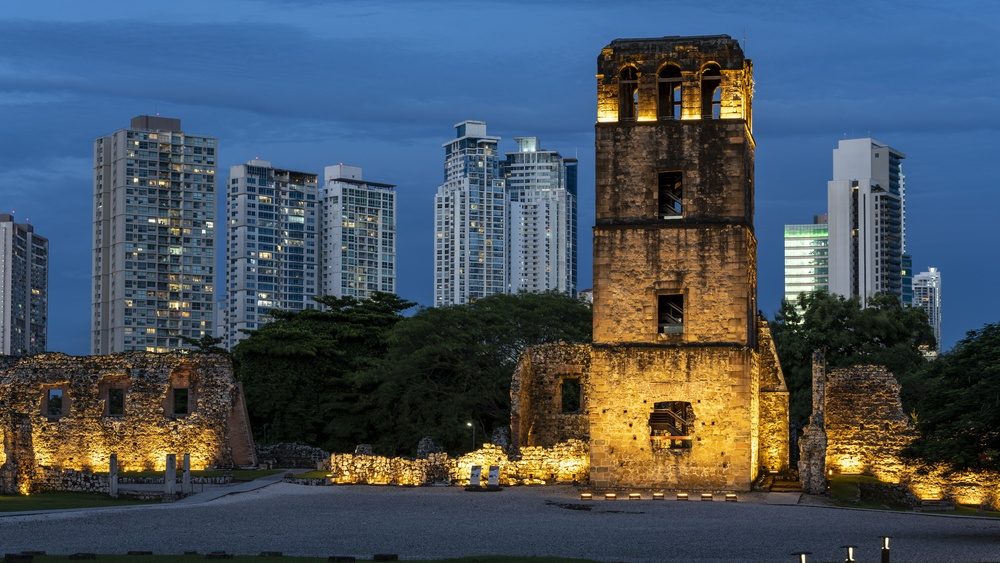
Panama has courted foreign retirees for years. The country’s well-known Pensionado program offers qualifying retirees discounts on expenses. Residents also enjoy warm weather, developed infrastructure, and existing retiree communities. Panama City has the amenities of a larger city, while smaller towns like Boquete boast temperate climates.
Canadians in particular may notice the affordability after paying top dollar for rent and basic services at home. Panama ranked second on the 2026 Global Retirement Index, surpassed only by Greece.
Life moves outside
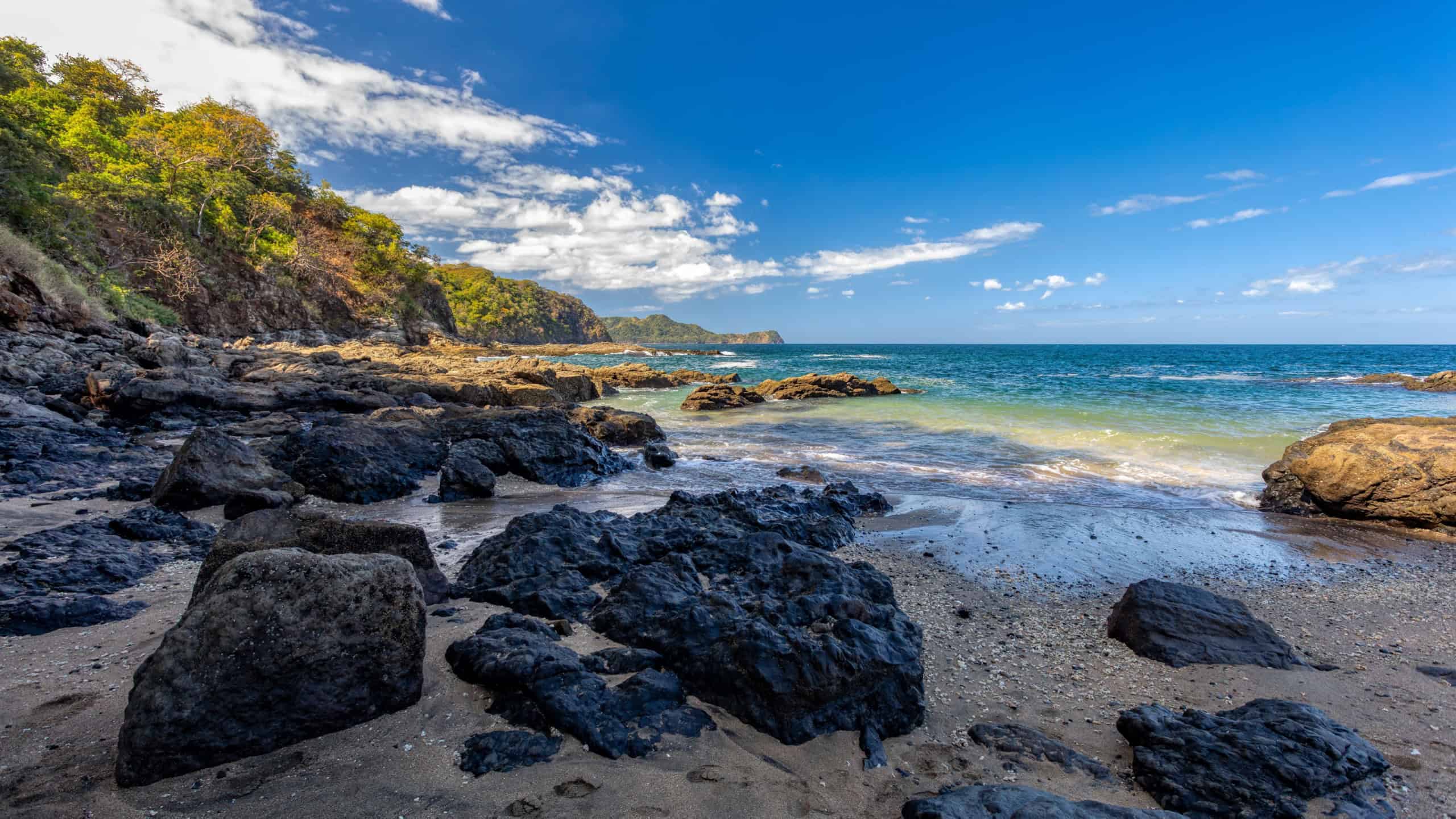
Costa Rica has beaches and mountains, jungles, and communities where warmer temperatures allow retirees to walk, garden, and eat outside year-round. It also offers an existing expat community and both private and public health care systems.
Retirement in Costa Rica isn’t as cheap as it used to be, especially near popular beach towns. So newcomers shouldn’t anticipate everything being way cheaper than Canada. Still, it ranked third in the 2026 Global Retirement Index because the value of the retirement package is still high.
Europe without the old price tag

Portugal earned its retiree haven status by providing something elusive to many travelers: Western European quality of life at lower costs. However, costs are substantially higher in Lisbon, Porto and some trendy beach towns, and Portugal is no longer universally cheap.
Dig a little deeper than those trendy spots, however, and you may find the math adds up. Beyond cost, retirees are attracted to Portugal’s climate, cuisine, walkable cities and healthcare. In fact, Portugal placed 4th in the world on the 2026 Global Retirement Index.
The Mediterranean bargain

Life on a Canadian retirement budget can be very different in the right pocket of Spain. Cities like Madrid and Barcelona are pricey tourist traps, but Spain has dozens of smaller cities and coastal towns where retirees can fill their days with markets, cafes, public spaces and walking (as opposed to shopping). To top it off, the climate is another draw for Canadians sick of winter.
Of course, affordability isn’t Spain’s only trump card when it comes to retirement; healthcare and infrastructure are considered strong as well. In fact, Spain ranked 8th in the 2026 Global Retirement Index.
This year’s surprise winner

Portugal and Spain have long dominated the conversation when it comes to retiring in Europe. However, Greece surpassed both countries in 2026, ranking first on International Living’s Global Retirement Index for the first time.
Affordability, healthcare, and weather were some of its top categories. Expats who venture off the most crowded tourist islands will discover quieter cities, towns on the mainland and lesser-known islands where you can enjoy the Mediterranean lifestyle without Europe’s steepest prices.
Spring seems to last forever

Retirees who are seeking warmth without the tropics can find an interesting option in Ecuador. Many cities at high altitude (such as Cuenca) enjoy fairly temperate weather for much of the year. Daily living costs are also significantly lower than in Canada.
Eating local foods, shopping for fruits and vegetables, and using local restaurants and services will allow your retirement income to go further, especially if you are comfortable living as a local instead of a permanent vacationer.
However, living in Ecuador is not for everyone; it takes tolerance to deal with the bureaucracy, language, and slower pace of life.
The city of eternal spring

Medellín has changed many foreigners’ opinions on retiring to Colombia. Situated in the mountains, Medellín is known for its moderate climate. Upscale neighborhoods, private healthcare, restaurants, and public transportation are available. Your Canadian dollars will also stretch further in terms of housing and daily services than back home.
Colombia is a country that demands more research into where you want to live, as safety is dependent on the area. But if you are a retiree who doesn’t mind adjusting to a Spanish-speaking community, Colombia is a great option to enjoy city luxuries, nice weather, and a lower cost of living.
Retirement starts to feel like a holiday

Picture retiring and finding that dining out frequently, indulging in regular massages, or occasional housekeeping doesn’t seem like a luxury. Thailand makes that possible. International Living ranked Thailand as its ninth best country overall and number one in Asia to retire in for 2026.
You can find world-class hospitals and enjoy all that big city life has to offer in Bangkok or a completely different vibe in cities like Chiang Mai or on the beaches. Distance from Canada is the primary sacrifice. But if you don’t plan on flying home often, your retirement savings could stretch to traveling and providing for yourself, as you may never live like in Canada.
Asia’s quieter contender

Compared to its neighbour Thailand, Malaysia sometimes flies under the radar. But sometimes being less popular can be a good thing. Places like Penang have been popular among foreign retirees for years because of their cuisine, private healthcare and diversity of Asian cultures.
English is also widely used in many settings. This is great for Canadians who fear a language barrier. Malaysia ranked 10th in the 2026 Global Retirement Index.
Where the dollar goes much further

If stretching your savings is your primary concern as a retiree, Vietnam has the potential to change the whole game when it comes to monthly budgeting. Eating locally, getting around, using services, and even paying rent can all be exceedingly cheap when compared to Canada, especially if you live outside of high-end expat areas.
Places like Da Nang have seen increases in foreign residents due to the mix of beaches, modern housing, and low cost of daily living. The tricky part is securing long-term visas to retire: Vietnam is not quite as retiree-friendly as some countries with retiree-specific visa options.
English makes the landing softer
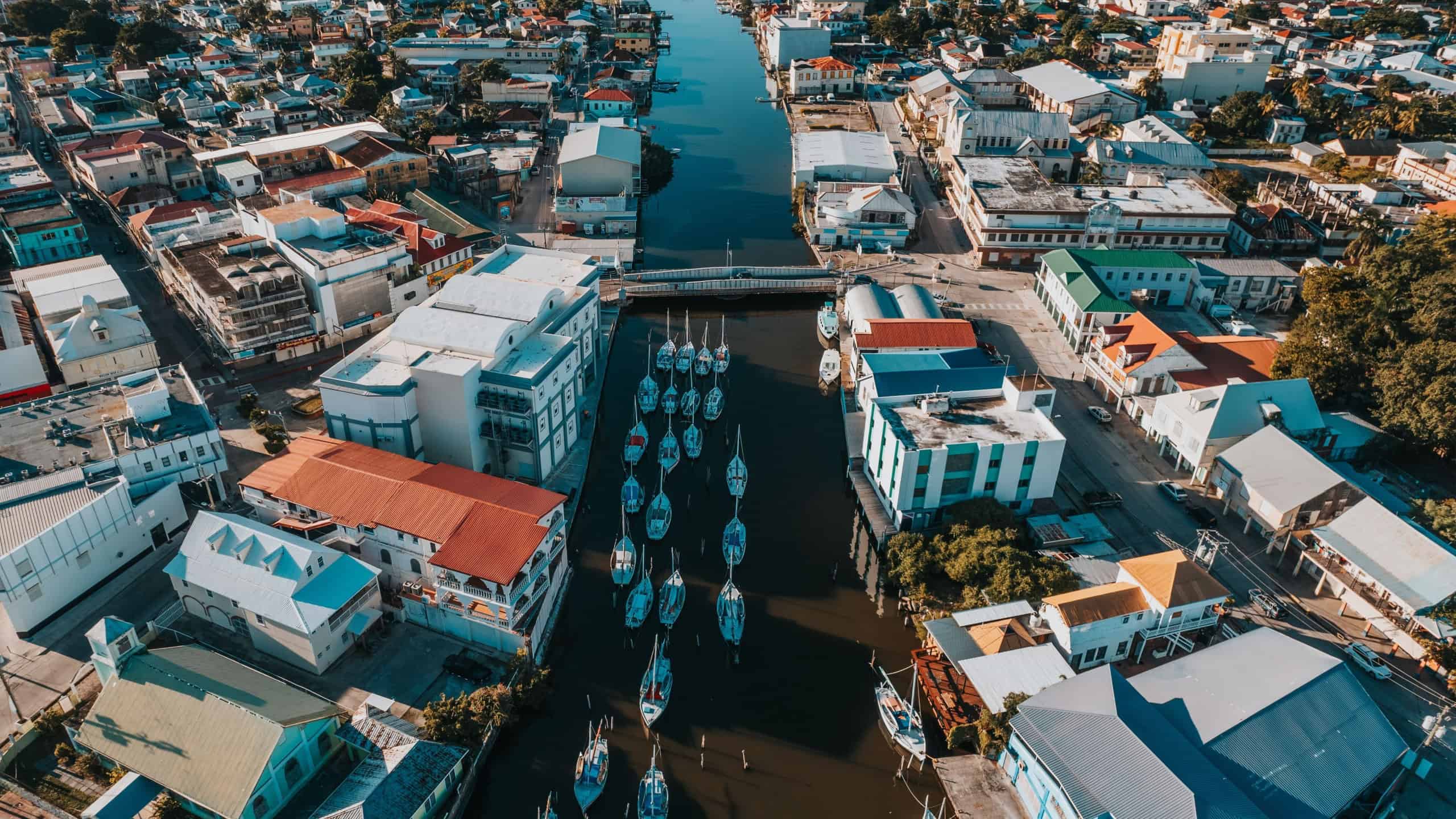
It can be daunting to relocate to another country when you have to speak another language just to go to the doctor, bank, or talk to your landlord. There’s less of that stress in Belize, where English is the official language. That’s a huge bonus for Canadian retirees, making daily life easier from day one.
Add in the Caribbean coastline, warm climate, and relaxed pace of life, and you’ve got yourself an appealing retirement destination. There’s even a Formal Retirement Program called the Qualified Retirement Program for eligible foreign retirees.
The Caribbean beyond the resort
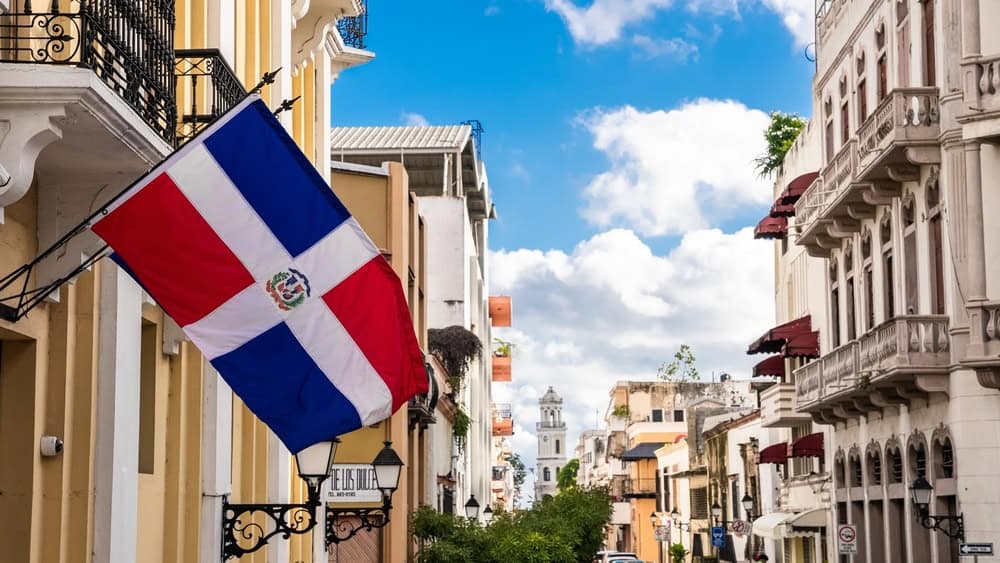
For most Canadians, the Dominican Republic brings to mind images of an all-inclusive vacation spot. Few realize that life outside of those resorts can be quite different. If you’re willing to live outside of the high-cost tourist areas, you can find retiree communities where housing, food, transportation, and housekeeping services are dramatically cheaper than in many areas of Canada.
Beach communities are one option, but there are also areas cooler than the coast for those that don’t like living in constant humidity and heat. Larger cities have private health care available, and there is already a large expat community from which to draw experience.
A retirement made of islands

Possessing over 7,000 islands, the Philippines offers retirees literally thousands of options. While some choose the accessibility and medical facilities near metropolitan areas, others venture to cities like Cebu or Dumaguete for a slower (and often cheaper) pace of life.
With English spoken everywhere, one of the largest hurdles Canadians face when moving to another country isn’t a factor. Housing, dining locally, and personal services can be much cheaper than what you are used to in Canada. But the long flight back home is a very real drawback.
Sources: Please see here for a complete listing of all sources that were consulted in the preparation of this article.
Like our content? Be sure to follow us.