Few people earn a place in history, but these people earned something even rarer: a permanent place in the language.
Diesel
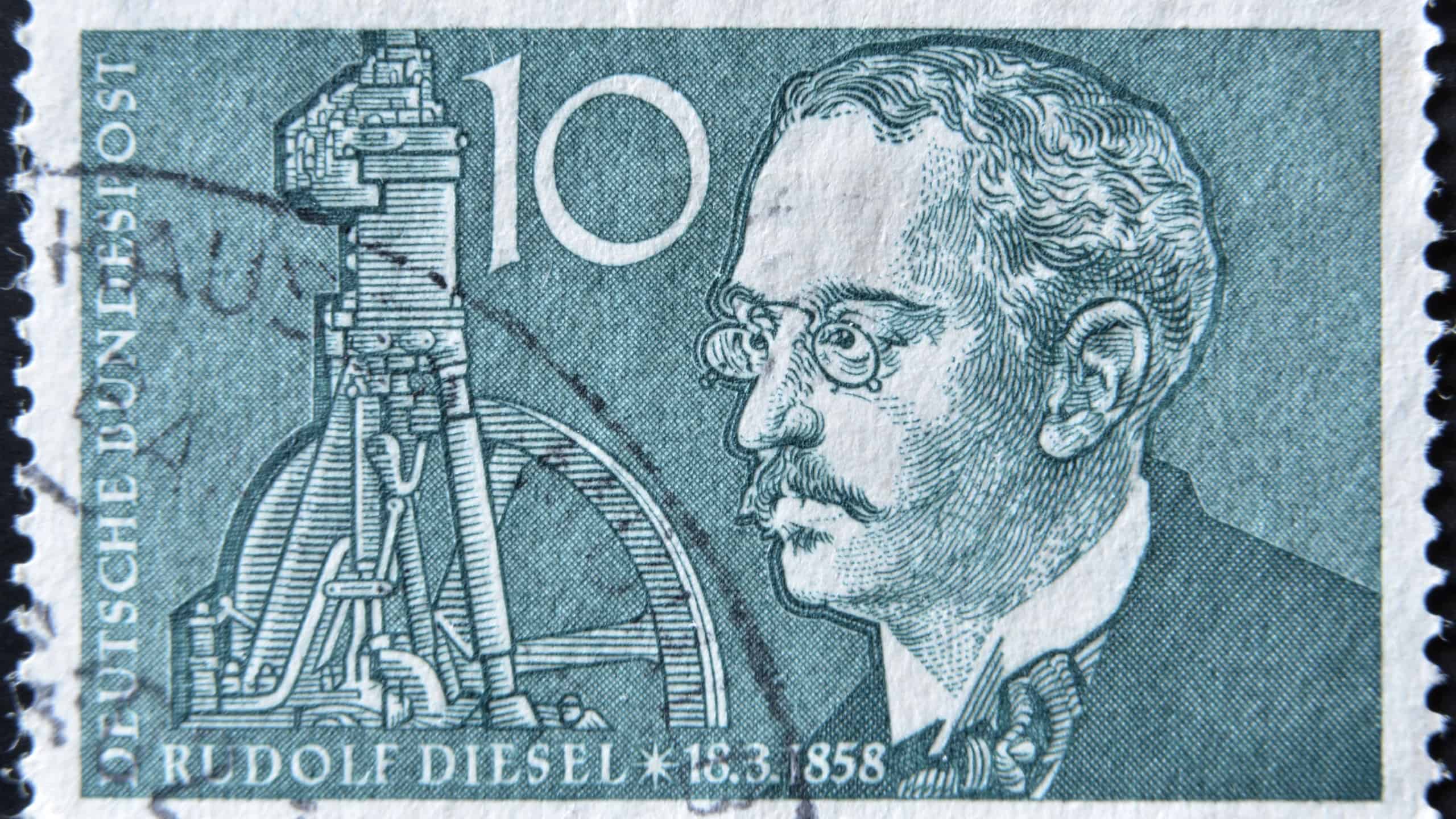
Rudolf Diesel was a German engineer and inventor during the late 1800s. He wanted to create an engine that would be much more efficient than typical steam engines of his day, which lost an enormous amount of energy as heat.
In 1897, Diesel successfully built a compression-ignition engine that ran on a certain type of heavy petroleum fuel. Today we call both the engine and fuel by his name: diesel.
Guillotine
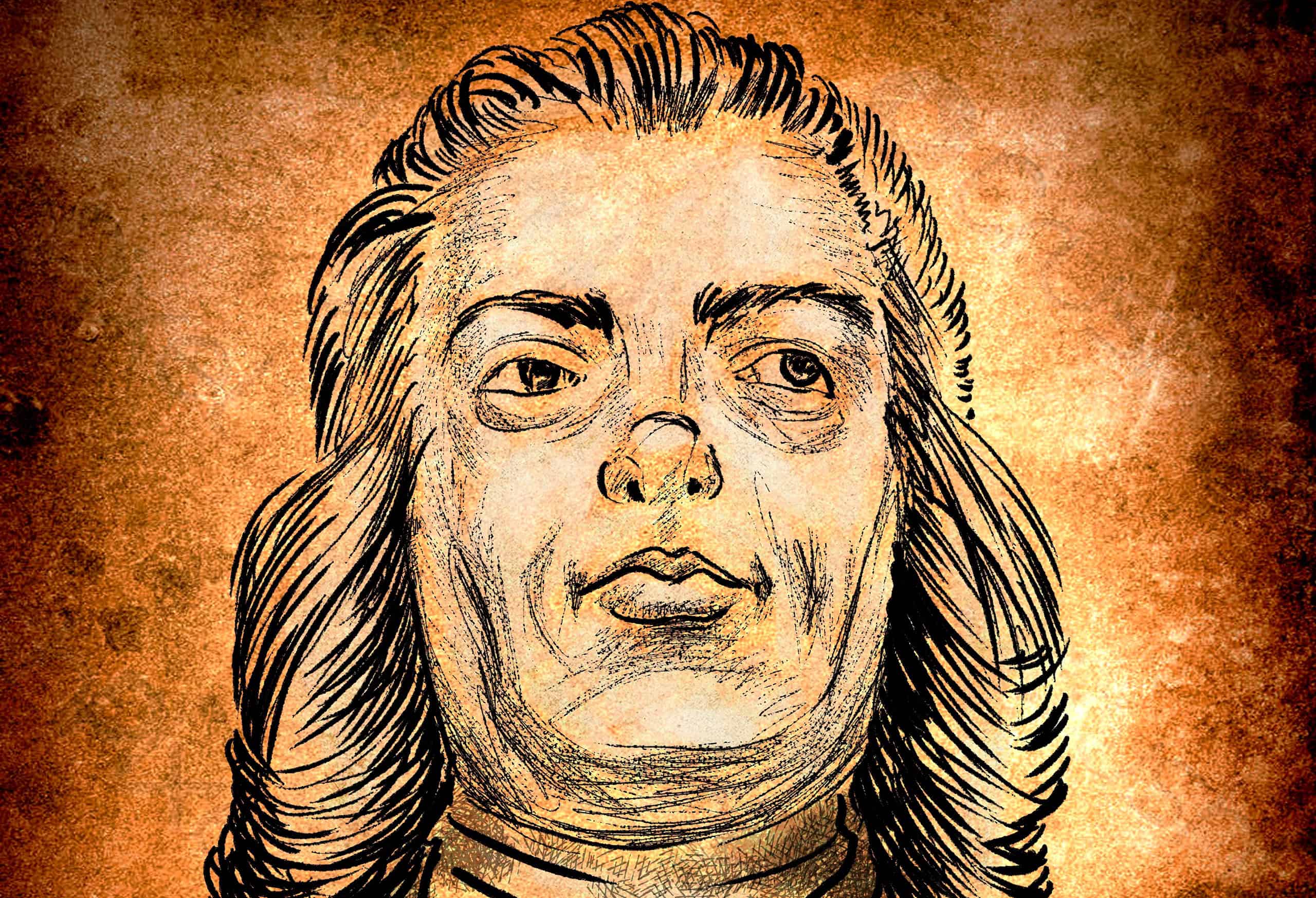
Joseph-Ignace Guillotin was a French physician and politician who actually believed in abolishing the death penalty. But because it existed legally in 1789, he at least advocated for painless, fast, humane execution that was equal to all classes of people, unlike messy hangings and gruesome public beheadings.
He commissioned a mechanical device to be made that would chop a person’s head off without torture. Ironically, the device became known as the guillotine, much to his family’s dismay, who tried for years to change it through legal channels.
Silhouette
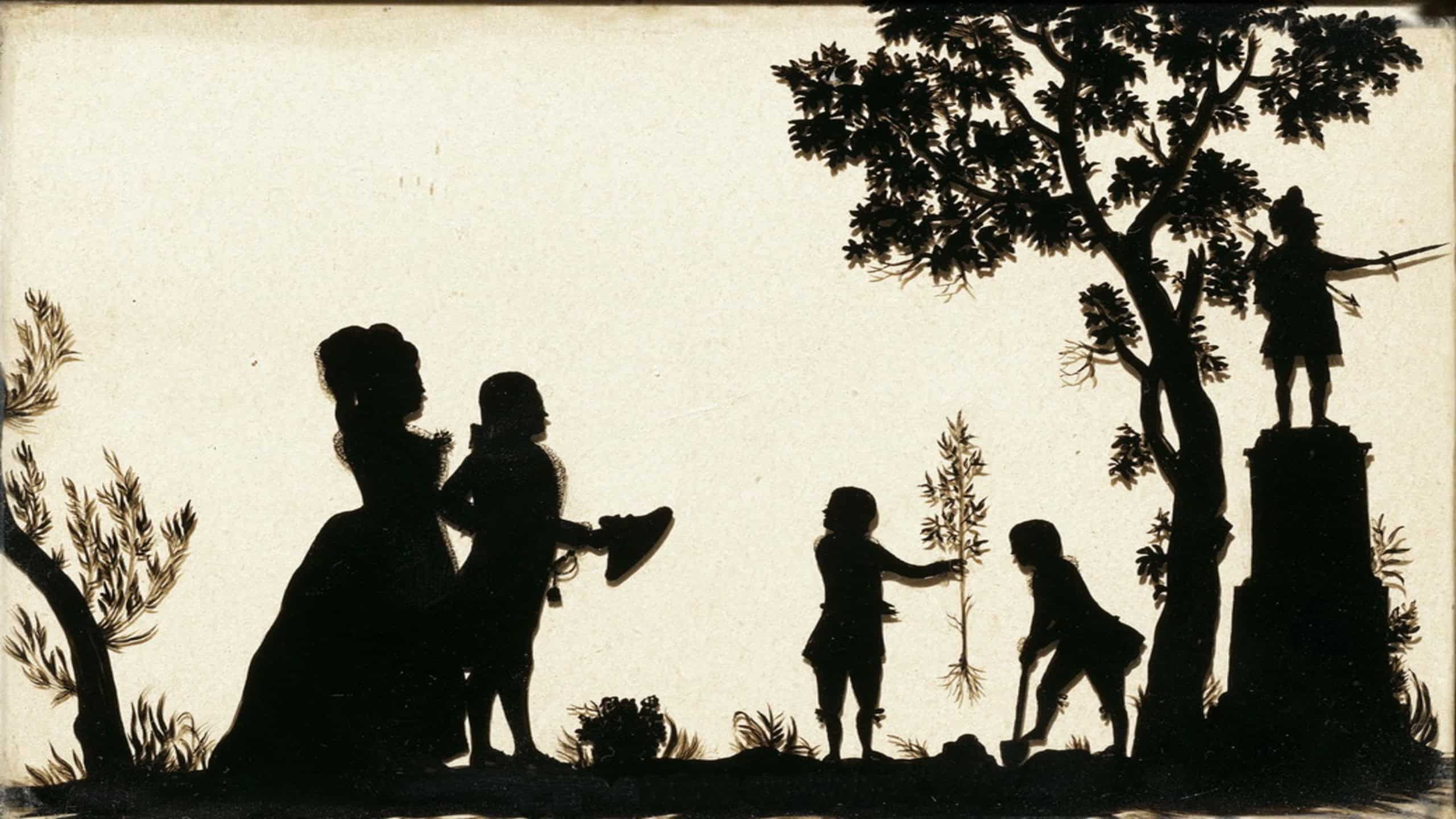
Etienne de Silhouette was the French finance minister in 1759. Charged with reducing state expenditures during the Seven Years’ War, he took exceedingly frugal measures that made him very unpopular among French elites.
In roughly the same era, there began a fashion for cheap art where profiles of individuals were rapidly cut from black paper. As these shadow profiles were inexpensive compared to the full portraits, they began to be called “silhouettes” as a reference to the cheap minister.
Boycott
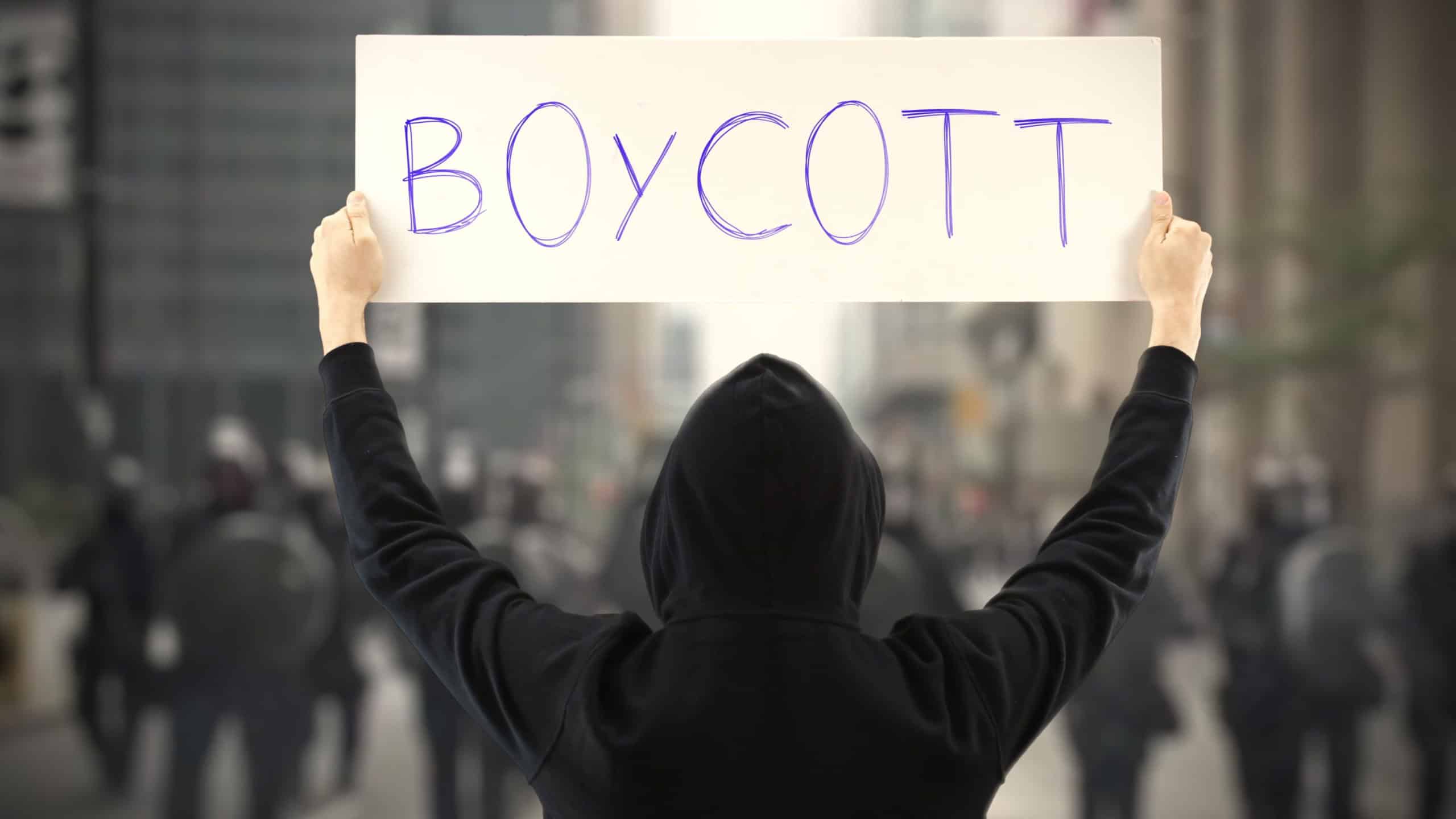
Charles Boycott was an English land agent in Ireland during a time of severe agrarian reform. Tenant farmers pushed for equitable rent reduction, which Mr. Boycott denied, and so the locals rebelled in the only way they knew how: through extreme social ostracism.
Neighbors wouldn’t talk to him, local businesses refused to work with him, the mailman wouldn’t deliver mail to him, and farm workers refused to harvest his crops. The tactic became so successful and well-known that Boycott’s surname became eternally cemented as a verb to describe any act of group protest.
Bloomers
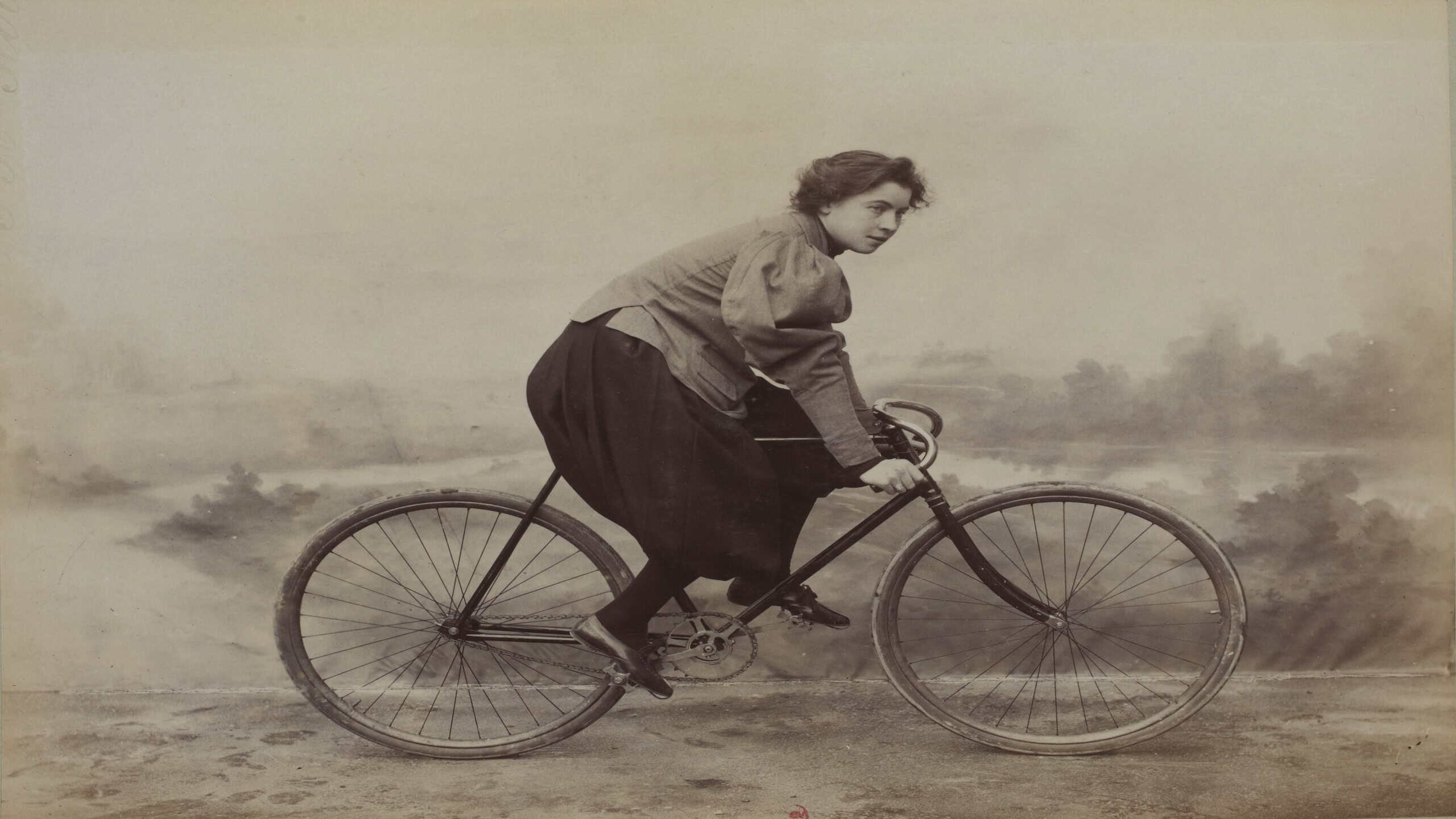
Amelia Bloomer was an American women’s rights activist and newspaper editor. She was appalled by how women’s dresses were long and cumbersome, and yet were still the popular style despite how restrictive and dangerous they were to wear.
Bloomer advocated wearing a short skirt and loose Turkish trousers rolled up at the ankle. Although she didn’t invent this getup, she wrote so enthusiastically about it that the pants came to be known as bloomers.
Sandwich

The Earl of Sandwich was an 18th-century English aristocrat who also happened to be an inveterate gambler. Legend has it that while on a 24-hour gaming binge, the Earl didn’t want to take time away from the cards to eat a meal.
So he instructed his valet to bring him slices of salt beef between two pieces of toasted bread, which he could eat with one hand, avoiding grease stains on the cards. Other players at the table also began to request meals “the same as Sandwich,” and the name stuck.
Cardigan
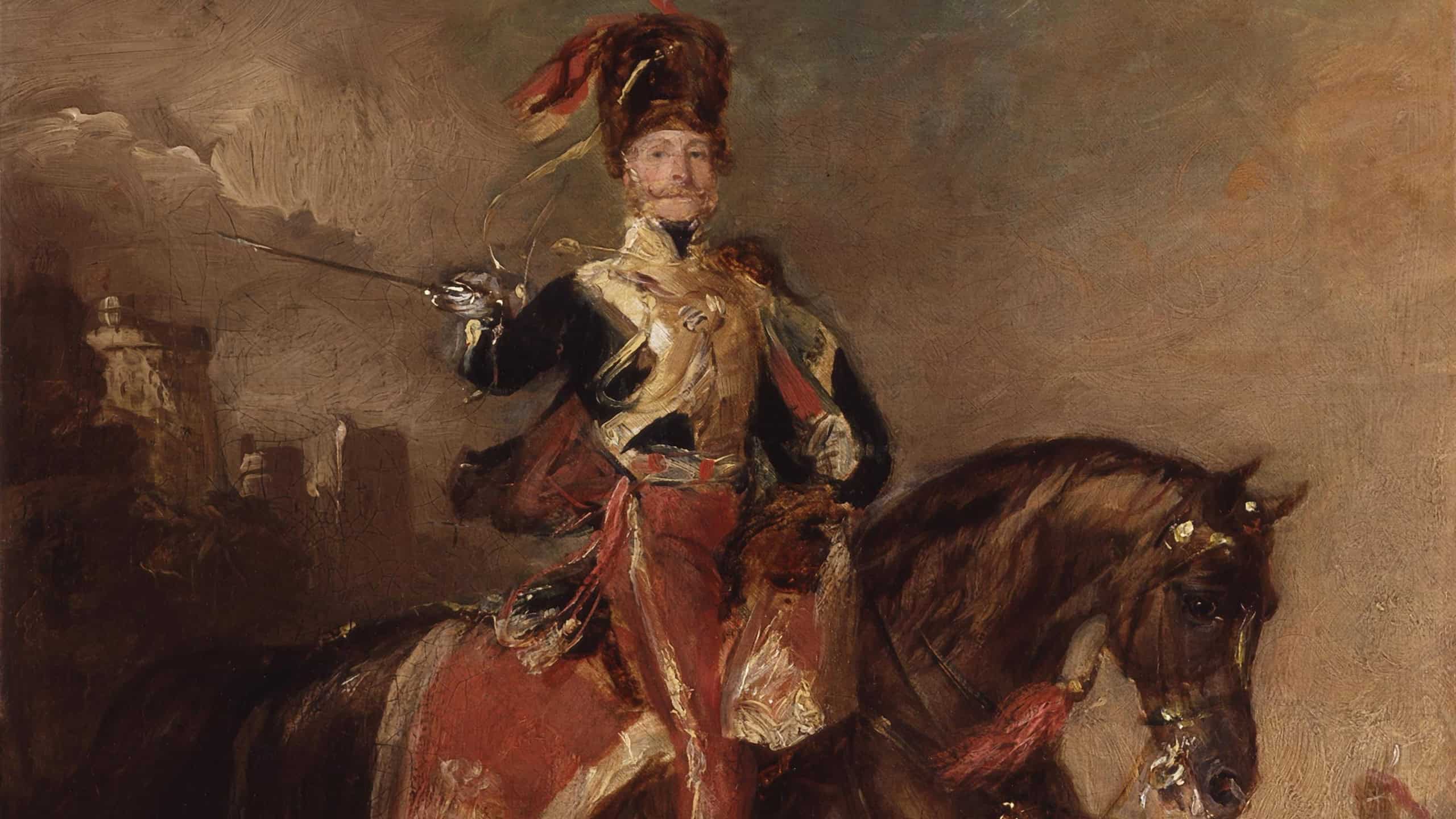
James Brudenell, 7th Earl of Cardigan, was a rich British military officer. He led the Charge of the Light Brigade in the Crimean War in the 1850s. Seeking to help his soldiers ward off the cold temperatures of Eastern Europe, he financed and helped popularize the knitted wool waistcoat jacket with a button front.
When the soldiers returned home to England wearing them, it became an instant hit. Soon, everyone was calling those cozy button-front sweaters cardigans, after the distinguished Earl himself.
Nicotine
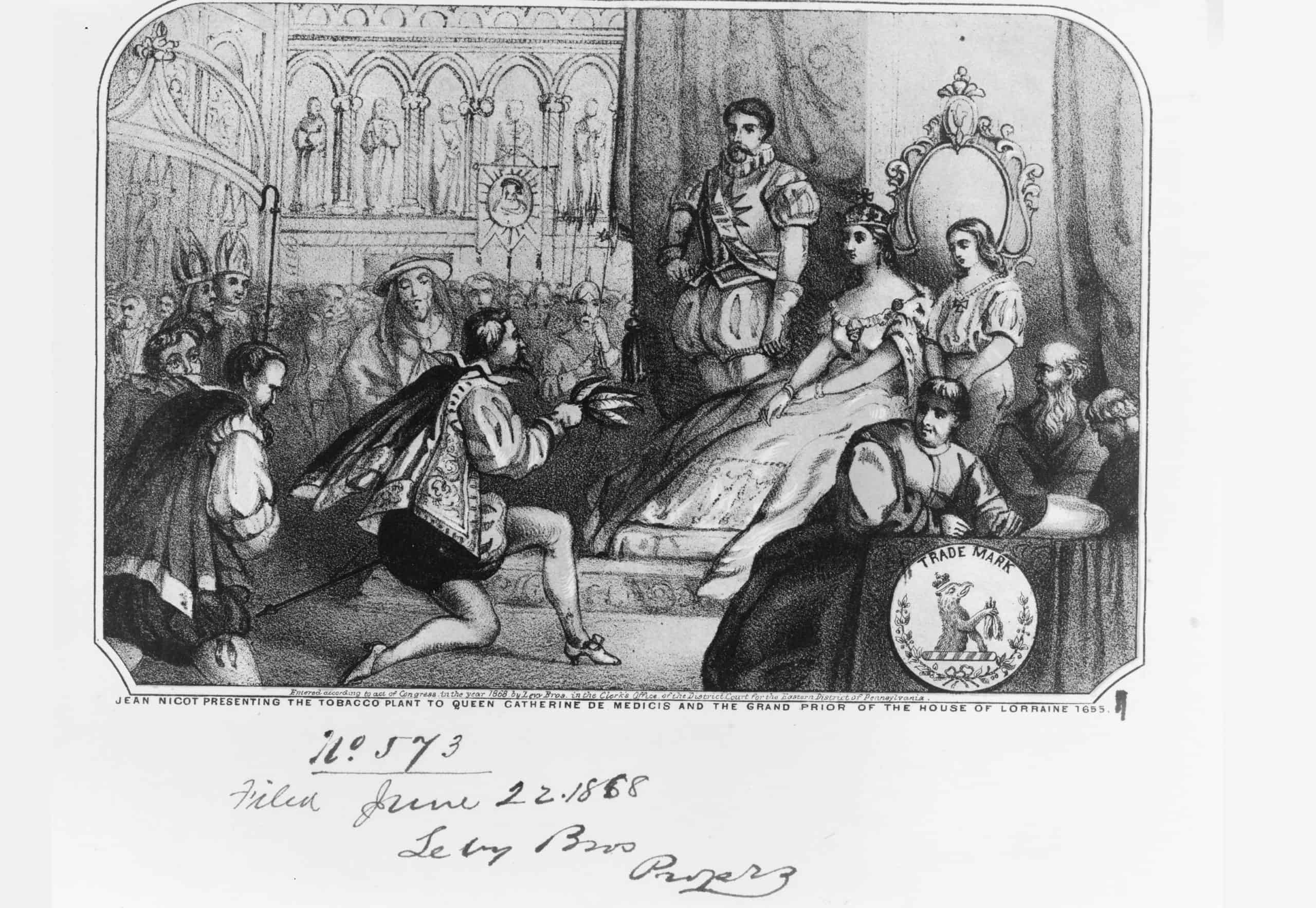
Jean Nicot was a French diplomat and ambassador to Portugal during the 1500s. Nicot sent powdered tobacco leaves from Lisbon to Paris in 1560 and introduced them to Queen Catherine de’ Medici as a miracle cure for headaches and skin ailments.
Nicot encouraged their usage in France, and when scientists later discovered the extremely addictive chemical within the tobacco plant, they named the active agent nicotine after him.
Leotard
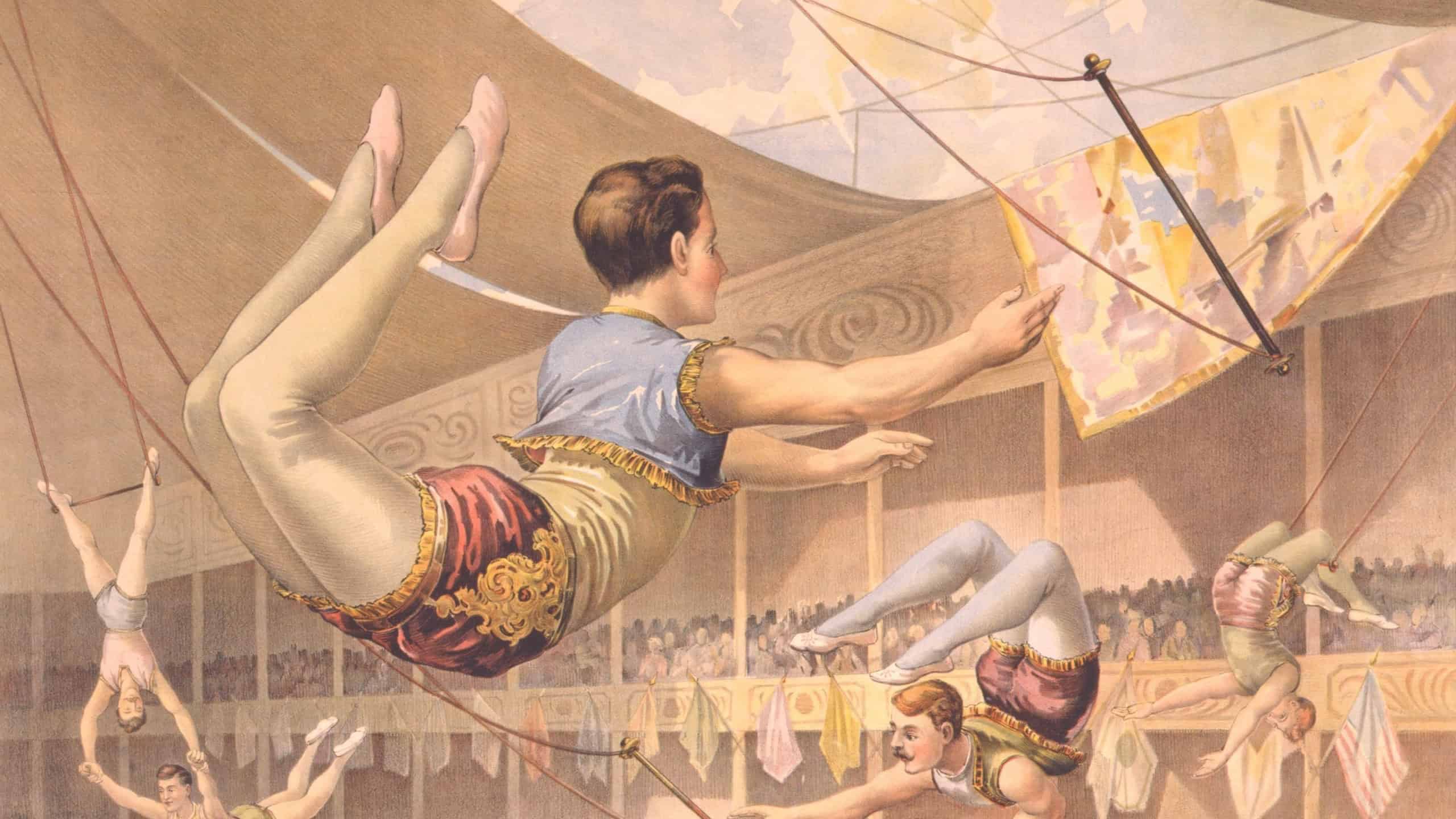
Jules Léotard was a nineteenth-century French acrobatic performer who first performed the flying trapeze. He wore a skin-tight one-piece knitted garment with a closure between his legs so that when he executed flips in the air, he wouldn’t be hindered by loose fabric, and to display his athletic physique.
He referred to it as a maillot. Upon his death, the term leotard was adapted by the gymnastics/dance world to pay tribute to him as the first person to fly through the air wearing one.
Wellington boots

Arthur Wellesley, the first Duke of Wellington, wanted a boot that was waterproof and durable. He wanted something that could be worn in battlefields but was also stylish enough to wear with his formal trousers.
He instructed his London bootmaker to take the 18th-century Hessian boot, remove the tassels, and make it out of soft calfskin. These became known as Wellington boots.
Sources: Please see here for a complete listing of all sources that were consulted in the preparation of this article.
Like our content? Be sure to follow us.