Canada has plenty of famous foods, but some local favorites can leave Americans wondering how anyone ever thought to put them on a plate.
Something from the sea
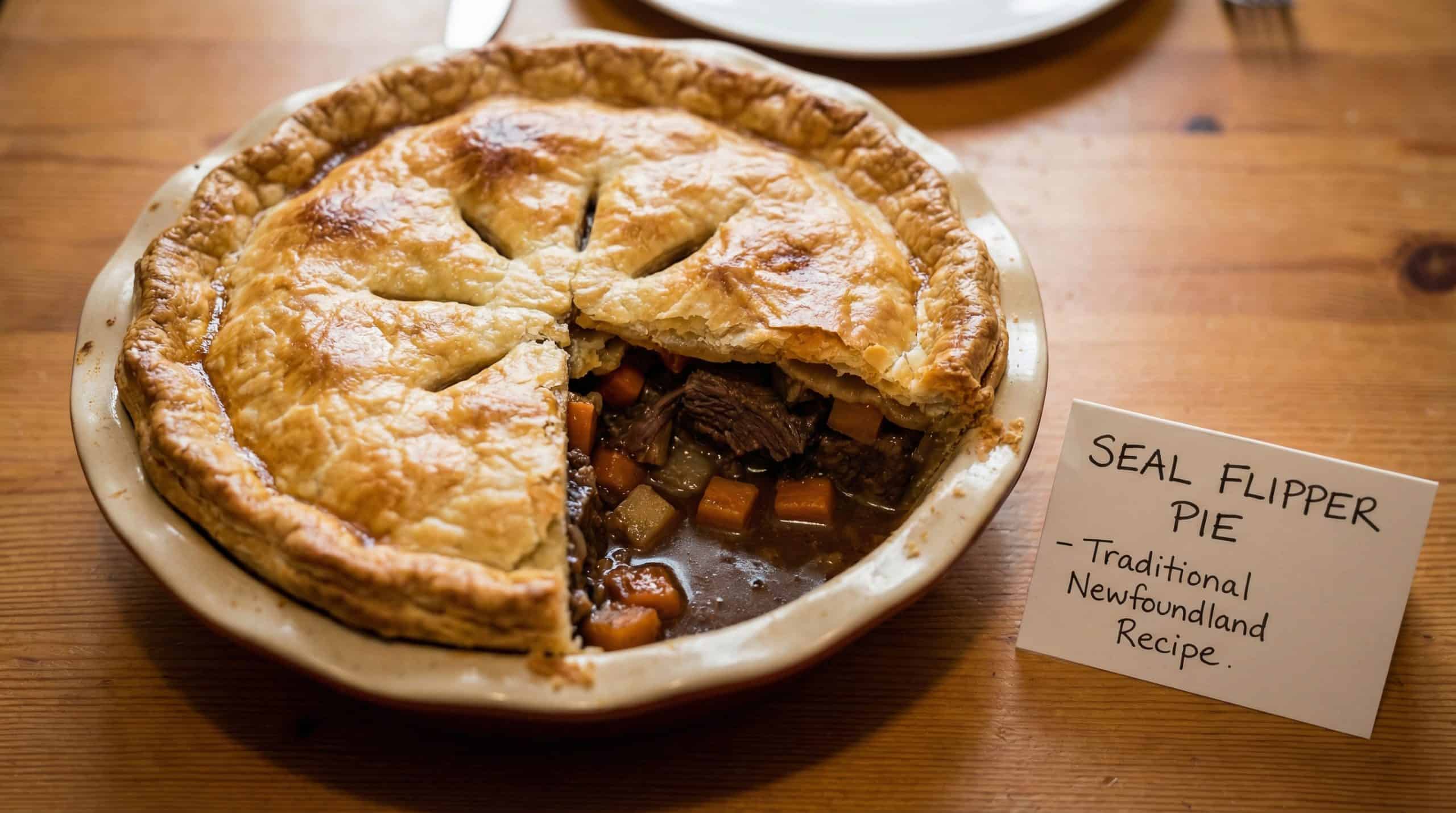
Flipper pie is one Canadian cuisine dish that would likely make an unfamiliar visitor ask what’s actually inside it. Commonly found in Newfoundland and Labrador, it consists of seal flipper meat prepared with onions and vegetables under a pastry topping. Seal has long been a staple meat in coastal communities, so while this may sound incredibly strange to others, it has deep-rooted ties to Newfoundland culture.
Everything in one pot
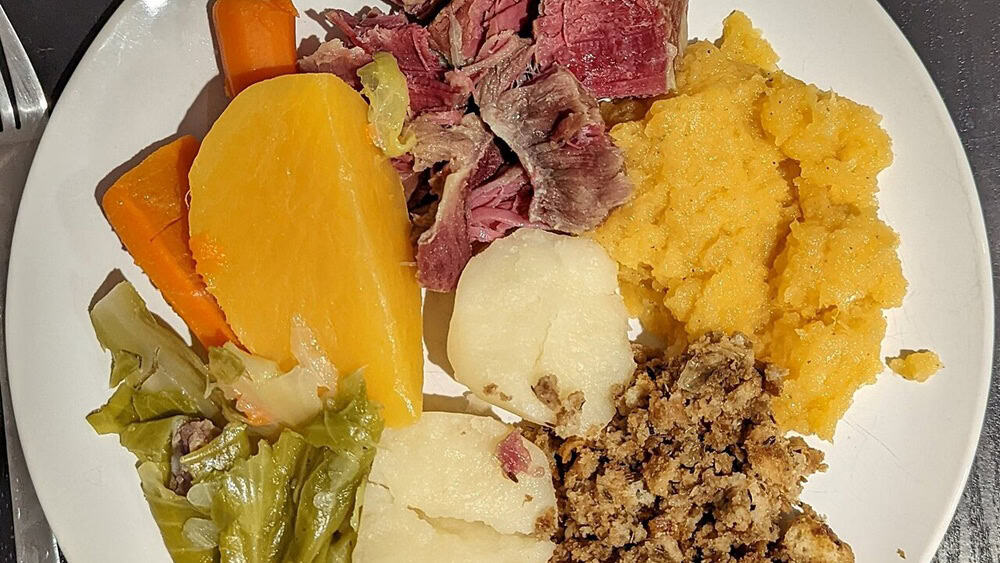
Jiggs dinner takes Newfoundland and Labrador comfort food to a whole new level of hearty. Salt beef is boiled with veggies like potatoes, cabbage, carrots, and turnip, usually with peas pudding on the side, with everything soaking up the flavour of the cooking broth.
Boiled salt beef and mushed peas might not sound appetizing to those who have never tried Newfoundland food. Families growing up with it, though, will think of Sunday dinners, family events, and thoughts of home.
Not an ordinary pie
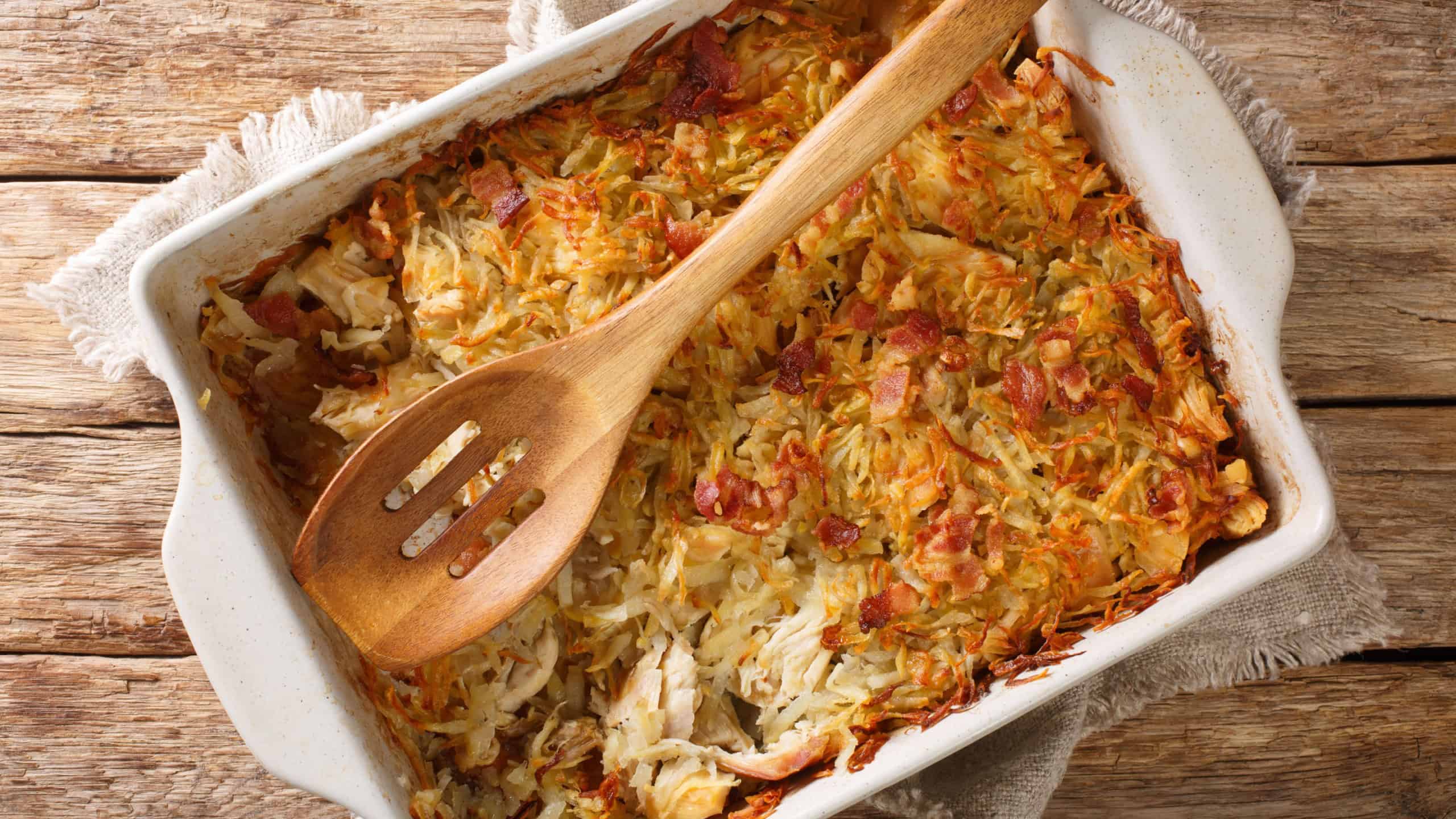
To make rappie pie, you start by doing something drastic to potatoes. After grating potatoes, you wring out most of the potato liquid. Hot meat broth is poured into the potato mix and then layered with meat and cooked.
The consistency is dense in a way that neither mashed potatoes nor meat pies can achieve. It is made mostly in Acadian communities in southwestern Nova Scotia.
Only one side
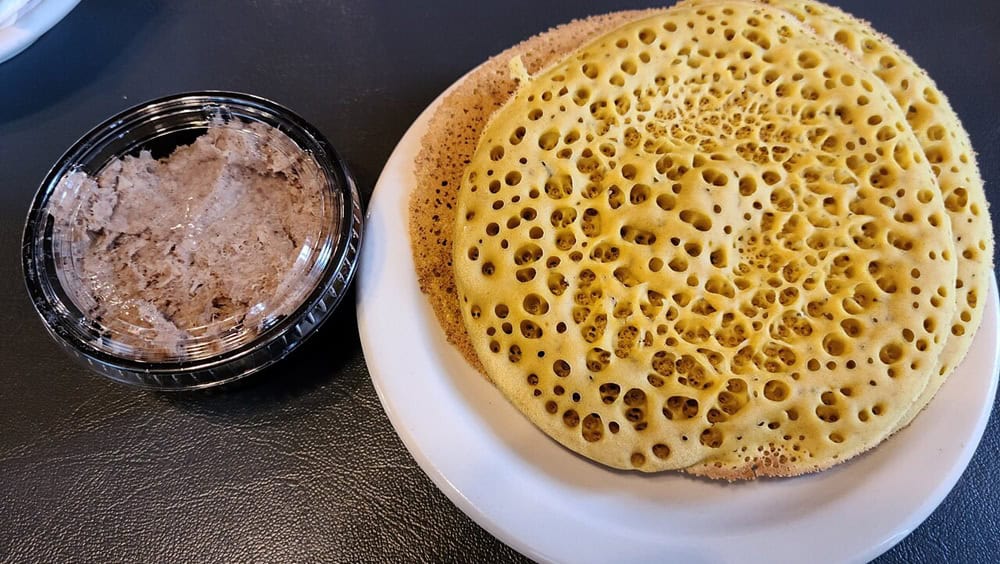
Ployes look like small thin pancakes at first glance, but they are a distinctly Acadian culinary tradition. Made mostly from buckwheat flour, this Acadian treat has some customs unique to itself.
Most popular in New Brunswick’s Madawaska region and the adjacent borderlands, they are traditionally cooked one-sided so that the top has little holes in it. Rolled or folded around butter, molasses, maple syrup, or savory ingredients, they can fill many different mealtime niches.
Before the jam
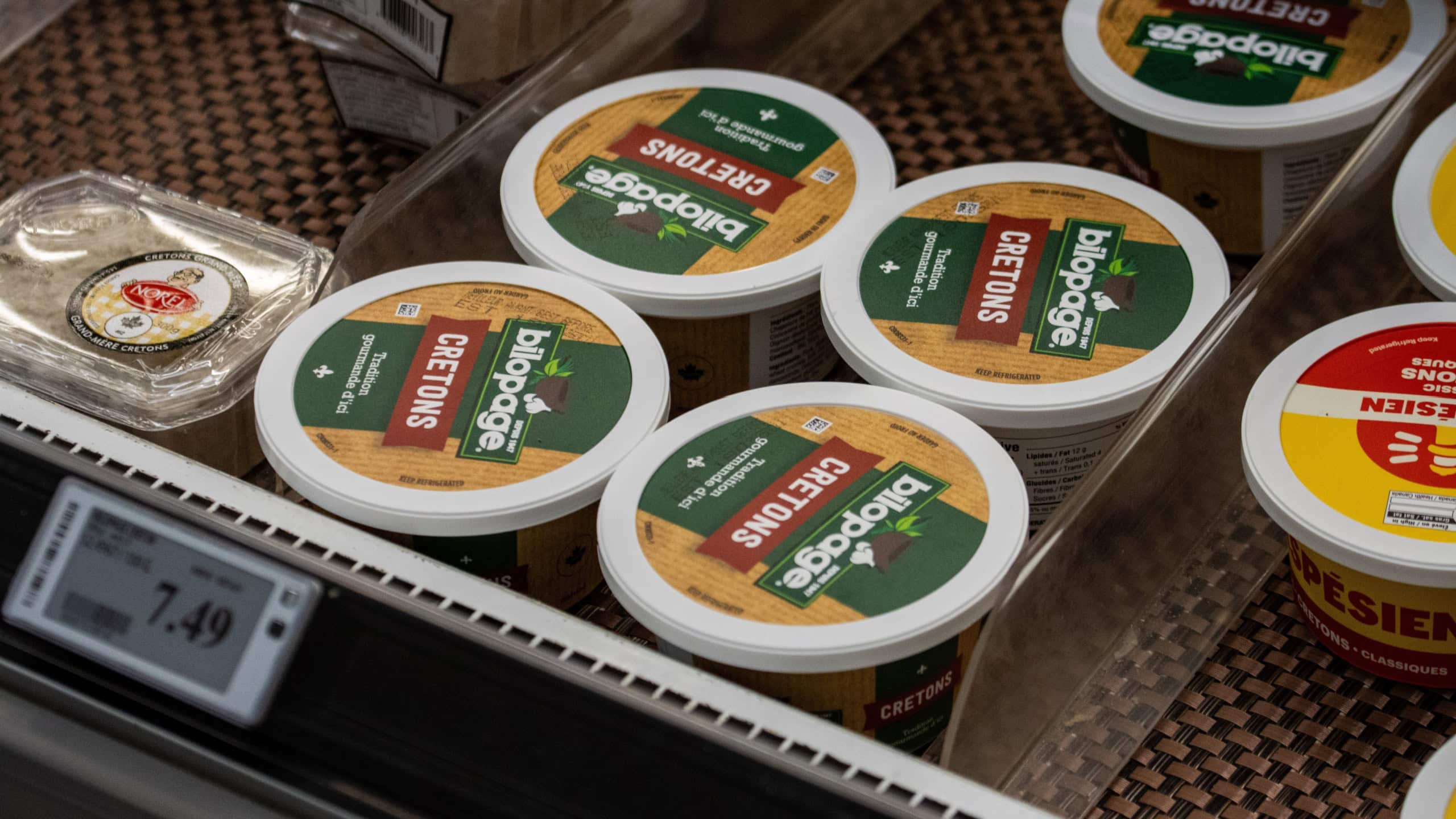
Toast with cold pork spread may sound like a bizarre breakfast treat for most Americans, but cretons is not new to Quebec.
Typically prepared by cooking ground pork with onions and spices until it thickens into a soft paste, it’s sliced on bread or toast and is usually served at breakfast. Consider it a country French-Canadian version of pâté instead of the sugary breakfast topping that those from outside of Quebec may imagine first thing in the morning.
A strange name
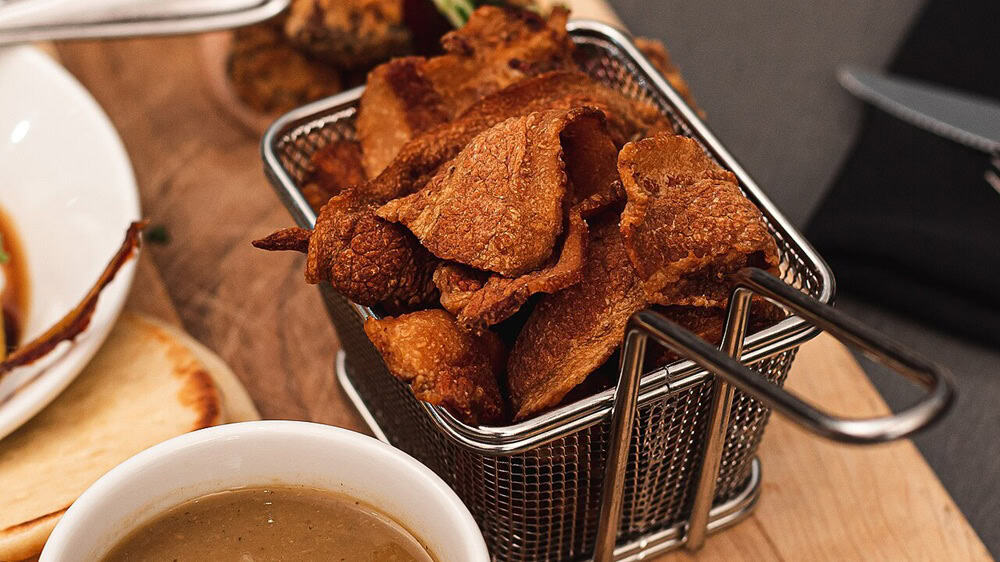
Few dishes on this list have names that stick with you quite like oreilles de crisse, a Québécois staple at sugar shacks across the province.
Often made from pork jowl or fatty pork, these tasty tidbits are served with the heaping plates of food you’ll find alongside every maple-season feast. Their extremely salty crunch contrasts delightfully against maple syrup and other foods found on the table.
Not a person
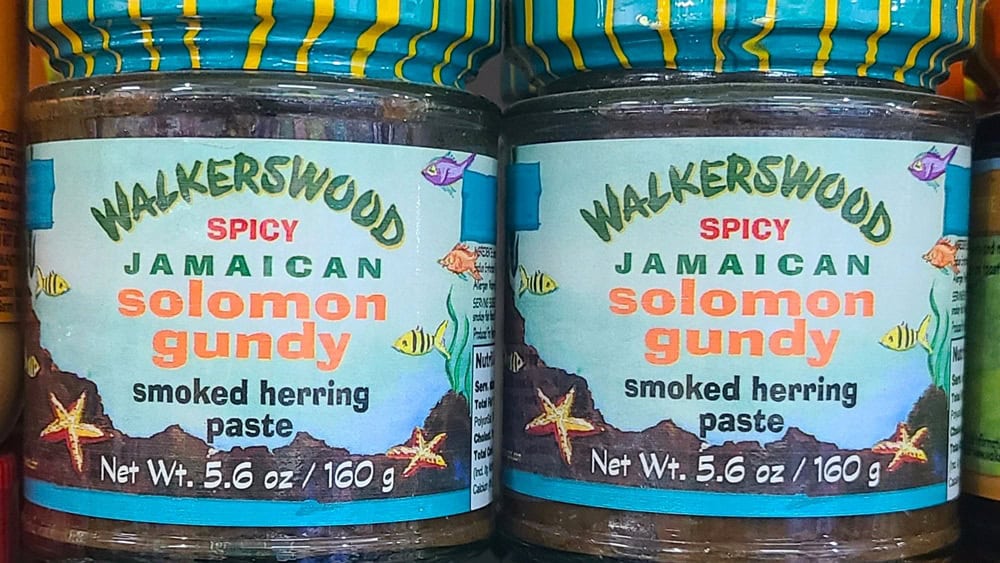
Solomon Gundy sounds more like the name of a crazy old sea captain. In Atlantic Canada, however, Solomon Gundy has been a nickname for pickled herring for years.
Herring is commonly pickled with vinegar, onions, and spices. Before the days of refrigeration, marinating seafood was one way to preserve it. This salty dish is a testament to the thriving preserved- fish culture along the Atlantic seaboard. The acidic bite of fish mixed with vinegar and onion can be too intense for some beginners.
The other poutine
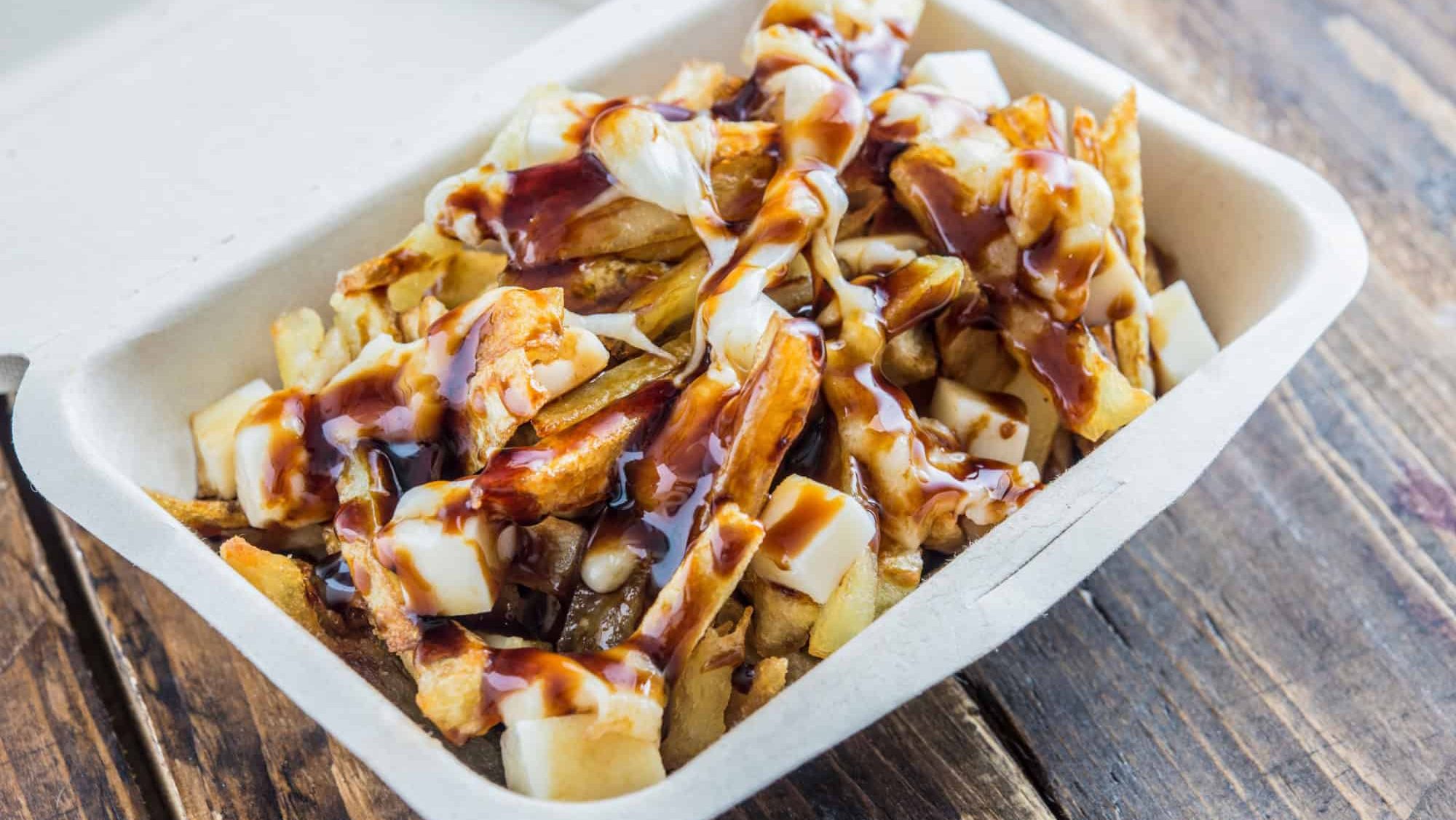
Say poutine râpée outside New Brunswick and you might get fries, gravy, and cheese curds. But what actually shows up couldn’t look more different: an old-fashioned Acadian potato dumpling stuffed with seasoned pork. Grated potato and mashed potato form a big ball around the filling, which is boiled until dense and a bit sticky.
Yesterday’s dough
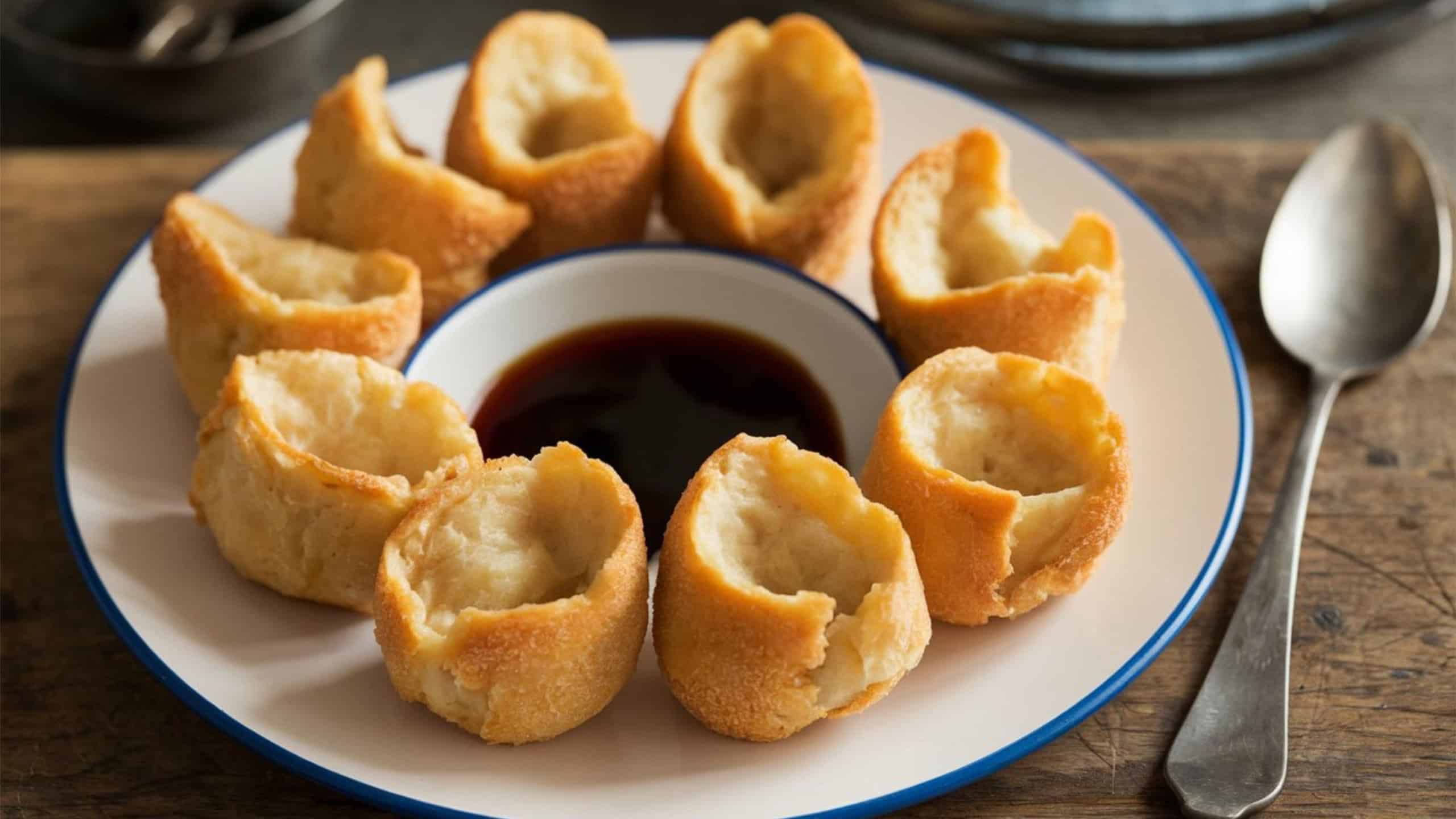
Newfoundland’s toutons show that leftover bread dough doesn’t have to go to waste. Dough is cut into pieces and fried until golden brown, resulting in a treat that’s crispy on the outside, soft and chewy on the inside. Toutons are traditionally served at breakfast with butter, molasses or syrup, although there are many topping combinations from family to family.
Where are the figgs?
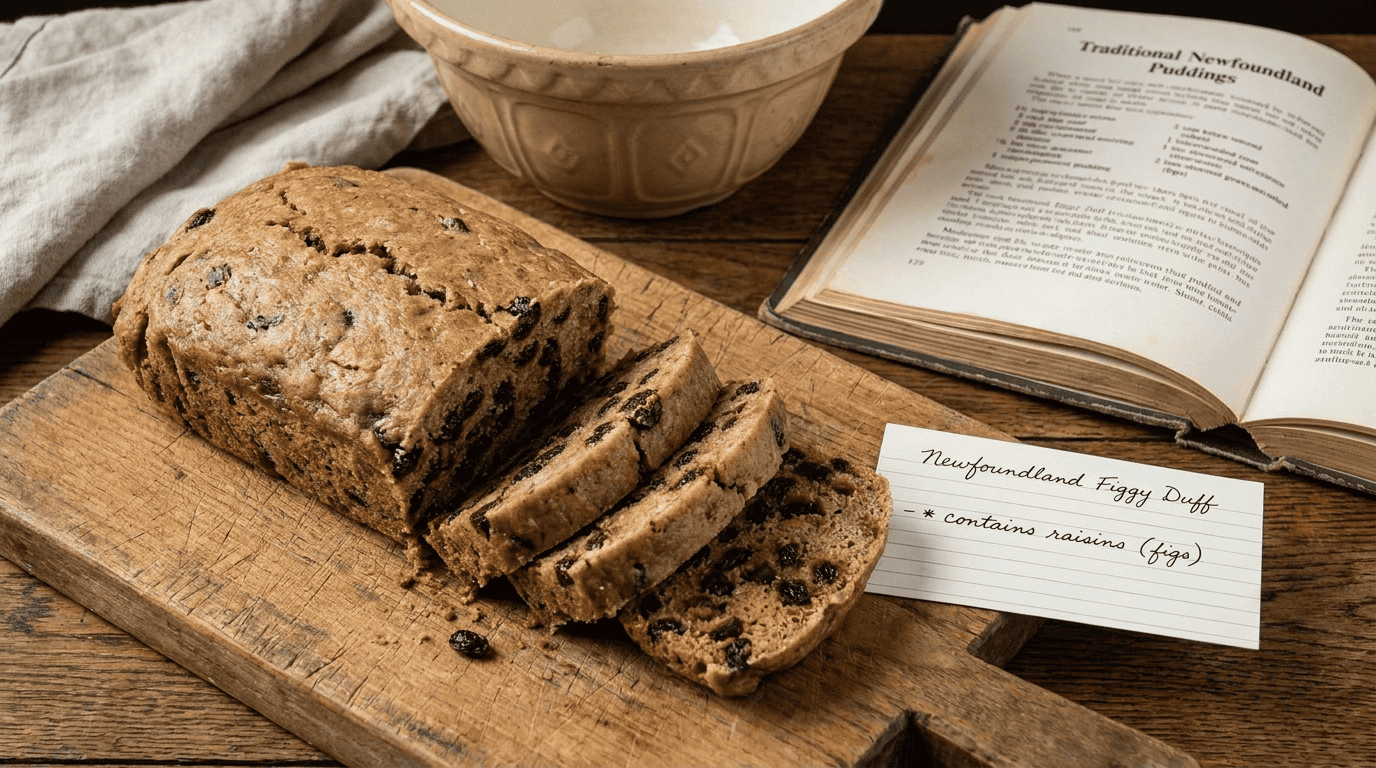
The first thing that surprises most people about Newfoundland’s figgy duff is that you likely won’t find any figs in it. Historically in Newfoundland usage, “figgy” could actually mean raisins that are added to simple steamed or boiled pudding.
It can traditionally be steamed in a cloth/pudding bag and served as part of a hearty meal with a sweet sauce. Boiled raisin pudding might sound super old-fashioned these days, but that’s exactly why it’s such a uniquely Newfoundland culinary treasure.
Bread with fish
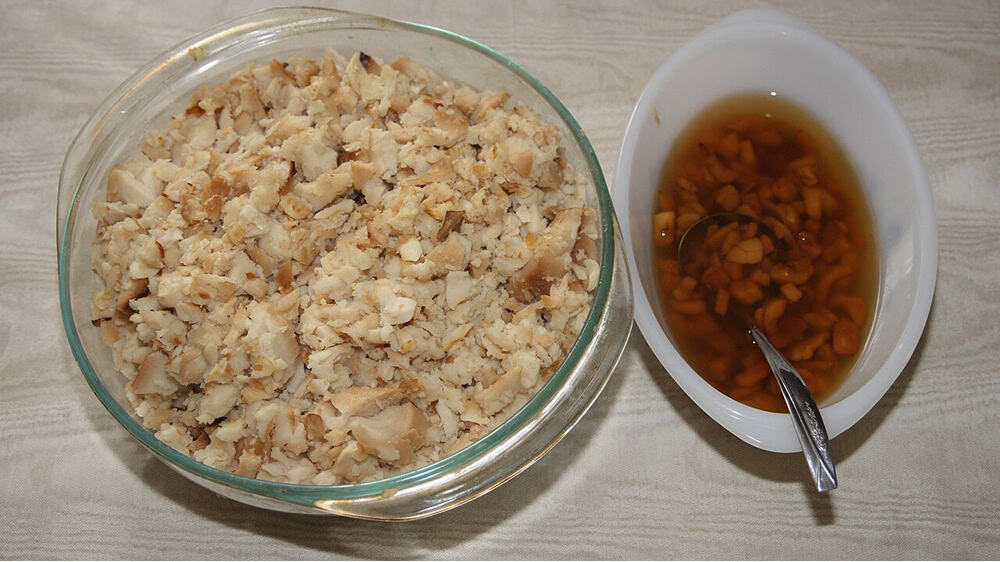
Fish and brewis is a Newfoundland and Labrador dish consisting of salt cod and hard bread softened by soaking. Scrunchions (small cubes of rendered salt pork, along with their rendered fat) are often added on top of the dish for saltiness and richness. To some, this may sound like ship’s rations: hardtack soaked until softened and topped with salt-cured fish and pork fat. To generations of Newfoundlanders, it’s a familiar taste.
Like our content? Be sure to follow us.
15 foods that instantly reveal you grew up on a tight budget
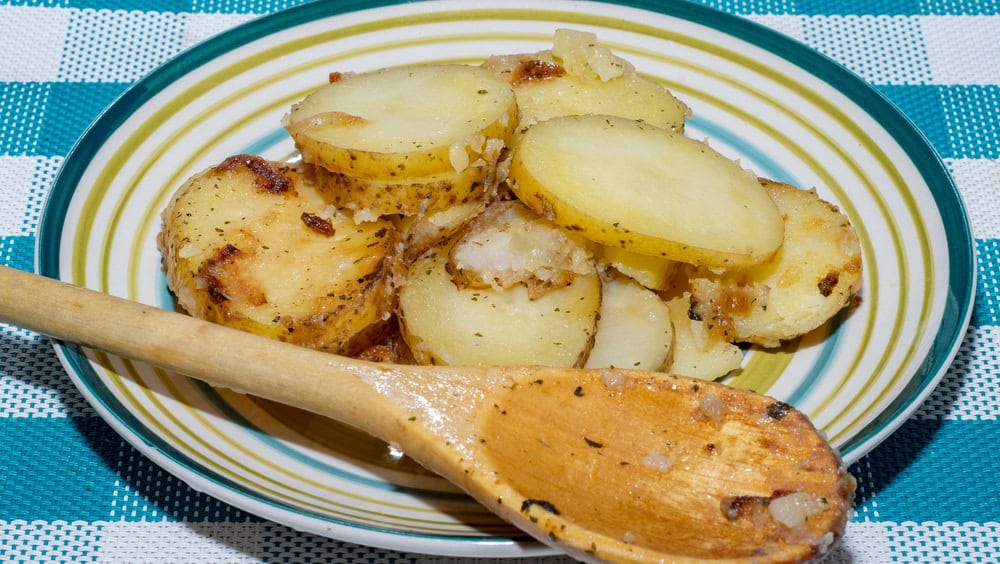
If you grew up watching every grocery dollar, some of these foods will probably bring back memories instantly.
15 foods that instantly reveal you grew up on a tight budget