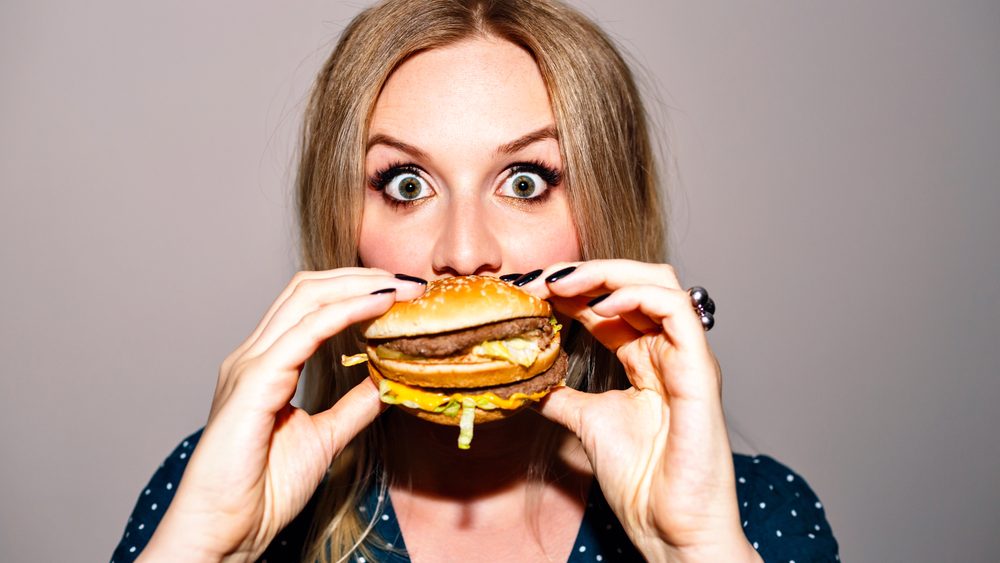
Some of the foods we eat without a second thought are exactly the ones worth cutting back on for better long-term health.
The breakfast shortcut
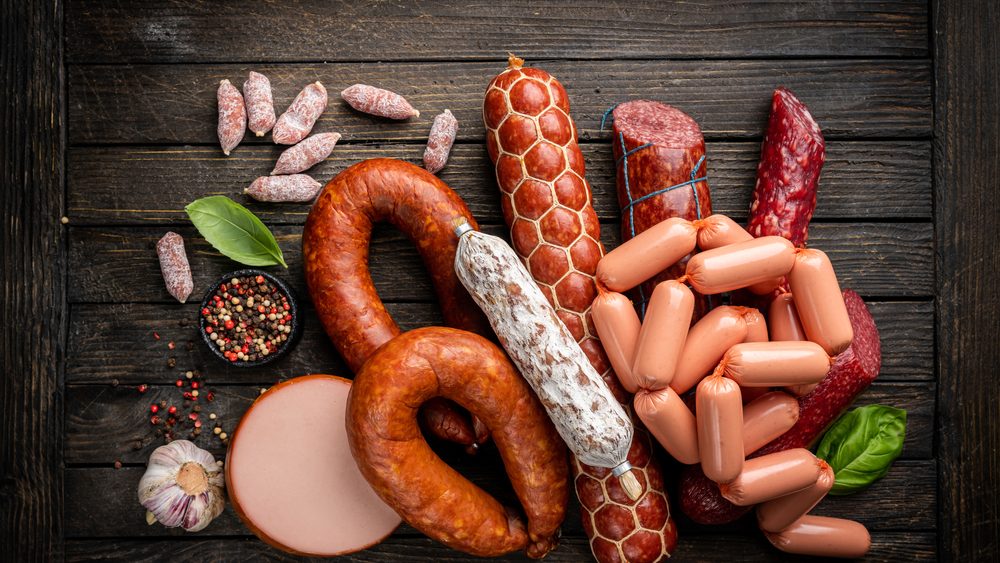
Processed meats, including bacon, sausage, hot dogs, and salami, should be eaten sparingly. They are usually high in sodium and saturated fat. In addition, regular consumption of processed meat is linked to a higher risk of colorectal cancer. Choose beans, eggs, nuts, or other less processed sources of protein more often.
Liquid dessert

Sugar-sweetened soft drinks provide a lot of added sugar with little nutritional value to curb hunger. Regular consumption is linked with weight gain and increased risk of type 2 diabetes and heart disease. Simply replacing one soda a day with water or unsweetened tea or sparkling water can make a big difference.
Straight from the fryer
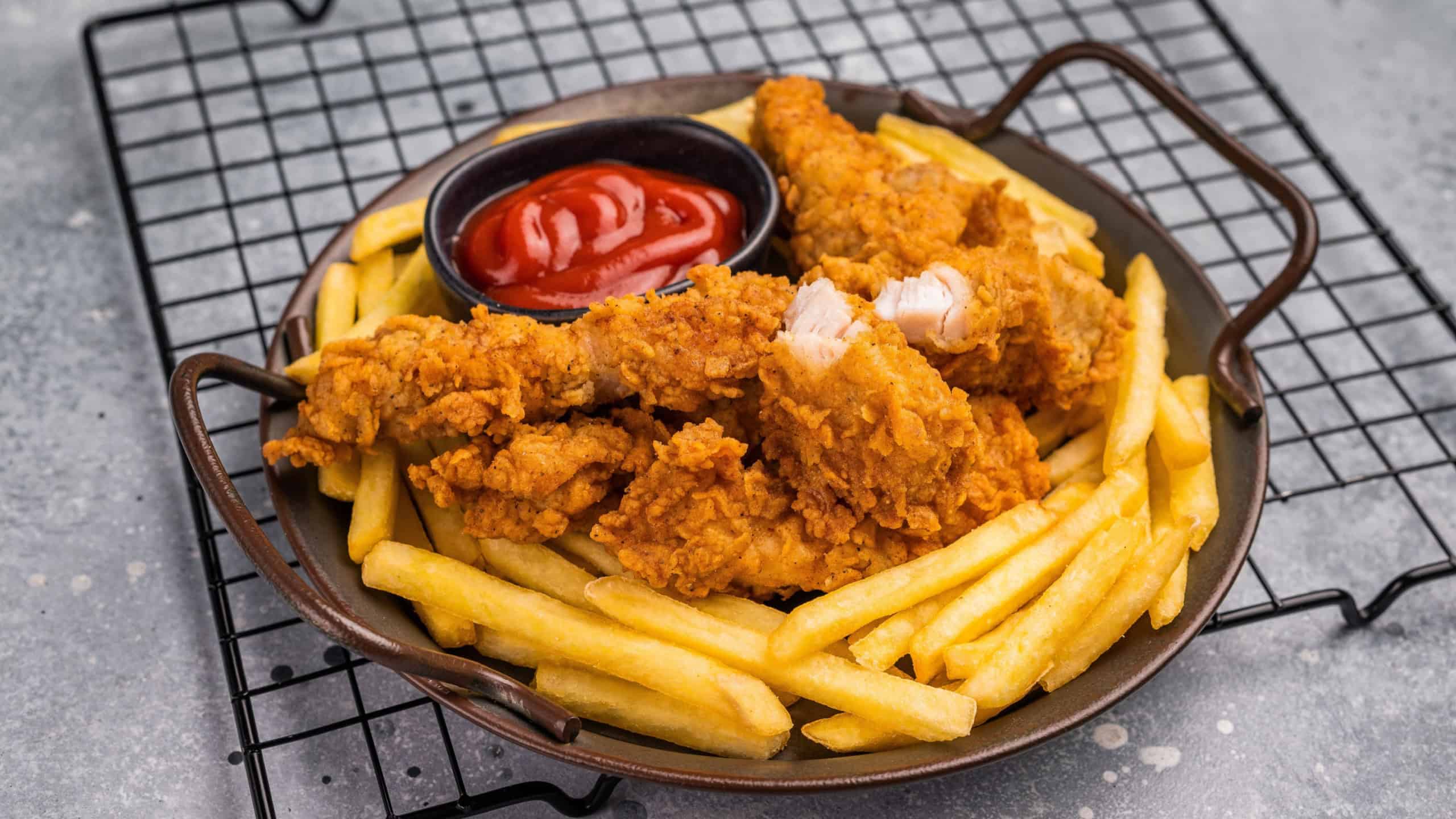
Deep-fried foods like fried chicken, French fries and battered fast food items can deliver lots of calories, salt and unhealthy fats in a small portion. Eating fried foods has also been linked to poor cardiovascular health. How foods are cooked matters as well, especially when oil is reused for deep frying.
The convenient slice

Frozen pizzas that are highly processed can pack together a few things we should limit: white flour, processed meat, high amounts of sodium, and significant saturated fat. Pizza isn’t inherently unhealthy. A homemade or minimally processed pizza topped with vegetables can be nutritionally different. It’s the extra processed, meat-heavy pizzas we eat often that we should be careful with.
Morning sugar bomb
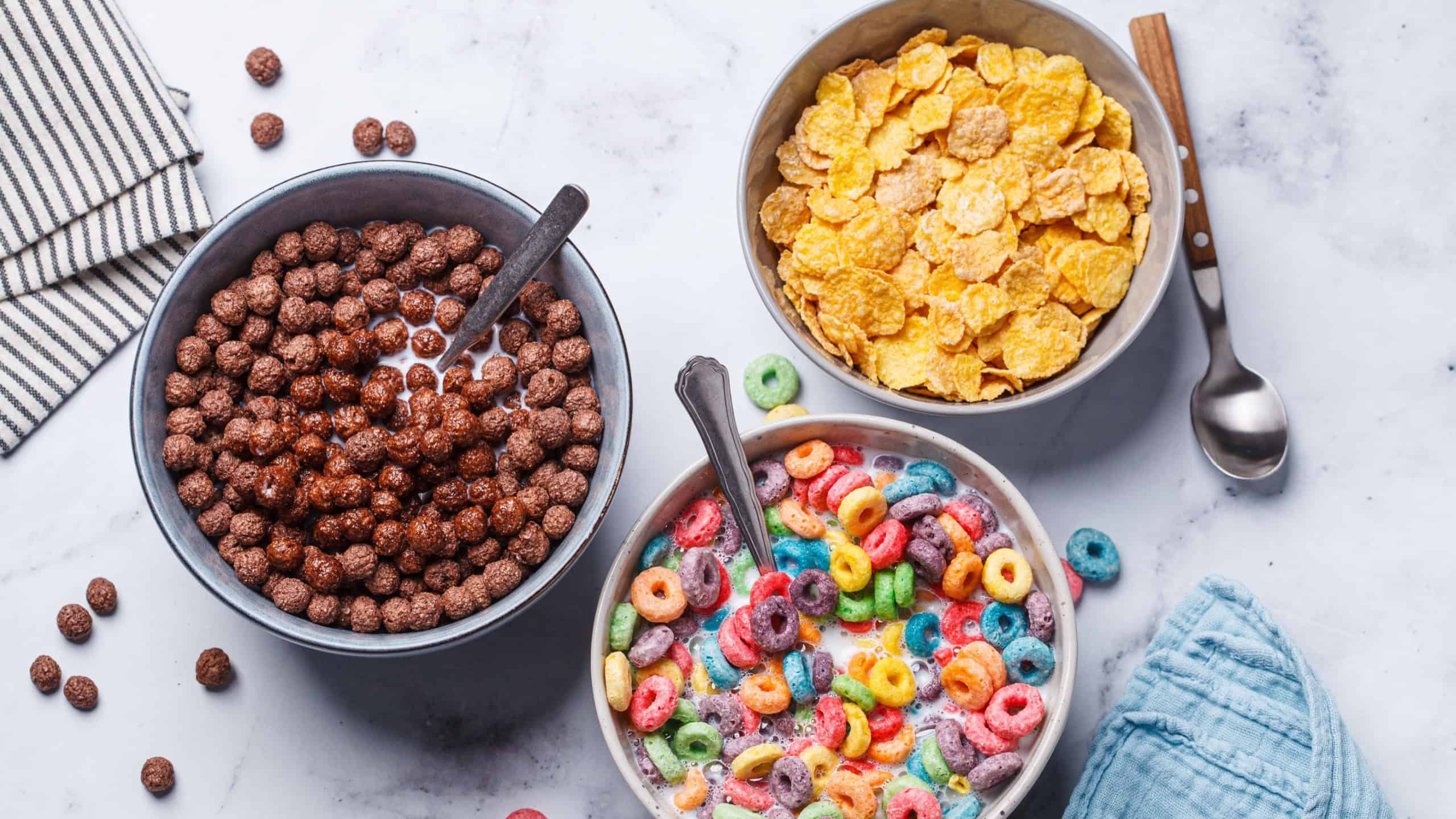
Processed cereals can be more dessert than nutritious breakfast. Many are full of added sugar and refined grains with not much fibre or protein. Whole grains like oats, unsweetened cereals, fruit, nuts & seeds will fill you up longer.
More than a coffee

Hot drinks can sneakily have high amounts of sugar, syrups, whipped cream and saturated fat. It’s easy to justify drinking them on top of a regular meal because they’re drinks, not dessert. Coffee by itself is another story entirely, so most of the time it’s what you add to it that counts.
The endless crunch
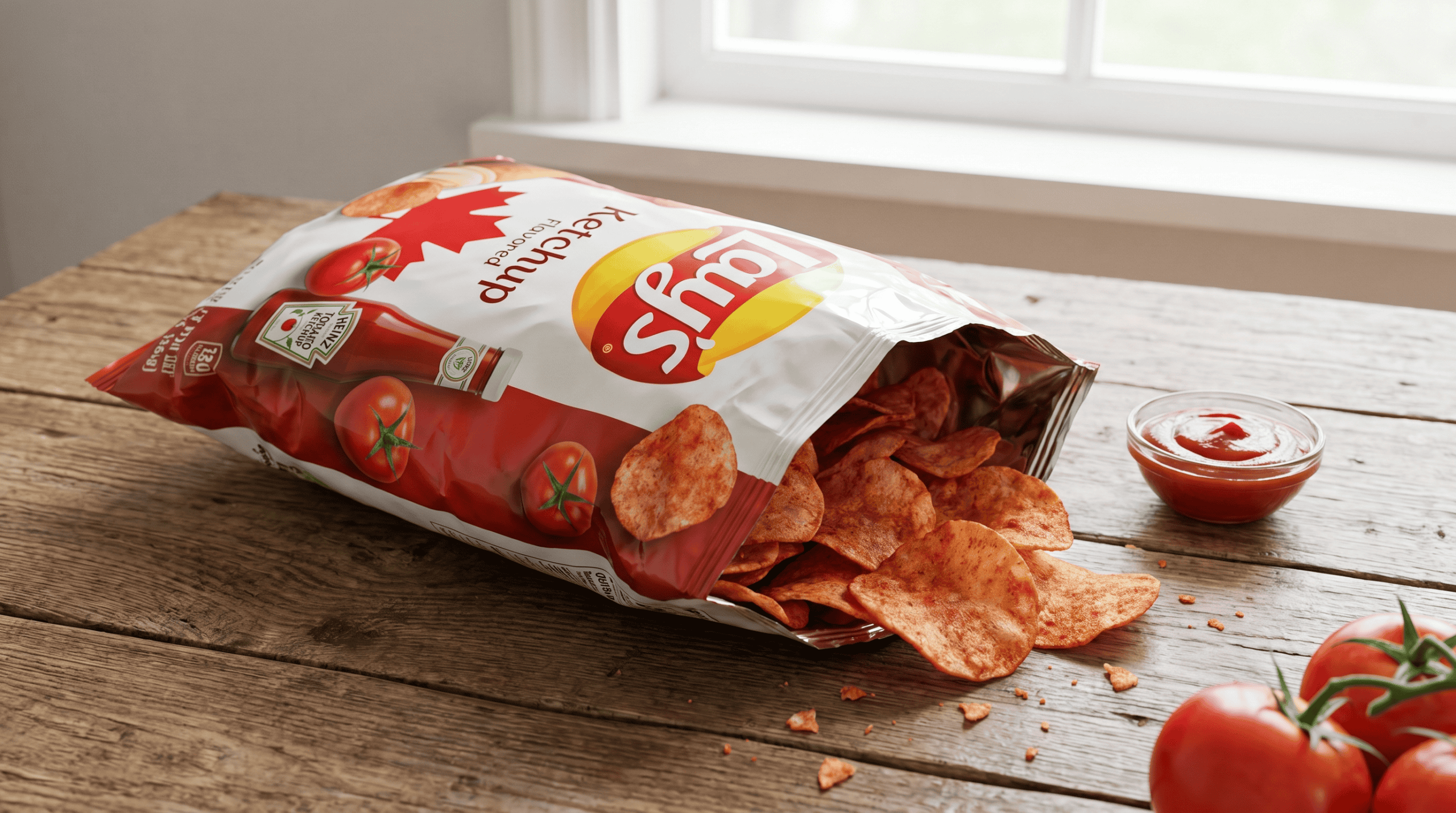
Potato chips and other salty snack foods are easy to over-consume. They’re typically calorie-rich, heavily salted, and lack the fibre and nutrients of whole foods. The issue isn’t mindlessly snacking on them at parties. It’s when they become your mindless daily snack.
Out of a packet
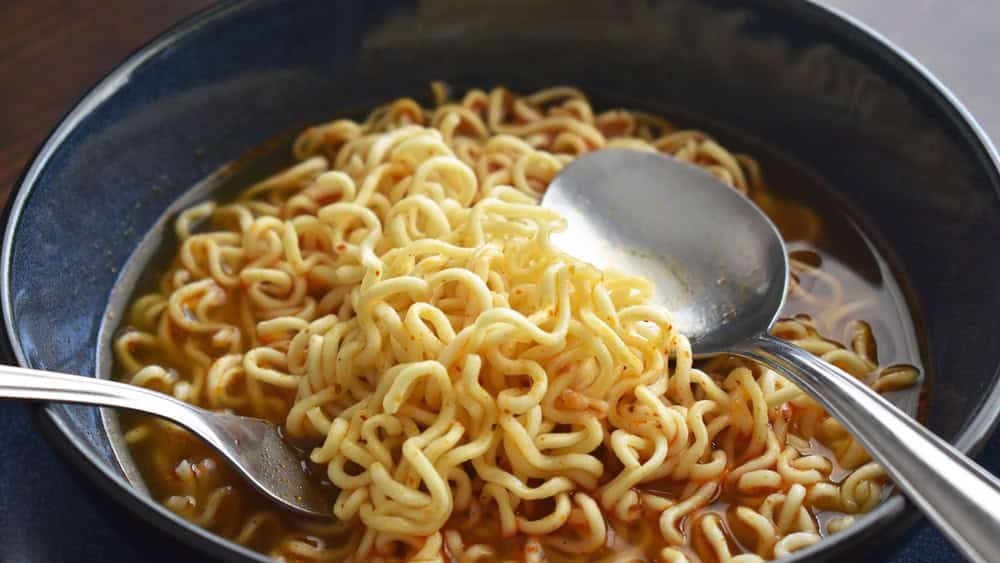
Instant noodles are quick and cheap. However, most are shockingly high in sodium and offer little to no fibre, vegetables or protein by themselves. Having them once in a while isn’t too bad. Making them a staple can replace meals that are much better for you.
The bakery trap
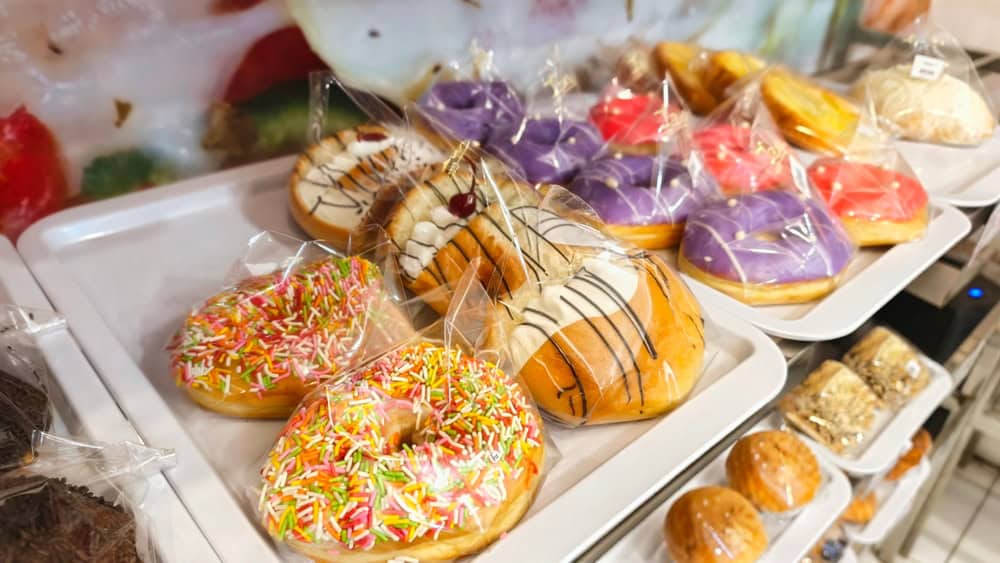
Packaged cakes, doughnuts and pastries cram refined flour, added sugar and saturated fat into insanely calorie-dense packages. Sure, they’re meant to be treats. But treats have a way of turning into daily breakfast foods and snacks. Making sure they stay occasional instead of routine is a far more realistic longevity habit than pretending you’ll never eat cake again.
The white flour habit
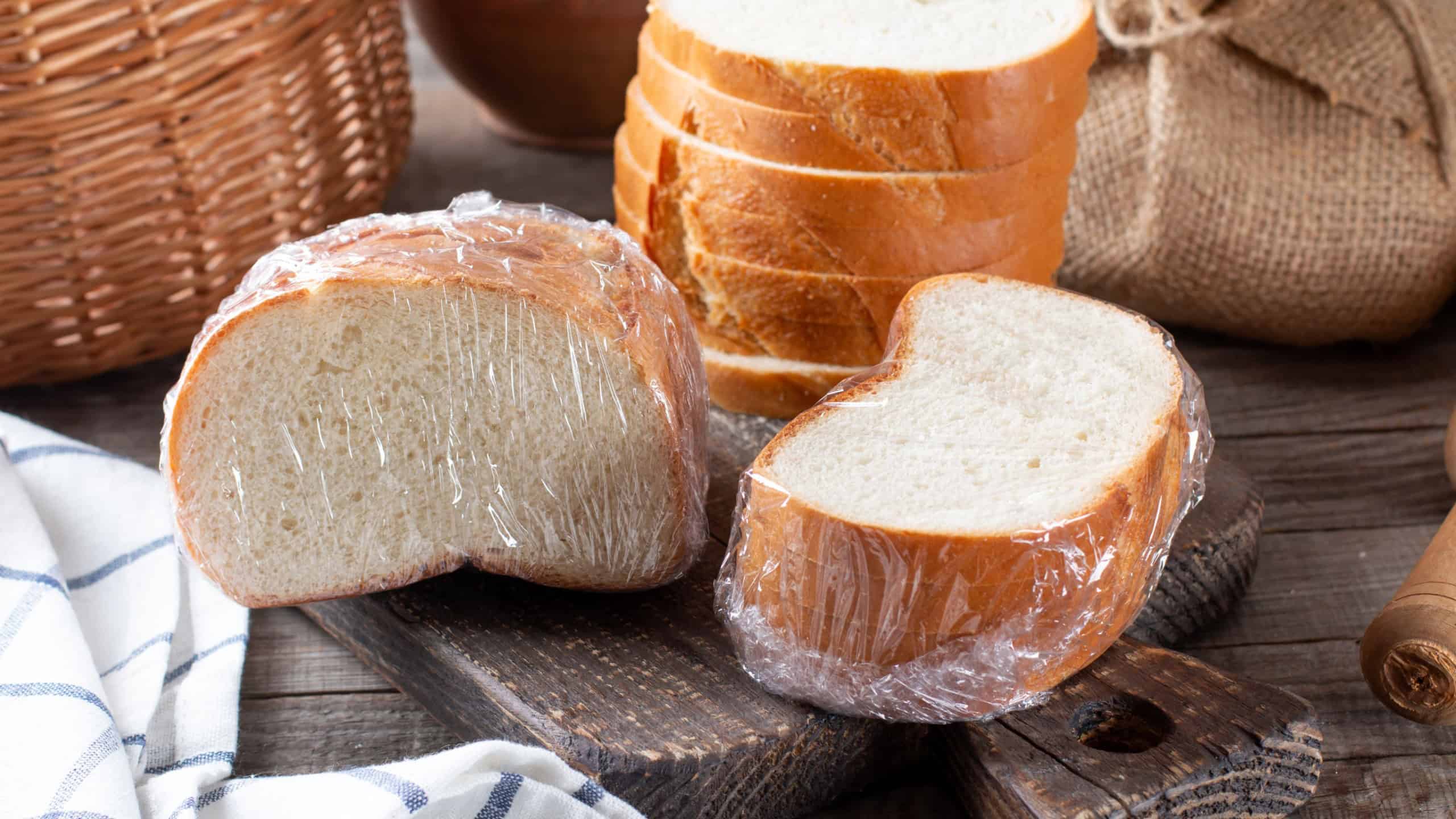
Processed breads and baked goods contain far less of the fibre found in whole intact grains. Overall, whole-grain options have a less dramatic impact on blood sugar, and offer more fibre and micronutrients. You don’t have to stress about every piece of white bread, but choosing whole grains most of the time is a smart choice.
Dinner from a box
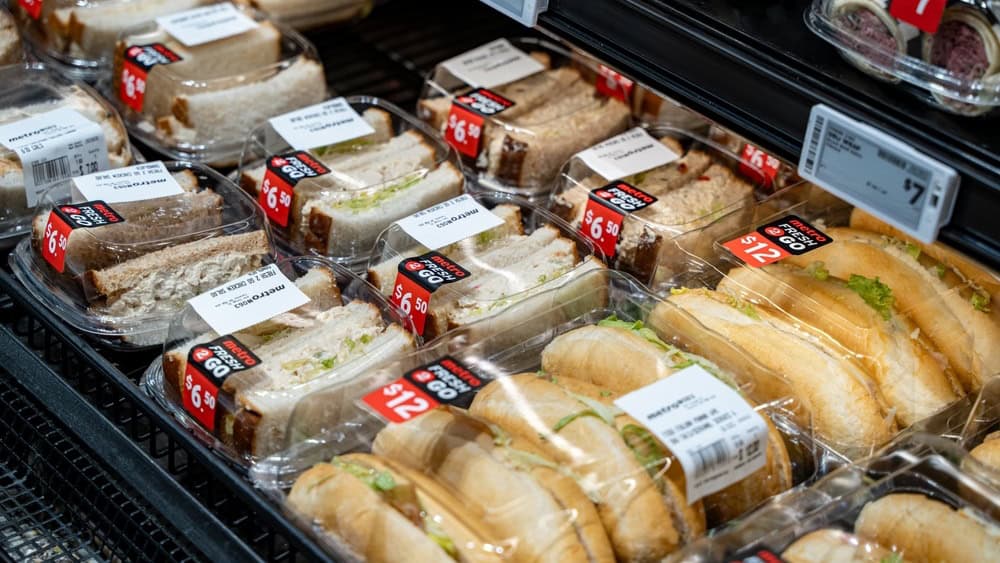
Ultra-processed ready meals are designed to be convenient and often contain lots of salt, refined carbohydrates and saturated fat. More importantly, when people eat lots of ultra-processed foods, there is usually less room in the diet for vegetables, beans, whole grains, nuts and other minimally processed foods that make up healthier diets.
The candy drawer
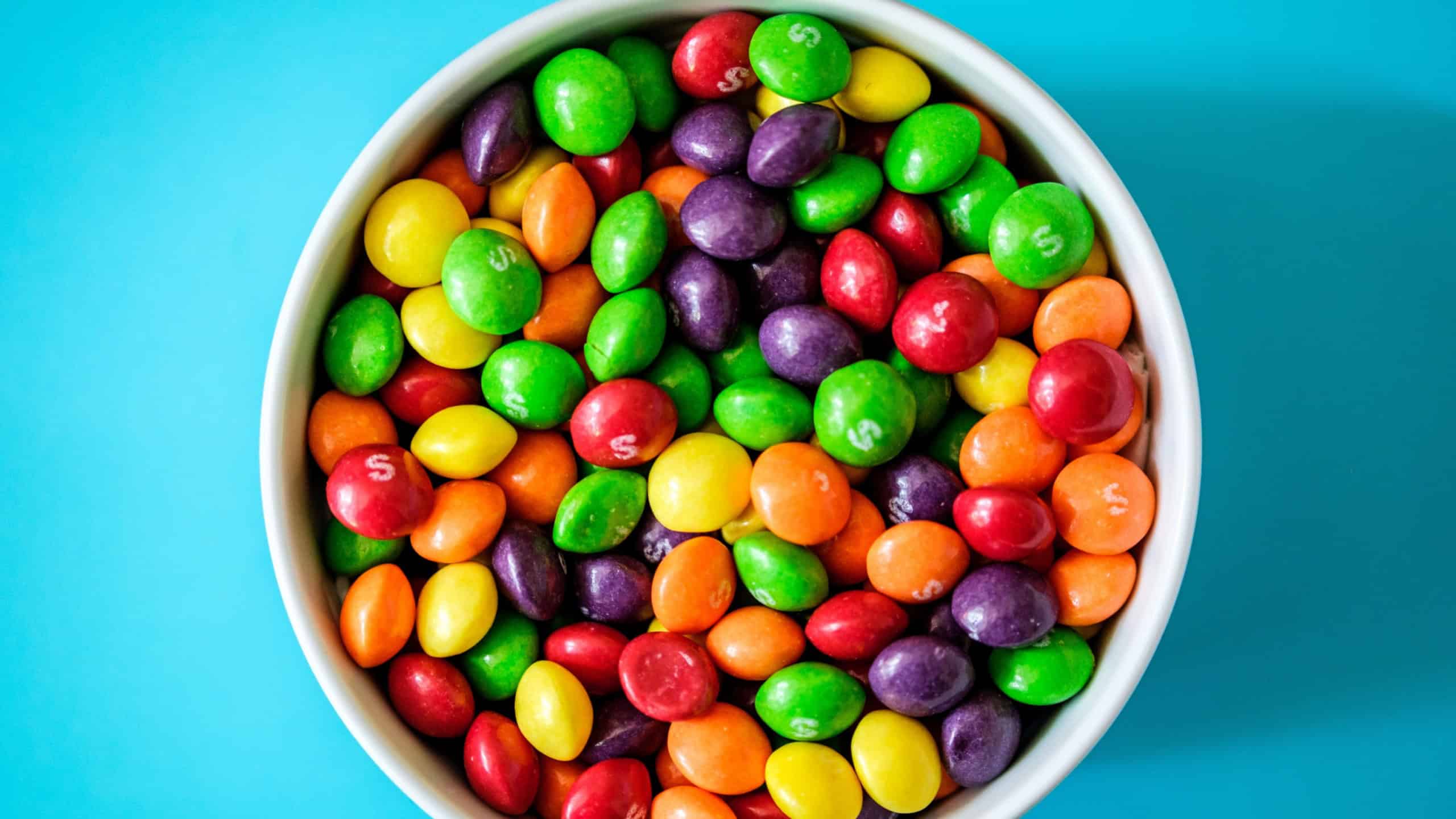
Candy and sweets are full of added sugar and offer very little nutritional benefits. They also continually expose your teeth to sugar if you snack on them all day. One treat every now and then is fine; but having sweets within reach all day changes an occasional treat to a mealtime habit.
The over-sized combo
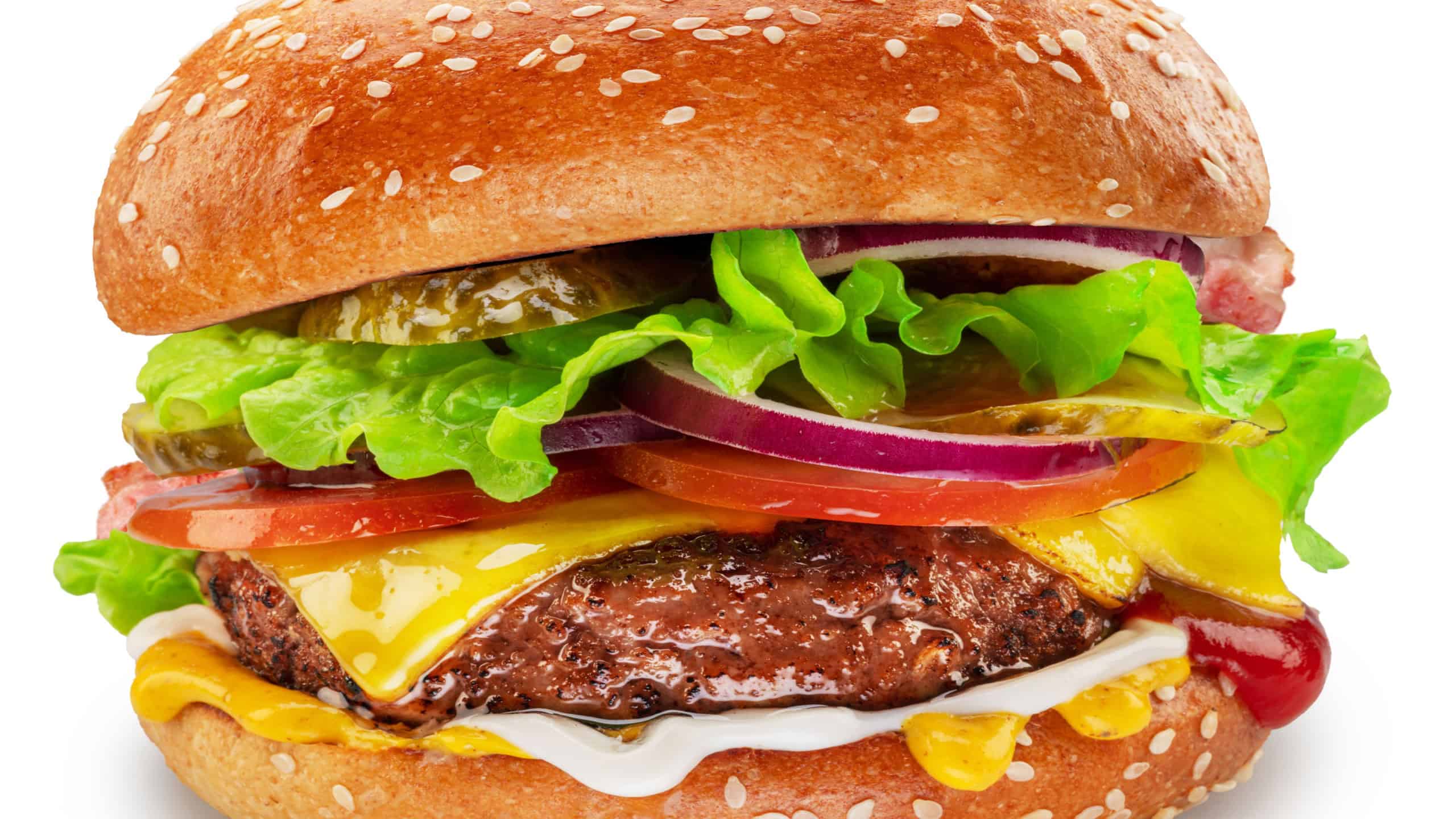
A fast-food combo meal merges a refined bun, processed or fatty meat, fries, high-fructose corn syrup, and absurd amounts of sodium all in one meal. Eating a burger every now and then isn’t what’s killing you. It’s when fast food is your main meal multiple times a week.
The hidden salt mine

Highly processed and canned foods can have extremely high levels of sodium. Consuming too much sodium can increase your blood pressure, which is a major risk factor for heart disease and stroke. Reading labels is important as two seemingly similar soups, sauces or ready meals can have vastly different sodium levels.
The sweetened cup
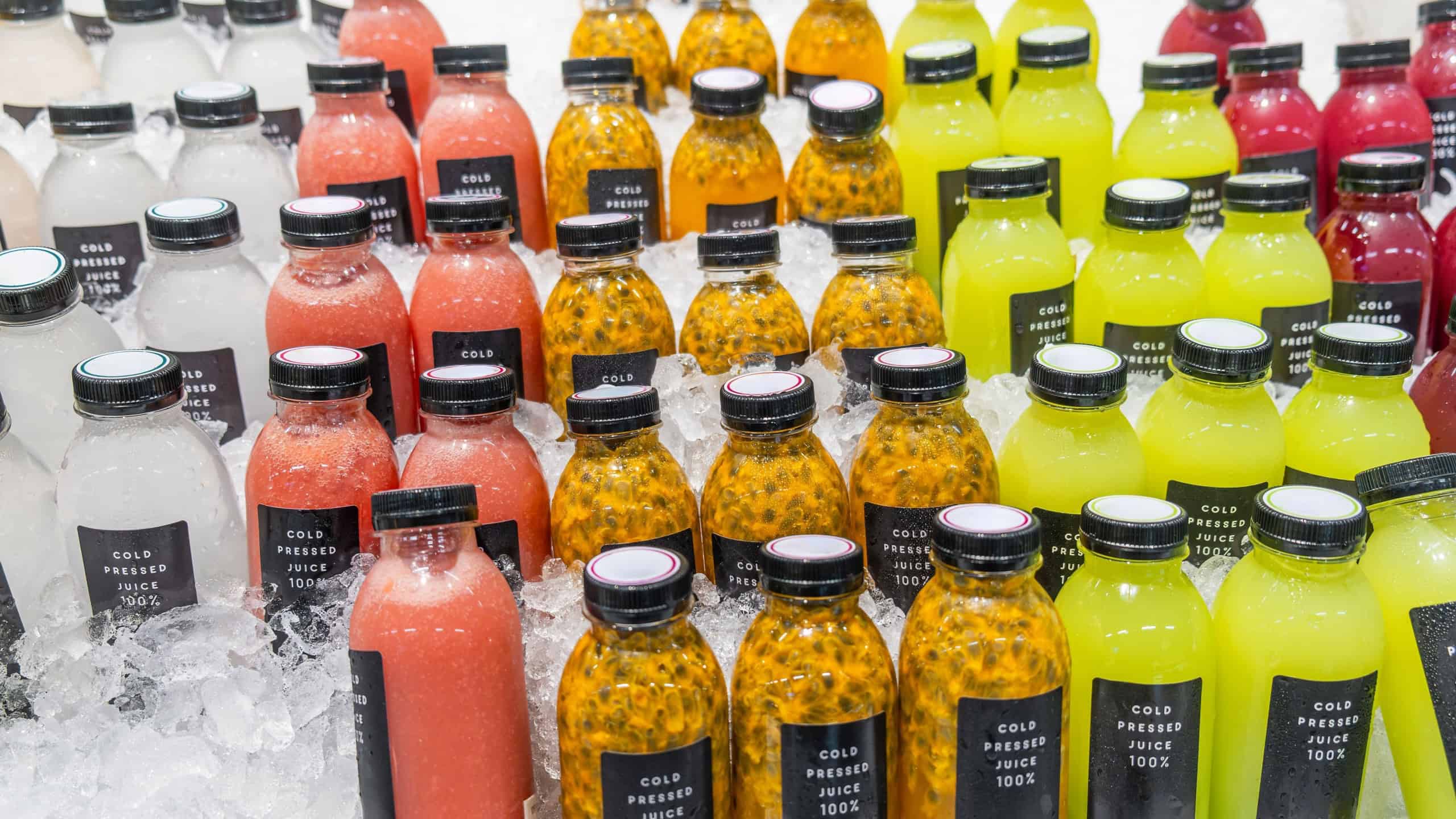
Sweetened fruit drinks, bottled teas and energy drinks may have just as much added sugar as soda. They can fool you because they have a healthier image. Even fruit juice-based drinks shouldn’t be considered the same as whole fruit. Whole fruit contains fibre and takes time to consume. Your daily choices of what to drink matter more than you might think.
The second helping problem
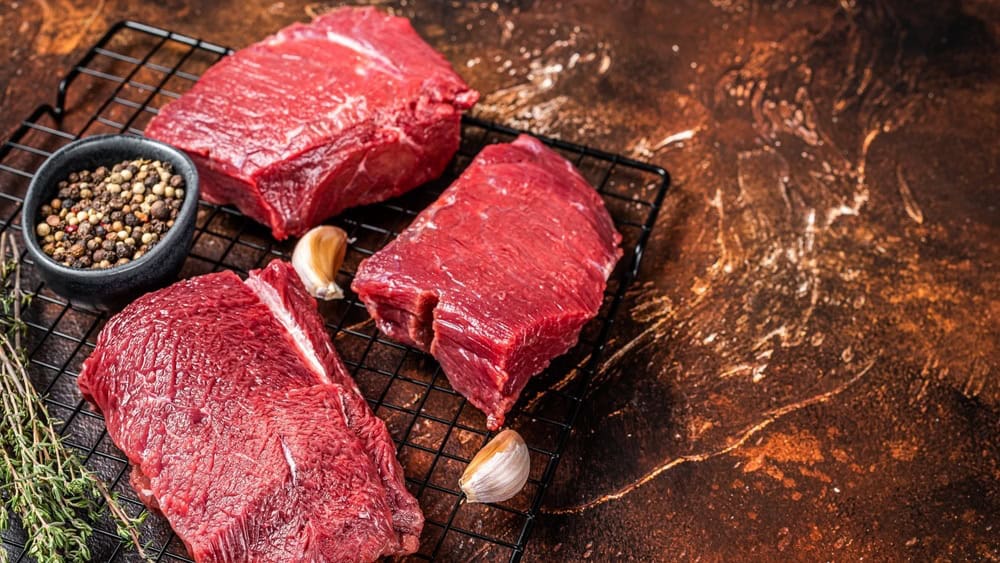
Big portions of processed and high-fat red meats can tip your saturated-fat and calorie intake over the top. Processed meats also come with other health issues. You don’t have to completely give up unprocessed red meat. Simply cutting back on how often you eat it and substituting beans, fish, nuts or other protein sources for some servings will help you achieve a healthier balance.
The everyday dessert

Ice cream and other sugary/high-fat desserts can absolutely have a place in your diet every once in a while. The issue occurs when dessert becomes automatic after dinner night after night while you’re already eating a lot of calories.
Like our content? Be sure to follow us.
15 foods that instantly reveal you grew up on a tight budget
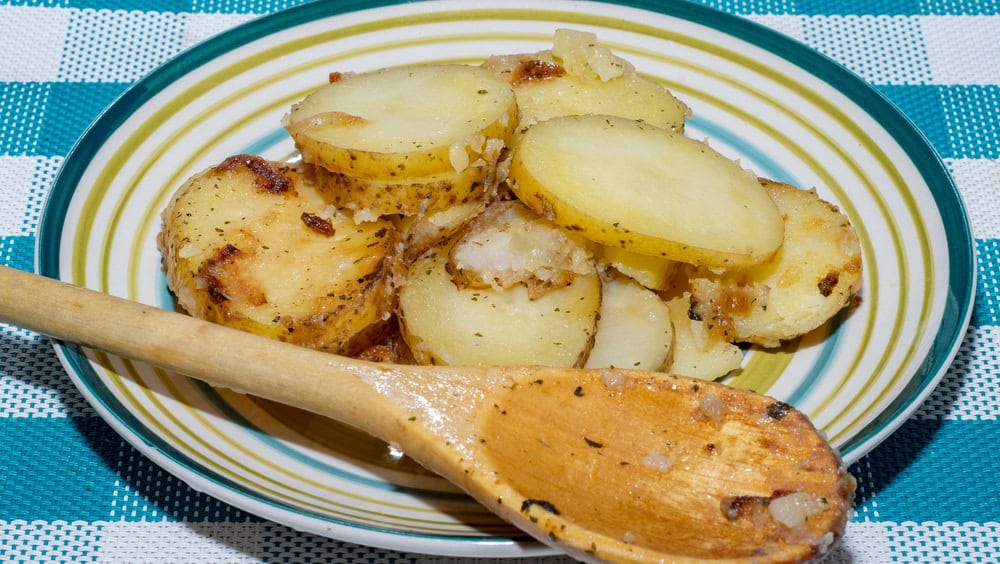
If you grew up watching every grocery dollar, some of these foods will probably bring back memories instantly.
15 foods that instantly reveal you grew up on a tight budget