
Age is less about how many birthdays you’ve celebrated and more about your biological age, or how well your system is working.
Balance
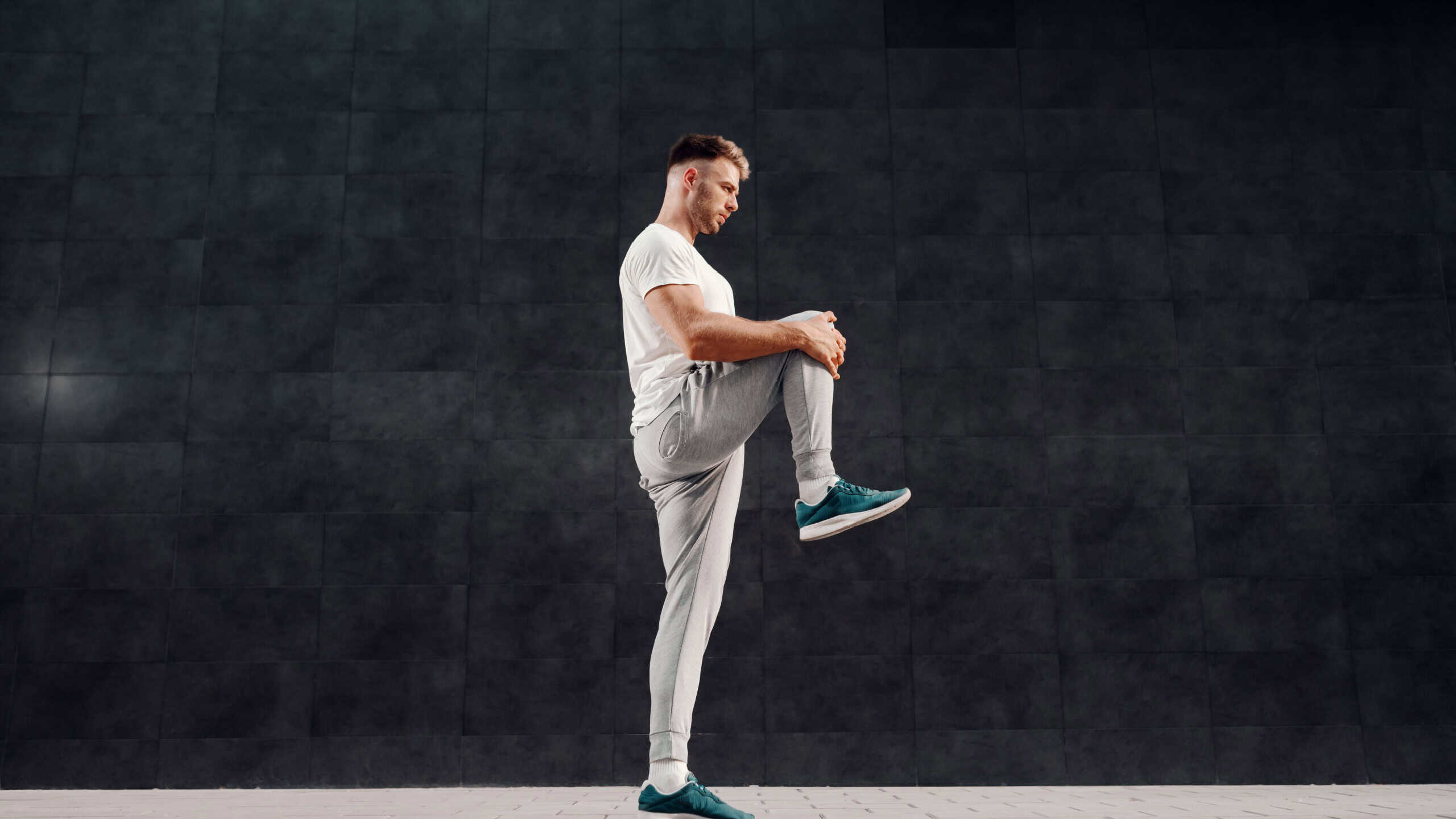
Can you balance on one leg for 10 seconds?
Balance might just be the ultimate metric when it comes to your brain, inner ear, and muscles working together. The ability to balance demonstrates that the messages being sent from your brain to your body are still firing rapidly, and your core strength is sturdy enough to defy age-related loss of motor skills.
Holding on to this ability as you age greatly increases your chances of avoiding falls and living more independently.
Stamina

How many stairs can you climb before getting winded?
The ability to complete two or three flights of stairs without serious panting for breath is one of the biggest indicators of cardiovascular fitness. Climbing stairs forces your heart and lungs to work hard to pump oxygen-rich blood into your muscles.
If you can do this without getting winded, you’re demonstrating that your heart muscle is still strong and your arteries are still limber, both hallmarks of a young heart and vascular system.
Mobility
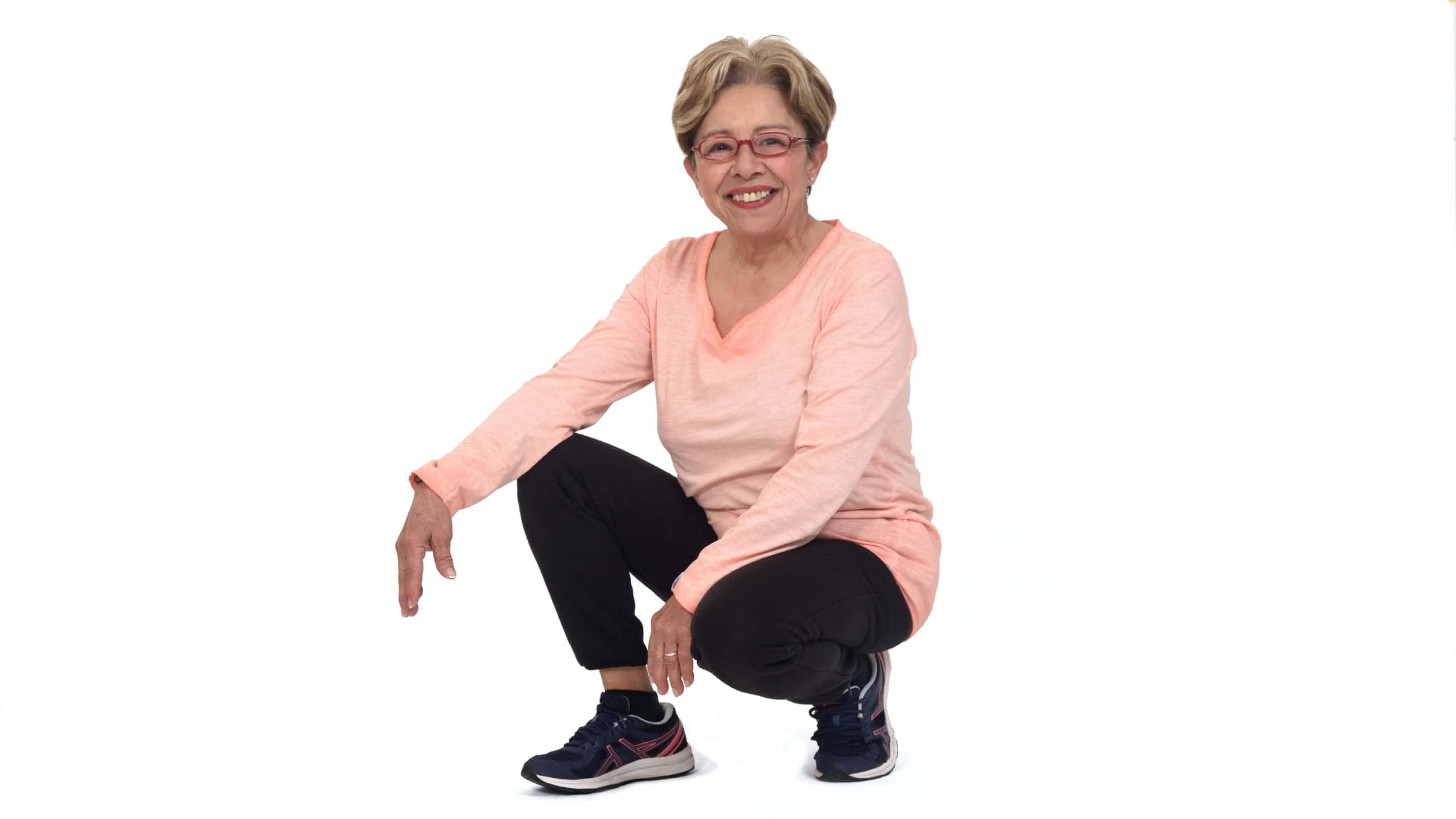
Can you stand up from the floor without using your hands?
The act of standing up from the floor may sound simple, but scientists have even given it a name: the sitting-rising test. Performing this action requires good leg strength, healthy joints, and bodily coordination.
If you find yourself using all four limbs or your hands and knees to help you stand, you could be on your way to bodily weakness. Being able to stand easily shows you have the strength and flexibility to keep up with life’s demands.
Vitality
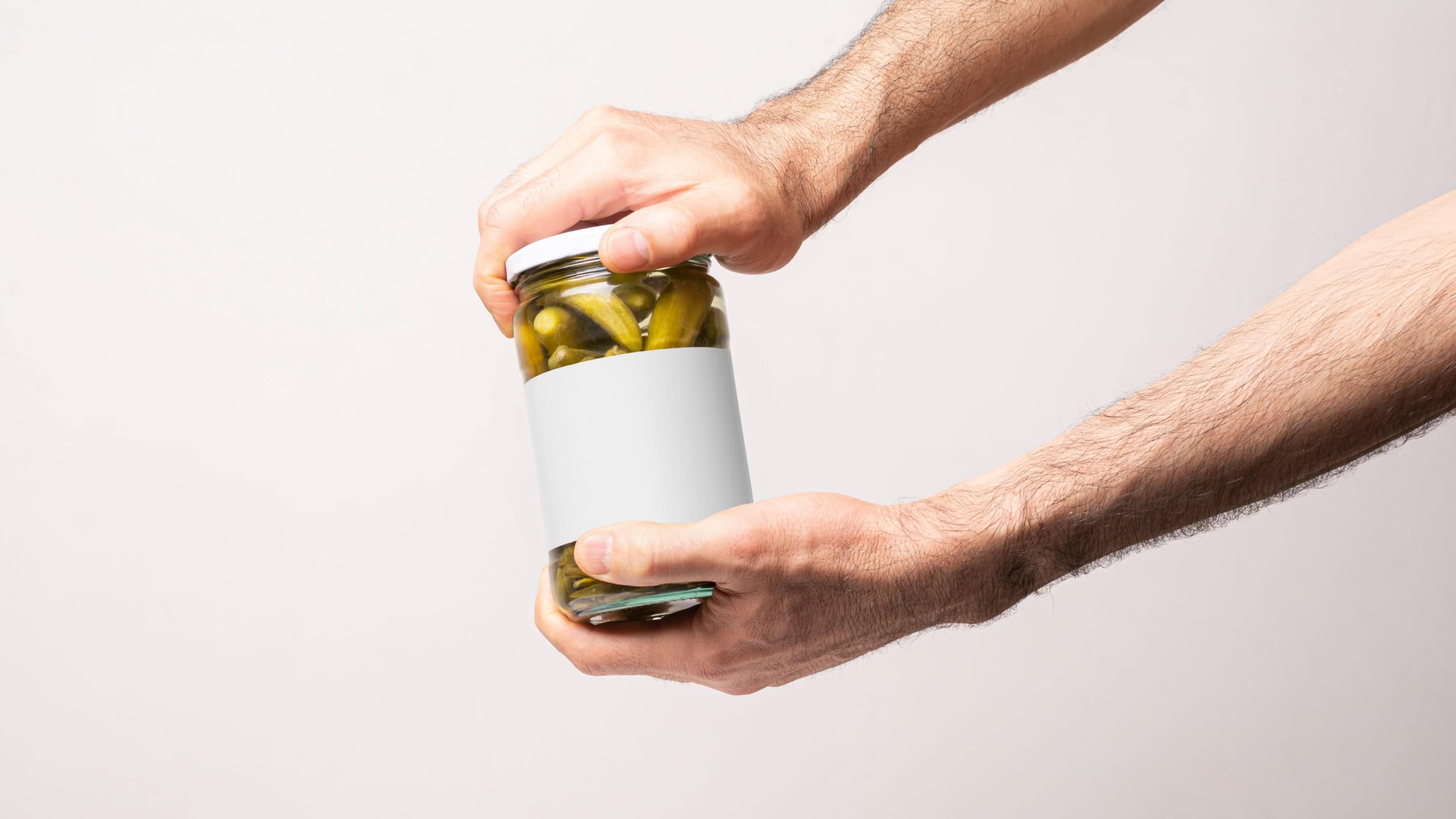
How strong is your grip when opening a jar?
Doctors often measure grip strength as an indicator of overall muscle mass and fitness level. Struggling with jars, doorknobs, and grocery bags could mean you’re losing muscle mass as you get older, a condition known as sarcopenia.
Maintaining a strong grip indicates that you likely have strong muscles throughout your body and a decreased risk for chronic inflammatory disease.
Recovery

Do you feel rested when you wake up?
Sleep is your body’s way of repairing your brain and organs. If you consistently wake up feeling energized, you’re allowing your body to cycle through deep sleep and REM stages that are important for brain health and cell repair.
Waking up tired could indicate that your repair processes aren’t happening, which can prematurely age your immune system.
Flexibility
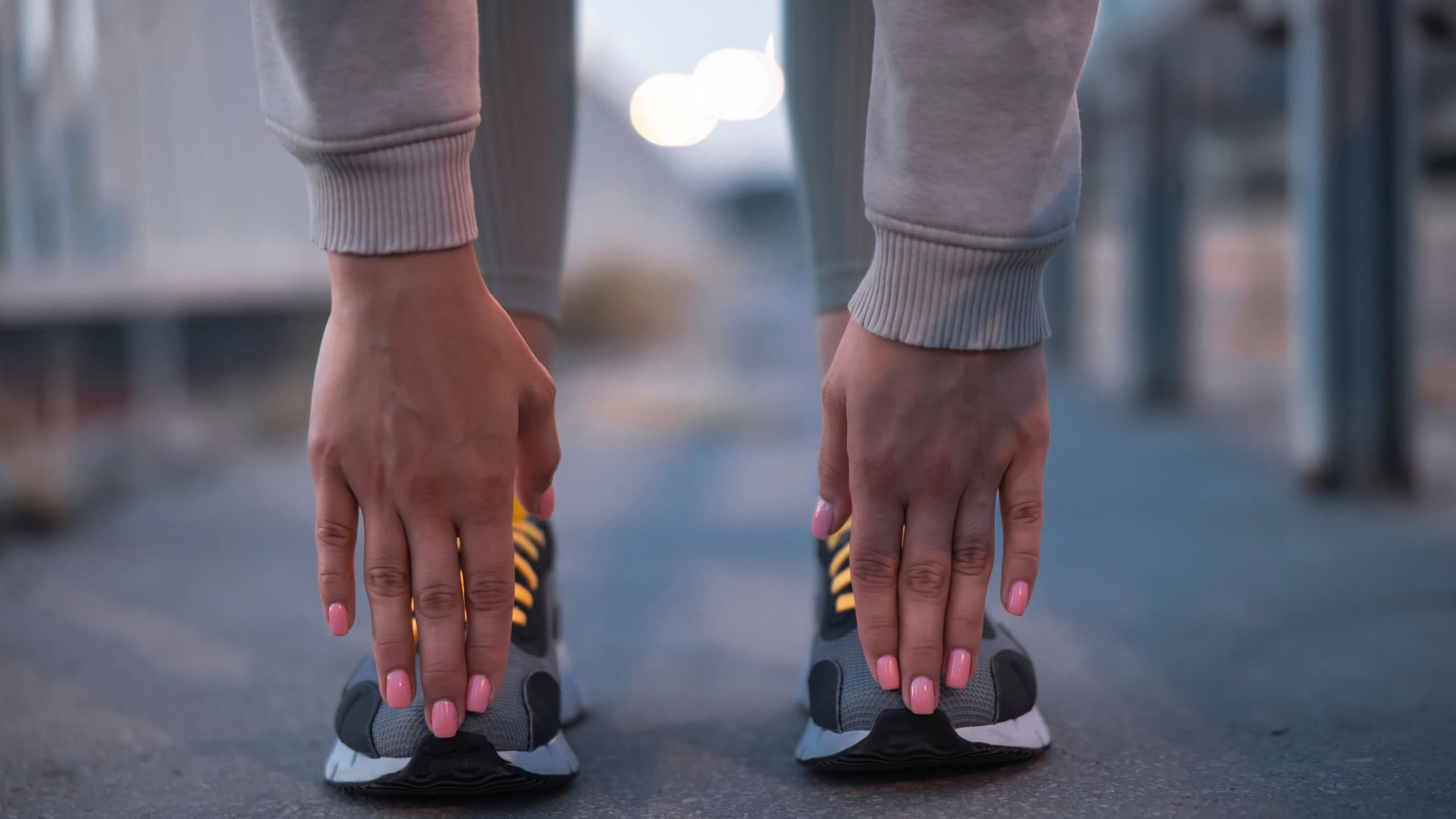
How easily can you touch your toes?
Hip flexibility and hamstring flexibility go hand-in-hand with spinal health and circulation. If your body remains flexible with a good range of motion, it is far less likely to succumb to the chronic pain, stiffness, and poor posture associated with the aging process.
Maintaining flexibility will ensure that your connective tissues remain elastic and moist rather than dry and stiff.
Plasticity

How often are you learning something completely new?
Neuroplasticity and your ability to learn new things are key factors when it comes to cognitive aging. Your brain needs to continuously make new neural connections when faced with novel stimulation.
Whether that means picking up challenging hobbies, learning a new language, or reading complex material, you are training your brain to retain its youthful cognitive function. By forcing your brain to adapt to new situations, you can keep your mind fresh long into the future.
Sources: Please see here for a complete listing of all sources that were consulted in the preparation of this article.