Canadians have a smart way of avoiding a lot of common American money pitfalls. It’s mostly because our rules & pricing laws, as well as our consumer protections, work rather differently, saving us from a lot of the same traps.
That’s not to say that we’re more careful or disciplined. Simply, we have more guardrails that limit how far some consumer tactics are able to go.
Here are eleven American consumer traps that Canadians are able to avoid, and the reasons why. Which of these have you experienced?
Gift cards
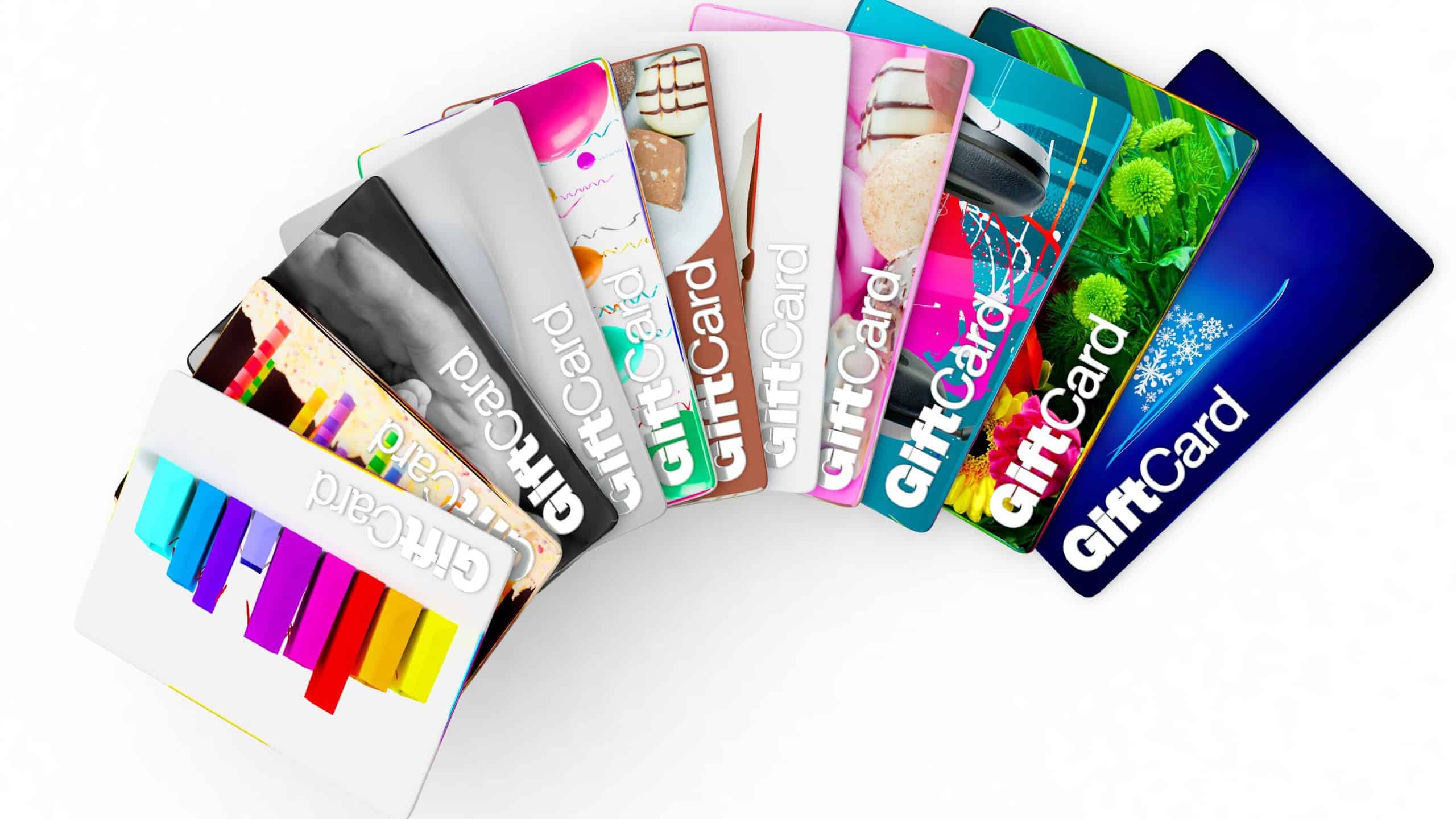
Canadian law states that the majority of retail gift cards mustn’t expire or lose value over time, unless they’re promotional cards.
Of course, this does depend on provincial rules. But such a law stops Canadians from falling into the trap of wasting money on gift cards & not using them.
America doesn’t have such a law. The law in the United States only requires that gift card funds be valid for at least five years, and inactivity fees are allowed under certain conditions. These can reduce your gift balance.
Phone plans

The Canadian Wireless Code requires carriers to suspend any data overage charges once they reach $50 in a billing cycle. As for data roaming charges, these are capped at $100, unless the account holder approves something higher.
These limits stop many Canadians from experiencing the same kind of “bill shock” that many Americans have to deal with when they look at their phone bills.
Paying to unlock your own phone

The days of having to pay to unlock your phone are long gone. At least, in Canada.
Wireless providers have had to sell phones unlocked & have been unable to charge unlocking fees since December 1, 2017.
But not in America. Phones may still be locked to carriers in the United States, and whether or not you can unlock your phone is dependent on your own provider’s policies.
Car ads

In Canada, you won’t fall into the trap of agreeing to a low advertised car price through mandatory add-ons when you sign a contract. Provinces like Ontario have rules requiring car dealers to advertise all-in pricing. These include any fees & charges they’re going to collect.
However, in the United States, dealership pricing rules vary quite a bit. There aren’t many states with similar sorts of restrictions.
Door-to-door contracts for big home appliances

A few provinces have banned unsolicited door-to-door sales for big home appliances, including furnaces & air conditioners. That means that Canadian customers aren’t going to be forced into on-the-spot contracts for such major equipment.
Yet that law doesn’t really exist in the United States. Door-to-door sales for similar products are a huge trap, and they’re a common sales channel for many companies.
Timeshare contracts

The majority of timeshare pitches in America rely on urgency. They contain contracts that seem practically impossible to reverse once you’ve signed them, although it’s a different story in Canada.
Provinces like B.C. give buyers a 10-day cancellation window after they’ve received a copy of the contract. Anytime that required disclosures are missing, the cancellation window may be even longer. You’re not locked into a timeshare in the same way.
Gym contracts

Fitness memberships fall into the same category, with long-term contracts & automatic renewals that are hard to cancel in the United States. But you still have a 10-day window in Canada.
That’s not to say you can’t cancel your contract in America. Rather, you have a shorter timeframe for doing so, and that can create more pressure for you to lock in the contract after signing.
High-interest easy approval loans

Quite a lot of American lenders promote fast-approval loans by including simple sign-ups. The trap is the interest. The rates climb up quite quickly, especially once you factor in fees & compounding rates, but Canadians can avoid all that.
This country has a criminal interest limit that’s tied to APR. It’s currently capped at 35%, meaning that it’s a little easier for Canadians to avoid the trap of signing onto these predatory high-interest loans.
Marketing unsubscribe runarounds

Unsubscribing from a marketing list in America is a lot harder than it should be. Sometimes, the promotional emails and texts keep coming because there’s no law forcing companies to make it easier.
Yet Canada’s anti-spam legislation makes companies ask for valid consent for commercial messages. They also need to provide a clear & functioning unsubscribe option that must stay valid for at least 60 days. Over here, people aren’t going to fall into the trap of staying subscribed if they don’t want to.
Pre-authorized debits

Recurring bank withdrawals can be quite hard to deal with. Some companies will keep charging you, even after the service has finished, and you’re forced into continuing to pay for them. But not in Canada.
The law here states that consumers are allowed to cancel pre-authorized debits by telling the biller in writing. They also need to provide proof.
Add-on loan services

Anyone taking out a loan might notice that there are optional extras in the United States. Payment protection & add-on services are some of these extras, and these can keep you paying each month until you cancel them.
Canada gives borrowers more leeway in cancelling. You’re allowed to cancel any continuing optional services related to loans, as long as you give 30 days’ notice. It prevents you from being in such a financial trap.
Sources: Please see here for a complete listing of all sources that were consulted in the preparation of this article.
Like our content? Be sure to follow us.