The last words of famous people are often a reflection on their life, their remorse, or simply a flash of humor before passing.
Julius Caesar
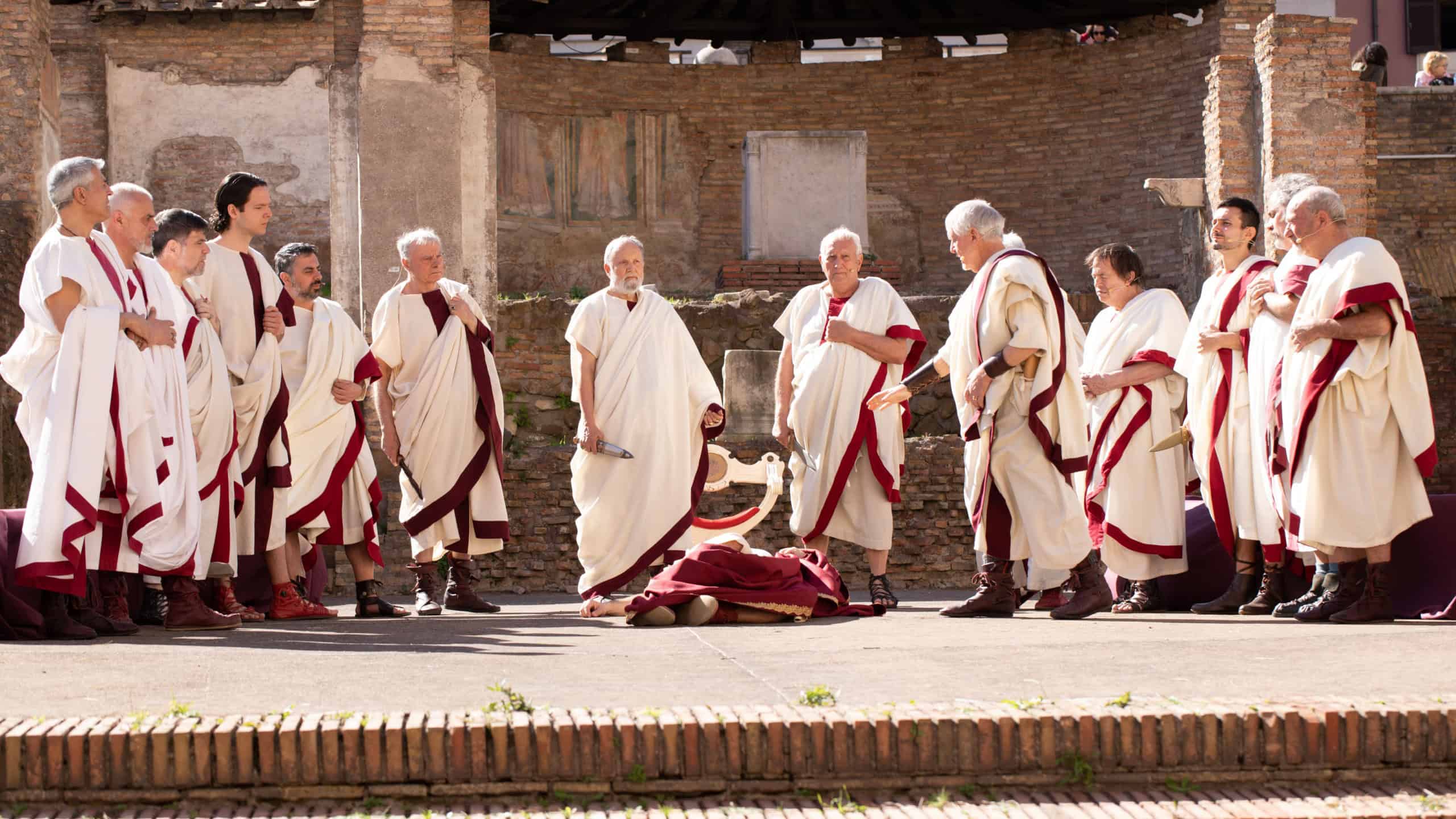
“You too, Brutus?”
While being assassinated by a mob of rebellious Roman senators in 44 BCE, Caesar supposedly recognized one of his attackers as his friend and former protege, Marcus Junius Brutus.
Although immortalized in English by Shakespeare as “Et tu, Brute? “, Caesar is said to have actually spoken what amounted to Greek: “Kai su, teknon?” (“You too, my child? “).
Napoleon Bonaparte
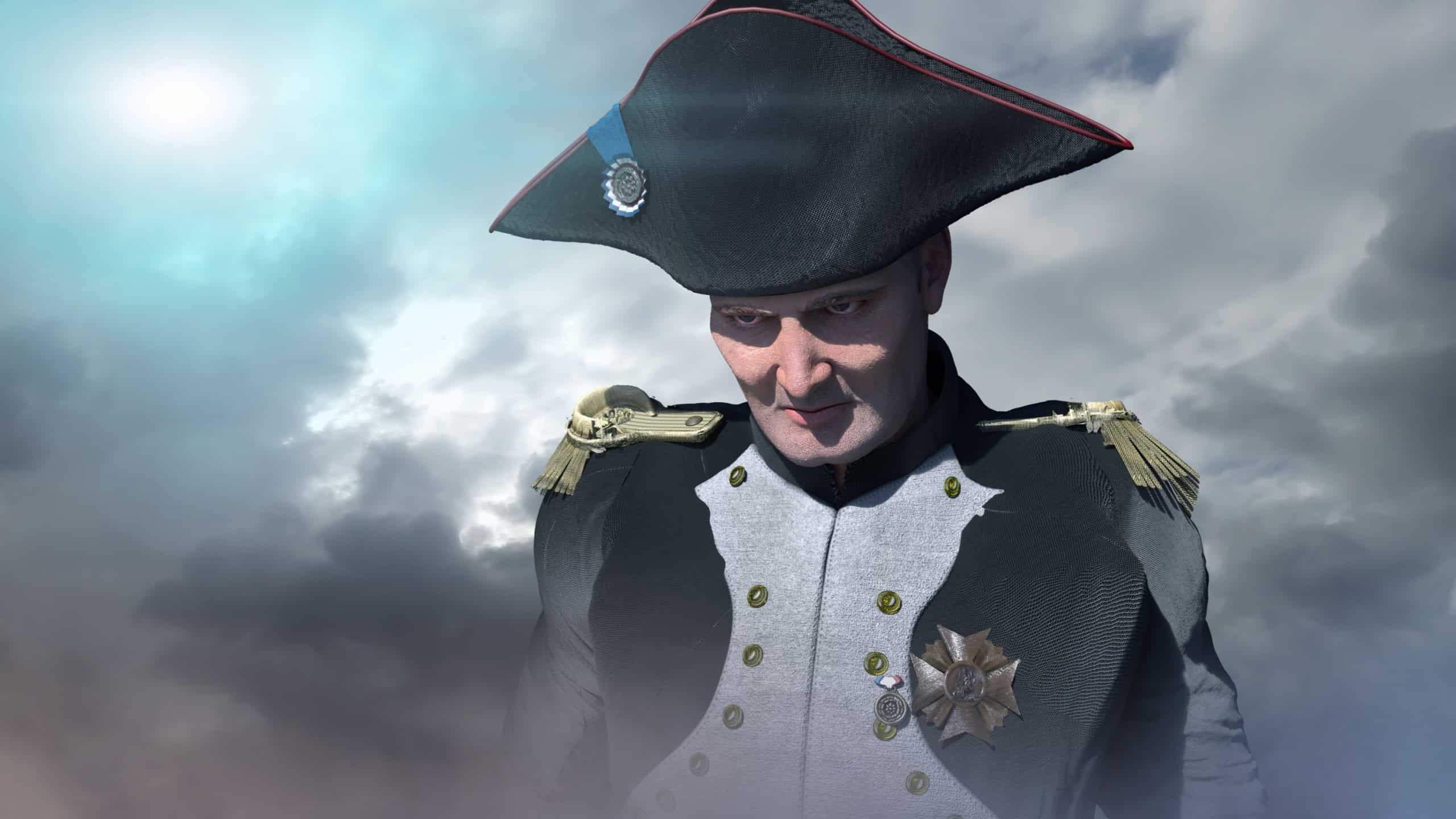
“France, the army, the head of the army, Joséphine.”
Passing away while exiled on the island of Saint Helena in 1821, Napoleon Bonaparte grunted out one short sentence that summed up everything he loved: his nation, his empire, and his first wife, Josephine de Beauharnais.
Marie Antoinette
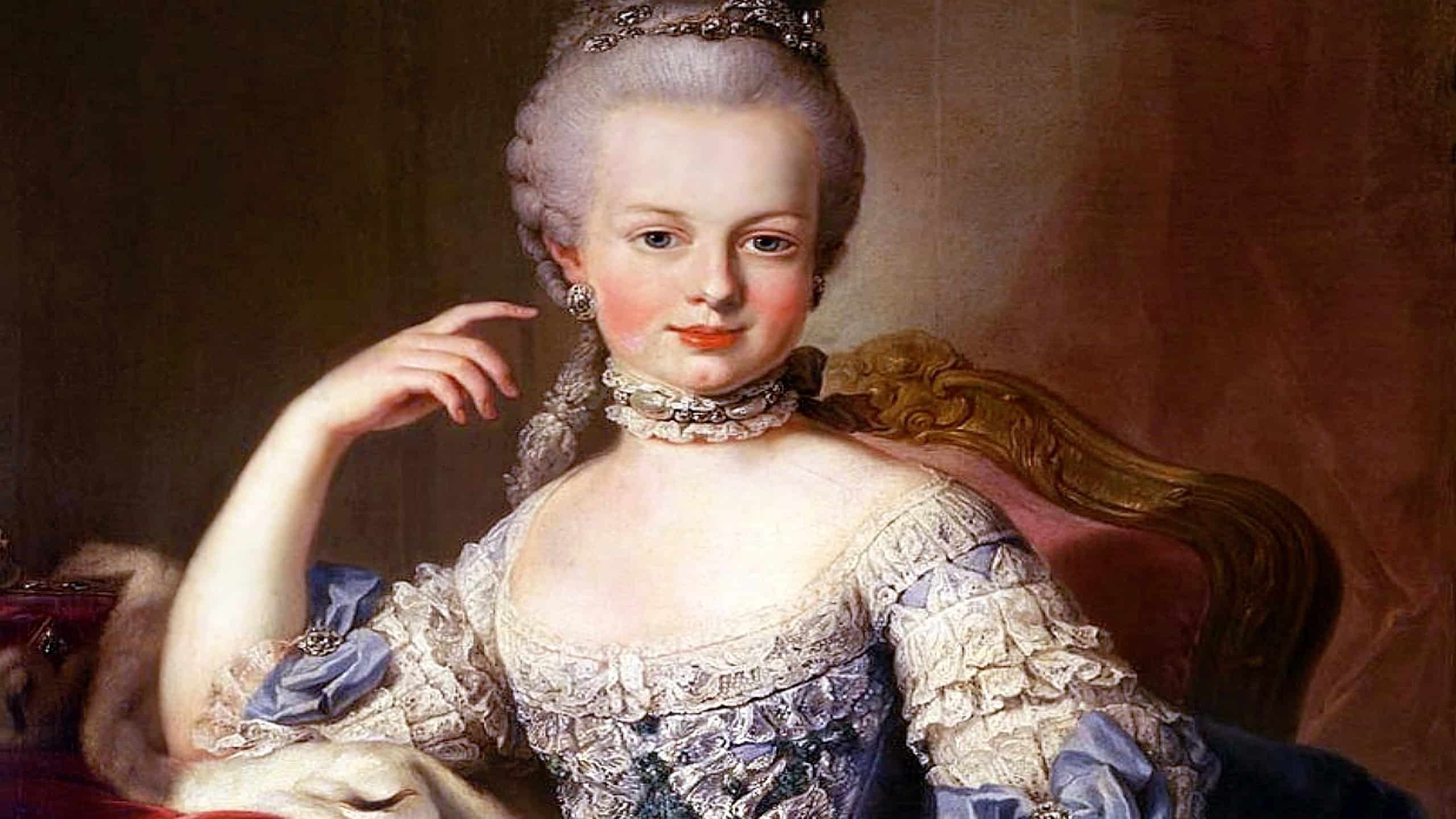
“Pardon me, sir. I did not do it on purpose.”
Even at the guillotine during the French Revolution in 1793, the fallen Queen of France kept up proper royal decorum. As she climbed the steps to the platform, she inadvertently bumped the foot of her executioner, Henri Sanson. She stopped and politely apologized.
Augustus Caesar
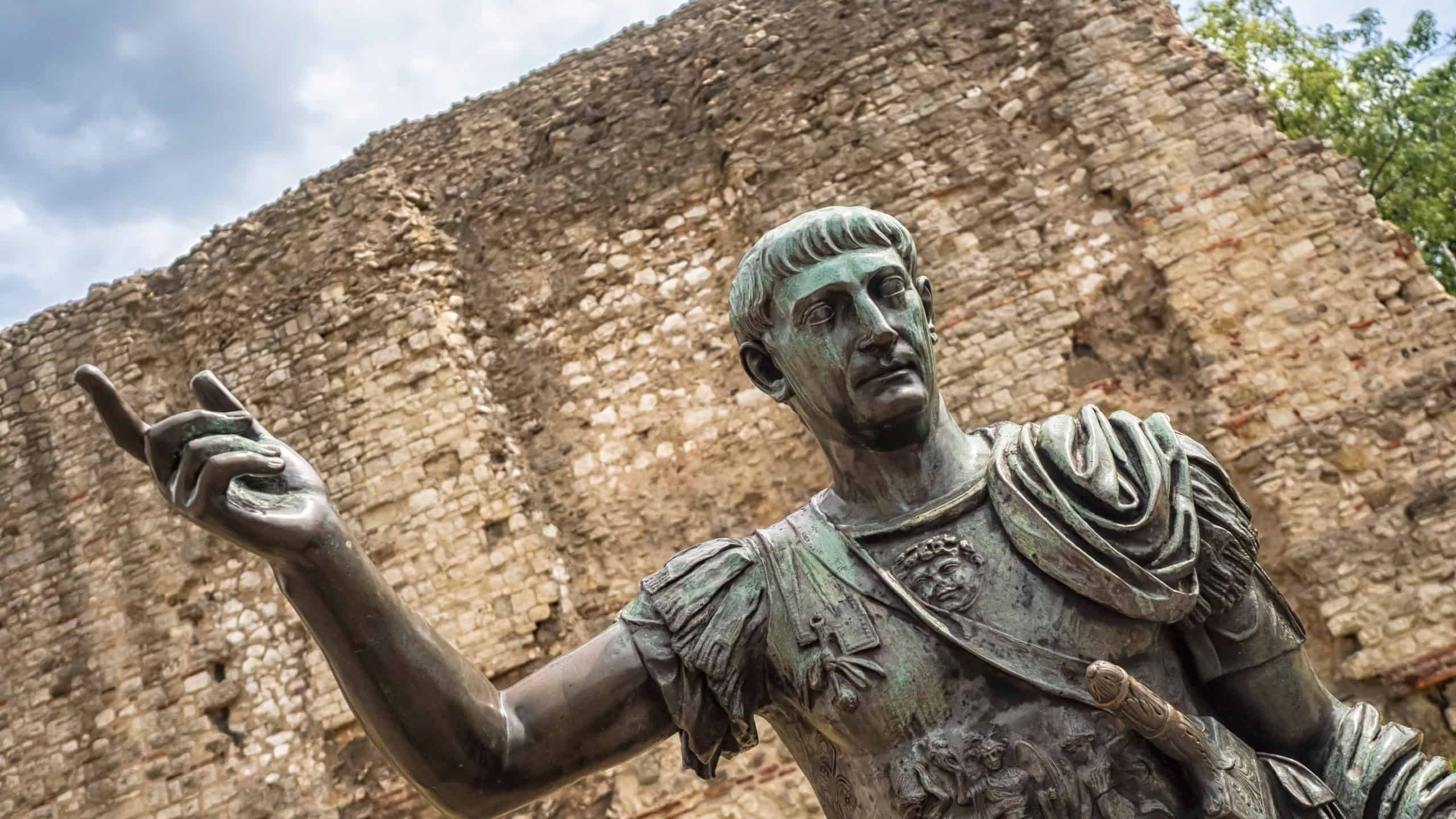
“Have I played the part well? Then applaud as I exit.”
The first Emperor of Rome considered politics and life as one big theater. While dying in 14 CE, he questioned his friends whether he had managed his role properly. It was a line actors would commonly say at the end of a Roman comedy.
Ludwig van Beethoven
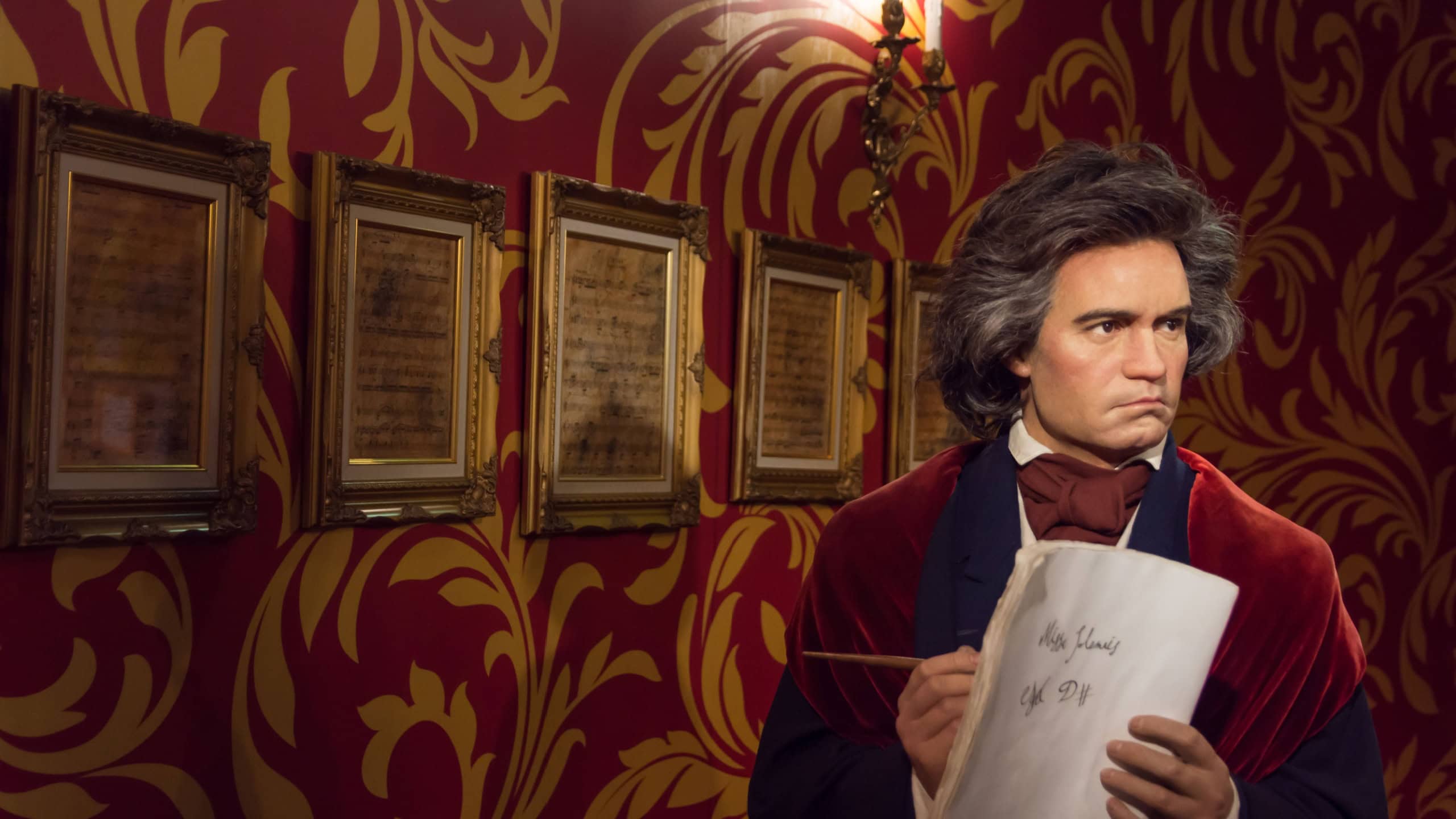
“Pity, pity—too late!”
The famous composer’s last words had nothing to do with music. Bedridden and dying in 1827, Beethoven’s publisher brought him a gift of twelve bottles of wine. Beethoven knew he would never get to open them, and he breathed out his last sigh.
Oscar Wilde
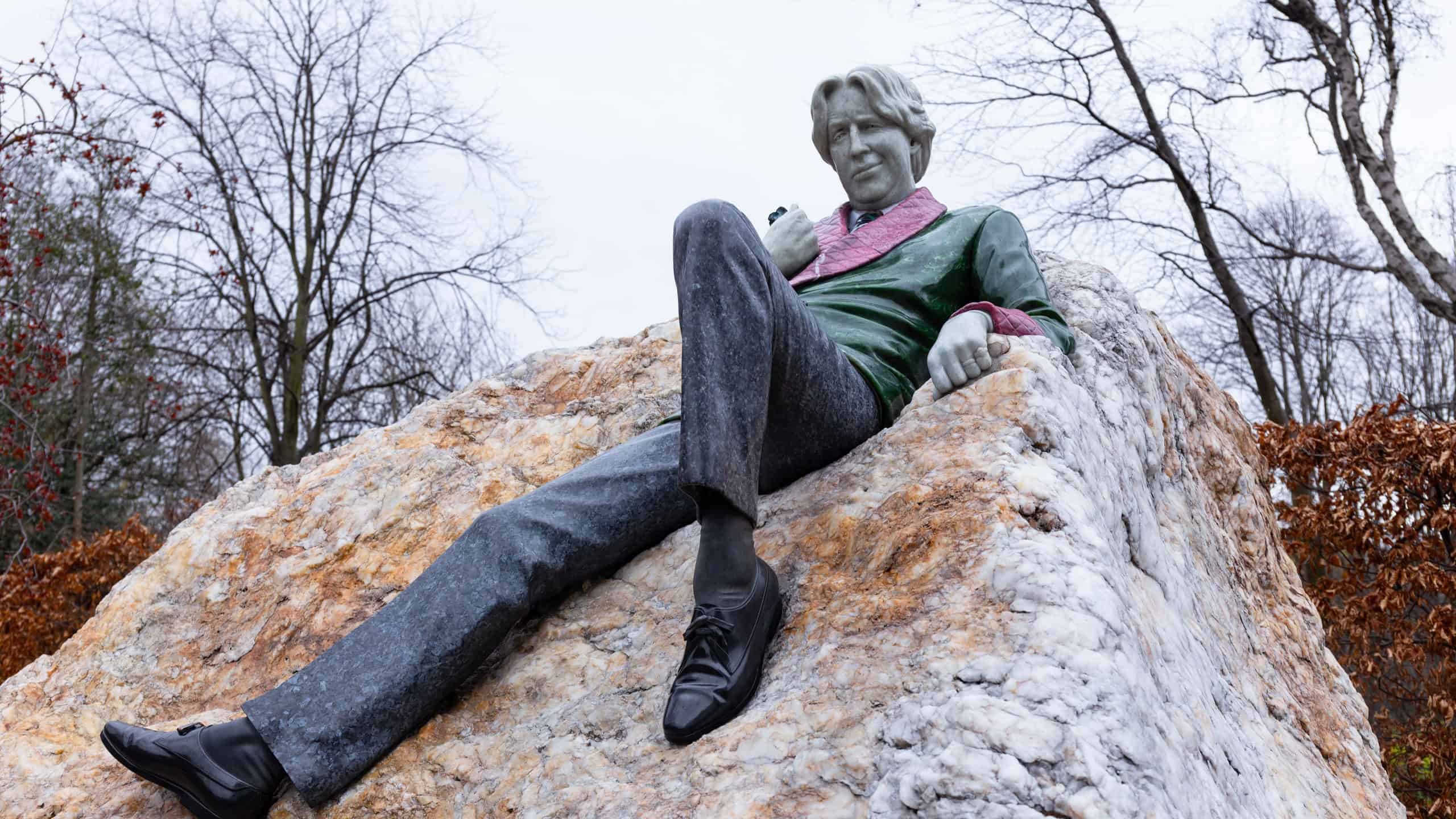
“This wallpaper and I are fighting a duel to the death. Either it goes, or I do.”
The Irish writer and dramatist was famous for his caustic wit, but even on his deathbed in a grim Paris hotel room in 1900, he stayed characteristically snarky. As it turns out, the wallpaper won in the end.
John Quincy Adams
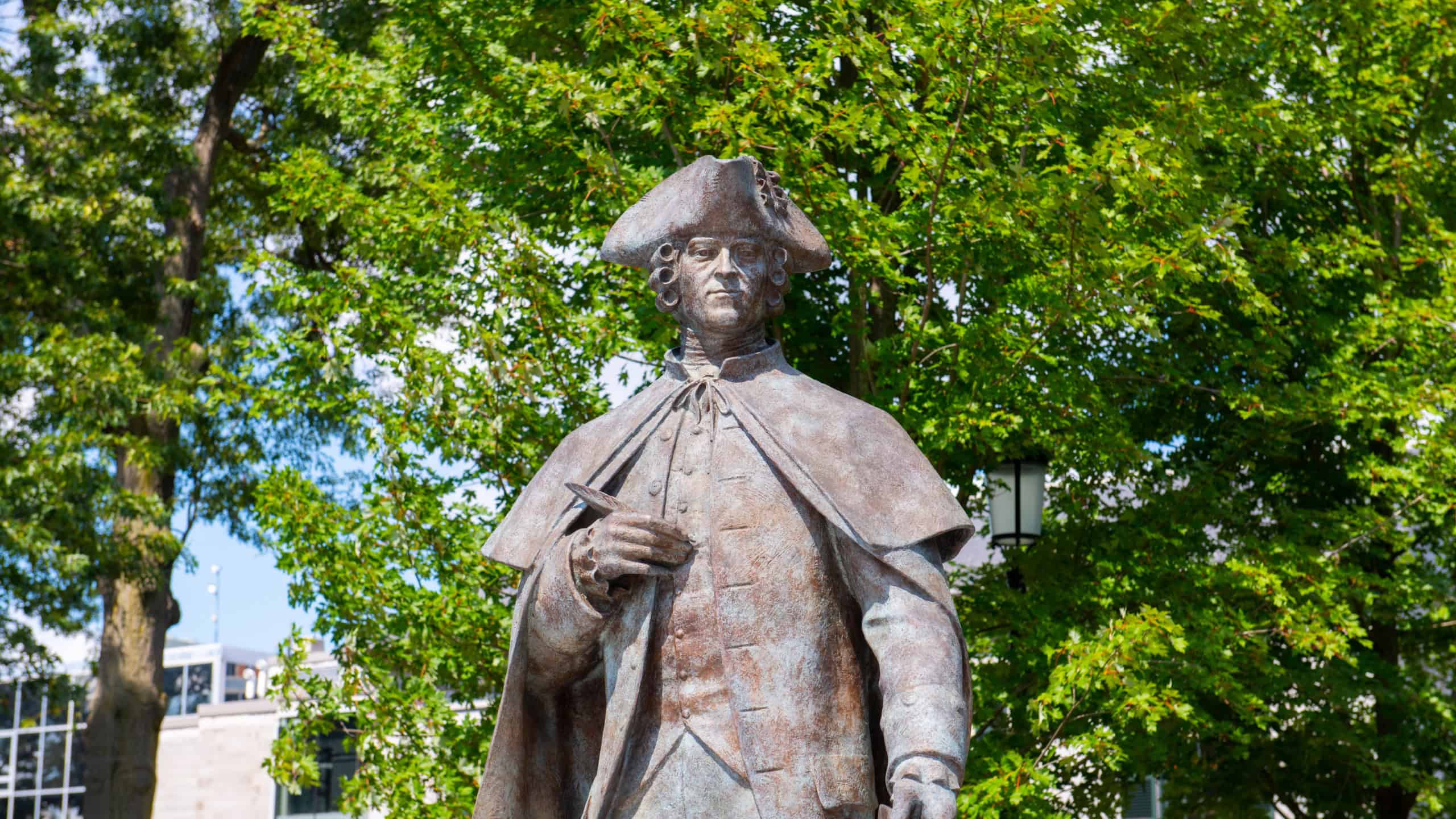
“This is the last of Earth. I am content.”
The sixth president of the U.S. suffered a massive stroke and died in the midst of a heated argument right on the floor of the House of Representatives in 1848. At the time, Adams was vociferously arguing (and serving as Congressman) after his presidency had ended.
He was carried into the chamber floor into the Speaker’s Room, where he briefly regained consciousness to say this serene, yet deeply profound last line.
Winston Churchill
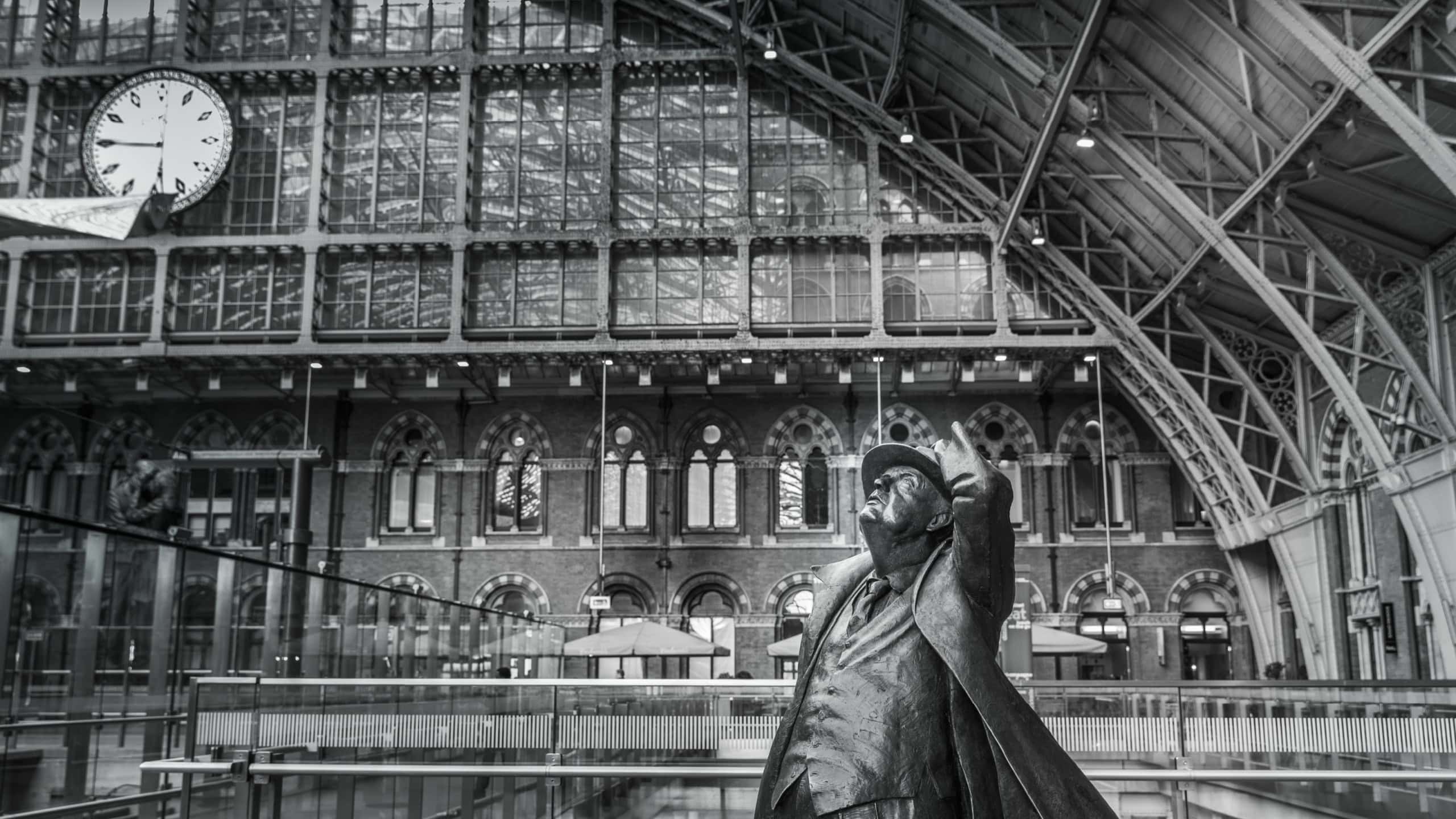
“I’m so bored with it all.”
Having guided Britain through WWII, outlived an era of severe worldwide political upheaval, and penned histories in several volumes, the aged statesman fell into a terminal coma in 1965, just days after complaining of being weary of life itself.
Karl Marx

“Go on, get out! Last words are for fools who haven’t said enough!”
When asked by his housekeeper if he had anything left to say, any final words perhaps for future generations to record. Marx angrily snapped at her. He died moments later in 1883, seated in his armchair.
Charles Darwin
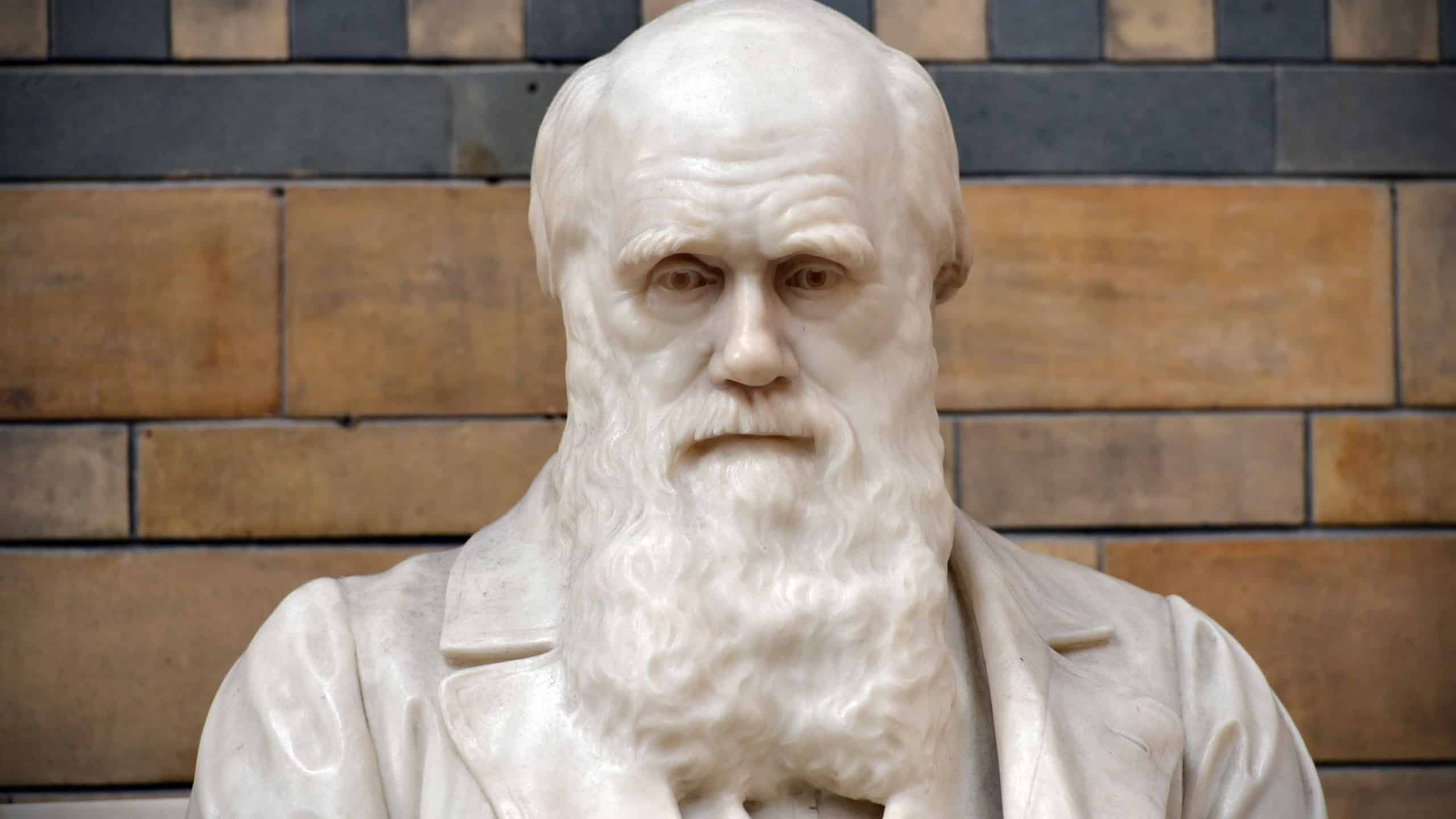
“I am not the least afraid of death.”
The famous naturalist and geologist who changed human perspectives on life and science forever with his theory of evolution died peacefully and with utter tranquility in 1882.
Thomas Edison
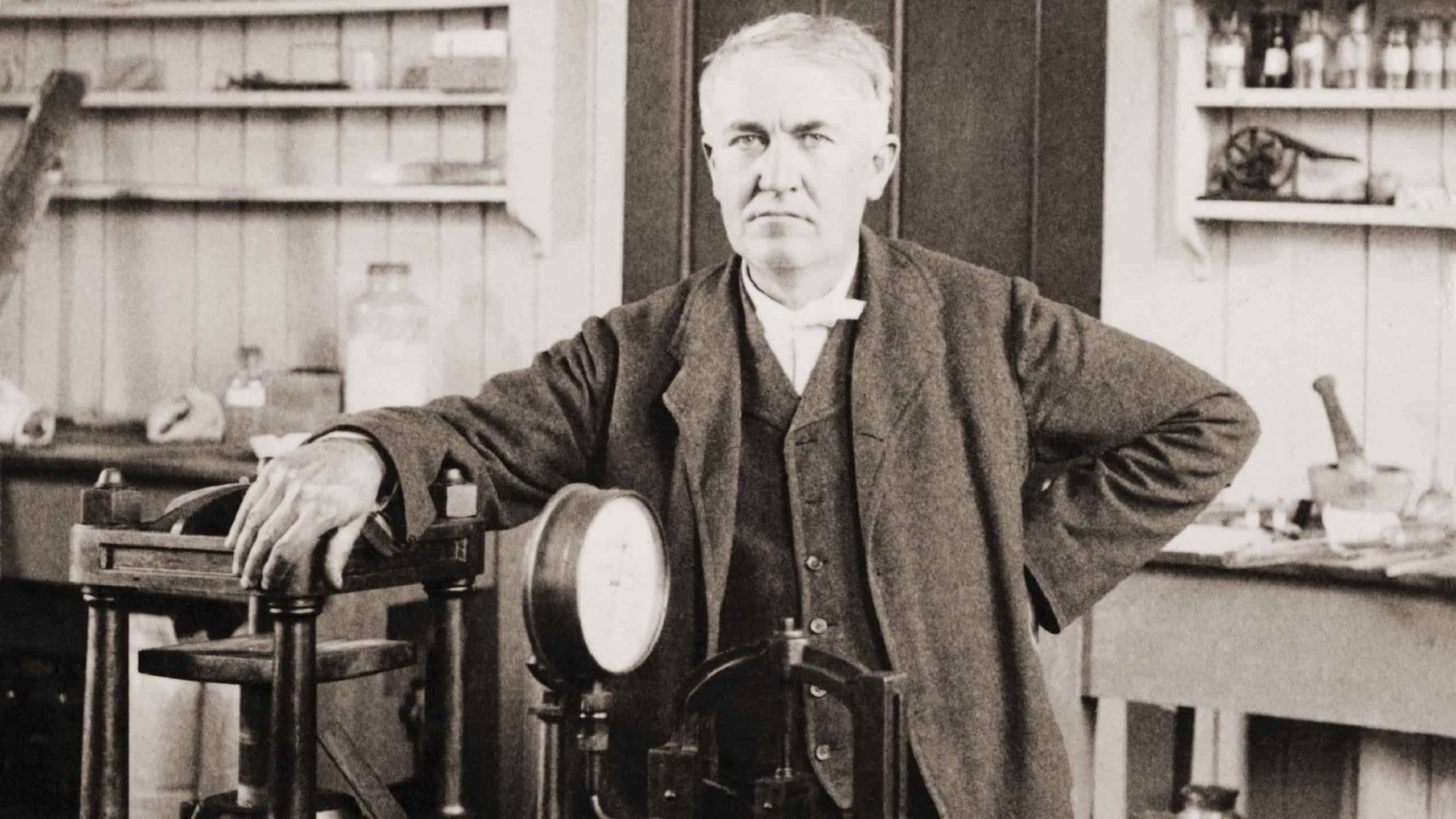
“It is very beautiful over there.”
A few moments before his death at his home in 1931, American inventor Edison momentarily rose from his coma, opened his eyes, and stared out the window at the scenery, saying quietly to his wife.
Jane Austen
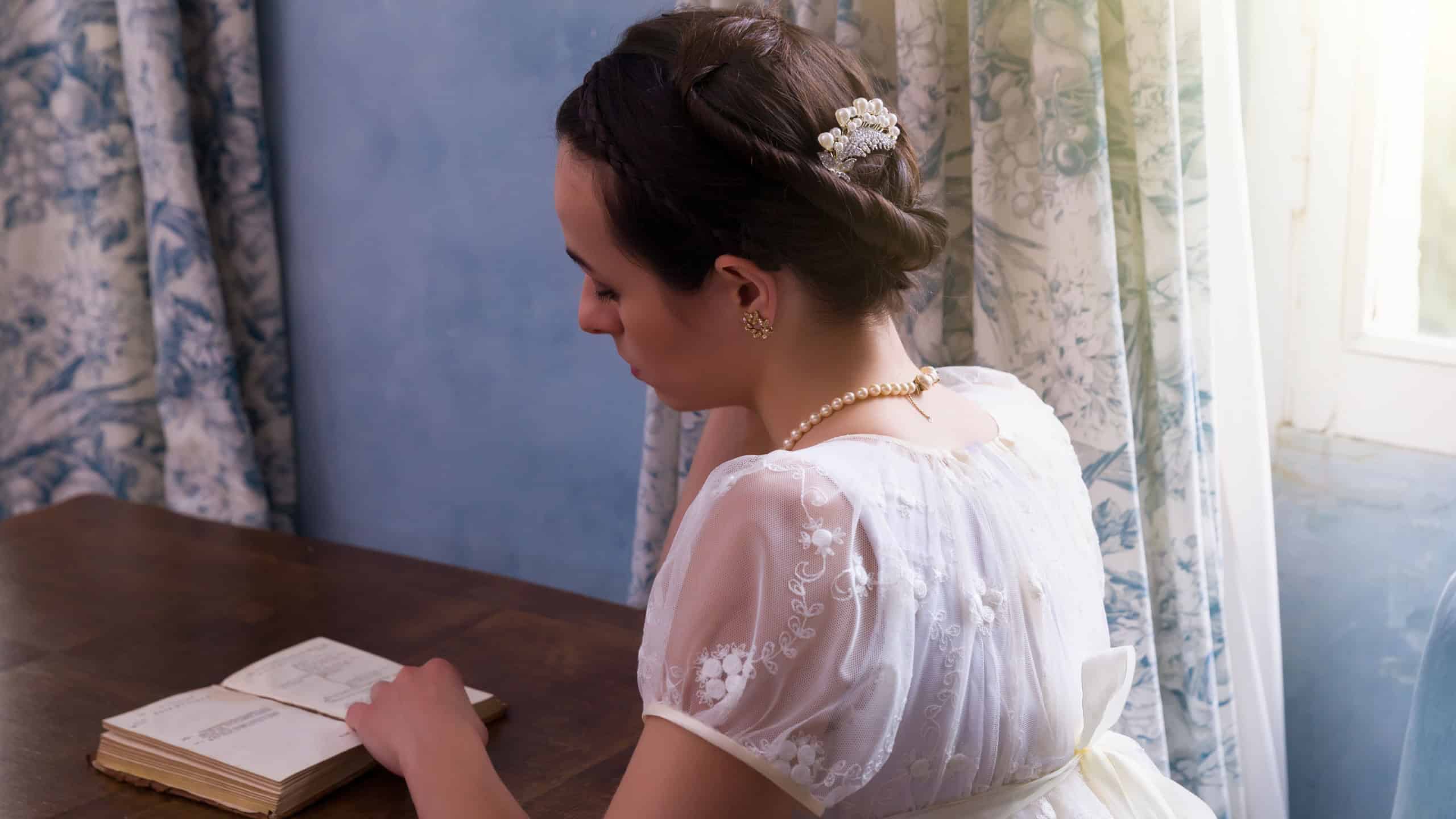
“I want nothing but death.”
The author of the classic novel Pride and Prejudice was suffering from an agonizing, drawn-out illness (believed now to be Addison’s disease). When Cassandra, her sister, pleaded with her if there was anything Jane would like to make her comfortable, this was her response. Austen died the following morning in 1817.
Nostradamus
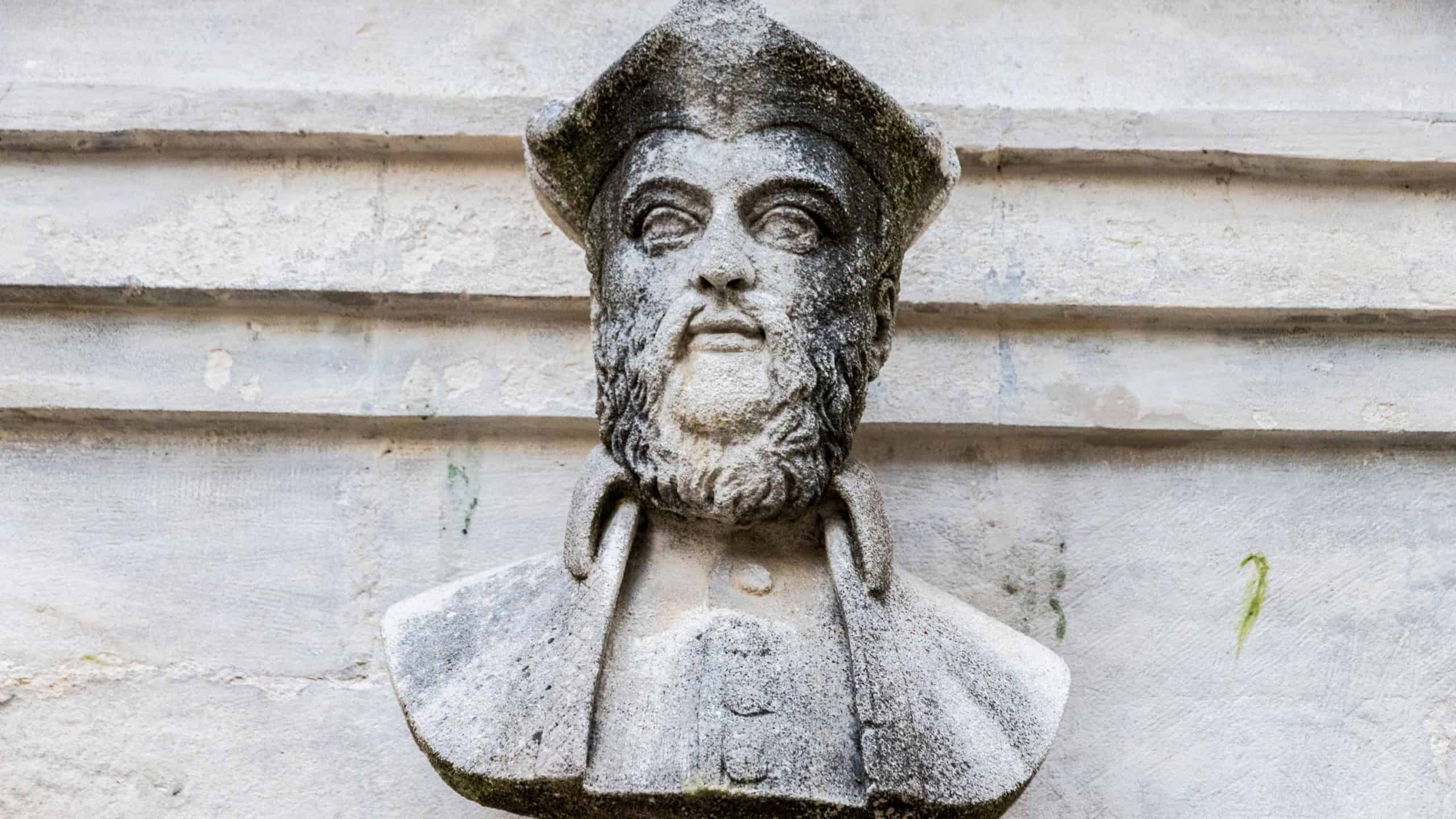
“Tomorrow, at sunrise, I shall no longer be here.”
The infamous French astrologer/physician, who has fascinated Western civilization for centuries with his book of supposed predictions, was able to accurately predict one thing about his own death. He told his assistant this on the night of July 1, 1566, and was found dead the following morning.
Sources: Please see here for a complete listing of all sources that were consulted in the preparation of this article.