
Every nation has its idiosyncrasies, but Canada’s list of strange daily rituals, verbal shortcuts, and habits built around surviving winter is enough to confound anyone who visits.
Buying Mickey

If you tell a Canadian you are making a pit-stop at the liquor store before heading to a party, they will likely instruct you to simply pick up a “Mickey.” Sound confusing? It certainly does to tourists.
Mickey refers to the traditional, distinctively shaped 375 mL (13 oz) flask-shaped bottle of hard alcohol sold in Canada; conveniently sized to stash in your jacket pocket. For larger sizes, you’ll order a “twenty- sixer” (literally a 750 mL bottle).
Measuring time

Ask any Canadian about distance, and you will rarely receive an answer that involves physical distance. If you were to ask how far away something is, they would say, “Oh, it’s about two and a half hours down the road.”
Canada is the second-largest country in the world, so kilometer counts are useless. Time is the only metric that matters.
Wearing shorts

After months of bitterly cold, below-freezing winter temperatures, when it finally warms up to freezing, Canadians feel like they are enjoying a heatwave.
As soon as the temperature reaches 0° or 5 degrees Celsius in March, you will see Canadians walking around in their cargo shorts and t-shirts while casually strolling past mounds of snow as unsuspecting tourists cower in their parkas.
Mixed metrics

Canada officially adopted the metric system back in the 70s, but Canadians use both measurements. We use Celsius to measure air temperature, but Fahrenheit when baking and checking pool temperatures. Speed limits are km/hr, but personal weight is measured in lbs.
Drinking clams
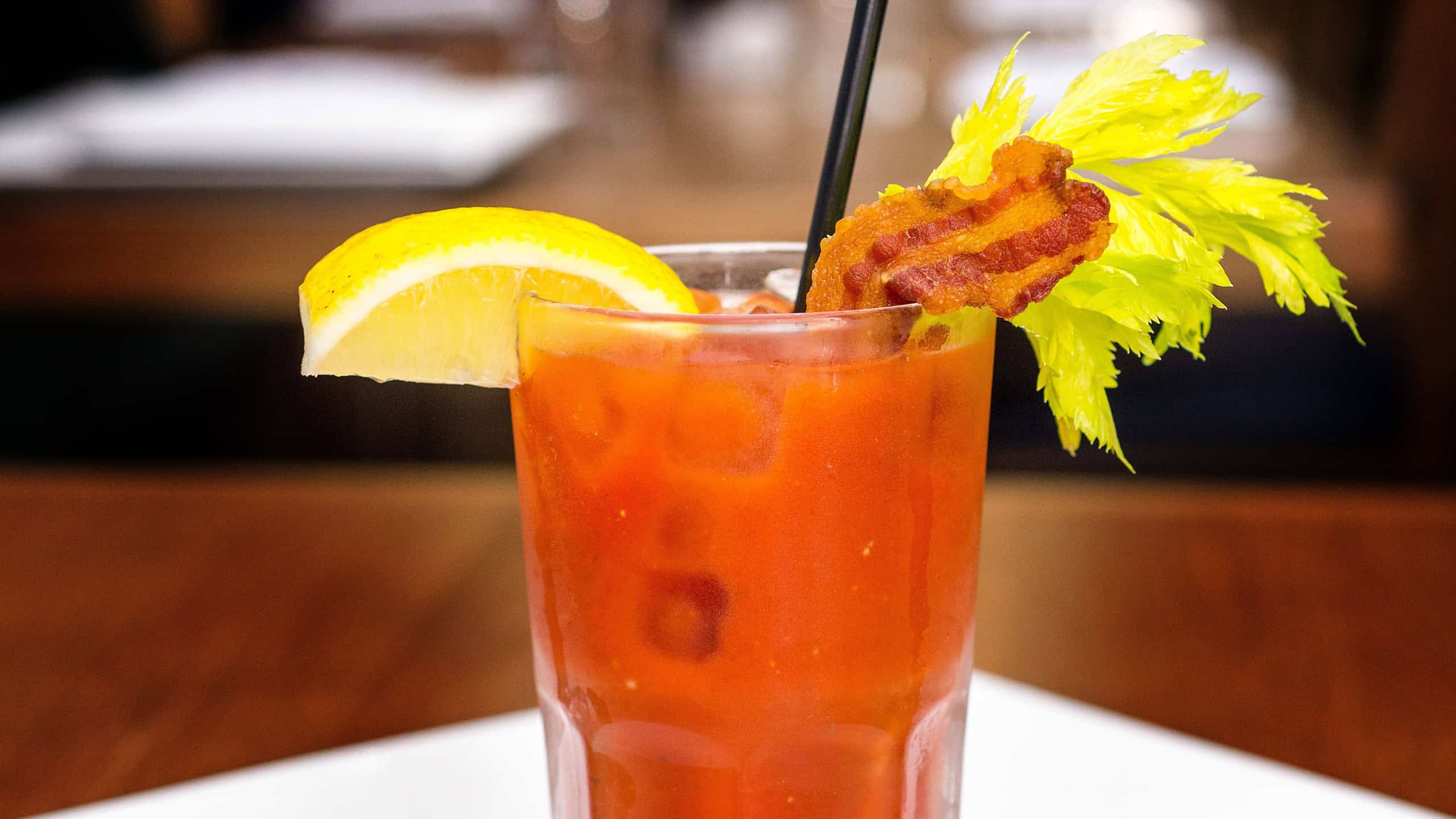
Ask for a “Caesar” at a Canadian bar, and you won’t receive a salad. You’ll be served the national cocktail. It looks like a Bloody Mary but with one key ingredient switched out: clam juice, which is Clamato juice, a concoction made from tomato juice and dried clam broth.
To most outsiders, the idea of liquefying seafood and pouring it into a spicy brunch cocktail sounds like a crime. To Canadians, it’s brunch.
The “Roll up”
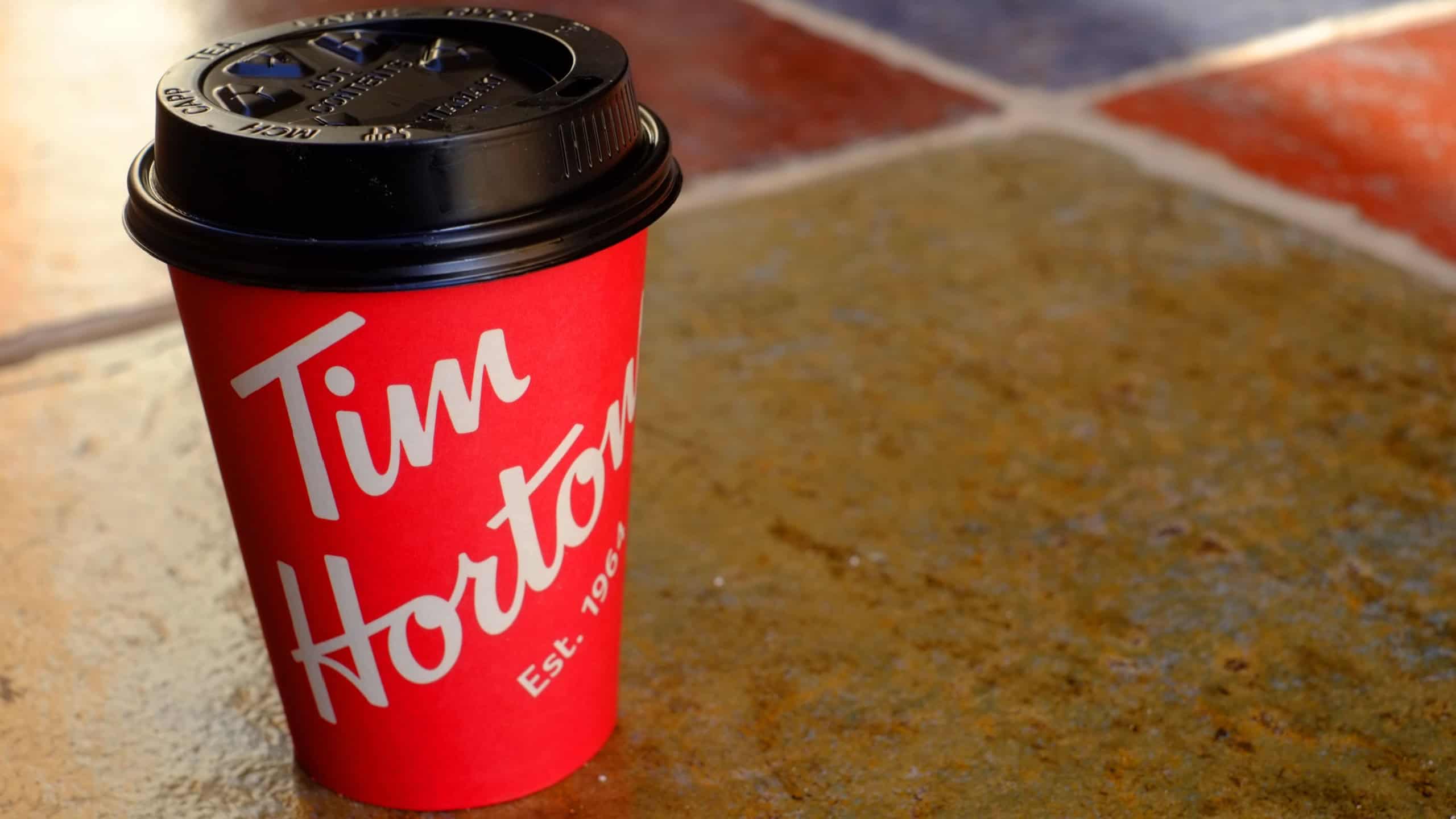
Every year for several weeks, millions of Canadians go absolutely crazy trying to roll up the rim of their paper coffee cup (or tap a button on their app) to win cars, coffees, or doughnuts.
Tim Hortons effectively causes national hysteria with their yearly “Roll Up to Win” contest, and it’s not unusual to witness office workers, construction workers, and politicians everywhere scraping their teeth or thumbs across their desks full of sticky, empty Timmy’s cups.
Removing shoes

Entering a host’s living room with sneakers on is completely acceptable behaviour in much of the world. In Canada, it’s a huge social sin. Canadians mercilessly strip off their shoes the second they enter any home due to the perpetual cycle of snow, slush, mud, salt, and more snow. You will find piles of shoes at the entrance of every house party.
Ordering “Double-Doubles”

Enter any Tim Hortons (the country’s Tim Horton’s coffee shop) and ask for a regular cup of joe, and you may receive a blank look. Canadians have their own coffee dialect. When they say “Double-Double,” it means their coffee comes with two creams and two sugars. Want it heavier? “Triple-Triple” is three of each.
Tire shops

Visitors are often baffled when told to go to Canadian Tire for a barbecue grill, hockey stick, kitchen pots and pans, or a tent. Although it sounds like it, Canadian Tire is not an auto garage. It’s more like a really big, distinctively Canadian department store with a car repair shop attached.
Snow fridges
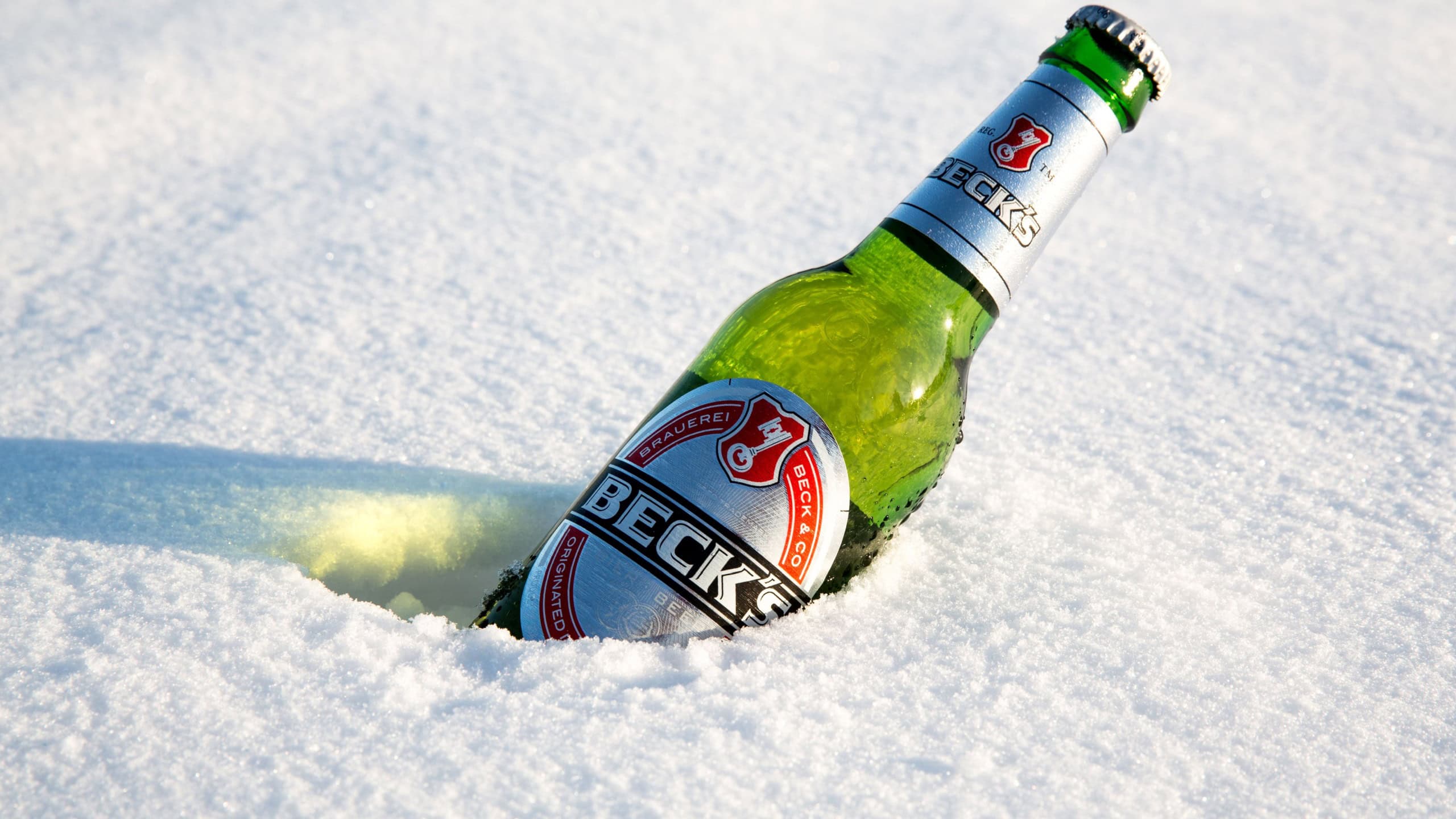
If the weather dips to a -5° constant temperature outside, Canadians consider the entire outdoors their freezer. At a party or hockey game, there’s nothing stranger than watching someone grab a 12-pack out of the cooler, ram it into the snowbank on your porch, and call it a fridge.
Eating curds
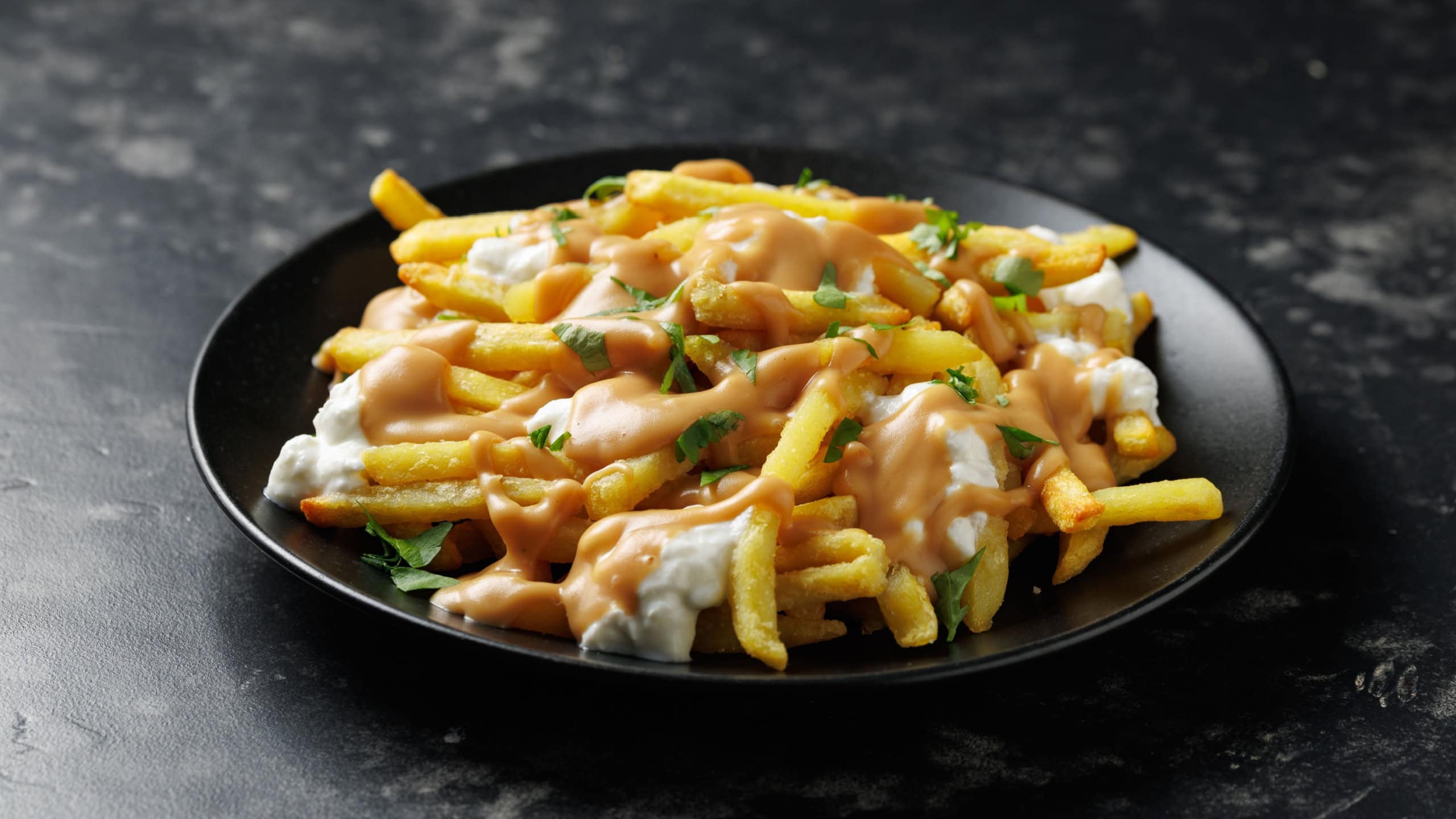
Most countries enjoy ketchup. But Canadian Poutine? It sounds basic enough (fries, gravy, cheese), but visitors get perplexed by the cheese factor. They’re not melted mozzarella slices; they’re fresh cheese curds (literally milk solids that have been hardened), that legally have to “squeak” when you chew them, otherwise it isn’t real poutine.
Ketchup chips
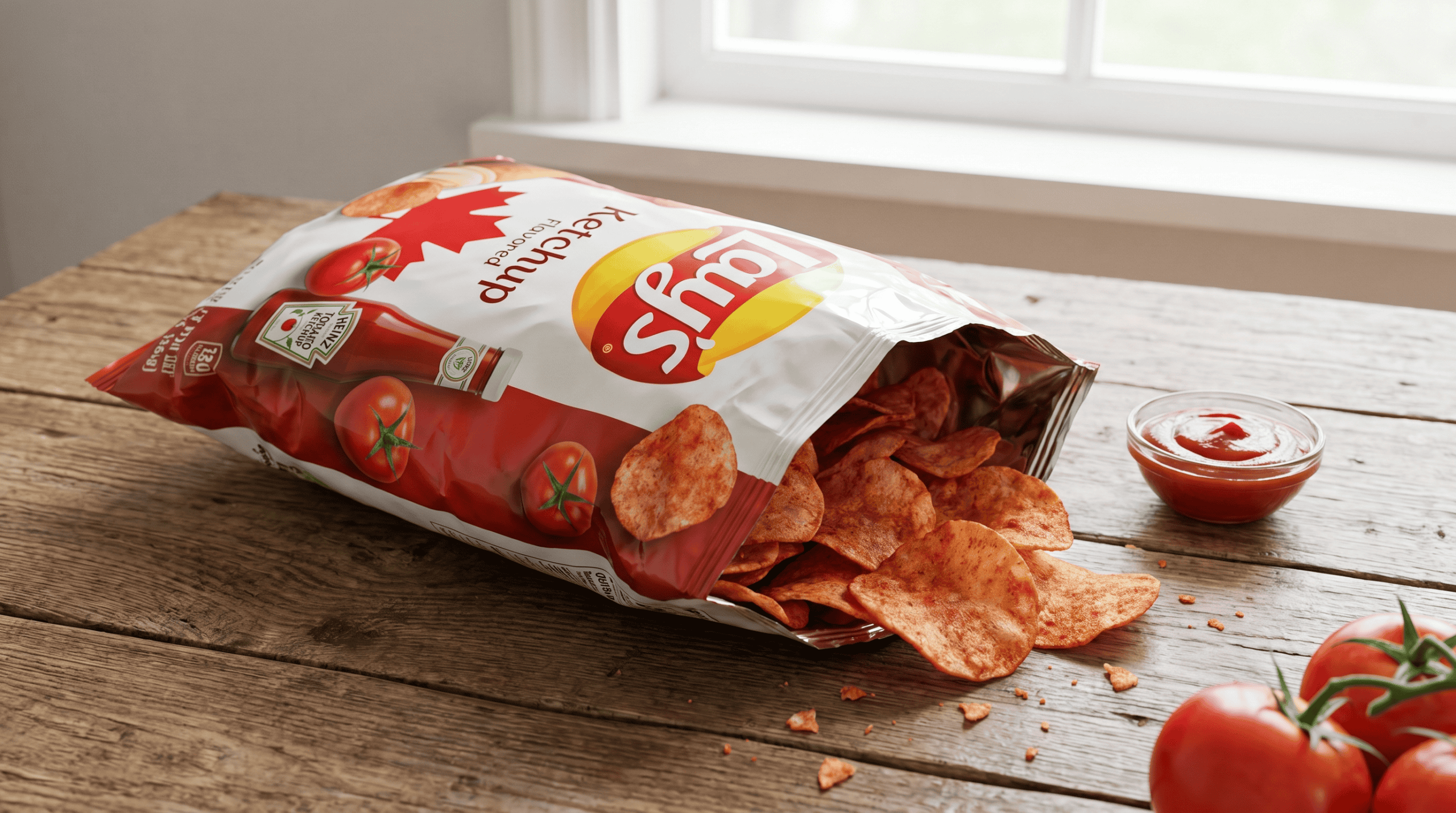
Stroll down any snack-food aisle in Canada, and you’ll find bags of bright magenta Ketchup potato chips and “All-Dressed” chips (equal parts sweet, salty, and savory BBQ, sour cream and onion, salt and vinegar, and ketchup flavours). They scare off most tourists, but are elite Canadian staples.
Pay tables

For years, visitors (especially Americans) stood befuddled in Canadian restaurants as servers handed them a wireless debit/credit machine with which to process their own payments at their table, instead of swiping the plastic card at a machine across the room.
This is now fairly standard practice worldwide, but tap- and pin-based mobile chip technology was implemented in Canada long before most other countries.
Sources: Please see here for a complete listing of all sources that were consulted in the preparation of this article.