
When living alone, you have incredible freedom, but you’re also your own safety net, your own maintenance, and your own first responder.
Not locking your doors
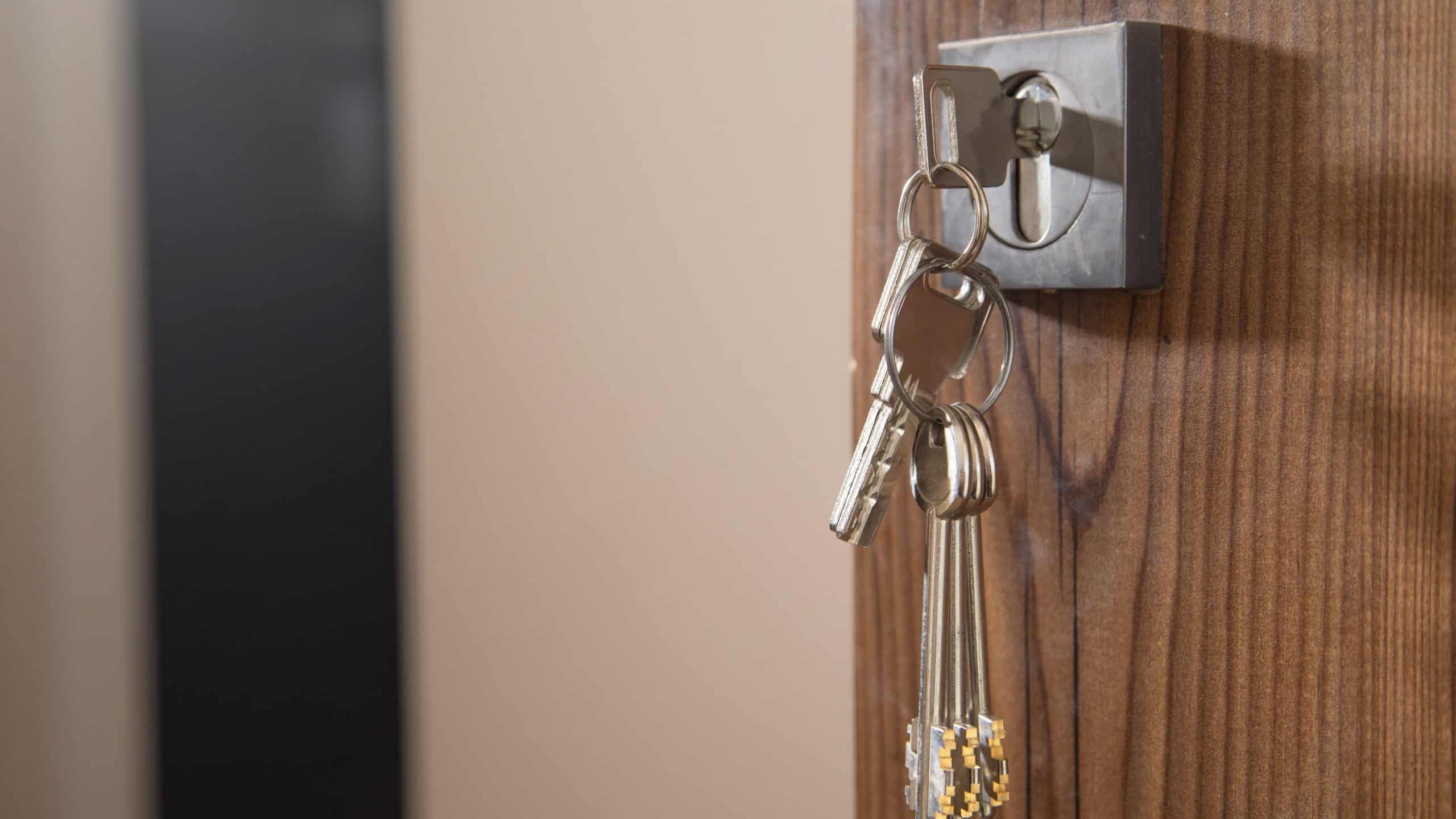
Don’t ever leave your doors or windows unlocked when you step out, even if you’re just stepping out for a few minutes. Most thieves take the path of least resistance and will see an unlocked door as an invitation to help themselves to your possessions. Get into the habit of locking doors and windows every time you leave your home. You should even lock them when you’re at home for extra protection.
Hiding spare keys
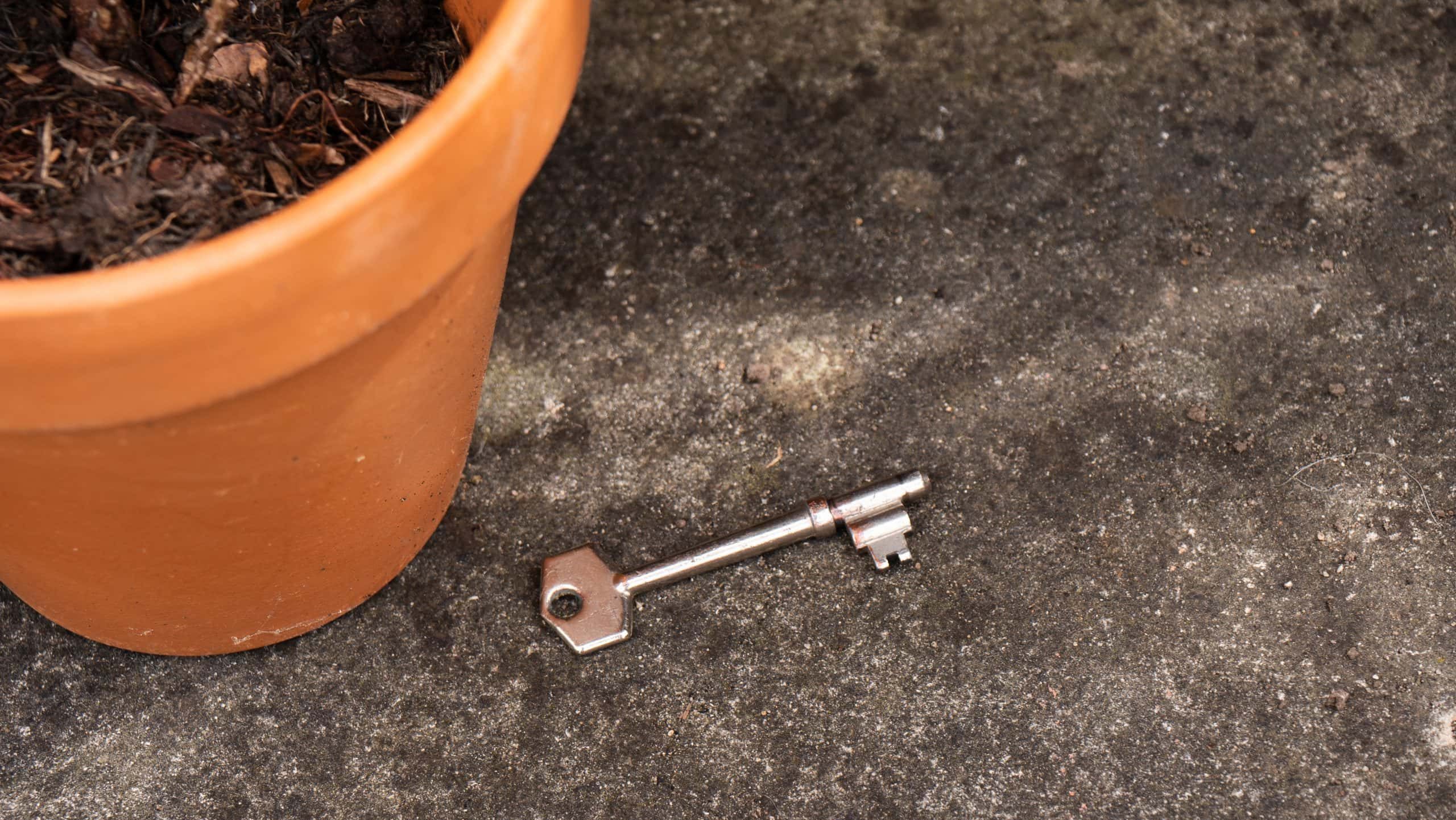
Don’t leave a spare key under your doormat, flowerpot, fake rock or mailbox. Intruders will check here first if they need to find a key to your house. Only leave a spare key with a trusted neighbor, friend or family member if you feel you need one.
Telling everyone you’re alone
Don’t tell strangers you live alone. The majority of people you don’t know are harmless, but there is no need to give them information about where you live. If they ask, it’s probably best not to share where you live.
Sharing your live location
Avoid sharing your location on social media until after you’ve left a location. Posting in real time can alert people that nobody is home or give them insight into your daily schedule. Wait until you get home to share photos.
Ignoring strange noises

If you hear strange noises, see evidence of a break-in, or just feel that something is off, don’t hesitate. Listen to your instincts and take action to keep yourself safe. If you think someone has broken into your house, evacuate if possible and call the proper authorities.
Opening the door to unexpected visitors

Don’t open your door just because someone is knocking. Look through a peephole, window, doorbell camera, or intercom to determine who’s there first. If you do not expect the visitor and they say they work for a company, ask for identification before allowing them entry.
Letting your phone die
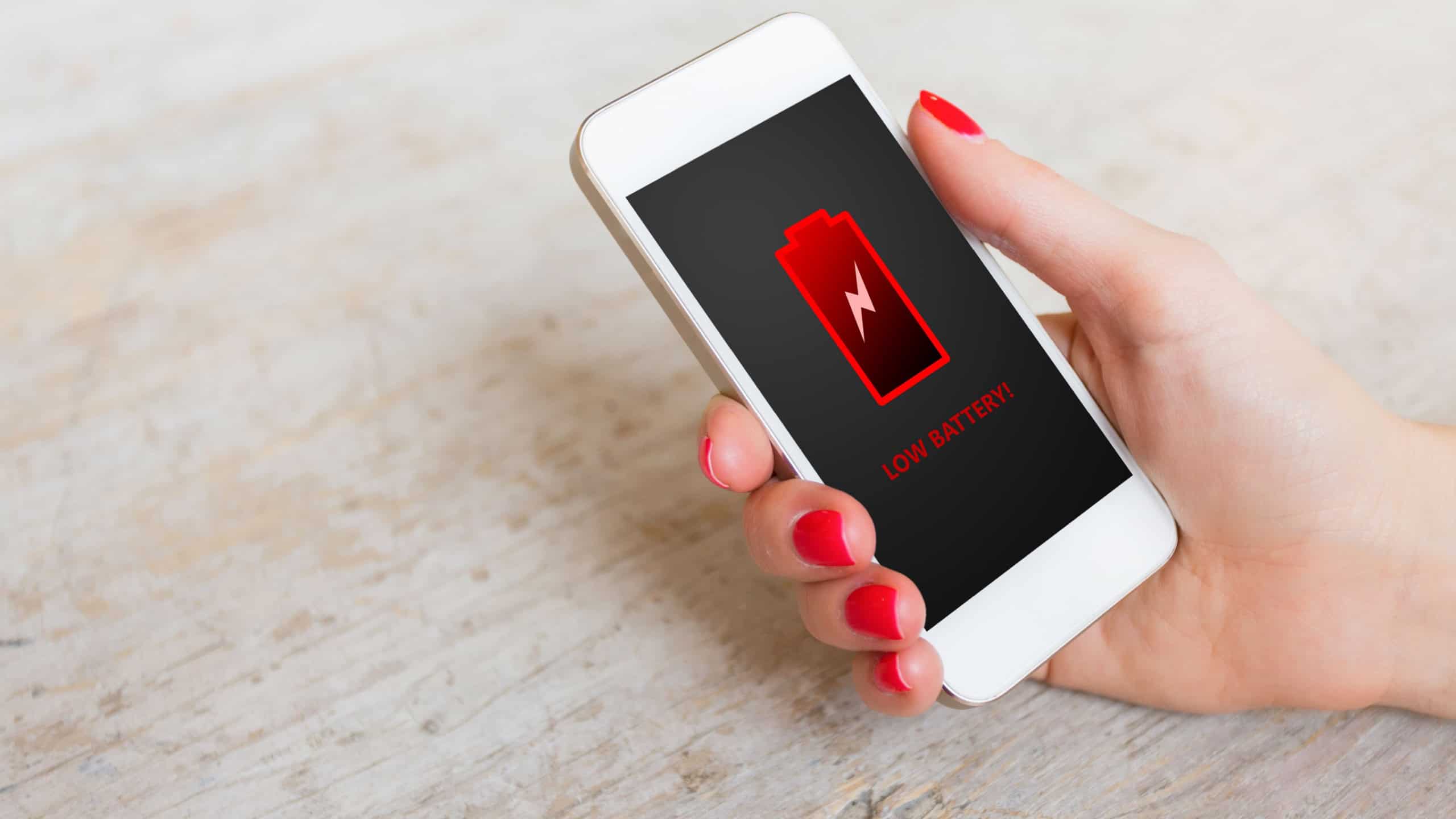
Your cellphone is your lifeline when you live alone. Make sure it’s charged as much as possible so you can call for help, reach your family, or get emergency notifications. Consider investing in a portable charger as well.
Not testing smoke alarms
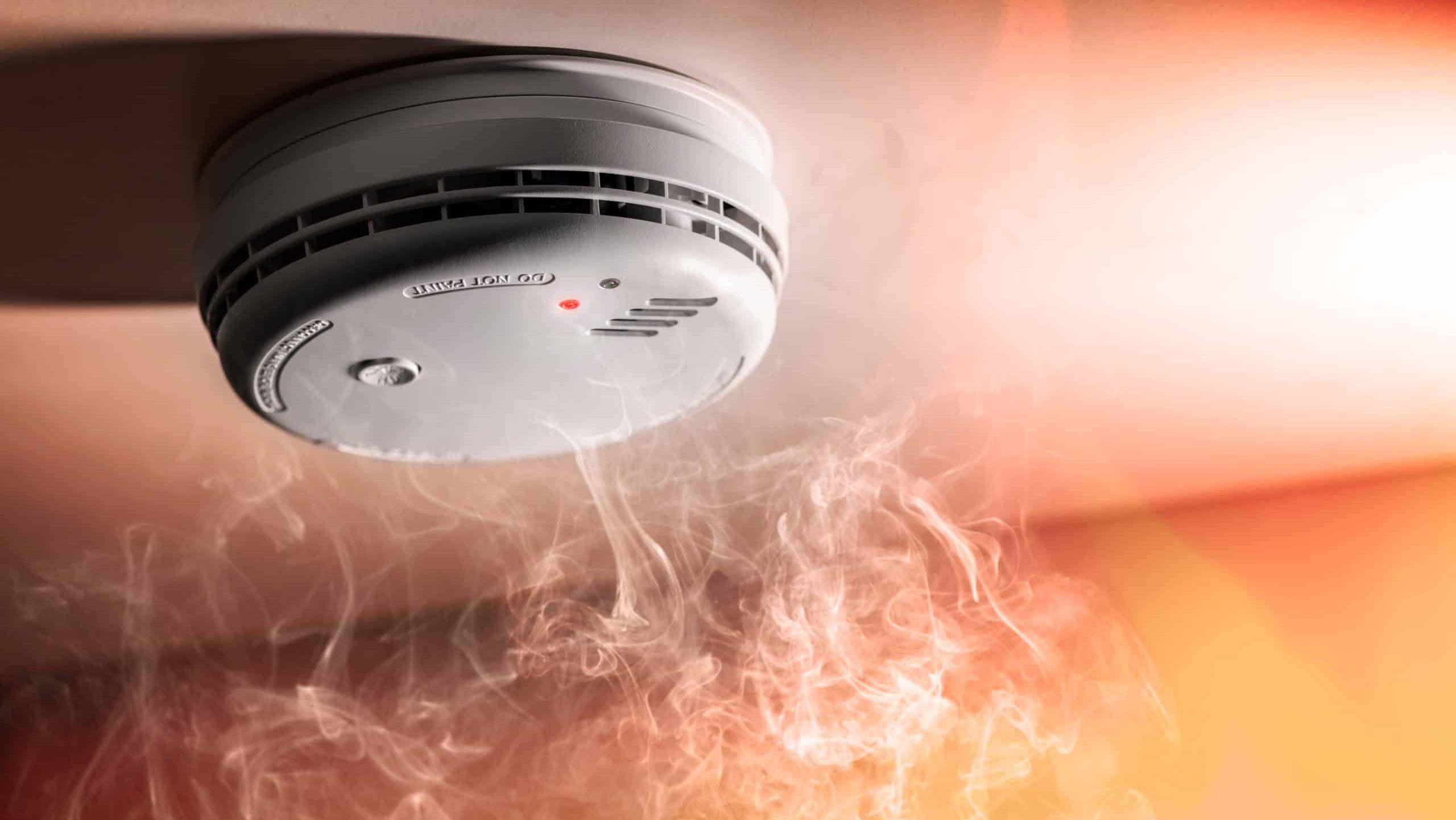
Test your smoke alarms and Carbon Monoxide detectors frequently. Changing the batteries in these devices will allow you to know when there’s an issue in an emergency. You can literally save lives with these devices. It only takes a few minutes to test them.
Ignoring fire hazards

Don’t ever leave candles, cooking on the stove, or space heaters unattended. Lots of house fires begin with someone walking away from the room for “just a minute.” Make it a habit to turn those things off before you leave the house or before you go to bed.
Not knowing emergency contacts
Although it is great to have phone numbers saved into your phone, you should also write down emergency contact information somewhere that is easy to find. You never know if your phone will be accessible if you are ever in a stressful situation.
Letting mail pile up
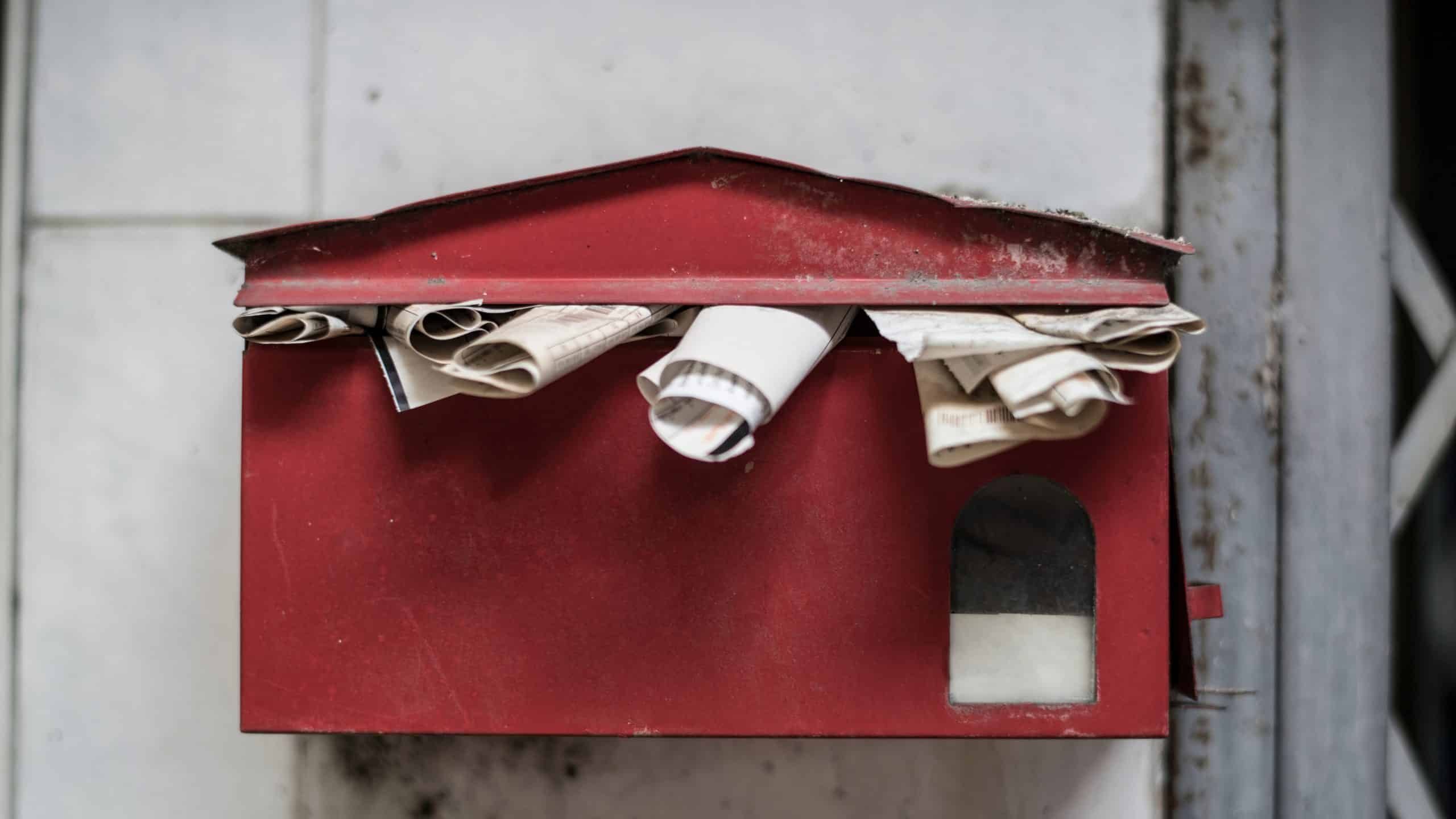
If you’ll be out of town for a few days, ask a trusted neighbor to pick up your mail or stop delivery if that service is available. An overflowing mailbox or mail and packages sitting on your doorstep are clues that you aren’t home and can make your home more inviting to intruders.
Ignoring your health
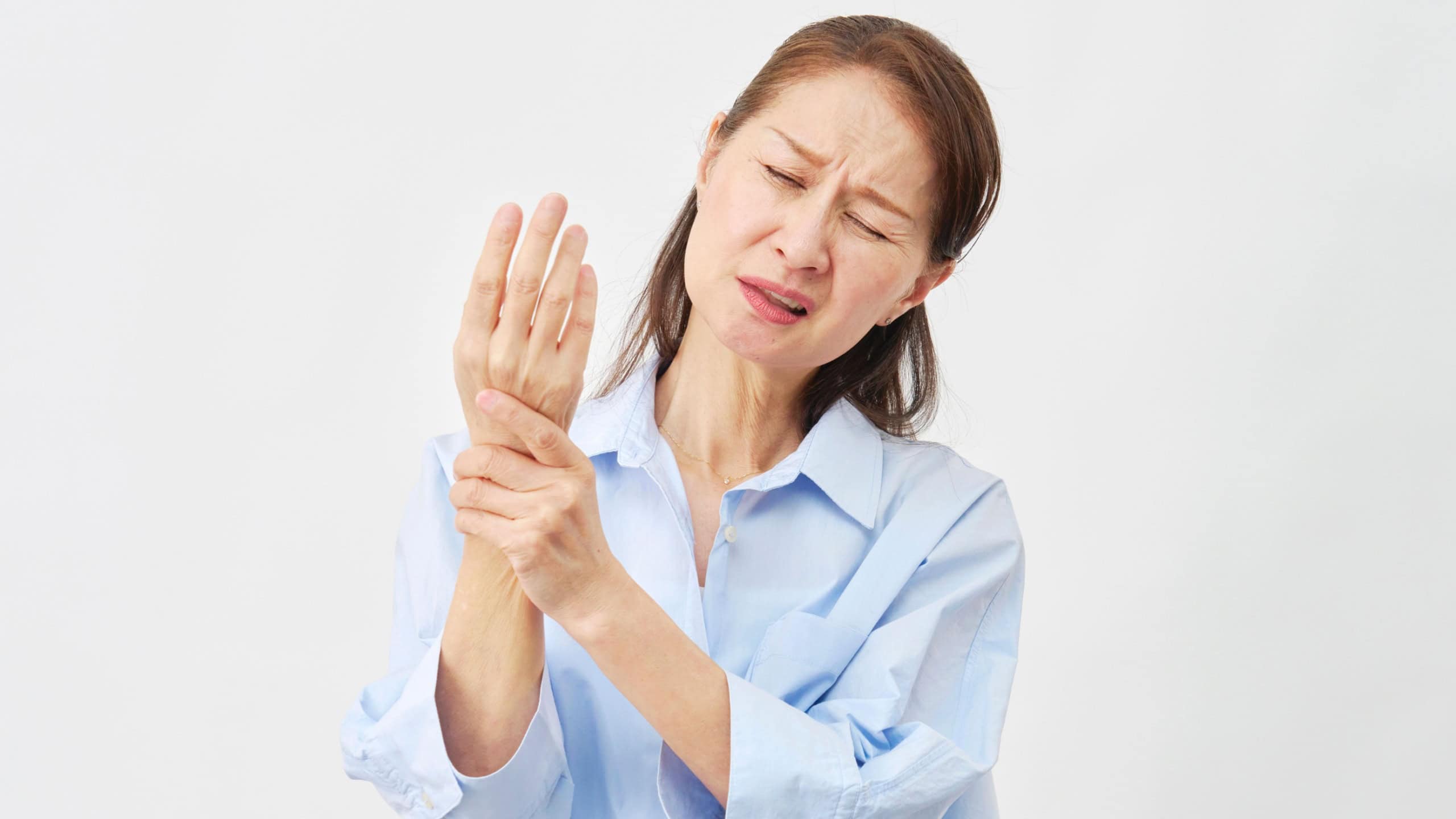
When living alone, we sometimes don’t take little illnesses seriously or ask for help. If you experience significant physical illness or distress, don’t be afraid to call a friend, family member or doctor. You should always prioritize your health along with home security.
Sharing personal information online

Think twice before posting your home address, daily routine, or other personal information on the Internet. Something that may seem innocent can give people an idea of when you are or aren’t at home. Sharing less information can help you stay safe and protect your privacy.
Keeping valuables in one place

Do not store cash, passports, jewelry, or other important documents all in one obvious place. Having a small safe at home, or splitting up valuables into different places of safekeeping, will lessen your losses if someone breaks into your home or in the event of a fire or natural disaster.
Not knowing neighbors

Take the time to know at least one of your neighbors. A good neighbor can be a real asset. They can alert you if they see suspicious people hanging around your home, accept packages for you when you’re away, or look after you if you are unable to care for yourself during an emergency. You do not have to be best friends; just having someone nearby who knows you can make a big difference.
Ignoring broken locks
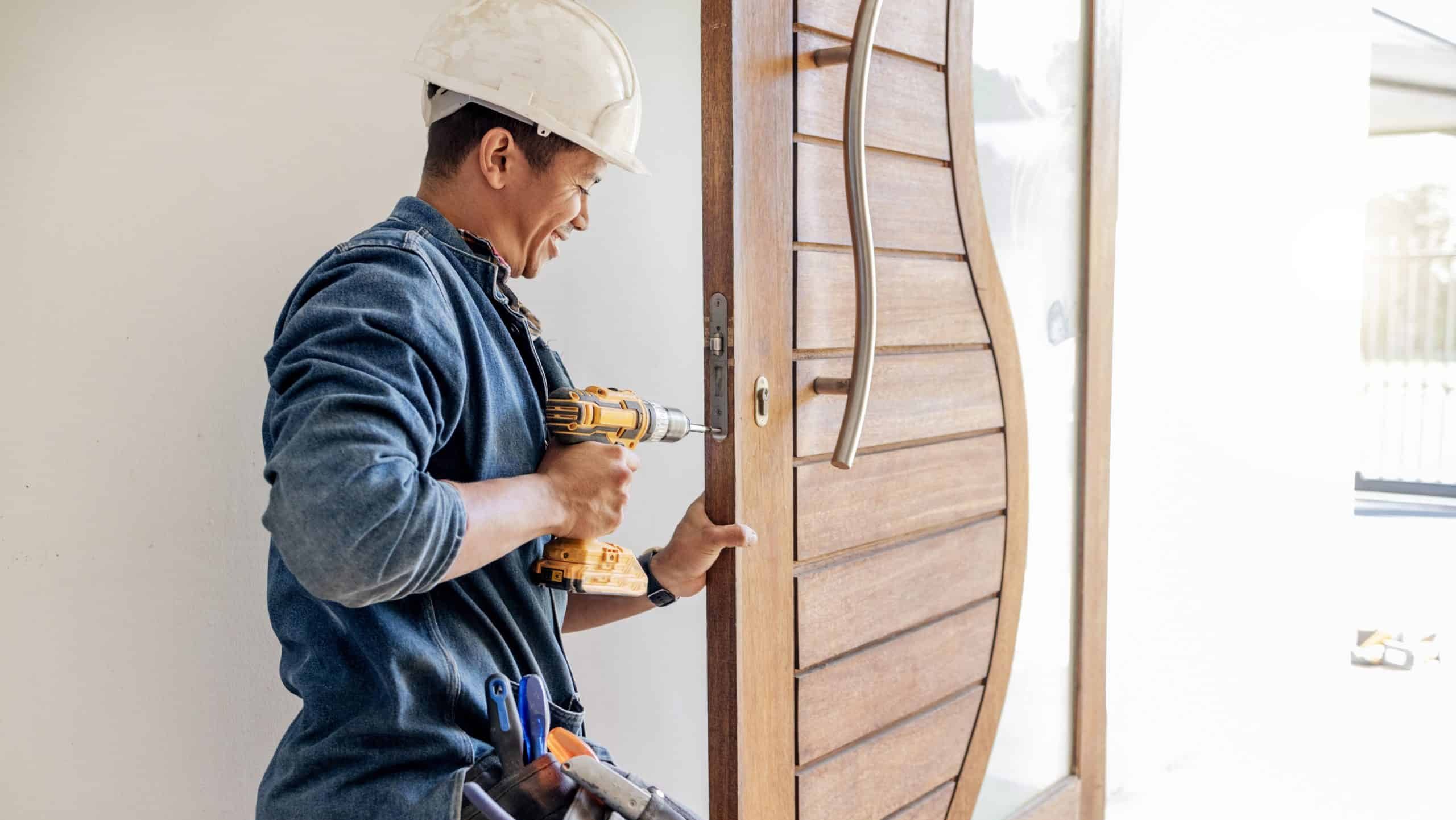
Don’t delay maintenance jobs such as broken locks, damaged windows, or exterior lighting. Minor maintenance issues can turn into security problems if they are left unresolved. Repairing these issues will allow you to sleep better at night knowing your home is safe.
Not being prepared
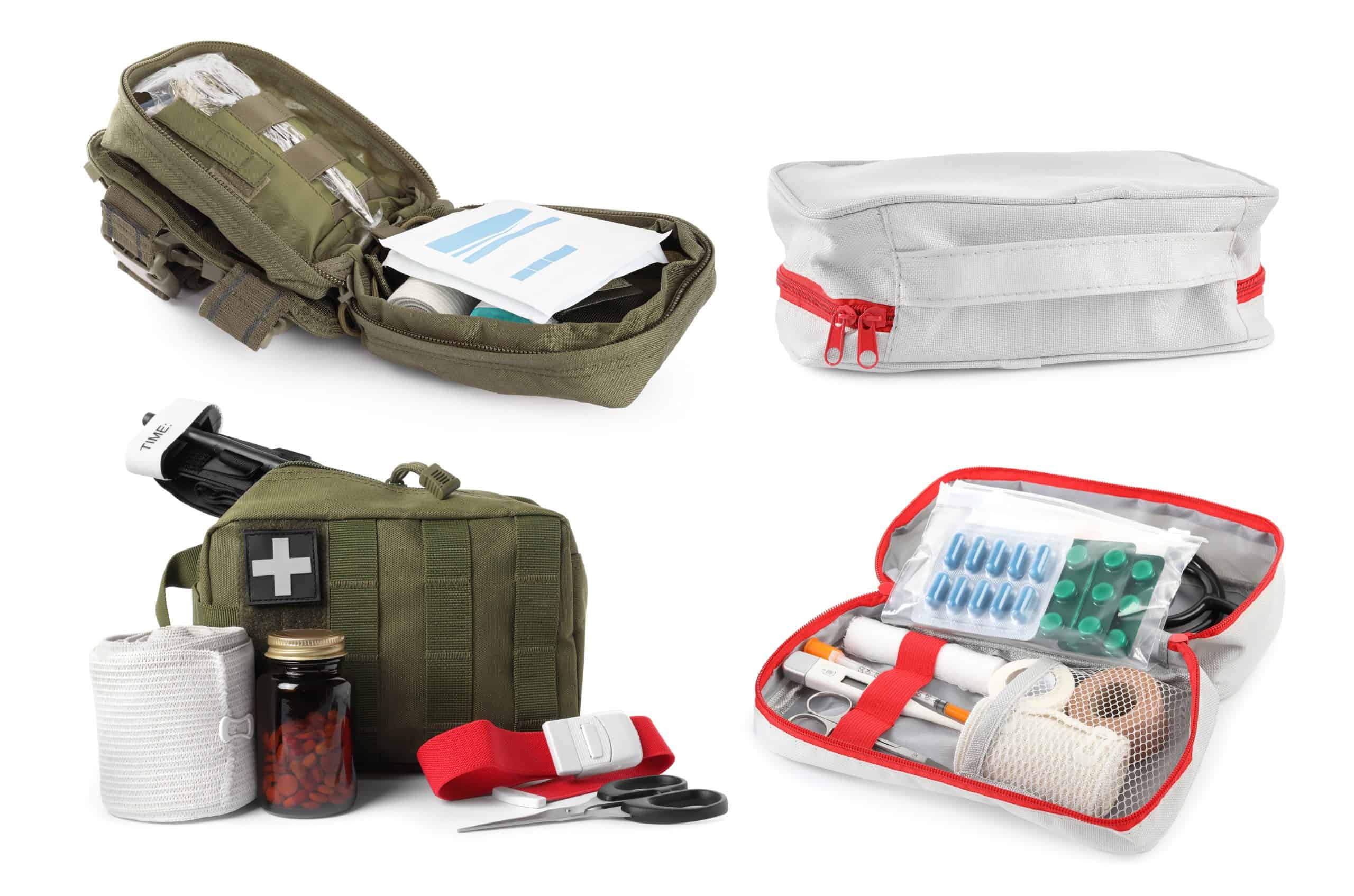
Don’t think that disasters only happen to someone else. Keep a ready-made emergency kit accessible that contains a first-aid kit, flashlights, batteries, bottled water, basic medications, and a backup cell phone charger. You’ll feel a lot less stressed if something happens and you are prepared.
Like our content? Be sure to follow us.