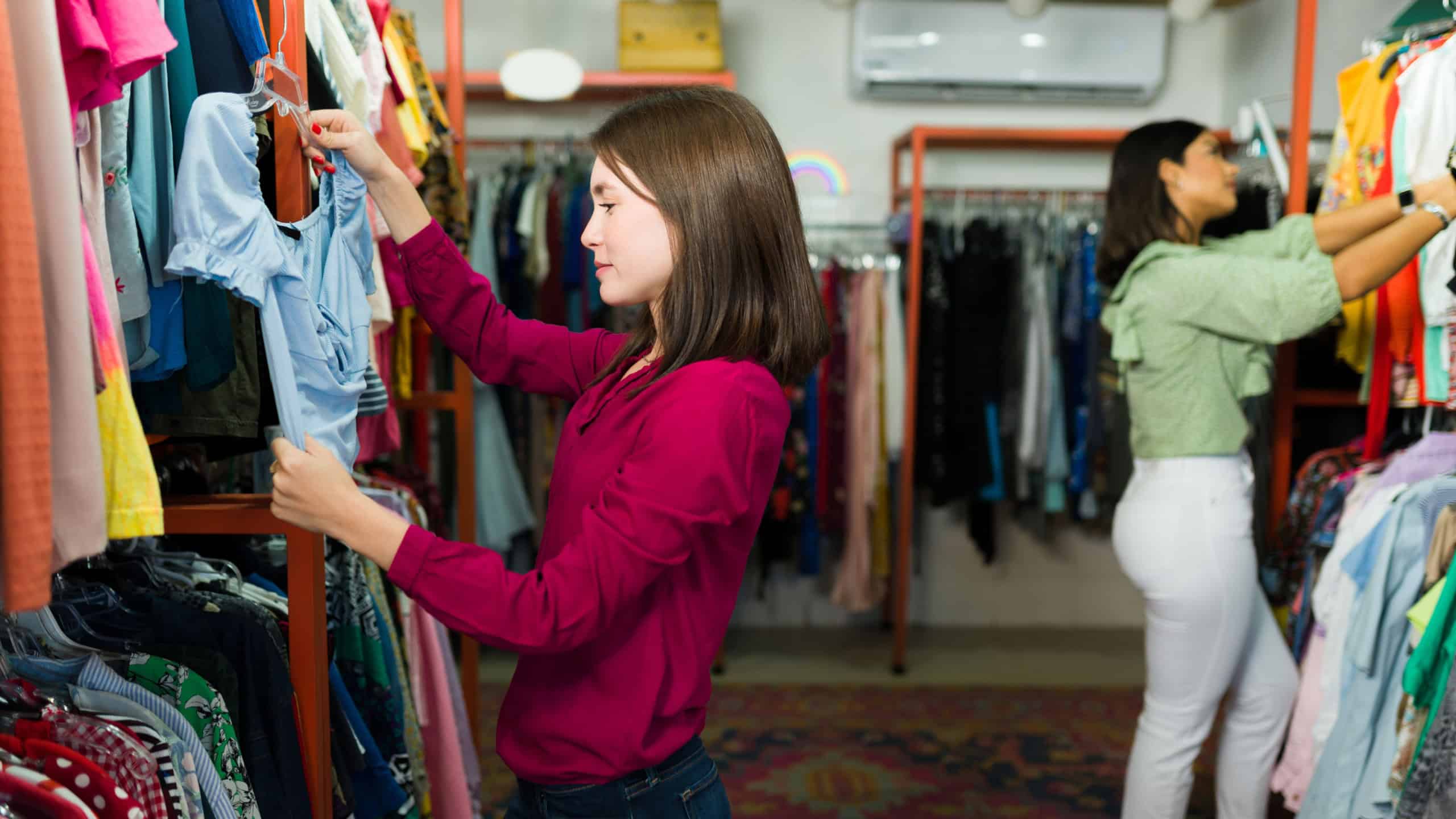
Shopping at thrift stores can be an exciting experience, but an average secondhand-shopping session is not nearly as glamorous as popular internet culture makes it out to be.
Hygiene risks
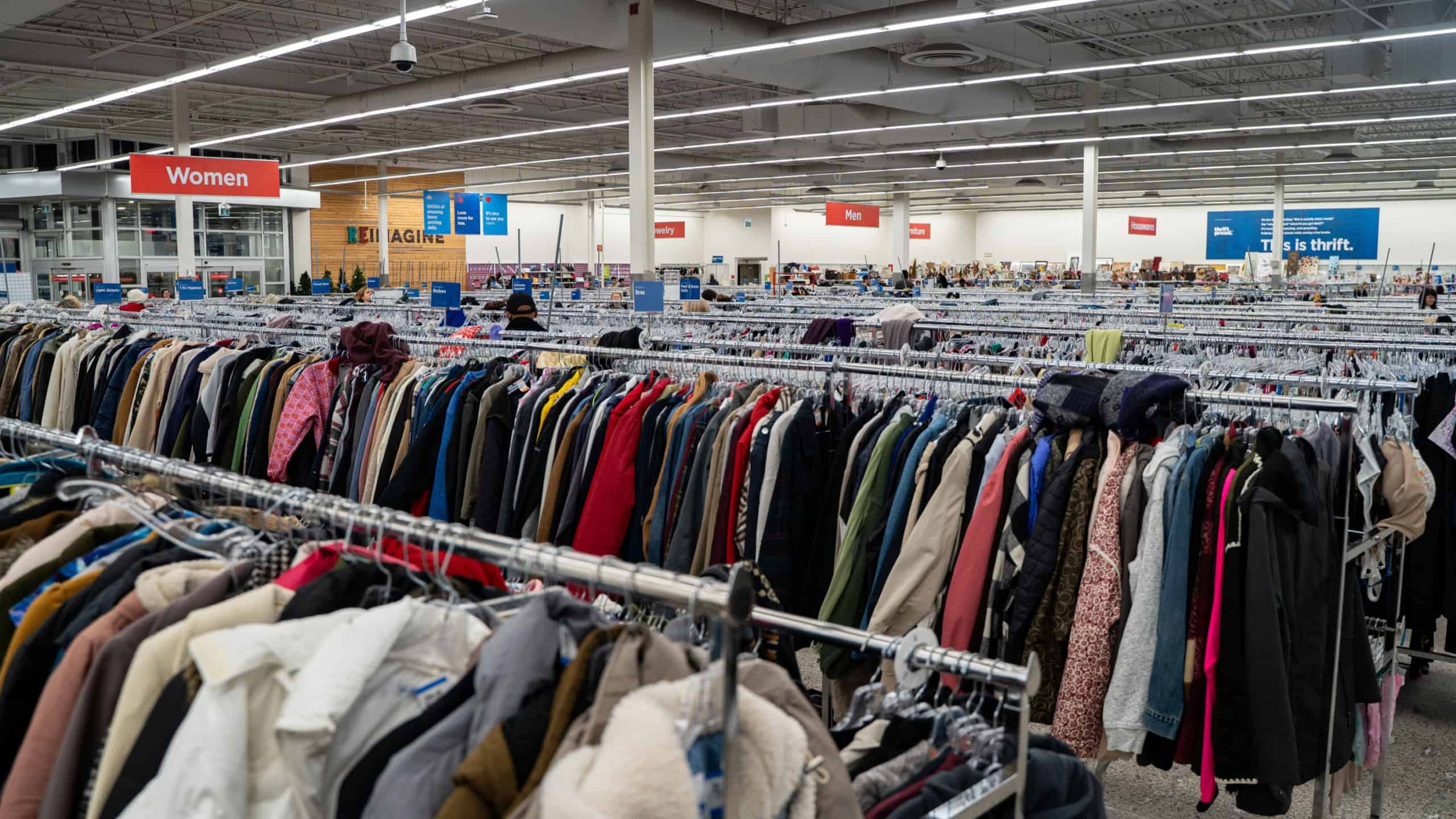
Clothing, linens, and shoes donated to thrift stores are rarely washed and placed directly on shelves for sale. Thus, your clothing purchases may include invisible bedbugs, scabies mites, skin fungi, or even bacteria leftover from the original wearer.
The need to sanitize every item you buy will turn what should be a quick trip into hours of decontamination at home.
Hidden damage
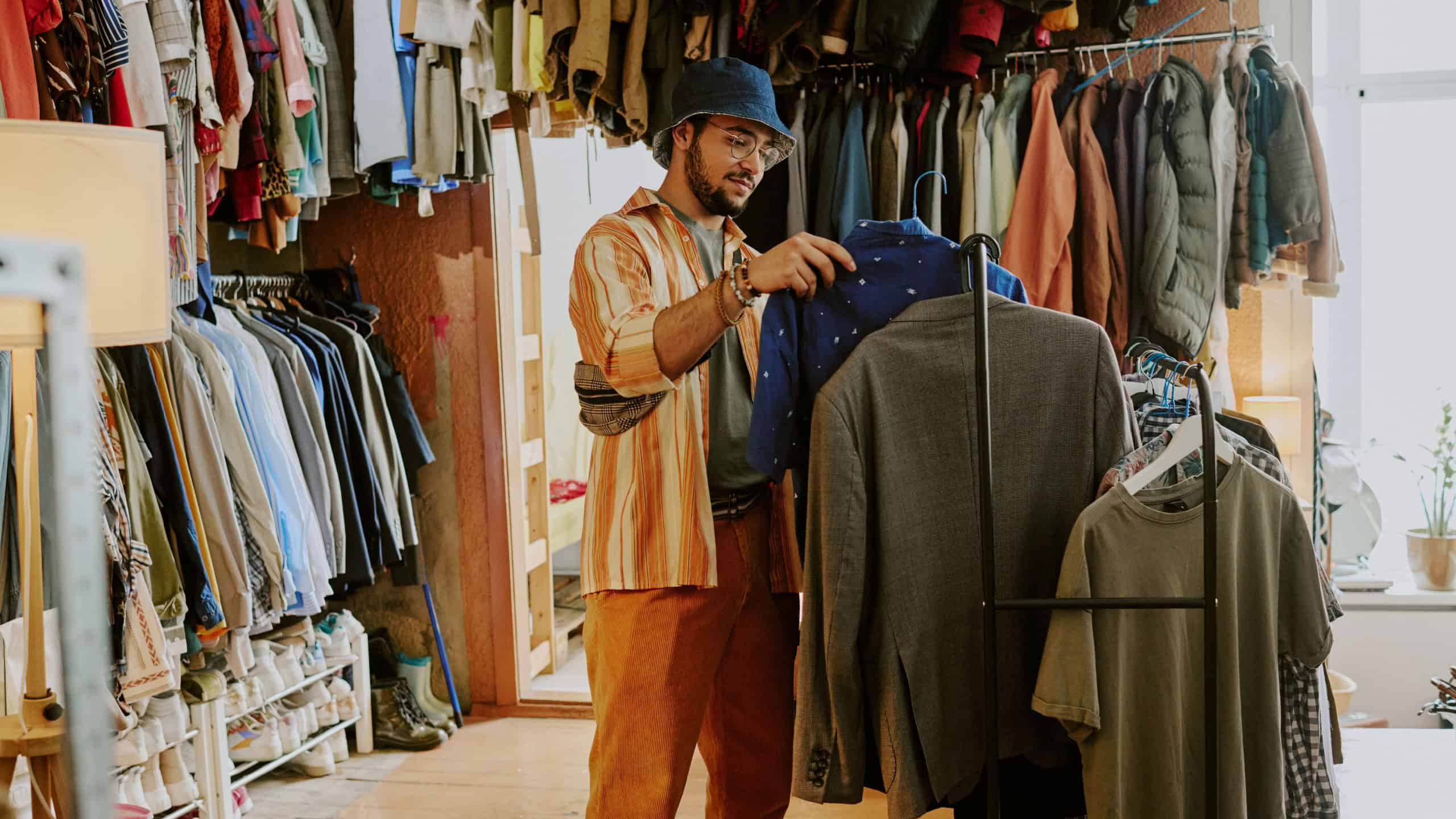
Thrift store items are often discarded by their original owners for a reason. They may have structural damage that’s unbelievably difficult to spot when illuminated by harsh thrift store lighting.
It could have defective zippers, missing electronic parts, broken seams, or odors. Since thrift stores nearly always have a zero-tolerance policy on returns, you are stuck with the item once you buy it.
Gentrification pricing
Due to the influx of corporate resellers and viral trends online, thrift store prices have inflated far past their initial value. Prices at some chain thrift stores are now listing used fast fashion items for more than their brand-new price on clearance at retail stores.
This price-gouging takes advantage of the thrifting trend and pushes out low-income shoppers who need to thrift to survive.
Toxic chemicals
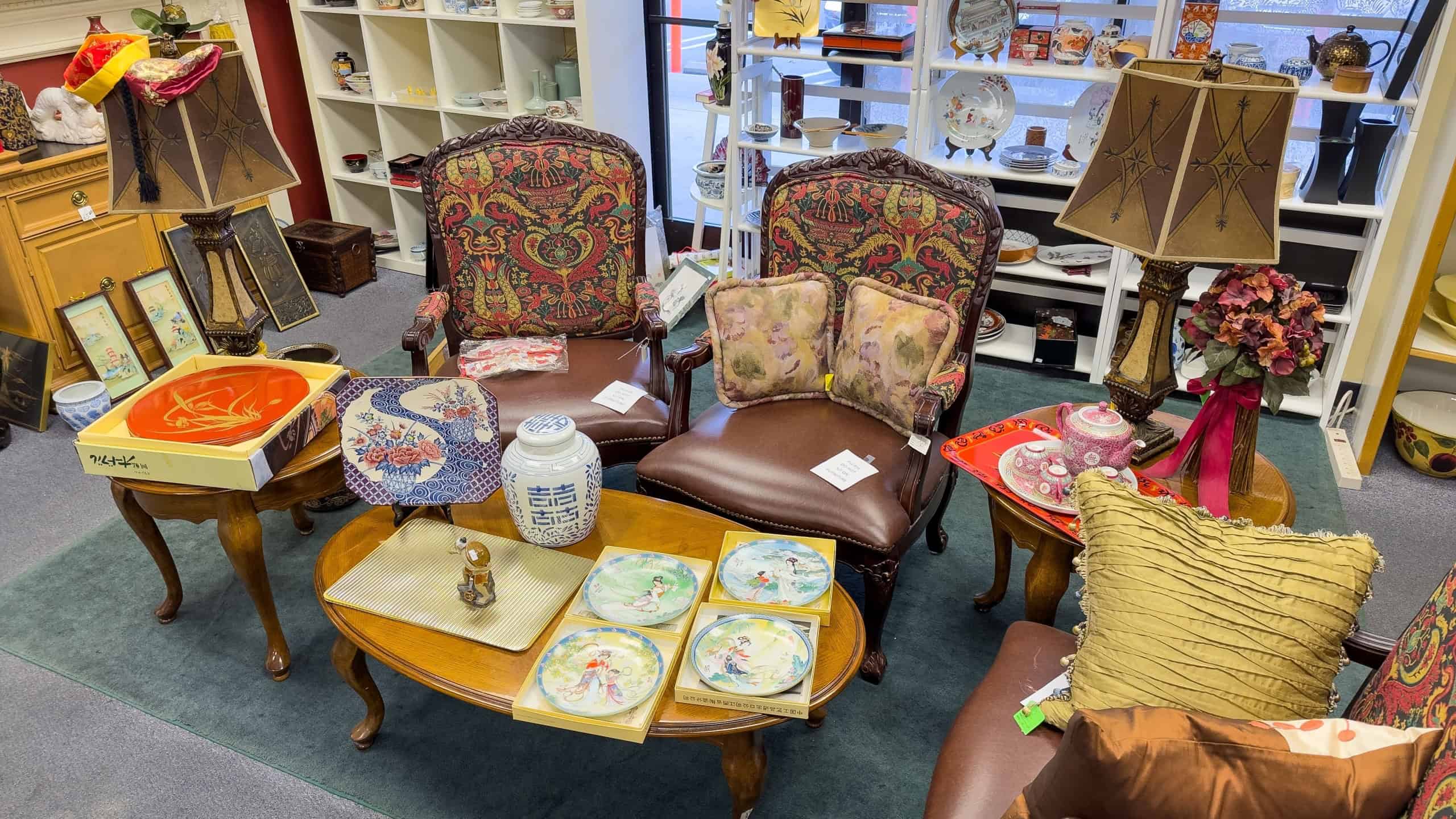
Vintage furniture, old toys, and antique plates from thrift store shelves often fall below today’s consumer safety regulations. Products made before the late 1900’s are prone to containing excessive amounts of lead paint, asbestos, or toxic chemicals in their coatings that wear away with age.
You are unknowingly inviting these harmful toxins into your home and kitchen.
Extreme clutter

Cluttered racks and stacks and stacks of merchandise can assault your senses and cause severe decision fatigue. The sensory overload can lead to compulsive shopping.
You’ll find yourself buying cheap things you don’t need or even like just because it’s perceived value. Before you know it, your house is stuffed with poor-quality thrift store junk, sabotaging any possibility of intentional and budget-conscious shopping.
Reseller culture
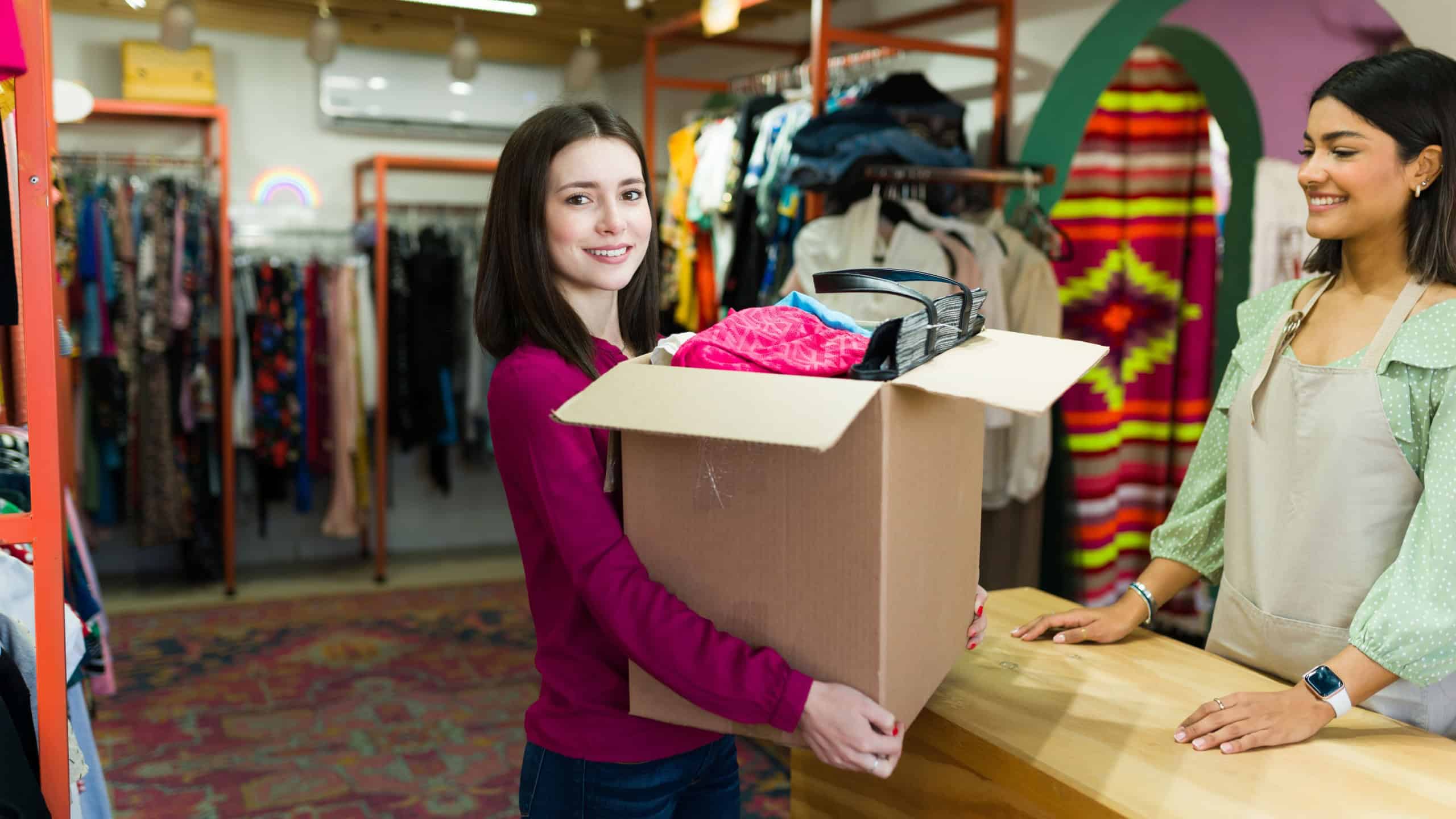
Professional resellers who clear out entire inventory racks to flip the best items online for an insane profit have ruined the organic thrifting experience.
It used to be relaxing digging through clothes at your local thrift store. Now you have people fighting you over nice vintage pieces, winter coats, and plus-sized clothing. They clear out the whole section within minutes of it coming in.
Expired safety
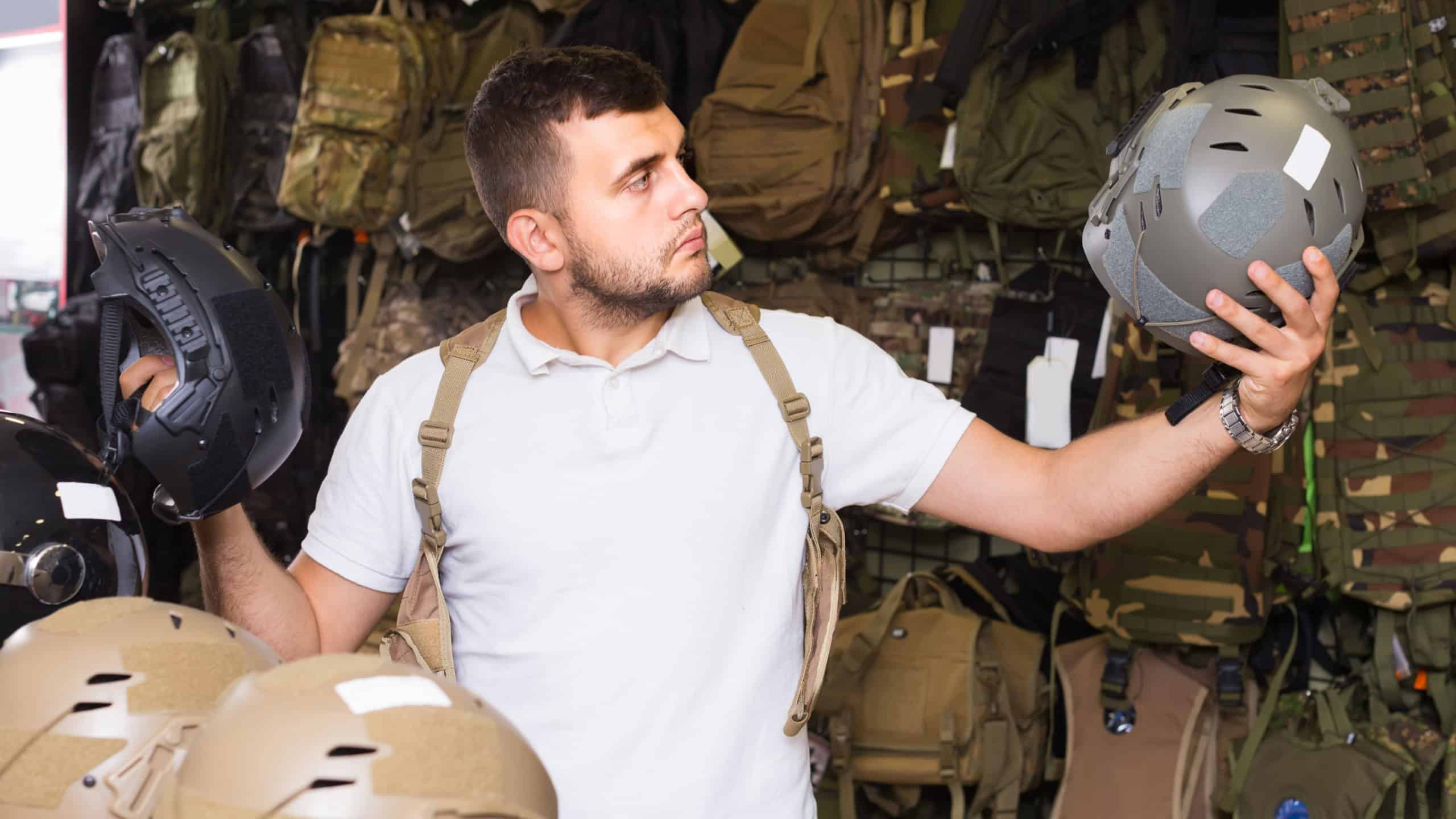
Infant car seats, bike helmets, cribs, and any electrical appliances should absolutely never be bought used. They have manufacturer’s guidelines for how long you can use them, and safety features that wear down with time or disaster (like an accident).
You have no way of knowing if a thrift store item has been in a car accident or recalled, so you’re literally gambling with your life and your family’s.
Fragility issues
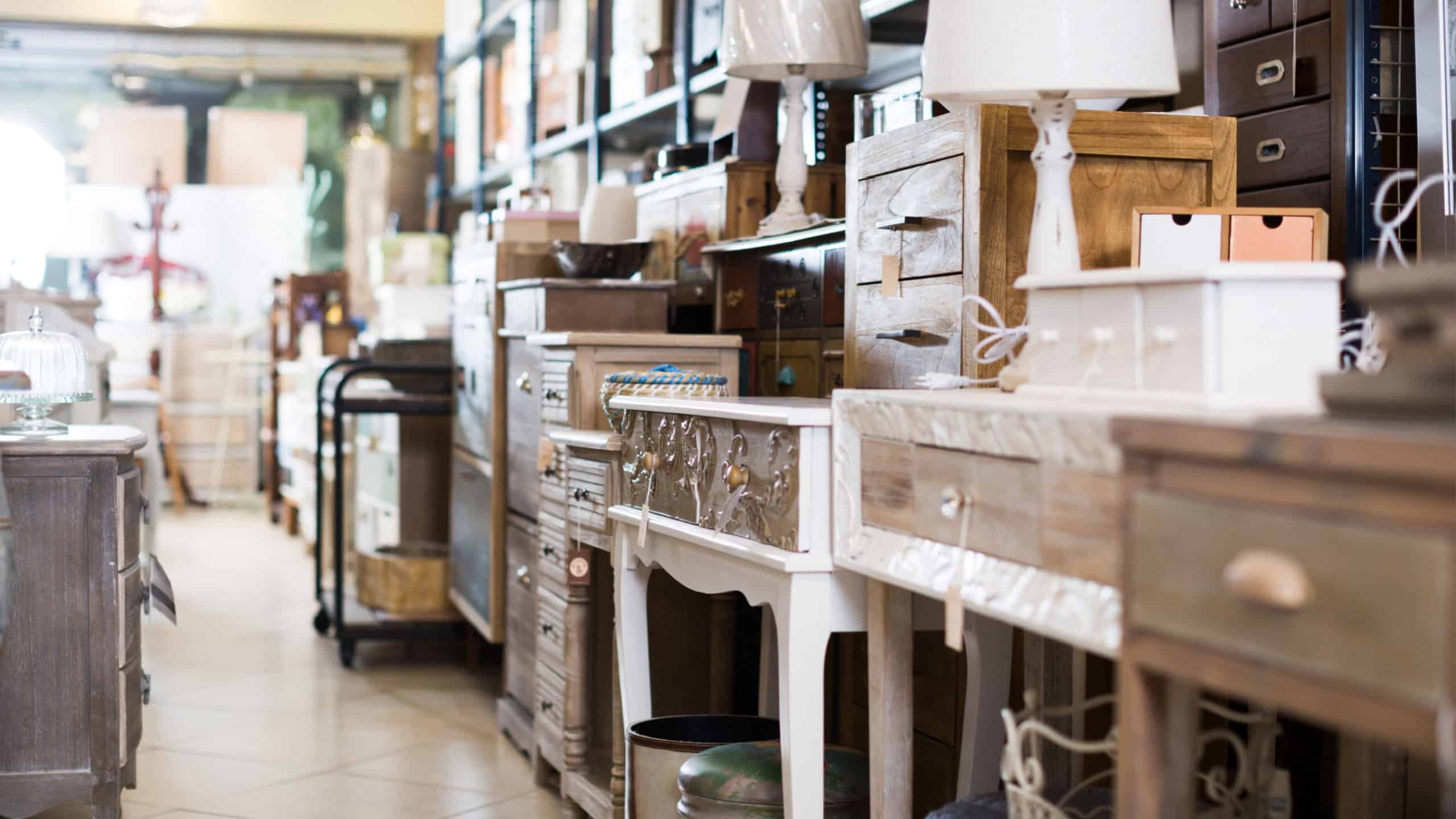
Vintage clothing and antique furniture have been through decades of wear and tear already. Their structural integrity is already compromised.
That gorgeous mid-century dress hanging in your closet might look great but will shred itself from normal wear in the washing machine or from walking down the street. Spending money on delicate items that will need pricey maintenance will empty your pockets.
Sizing inconsistency

Thrifting for clothes can be inconvenient because sizing charts throughout history are different from how clothes are sized today. Also, clothes tend to shrink, stretch, or owners may have had clothes altered, which makes the size on the tag useless.
Trying on ill-fitting pieces for hours on end in small, dusty dressing rooms can be completely aggravating.
Time drain
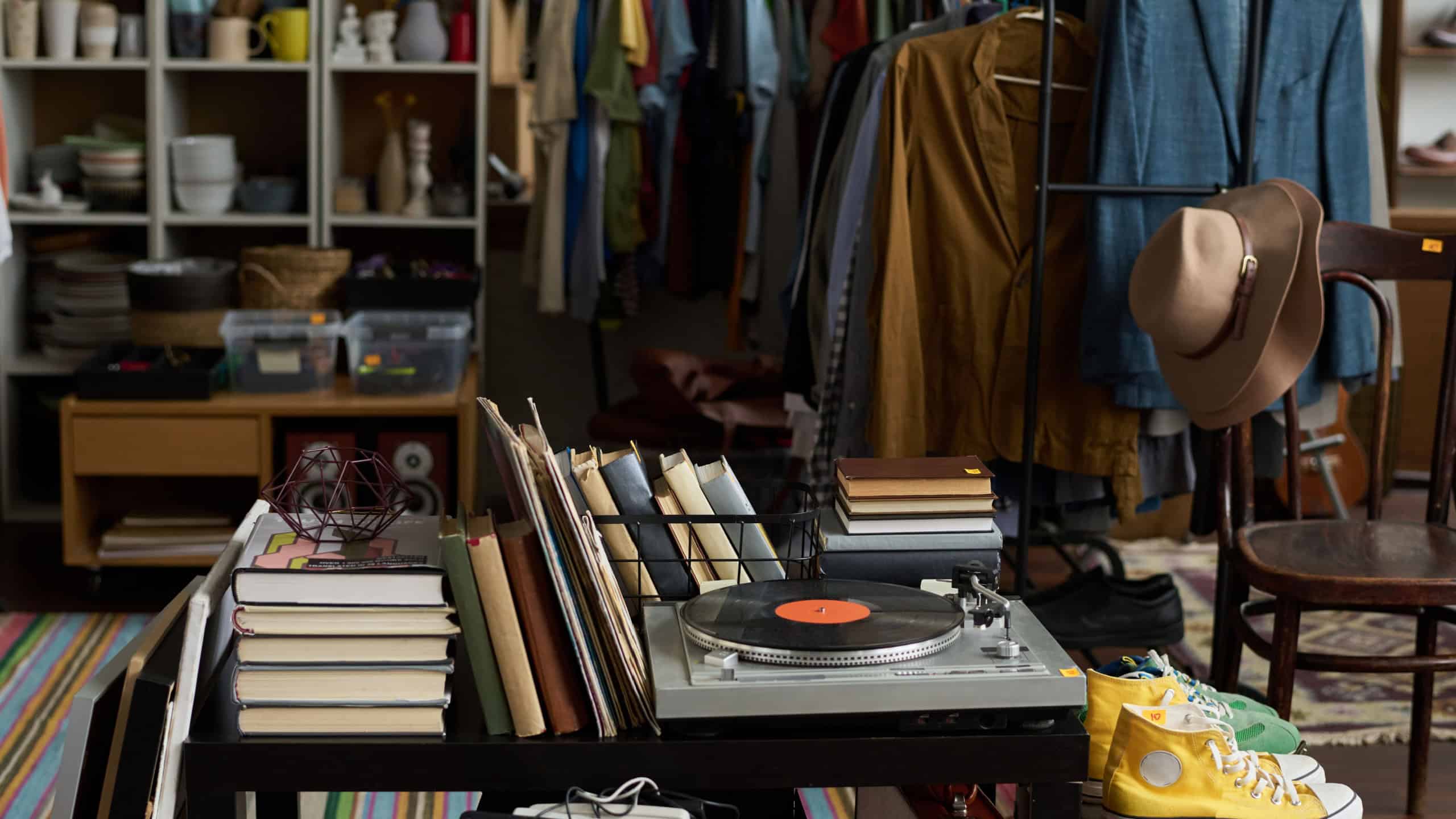
Discovering one good-quality wearable or useful item at a thrift store takes dozens of hours and pounds of your physical strength. You’ve got to be prepared to travel to various places, sift through piles of unorganized hangers, and sort through row after row of damaged home goods.
Most professional people simply don’t have enough time to lose to justify saving a couple of bucks at a thrift store.
Ethical theft

When middle-and higher-income shoppers empty thrift stores of good items to create trendy aesthetic closets, they are taking resources from low-income people who then have limited access to interview clothes, durable coats, and school supplies for their kids.
By being part of this trend, you may be involuntarily upholding a system that steals from marginalized communities.
Counterfeit traps
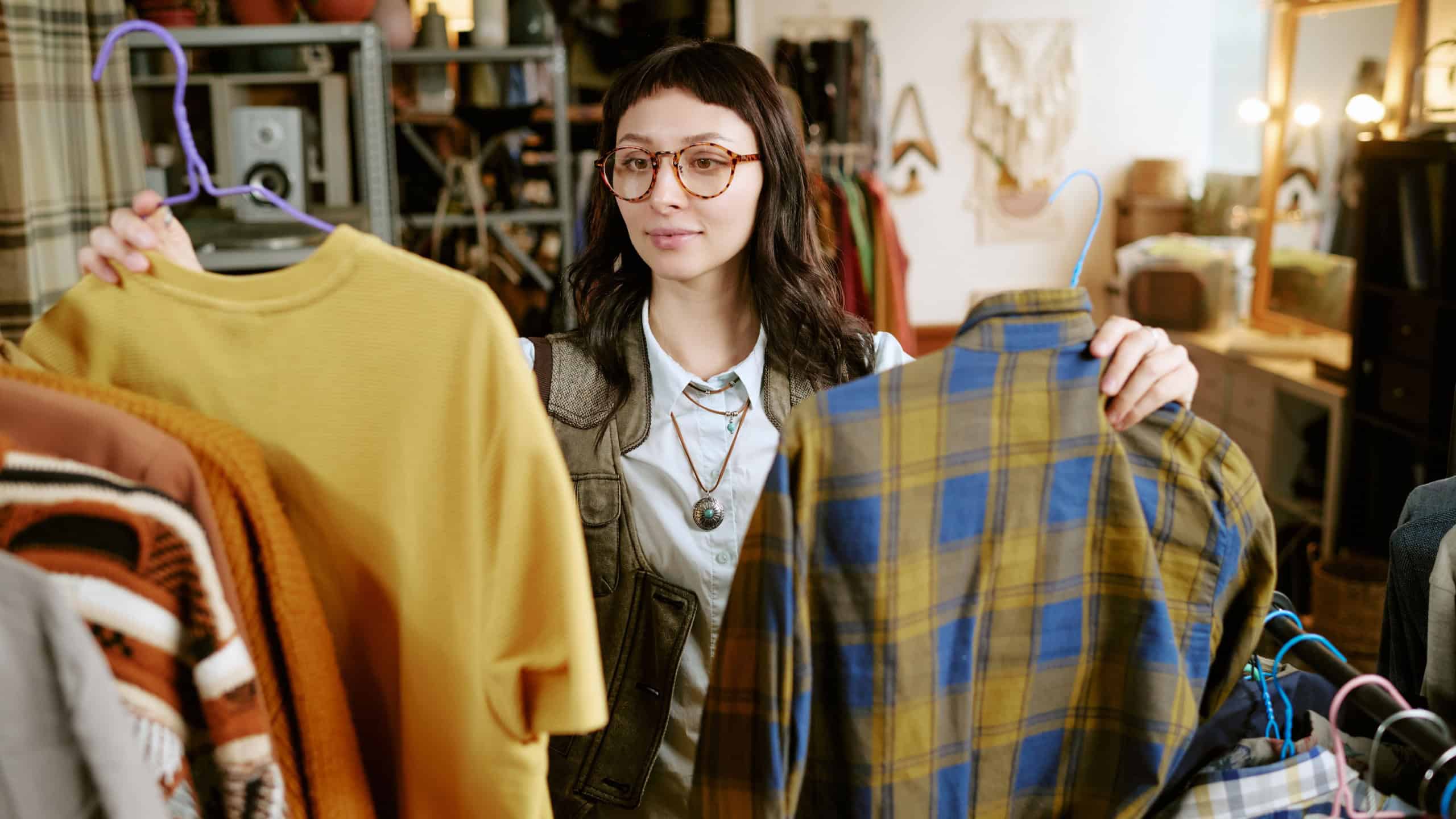
Thrift stores are now inundated with near-perfect counterfeit designer clothing, fake luxury handbags, and knockoff electronics. Employees usually lack the expertise to identify quality replicas when pricing these goods. So you could end up accidentally overpaying for a completely fake product.
Internal rot
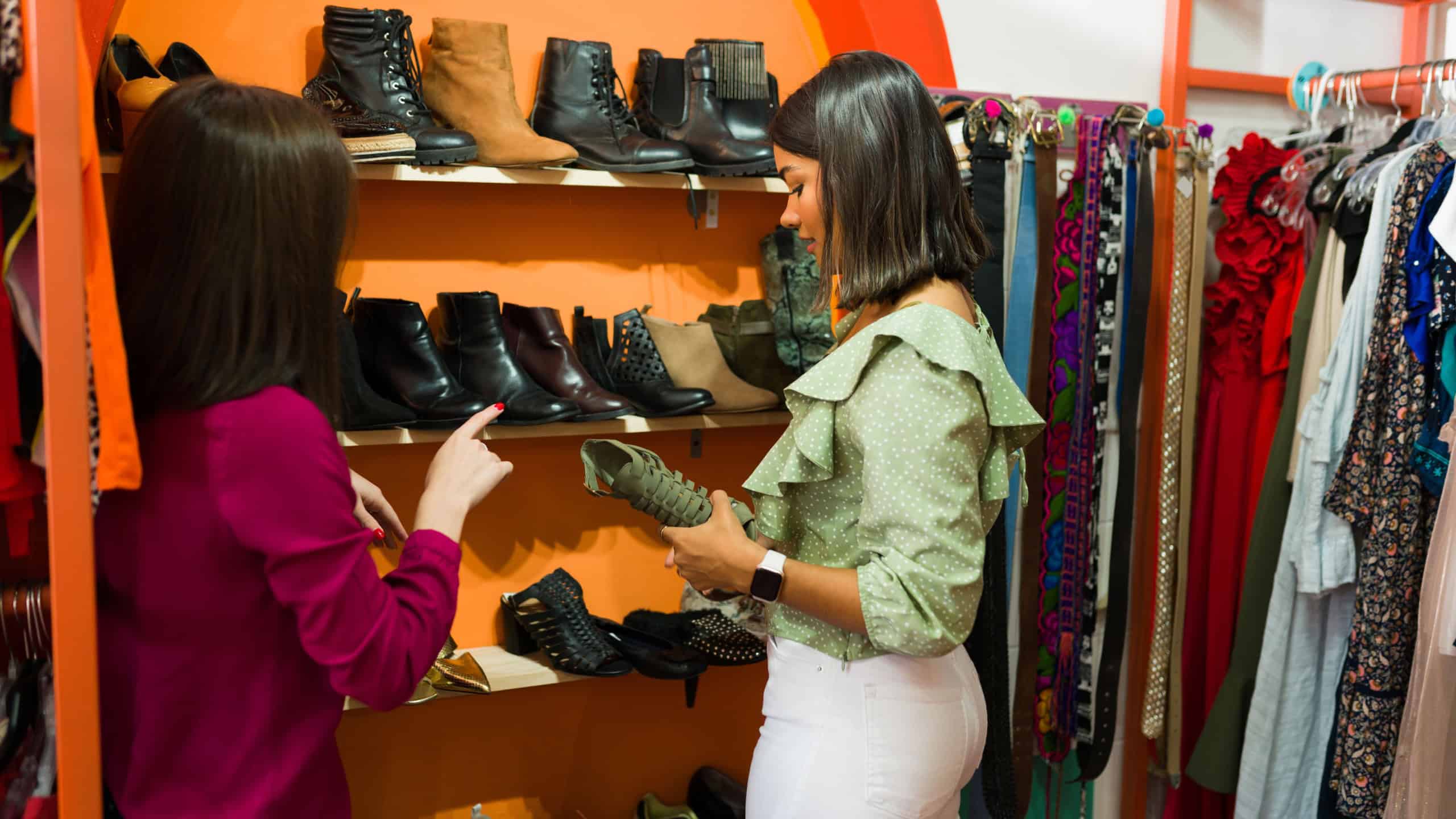
Pre-owned footwear and couches will always adapt to their previous owner’s unique body shape, stride pattern and spinal alignment.
Secondhand shoes with compressed interior support will lead to crippling misalignments, foot aches, and chronic joint injuries. Secondhand mattresses and couches will often contain built-up interior odor, dead skin, and irreversible structural sagging.
Poor selection
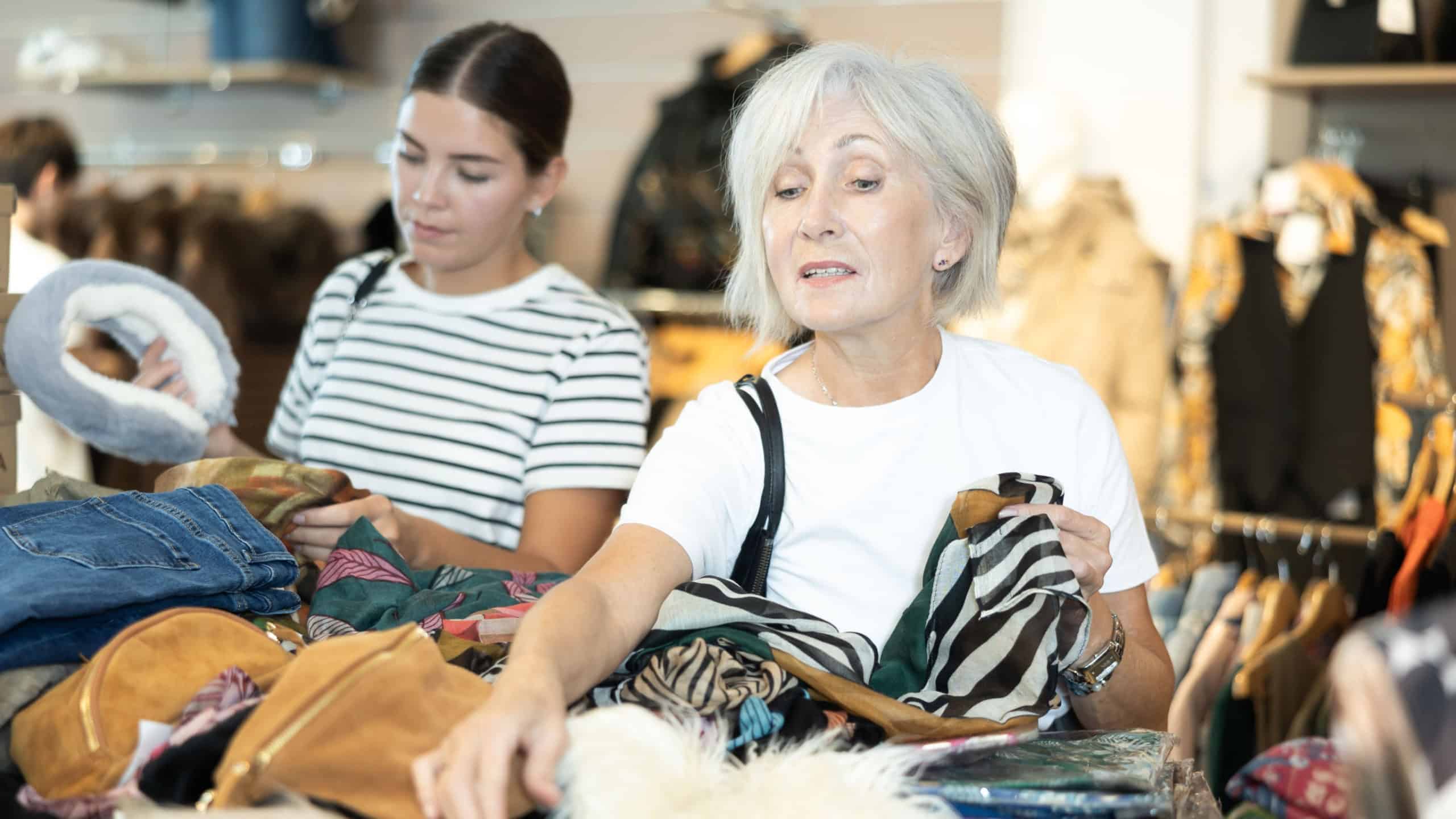
Thrift stores are limited to whatever random assortment of goods happens to get donated by people in your town. You have absolutely no control or influence over this selection.
If you walk into a thrift store needing a certain item in a certain size or color, you are almost surely going to fail. You’ll end up spending hours searching for something that either doesn’t fit you right or isn’t the style you’re looking for.
Corporate greed
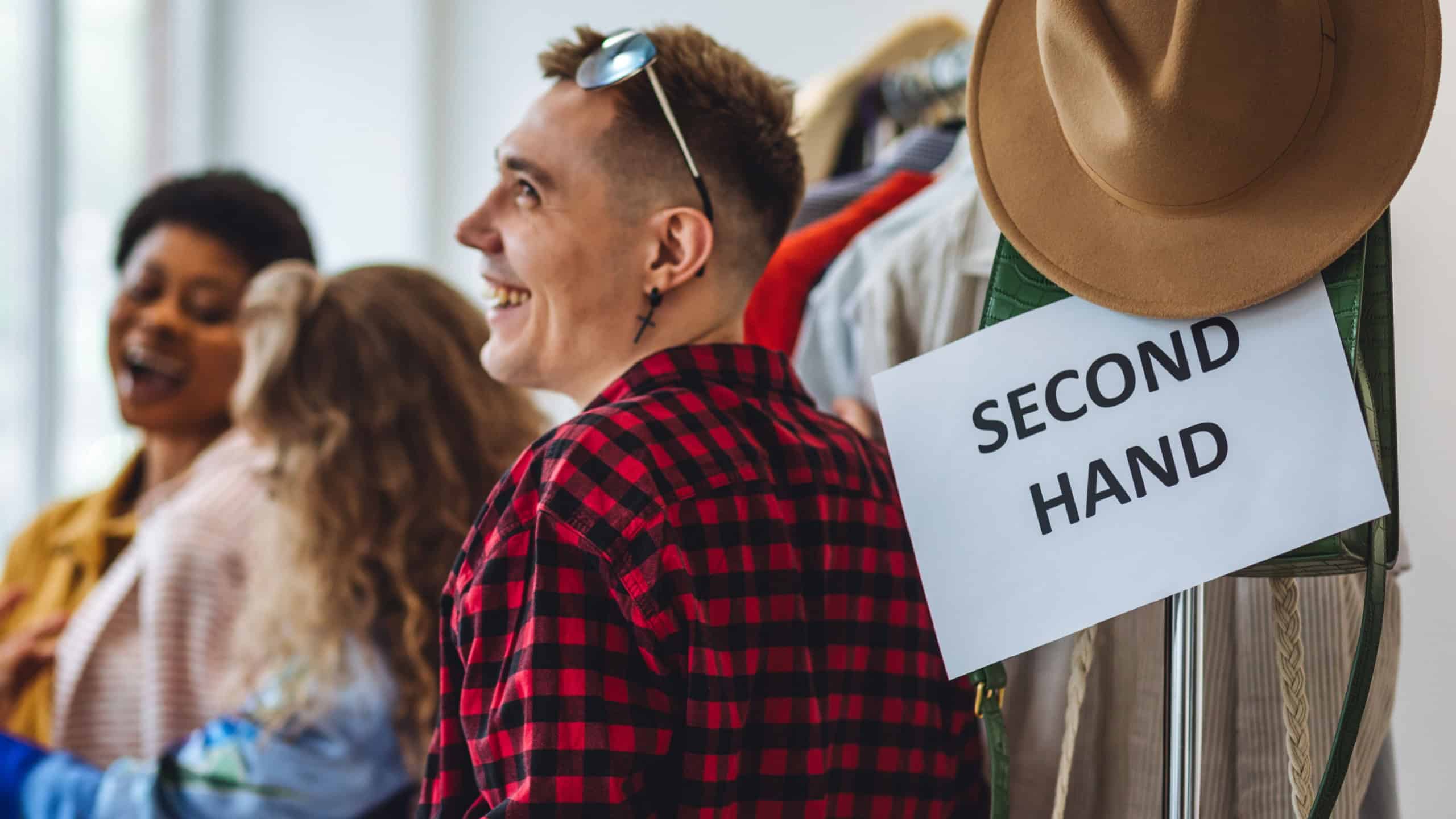
Some of the largest and most well-known thrift store chains are actually billion-dollar predatory for-profit corporations posing as friendly neighborhood charities.
They get all of their merchandise for free from generous people in our communities, pay disabled employees under-the-table salaries using legal loopholes, and spend millions of dollars on executive bonuses. When you shop at these stores, you are funding corporate greed.
Like our content? Be sure to follow us.