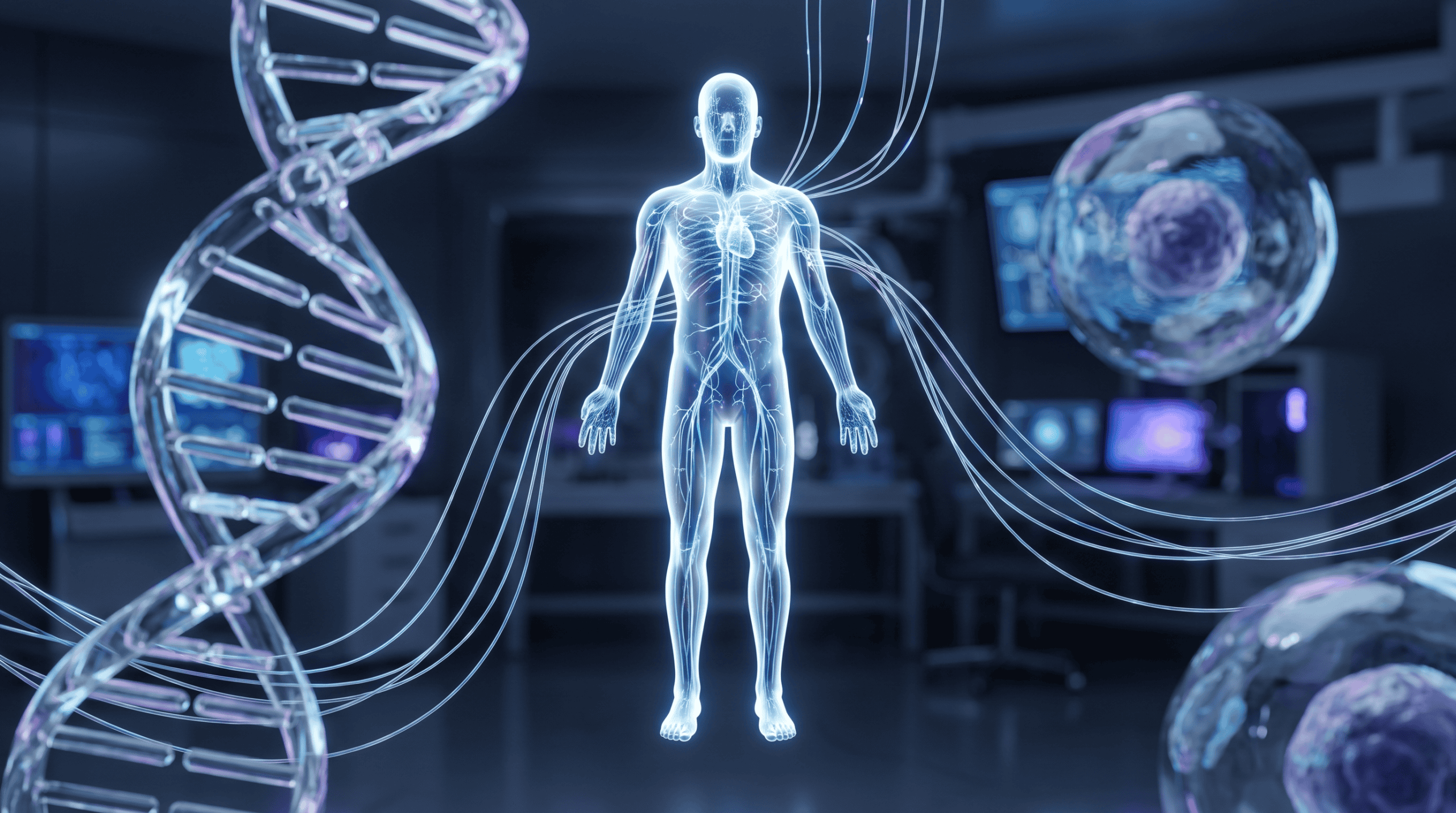
Your body is an insanely complex biological masterpiece performing countless processes that you’re completely oblivious to.
Glowing bodies
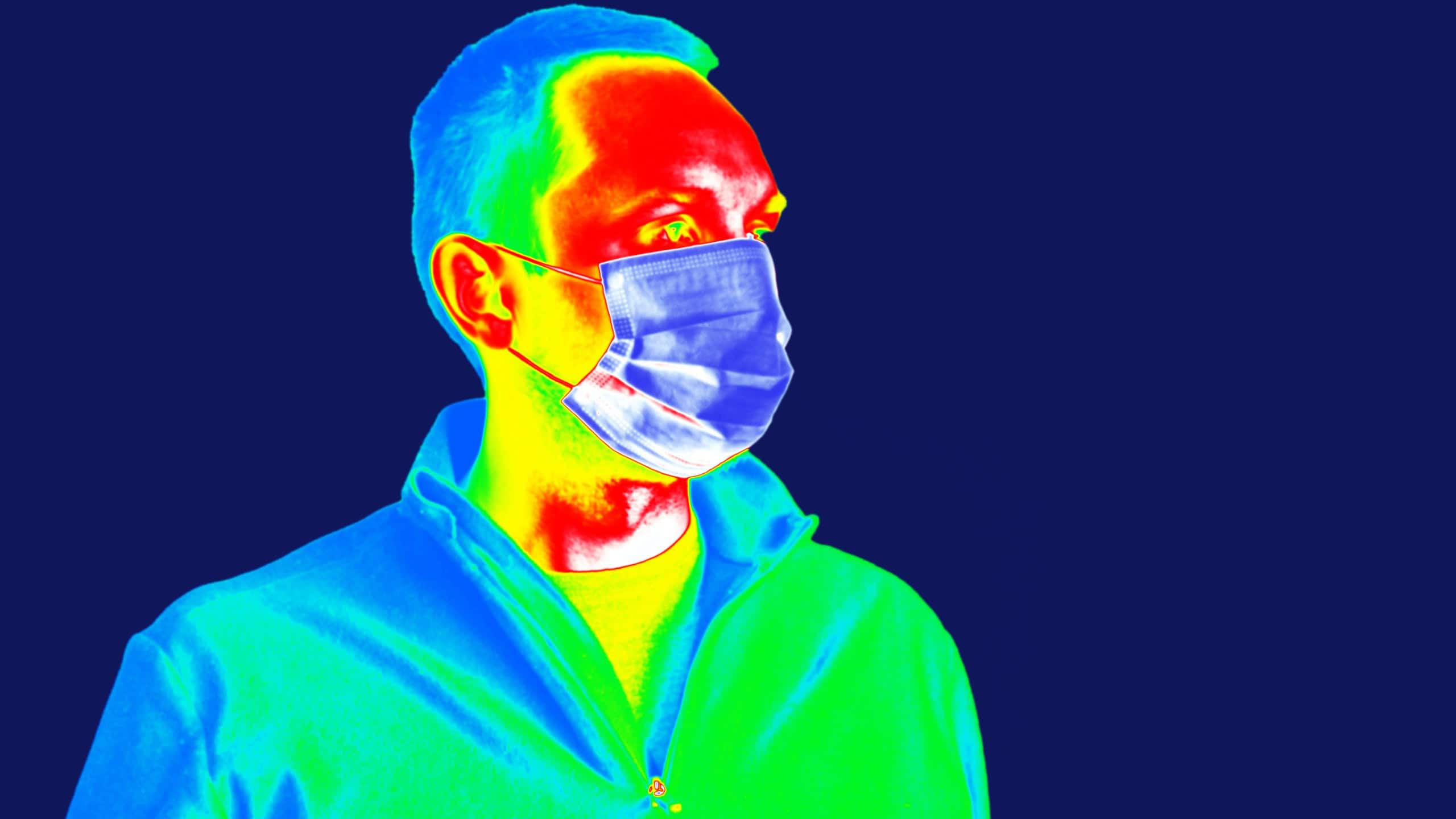
Every single person’s body emits a small amount of light that you can’t see with the naked eye. This is caused by biochemical reactions happening during cellular respiration. However, this bioluminescence is about 1,000 times below what your eyes can detect.
It’s only with the help of ultra-sensitive cameras that we can see humans glow. The level of light emitted from your body changes throughout the day and reaches its peak in the late afternoon, around 4 PM.
Shrinking heights

When you wake up in the morning, you’re actually at your tallest height for the day. As you sleep at night, your body’s cartilage discs recharge by decompressing and taking in fluid, giving you more height.
As you go about your day walking and standing up, you’re adding pressure onto your spine, which compresses those discs back down. By the time you go to sleep at night, you could be up to a half-inch shorter than when you woke up.
Constant rhythm
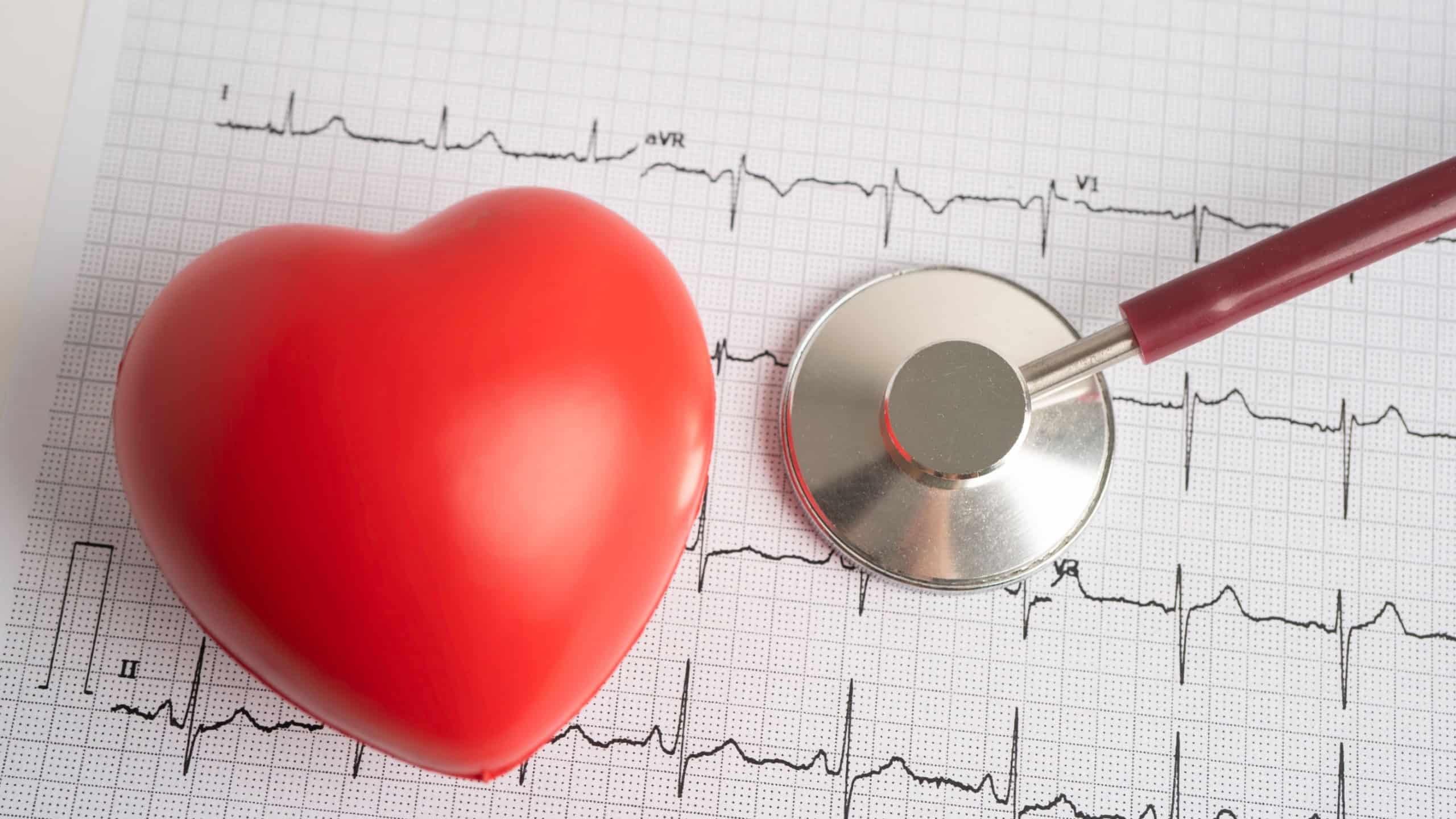
Did you know your heart beats approximately 100,000 times every day? It works non-stop to pump oxygen-rich blood throughout your body. The average heart will beat over 2.5 billion times in a lifetime and it does not take a single break. The heart is an amazing biological engine that works tirelessly to keep you alive.
Shedding skin

The human body continuously loses dead skin cells. We lose about 30,000 to 40,000 dead skin cells per minute. In a lifetime, the average person will shed approximately 40-50 pounds of skin as dust onto their environment. In fact, most of the dust in your house comes from you.
Stomach acids
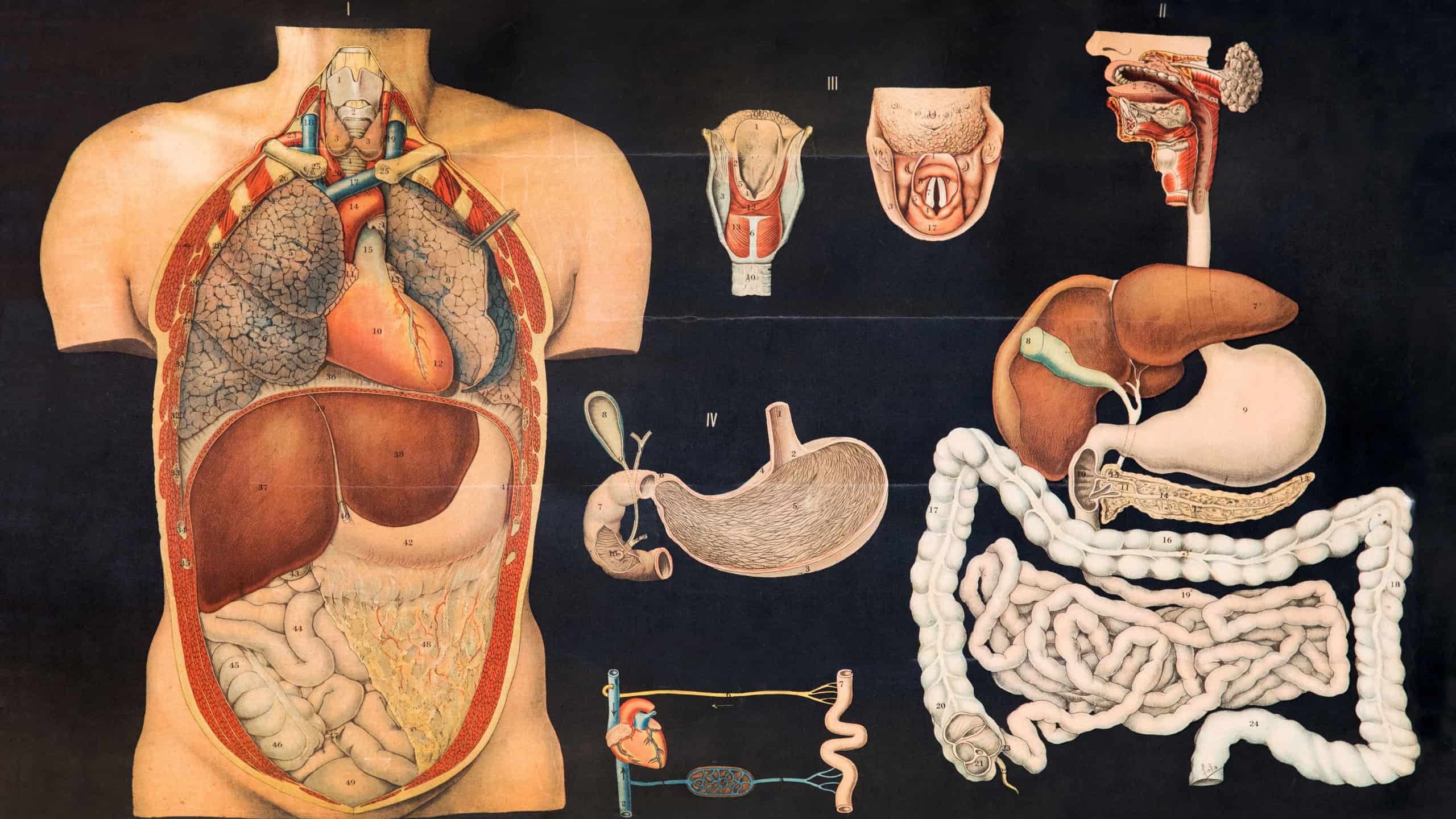
Did you know the acids inside your stomach could literally melt through a metal nail, a razor blade, or zinc coins? Your stomach constantly secretes so much hydrochloric acid that, without a thick layer of protective mucus to guard your stomach walls from digesting itself, you would suffer severe chemical burns.
Your body replaces your entire mucous stomach lining every few days just to prevent any damage from happening.
Brain energy
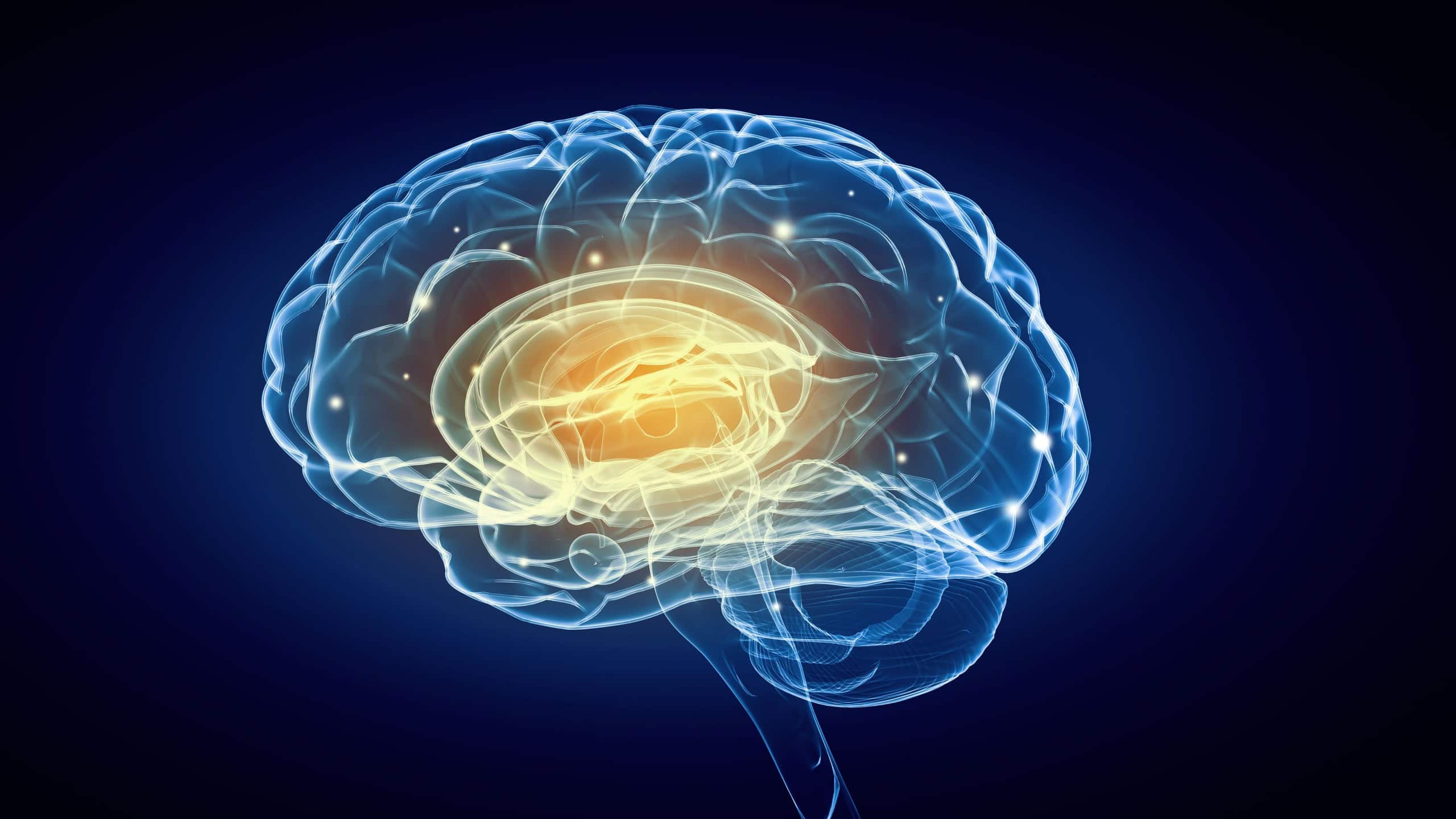
Your brain makes up only about two percent of your body weight but uses about twenty percent of your daily supply of oxygen and energy.
When you are wide awake, your brain produces close to 12 to 25 watts of electricity, powering the millions of neurons inside your skull. That’s enough juice to light up a low-wattage LED bulb.
Unique prints

It’s common knowledge that your fingerprints are one-of-a-kind. But did you know your tongue has that same level of uniqueness? Your tongue print is made up of countless swirling geometrics, taste buds, and muscle clefts that could not be duplicated on another person.
A forensic specialist could theoretically take a scanner of your tongue and use it as a near-perfect biometric identifier.
Vanishing bones
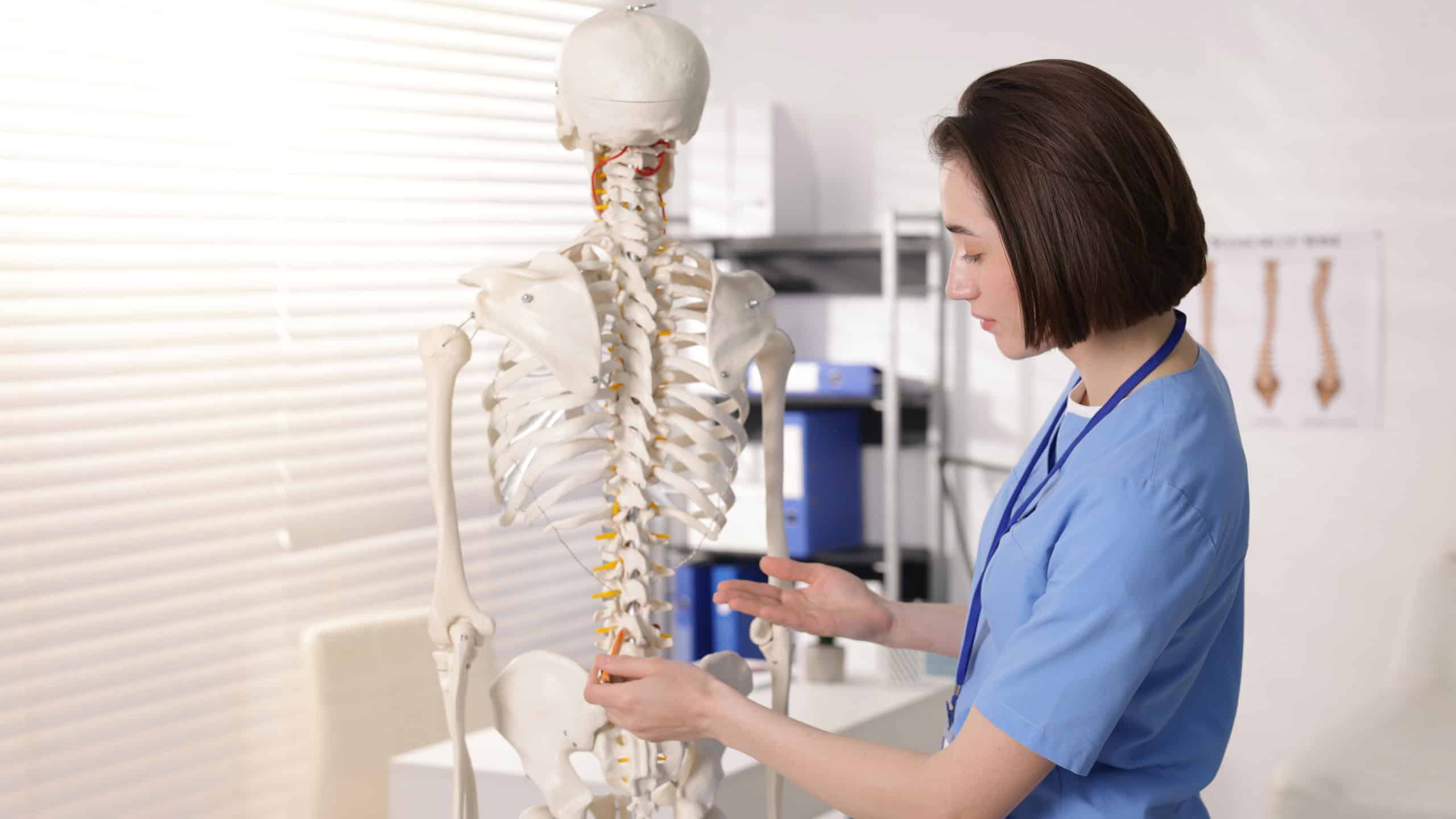
When you are born, you have about 300 bones that make up your little body. Some of those bones fuse as you mature through childhood. For example, your skull and spine have bones that fuse tightly together. When you become an adult, your skeleton ends up with a total of 206 bones.
Vessel lengths

If you stretched out and connected every blood vessel in an adult human body, you could wrap them around the Earth’s circumference more than twice. That’s right, your veins, arteries and capillaries are over 60,000 miles long combined.
Eyeball muscles

Strangely enough, your eyeball muscles are the fastest muscles in your body and are constantly moving. They each make more than 100,000 tiny adjustments every day just to help your eyes focus on moving objects and adjust to changing light. You would have to walk 50 miles each day to work your leg muscles that much.
Cornea oxygen
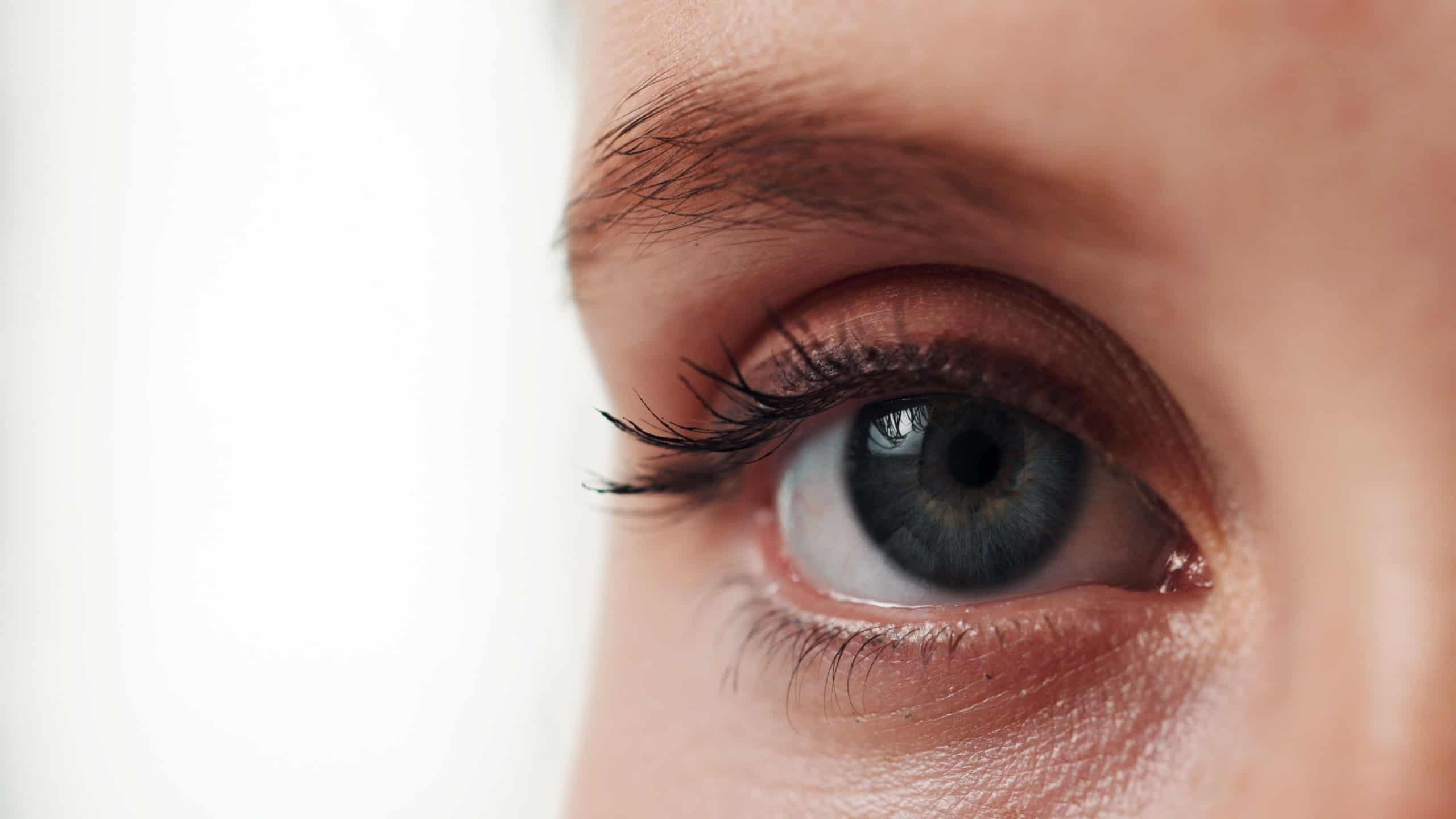
Your cornea is the only part of the human body that is not supplied by even the smallest amount of blood flow. In order for you to have a clear vision, there can’t be blood cells getting in the way, so your cornea gets its oxygen directly from the air around you. The surface of your eye literally breathes the air in the room to remain alive.
Shedding tears

Humans are the only living creatures known to produce tears as an emotional response to sadness, stress or happiness. Animals do shed tears to lubricate their eyes or cleanse debris, but those tears do not contain stress hormones like human emotional tears do. When you cry, you are unleashing pain-relieving chemicals, allowing your body to flush away physical stress.
Microbe world
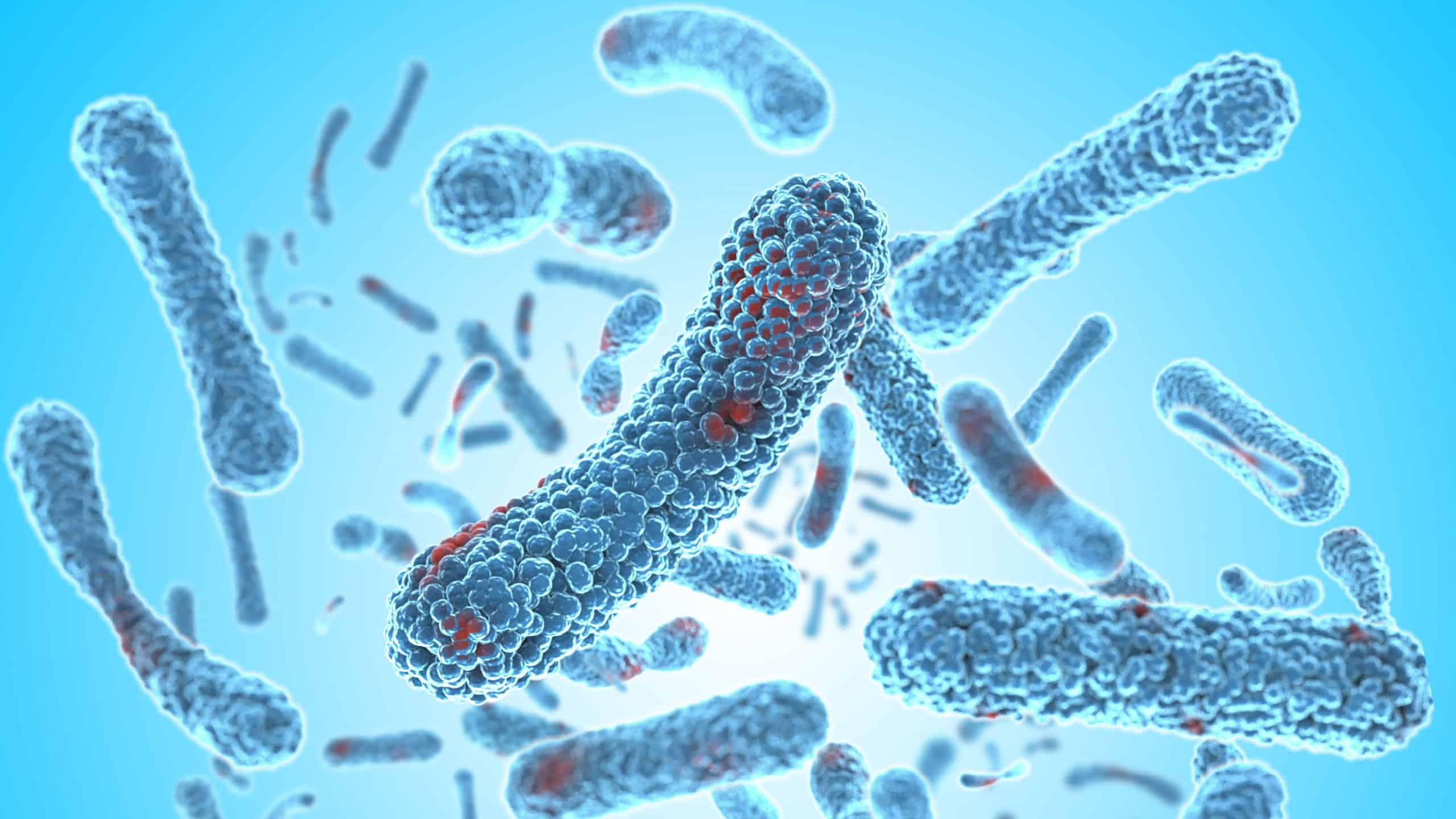
We humans each carry trillions of bacteria on our skin and in our gut. These microbes are actually good for us; they keep our bodies functioning every day by assisting in digestion, educating the immune system and fending off disease. Without these helpful organisms hard at work inside you, you couldn’t even digest food or fight off infection.
Sources: Please see here for a complete listing of all sources that were consulted in the preparation of this article.
Like our content? Be sure to follow us.