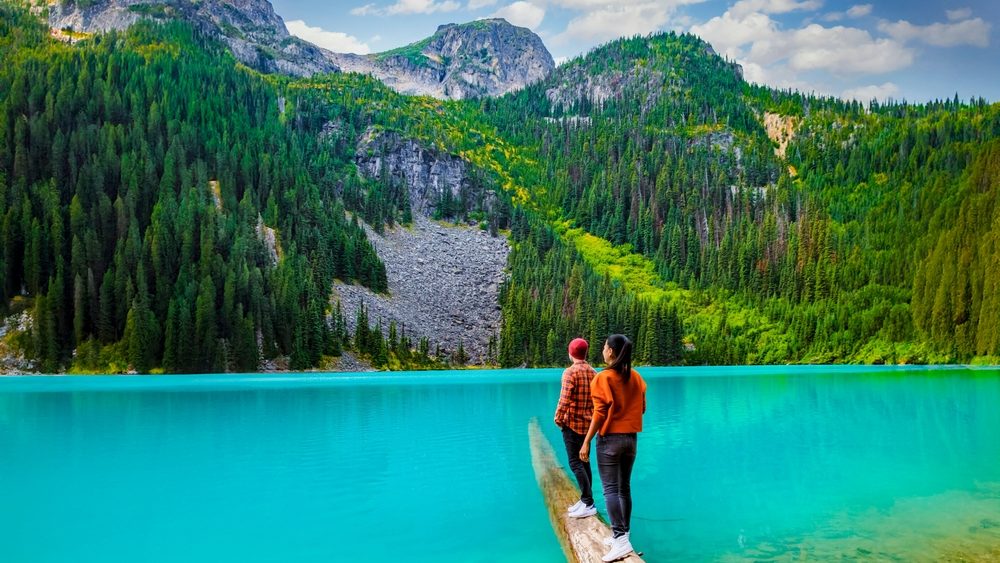
Some experiences are so uniquely tied to Canada’s geography, wildlife, and history that you simply can’t find the same thing anywhere else.
Walk where an ocean was hours earlier
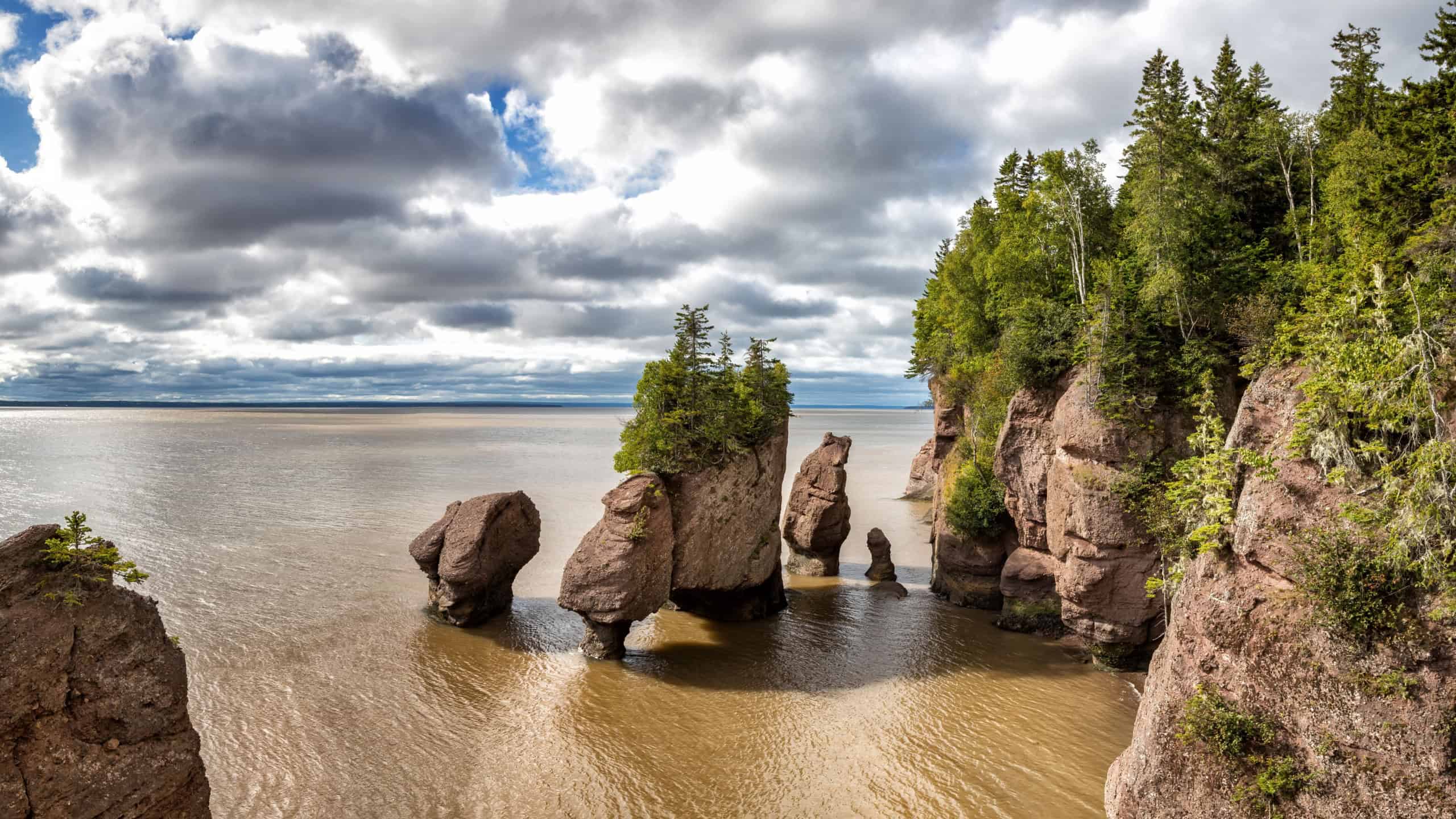
Visit the Bay of Fundy, and you can walk on portions of the ocean floor and later see the sea rush right back over the same ground. Located between New Brunswick and Nova Scotia, the Bay of Fundy has the highest tidal swing of any body of water on Earth.
At certain spots along the Fundy coastline, visitors are able to explore the shore at low tide and return a few hours later to find a completely changed landscape.
Step inside Viking America
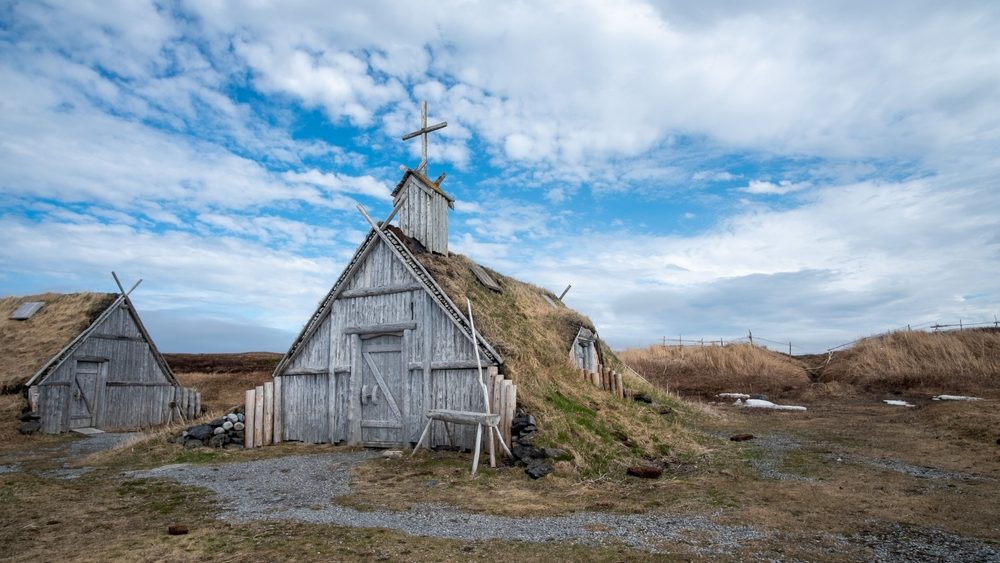
If you travel to Newfoundland, you can explore L’Anse aux Meadows National Historic Site, the first confirmed Norse site found in North America. Around 1,000 years ago, Norse people sailed across the Atlantic and set up camp long before Columbus did. Tourists can walk through reconstructed sod homes, listen to Viking sagas, and watch demonstrations of how they used to forge iron and weave clothing.
You can even participate in an escape-room activity held inside a historically accurate replica timber- and-sod hut. There are no other verified Norse archaeological settlements in North America.
Spend the night as an 18th-century prisoner
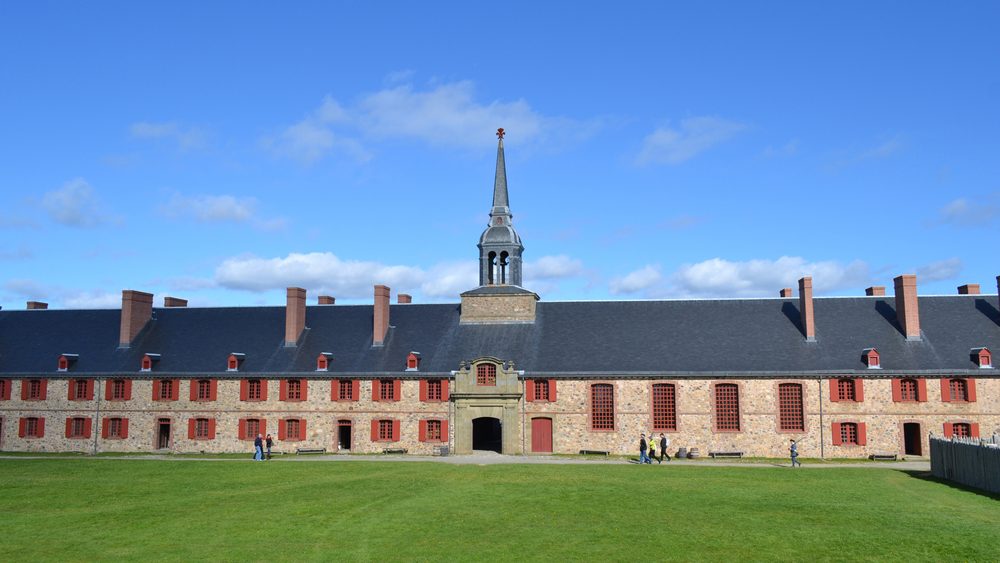
At Fortress of Louisbourg National Historic Site, you can literally stay after the tourists have gone home. Parks Canada runs a rather unique overnight experience where visitors can sleep inside the recreated 18th-century fortress, including spending the night as a voluntary inmate in the fortress prison.
Alternatives for accommodations include sleeping in the guardhouse, a period-style house, or even an 18th-century-style campsite.
Stand at North America’s morning edge
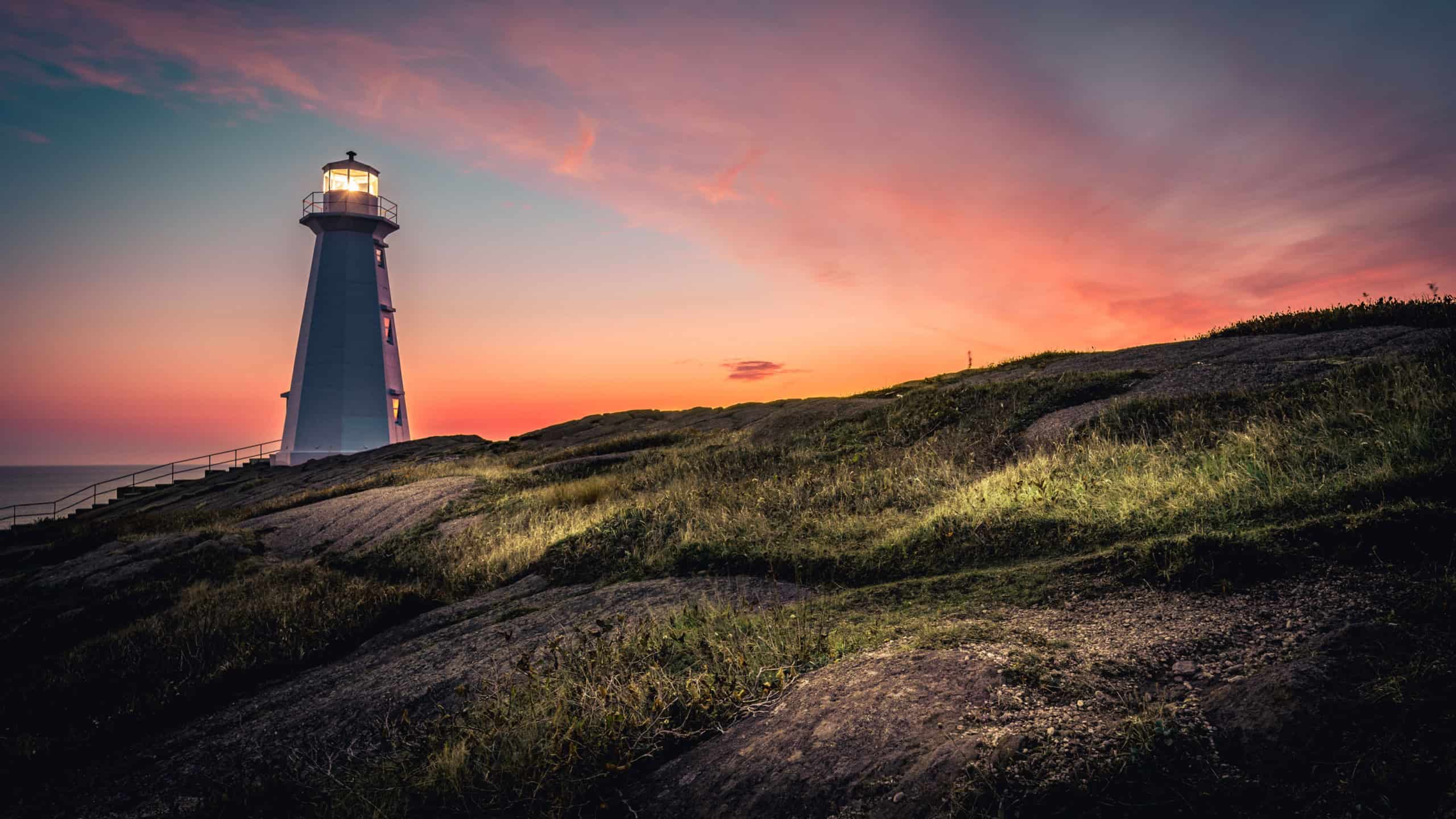
Standing at Cape Spear Lighthouse National Historic Site, you are not only at the easternmost point in Canada but also one of the first people in North America to see the sunrise on a new day. If you look east, all you see is the endless North Atlantic Ocean in the direction of Europe.
If you’re lucky, depending on the time of year, you may also see whales swimming offshore or seabirds and possibly icebergs.
Follow Indigenous guardians into Haida Gwaii
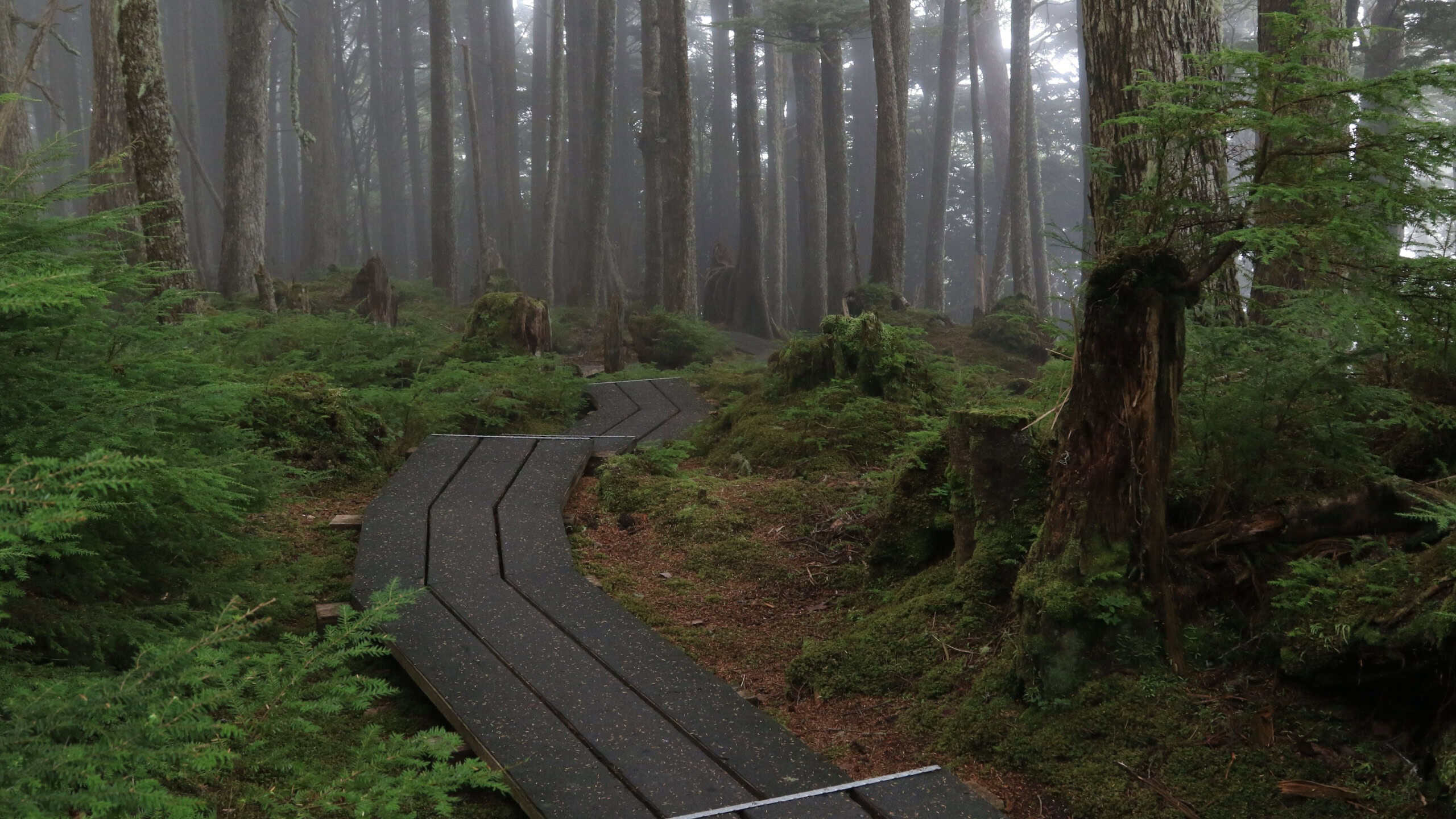
British Columbia’s far-flung Gwaii Haanas National Park Reserve, National Marine Conservation Area Reserve, and Haida Heritage Site offers visitors something more than your typical national park experience.
The Haida Gwaii Watchmen program assigns Haida guardians to culturally significant village sites where they tend the grounds and educate visitors on Haida history and culture.
It’s the only place you can visit the Haida Gwaii ancestral heritage, archaeological village sites, contemporary Haida culture, and the wild Pacific coastline that surrounds it.
Go to the “top of the world” with Inuit guides
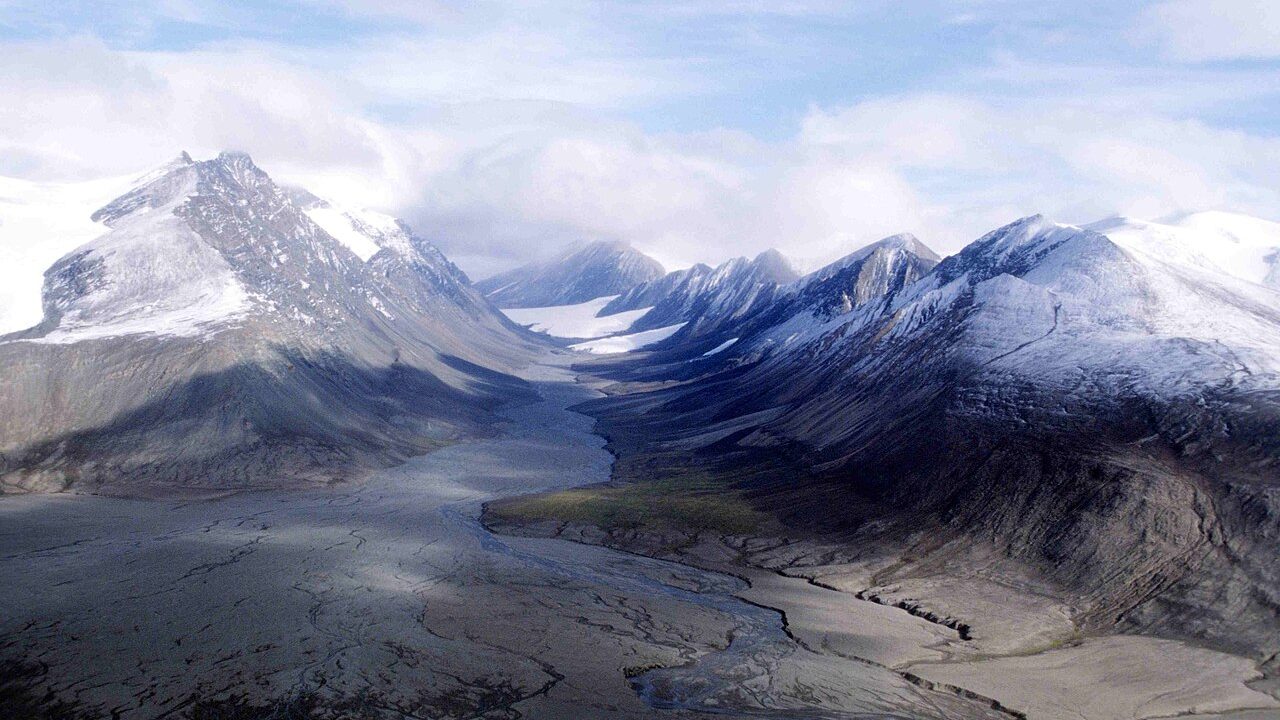
Canada’s north is home to experiences few travelers will ever have. Traverse one of the northernmost protected landscapes on Earth at Quttinirpaaq National Park on Ellesmere Island.
Experience Canada’s High Arctic, with glaciers, mountains, polar desert, and vast expanses of incredibly remote wilderness.
Watch thousands of seals gather on the ice
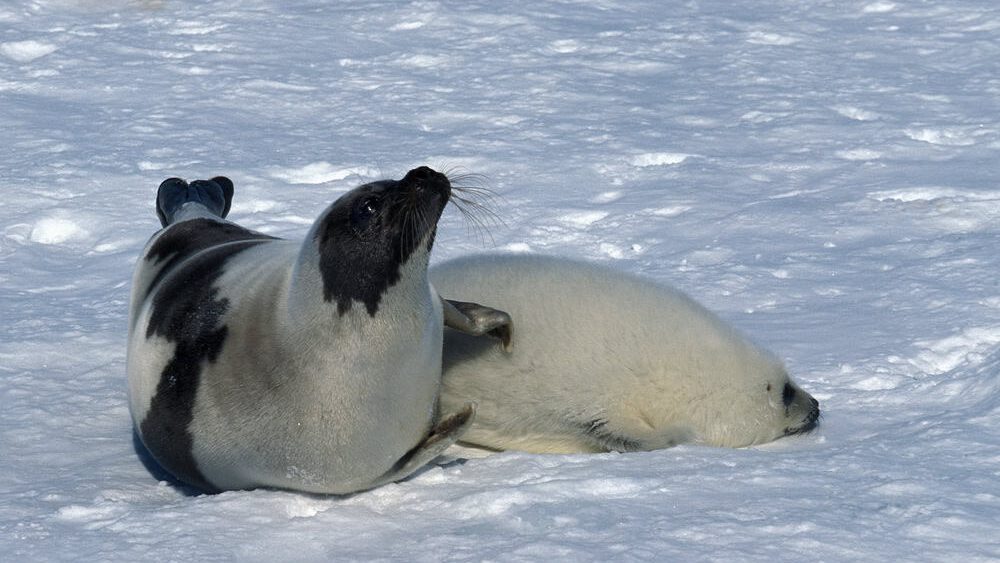
Winter visitors to the Magdalen Islands, off the coast of Quebec, may witness hundreds of thousands of harp seals migrating into the Gulf of St. Lawrence each year. There, mothers give birth to pups on sheets of sea ice. Visitors can sometimes glimpse these seals on the ice during this season on specially planned excursions depending on the ice and weather conditions.
Harp seals can be found elsewhere in Canada and around the world, but this iconic annual gathering in Quebec creates a wildlife viewing experience linked to one distinctively Canadian place and season.
Visit the Polar bear jail
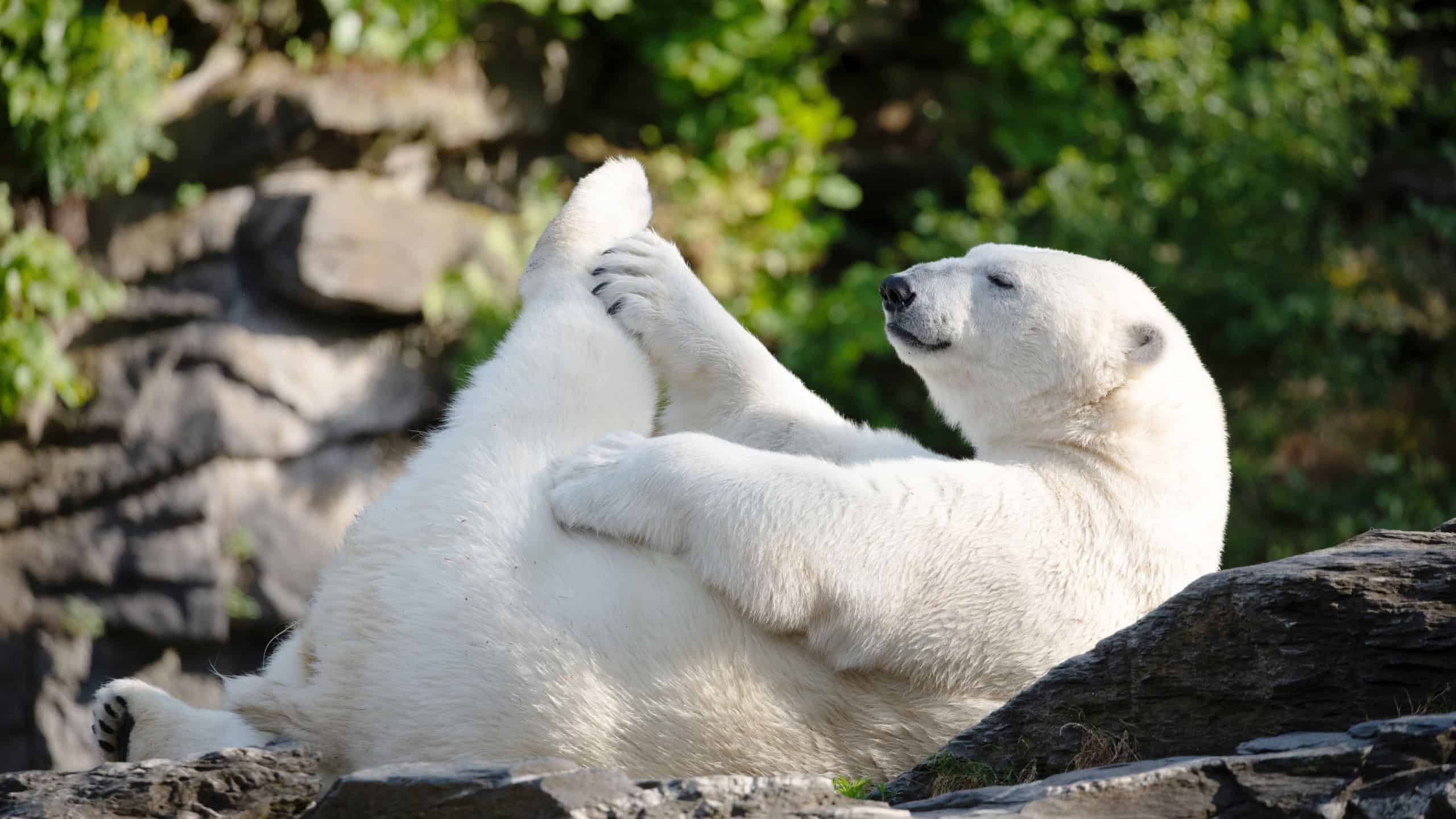
One of Canada’s oddest wildlife-management facilities is on display in Churchill, Manitoba: the Polar Bear Holding Facility, also known as the “polar bear jail.” Captured when it repeatedly wanders into or near town and cannot be scared off, a bear unwilling to leave on its own can be detained by Manitoba’s Polar Bear Alert team and placed in this custom-built enclosure.
Bears aren’t exactly serving time here; think of it more as a means of keeping both humans and bears safe until the animals can be transported or released when the Hudson Bay freezes.
Drive the world’s longest national highway
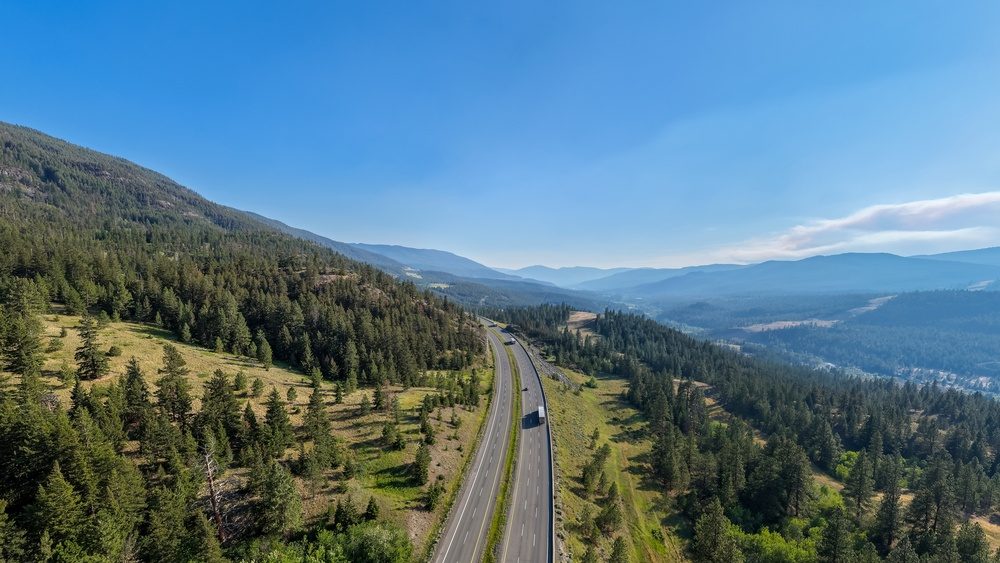
Few drives can match the experience of travelling along Canada’s longest route, the Trans-Canada Highway. Linking Victoria, British Columbia and St. John’s, Newfoundland, travellers journey through the vast landscapes of Canada: from the Rocky Mountains, across Prairie country, forests and communities to the Atlantic Ocean.
Spanning 7,821 kilometres, Parks Canada describes this highway as the longest paved highway in the world.
Visit an island within an island
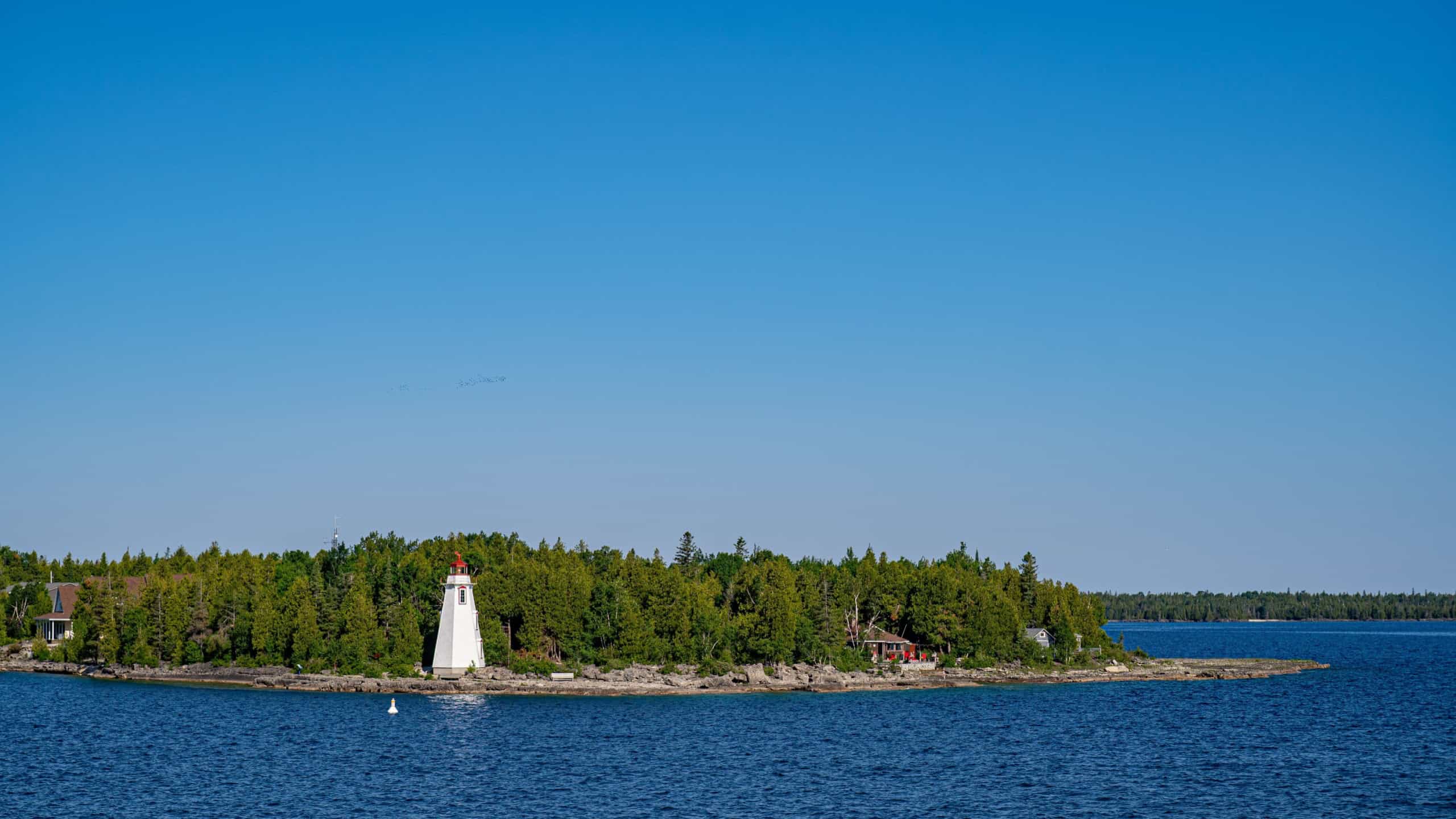
Ontario is home to one of the world’s geographic quirks: Manitoulin Island is the largest island in a freshwater lake. Located in Lake Huron, Manitoulin Island has a surface area of about 2,766 square kilometres (1,066 sq mi) and hosts more than 100 lakes. S
ome of these lakes are also home to islands. The largest lake on a freshwater island is Lake Manitou, located on Manitoulin Island. Visitors can hike, paddle, fish, or drive between Manitoulin’s small communities.
Skate the world’s largest naturally frozen ice rink
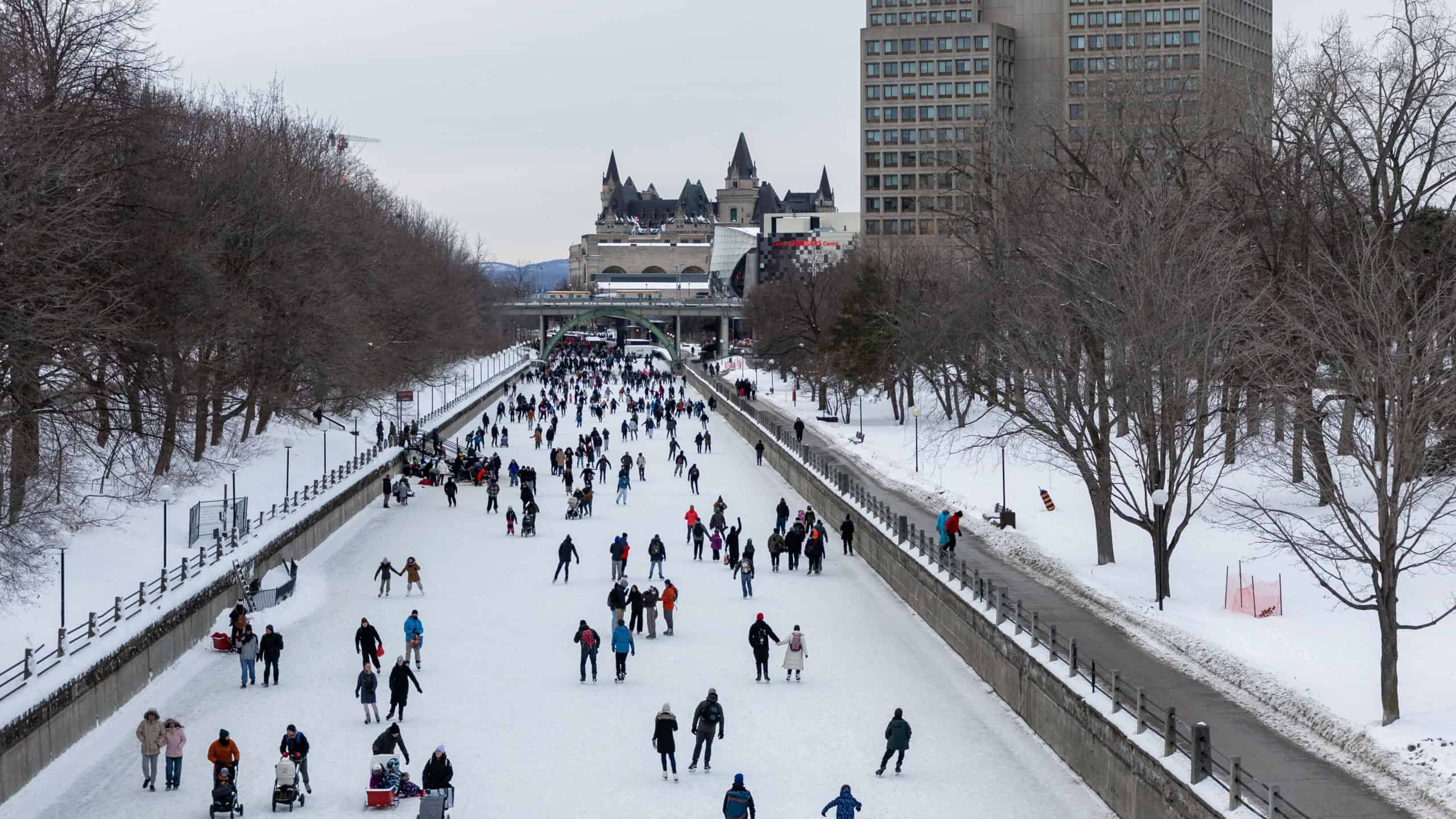
Each winter, a portion of the Rideau Canal in Ottawa, Canada, is transformed into the Rideau Canal Skateway. Unlike your average ice rink, sections of the canal that freeze over (measuring 7.8 kilometres end to end) become a skating corridor linking many areas in downtown Ottawa, allowing visitors to skate by famous downtown landmarks instead of around them.
Weather permitting, it typically opens near the end of December and can stay open until late March or early April.
Sources: Please see here for a complete listing of all sources that were consulted in the preparation of this article.
Like our content? Be sure to follow us.