Before government agencies responsible for consumer safety imposed rigorous manufacturing standards, families routinely used these dangerous items inside their homes.
Drop-side cribs
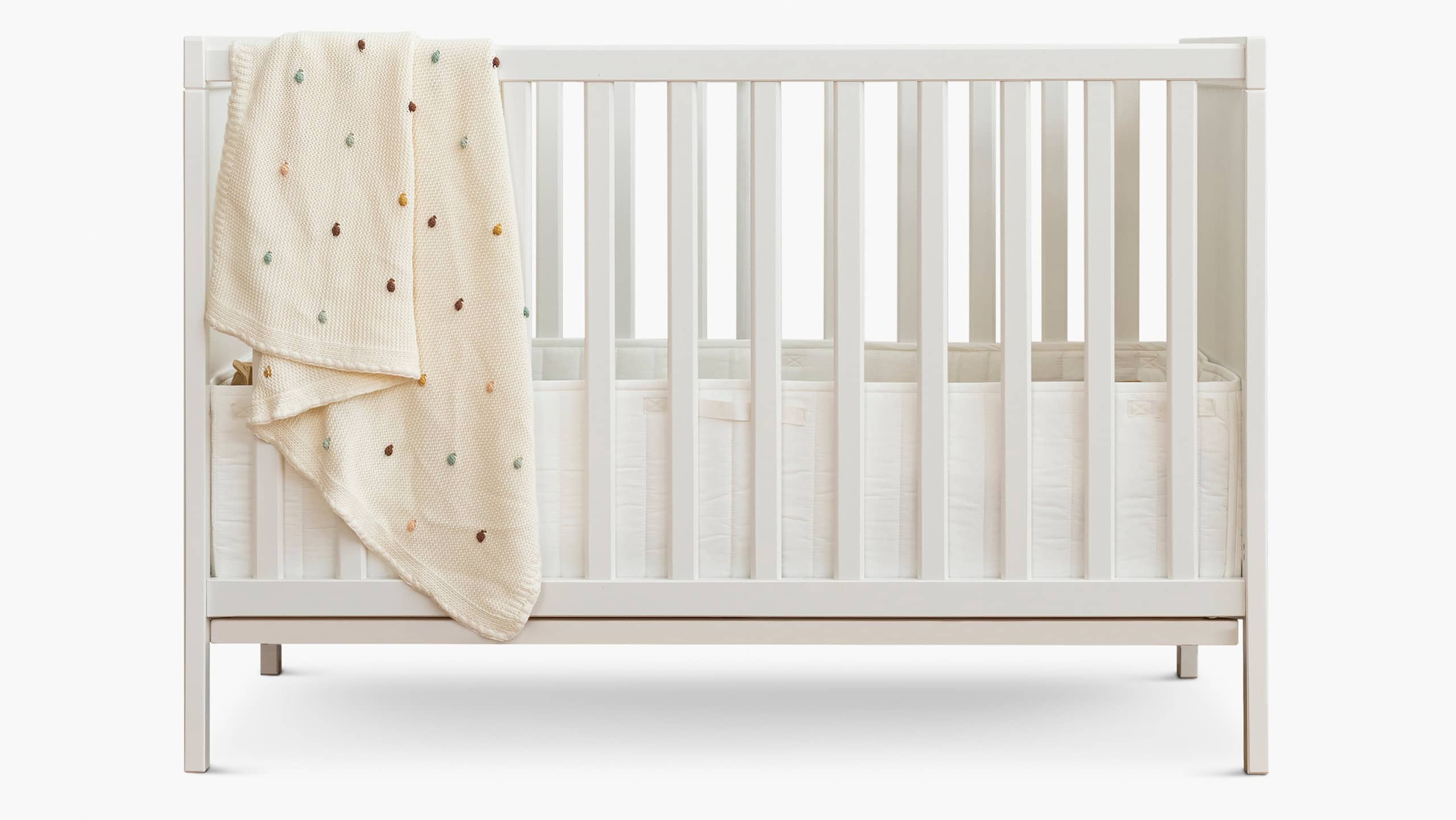
Cribs with a side that hinges down for easier access to babies have been sold for decades. Eventually, the plastic or metal hardware that controlled the drop side would loosen, allowing it to fall partially down and create a V-shaped opening. A baby’s head or body could become lodged in the space, leading to strangulation. The CPSC outlawed their sales and manufacture in 2011.
Lawn darts (Jarts)
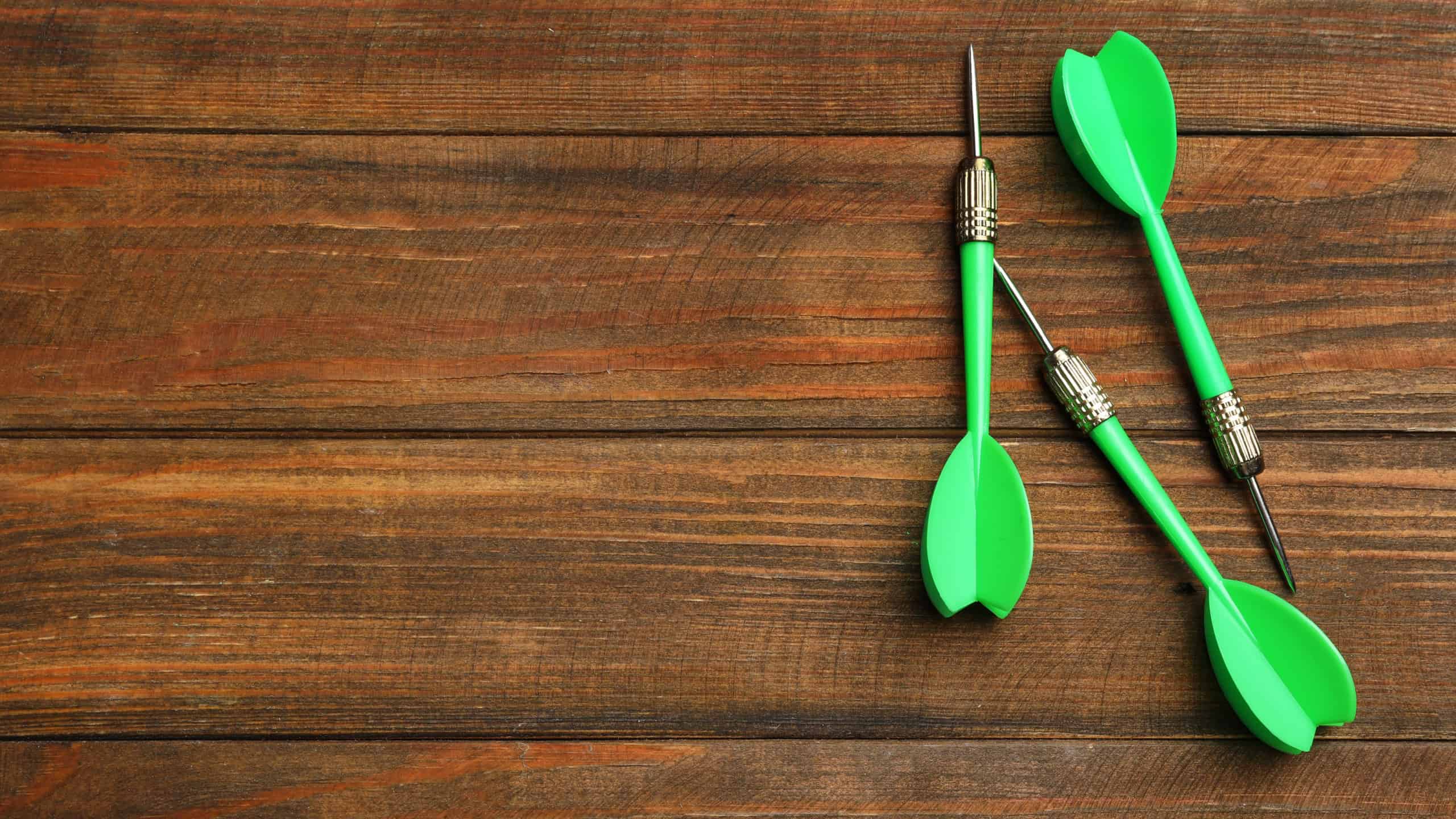
Widely popular throughout the 1960s and 1970s, lawn darts were heavy, pointed metal spikes that you threw across the grass at a hoop target. Thousands were injured from severe puncture wounds, and several child deaths later, lawn darts were banned in the U.S. in 1988.
Lead-glazed ceramic dinnerware & vintage Pyrex
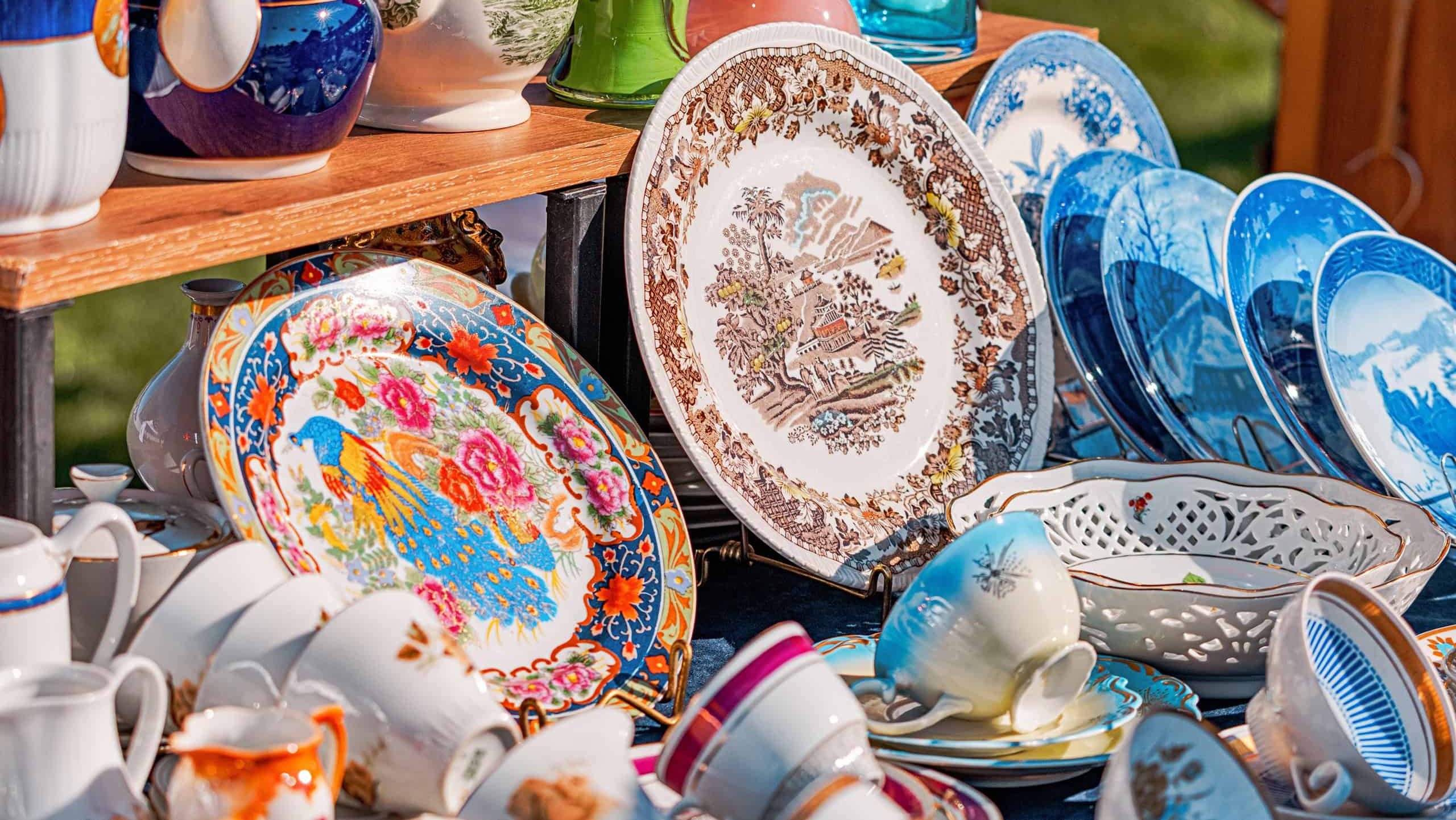
Prior to FDA regulation in the 1970s, vibrant red, orange, and yellow ceramic glazes (think vintage Fiestaware) and dishware paints were often heavily laden with lead and cadmium. The acid in common foods like citrus or tomatoes caused lead to leach directly into your food.
Talc-based baby powder
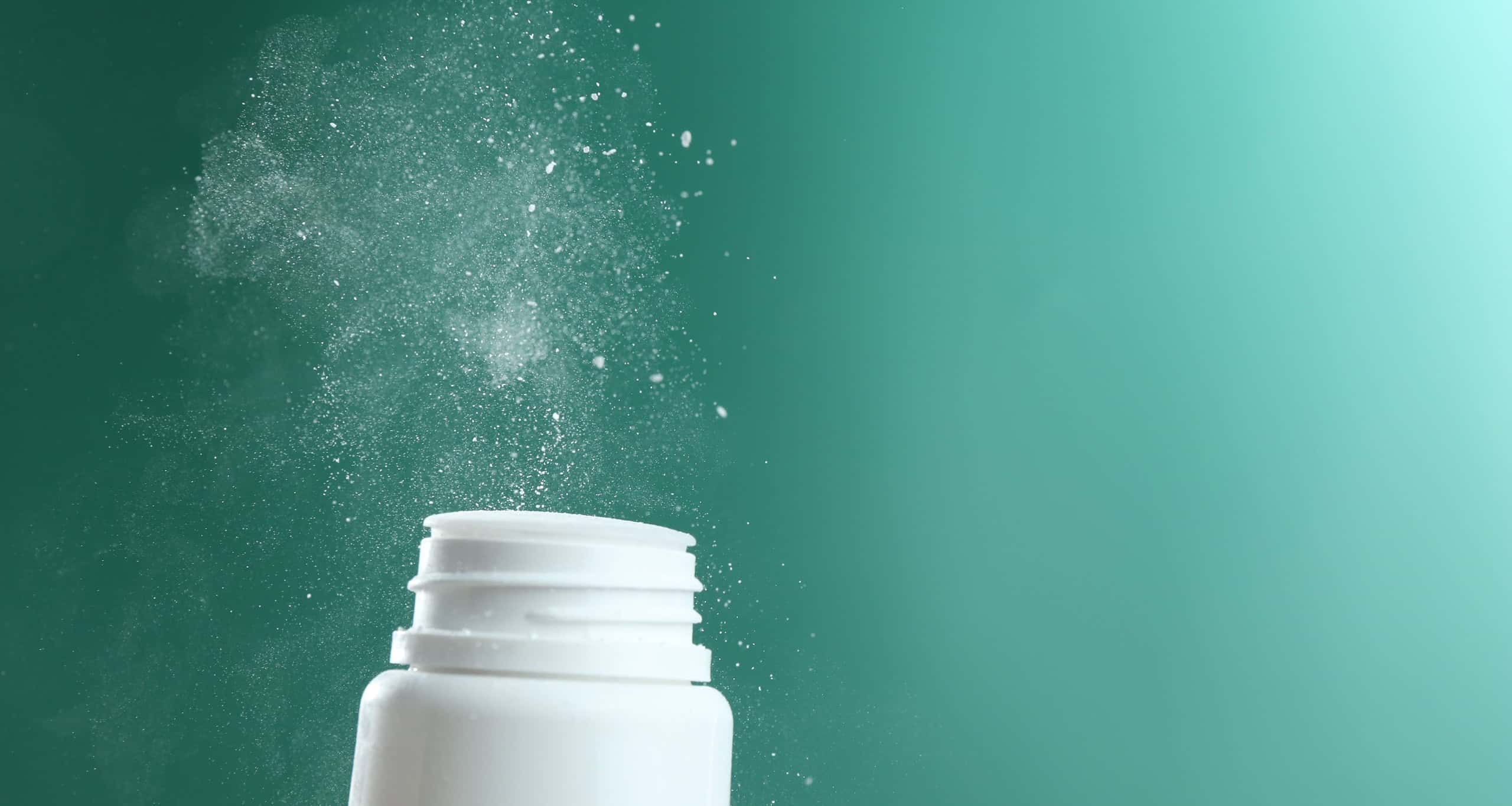
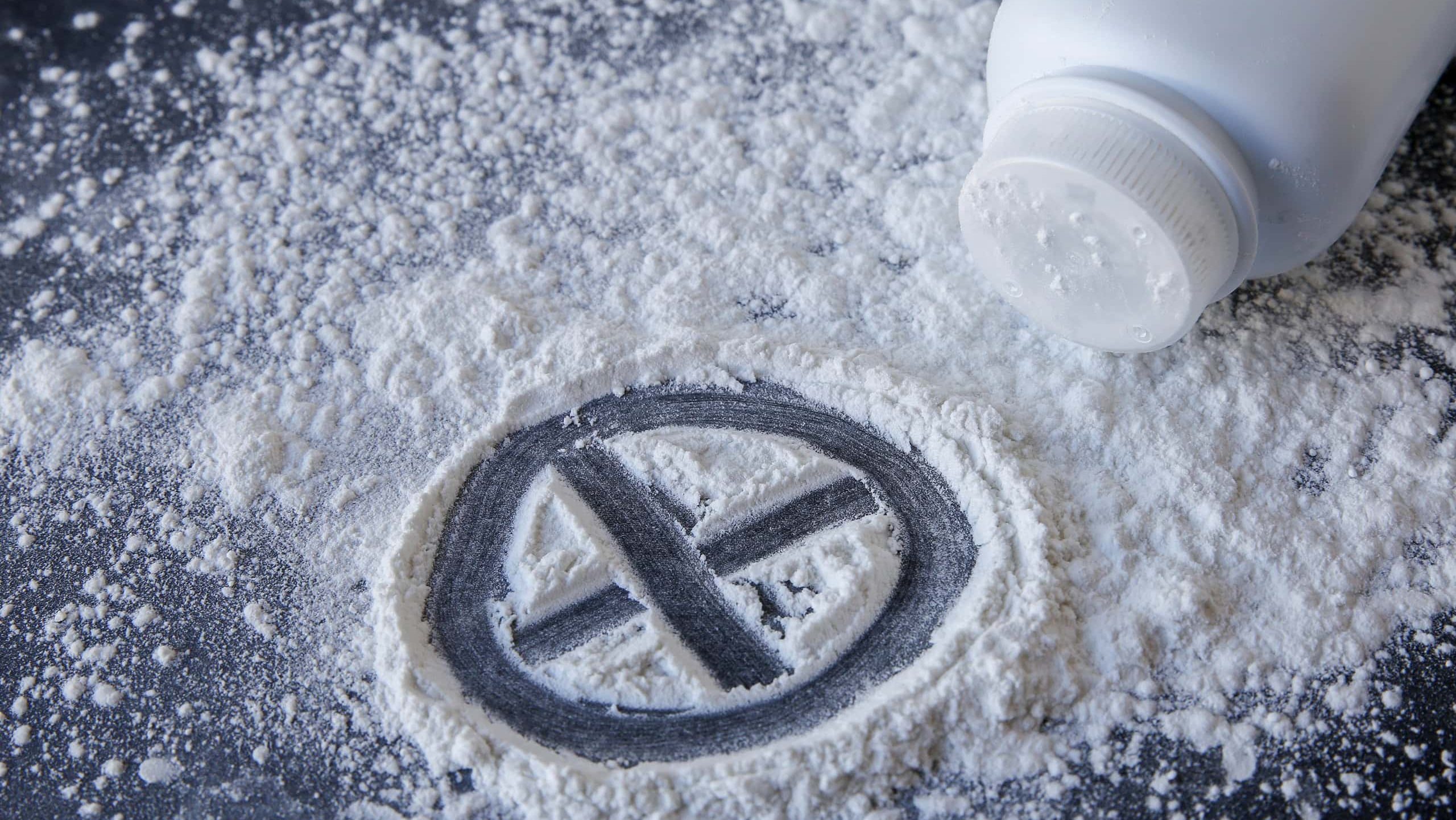
Parents for generations sprinkled newborns with baby talcum powder to keep their skin dry. Years later, government health studies discovered that airborne talc powder is a serious breathing hazard for babies, and untreated talc mines are frequently contaminated with naturally occurring asbestos.
Mercury thermometers & barometers
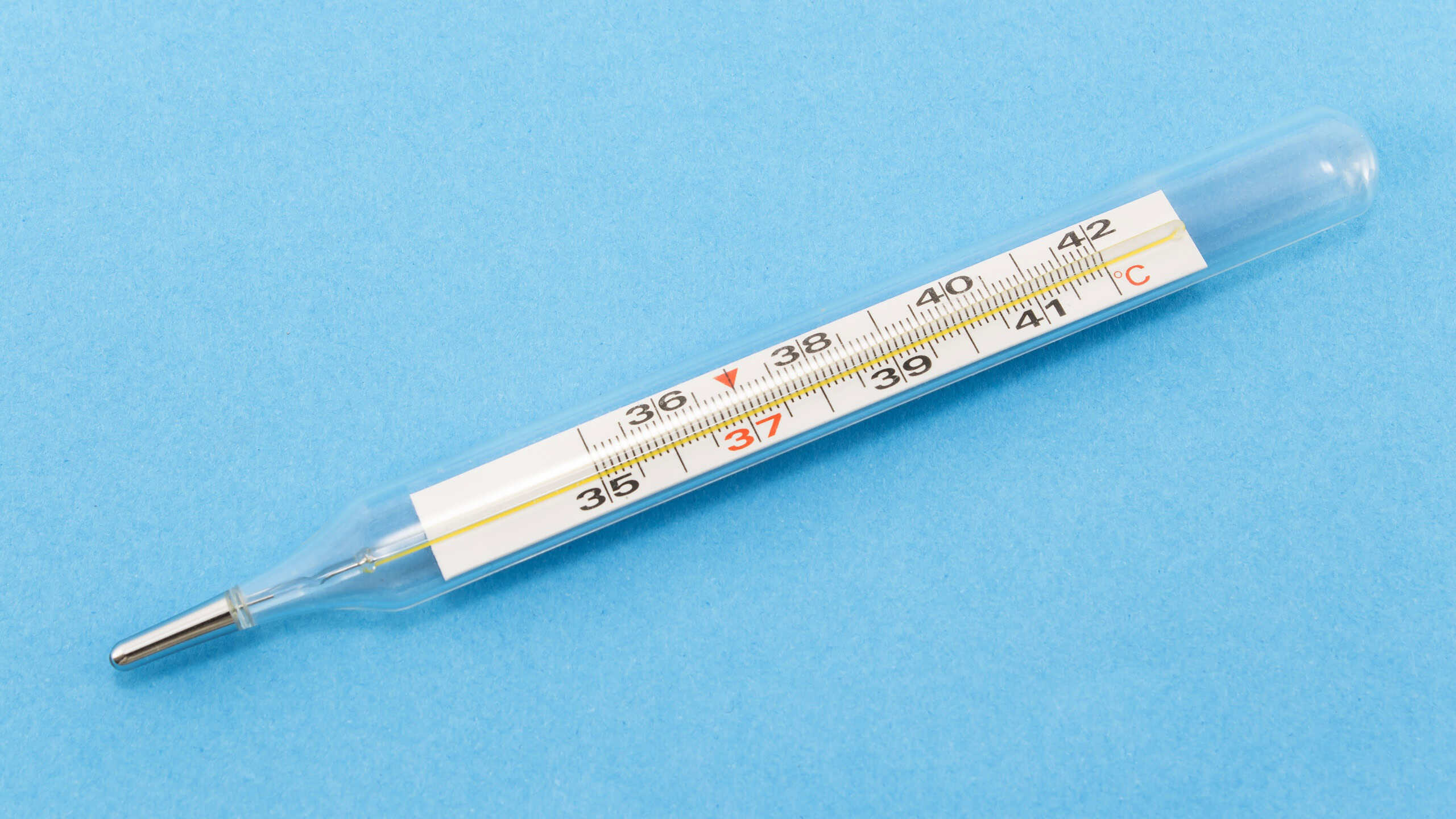
Traditional mercury glass fever thermometers contained a bead of elemental silver mercury. Dropping these thermometers broke the fragile glass housing, releasing extremely toxic mercury vapor into family environments. Sales of mercury thermometers are widely banned throughout the US and Europe.
Leaded crystal decanters & glasses
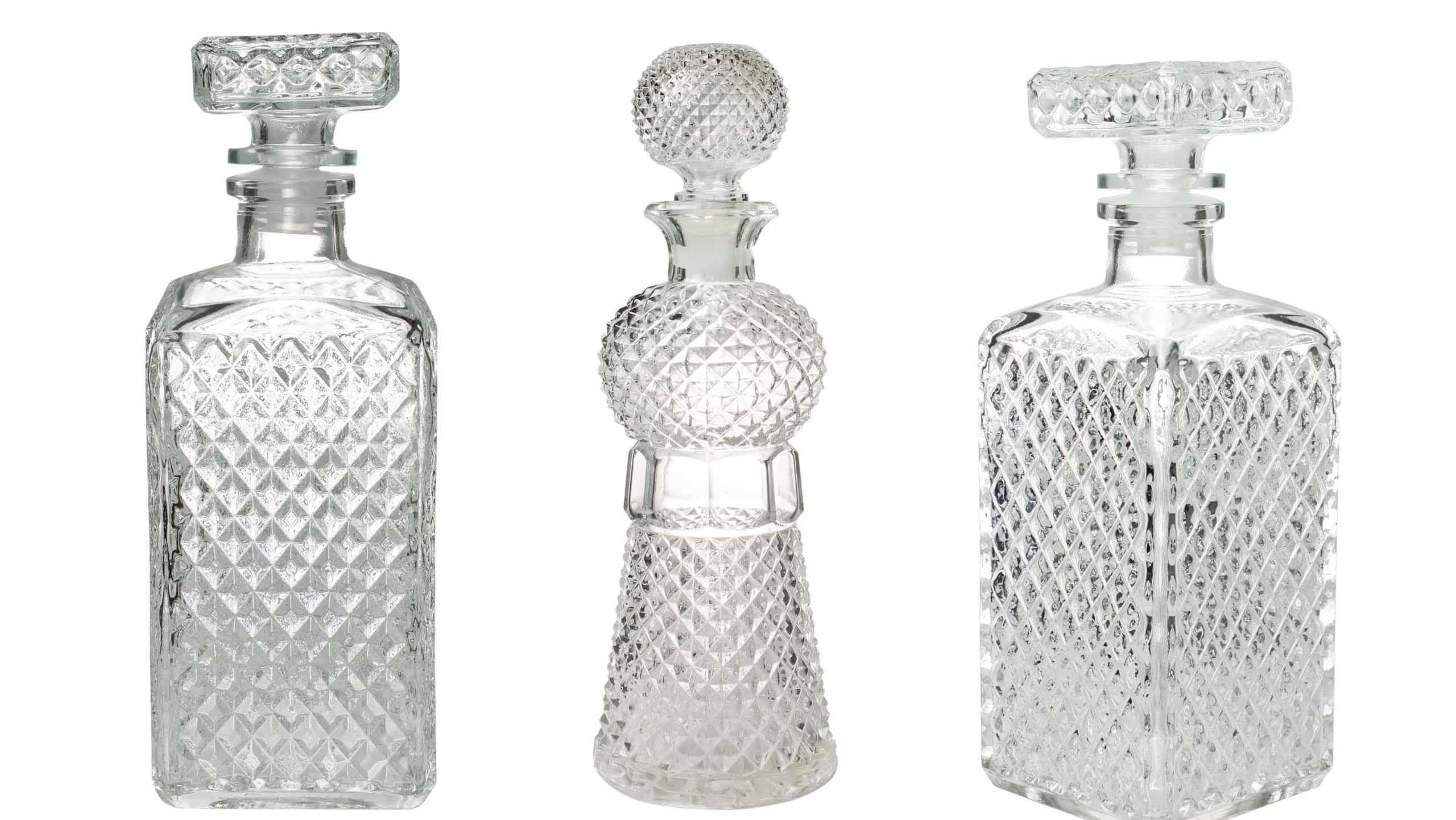
Grandparents often stored wine, whiskey or brandy in large hefty crystal decanters. Glassmakers used to use up to 30% lead oxide in crystal glass to increase sparkle and weight. Storage of liquids permitted much higher lead content to leach into alcohol over time.
Asbestos-lined hair dryers & ironing pads

Hair dryers, ironing board covers, and toaster insulation are just a few of the common household items that incorporated asbestos to function as an inexpensive heat barrier prior to federal bans when it began to be linked to mesothelioma lung cancer.
Unvented gas space heaters
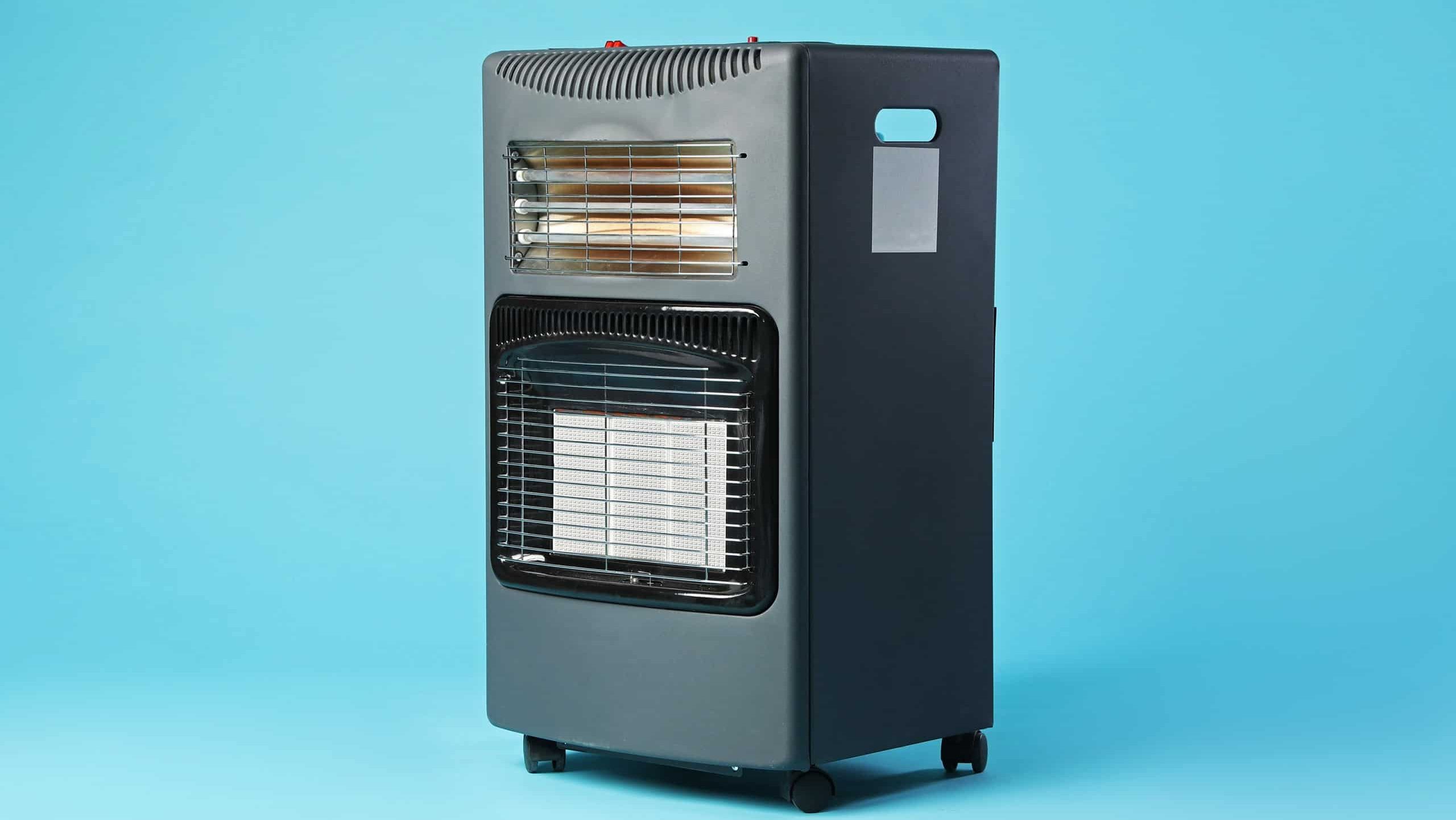
Old freestanding indoor gas heaters that stood by themselves had no external chimney or vent. In an enclosed room with no ventilation, they would quickly consume oxygen and produce lethal amounts of carbon monoxide.
Chemistry sets with hazardous chemicals
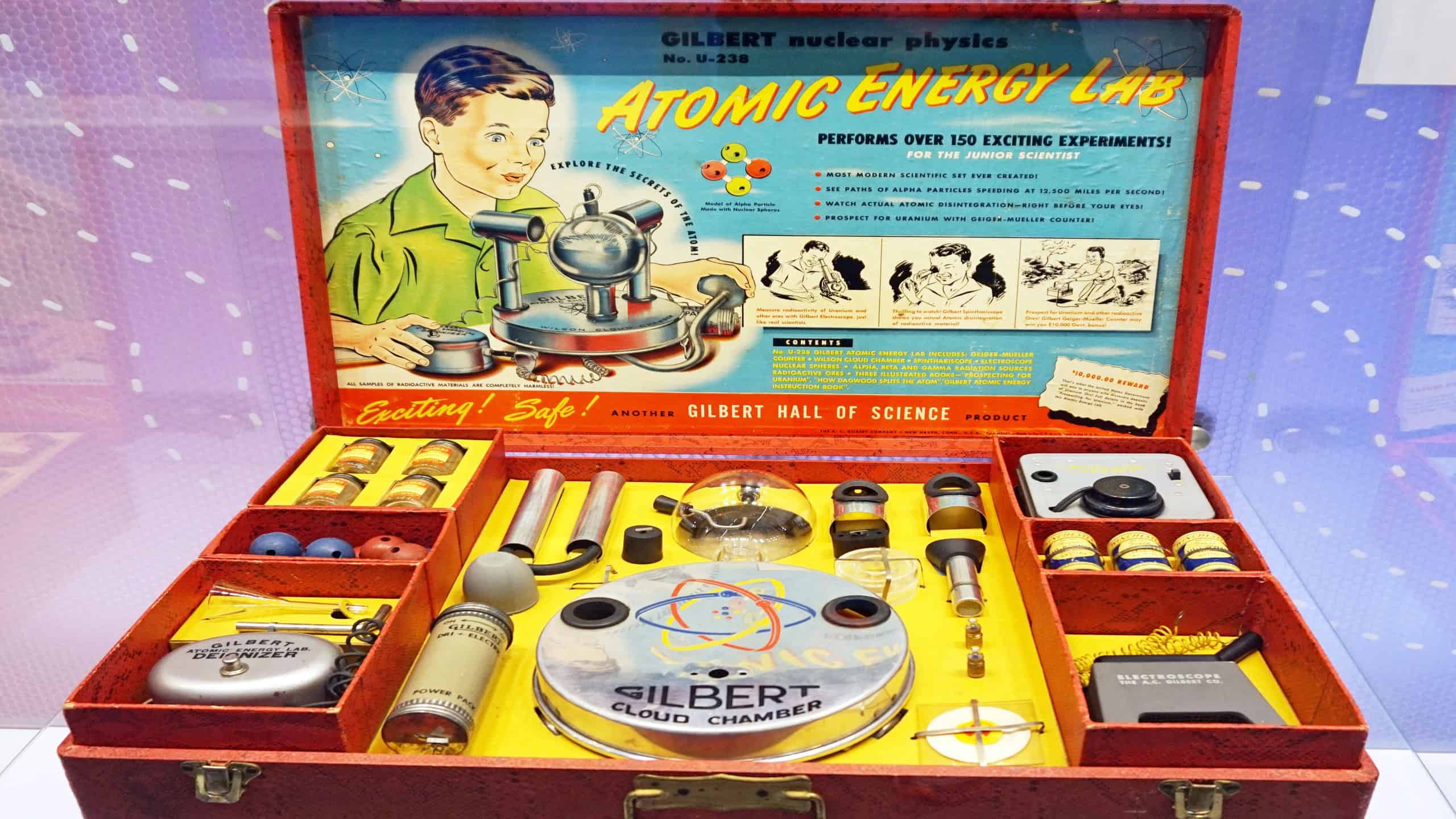
Toy chemistry sets sold to children during the mid-20th century included genuine chemical reagents, such as uranium ore (the Gilbert U-238 Atomic Energy Lab), cyanide compounds, and powerful acids. This was well before child- safe packaging laws were enacted.
Mercury-based mercurochrome
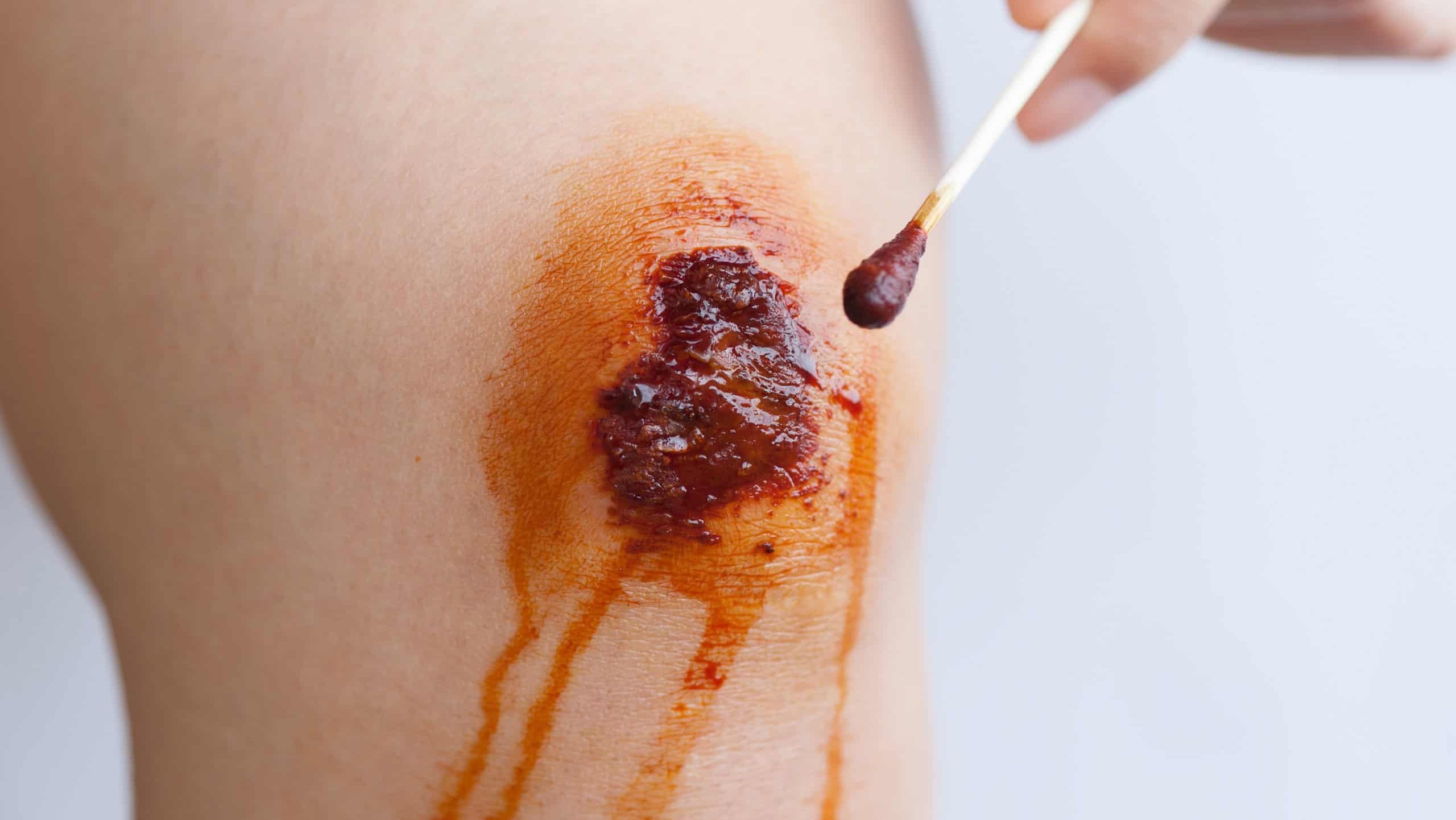
You could find Mercurochrome (merbromin) in almost every medicine cabinet during the mid-century. This liquid was the disinfectant used to dot on any scraped knee. It was removed from its status of “generally recognized as safe” by the FDA in 1998 due to its mercury content and danger of systemic mercury poisoning.
DDT insecticide
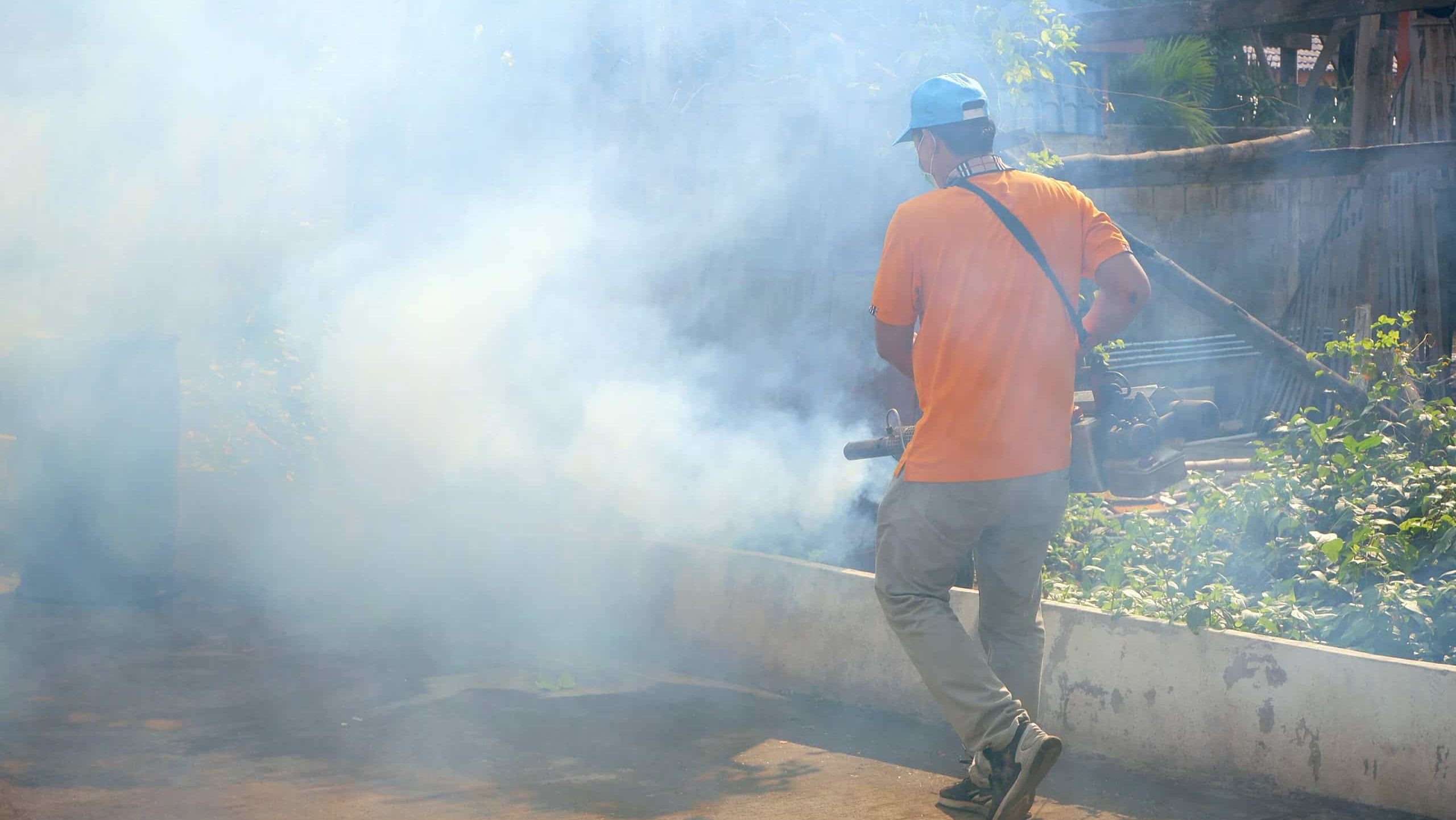
DDT was sprayed on homes, gardens, and farms to kill insects. It was once thought very safe until scientists found out it builds up in the environment and kills wildlife, and could make us sick. It has now been banned or severely restricted in most countries.
Sources: Please see here for a complete listing of all sources that were consulted in the preparation of this article.
Like our content? Be sure to follow us.