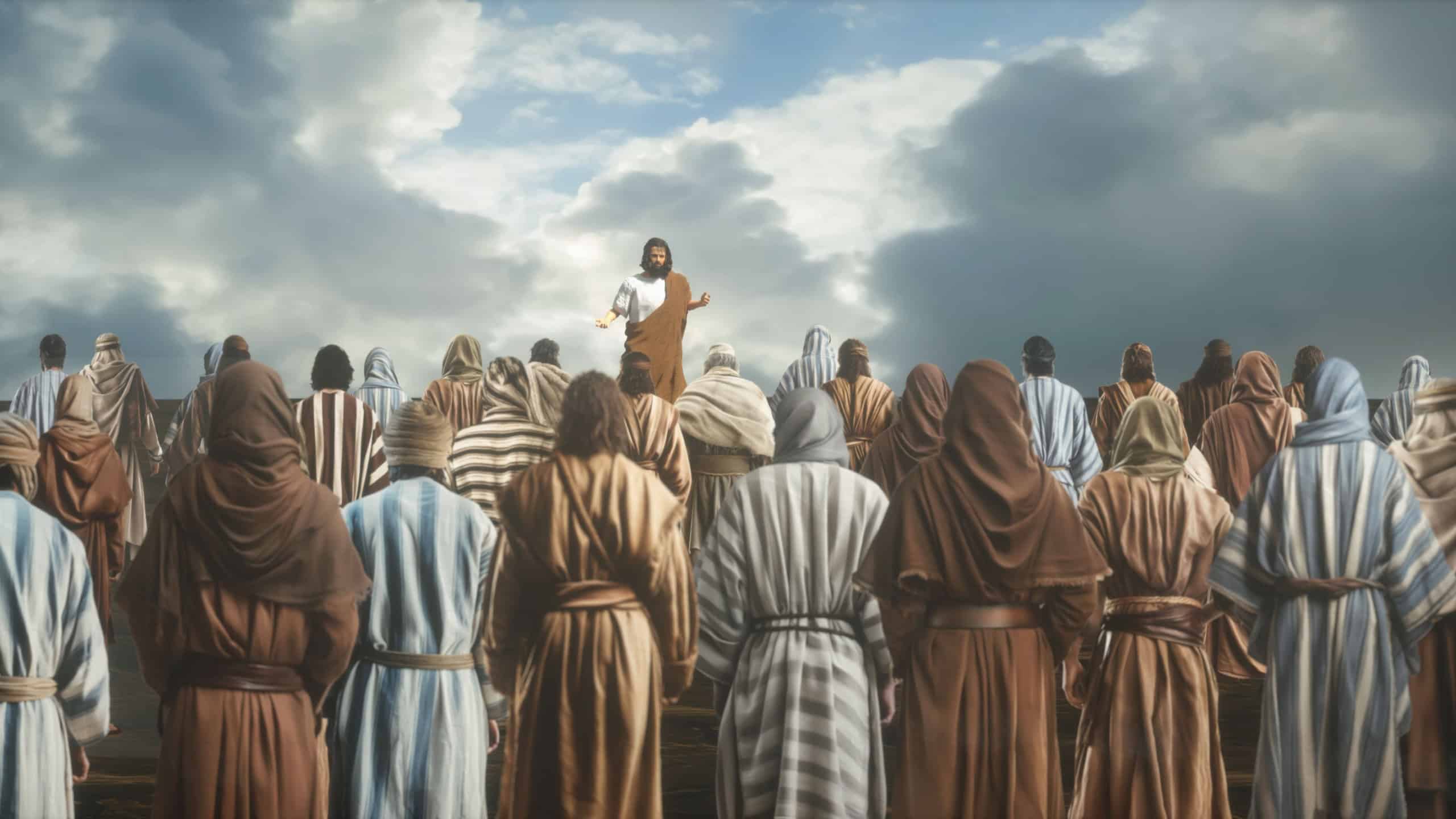
Many of Jesus’ most controversial moments came when He challenged the religious practices of His day.
Outcast shunning
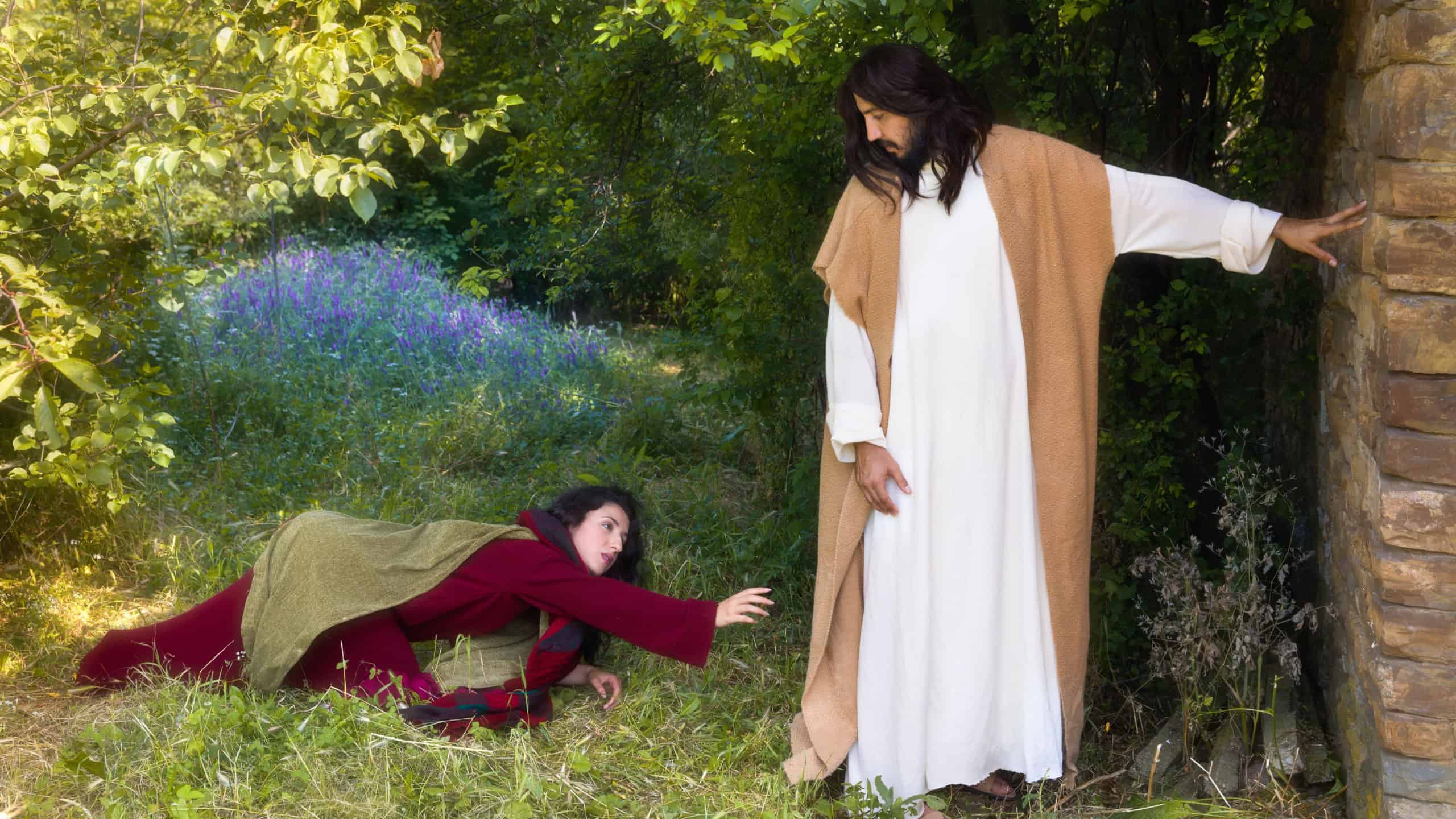
Tax collectors, prostitutes, and foreigners were routinely ostracized as it was considered religious to completely shun them to avoid being contaminated. Jesus took great effort to be with these individuals and even sat down and ate with them.
He responded to harsh judgments by the elite by saying that healthy people don’t need a doctor but sick people do. (Matthew 9:10–13).
Sabbath travel
Religious leaders determined how many steps a person could travel on the Sabbath without violating the law and sinning. Jesus purposefully violated these travel restrictions by walking through fields of grain and into synagogues to preach and heal whenever he felt called.
He argued that limiting travel on the Sabbath day took away from the true meaning of the day, a day of rest in God to restore our bodies and spirits (Mark 2:27).
Corban Vows

Some people would set aside money or possessions as “Corban”, which could only be given lawfully to the temple treasure. Jesus challenged this vow as an excuse hypocritically created by adult children who didn’t want to take care of their aging parents but wanted to seem exceedingly righteous.
He chastised the leaders for letting their tradition override the direct commandment from Scripture to honour one’s father and mother (Mark 7:9–13).
Hand washing

Jesus challenged the ceremonial practice of washing hands before eating. When Pharisees condemned Jesus because His disciples did not practice this tradition, He responded that external actions cannot purify someone spiritually. It is what comes out of their heart that defiles them. Their sinful thoughts and deeds, not whether they eat with unwashed hands (Mark 7:1–23).
Temple commerce

Priests had made temples a profitable enterprise, exchanging money and selling animals within the court of the Temple. He flipped over the tables of money changers and drove out those who were selling animals for sacrifice, saying that God’s House is “a house of prayer,” not “a den of robbers.”
He denounced their use of the Temple as it made a house of prayer into a debt trap for the poor (Matthew 21:12–13).
Strict fasting
Fasting publicly twice each week had become a ritual that religious leaders ostentatiously used to demonstrate their holiness. Jesus criticized this hypocrisy.
He told his disciples to wash their faces and hide the fact that they were fasting from others, only fasting before God. He also defended his disciples when they didn’t participate in this traditional fasting. Jesus taught that fasting was completely out of place when he was with them celebrating (Matthew 6:16–18; Mark 2:18–20).
Diet laws

Jesus confronted the people of His time on their beliefs about eating foods considered clean or unclean by the Law of Moses. Jesus proclaimed that it was not what goes into a person’s mouth that defiles them but what comes out of their heart. He condemned evil thoughts, pride, covetousness and anything that comes from a wrong attitude (Mark 7:14–23).
Oathing rituals
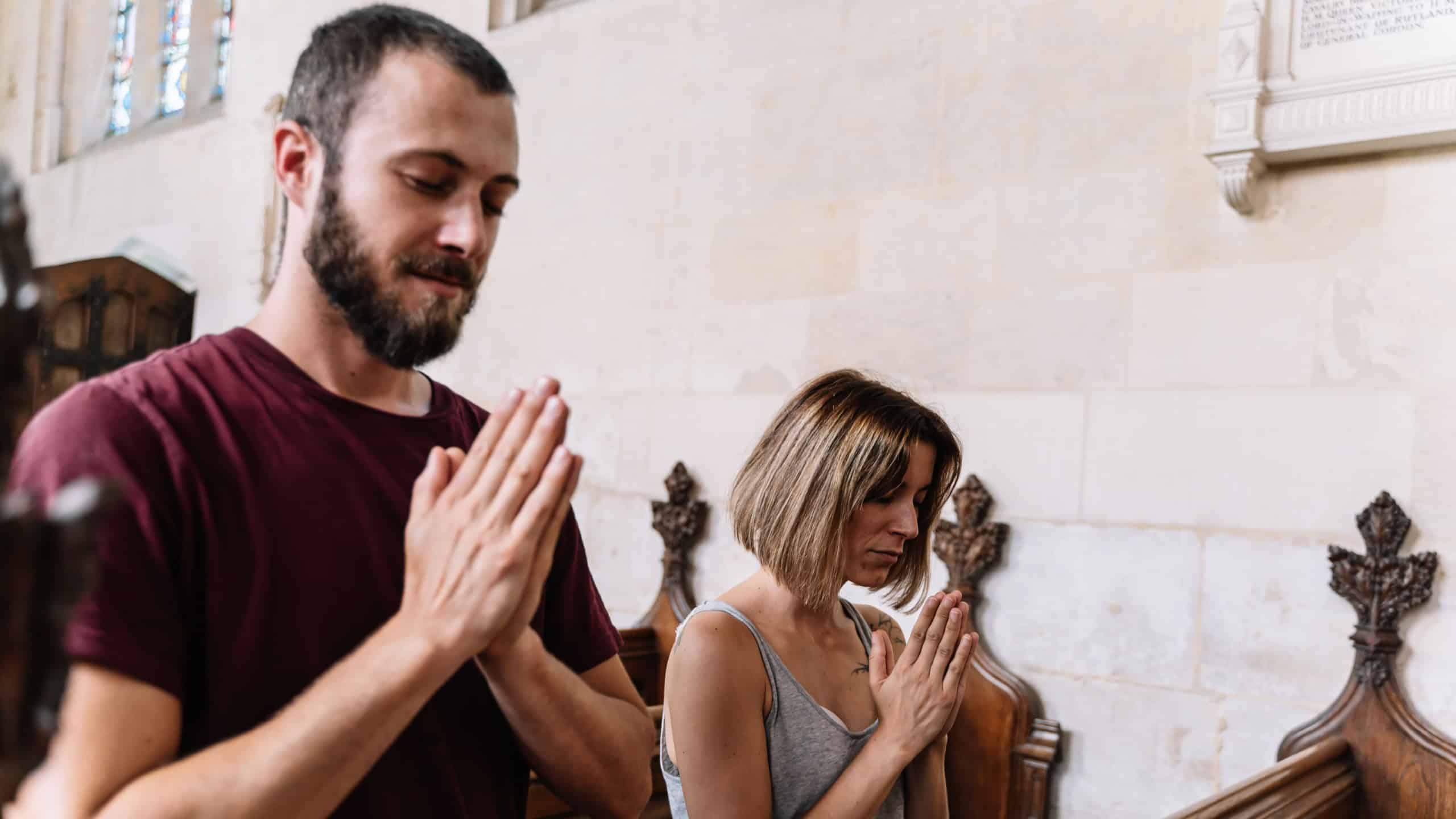
Religious culture at this point had created a loophole by swearing an oath by heaven, earth, or the temple. Some promises could be binding and others not.
Jesus flatly refused to allow these verbal games. He said that “yes” or “no” should be enough of its own merit, and that elaborate promises come from a culture of deceit (Matthew 5:33–37).
Casual divorce
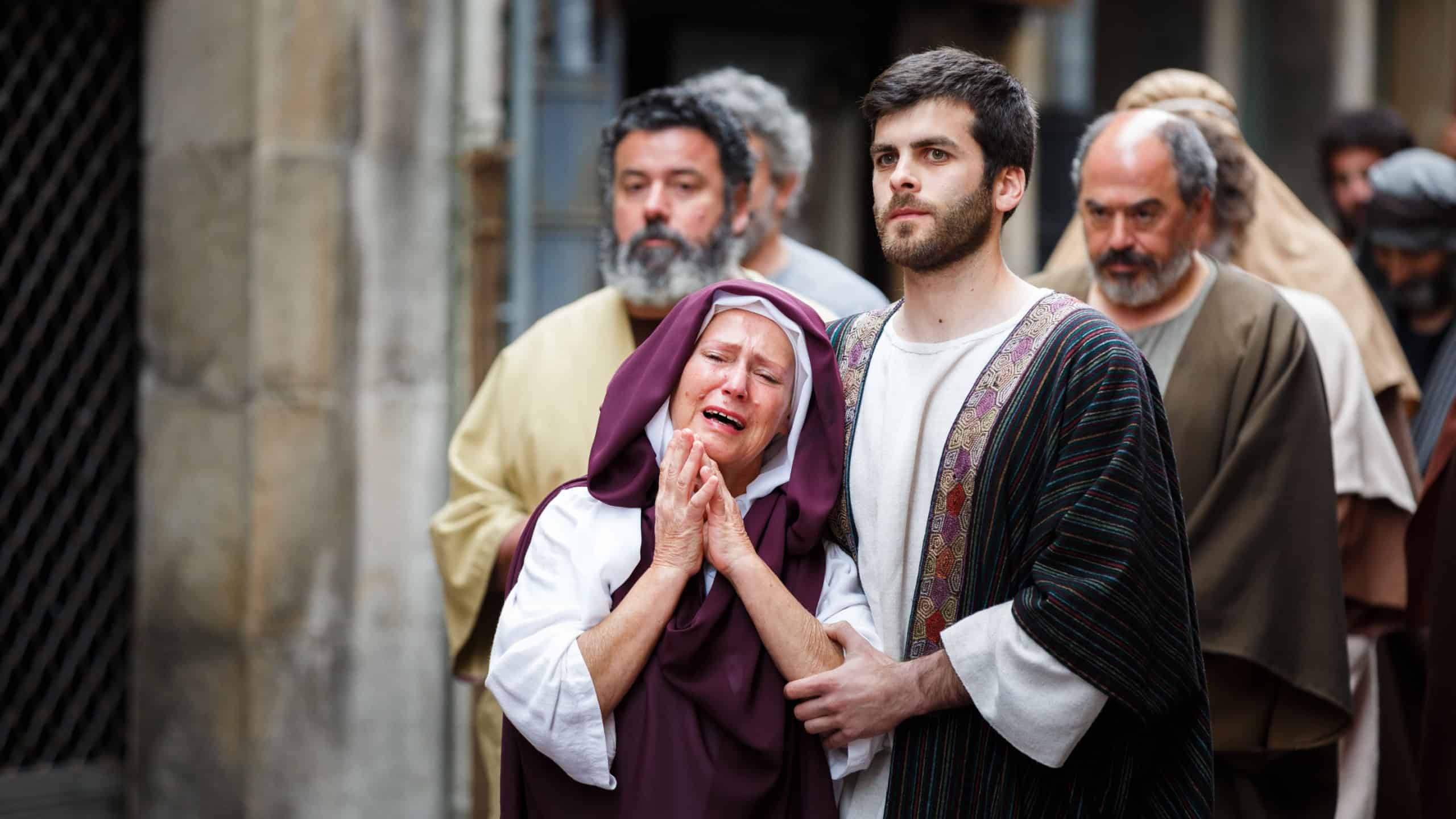
One rabbinical school popularly understood the law as saying that a man could divorce his wife for almost any reason at all, even trivial offenses such as annoying him in the kitchen.
Jesus confronted this tradition and upheld the value and dignity of women who were often abused by being abandoned without any means of financial support. He stated that from the beginning, it had been the Creator’s plan for marriage to be permanent and binding for life, and man should not be permitted to change God’s plan (Matthew 19:3–9).
Public prayer

The religious leaders had established it as their tradition to stand and pray on the street corners and loud places in synagogues for people to see how pious they were. Jesus ridiculed them for being hypocrites and told them they had already received their fleeting earthly reward in full. He told His disciples not to practice this tradition but to go into an inner room and pray privately(Matthew 6:5–8).
Sabbath healing

The Sabbath laws specifically prohibited healing of any ailment that was not immediately life-threatening and chronically debilitating. Sabbath restrictions considered healing to be work. Jesus blatantly broke this law multiple times, healing those who were paralyzed, blind, and crippled on the Sabbath day (Mark 3:1–6; Luke 13:10–17).
Like our content? Be sure to follow us.