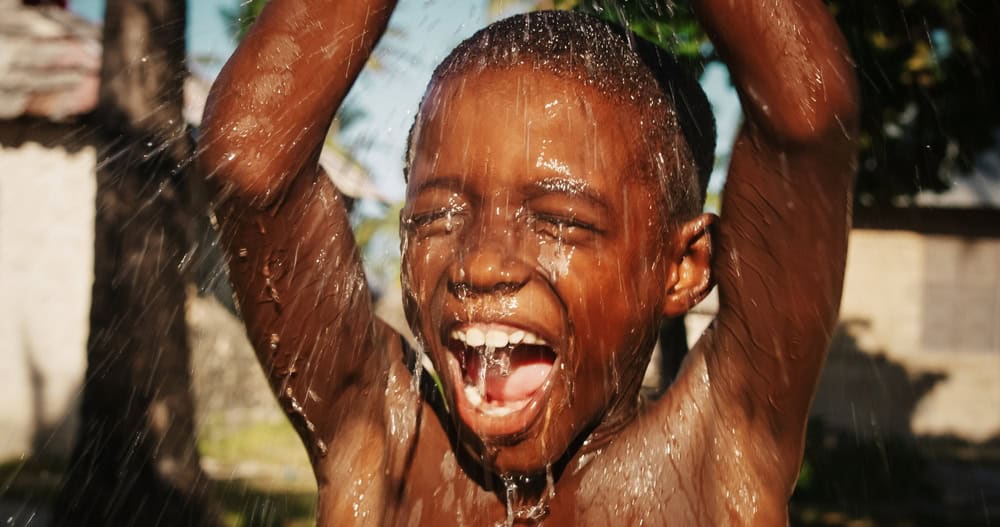
In some parts of the world, taking a daily shower simply isn’t practical or necessary.
Central African Republic
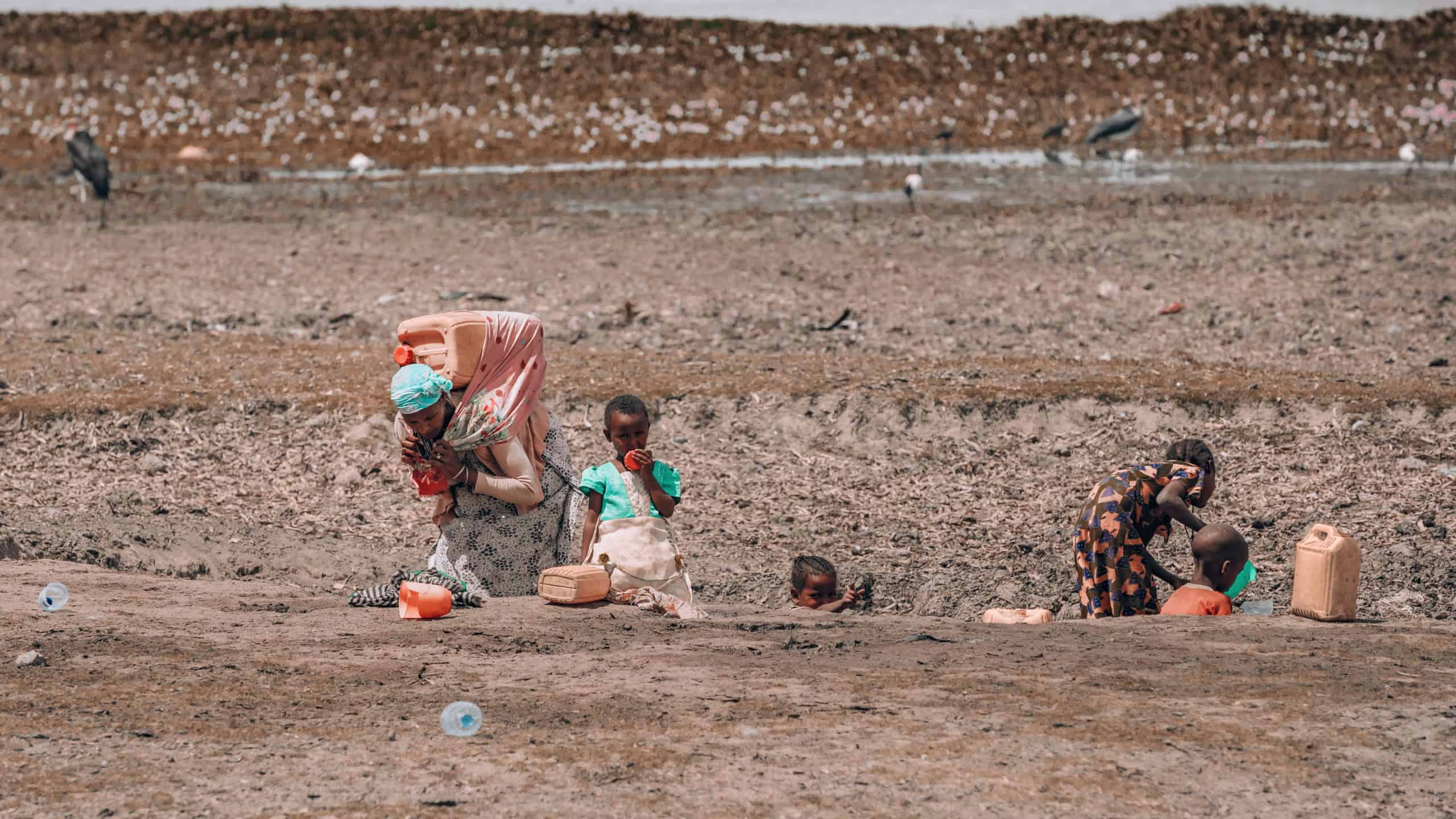
War, poverty, and lack of infrastructure mean washing regularly is a huge challenge, not something taken for granted. There’s no running water or private toilets in most households.
People often have to walk far to get to a communal water point or pump from an exposed well. Water here is carefully rationed for drinking and food preparation, so taking a full shower with soap is a luxury.
North Korea
Severe economic isolation and decaying public infrastructure mean that running water and electricity are highly unreliable, even in major cities.
Showers are next to impossible to take during the cold winter season, as water cannot easily be heated by ordinary citizens who face perennial fuel and electricity shortages. Citizens often take basin baths using cold or tepid water.
Ethiopia
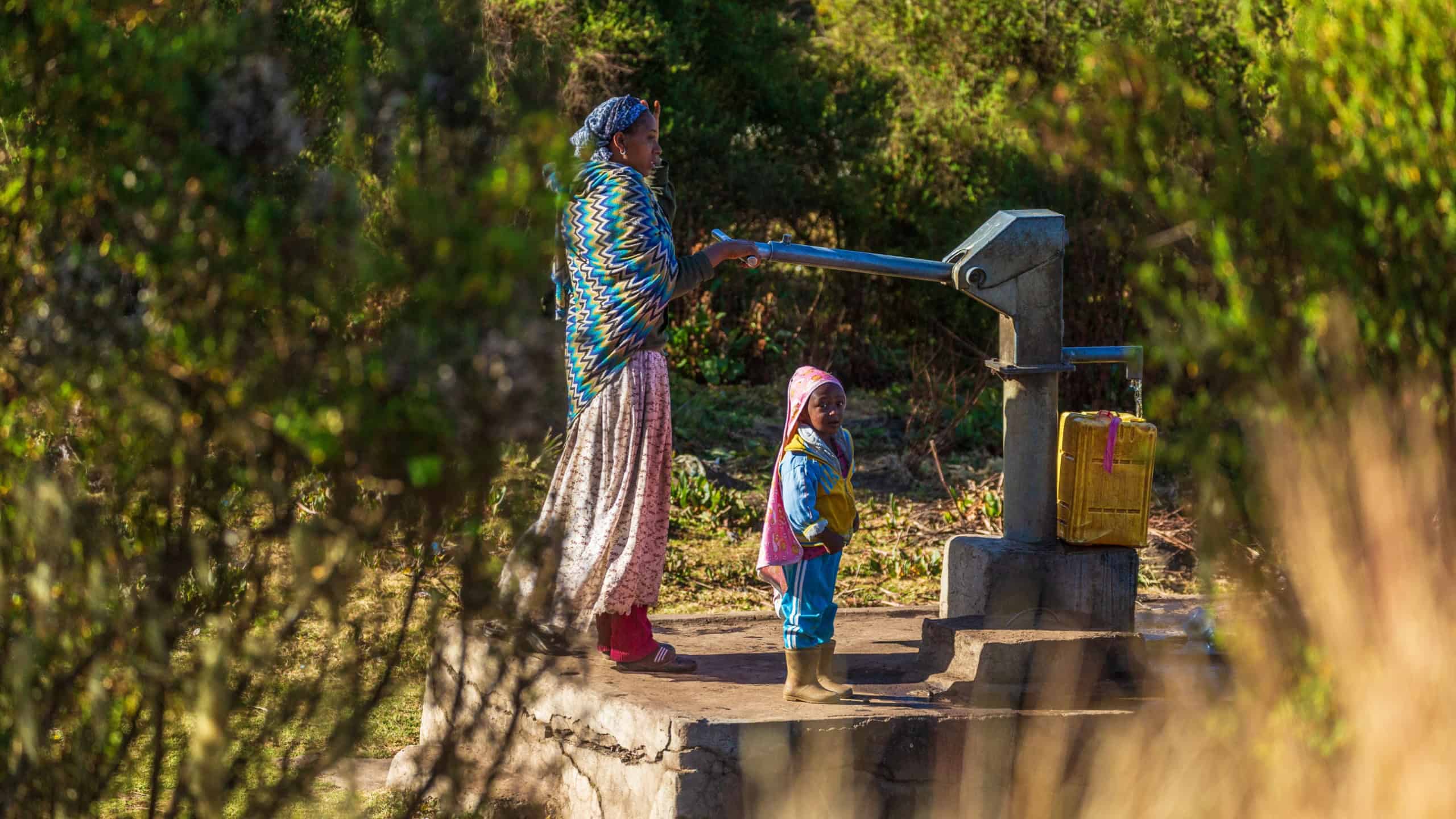
Extreme drought cycles and deep rural-urban inequality mean tens of millions of people lack reliable access to clean water.
In many communities, women and children hike hours to rivers or shared pumps. When water is limited for survival and drinking, showering every day simply isn’t a priority. Instead, spot cleaning becomes the norm.
South Sudan
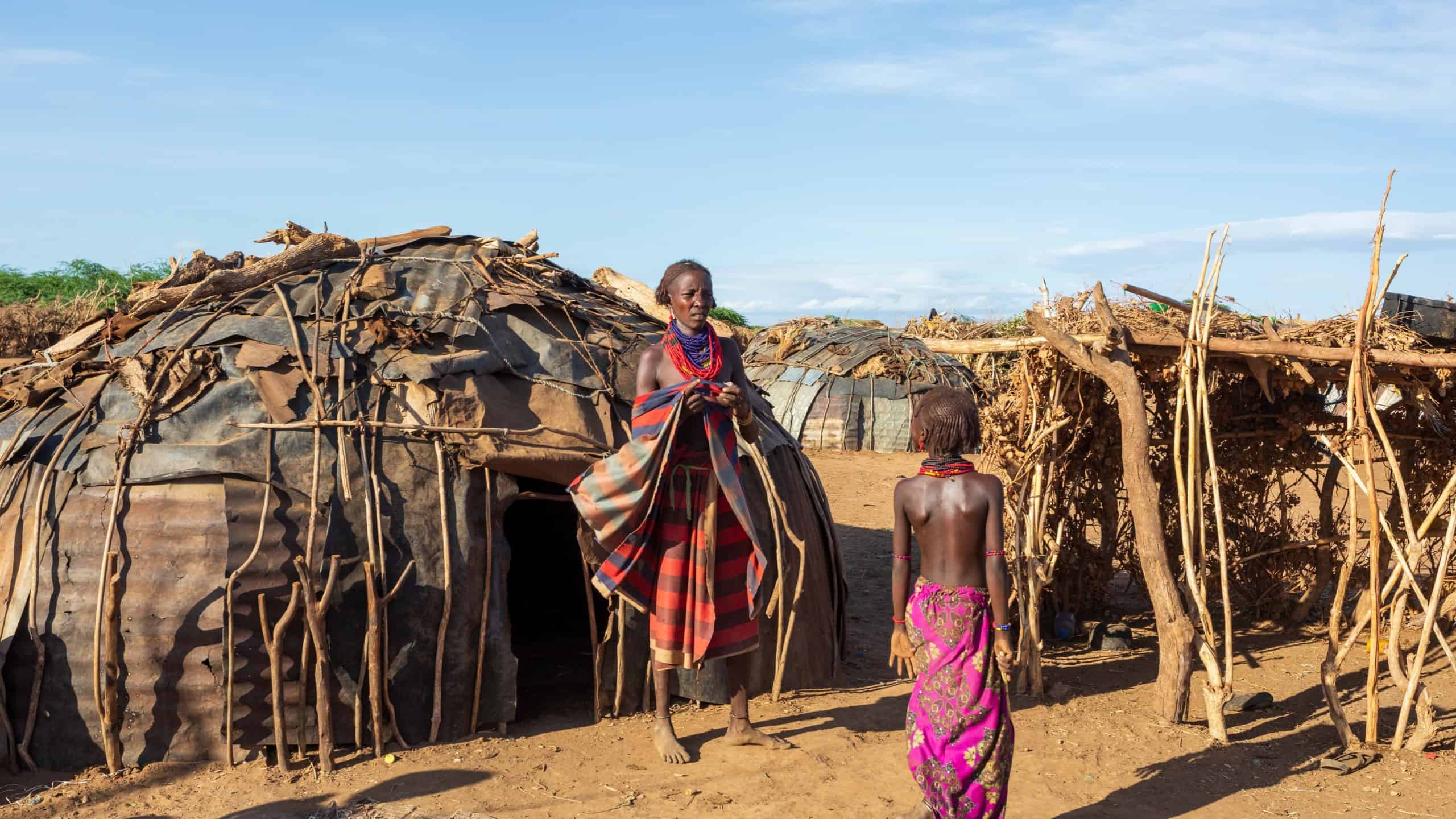
It should come as no surprise that in one of the youngest and most conflict-ridden countries in the world, centralized municipal water systems are almost non-existent.
Decades of unrest have stunted any consistent production of public utilities, forcing most people to receive aid from humanitarian relief efforts or collect surface water (unknowingly risking contamination).
Guinea-Bissau
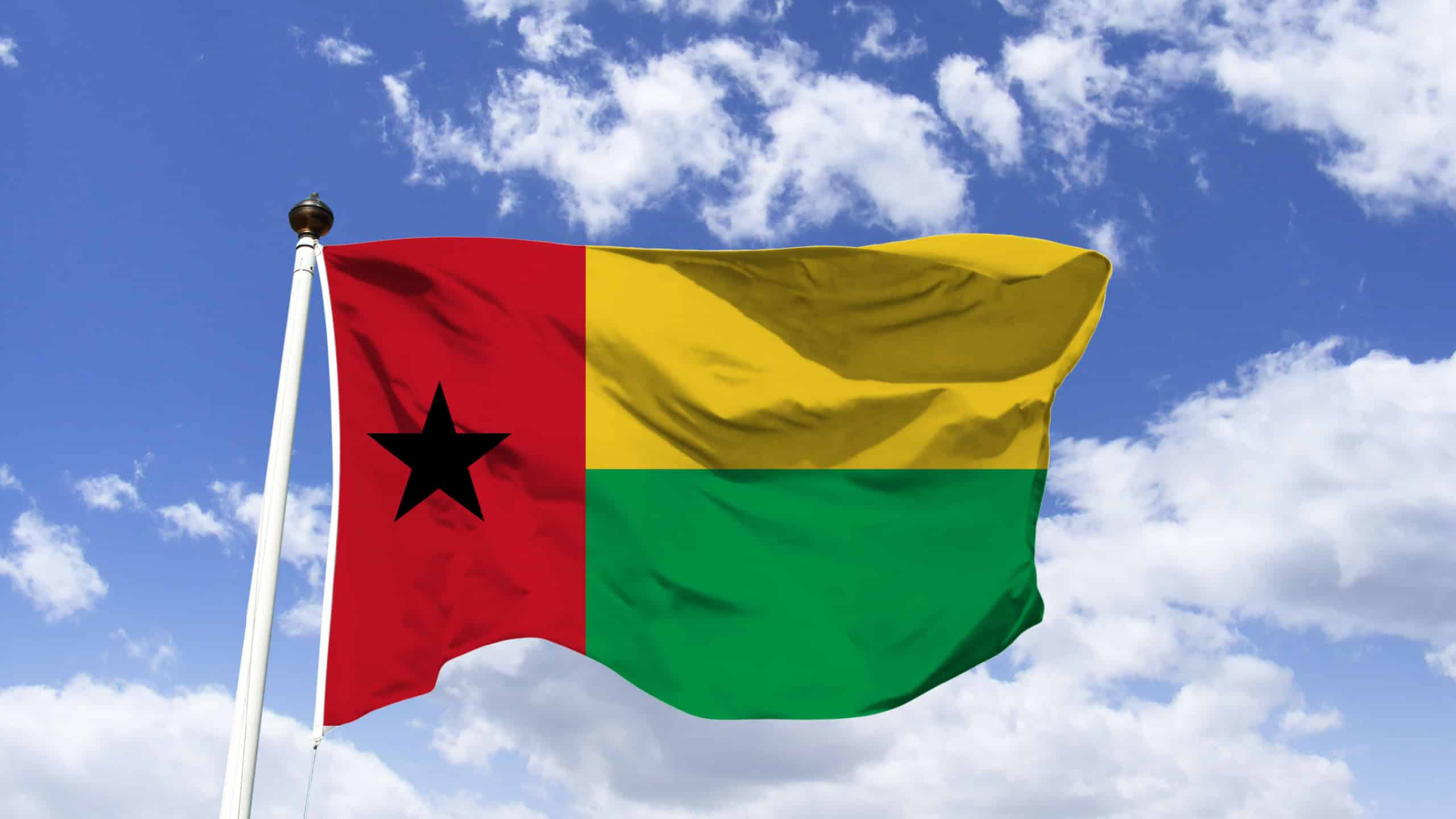
Extreme poverty and extremely poor infrastructure mean most families do not even have running water in their homes. Water systems are not widespread outside of urban centers, so most villages rely solely on hand pumps and wells.
Because water access requires labor-intensive effort daily, water use is minimal, and most people cannot afford to shower daily.
Belarus
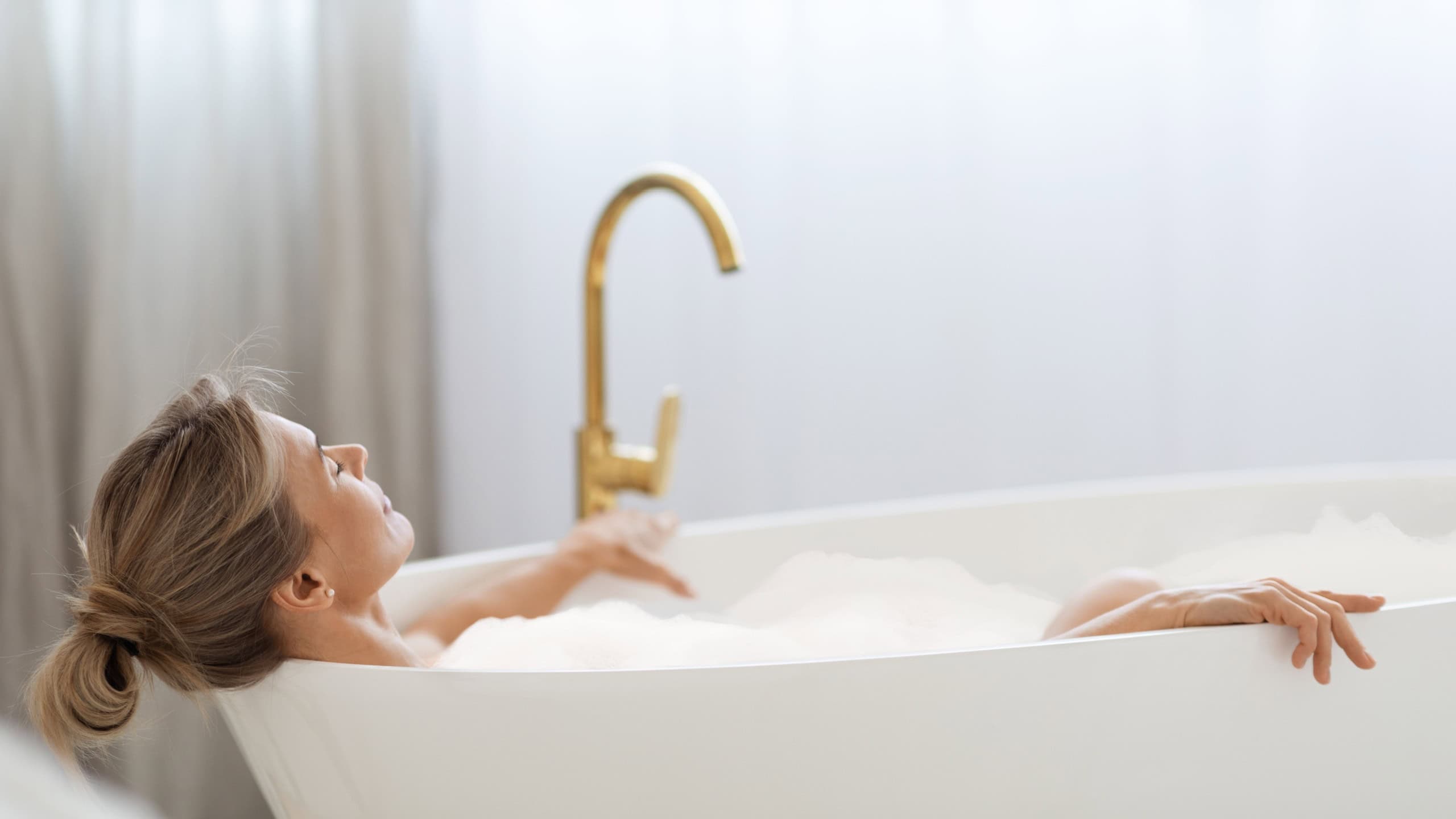
Daily showering is less common here for a variety of reasons related to tradition and climate. Daily full-body soap showers are not really considered necessary to maintain good health by most people, who choose to do spot cleaning or wait until their weekly bath routines to fully clean themselves.
On another note, the municipalities do seasonal maintenance where they turn off the hot water in buildings for weeks at a time, which prevents people from showering daily.
Georgia
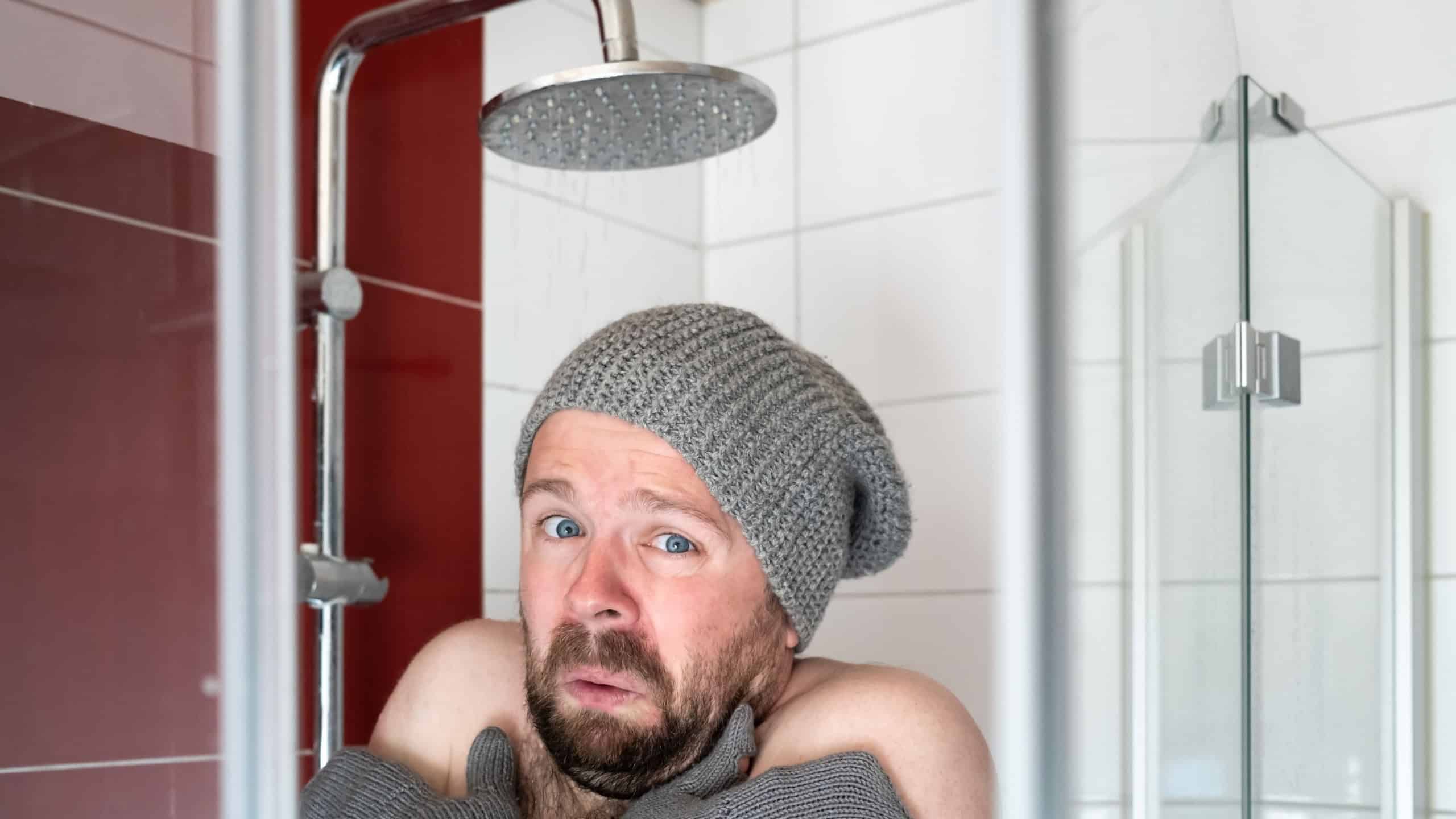
Older beliefs about cleanliness here advocate balance rather than over-washing. Many people think showering frequently actually removes too much of the skin’s natural oils.
Also, much of the country is cool and has low humidity, so people tend not to sweat as much year-round. Daily full-body washing is not felt necessary. Natural sulfur baths are frequent among locals, and spot washing satisfies daily needs.
Afghanistan
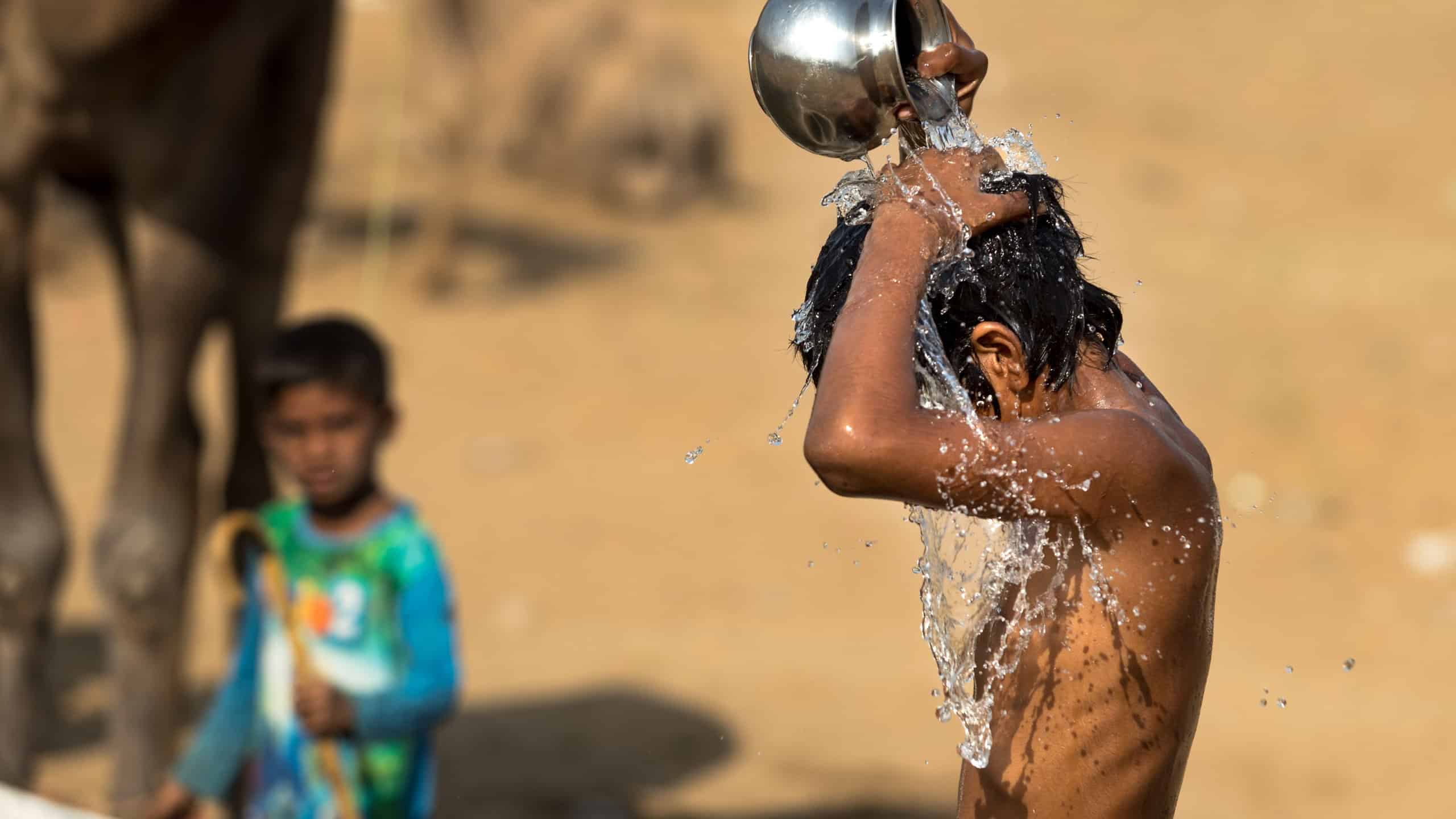
Years of war have damaged Afghanistan’s city infrastructure tremendously. Indoor plumbing is a luxury few Afghans can afford. Whether living in the country or in a bustling city, it is common to carry water from public pumps or trucks. It must be carried by hand to homes, which means that water is precious and used only for necessary tasks.
Niger
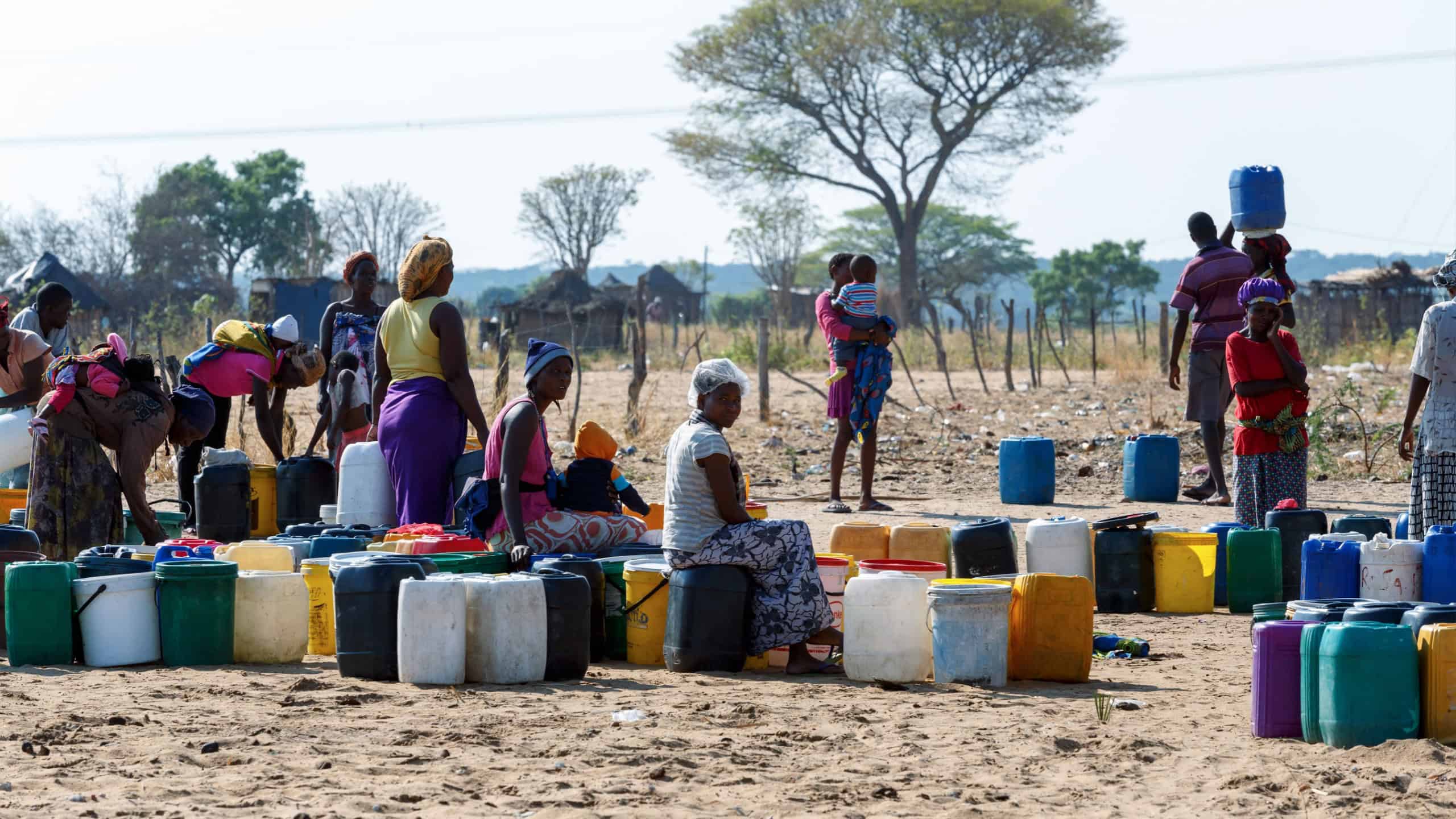
Niger is located mostly in the Saharan Desert, which is currently experiencing expansion. Temperatures are very high, while Niger suffers from a severe lack of potable water infrastructure.
Most homes do not have piped water and use communal boreholes in the village. Without shower facilities and wishing to conserve water, people take sponge baths from a basin using almost no water compared to a shower.
Chad
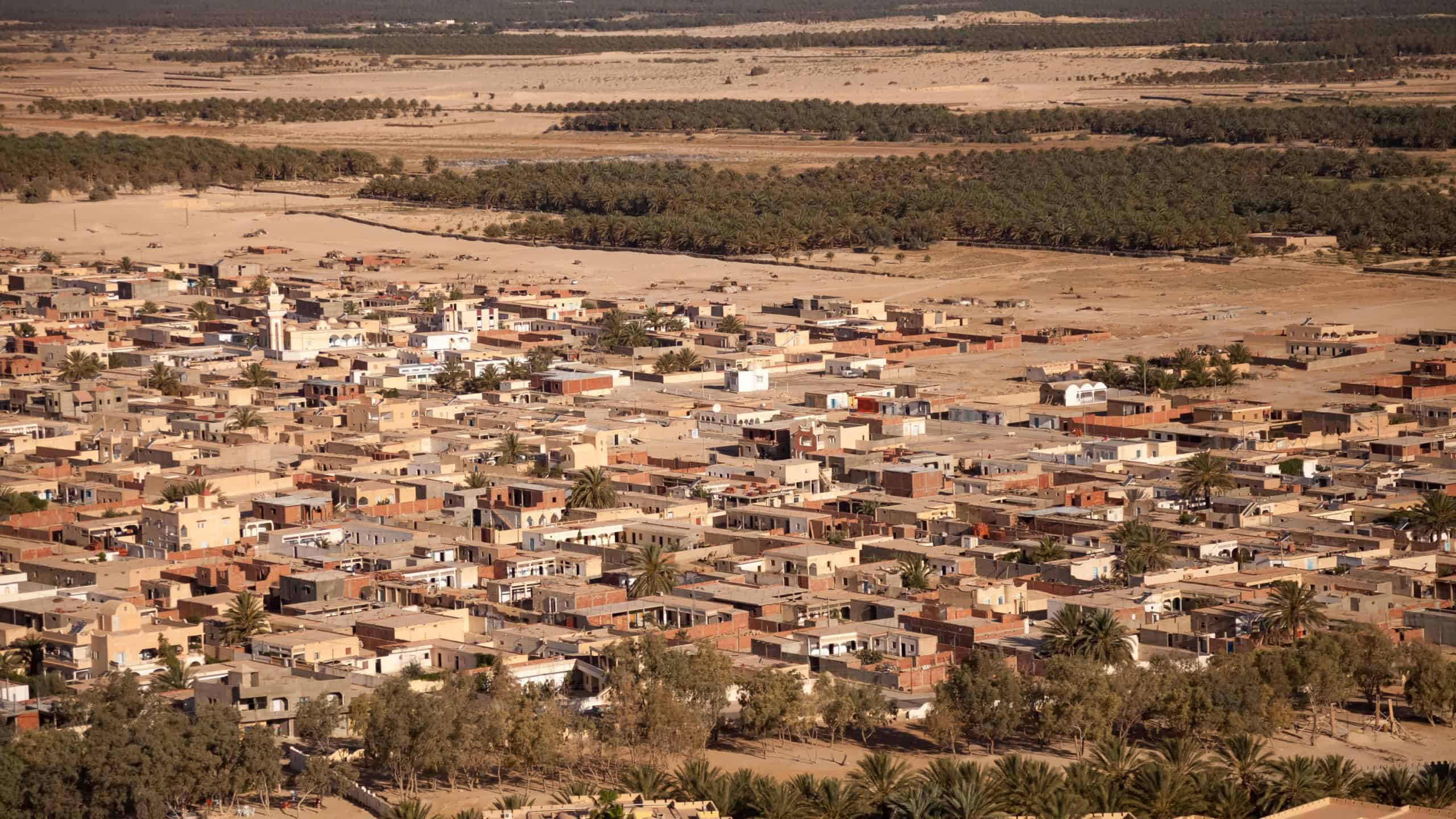
As large portions of Chad are located within the dry Sahel and the Sahara desert regions, obtaining fresh water is a major part of their daily lives. There is little to no infrastructure in rural regions. So women and children must travel to gather water from rivers that flow seasonally and from open wells.
Eritrea
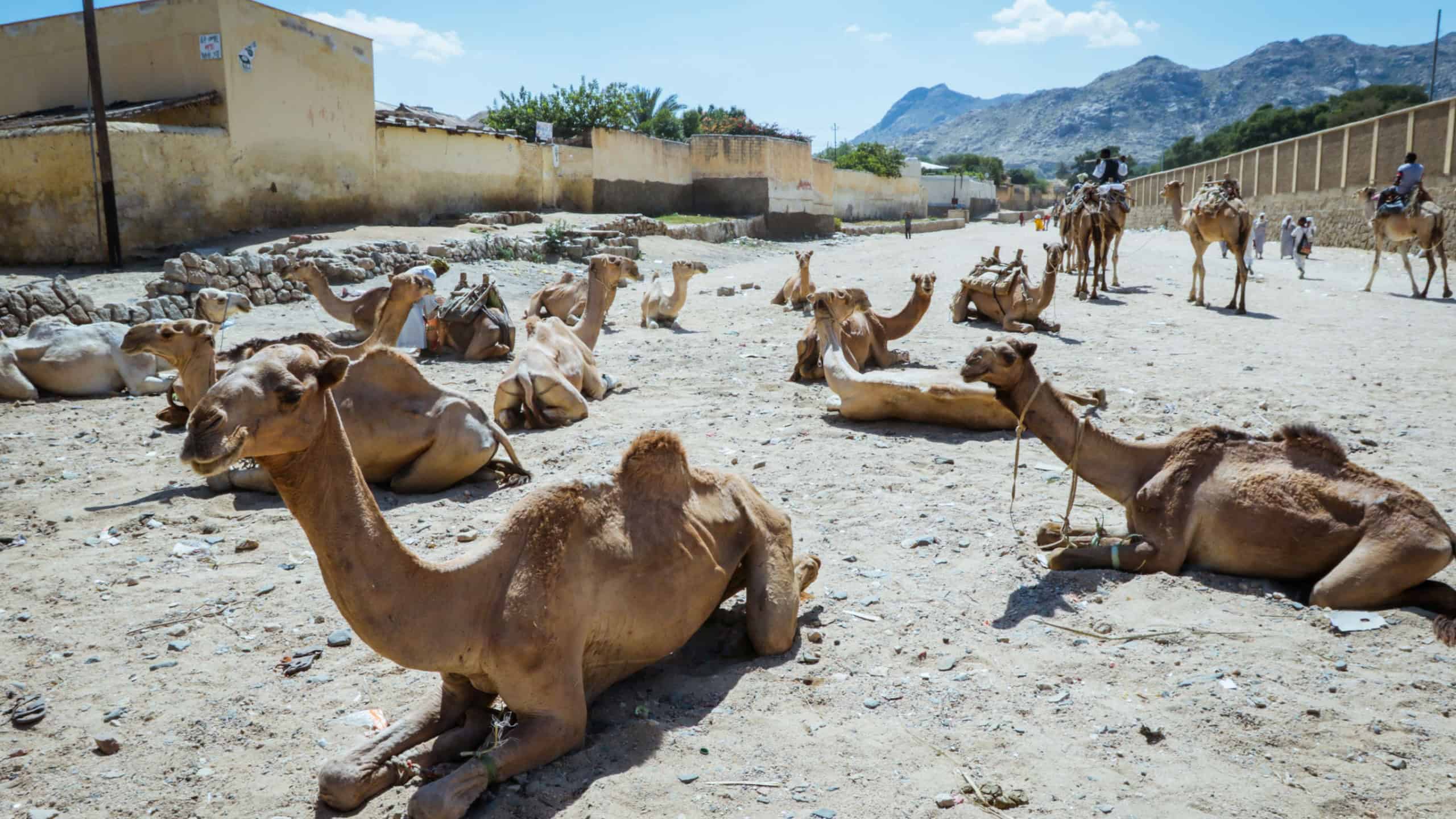
Because of heavy governmental control of water and the scarcity of indoor plumbing, traditional showers are extremely uncommon outside of cities. Water is sometimes sporadic even in the capital, so people keep large plastic containers to hold their supply. Learning to conserve water is a way of life since having enough to go around is not guaranteed.
Somalia
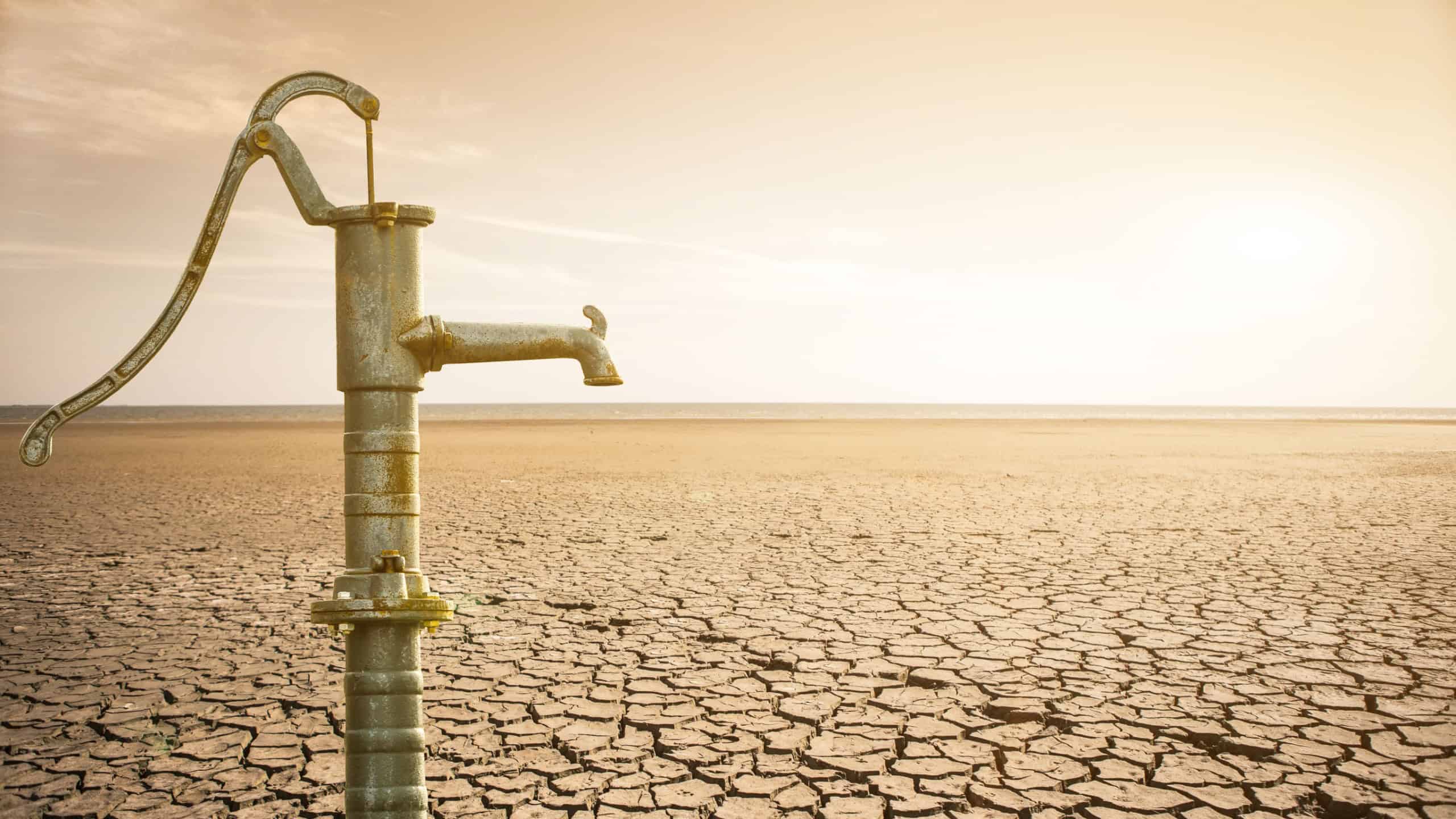
Somalia has experienced several years of record-breaking drought. With natural water sources being extremely limited, families obtain water from heavily managed sources or distant wells. Taking several liters of clean drinking water for the sake of a standing shower is an unthinkable waste.
Yemen
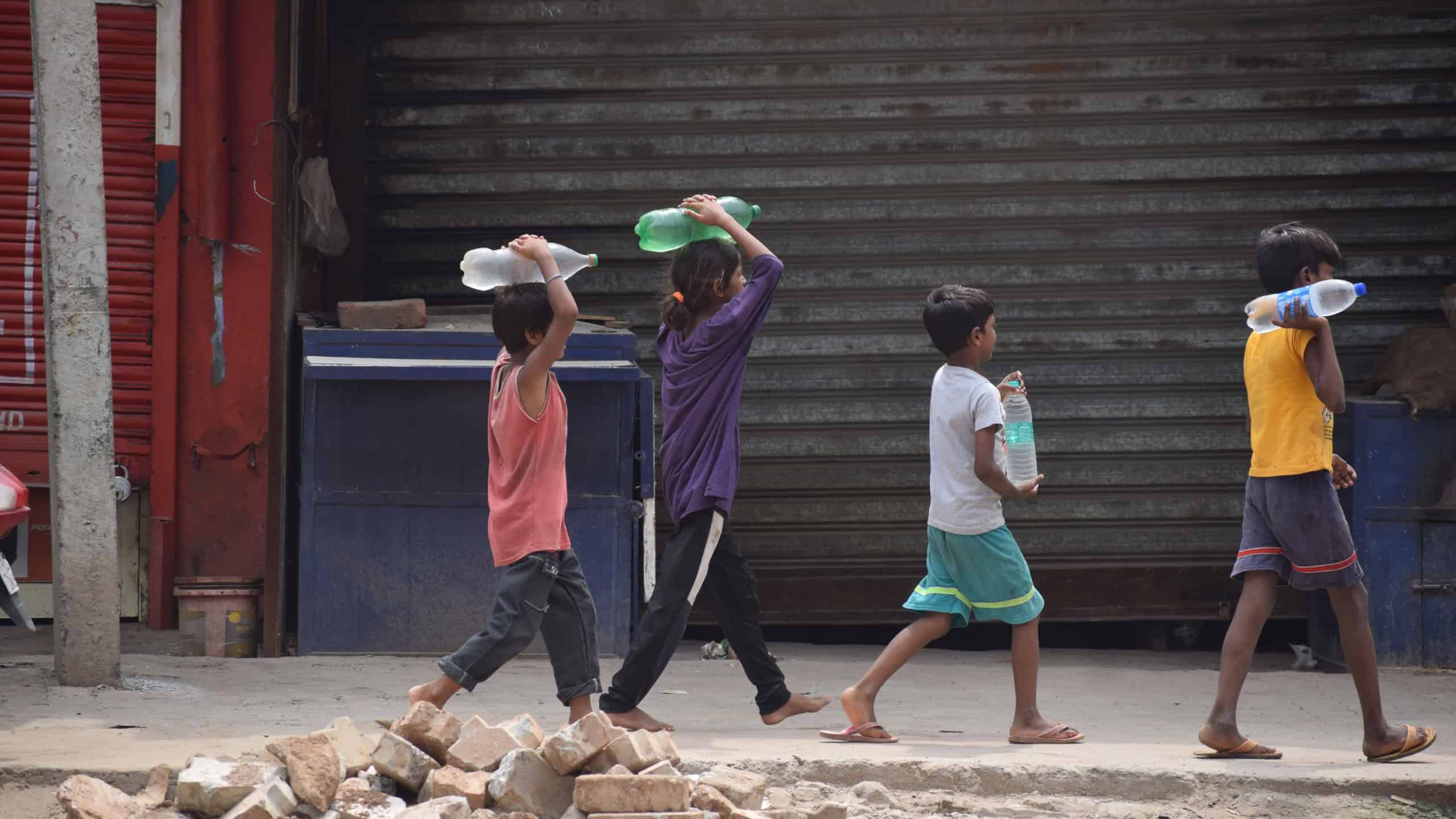
Years of failing national water tables paired with unimaginable humanitarian emergencies have created severe water poverty in Yemen. Groundwater is disappearing, and municipal water connections within cities are only on for a few hours a week, if they’re turned on at all. People are forced to purchase water at very high prices from water trucking companies or wait in long lines at local water points.
Madagascar
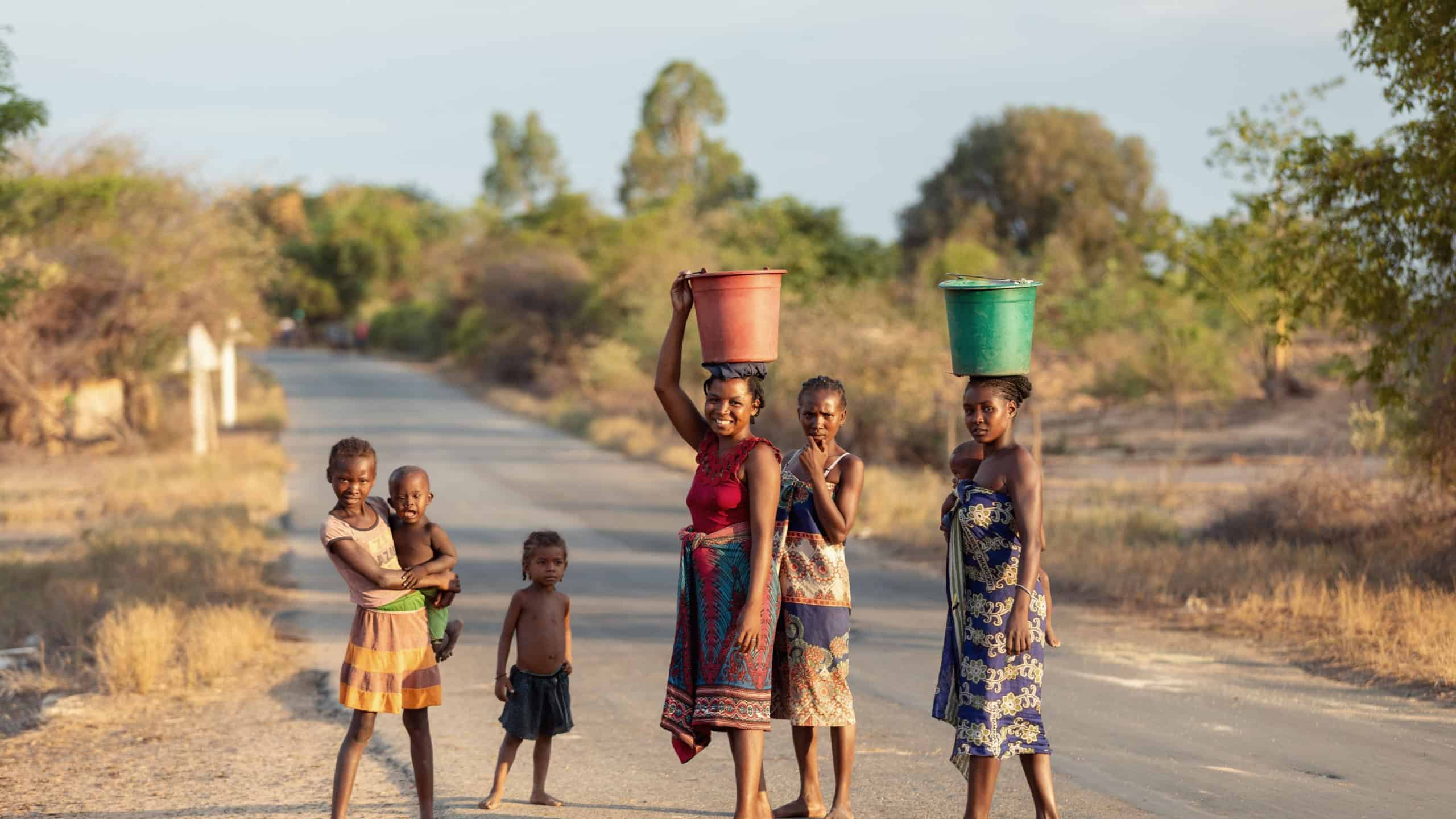
Madagascar is surrounded by water but lacks a clean, treated interior freshwater infrastructure, especially in the south. Most country people use rivers, streams, or open wells exclusively for all of their water uses. Travel to and from water sources can take hours each day. Water must be boiled to be stored for later use. Hard physical limitations make conventional showers impossible, and people resort to quick, practical bucket washes.
China
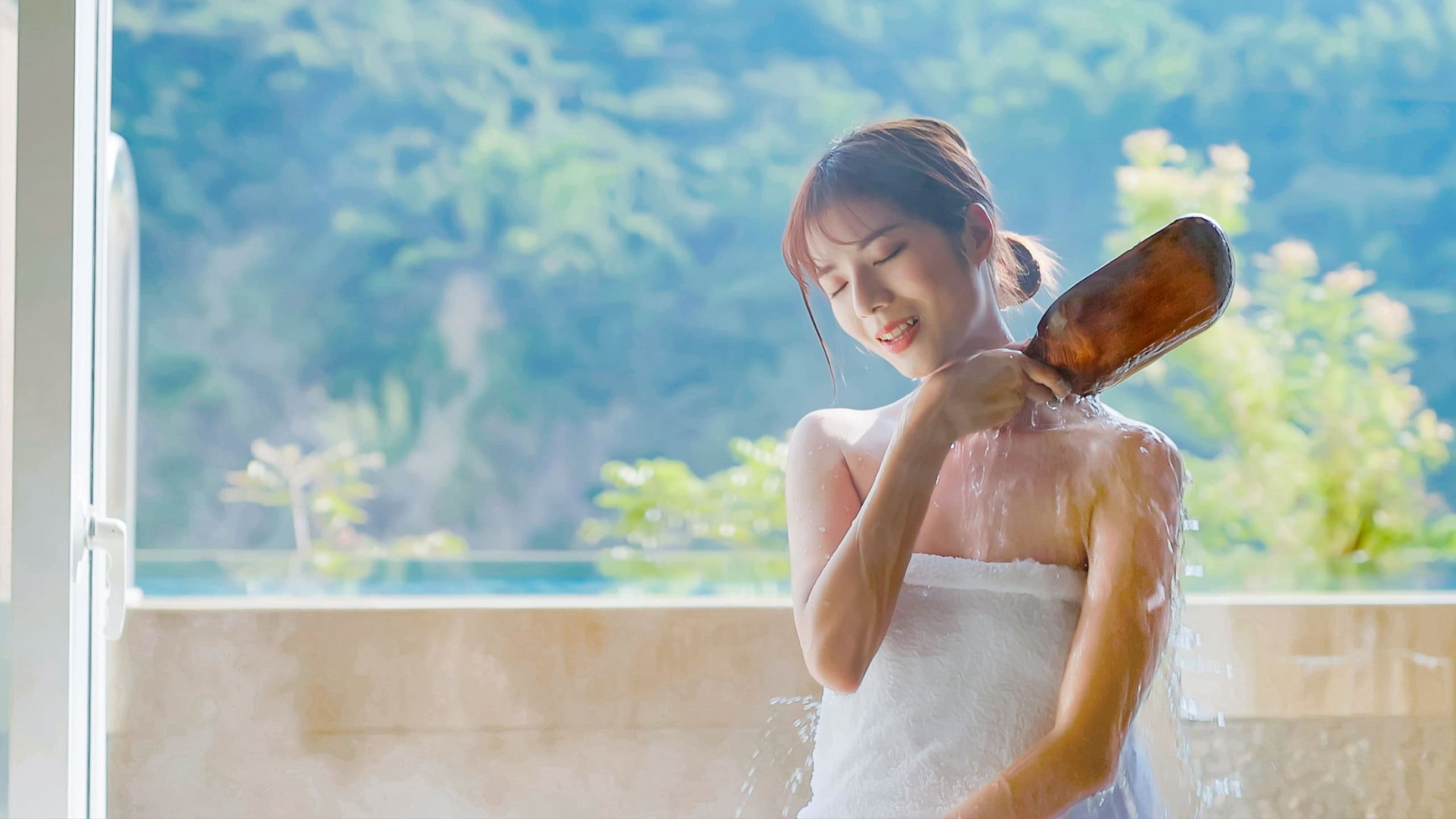
Frequencies of bathing vary wildly throughout China depending on the stark climate differences between the cold north and the hot and humid south.
People in Northern regions traditionally prefer going to the communal baths once a week for a vigorous scrub down rather than hopping in the shower daily at home. Traditional medicine also warns against showering too often when it is cold outside to prevent “cold wind” from entering the body.
Sources: Please see here for a complete listing of all sources that were consulted in the preparation of this article.
Like our content? Be sure to follow us.