
Credit cards come with excellent fraud protection, cash-back rewards and convenience, but there are situations where swiping your credit card is unwise.
Unsecured websites
When you enter your credit card info on a website you don’t know well (or that isn’t secured), you’re putting your account information at risk of hackers and identity thieves.
If you don’t see “https: //” at the beginning of the web address or a small padlock icon in your browser bar, your information is being transmitted over the internet as plain text. For online shopping, it’s far safer to use a third-party payment processor or a single-use virtual card number.
ATM cash advances

Swiping your credit card at an ATM for cash will subject you to immediate fees (usually high fees) and interest rates much higher than your typical purchase APR.
Cash advances also typically come with no grace period, so you start accruing interest the second you take that first dollar. Building up a balance on your credit card with actual cash can get you into a vicious cycle of debt.
Wire transfers
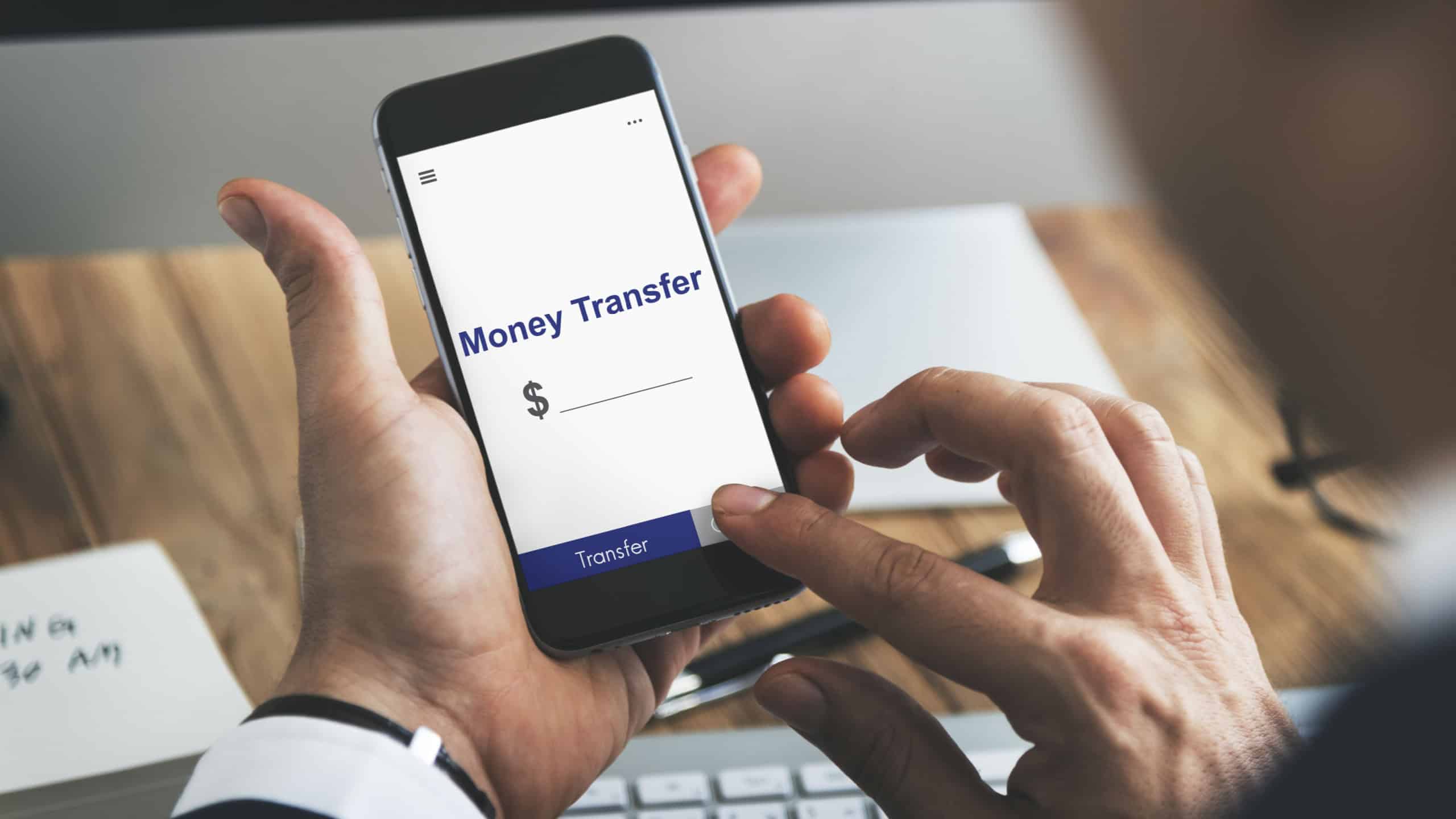
Making a wire transfer or money order and funding it with your credit card is considered by nearly all credit issuers to be a cash advance, subject to immediate fees and astronomical interest rates.
Wire transfers are also basically impossible to reverse, so unlike regular credit purchases, there are no built-in chargeback protections. Transferring money peer-to-peer with a bank account or debit card avoids these extraneous processing fees.
Unaffordable purchases
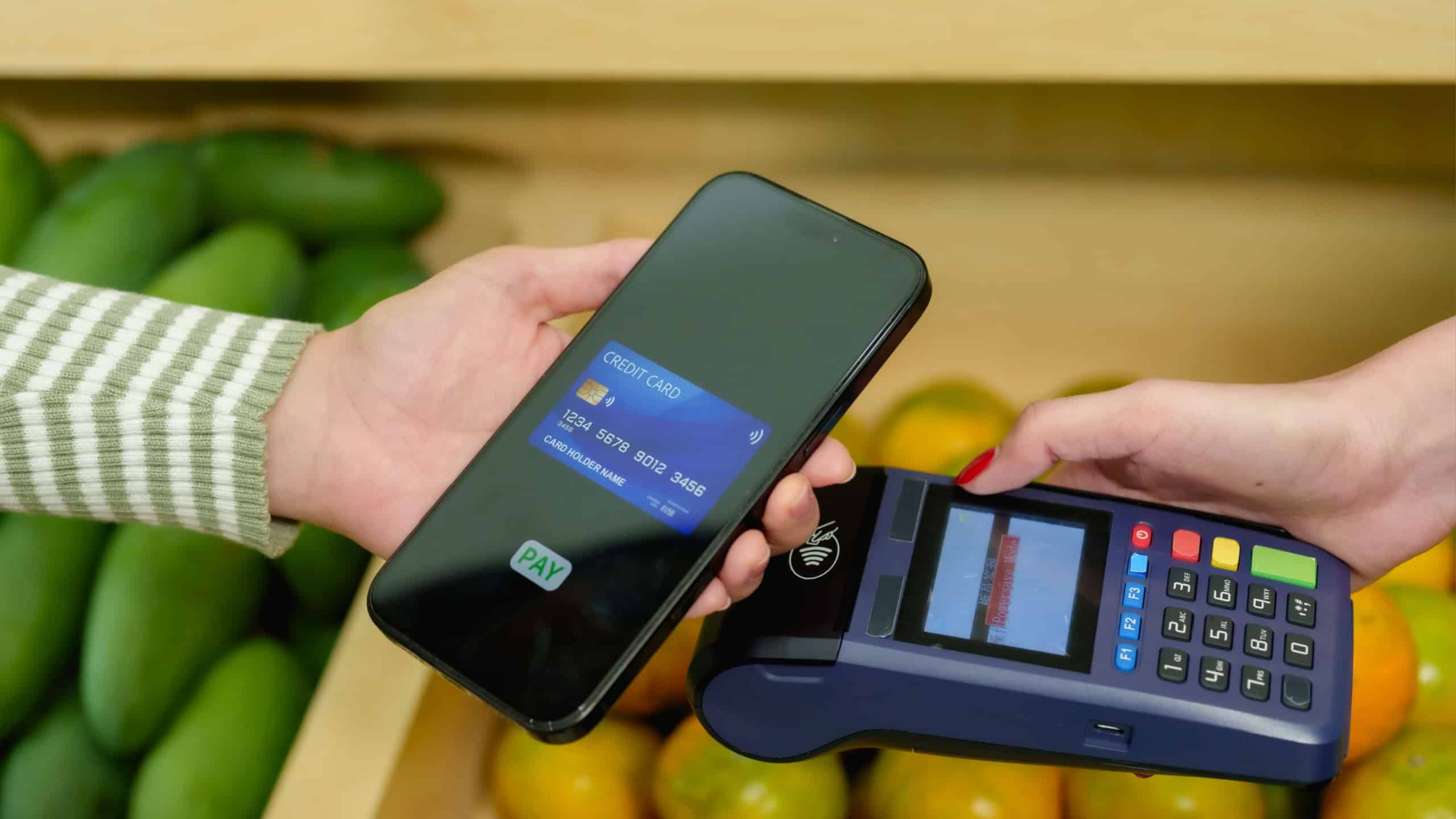
Running a balance by charging big-ticket luxury items or impulse buys that you cannot pay off at the end of the month is the quickest way to dig yourself into revolving debt.
Financing your purchases will make everything on your card subject to high interest rates, which means even basic purchases end up costing you exponentially more. If it’s not an emergency, it’s always better to save up cash than finance your lifestyle.
Medical bills
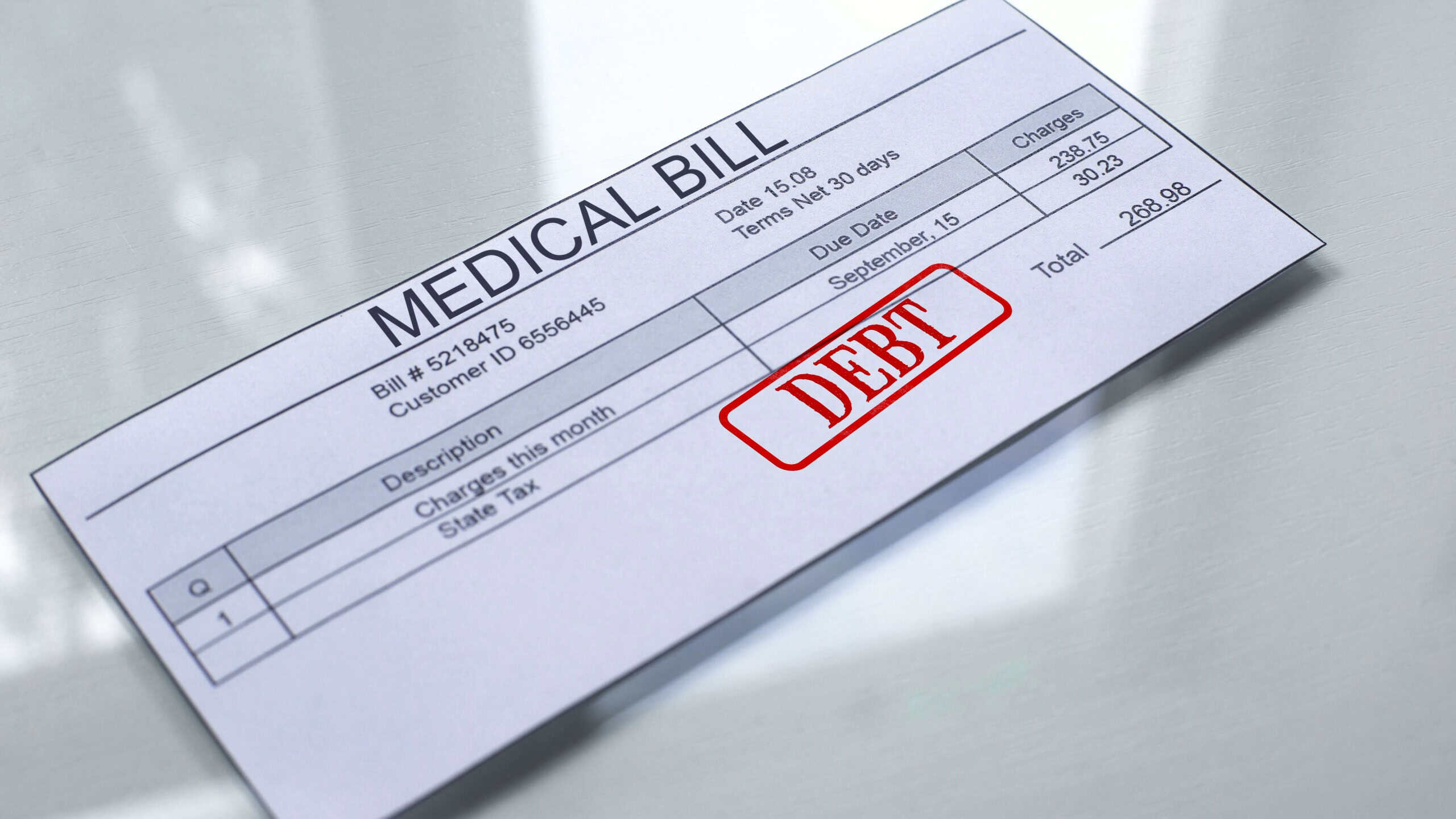
When you put hefty medical expenses on a high-interest credit card, you forfeit any chance of negotiating the original bill or arranging affordable repayment plans with the provider.
Many hospitals and medical practices have interest-free hardship plans or income-based discounts that go away if you turn the bill over to a private creditor. By keeping medical debt off your credit card, you retain your consumer rights.
College tuition

Schools typically charge a “convenience fee” of 2% to 4% if you pay your university tuition bill directly with a credit card. This fee is assessed by the school’s credit card processor.
Credit card processing fees eliminate any possibility of earning points/rewards/cash back on such a large purchase. Federal student loans or a payment plan through the university bursar will have significantly lower interest rates.
Public Wi-Fi
When you use credit cards over open, unencrypted public Wi-Fi at coffee shops, airports, hotel lobbies or other public places, it gives hackers easy access to your information.
Attackers commonly sniff public Wi-Fi networks for credit card numbers, passwords and security codes with man-in-the-middle attacks that capture info in transit. Make credit card transactions when you’re on your home network or a secure Virtual Private Network (VPN).
Maxed-out balance
Maxing out your credit card if you are already close to your limit hurts your credit score tremendously. It increases your credit utilization ratio, which alerts credit agencies that you are in financial trouble.
You also risk being charged over-limit fees by your credit card company. Using debit or cash allows your credit score to heal as you pay off the balance.
High-surcharge vendors

Some small retailers, gas stations and government entities impose excessive processing fees or credit card surcharges to pay for their own transaction costs. If a merchant charges you a 3% or 5% fee to swipe plastic, the additional cost wipes out any card rewards or cash-back benefits.
In these isolated instances, using cash or a debit card that doesn’t impose a fee will leave you with a lower overall price.
Mortgage payments
Few mortgage servicers allow direct credit card payments, and third-party services that facilitate it charge exorbitant processing fees, negating any rewards value.
Charging your housing payment will just turn a low-interest installment loan into high-interest consumer debt. If you can’t afford your monthly mortgage payment, it’s better to call your lender about forbearance options than to charge it.
Sources: Please see here for a complete listing of all sources that were consulted in the preparation of this article.
Like our content? Be sure to follow us.