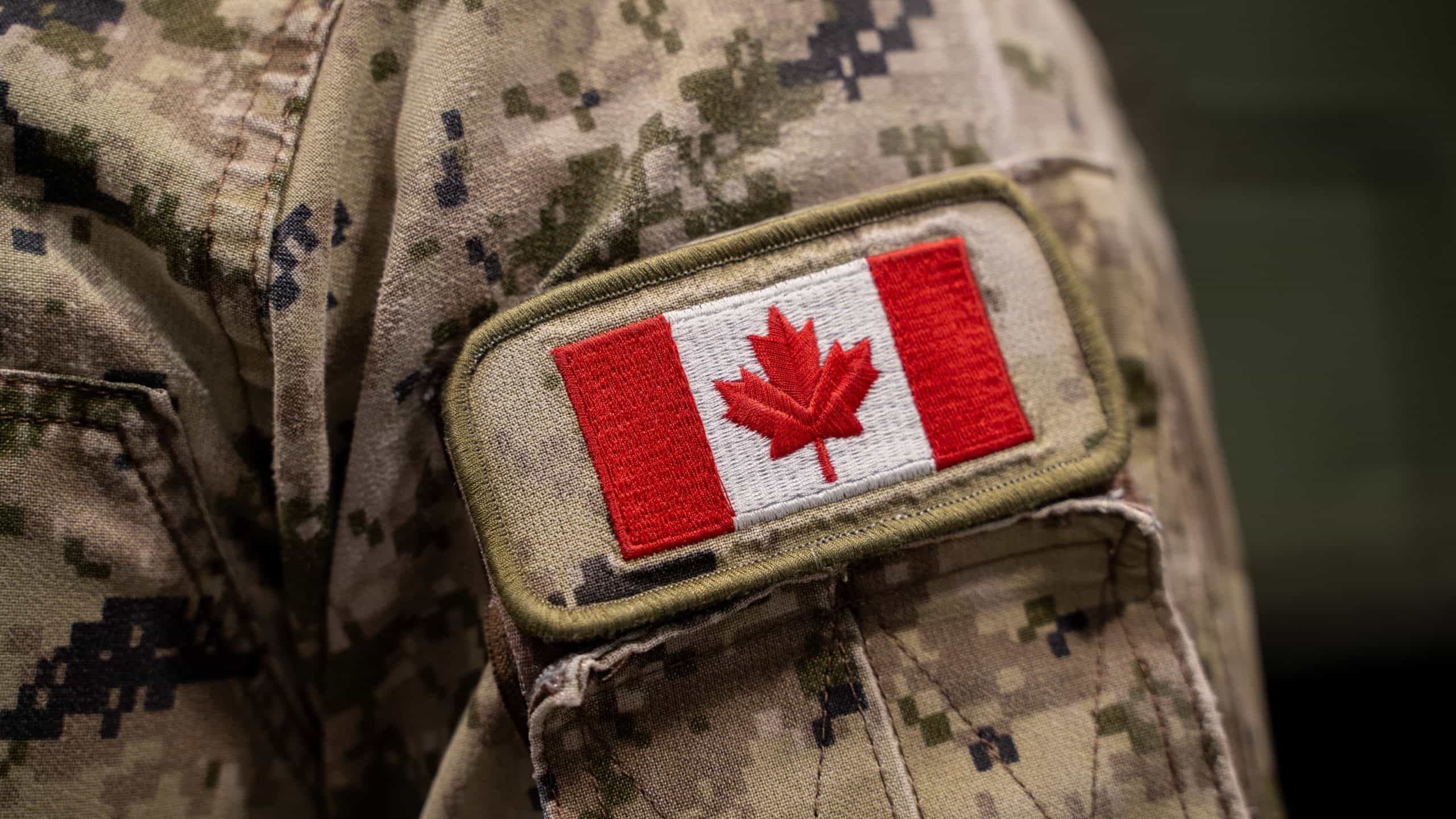
While Canada has often been overshadowed by its neighbor’s superior economic and military power, history has shown that brains, determination, and quiet diplomacy can overcome brute force.
War of 1812
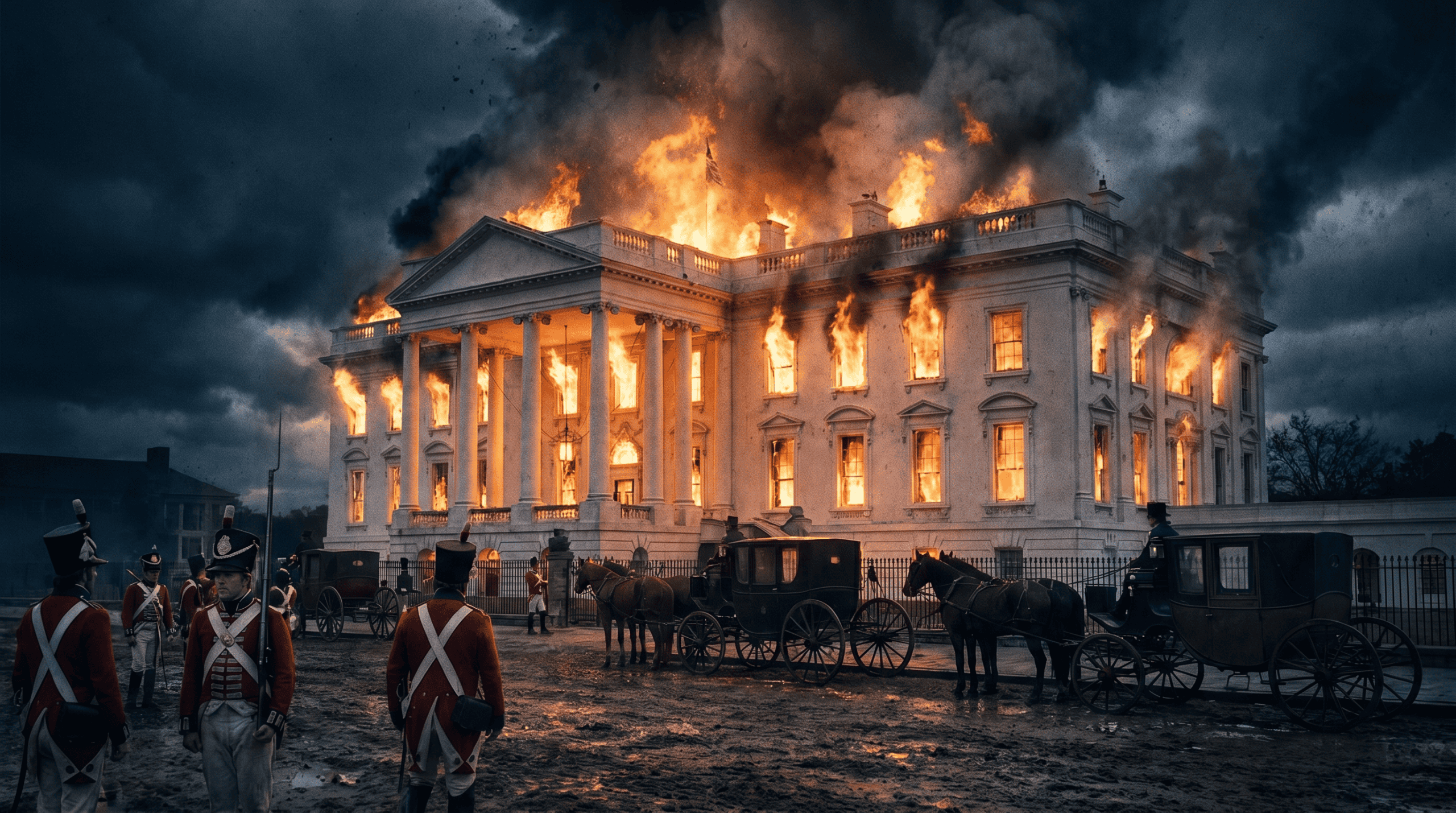
When America declared war on Canada in 1812, President Thomas Jefferson said that conquering Canada would be “a mere matter of marching.” It wasn’t.
British regulars, Canadian militia and First Nations warriors repeatedly defeated American invaders. In 1814, British and Canadian troops marched south and burned the public buildings in Washington, D.C., including the White House.
The Underground Railroad
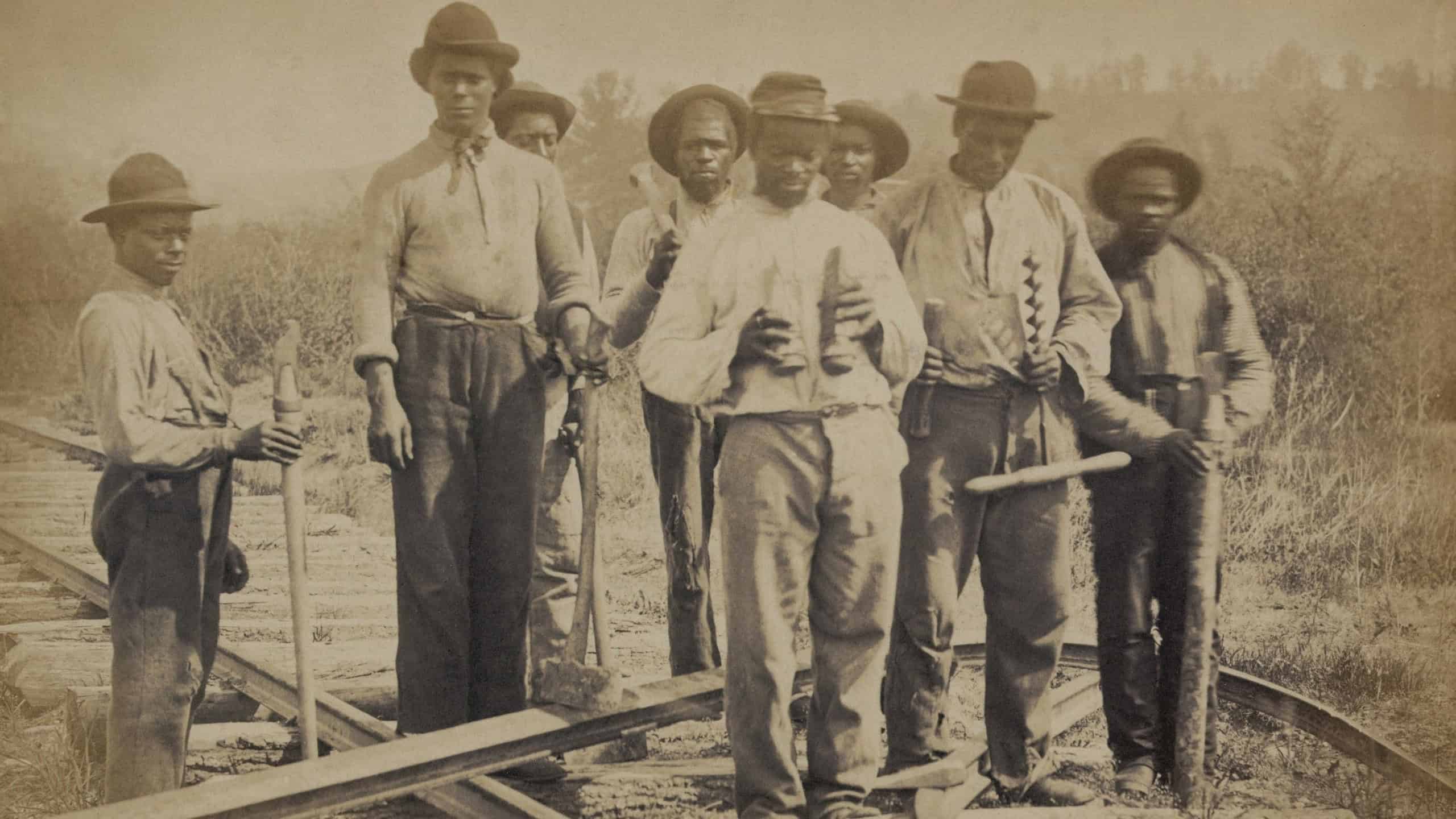
From 1800 to 1865, Canada was North America’s destination of choice for freedom seekers. While much of the United States was embroiled in civil war over slavery and its Fugitive Slave Act of 1850, Canada offered automatic emancipation to any slave who set foot on Canadian soil.
Between 30,000 and 40,000 African Americans escaped slavery through the Underground Railroad and into Canada.
The Great War Battlefield Record
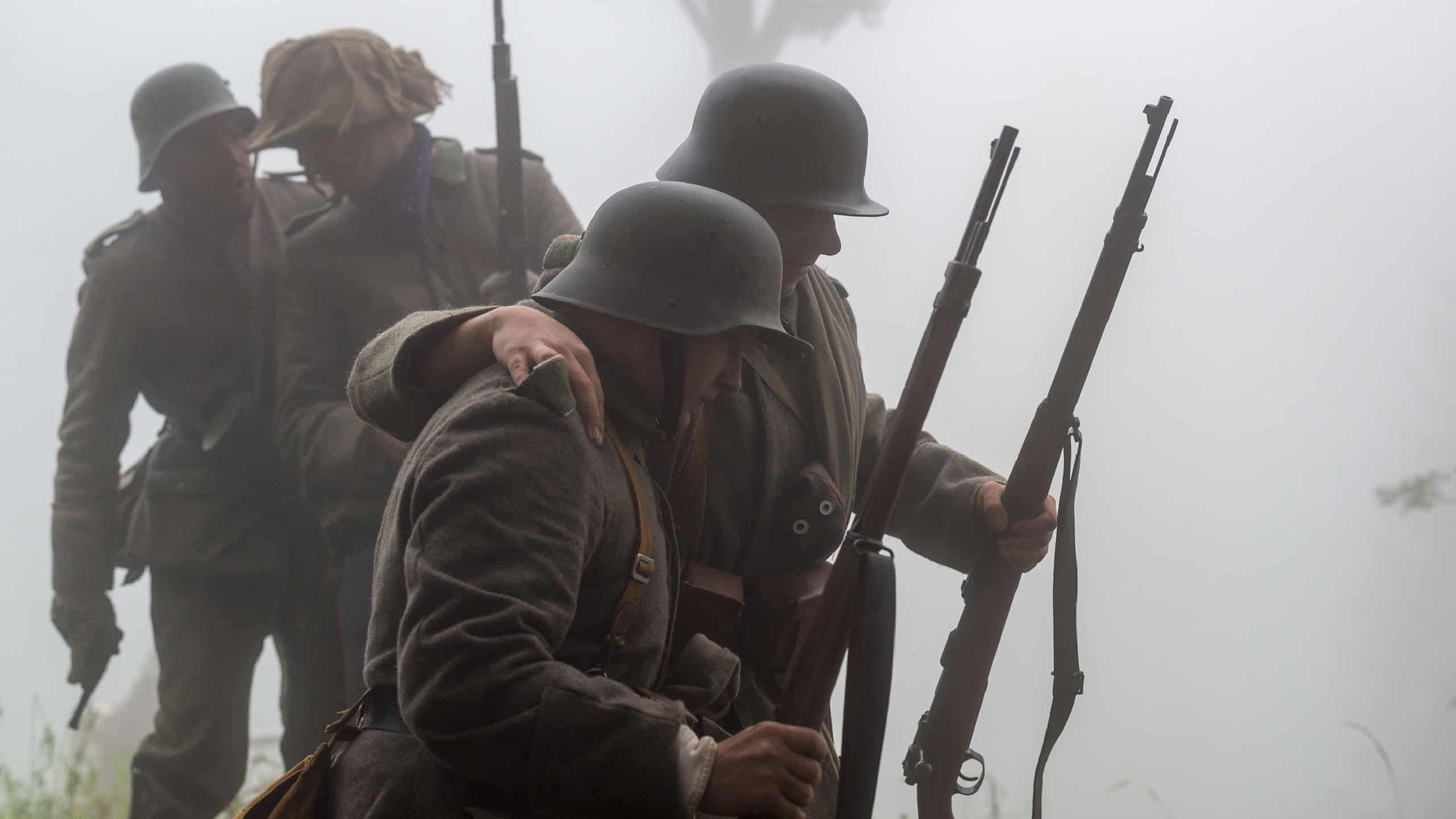
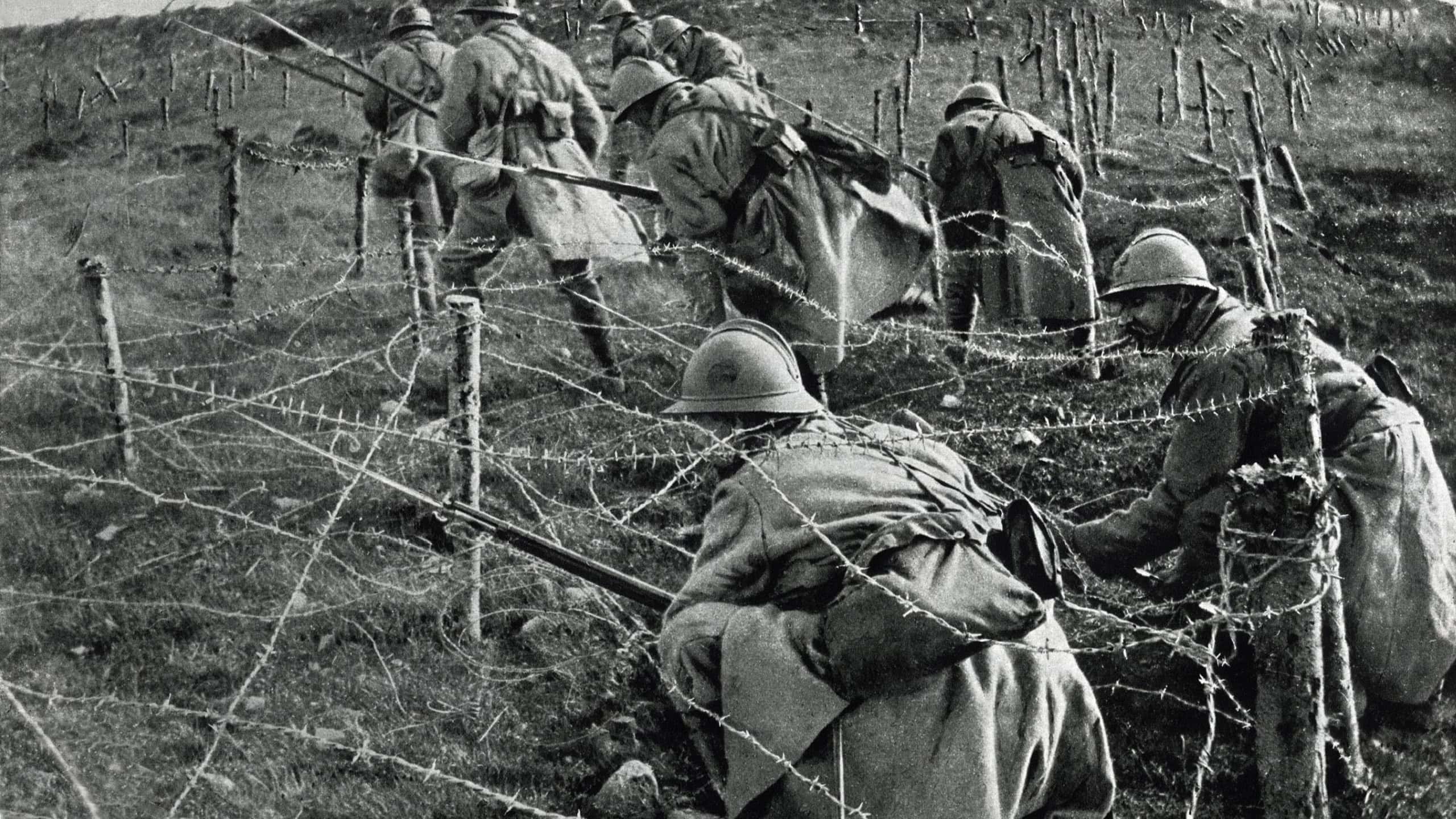
During what became known as the “Last 100 Days” of the First World War, the Canadian Corps served as an effective killing machine. Traveling at the forefront of an army of approximately 105,000 men, the Canadians would push 86 miles ahead, overcoming 47 German divisions in the process.
American forces involved in the Meuse-Argonne campaign fielded 650,000 troops, yet only advanced 47 miles while breaking 46 divisions, suffering relatively greater casualties.
World War I Air Aces
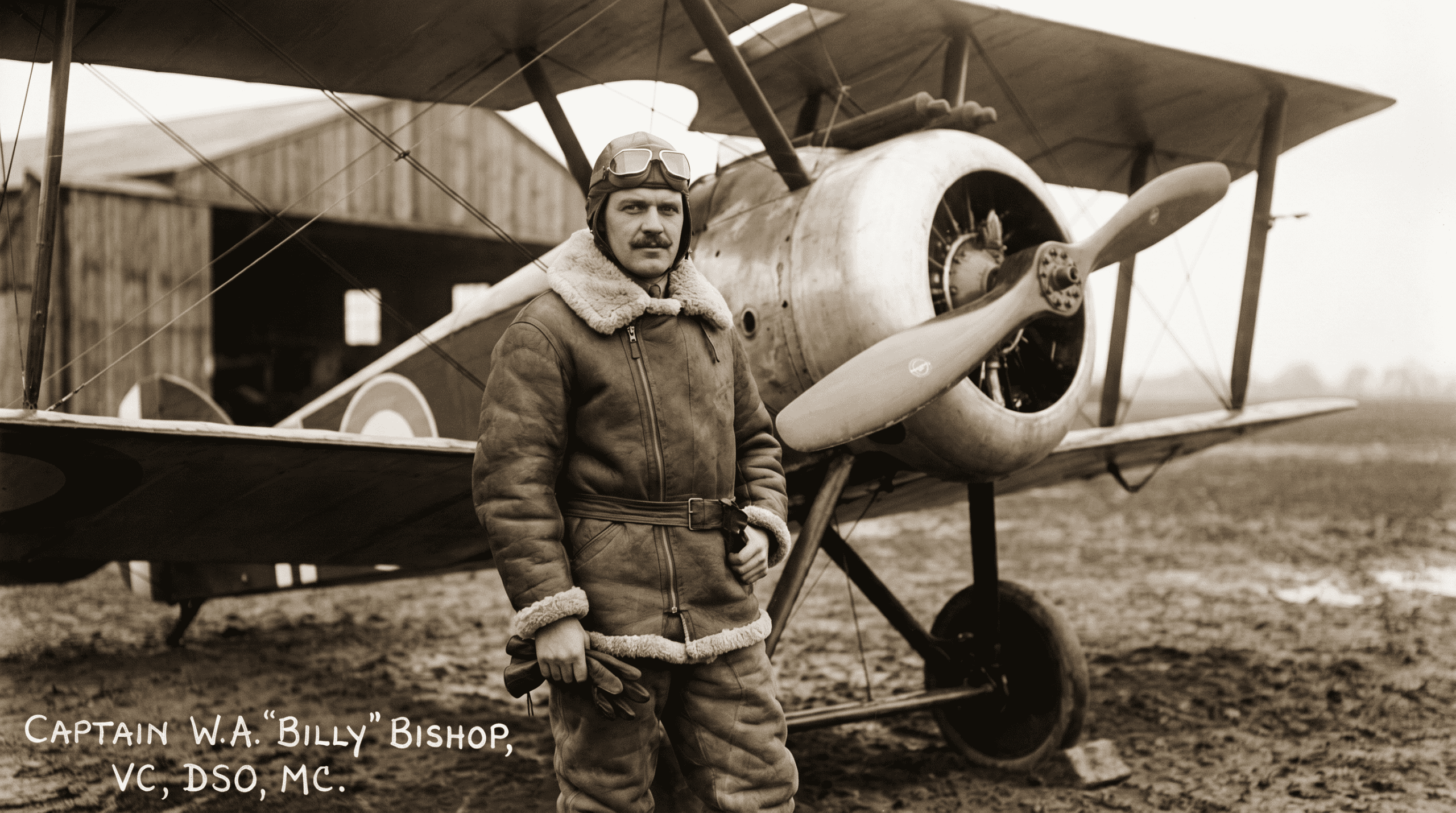
During World War I, Canada’s fighter pilots reigned supreme over the skies of western Europe. Even with a total population of only eight million people at the time, Canada had four “super aces,” pilots with more than 50 victories, including Billy Bishop with 72.
The best American pilot in the war, Captain Eddie Rickenbacker, tallied 26 victories by the end of the conflict, not even good enough for the top ten of Canadians.
Juno Beach on D-Day
On June 6, 1944, Allied troops stormed the beaches of Normandy and began the invasion of Europe. The 3rd Canadian Infantry Division was tasked with securing Juno Beach, one of the most fortified and defended stretches of the French coastline.
Faced with tough resistance from German forces, the Canadians advanced further inland than any other assault group on day one and captured all of their major physical objectives before adjacent American and British sectors did.
The “Canadian Caper” in Tehran
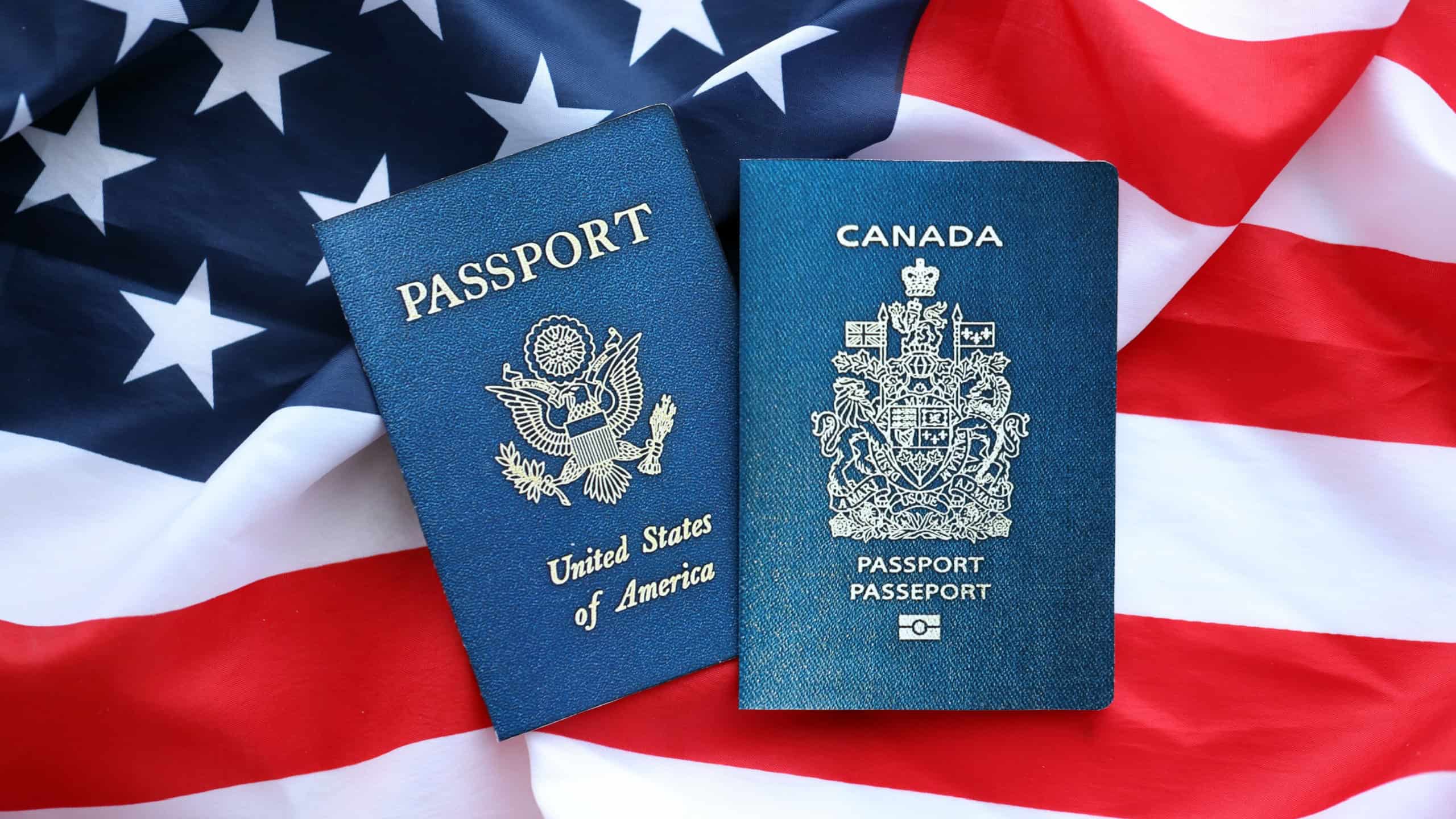
In Tehran during the Iran hostage crisis of 1979, militant students stormed the U. S. Embassy and took dozens of Americans hostage. Six American diplomatic staff escaped capture and went into hiding in Tehran.
Instead of waiting for a risky military rescue attempt, Canadian Ambassador Ken Taylor and Canadian diplomat John Sheardown bravely hid the Americans and helped them escape the country using fake Canadian passports to board planes out of Iran as part of a Hollywood movie production crew.
Operation Yellow Ribbon on 9/11
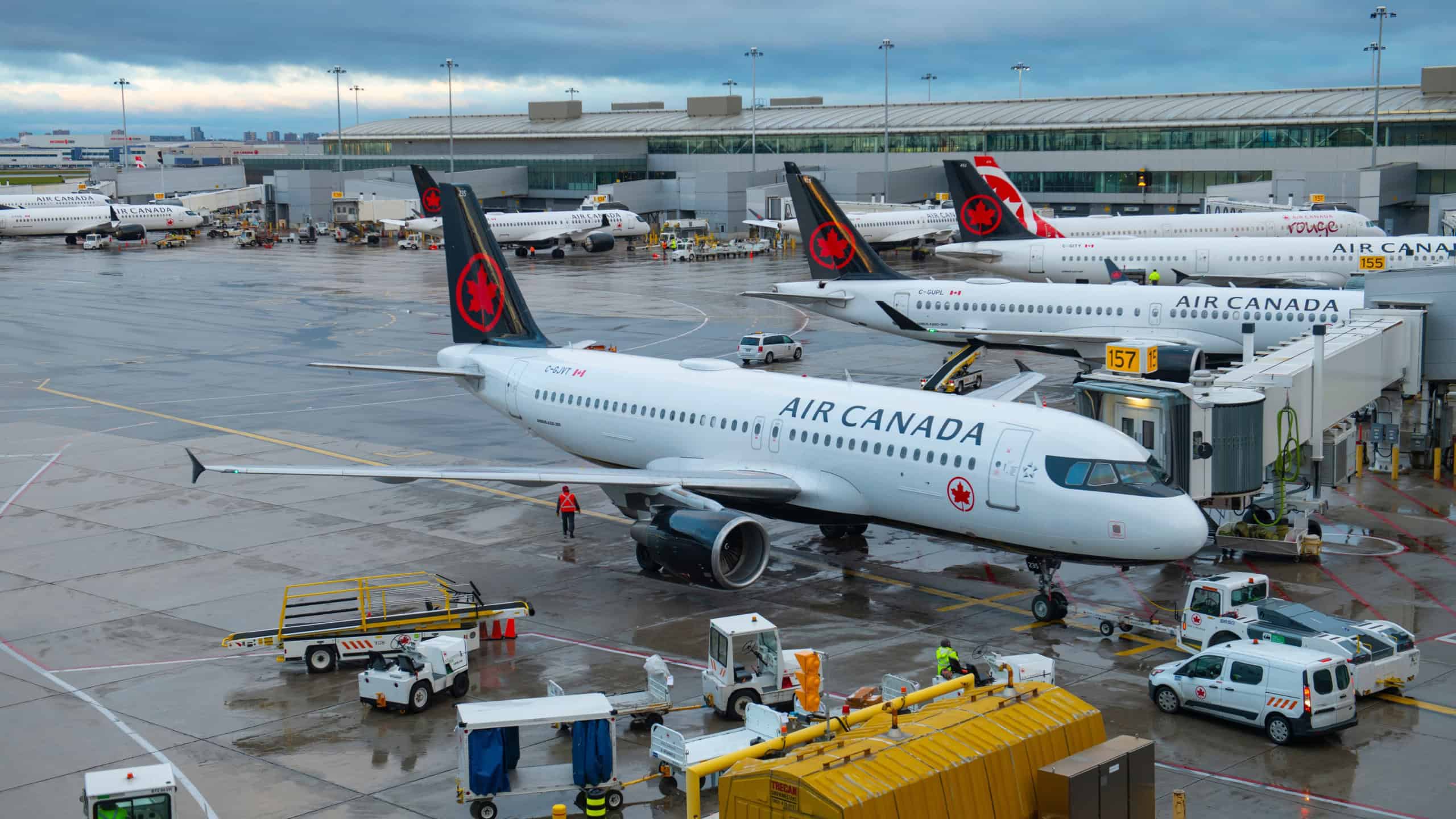
After terrorists attacked the United States on September 11, 2001, all air traffic was immediately grounded in U.S. airspace. Canada sprang into action with Operation Yellow Ribbon, redirecting 238 commercial airliners into Canadian airports.
Canada’s smaller towns, like Gander, Newfoundland, which had fewer than 10,000 residents, welcomed close to 7,000 international passengers into their communities, supplying them with food and shelter for days.
The 1972 Summit Series

During the height of the Cold War, Canada’s finest NHL talent pitted against the heavily favoured, government-sponsored Soviet National Hockey Team.
While the U.S. hockey system was clearly outmatched by its international peers during this particular time period, Canada rallied from a massive deficit in the final games to win the series. Paul Henderson’s goal, with 34 seconds remaining in Game 8, is considered one of sports’ most memorable moments ever.
The 2010 Olympic Gold Medal Game

The 2010 Vancouver Winter Olympics’ men’s hockey final is by far the most-watched television broadcast in Canadian history. Coming up against a stacked, undefeated American team on their home soil, Canada faced immense pressure.
After tying the game with 24 seconds left in regulation, the U.S. forced overtime. Sidney Crosby scored in 7:40 of overtime to win Gold for Canada and establish the world record for most gold medals won at a single Winter Games (14).
2006 World Baseball Classic Upset

Heading into the first World Baseball Classic in 2006, Team USA had an expensive roster full of MLB superstars. Canada’s underdog team went into Phoenix, Arizona, to take on the heavily favoured Americans in the opening round.
The unheralded Canadians shocked the world with their play, topping the U.S. roster 8–6 in what is now referred to as the “Miracle on Dirt”.
Sources: Please see here for a complete listing of all sources that were consulted in the preparation of this article.
Like our content? Be sure to follow us.