
Many people like to blame inflation or low wages when we’re strapped for cash, but the truth is tiny daily habits are bleeding you dry, and you probably aren’t even aware of it.
Impulse shopping

Buying things without a plan is a quick way to toss money away. Tiny impulse purchases don’t feel like much when they happen. But add them up over time and they become astounding.
Many people have no clue how much they spend on purchases they hadn’t planned on. Just a couple of spontaneous buys a week can rack up to hundreds or maybe thousands of dollars per year.
Ignoring a budget
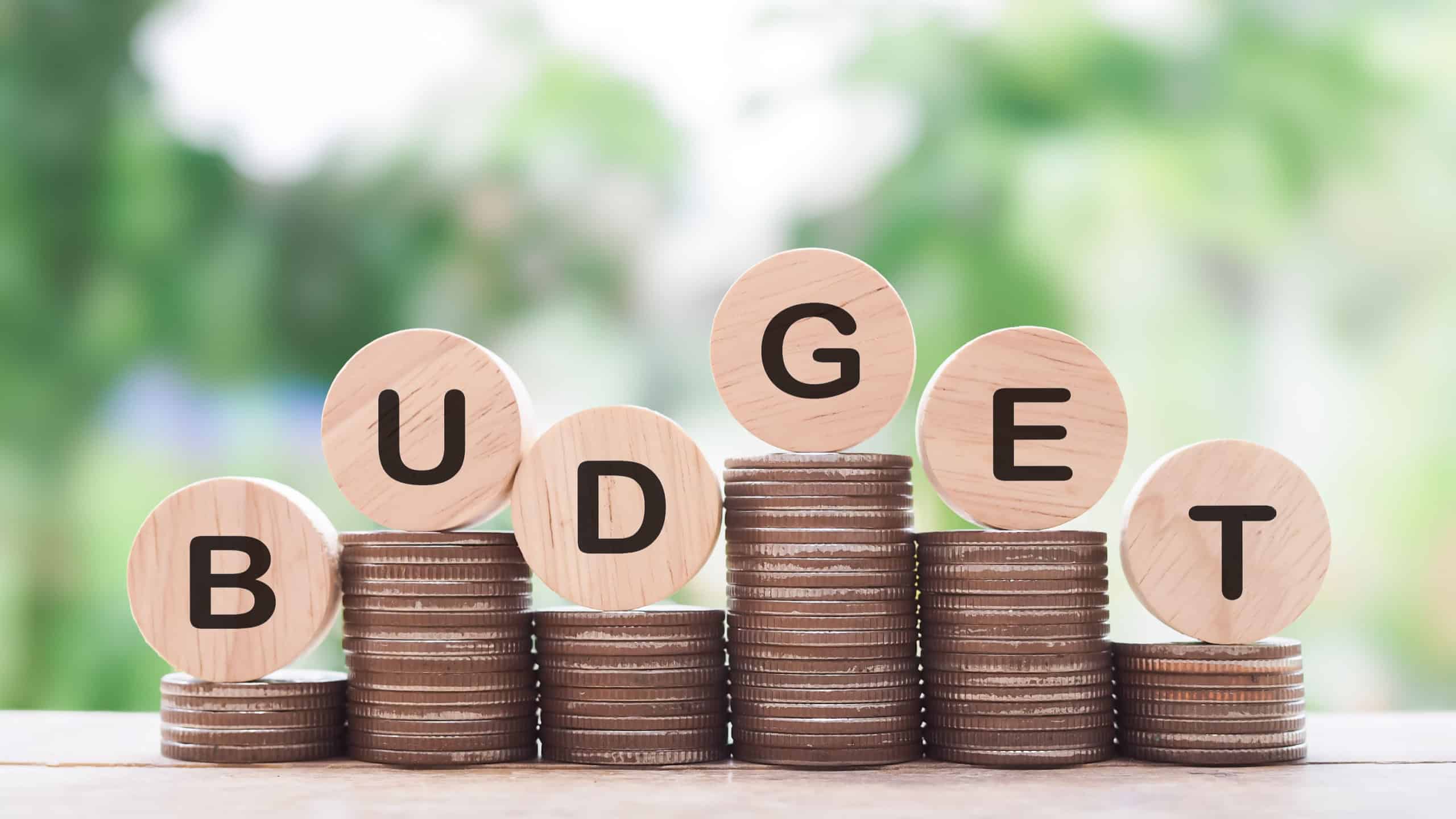
When you don’t budget, you have no idea where your money is going. You know how much you make, but you have a rough guess of how much you spend each month.
You could be overspending in one category and completely missing the mark on others. When you write out a simple budget, you become aware and can easily identify areas you can cut.
Credit card debt

If you aren’t watching your credit card interest, you could be throwing away a large chunk of change. Making only minimum payments every month means you could still be paying that off 10 years from now.
Most people don’t realize how interest adds up year over year. The longer you have that balance, the more every purchase will cost you.
Eating out constantly

Restaurant dining, takeout orders, and food delivery are very convenient, but that doesn’t mean it’s cheap. Little purchases like these can add up to becoming a large portion of your monthly spending.
Eating out frequently can set you back thousands of dollars a year. One of the easiest ways to save money is to cook more at home.
Subscription overload

Streaming platforms, apps, memberships, and online subscriptions can all seem so cheap by themselves. The problem is that most people don’t realize how many subscriptions they have.
All those little monthly payments can add up to a big surprise. Make it a habit to look at your subscriptions, you’ll be surprised by what you find you don’t use or need anymore.
Buying for status

Trying to impress others with expensive cars and name brands will drain your bank account. Fancy purchases might offer temporary gratification but long-term stress.
Instead of worrying about what others think, focus on what matters: financial security.
Ignoring discounts
Many people pay full price just because they don’t spend a few minutes comparing prices or shopping deals.
You don’t have to clip every coupon but if you consistently ignore discounts, you will spend way more than you have to. Price matching, loyalty programs, and seasonal sales can equal significant savings.
Grocery shopping hungry

Many people end up purchasing more food than they need because of this easy mistake. When you’re hungry, everything from snacks to junk food to convenience food looks tempting at the store.
You end up walking out of the store having spent way more money than you intended to. Snacking before you shop can save you more money than you think.
Lifestyle inflation

When people earn more money, they typically spend more money.
You upgrade to a nicer car, buy a bigger house, or dine out more often. Some improvements to your life are justifiable, but spending to match your income will never allow your wealth to grow. Wealth grows by saving a portion of each income increase.
Not comparing insurance

Many people often go for years without comparing prices with other insurance companies. In fact, they just keep renewing their policy with the same company.
After a while, you can end up paying way more than you should. Once in a while, take the time to comparison shop. Many times, you will find better prices or even coverage.
Wasting food

You may be throwing away money when tossing unused groceries. Households often purchase more than they can actually eat before it spoils.
Planning meals poorly and buying in bulk are huge causes of wasted food. Hundreds of dollars can go down the drain when you throw away just a few dollars’ worth of leftovers every week.
Relying on convenience

There are many things in life that we pay more for just for convenience. Food delivery, bagged/pre-cut produce, rush shipping and overpriced services are all examples. Occasional convenience purchases are fine. Making it a daily habit is how you’ll unknowingly bleed your budget dry.
Delaying savings

“I’ll start saving when I get paid more” is something a lot of people say to themselves. The problem is, the day you start getting paid more may never come. Saving money typically has less to do with how much you make and more to do with habit. Start small and watch it add up.
Emotional purchases

We often make purchases when we’re stressed, bored, angry or unhappy. Sure, we’ll feel better afterwards, but we’ll also regret spending money on things we don’t need.
Many people aren’t aware of how their mood affects their spending. Next time you feel tempted to buy something you don’t need, wait 24 hours. You’ll avoid some major monetary madness.
Late fees
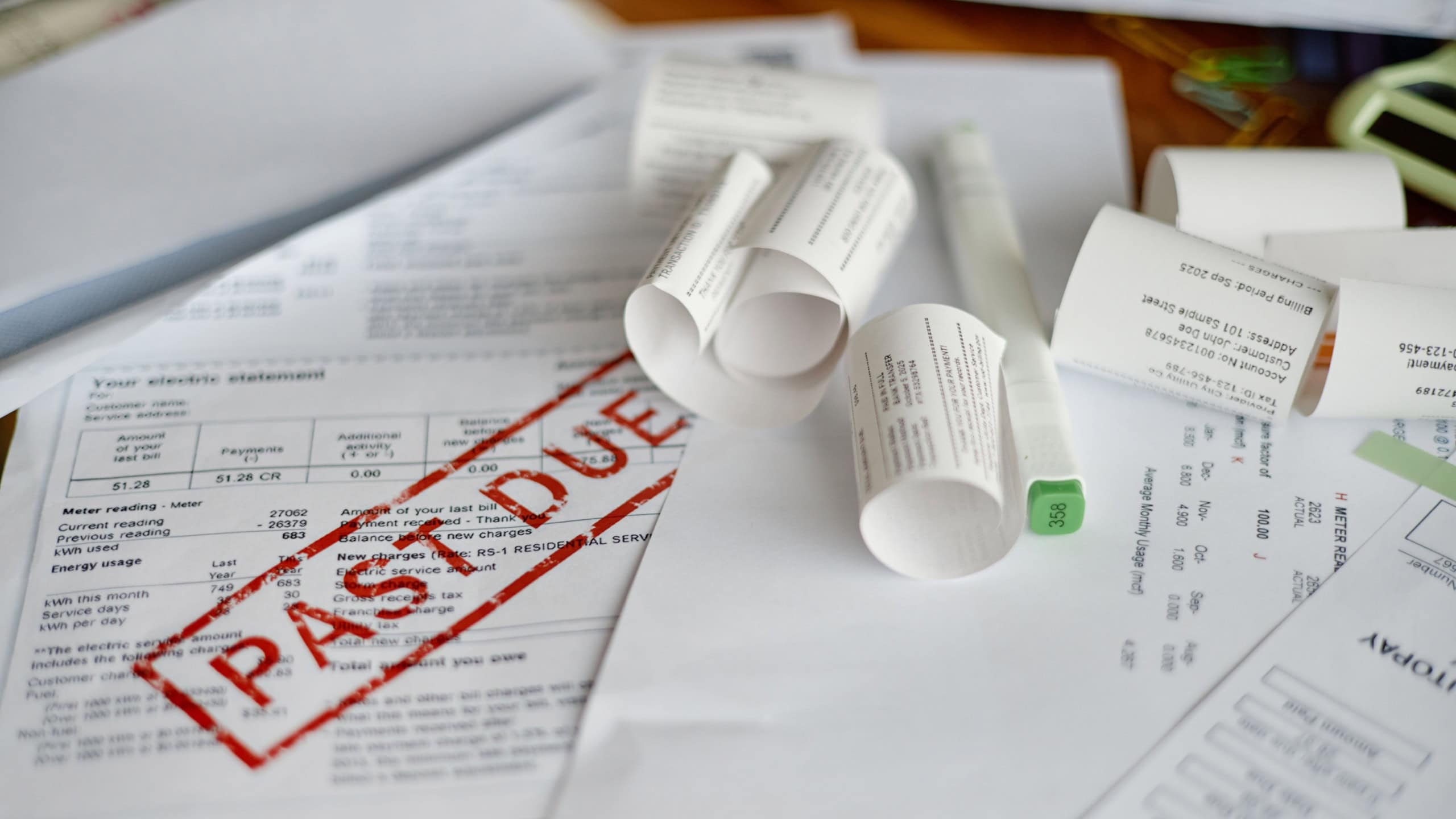
Late payments might not seem like a big deal, but late fees can add up fast. Did you know that late payments can also hurt your credit score?
Automatic payments and reminders are easy tools that can help you avoid needless charges. On-time payments are one of the simplest ways to save money.
Ignoring small expenses

We tend to scrutinize big purchases while neglecting daily expenses. After all, a cup of coffee here and a treat there don’t add up to much.
Those purchases don’t seem like much when they’re taken individually. But those little purchases can make up a huge chunk of monthly spending. When you track them, you’ll notice leaks you didn’t know existed.
Like our content? Be sure to follow us.