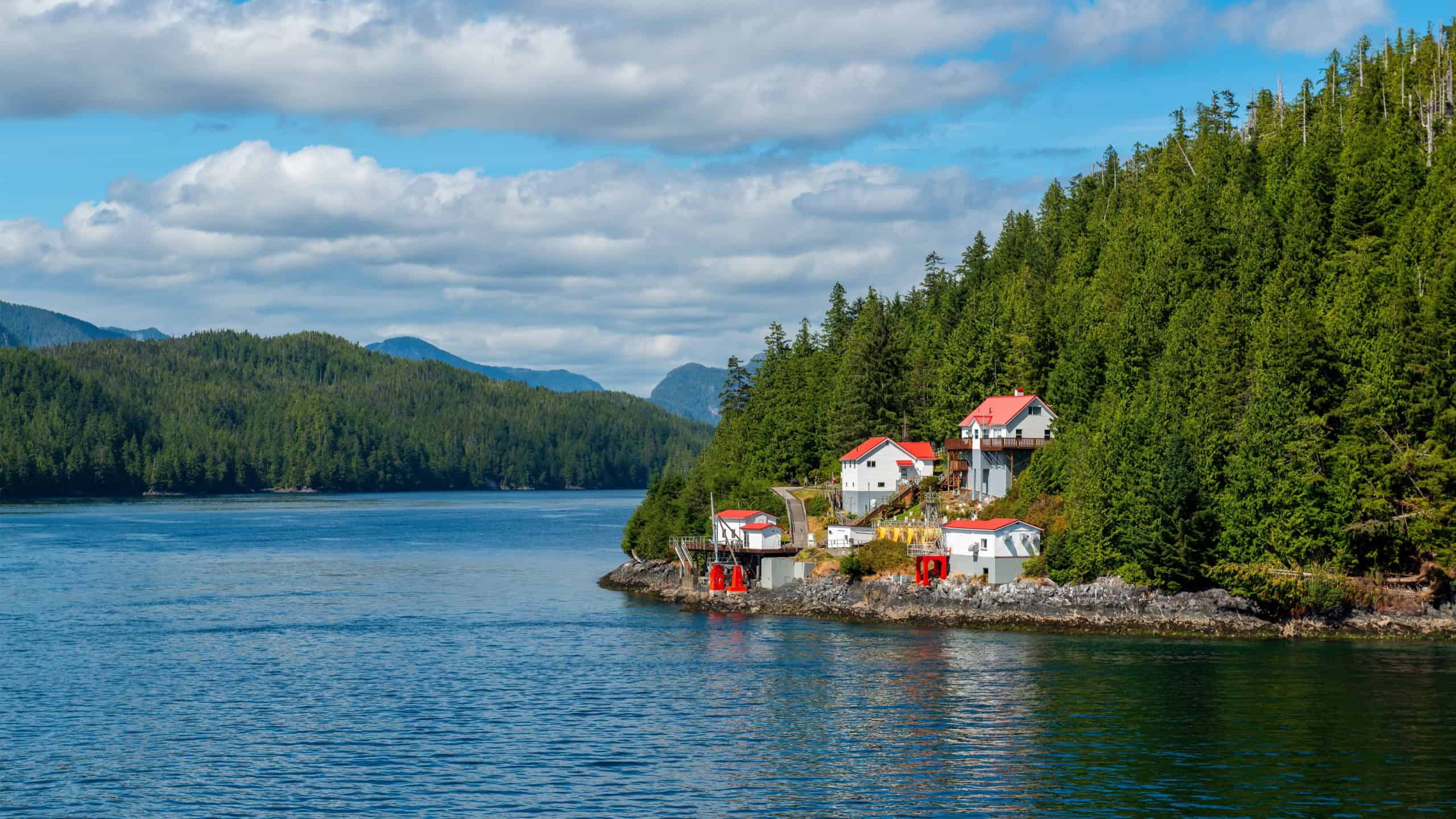
Canada is home to thousands of islands, but for many Canadians, some of their country’s loveliest islands remain unknown.
Fogo Island
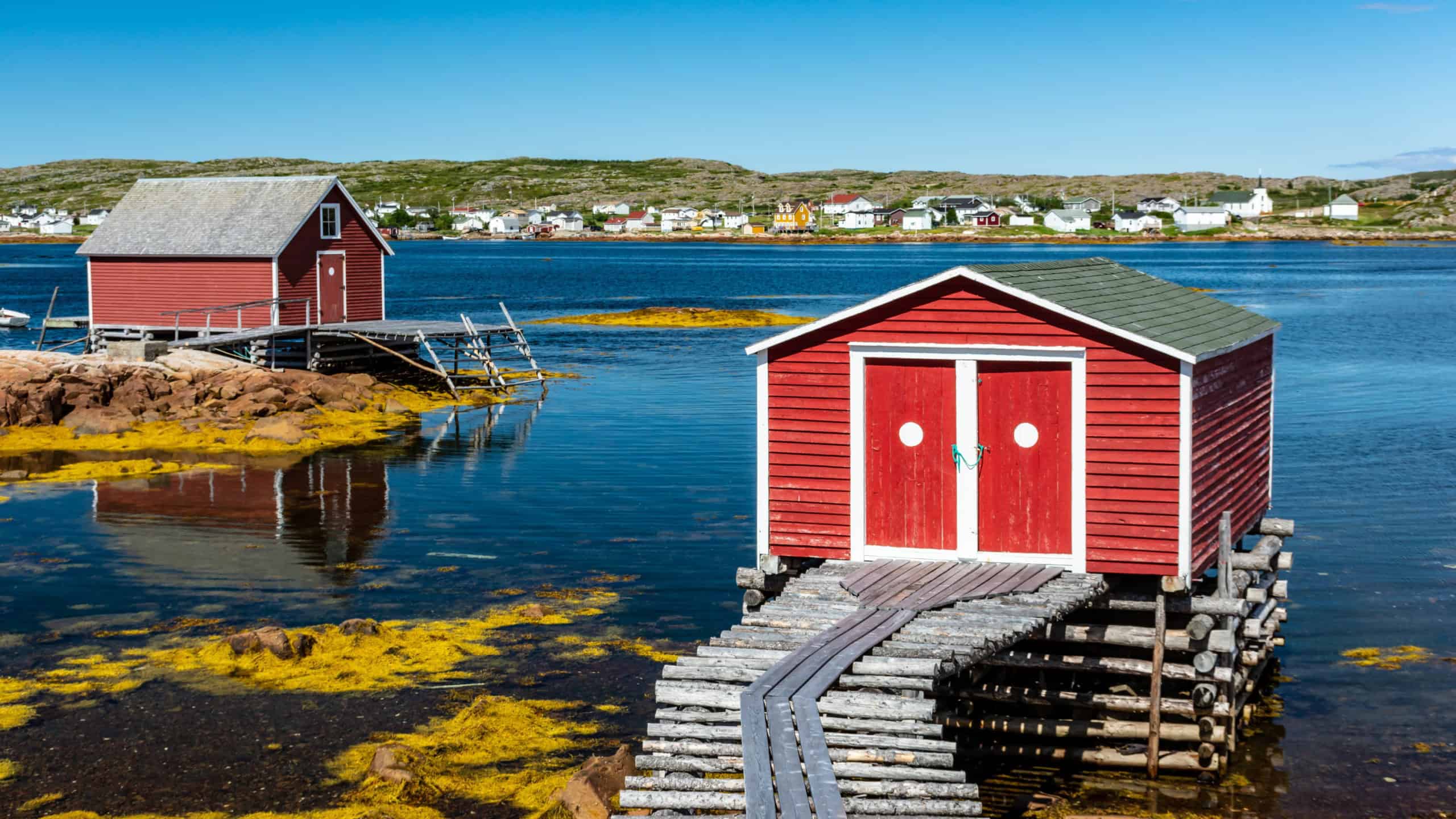
Off the coast of Newfoundland lies Fogo Island. Famous for its cliffs and picturesque fishing villages with bold roofs dotting the Atlantic terrain, this is a place where visitors can hike on rocky shores and watch icebergs float past offshore in the spring.
With ancient traditions carried on generation after generation, it really does feel like you’ve reached the end of the earth. Yet few Canadians have been there, even though it’s beginning to attract attention.
Manitoulin Island
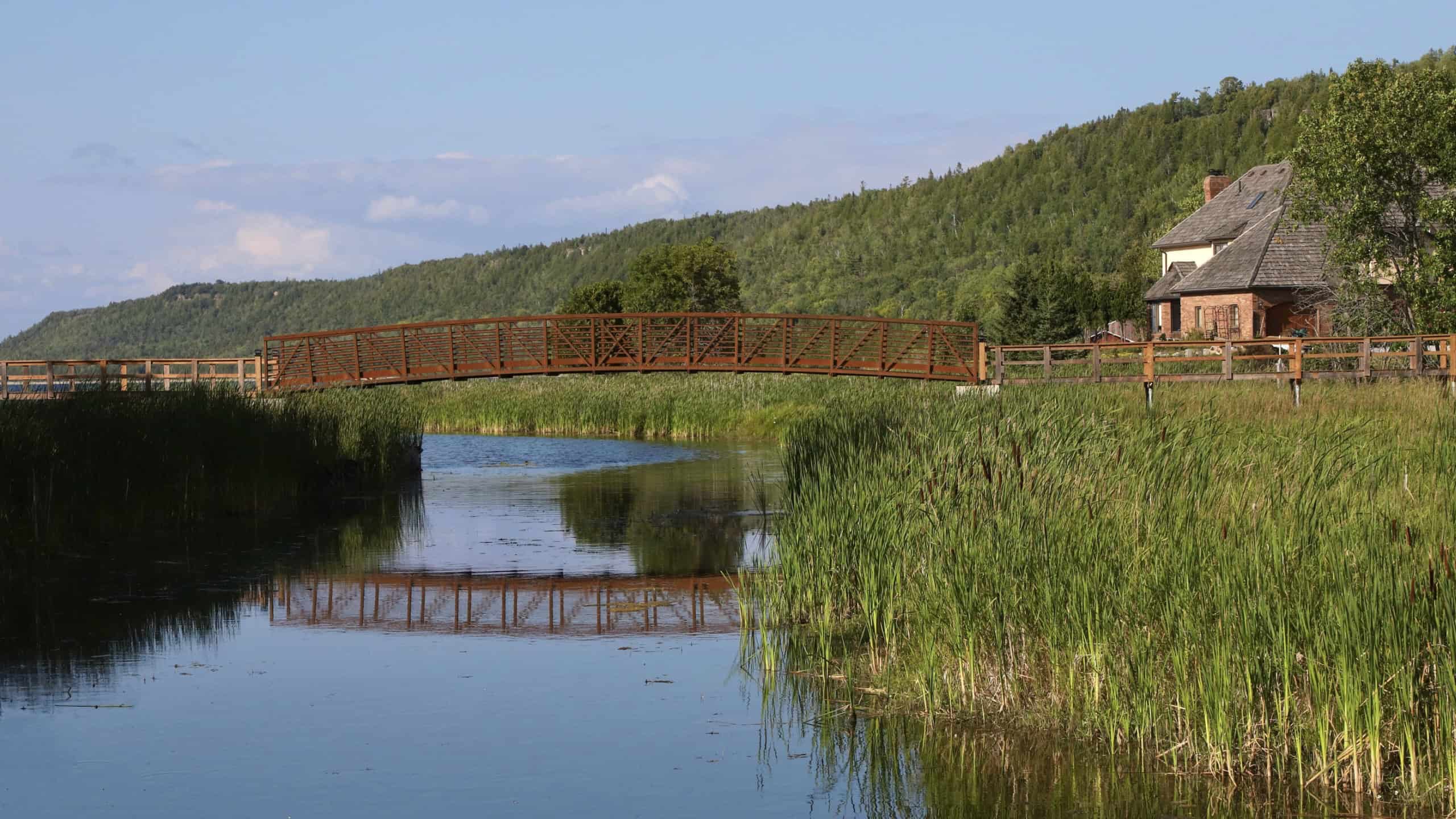
The largest freshwater island in the world, this geological behemoth hovering in Lake Huron, is home to over 100 inland lakes, some of which have their own, actual islands.
It’s popular in the summer with Ontario natives who hike its surreal, seaside Cup and Saucer Trail and learn about local Anishinaabe culture. But visitors from elsewhere in Canada seldom make the trek there.
Haida Gwaii
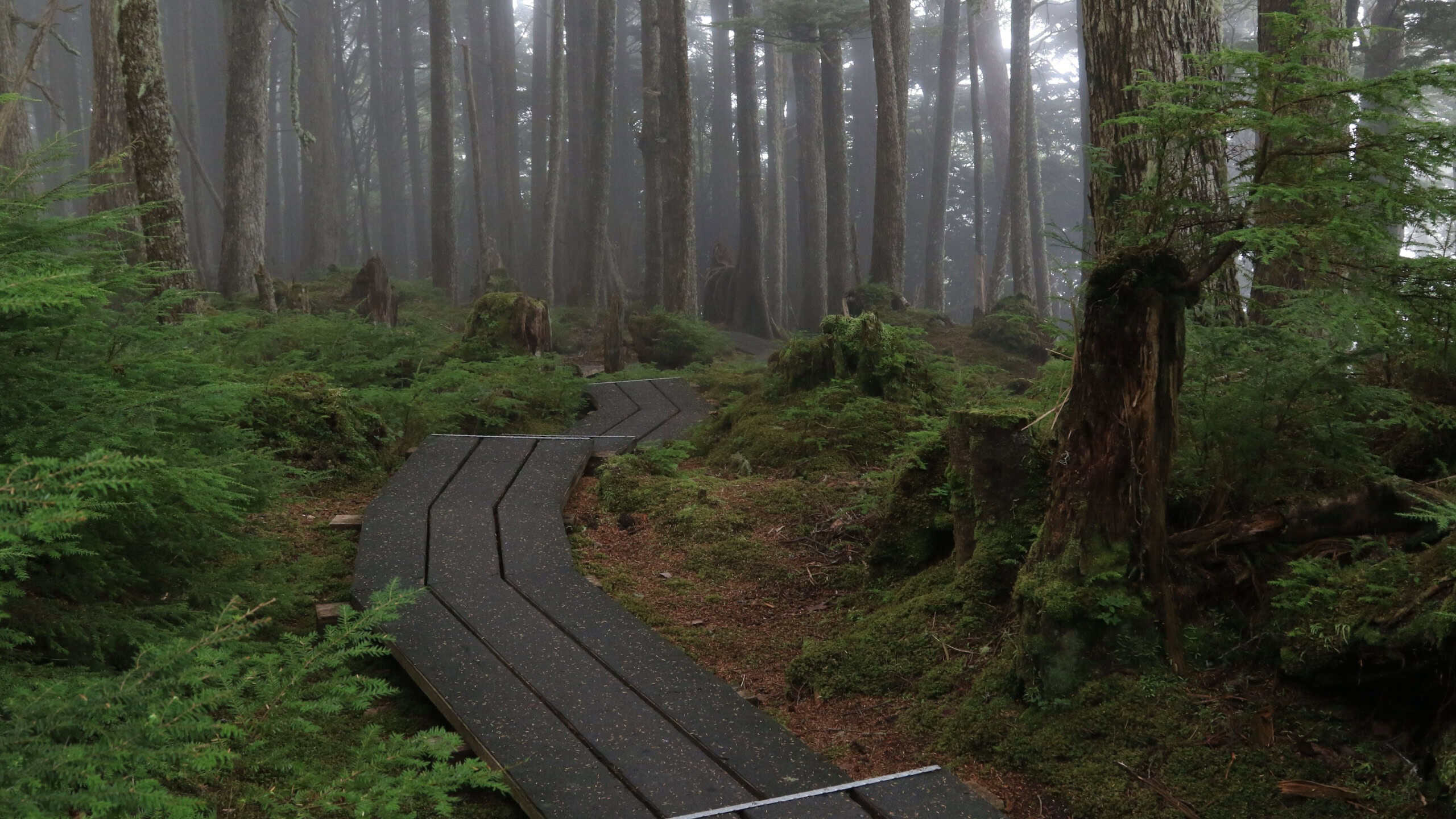
Called the Galápagos of the North, this remote, misty archipelago just off the northern coast of BC is revered for its deep ecological and cultural significance.
The misty islands are home to massive temperate rainforests, rugged coastlines, and the Haida Nation’s living culture. It’s accessible only by day trip flights within the islands or a lengthy ferry from Prince Rupert.
Sable Island
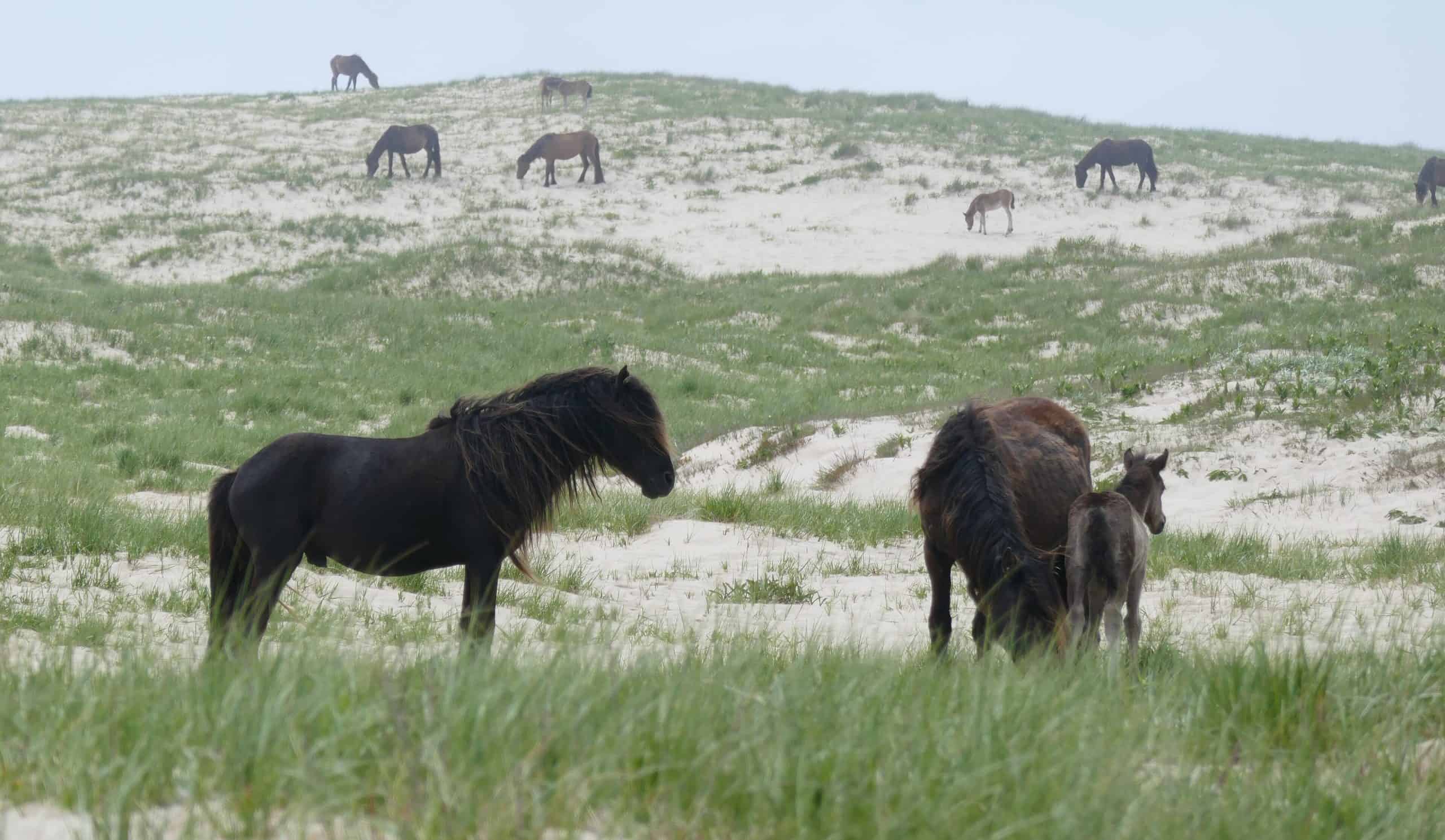
Home to wild horses and wide expanses of white sand dunes, Sable Island is located a long way from shore in the Atlantic Ocean. Hundreds of free-roaming horses roam the island along with large colonies of seals and a delicate ecosystem found nowhere else in Canada.
Few people have ever visited, as access to the island is strictly regulated. Its remoteness and unspoiled terrain have made it shrouded in mystery.
Pelee Island
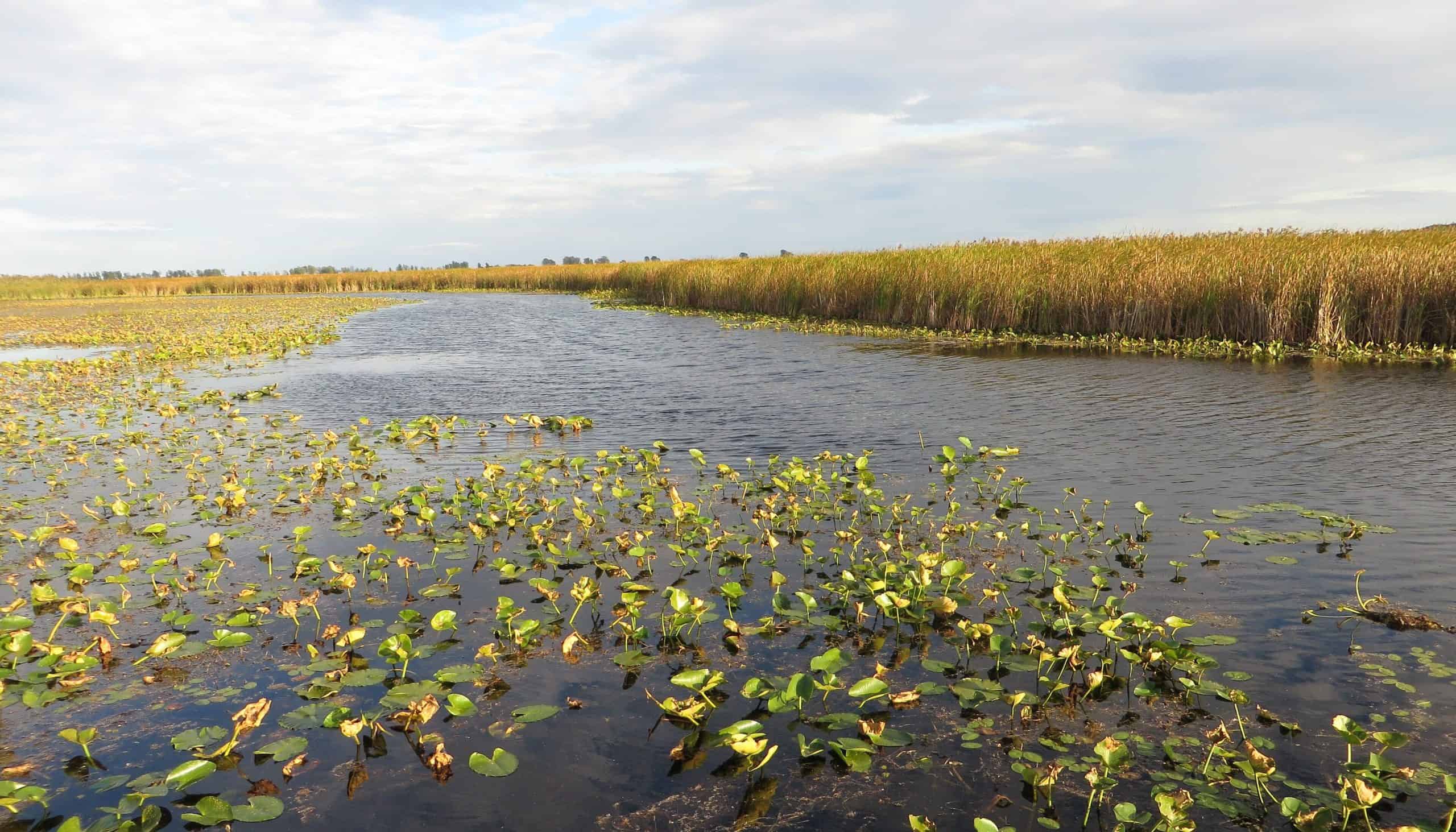
Situated on the shores of Lake Erie, Canada’s southernmost inhabited point lies on the same latitude as northern California. It has a distinct micro-climate that supports sweeping vineyards, rare Carolinian forests, and quiet sand beaches.
It’s blissfully slow-paced and old-school lakeside living that flies under the radar for most of the country.
Bonaventure Island
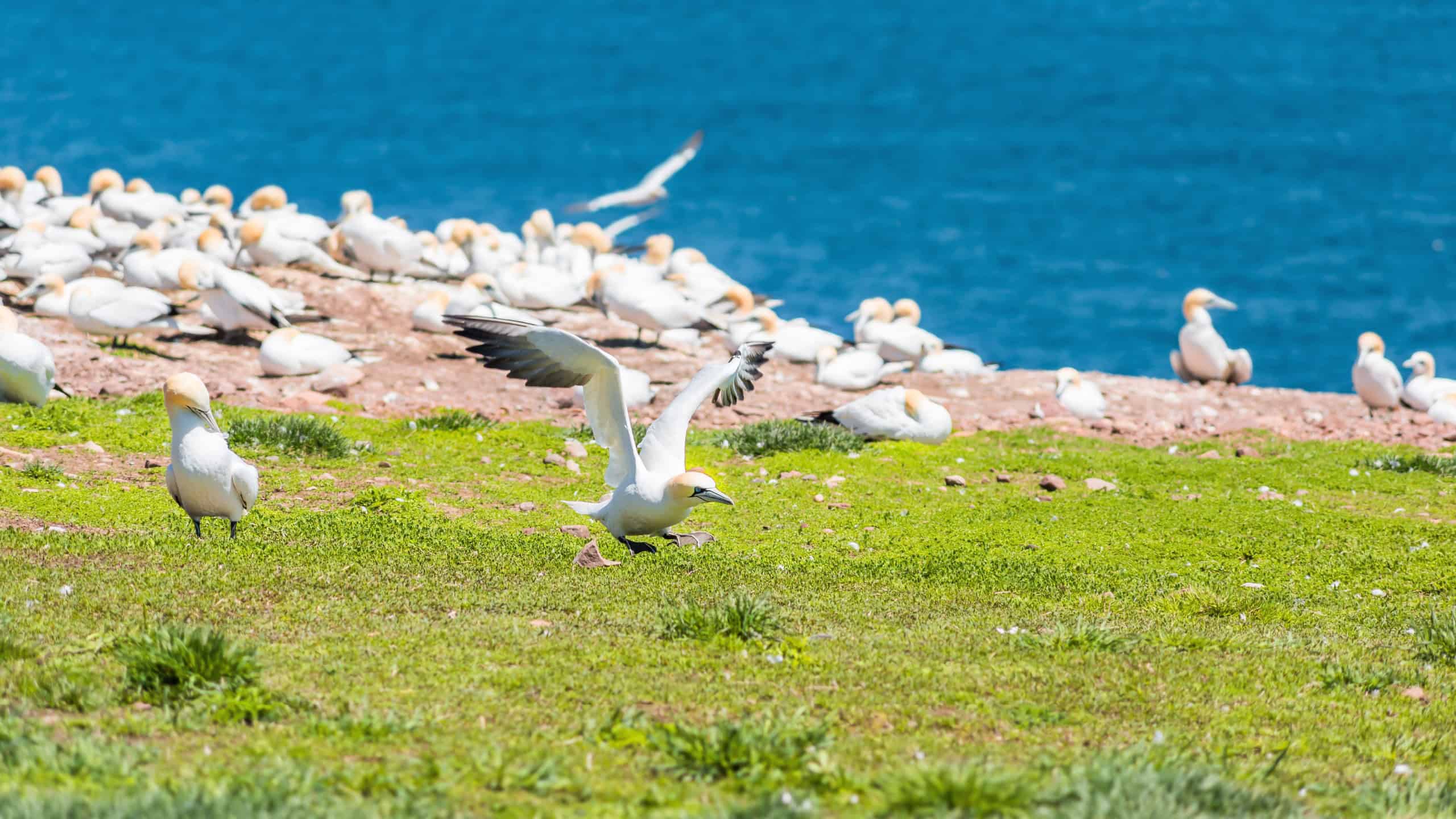
Located a short distance off the tip of the Gaspé Peninsula near Percé Rock, this craggy island will overwhelm all your senses. Home to one of the largest easily accessible Northern Gannet colonies in the world, there are over 110,000 nesting pairs on the cliffs.
Closed to anything but hiking day-use tourists who access the island exclusively by seasonal tour boat, you’ll make your way through the colony’s cacophonous squawks along scenic island trails during the day and back to the mainland at night.
Calvert Island
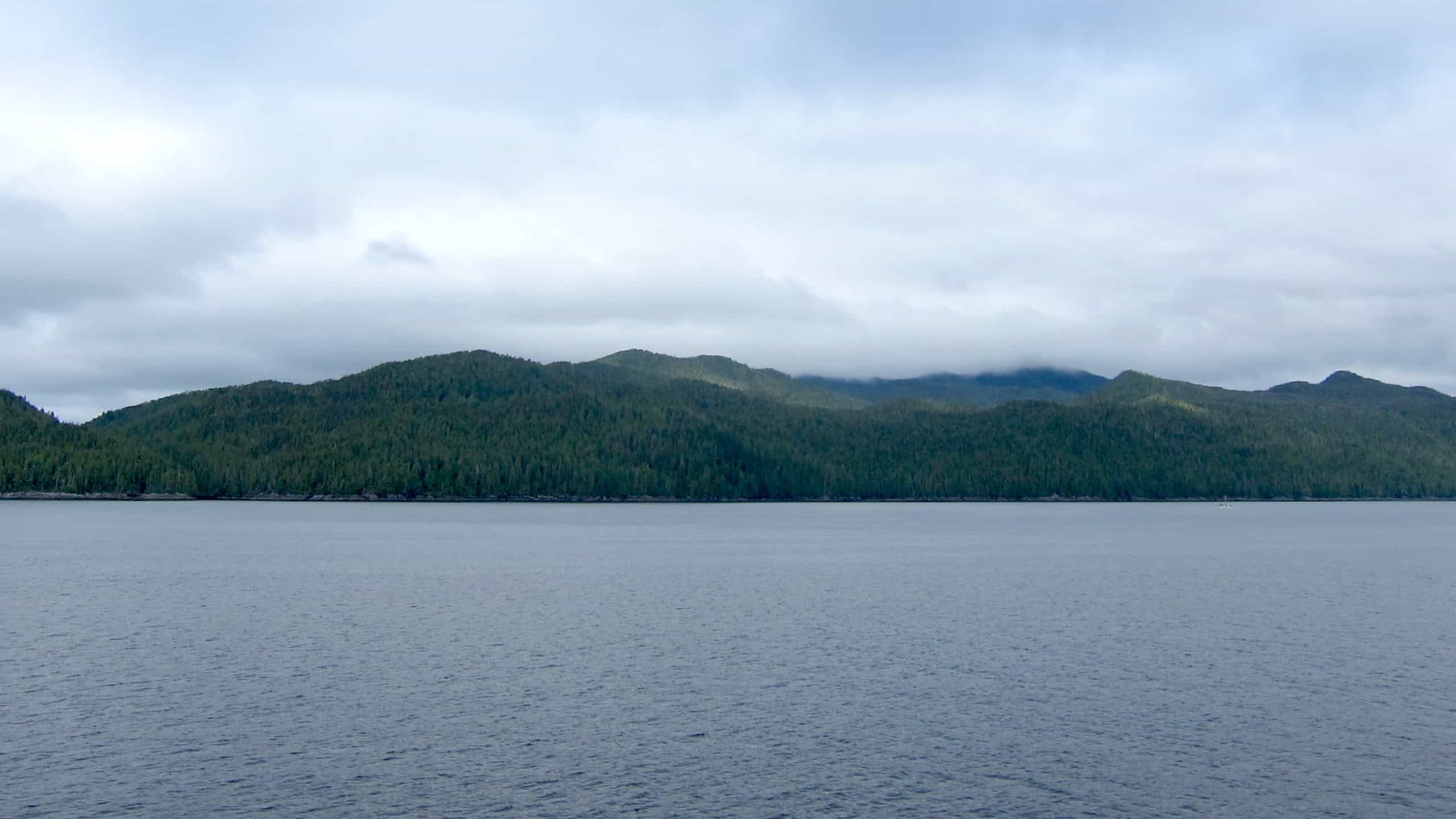
Nestled on British Columbia’s wild Central Coast, in the Great Bear Rainforest, Calvert Island is strangely tropical. Its milky white quartz-sand beaches and glowing turquoise waters are an unspoilt paradise for coastal species like wolves, sea otters, and whales.
There are no resorts or commercial development, thanks to being entirely off-grid, accessible only by boat or floatplane from coastal communities such as Port Hardy.
Campobello Island
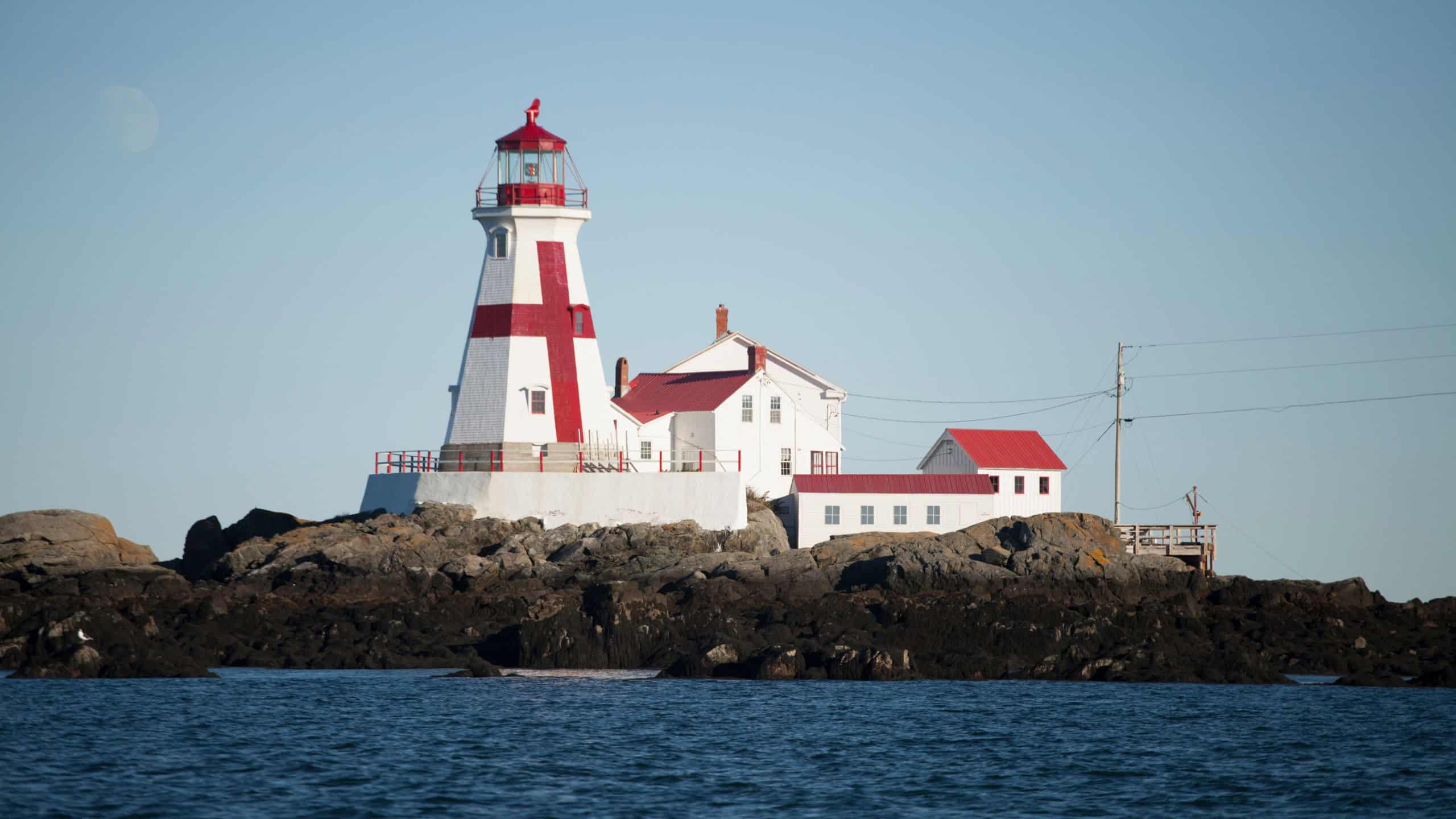
Nestled along the border with Maine, Campobello Island has a rugged coastline, quaint appeal, and a history with Franklin Delano Roosevelt. Travelers can see scenic lighthouses, go on whale watching tours, and enjoy picturesque coastal parks.
Prince Edward Island
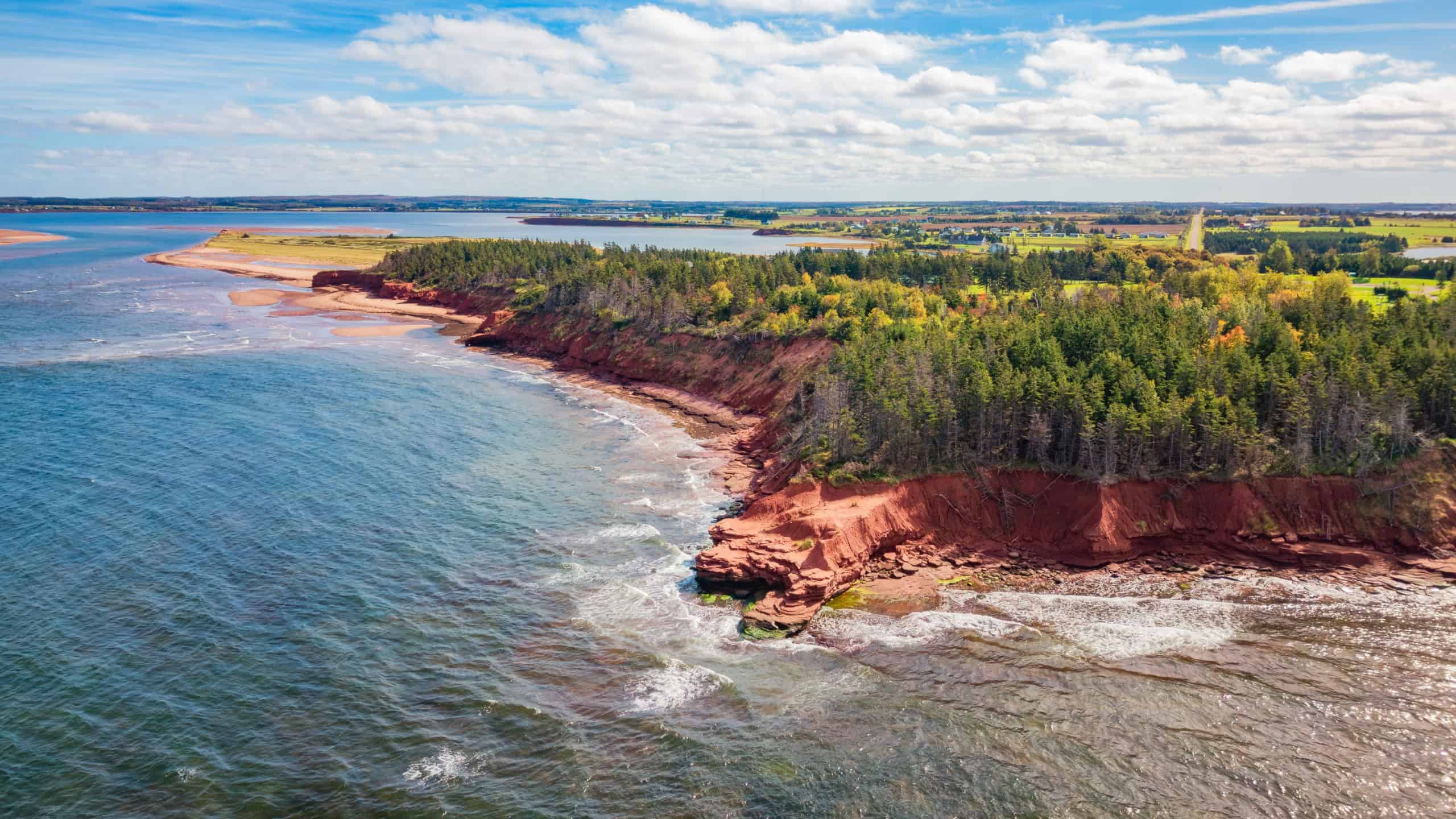
Known to most Canadians but visited by few, Prince Edward Island boasts picturesque red-sand beaches, rolling farmland, and plenty of seafood. Visitors can also hike to a number of scenic lighthouses and feast on seafood dinners. For fans of Anne of Green Gables, it is the place to visit. Anne’s stories helped put this adorable island on the map.
Hornby Island
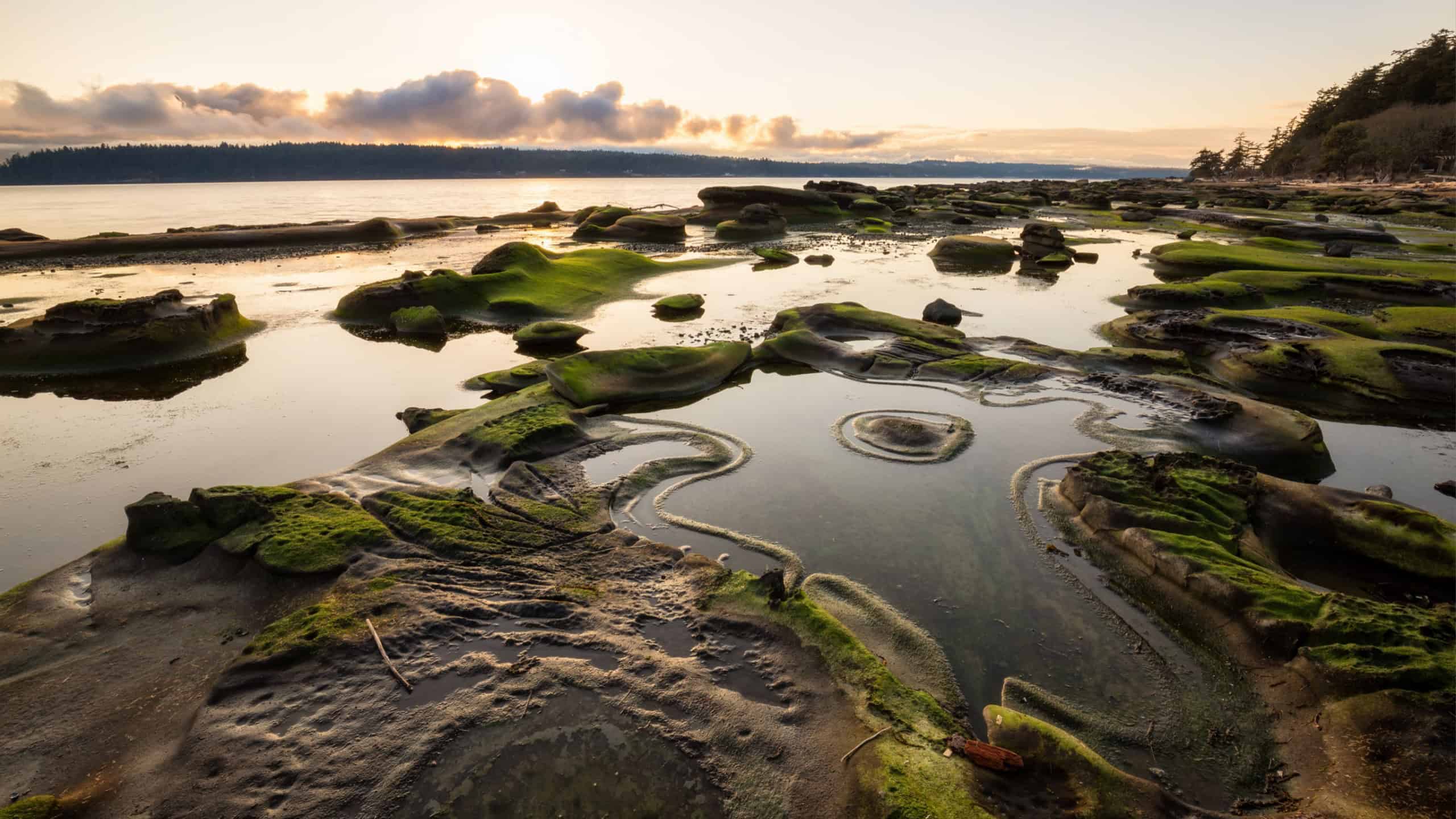
Forgotten by many due to its proximity to Vancouver Island, Hornby Island is home to turquoise waters and sandy beaches. During summer, visitors can swim in shockingly warm ocean waters, kayak around the coast, and hike through forests brimming with wildlife.
It’s earned accolades as being comparable to more famous beach destinations, but it’s rarely crowded like most places in Canada.
Sources: Please see here for a complete listing of all sources that were consulted in the preparation of this article.
Like our content? Be sure to follow us.