
These 10 moments prove Canadian creativity can sometimes outshine even the biggest American innovations.
Insulin

Before insulin was discovered in 1921, a diagnosis of diabetes meant certain death. Although Americans were also researching cures, Canadian scientists Frederick Banting and Charles Best at the University of Toronto were able to isolate insulin.
It has since gone on to save hundreds of millions of lives around the world.
Telephone

Although Alexander Graham Bell would eventually conduct his research in America, the telephone was actually born in Brantford, Ontario, at his family home.
The first-ever long-distance call was made between two towns in Ontario in 1876, and Bell even wrote that Canada gave him the opportunity and peace of mind to develop what would become the technology to connect the world.
Pacemaker

Researching how to use radio frequency to return body heat to normalcy, Saskatchewan electrical engineer John Hopps made a life-changing discovery.
While testing his theories, he realized that electrical impulses could cause a stopped heart to start beating again. This led to the development of the first external pacemaker and provided the foundation for the technology we use today.
Blackberry
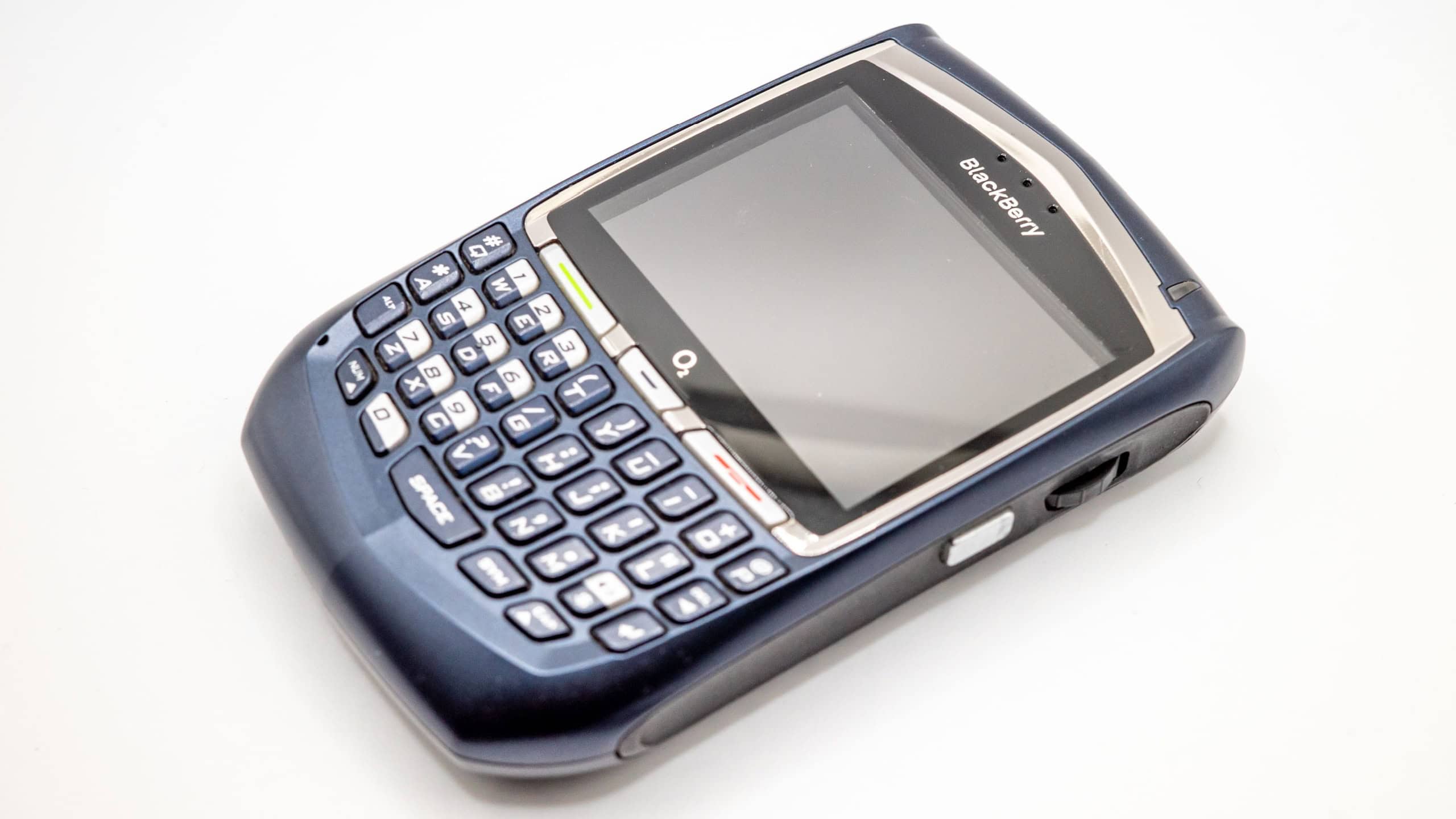
Before smartphones were made by giant corporations in Silicon Valley, University of Waterloo physics graduates Mike Lazaridis and crew developed Research In Motion (RIM) and dominated the high-tech smartphone market for years with BlackBerry.
It was the first device to give users access to secure email from anywhere. For more than a decade, BlackBerry set the standard for international business and government communications.
Standard time

Before standard time was introduced in the 1800s, every city kept time according to where the sun was positioned in the sky. Train schedules were extremely confusing, and train wrecks were common.
Canadian engineer Sir Sandford Fleming came up with the idea of standard time and 24 hourly time zones we still live by today. He spent years convincing the rest of the world to get on board with his plan.
The Canadarm
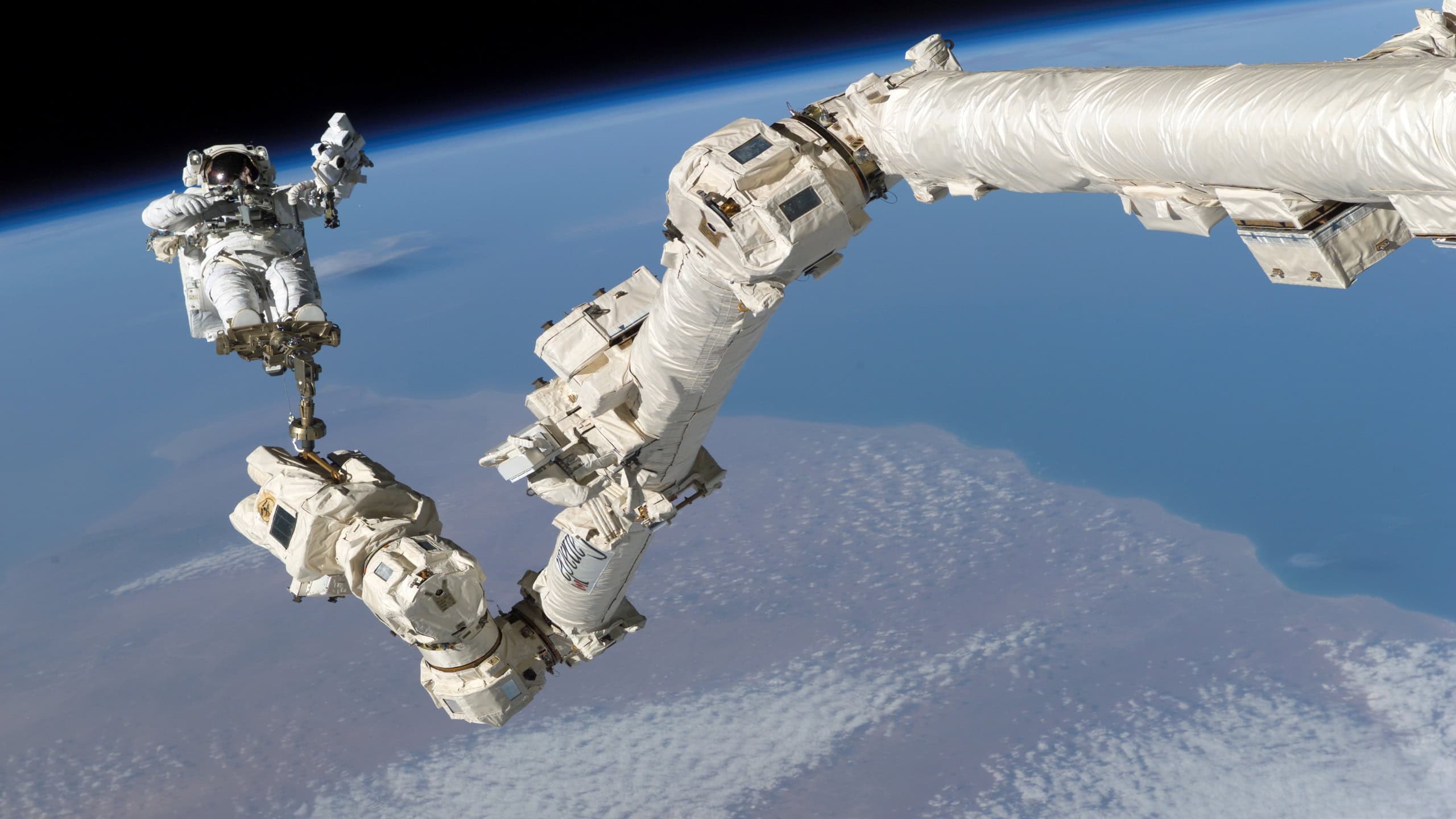
When NASA wanted to transport large objects or repair satellites in space on its own, it asked Canada for help. The brainchild of Canadian ingenuity, the Canadarm became the robotic arm of the Space Shuttle for 30 years.
Because of that, Canada is considered to have the most advanced space robotics technology in the world, with their new Canadarms currently servicing the International Space Station.
Java

The internet would come to a screeching halt if we didn’t have Java. The revolutionary programming language was developed by Canadian James Gosling. Java allowed programmers to write software that could be used on any computer.
This was groundbreaking back in the 90s, and Java remains one of the most popular programming languages in the world today.
IMAX Technology

Love movies? Thank Canadian filmmakers Graeme Ferguson, Roman Kroitor, and Robert Kerr. The three teamed up to invent IMAX because they felt traditional film couldn’t capture how big the world really was.
When they invented the technology in the late 1960s, they challenged the entire film industry to make their films bigger, literally. All of a sudden, movies were being shown on 60-foot tall screens, and everyone had to adjust to what Canadians thought was regular size.
The Snowmobile

While Americans were perfecting cars to drive on paved roads, Joseph-Armand Bombardier was stuck with how to get around in the deep snow of Canada. In 1937, he invented the first snowmobile with a working tracked vehicle that could actually drive over snow.
Not only did he create a new sport, but he also revolutionized how northerners and those in remote climates lived during cold-weather months that were previously cut off from the rest of the world by thick layers of ice.
Keyhole surgery
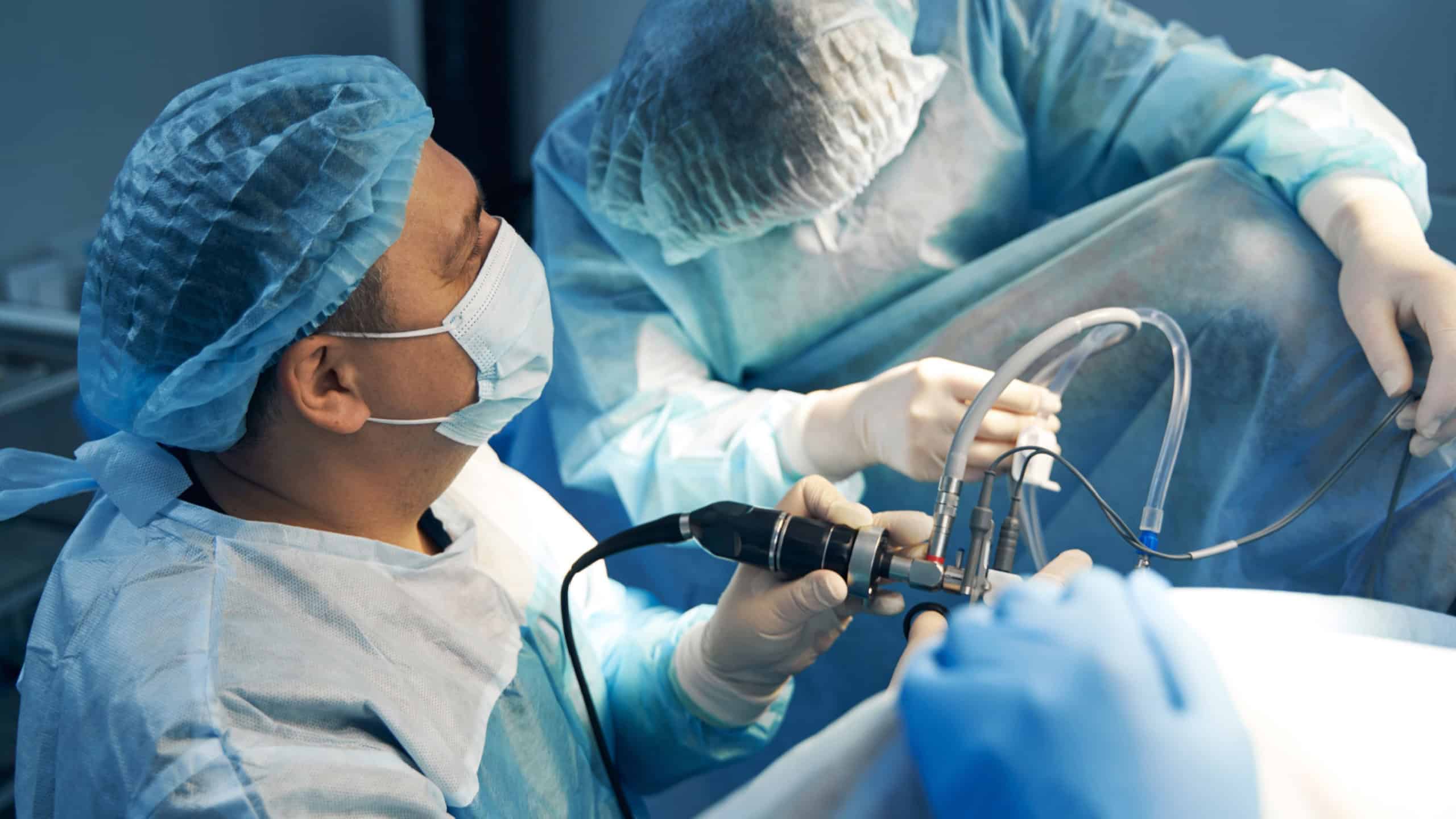
Thanks to William G. Stewart, a Canadian surgeon who helped pioneer laparoscopic surgery (also known as keyhole surgery), doctors can now perform invasive procedures by making small incisions rather than large holes in the human body.
Using cameras, physicians from around the world began using these smaller incisions to operate on patients, which helped reduce infection rates and recovery time drastically.
Sources: Please see here for a complete listing of all sources that were consulted in the preparation of this article.