
Most people talk about being debt-free as their ultimate money goal, but going completely debt-free isn’t as great as you might think since it may, in fact, hold you back.
Missed Investment Opportunities

Having some extra cash means you could either use it to pay off your mortgage early or invest in the stock market. While paying off the mortgage feels safe, there’s a catch. If the stock market is on an upswing, you’ll miss out on some serious gains. Sometimes, the potential return on investments far outweighs the interest you’re saving by paying off debt early.
Low Credit Score

Avoiding debt altogether will also affect your credit score. Credit scores show lenders how good you are with your finances so without any history of borrowing & repaying, there’s not much for them to go on.
This will hurt your credit score. You might not care now but it’s a big deal if you ever need a loan down the line.
Higher Interest Rates

And when you do manage to get that loan with a so-so credit score, brace yourself for higher interest rates. Lenders believe you’re a wild card since you don’t have a solid borrowing history.
As such, they’ll hedge their bets by charging you more in interest, even if you think you’re good with your debt. You have to prove this to them.
Missed Rewards

When you use credit cards wisely, you’ll get quite a few benefits; think cashback & travel points. Completely staying away from credit cards because you’re avoiding debt means saying goodbye to these benefits.
Don’t just ignore all that money. As long as you’re sensible & pay off your full balance each month, you can make a credit card work for you.
Limited Leverage in Negotiations

Debt is a powerful tool and especially in business. While it might sound counterintuitive, taking on some debt gives you more leverage in negotiations, like when you’re expanding a business or investing in new projects.
You need to be willing to use debt strategically. If you’re not, then you’ll miss opportunities to grow your financial empire.
Inflation Benefits
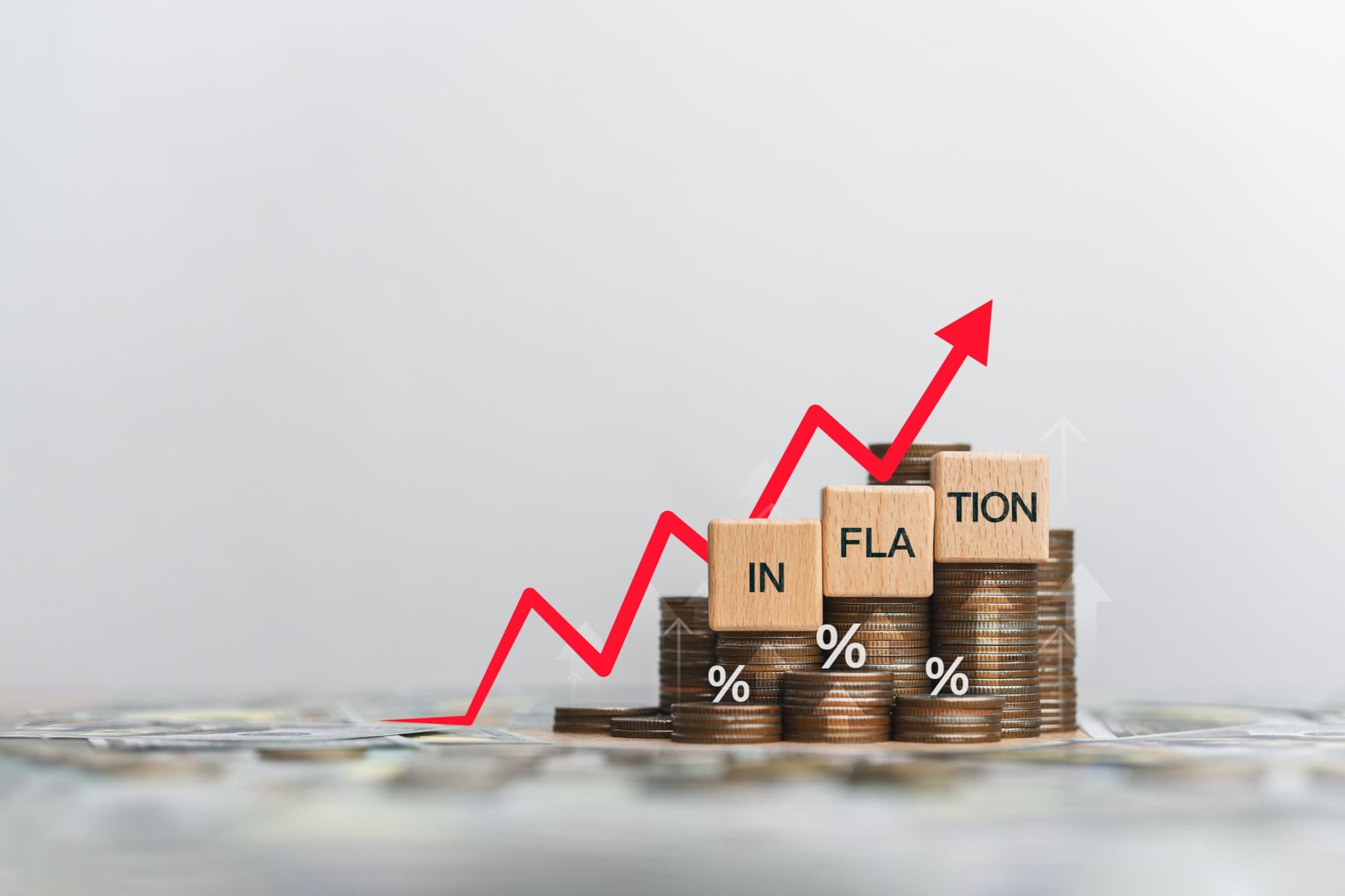
Despite what you might’ve heard, inflation sometimes makes debt cheaper over time. For example, getting a fixed-rate loan means that the money you pay back later is worth less than when you borrowed it.
Don’t ignore the benefits of this. We’d all like to pay back our loans with less money.
Lack of Emergency Preparedness

Of course having an emergency fund is important but it’s not always enough. Access to credit will help you if you’re ever in trouble.
If you’re solely relying on savings, a big unexpected expense may wipe you out while having the option to lean on a line of credit will keep you safe. You don’t have to use it, of course. But you’ll be grateful if you ever do.
Worse Wealth Building

Debt is also a smart way to build wealth when you have investments like real estate. Using mortgages to purchase properties that generate rental income may help you turn a profit that far exceeds the cost of the loan.
Most of us wouldn’t be able to do so without taking on debt. As such, avoiding this will stop you from experiencing any of these wealth-building opportunities.
Reduced Stress from Over-Saving

The pressure to remain debt-free creates its own kind of stress, especially with over-saving. Yes, it’s great to have savings.
But it’s also okay to take on a manageable amount of debt for important life events or investments, rather than draining your savings. In fact, doing so may help you live a more balanced & less stressful financial life.
Stagnation in Personal Finance Growth

Finally, avoiding debt at all costs will stop you from learning how to manage it wisely. Knowing how to use debt to your advantage is an important financial skill.
As such, saying no to debt altogether takes away the chance to learn how to use it for your benefit. Don’t you want to get smarter with your money?