
Entering your 70s means you have finally earned the chance to slow down a little, but it also means dealing with physical, social, and emotional changes that can feel like obstacles you have to consciously overcome.
Loss of identity
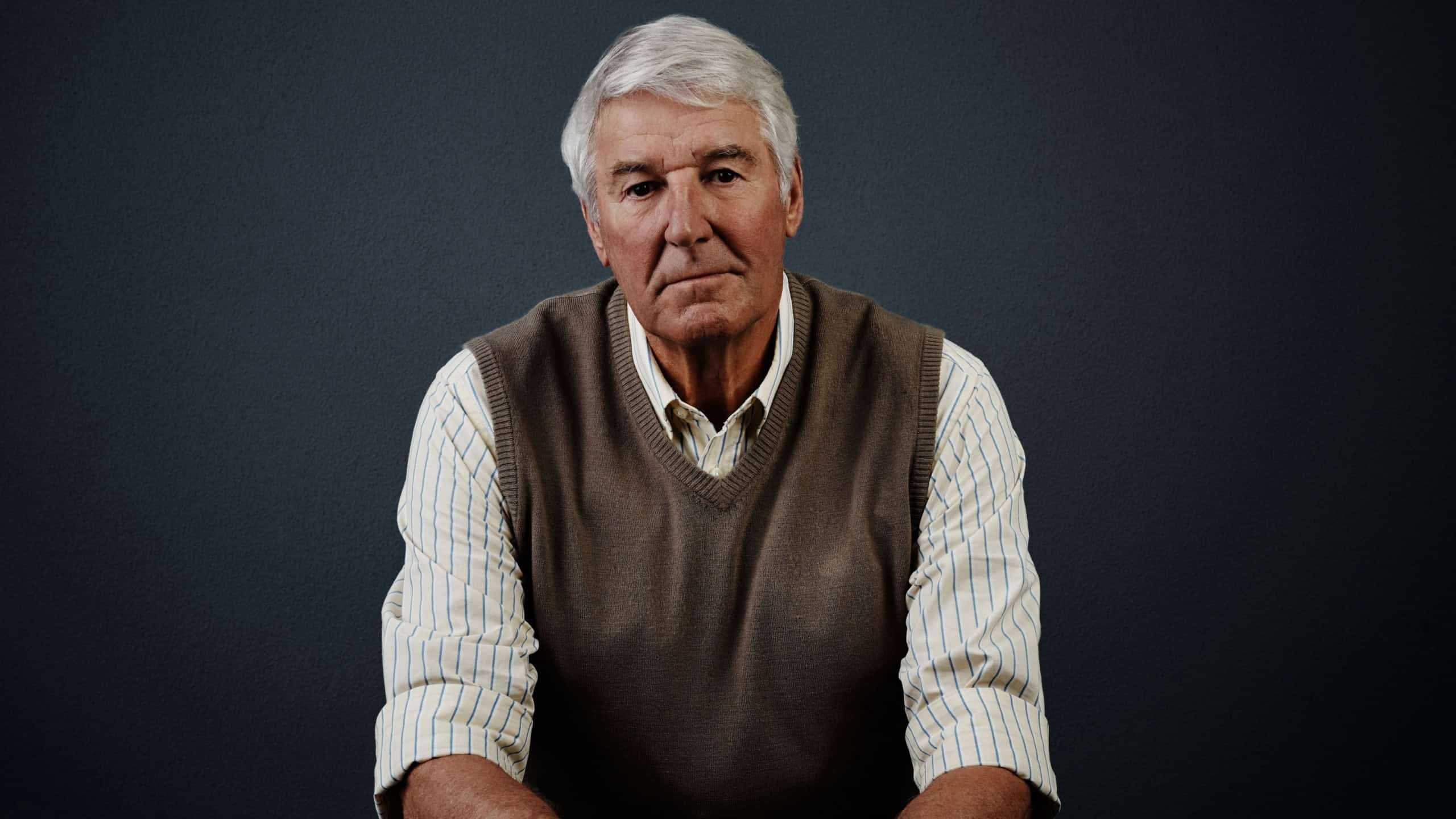
For years and years, you’ve probably based your value as a person on your career, physical prowess or being the family breadwinner.
But in your 70s, things change: you’re retired and your endurance just isn’t what it used to be. Finding a new purpose for your day-to-day life can be an invisible (and weighty) emotional obstacle that forces you to redefine productivity and worth entirely.
Physical autonomy
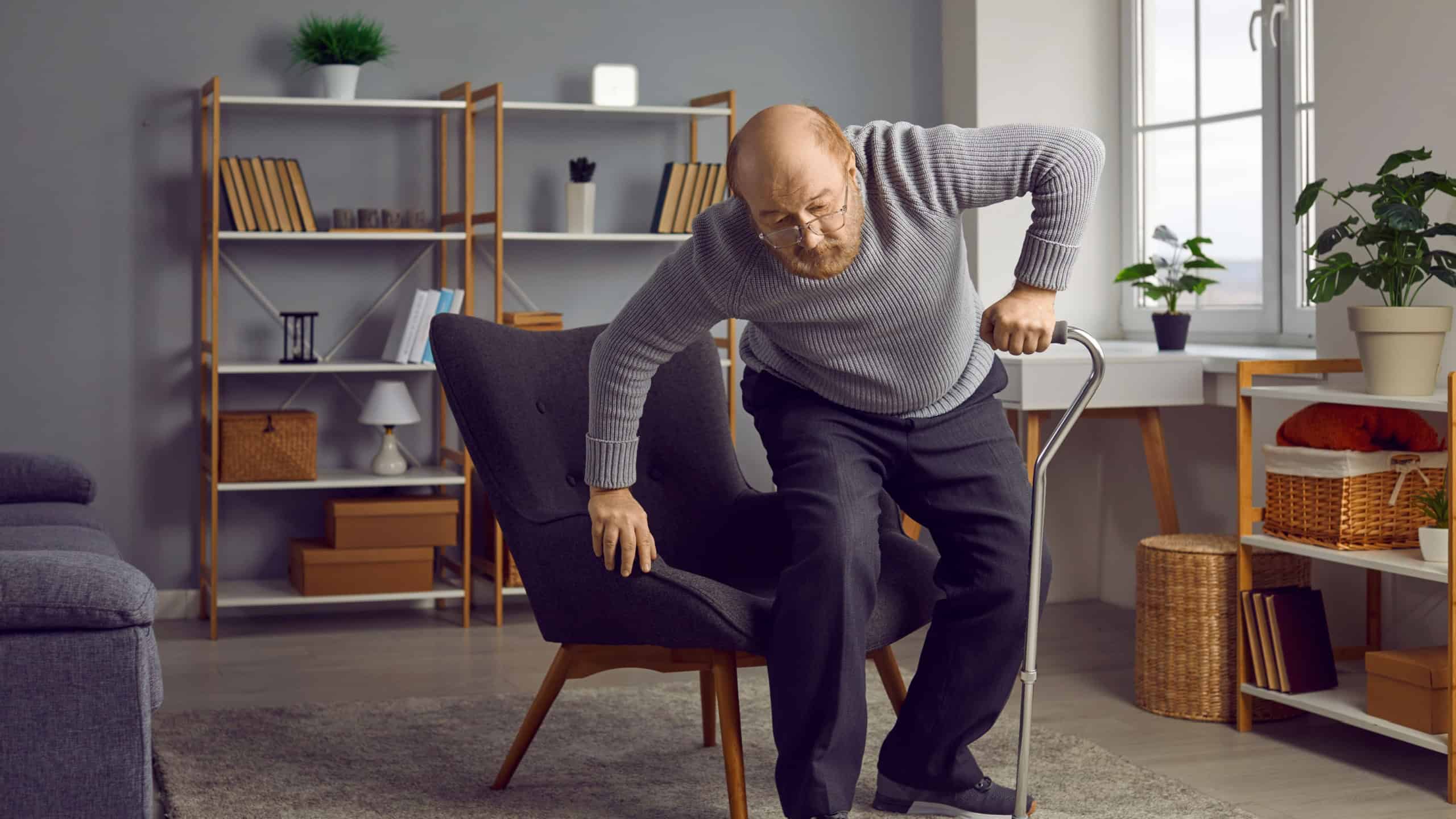
The body no longer obliges with such ease. Opening a stubborn jar lid, squatting down in the garden, or carrying heavy packages now requires forethought and build-up of momentum.
For men who have always been capable of doing anything on their own, having to ration physical vigor is deeply frustrating.
Sleep disruption

Finding eight hours of consecutive sleep becomes difficult. Between a disrupted circadian rhythm, achy joints, and multiple trips to the bathroom every night, sleep becomes extremely fragmented.
Men start to find themselves experiencing unusual exhaustion and brain fog by midday, causing bedtime to become something they dread every day.
Shrinking social circles

Keeping up an active social life requires more effort. Lifelong friends begin to relocate to be closer to family, chronic illness restricts activity, and friends begin to pass away.
Since men typically grow their friendships through work or activities, it can be intimidating to meet new friends later in life.
Technology fatigue

Life online can feel relentless. From booking doctor appointments and checking bank accounts to scanning QR codes for food orders, daily errands have become digital by default.
As technology updates and changes, once-simple tasks at the pharmacy or post office feel frustrating, which can make many senior men feel left behind.
Health management

Trying to manage your health can easily become a boring part-time job of administrative work. Every day routines become regimented around a complicated list of medicines you need to take at specific times.
Balancing doctors’ appointments and specialists means you’re always managing your calendar. It takes freedom out of living your day-to-day life.
Bladder changes

Prostate problems take your normality away. Without you realizing it, life becomes about where the nearest bathroom is when you are driving, walking, or going out with friends.
You have a subconscious list of where bathrooms are everywhere you go. There is always that nagging panic of when you will have to go again.
Cognitive drift

Recognizing small, normal memory mistakes can cause an incredible amount of anxiety. Losing your keys or forgetting a name you know during the middle of a conversation are normal parts of growing older.
But what consumes your mind each day is worrying over whether that mistake was normal forgetfulness or something worse.
Changing family dynamics

Shifting from being the family fixer to being the one your adult children check in on can be bewildering. You find yourself trying to straddle a tightrope between wanting to be intimately involved in your family’s lives while also zealously protecting your newfound independence.
Learning to accept help graciously and without feeling either pampered or burdened is one big relational adjustment.
Vestibular balance

The small changes that occur in the inner ear and lean muscle can quietly rob you of your balance. Walking on cracked sidewalks, poorly lit streets or stairs without railings now becomes an activity that requires extreme concentration.
Knowing that just one tumble could cause a major injury, your carefree stroll is no longer carefree.
Sources: Please see here for a complete listing of all sources that were consulted in the preparation of this article.