
By looking at Statistics Canada’s Crime Severity Index (CSI), we can see where crime is really worst across the country based on police reported crime volumes.
Note: Higher score = worse crime
Chilliwack, British Columbia

With an overall CSI of 141.7 (2024 data), Chilliwack faces high volumes of property crime, commercial break-ins, and regional drug-dealing activity. Being centrally located along major routes through the Fraser Valley makes it a prime target for organized property theft rings and narcotics distribution networks.
The municipal police force has responded to Chilliwack’s crime rates by increasing its ratio of officers to citizens.
Kamloops, British Columbia

Kamloops has an overall CSI of 129.9 due largely to local homelessness convergence with a regional opioid epidemic and lack of mental health resources specific to chronic offenders.
Kamloops also has high per capita statistics for public disorder offences, retail theft and vehicle break-ins, specifically concentrated in retail core areas. Collaborative enforcement from local RCMP and Provincial Anti-Gang Units, focusing on street gangs, has helped decrease severity scores.
Winnipeg, Manitoba

While Winnipeg scores an overall CSI of 124.4, the city is unique in being a large urban center severely affected by prolific violent crime. Homicide rates alone are well above the Canadian average.
Property crime is less prevalent, but serious violent break-ins, drug-related gun crimes and gang recruitment plague Winnipeg’s downtown core neighbourhoods, such as the North End, due to entrenched, multi-generational social issues and poverty.
Kelowna, British Columbia

Kelowna has an overall CSI of 123.5, presenting a unique statistical anomaly. Kelowna is a world-renowned summer resort that virtually doubles in population during the summer months.
With this population boom occurs a seasonal but predictable rise in opportunistic bicycle thefts, property crime, beach-front vandalism, and late-night downtown bar fights. The City of Kelowna has increased community safety programs and taxes business owners to fund private security patrols to increase police presence.
Red Deer, Alberta
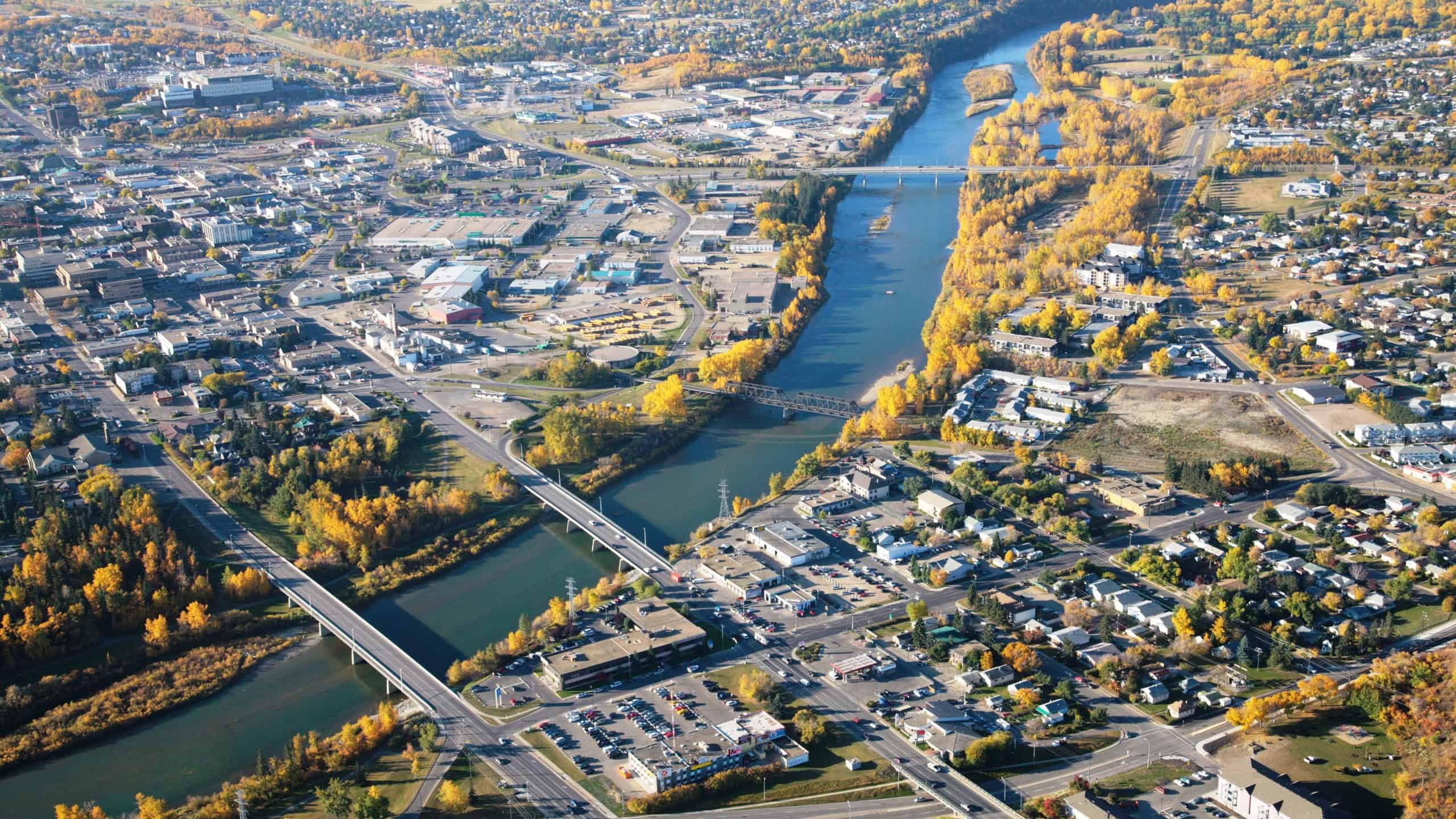
Red Deer sits on the Queen Elizabeth II Highway corridor between Edmonton and Calgary, making it extremely vulnerable to crime as measured by a CSI of 118.7.
Crime groups take advantage of its location to transport stolen goods, distribute drugs and conduct quick commercial break-and-enters before fleeing the province.
Aggressive, data-driven targeted enforcement by the Alberta RCMP has helped the city’s score decrease over time, but Red Deer continues to be a hot spot for identity theft and vehicle crime, as well as transient property offenders.
Saskatoon, Saskatchewan

The largest city in Saskatchewan, Saskatoon, often ranks in the top tier for violent and non-violent crime in the Prairie provinces, resulting in an overall CSI of 117.5.
Elevated rates of break-and-enters per capita, aggravated assaults, and weapon charges are largely driven by a serious crystal meth and opioid epidemic. These figures speak to stark urban divides and income inequality across city neighbourhoods.
Thunder Bay, Ontario
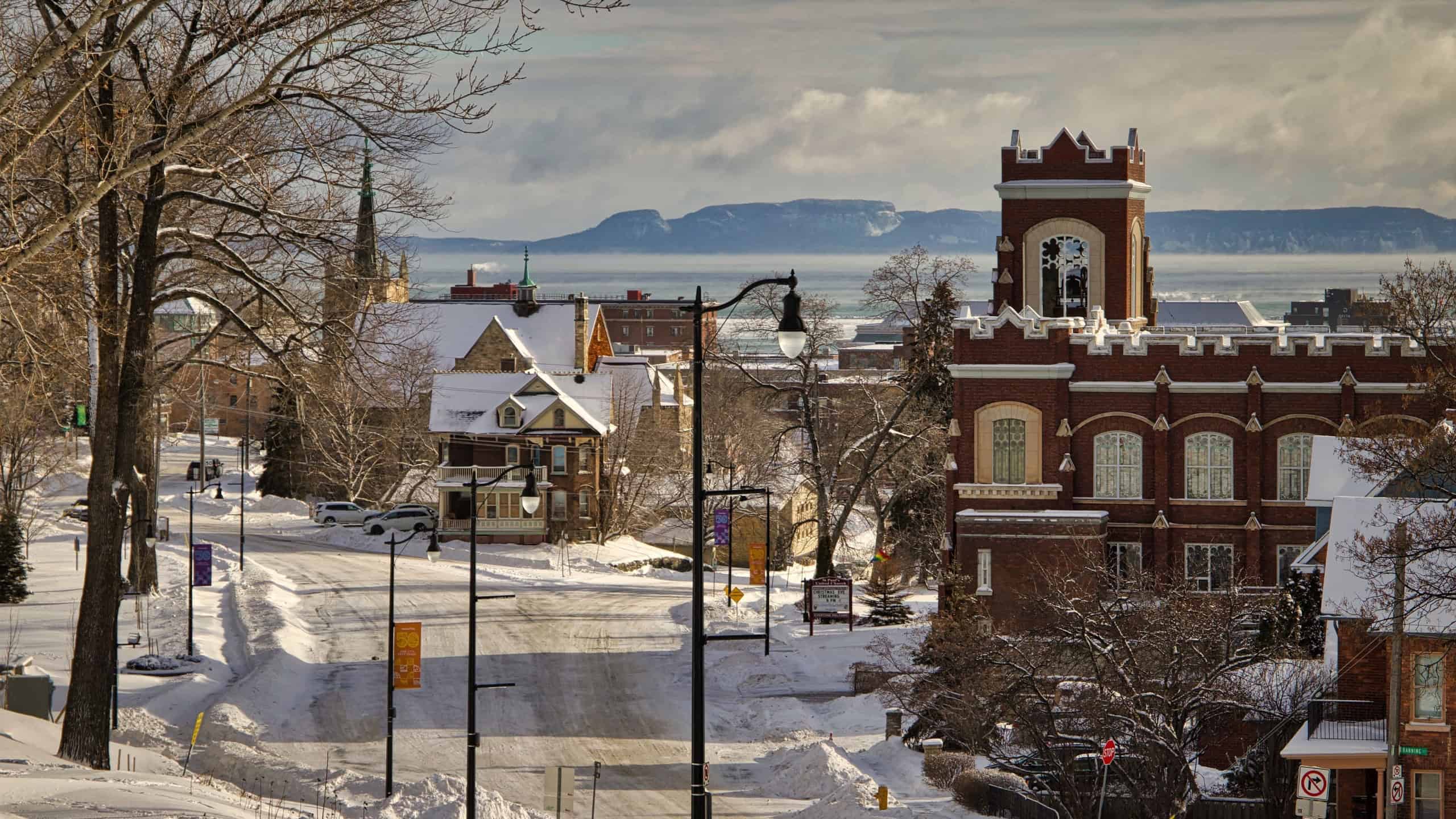
Thunder Bay features an inverted statistical profile, where its overall CSI sits at 113.8, but its Violent Crime Severity Index is among the highest in the entire country.
Crime groups and street gangs based in southern Ontario target Thunder Bay because it is such a profitable northern waypoint for contraband guns and drug smuggling routes, particularly fentanyl.
Aggressive gun and drug turf wars have contributed to an extremely disproportionate level of violent assaults and homicides for Thunder Bay’s relatively remote city population.
Sources: Please see here for a complete listing of all sources that were consulted in the preparation of this article.