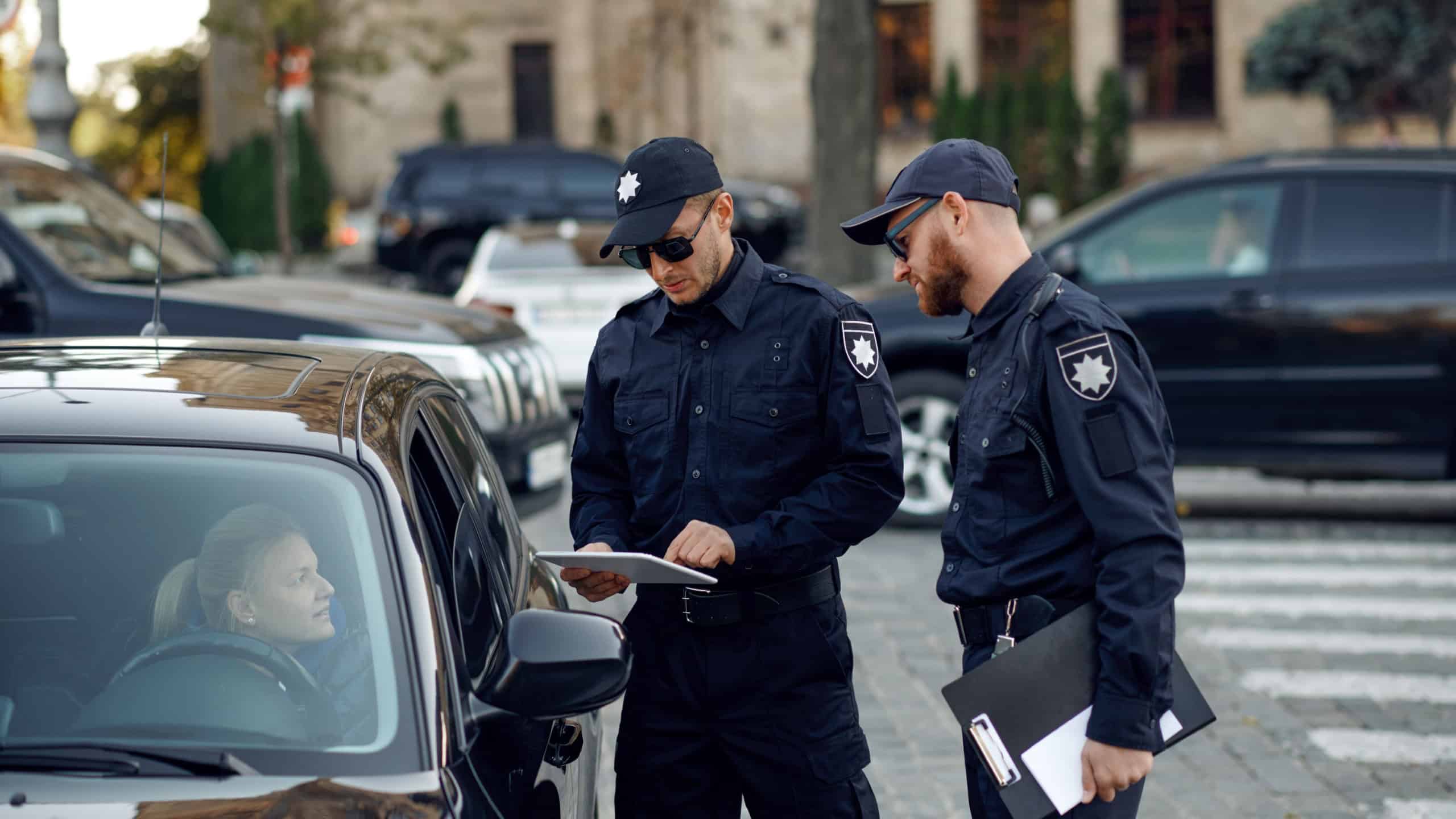
Being pulled over by police is never a pleasant experience, but following some simple guidelines will ensure that it goes as smoothly as possible without getting you into any unnecessary hassle.
Pull over

Pull over to the right shoulder as quickly and safely as possible when you see emergency lights. Turn off your engine and remain in your car. Exiting your vehicle without being asked to do so is usually seen by police officers everywhere as a threat to their safety and can immediately make the traffic stop more confrontational.
Visible hands

Place both hands flat on the top of the steering wheel where they are visible when the officer approaches. Passengers should keep their hands visible on their laps. Nobody should make sudden movements to pockets, consoles, or glove boxes until directed to do so.
Verbalize movements

Clearly state where your documents are located before reaching for them (e.g., “My registration is in the glove box, I am reaching for it now”). This minor detail keeps sudden movements from being seen as you reaching for a weapon or hiding something illegal.
Required documents

You must immediately surrender your driver’s licence, vehicle registration, and evidence of valid auto insurance under provincial highway traffic acts. Since driving is not a constitutional right but a regulated privilege, submitting these documents doesn’t infringe upon your right against self-incrimination.
Breath tests

Canadian police officers can demand that you provide a roadside breath sample into an approved screening device under Canada’s Mandatory Alcohol Screening laws. You have no right to consult with a lawyer prior to providing this immediate roadside screening and refusal to blow carries mandatory criminal penalties equivalent to those for impaired driving.
Remain silent

After turning over your license registration and insurance documents, Section 7 of the Canadian Charter of Rights and Freedoms guarantees you the right to say nothing at all. You are not required to respond to investigatory questions such as where you are going, where you have been or what you have been doing.
Refuse searches

Section 8 of the Charter deals with your protection from unreasonable search and seizure. This means that if a police officer asks to search your trunk or bags, you should simply say, “I do not consent to a search.”
Officers can override your refusal if they have a warrant, your consent, or what they term reasonable grounds to search you. Reasonable grounds may include observing illegal contraband or unsealed cannabis in plain view.
Confirm detention

If the interaction is going on too long, ask, “Am I under arrest, or am I free to go?” An officer cannot prolong a stop without declaring the detainee’s detention status. If you are not under formal arrest, you are allowed to leave (drive away) legally.
Trigger rights
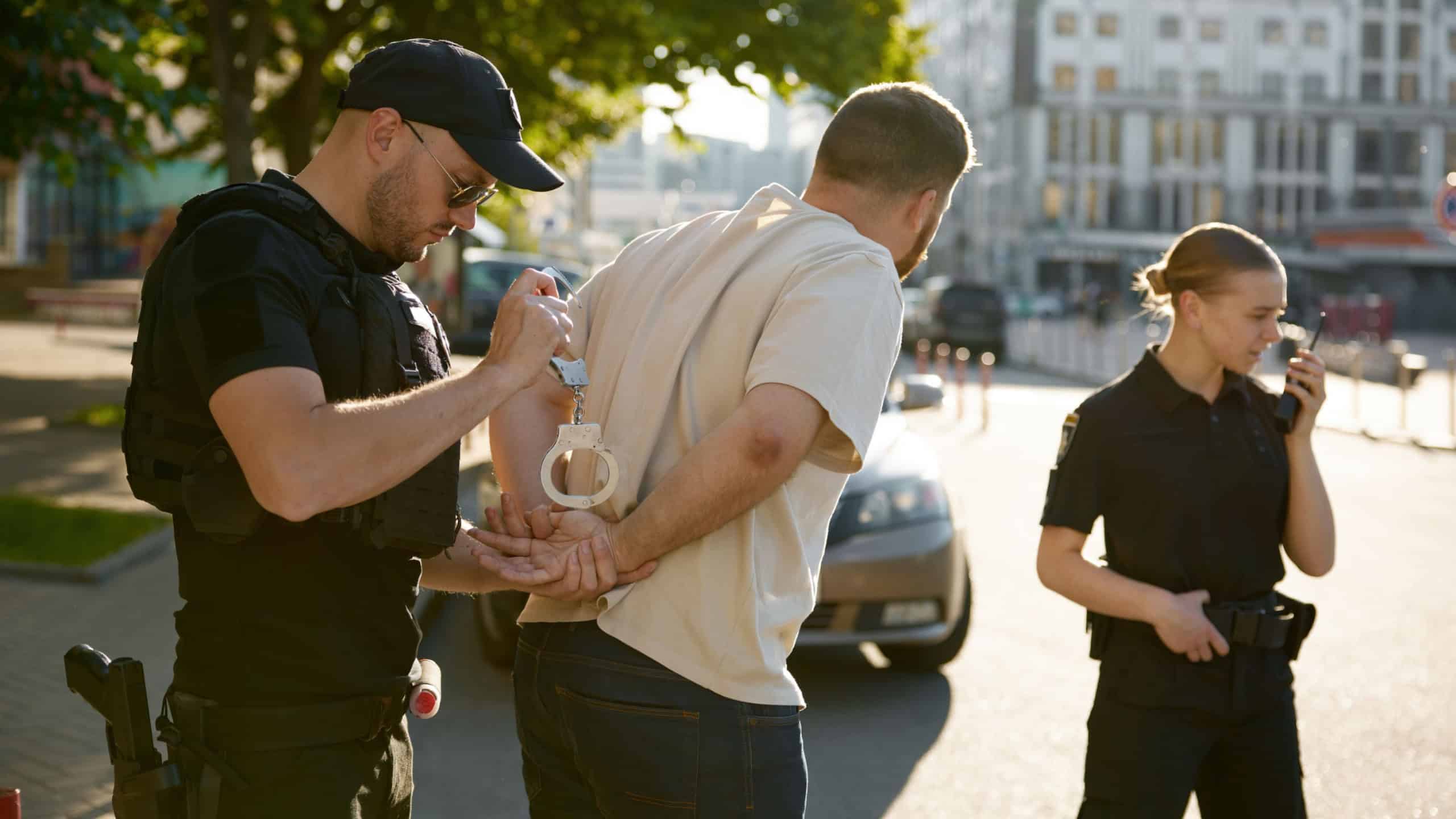
From the time you are officially detained or arrested, your Charter rights kick in, and police are obligated to tell you why you have been detained/arrested and inform you of your right to counsel. When you indicate you would like to invoke your right to counsel, police must cease questioning you and provide you with a phone and unfettered privacy to contact counsel at the earliest opportunity.
Avoid Arguments

Arguing with an officer about the validity of the stop/ticket while still on the side of the road can get you into trouble. Resisting, either verbally or physically, is a criminal offense known as obstructing a peace officer.
Also, remember that by accepting a ticket, you are not pleading guilty; you are simply accepting receipt of the ticket. If you believe that the police have no evidence against you or that your rights were violated, then you can raise these issues in court.
Sources: Please see here for a complete listing of all sources that were consulted in the preparation of this article.