Convenience is king in the frozen food aisle, but these freezer staples aren’t worth your money due to ruined textures, massive sodium counts, or just cheap fillers.
Breakfast sandwiches
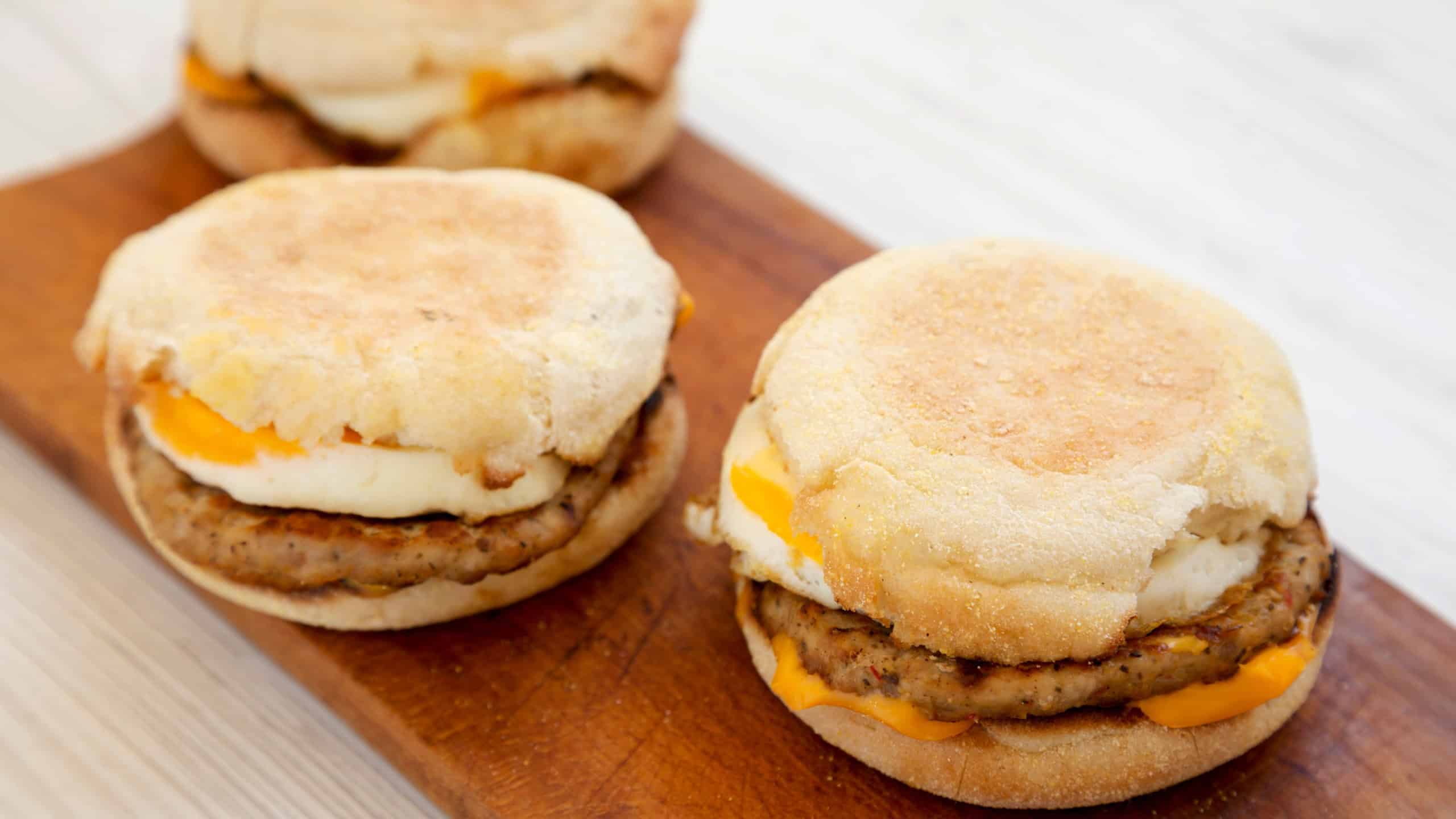
Frozen, pre-made breakfast sandwiches have a bad reputation for an easy reason: they never cook evenly in the microwave. By the time the thick center sausage patty reaches a safe temperature, the cheese is totally melted down, and the English muffin or biscuit has turned to a tough, rubbery disk.
Frozen broccoli
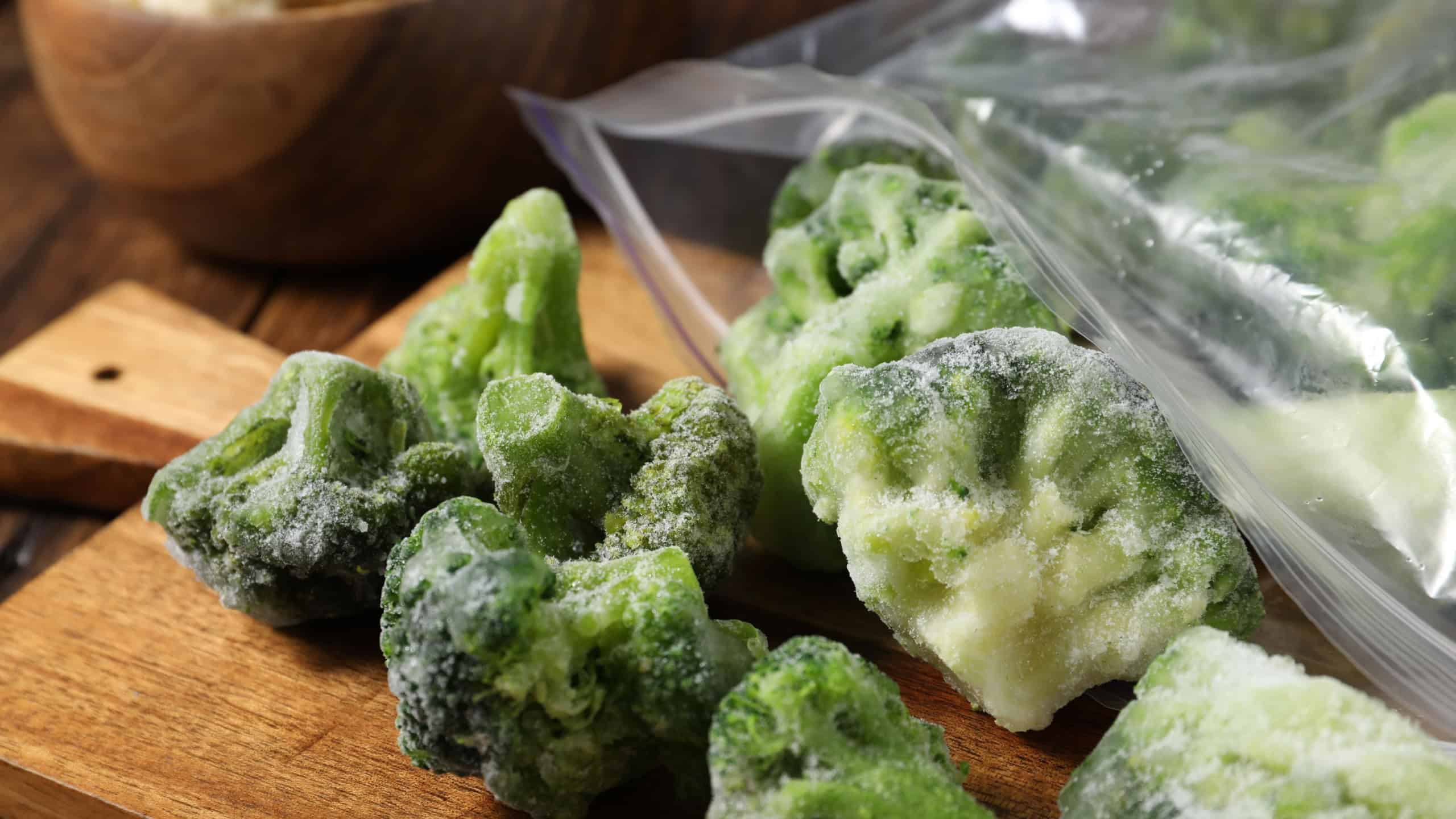
All cruciferous vegetables have a considerable amount of fragile cellular water. When frozen, that water expands and breaks down the vegetables. Thaw and steam a bag of frozen broccoli and you’ll end up with a soggy, flavorless concoction that doesn’t even resemble the delightful crunch of fresh broccoli florets.
Meat pies
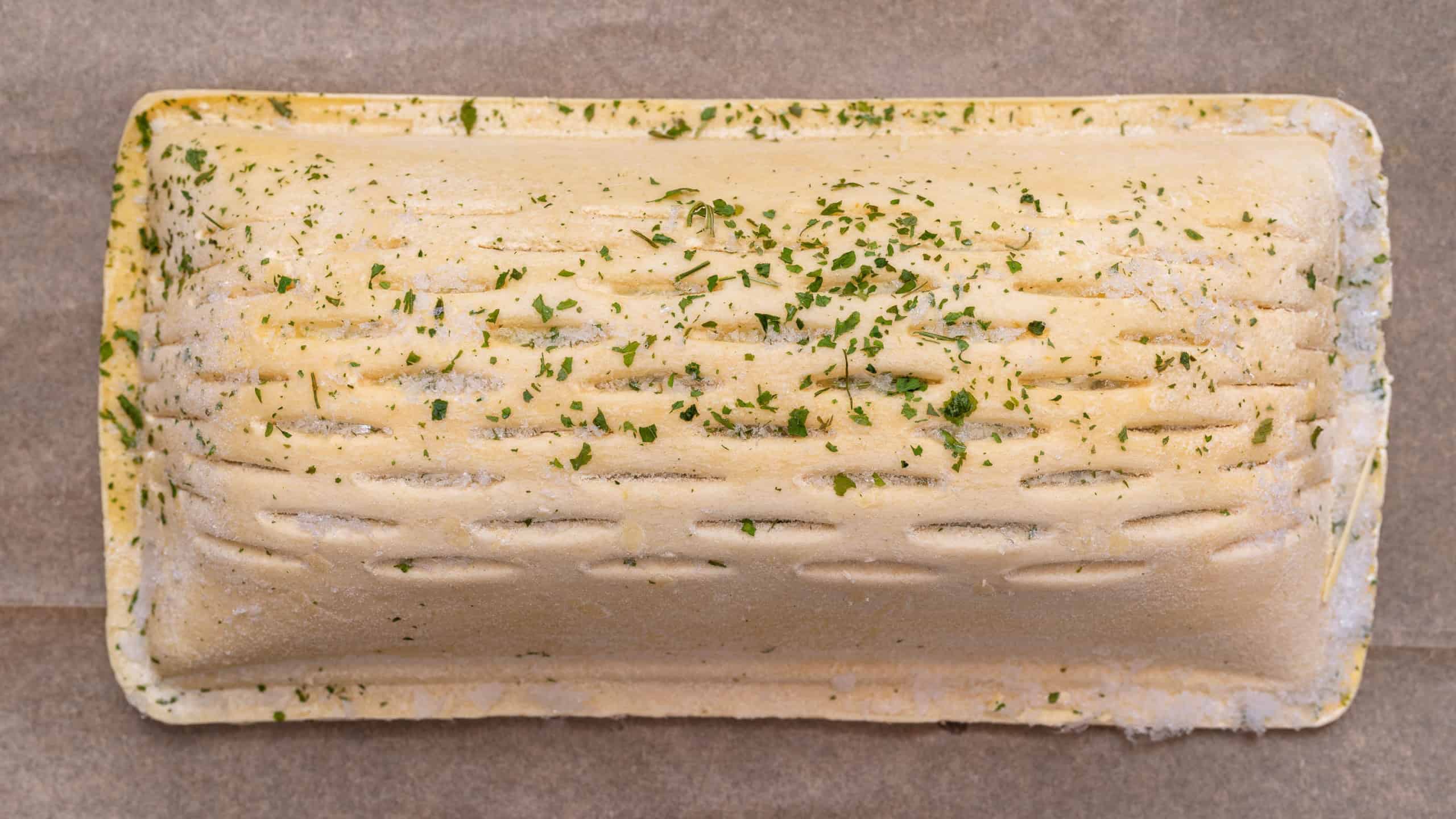
Frozen pot pies and shepherd’s pies are almost always a gigantic textural risk masked by heavy gravy. The bottoms are almost guaranteed to become an inedible soggy mess instead of crispy and flaky, and the meat that is actually inside is often a tiny amount of rubbery mystery meat surrounded by starchy peas and carrots.
Raw strawberries
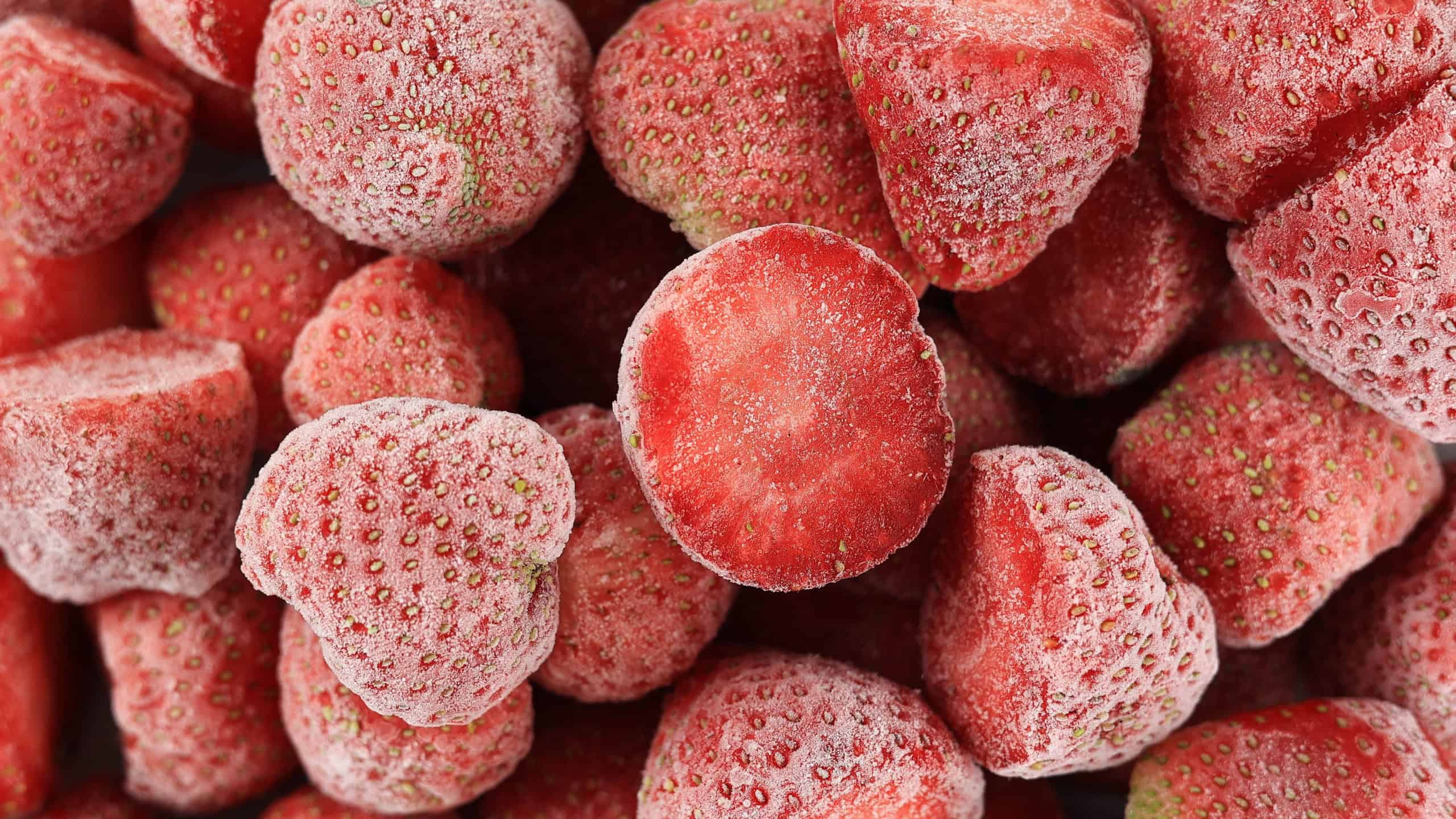
Strawberries don’t handle the commercial freezing process very well at all because they’re so porous and full of water. After thawing, they turn into an unsolvable, waterlogged mush that will destroy the texture of your pastries, smoothies, and any other delicious thing you put them in.
Seafood mixes
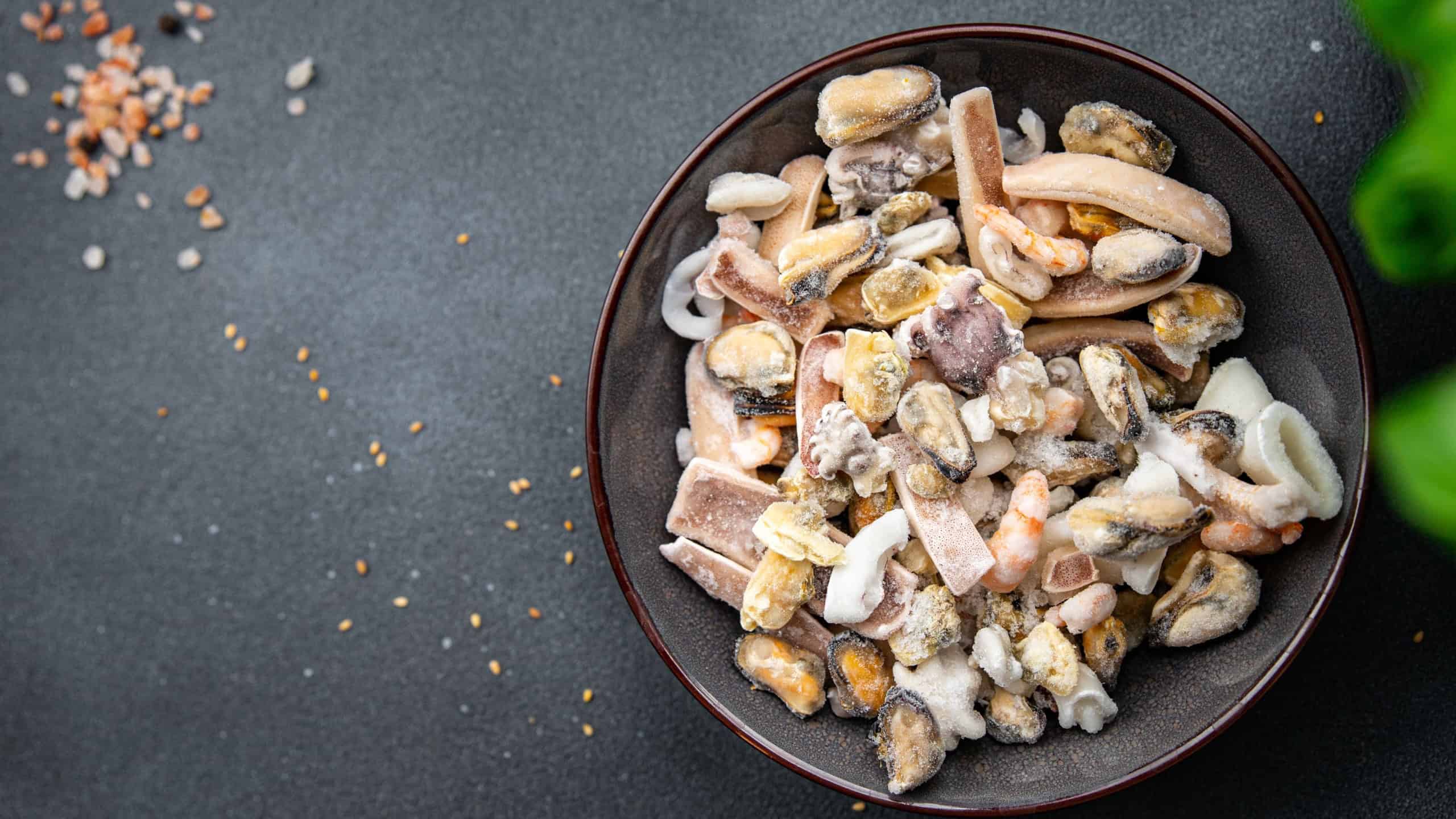
Boxes of frozen, pre-made seafood combinations (i.e., mussels, scallops, squid rings) are nearly impossible to cook correctly because each protein cooks at such drastically different rates. Your tender meats will leach tremendous amounts of excess moisture into your hot sauté pan, leaving you with a tough, overcooked mess.
Burger patties
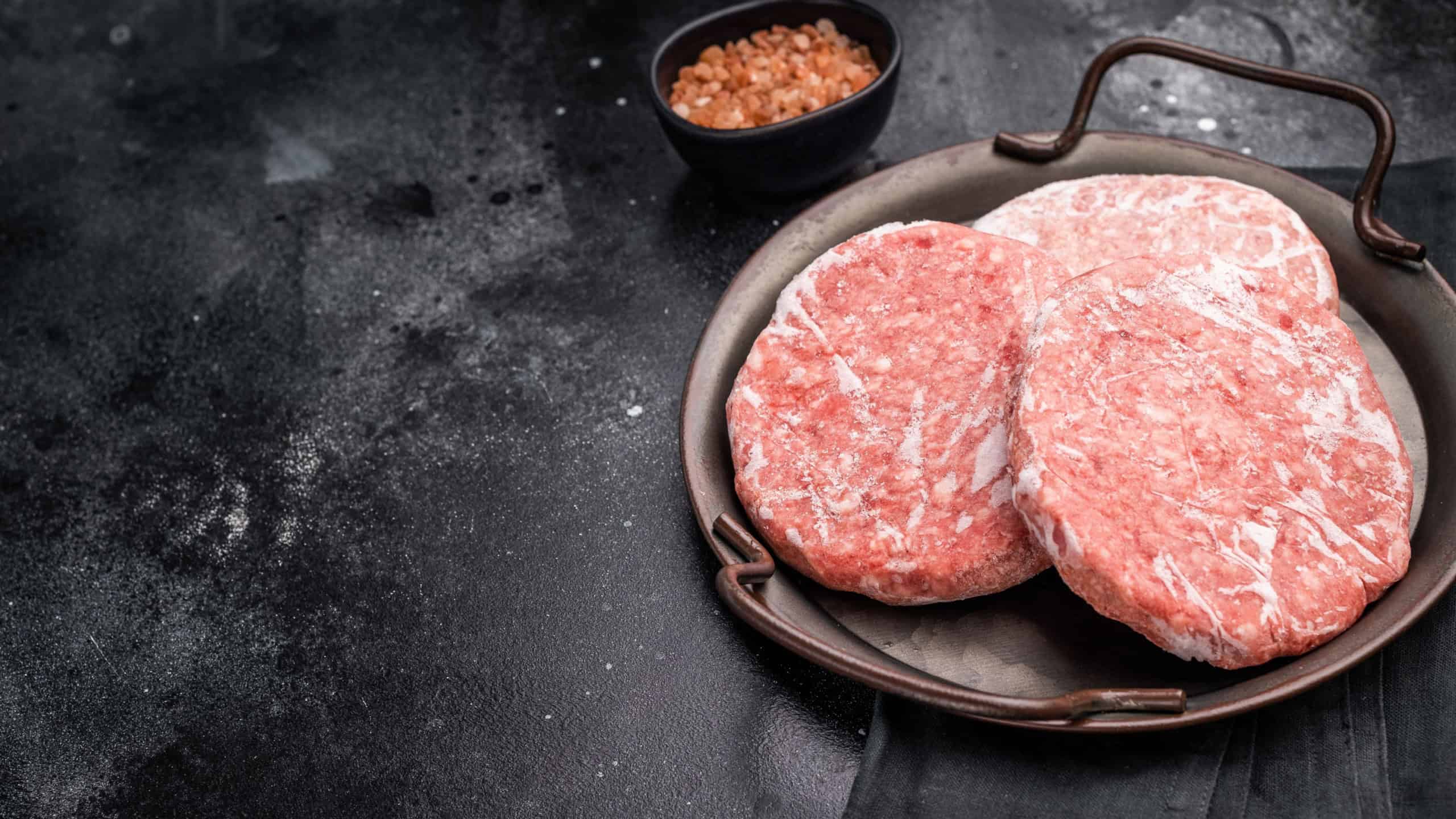
Pre-made frozen hamburger patties are extremely susceptible to horrible freezer burn that robs the beef of its natural moisture. When placed on a hot grill, they will most likely wilt down to half the size of the patty while releasing a gray, liquid substance that won’t allow the meat to brown nicely.
Herb cubes
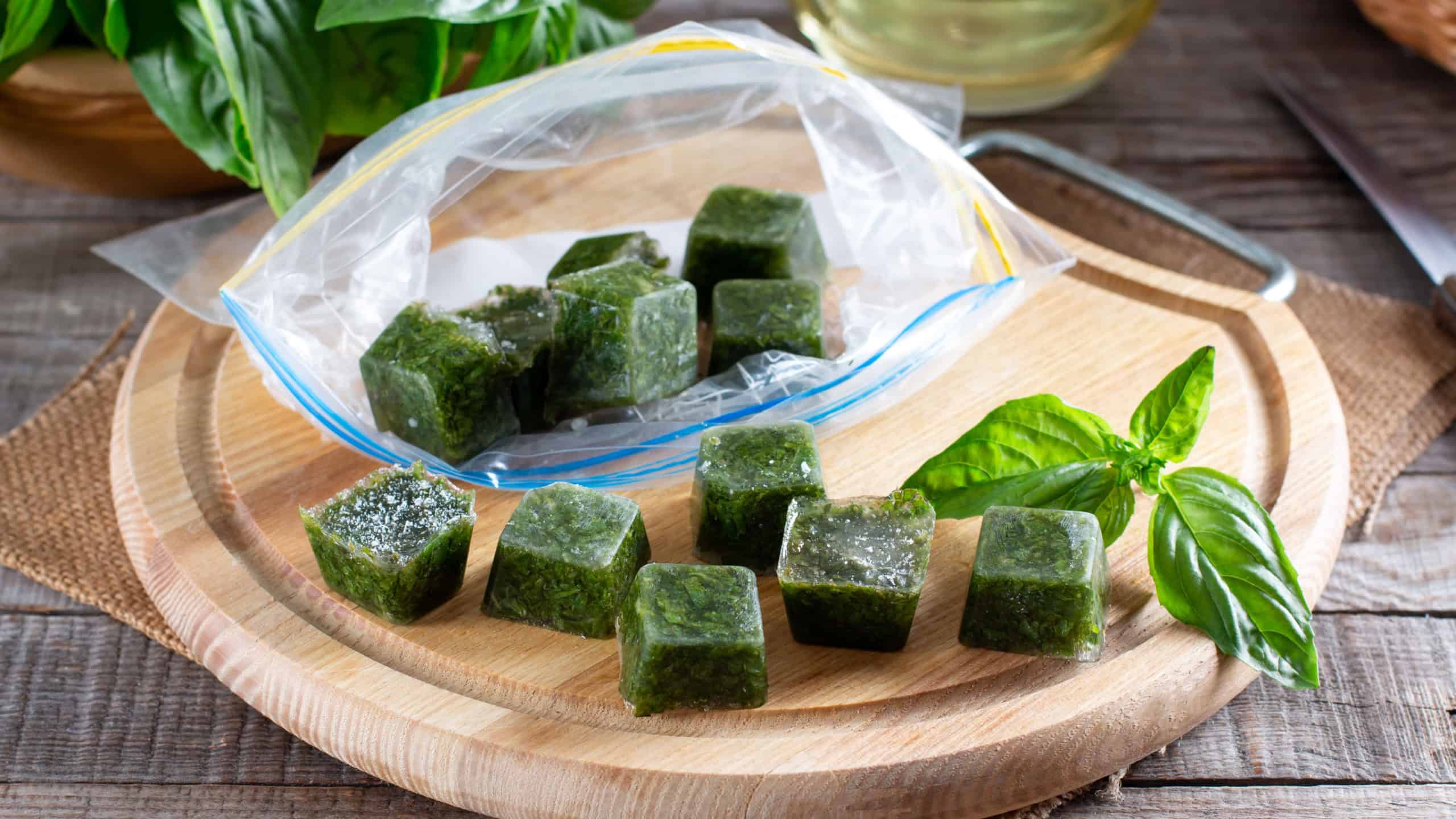
Herbs chopped up and frozen into tiny plastic-wrapped ice cubes at the grocery store are a rip-off. By freezing the herbs, you dull their potent essential oils that make herbs so flavorful to begin with. The result is slimy, dark mush that tastes more like wet paper than anything culinary.
Budget dinners
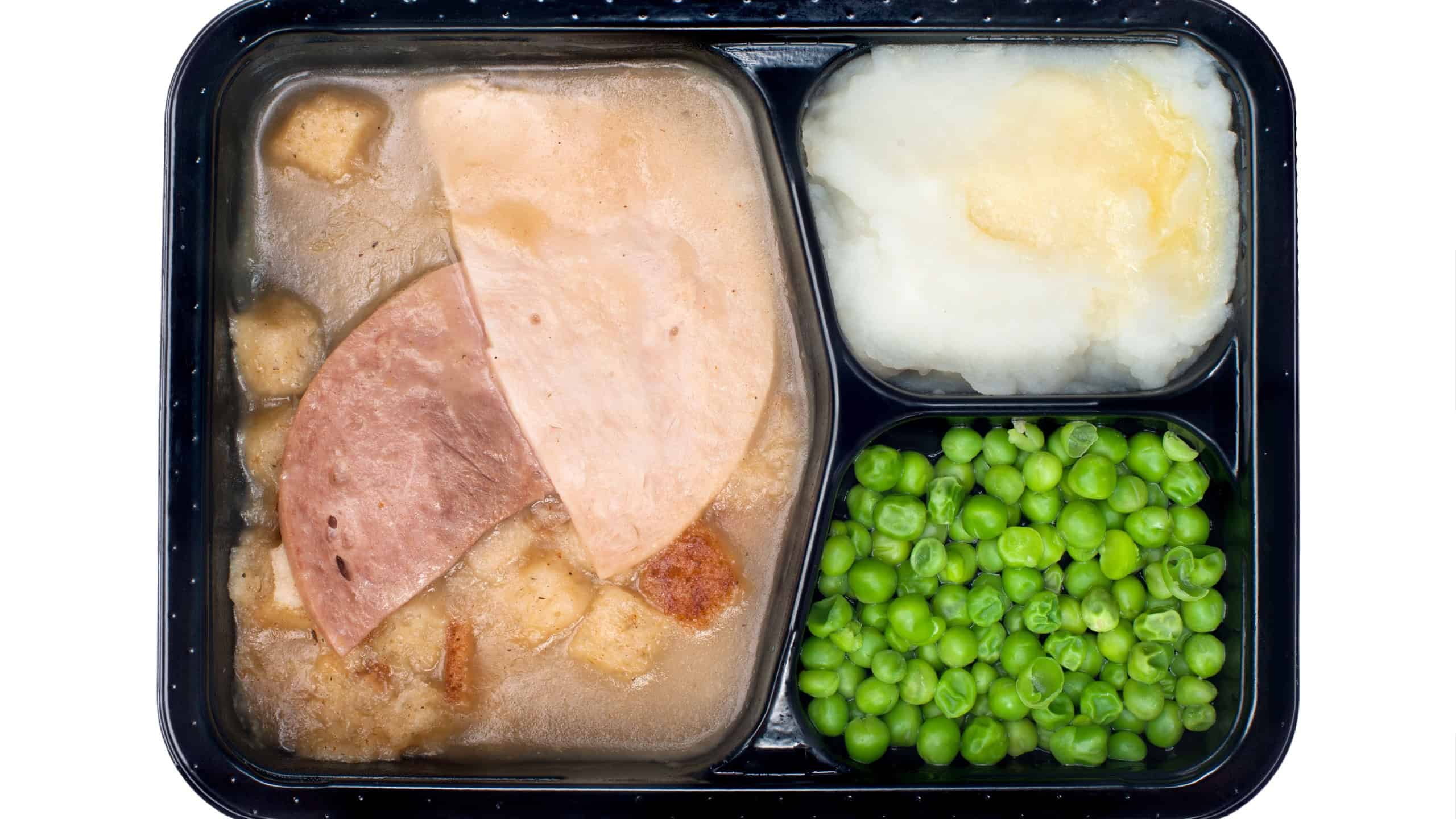
Cheap frozen TV dinners maintain their low prices by loading their trays full of salt, chemicals, and fillers. The meat is generally heavily processed, shaped patties covered in slimy, salty gravies with little to no nutritional content whatsoever.
Ready-made bread
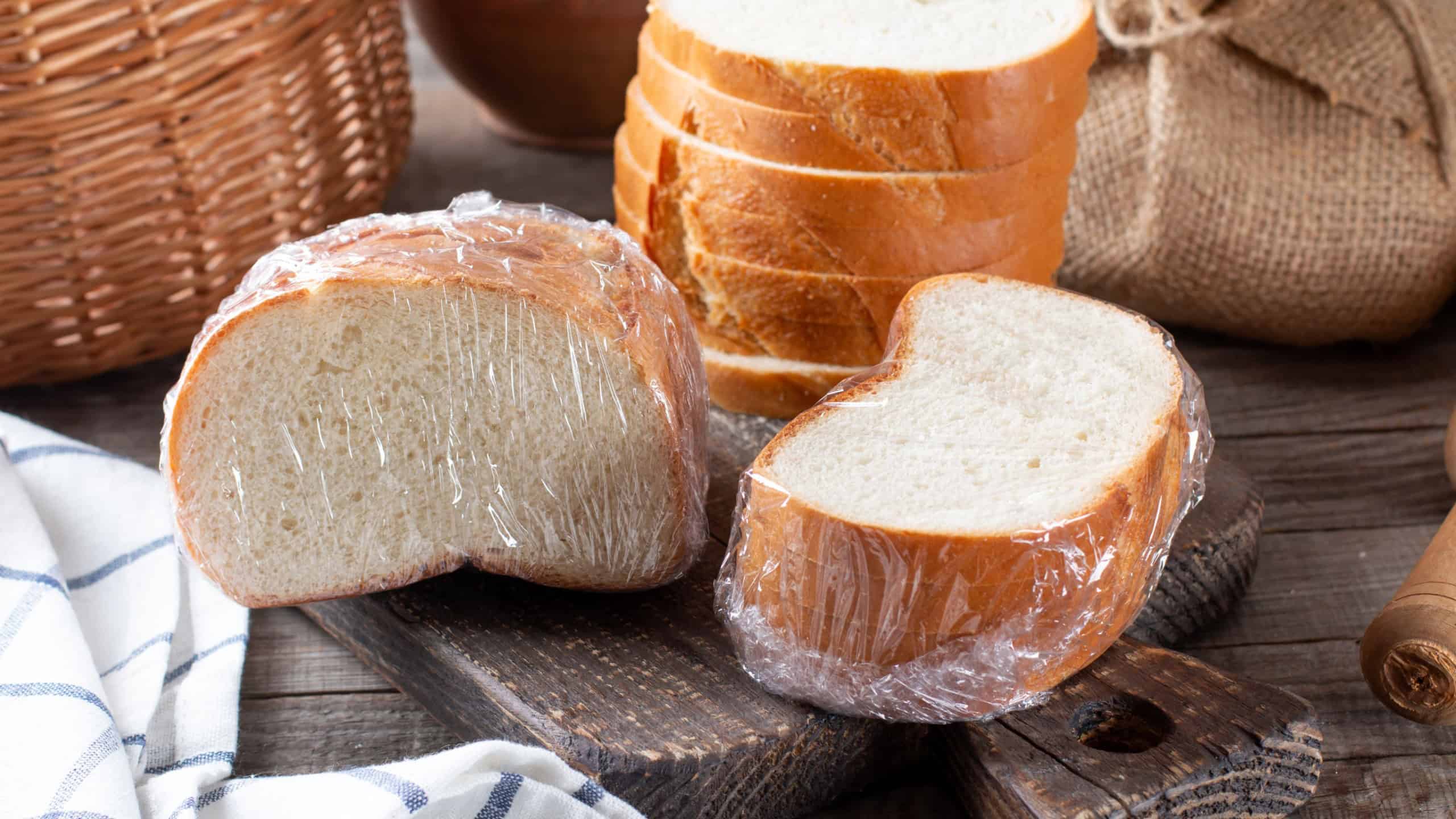
Heading to the freezer aisle to grab fully frozen, store-bought loaves of ready-made bread is a carb lover’s tragedy waiting to happen. Freezing bread changes the starch molecules so there’s no soft, pillowy texture of freshly baked bread you know and love; it’s just a slice of dry, crumbly crumbs that fall apart.
Frozen mushrooms
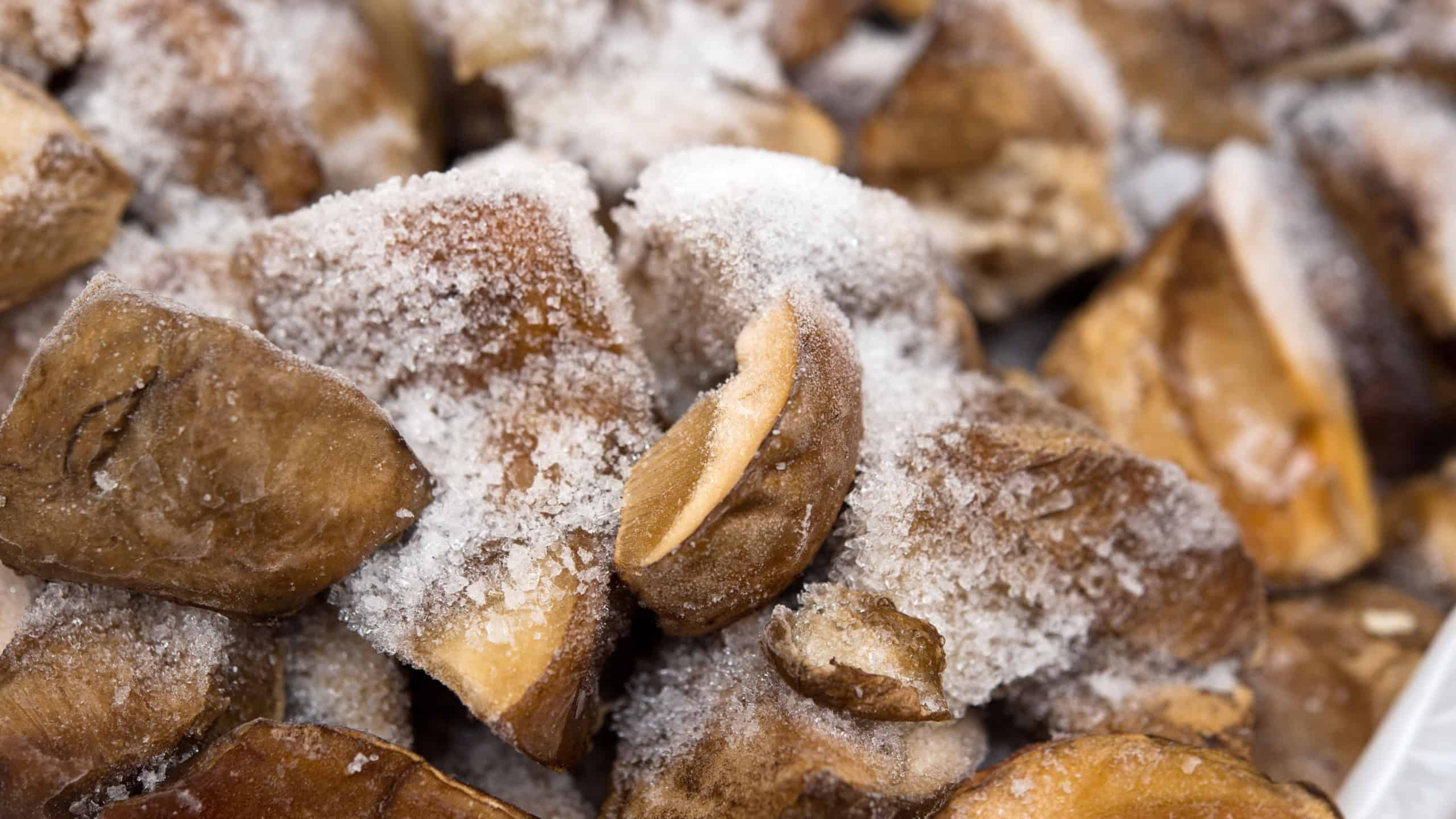
Made up of nearly 100% water, mushrooms are extremely porous and sponge-like. When you freeze mushrooms commercially, that water creates large ice crystals that rupture the fungus’s soft cell walls. As soon as you heat them up, the mushrooms will wilt and release all of their water content at once, leaving you with a goopy puddle of sad, rubbery mushrooms rather than a nice, golden sear.
Sources: Please see here for a complete listing of all sources that were consulted in the preparation of this article.
Like our content? Be sure to follow us.