
Your Canadian driver’s license can be suspended for numerous offences, but most suspensions are due to activities that endanger others on the road or display patterns of disrespect for traffic regulations.
Impaired driving

Driving drunk or while high on drugs is one of the most common ways Canadians get their licenses suspended. Canada has some of the most severe roadside administrative penalties in the world.
Police can issue an immediate roadside suspension for your BAC being in the “warn range” (0.05 to 0.08 milligrams of alcohol per 100 milliliters of blood). Hitting 0.08 becomes a Criminal Code offence and results in an automatic country-wide driving ban of up to life for subsequent offences.
Excessive speeding
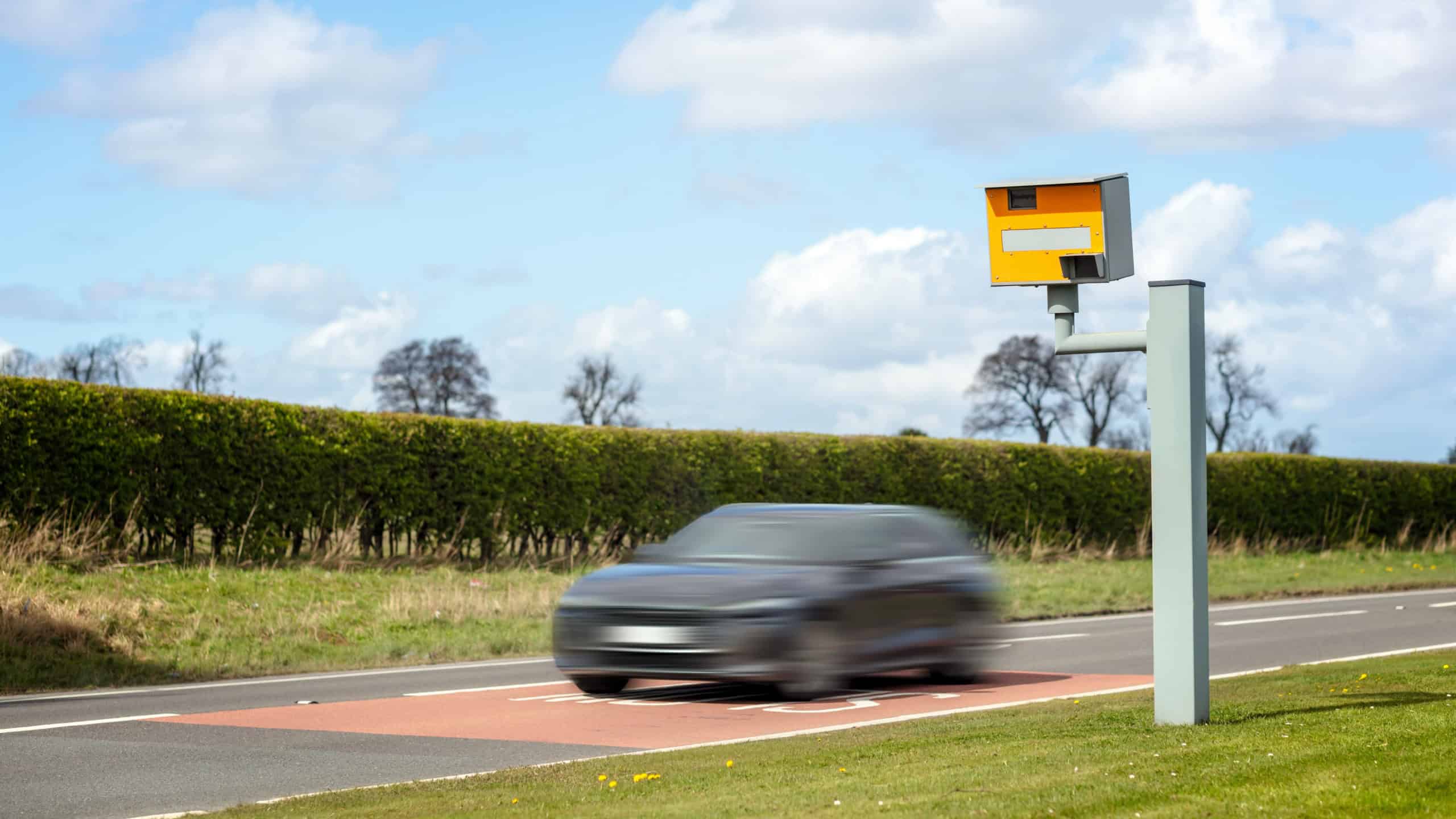
In some provinces, drivers can earn special penalties for speeding excessively above the limit.
Ontario’s stunt driving laws, for instance, are applicable to anyone driving 40 km/h over the posted limit in some zones and 50 km/h over in higher zones. Police can lay these charges when witnessed and instantly suspend your driver’s license and tow your car from where it is parked.
Too many demerit points
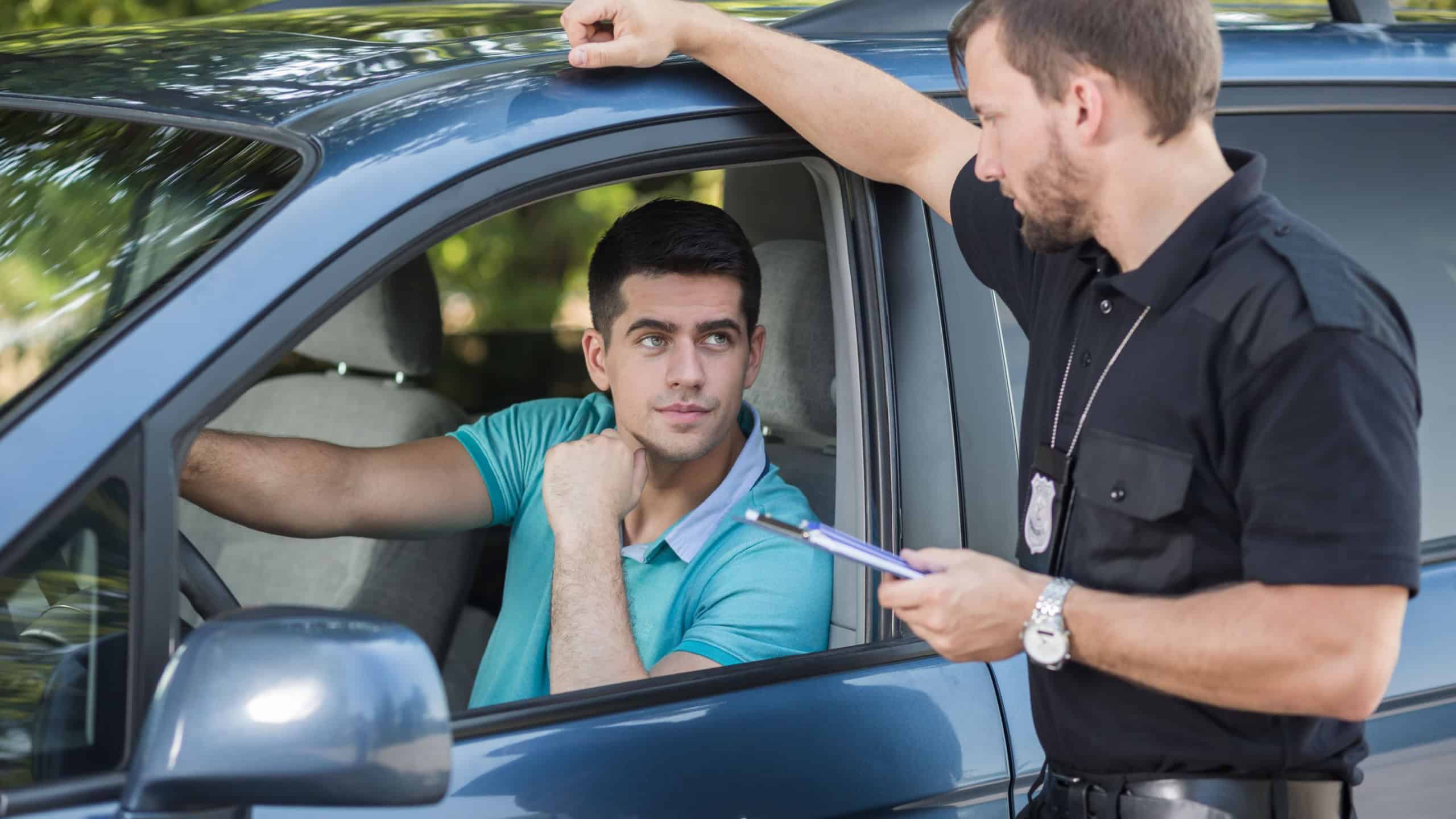
All provinces use a driver point system to monitor driver behavior. Points are added to your clean record each time you are convicted of a moving violation such as tailgating or failure to yield.
Once a fully licensed driver receives the maximum amount (typically 15 points in a two year period, but much lower for graduated or novice licenses), the provincial ministry will issue a notice of suspension by mail.
Dangerous driving

Dangerous driving can include street racing, aggressive lane weaving, tailgating, running stop signs or red lights and driving carelessly given the road conditions.
Each of these offences puts drivers at risk for major collisions. Penalties can range from license suspensions to vehicle impounds and criminal charges that require you to appear in court.
Hit and run
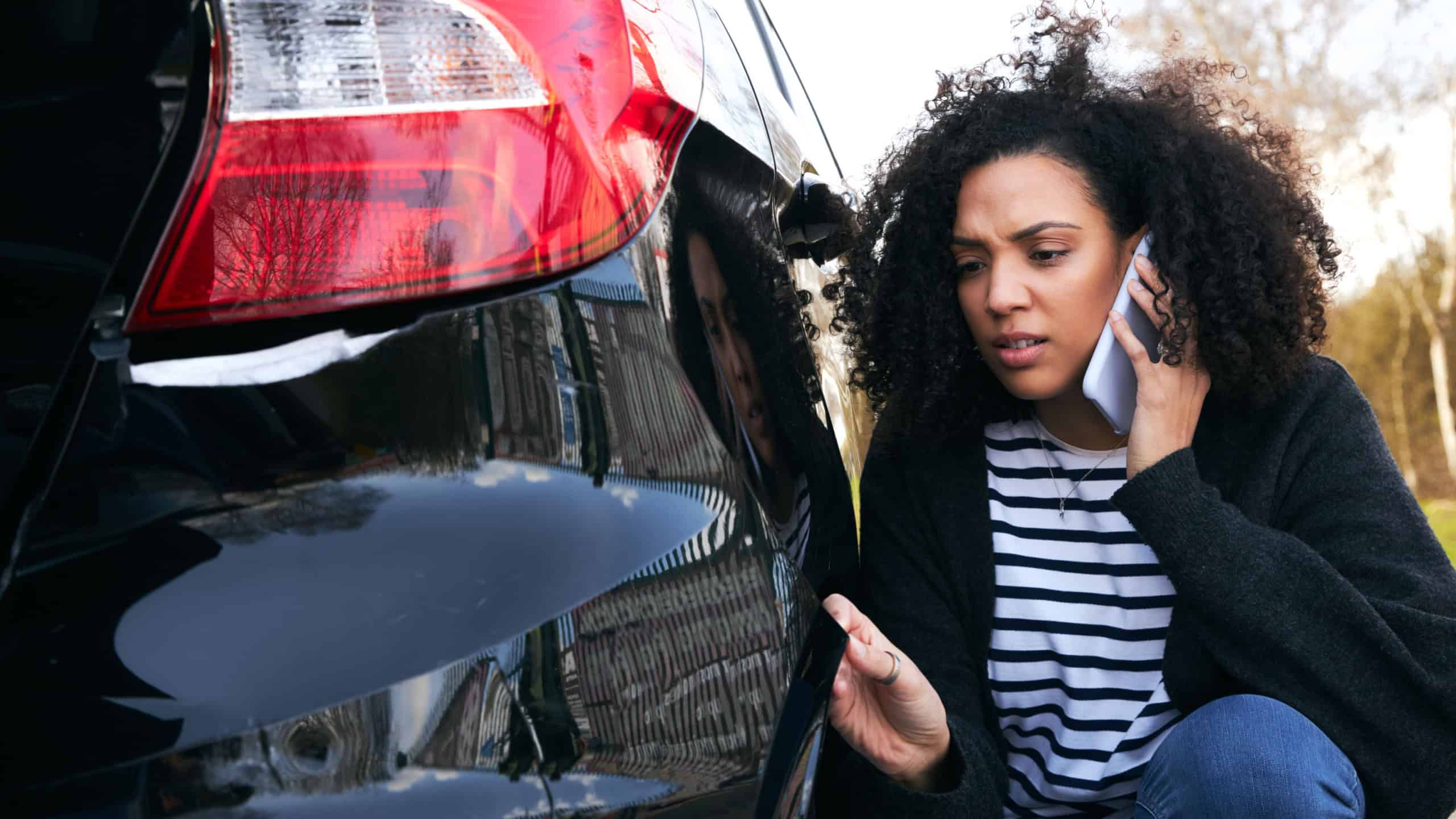
Failing to remain at the scene of a collision is considered a serious offence in Canada. Whether the collision is with another vehicle, a cyclist, a pedestrian or even property, drivers are required to pull over and exchange information.
License suspensions, criminal charges, heavy fines and jail time are possible penalties for hitting and running.
Distracted driving

Using a phone while driving is one of the most prevalent types of traffic violations in Canada. Drivers can be fined heavily and receive demerit points for even taking a few seconds to read a text.
Fines and penalties are greater with repeat offences. Multiple convictions will lead to a license suspension. Research has found that using a phone while driving can affect reaction times as greatly as drinking does in some cases.
Medical conditions

Drivers in Canada are required to hold themselves to specific medical standards to maintain their license. Epilepsy, poor vision, dementia, sleep disorders and heart conditions are examples of medical problems that may trigger a medical review of a driver’s license.
Physicians in some jurisdictions are required by law to report those who are not in a condition to drive. Licenses may sometimes be reinstated after treatment, testing, or provided medical clearance.
Unpaid fines

Did you know that unpaid fines can lead to suspension of your license? Many Canadians find this out the hard way when they go to renew their driver’s license or vehicle registration.
The provincial government can suspend your driving privileges until fines, penalties and/or court orders have been paid in full. Your license could be suspended indefinitely until you pay off what you owe.
Refusing or failing a test

Police in Canada can request roadside alcohol or drug screening if you are pulled over for breaking a traffic law. Upon failing or refusing a valid demand for a breath sample or drug screening, your license may be suspended on the spot without first having to go to court.
Refusal can be punished the same as failure. Penalties range by province and prior convictions, and may include long-term license suspensions, mandatory education classes, vehicle towing and large hikes in insurance premiums.
Sources: Please see here for a complete listing of all sources that were consulted in the preparation of this article.
Like our content? Be sure to follow us.