
Canada may pride itself on setting some of the highest safety standards in the world, but there are still ingredients and farming processes that make it into the average Canadian’s diet that are completely banned across Europe and Japan.
Skittles and Nerds
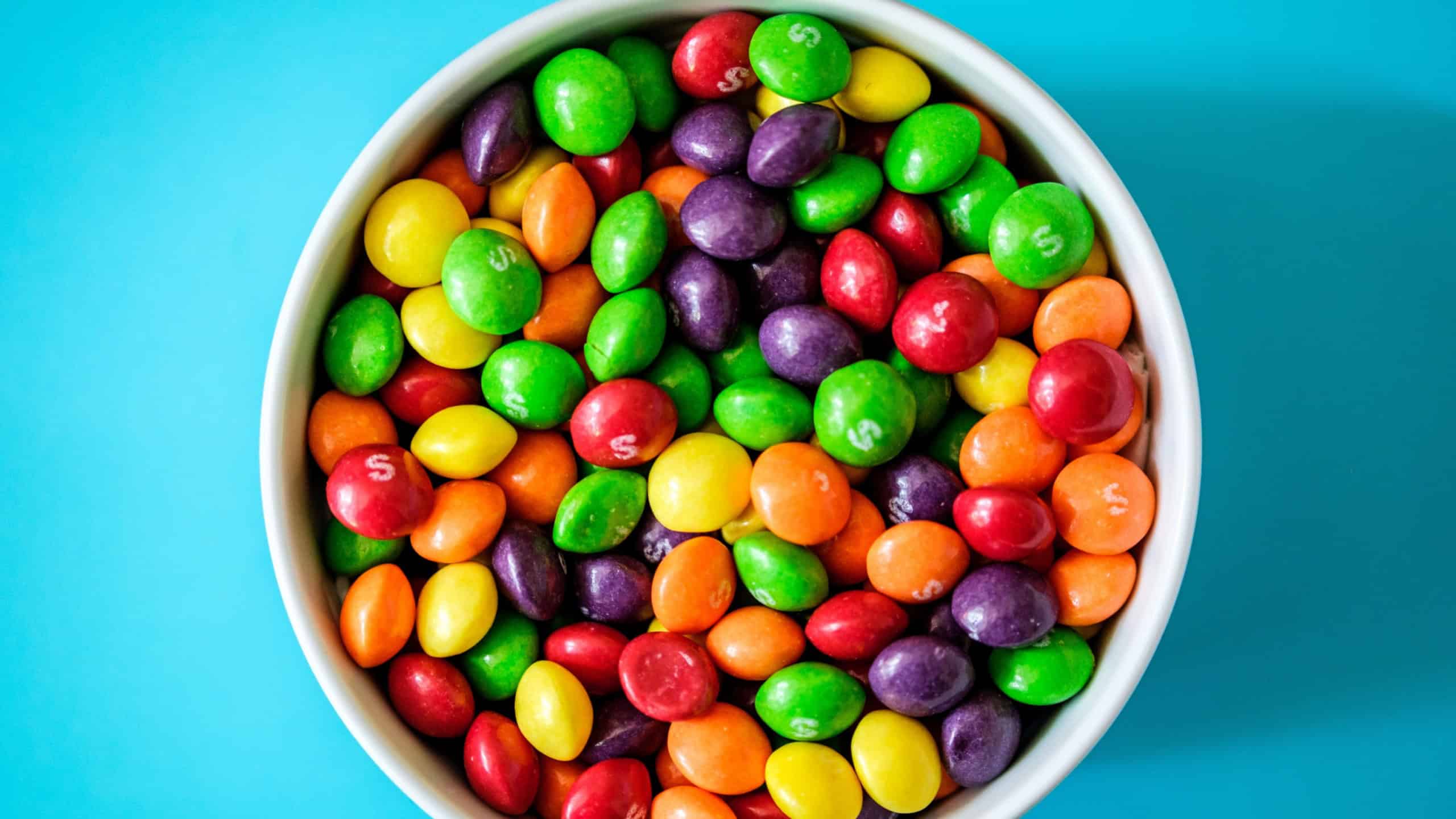
If you purchase a bag of Skittles, M&M’s or Nerds Gummy Clusters here in Canada, there’s a good chance they contain titanium dioxide.
Used to whiten and smooth the shells, titanium dioxide gives the candy inside more pop. This additive was banned in Europe after safety researchers determined concerns about its possible damage to human DNA (known as genotoxicity) could not be dismissed.
Pork with ractopamine
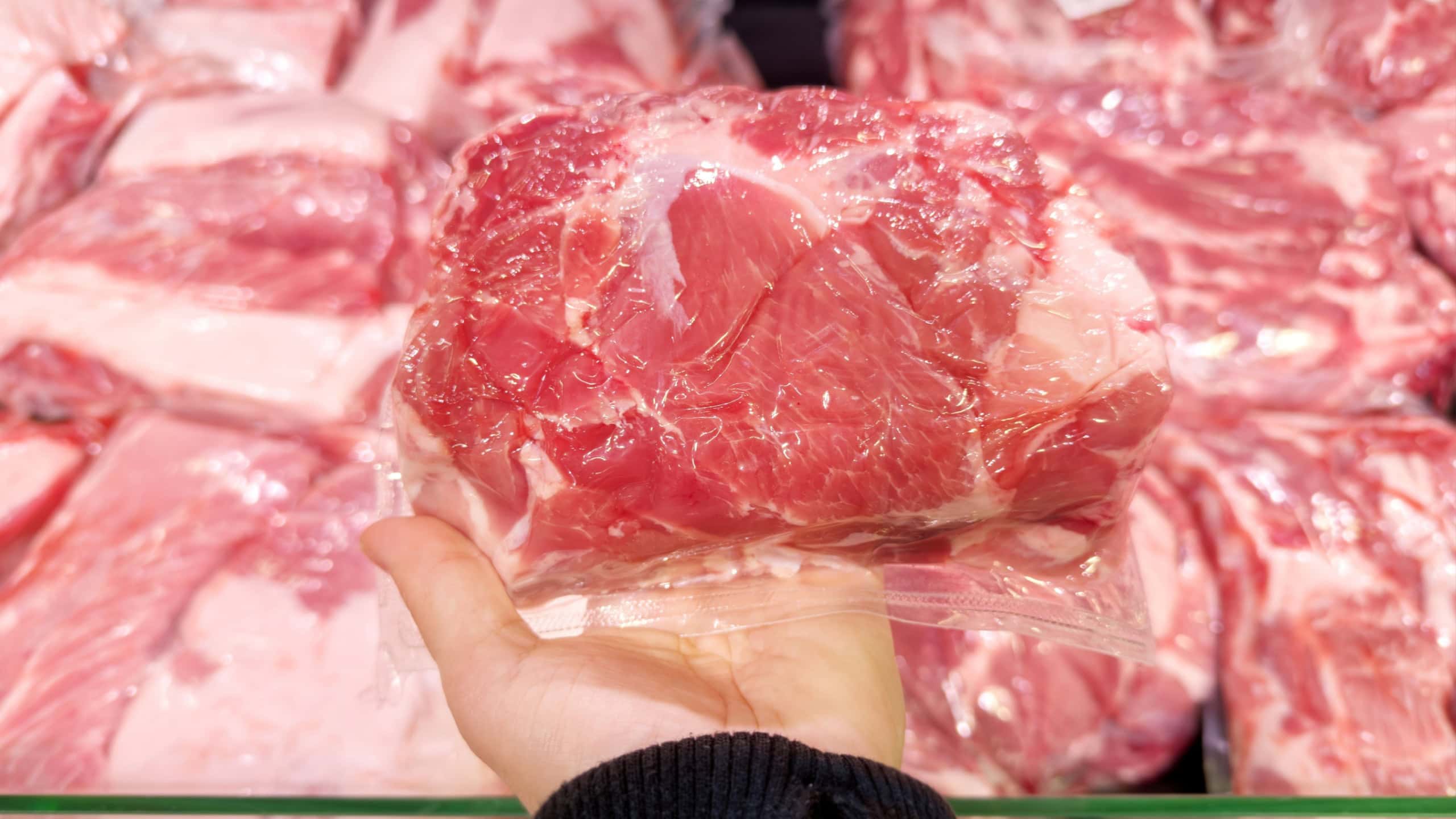
Canada allows farmers to legally use the feed additive ractopamine, which causes pigs to grow leaner meat more quickly. Although Health Canada has confirmed it is safe if used below the specified levels, over 160 countries have banned the import of ractopamine-treated meat entirely.
These countries include the entire EU, Russia and China. Concerns include increased risk of cardiovascular problems and poor animal welfare.
Breakfast cereals with BHT
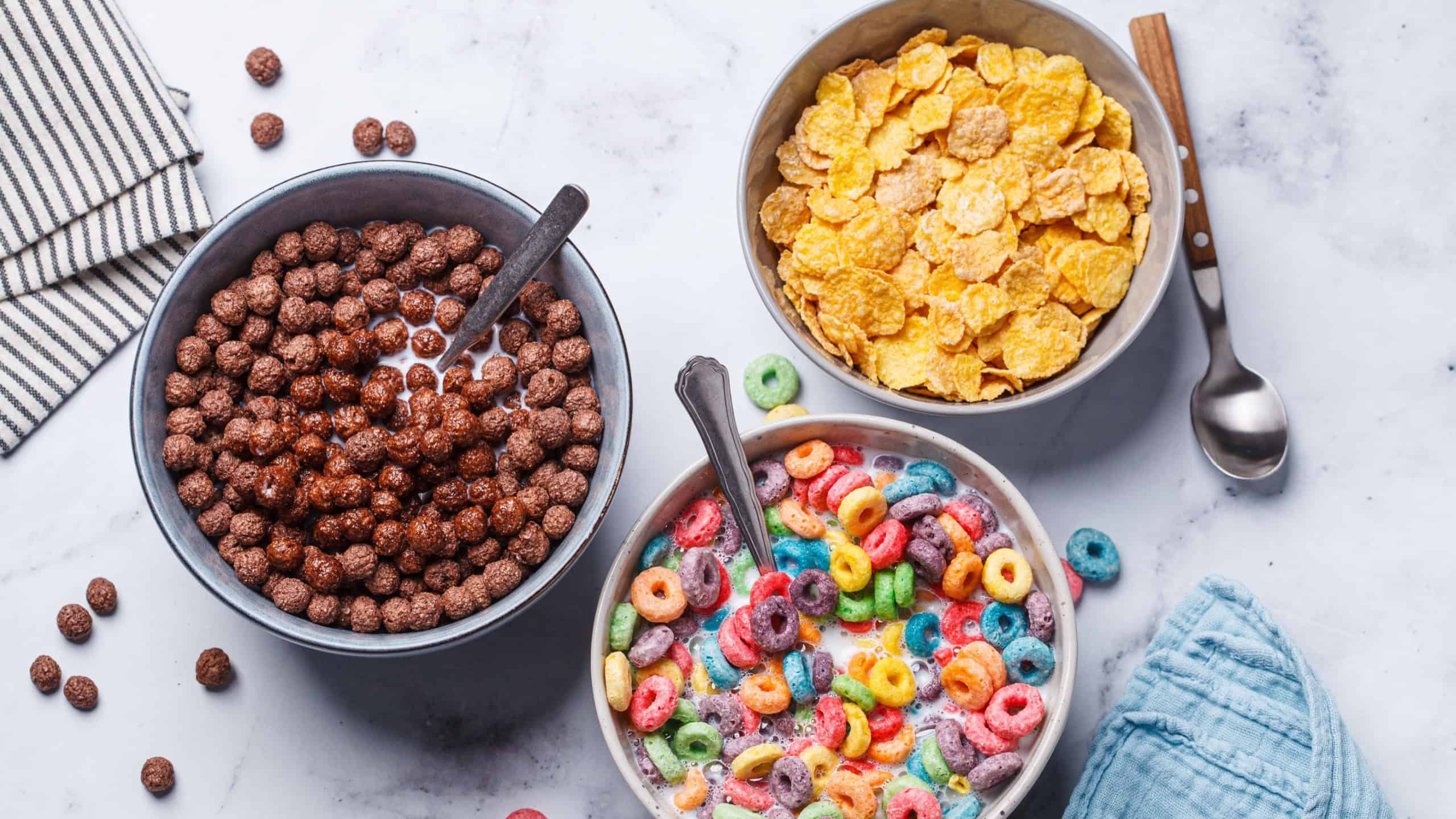
Most boxed breakfast foods sold in Canada have BHT (Butylated Hydroxytoluene) in the liners that packages use to keep the product from spoiling or even in the food itself to prolong shelf life.
The European Union, Japan and Australia have restricted BHT heavily as studies on animals have found it to be an endocrine disrupter and possible cancer-causing agent.
Dough conditioners

Azodicarbonamide is a dough-strengthening chemical used to bleach flour and make commercial North American breads, buns and premade dough super airy.
ADA bleaches flour and makes bread super springy. It’s completely banned in Europe and Australia due to the respiratory problems it causes when it breaks down into known chemicals during the baking process.
Chicken rinses

To prevent the spread of bacteria such as Salmonella after slaughter, poultry processors in Canada can immerse chickens in antimicrobial baths and chemical rinses, such as chlorine dioxide.
The EU banned chlorine-washed chicken as it believes the chemical wash is a lazy way to compensate for poor hygiene standards earlier in the process.
Growth hormones
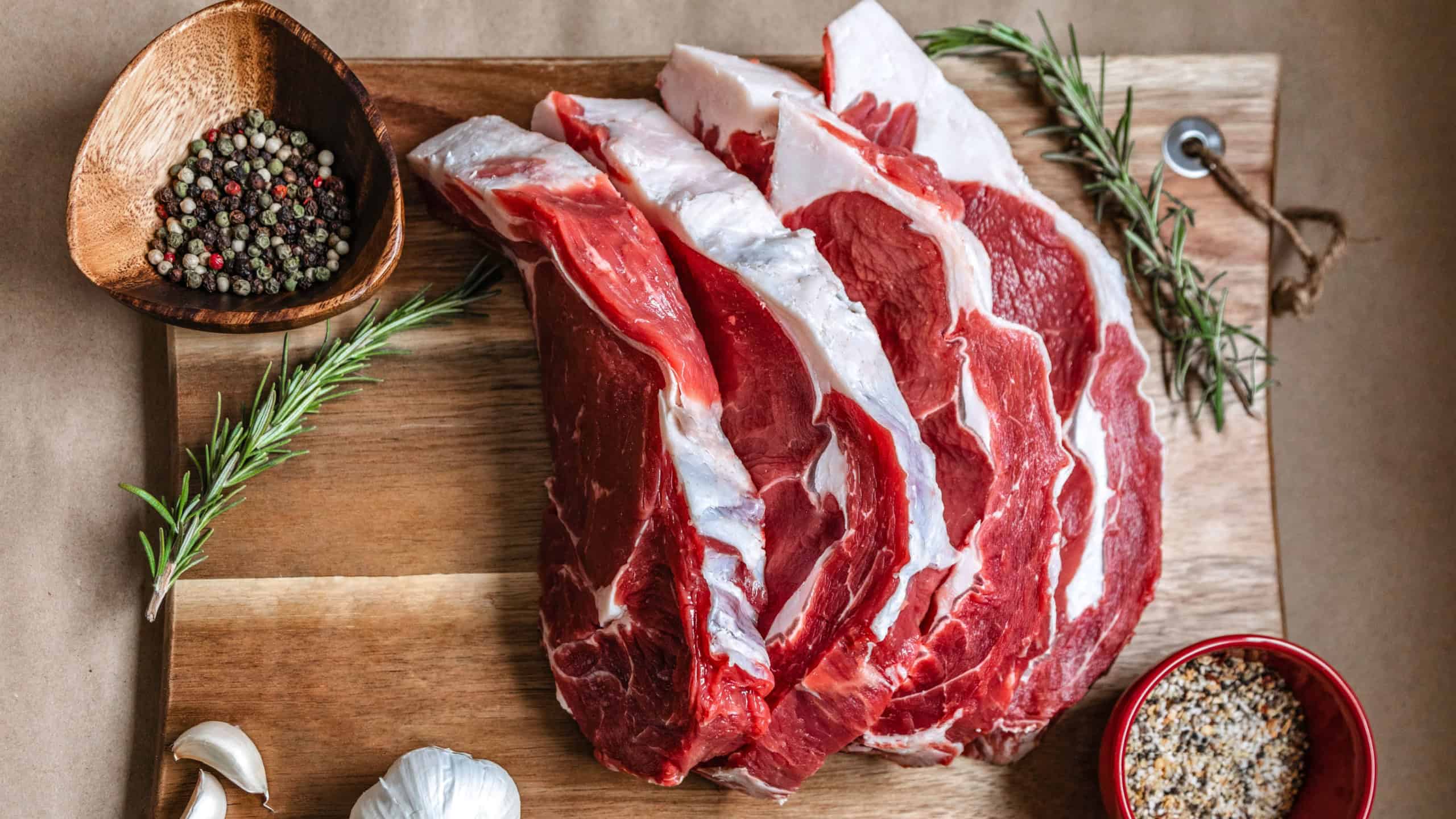
Canada permits the use of approved hormonal growth promotants (including progesterone and testosterone) in beef cattle to improve growth efficiency. The EU continues to ban hormone-fed beef on the grounds of a precautionary stance against possible long-term hormonal effects on humans.
Yellow dyes
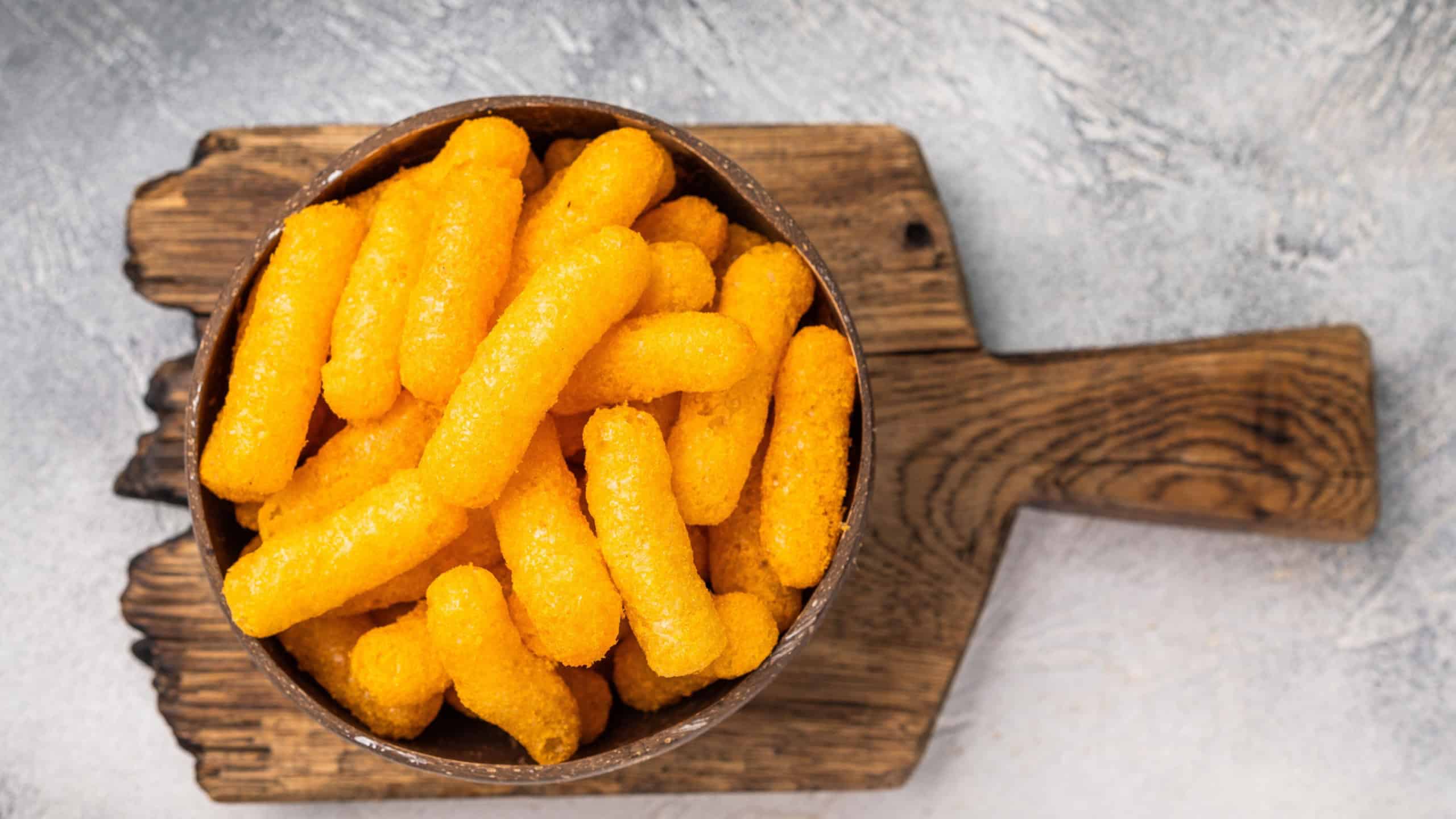
Bright orange cheese puffs, boxed macaroni and cheese dinners and yellow cake mix in Canada often contain Yellow No. 5 (Tartrazine) and Yellow No. 6.
Although permitted in Canada, the EU mandates that foods containing artificial petroleum-based dyes carry a label warning that they may have an adverse effect on activity and attention in children. European food makers have mostly avoided these chemicals as a result.
Red Dye 40s
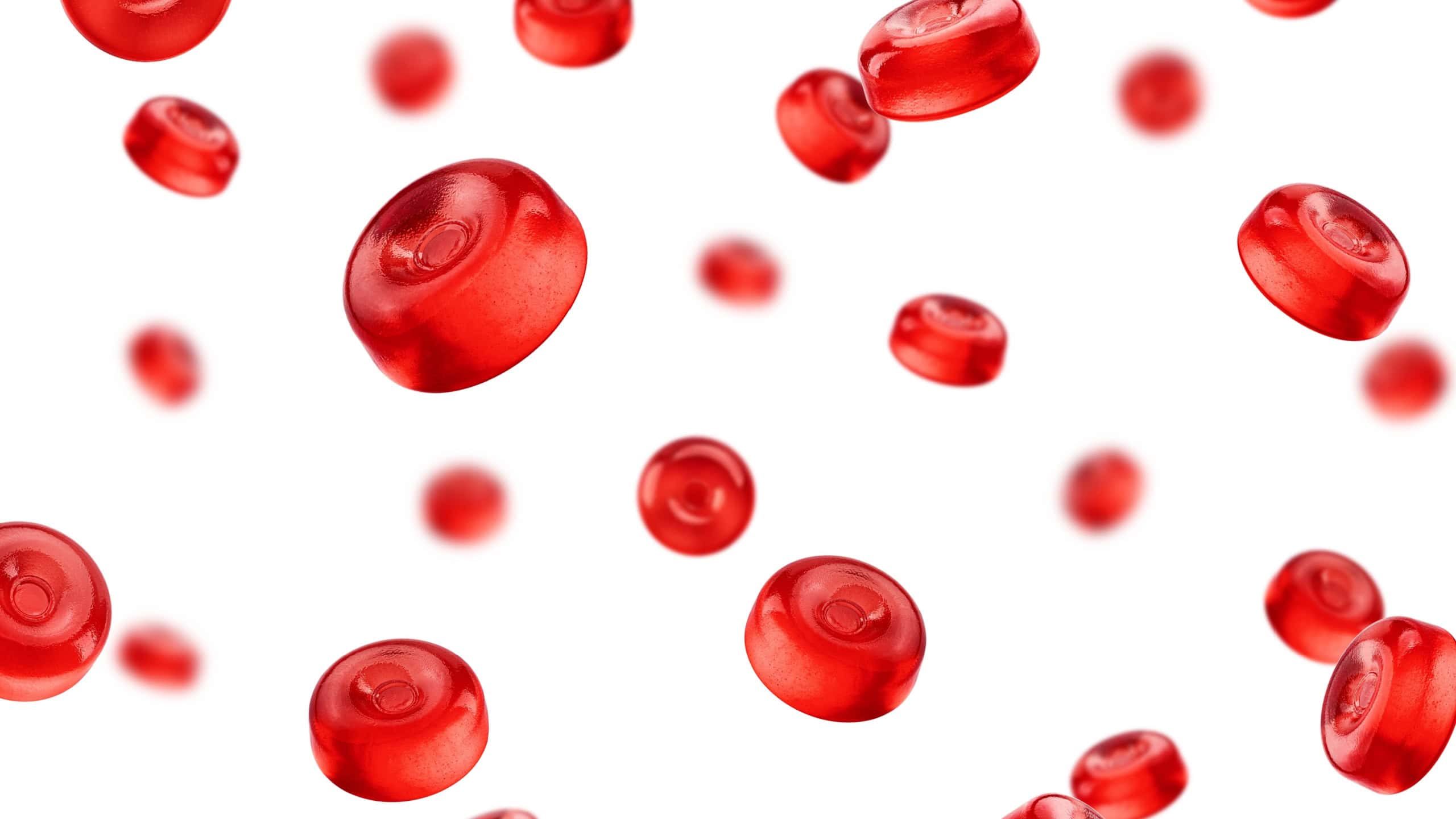
That gorgeous shade of red Canadian sodas, candies and fruit snacks are often coloured with Red Dye No. 40. Just like the yellow dyes above, this artificial additive is severely restricted in Europe/UK, where manufacturers are forced to utilize natural dyes such as beet juice or paprika extract.
Citrus Sodas
For generations, brominated vegetable oil (BVO) has been added to citrus-flavored beverages sold in North America (some sports drinks or regional sodas).
BVO helps distribute the flavouring oils evenly throughout the drink. Banned from use in the EU and Japan, this additive contains bromine, which can gradually build up in your fat tissues and may contribute to thyroid problems.
Potato additives
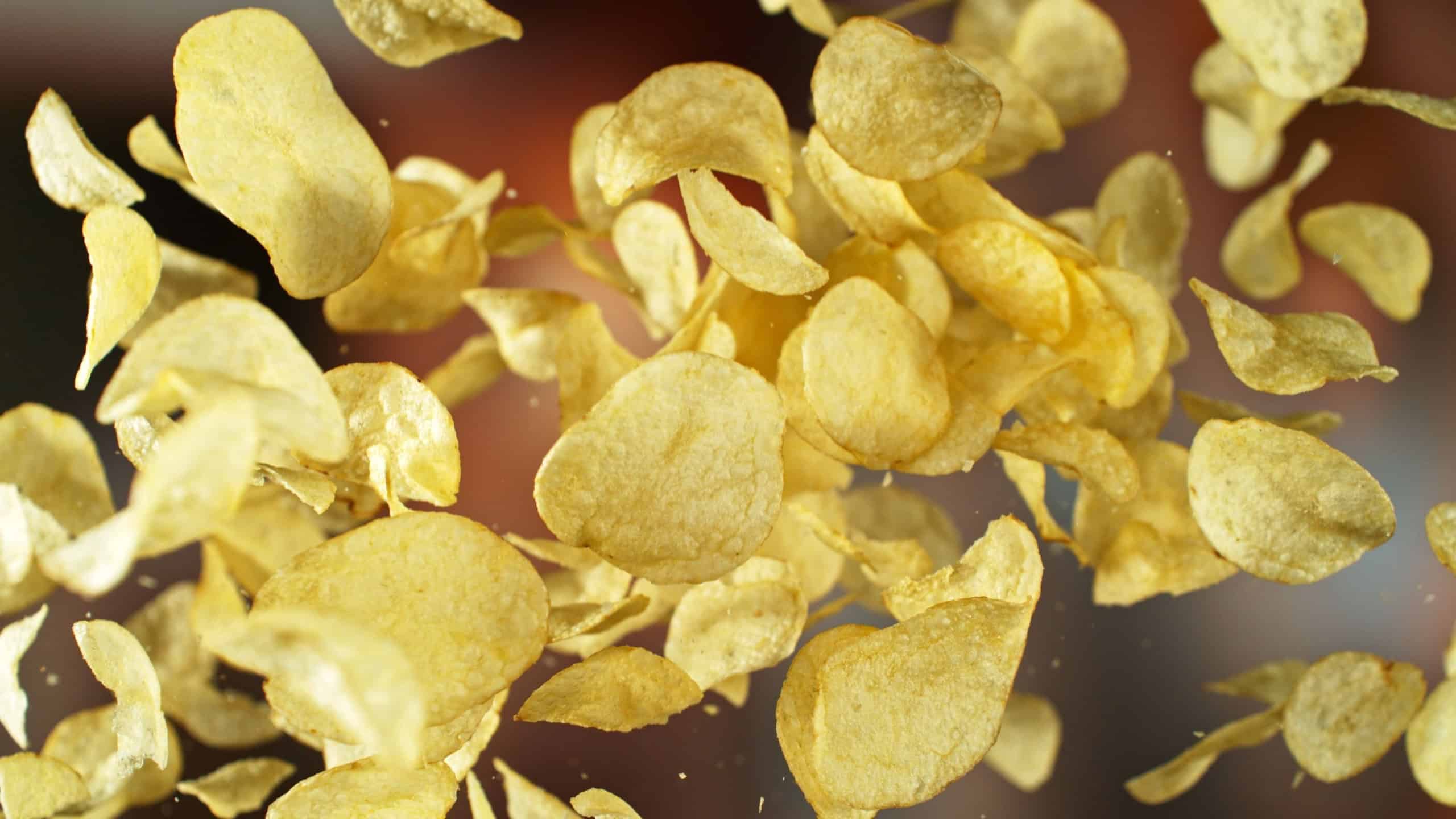
Boxed instant mashed potatoes, some brands of potato chips, and chewing gum (in Canada) contain BHA as a preservative. Since BHA is listed as a possible human carcinogen by the World Health Organization’s International Agency for Research on Cancer, its use in European foods is strictly limited or banned.
Salmon feed
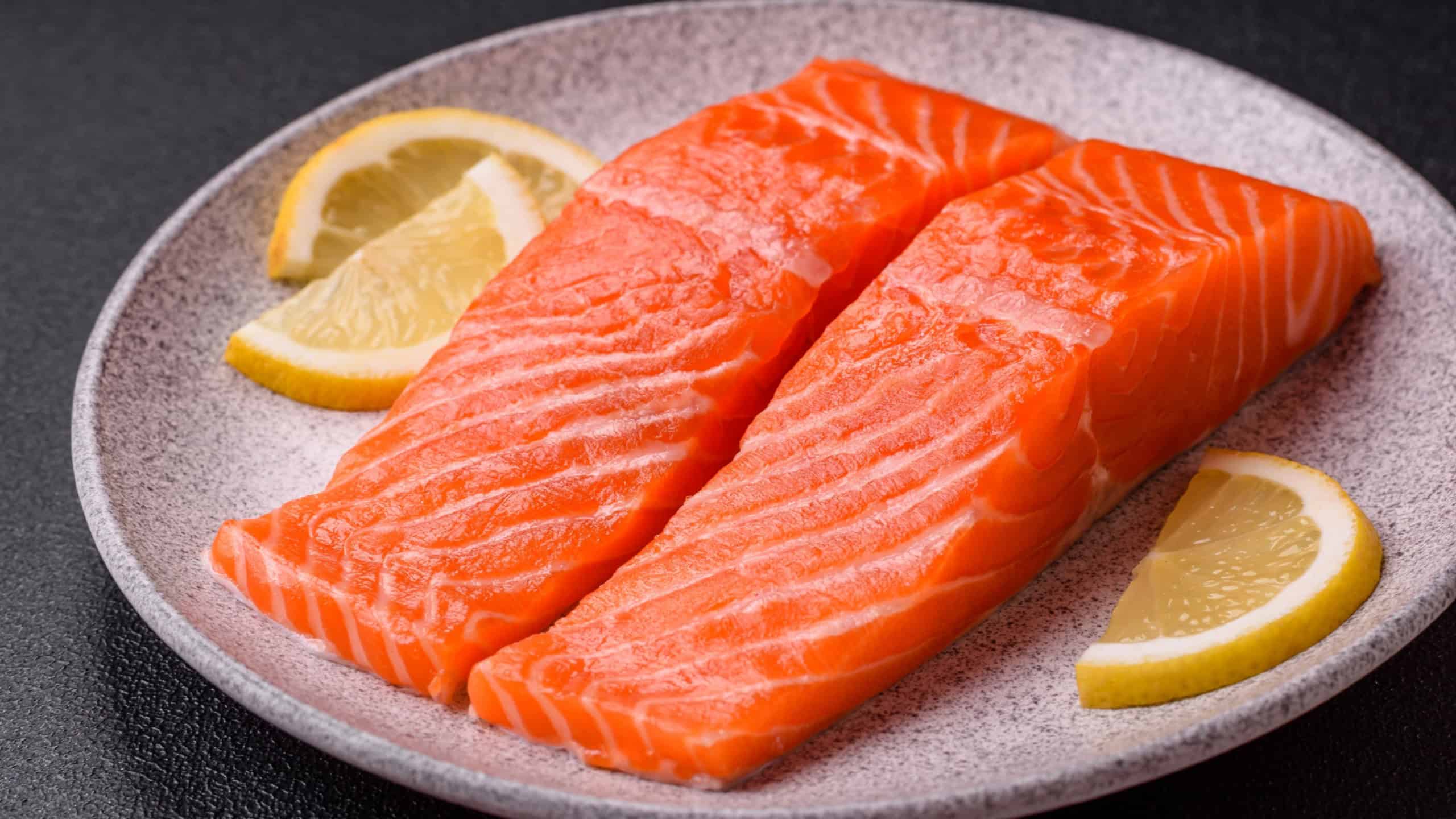
Farmed Atlantic salmon is a huge staple in Canadian grocery stores. Farmed salmon are naturally grey and must be fed synthetic carotenoids such as astaxanthin to turn their flesh pink. Many countries and regions have much stricter regulations on what feed additives are allowed in aquaculture, as far as the chemical makeup and environmental impact.
Modified Corn
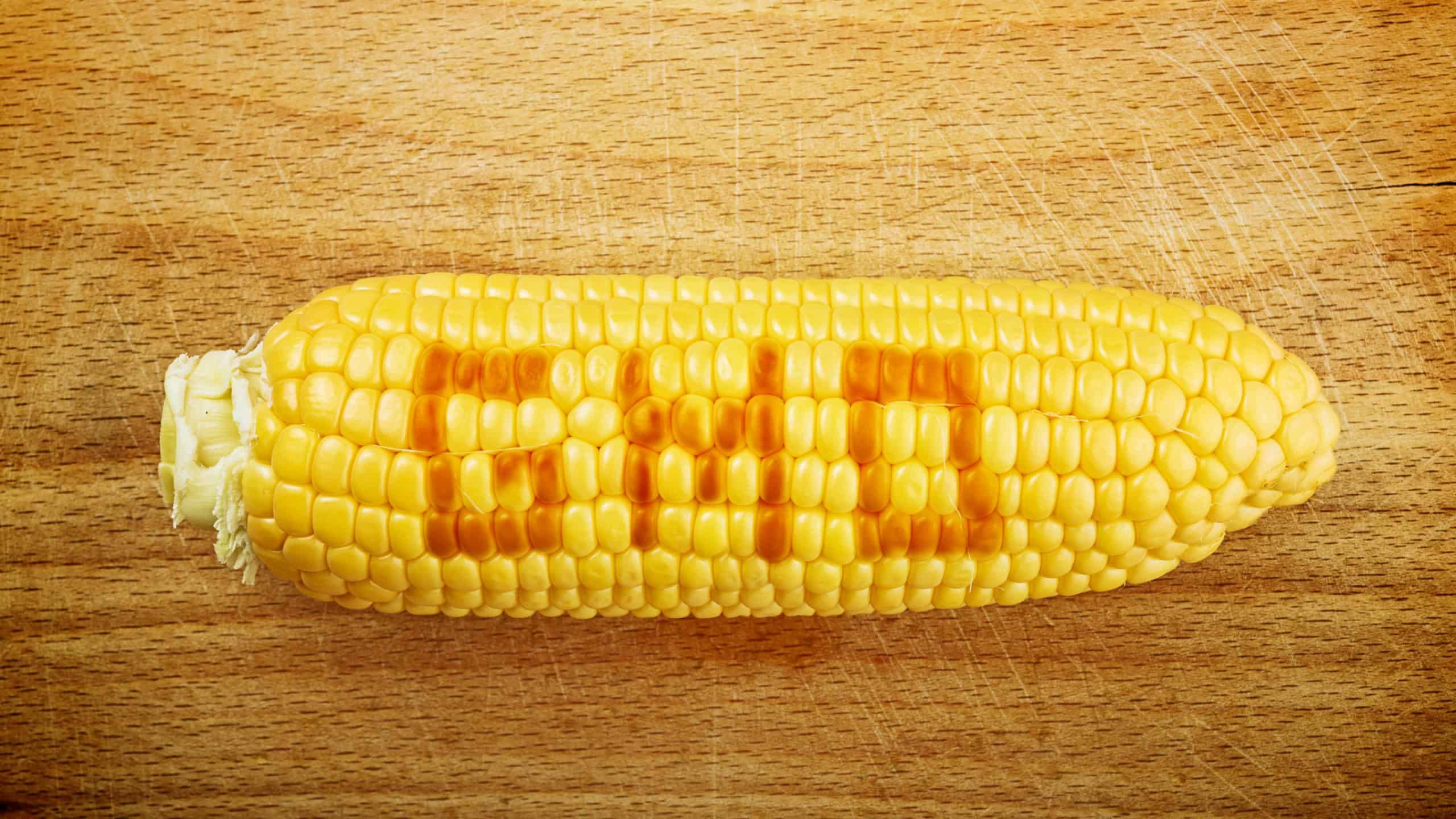
The vast majority of corn produced and consumed in Canada is genetically modified corn that is pest and herbicide-resistant.
Canadians consume GM corn products daily, but countries in Europe, including France, Germany and Italy have completely banned the growth and sale of certain GM crops because of concerns over the environmental impact and potential long-term health effects.
Energy drinks

Many energy drinks sold in Canada have been found to have excessive levels of artificial caffeine, taurine, and B vitamins. Certain extremely caffeinated energy drink brands have been banned or forced to change their formulas in countries like Denmark and Turkey due to health concerns for children.
Pesticide residues
Some fruits and vegetables imported for sale at Canadian supermarkets contain higher levels of agricultural pesticides (e.g., glyphosate or chlorpyrifos) applied to crops to prevent insect damage during severe weather outbreaks.
Maximum residue limits allowed by Canada permit vastly higher maximum residue limits of these substances than does the EU, where the bulk of active ingredients have been outright banned.
Fat substitutes

Although it’s rare nowadays, certain niche brands of “zero fat” or “light” snack foods available throughout North America contain Olestra (Olean), a synthetic, calorie-free fat substitute.
Olestra is completely banned from sale by Canada’s own domestic food manufacturing companies, but still finds its way here through highly specific niche import grey areas. It is completely banned in the UK and Europe, since it blocks vitamin absorption and can cause extreme gastrointestinal problems.
Sources: Please see here for a complete listing of all sources that were consulted in the preparation of this article.
Like our content? Be sure to follow us.