Some questions about religion have been debated for thousands of years, yet believers and nonbelievers still disagree on the answers.
If God is good, why do innocent people suffer?
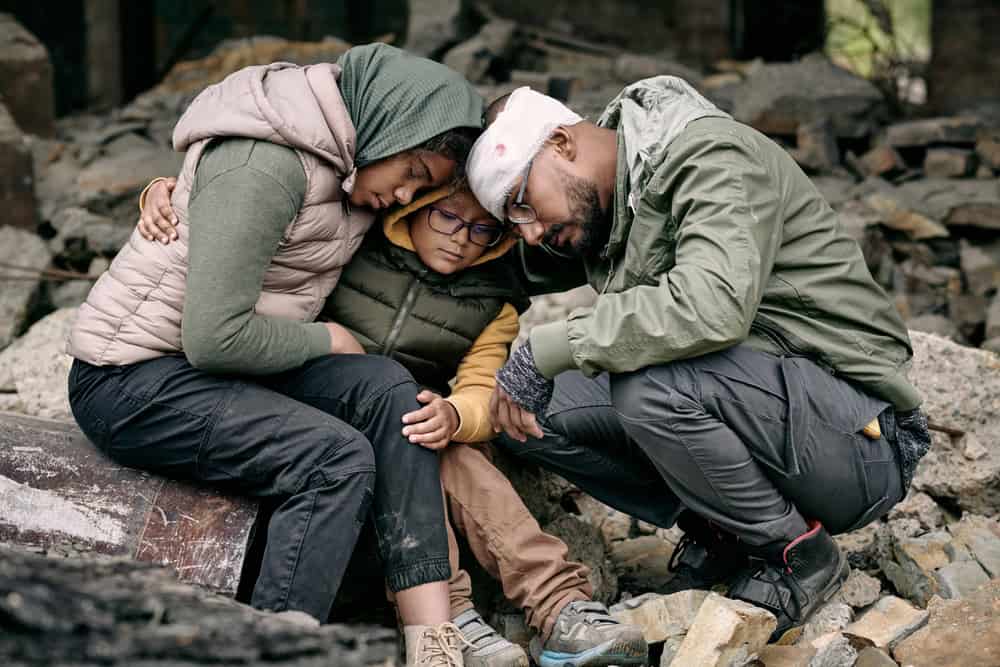
One of the oldest arguments against religion is based on the suffering of innocent people. If God is all-powerful, all-knowing, and perfectly loving, then why do children get horrible diseases, why do natural disasters kill thousands of people, and why do good people suffer unimaginable pain?
Some believers claim that suffering is caused by free will or that God has reasons beyond our understanding. Atheists question why an omnipotent God would not be able to fulfill those reasons without causing so much suffering.
Why does God remain hidden?

If God wants humans to believe in him, why hasn’t he made it obvious that he exists? Many atheists question why God, if he exists, chooses to communicate through old books, personal revelations, and church dogma instead of providing proof everyone can see for themselves.
Some believers claim God hides himself so as not to interfere with human freedom or encourage genuine faith. Atheists counter that merely knowing someone exists doesn’t take away our freedom to accept or reject that person.
Why are there so many religions in the world?
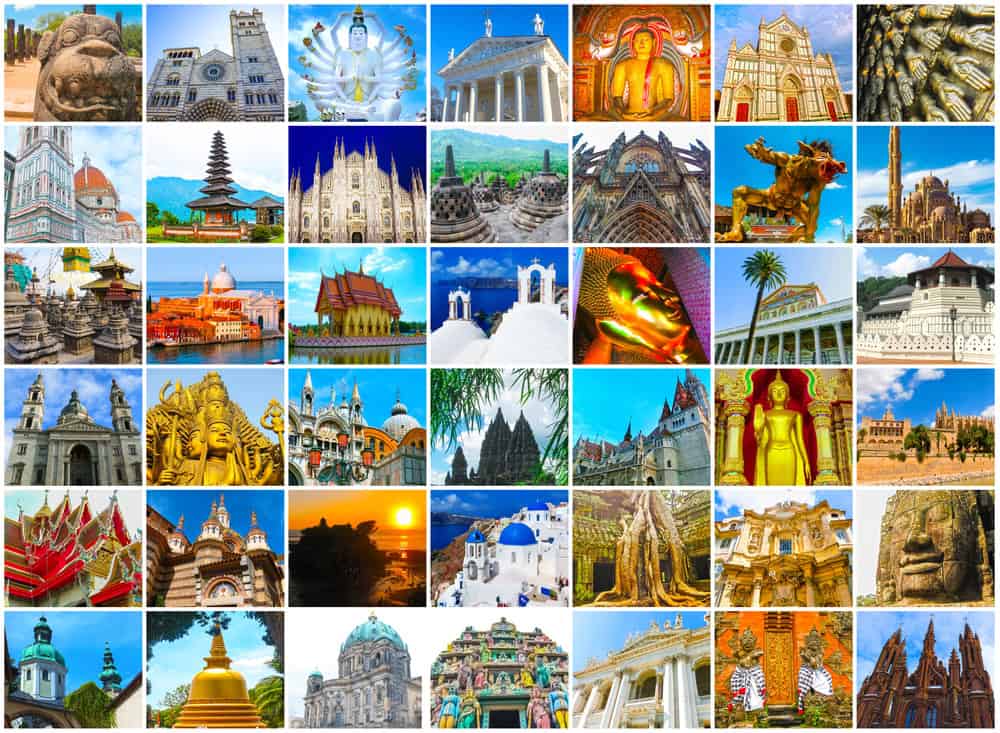
There are thousands of religions throughout the world, each contradicting each other on their explanation of God, salvation, what is moral, and what happens in the afterlife.
Atheists wonder if there is one divine truth about these matters; how did so many conflicting ideas arise?
What religion you adopt is also strongly influenced by the place and family you grew up in. If a single religion really does contain the whole truth, why does it appear that discovering it requires the right timing, location, culture, and parents?
Who created God?

Religious arguments claim that the universe had to have a creator because everything that had a beginning must have a cause. But atheists will naturally ask what caused God to exist.
Often theologians reply that God is eternal and had no beginning (and therefore was never created). Atheists counter that if that is true for God, then why can’t the universe itself exist without a creator?
Why do religious texts contain contradictions?

Sacred texts claim to be inspired by God. However, believers read verses that seem contradictory. Why do we see different versions of the same event? Commands that seem to conflict with one another? Depictions of God acting in different ways? Can we trust these texts?
Scholars of religion explain these verses away as translation errors, different literary styles, or simple context. But if God wanted to perfectly communicate to us, why would believers have to question each other so much to settle differences?
Can people be moral without religion?

How can morality be based on God if atheists and members of other religions can have similar morals when it comes to being honest, showing compassion, and treating people fairly?
Atheists can point to empathy, a range of social instincts, and even reason as possible foundations for morality. According to some religious philosophers, God still underlies objective morality even in cases where atheists act morally. Is a god necessary for morality, or do moral facts remain facts regardless of whether God exists?
Why do miracles seem harder to verify today?
Many ancient scriptures detail spectacular miracles: miraculous healings, supernatural gifts, and even dead people coming back to life. If miraculous healings occurred thousands of years ago, atheists question why we don’t see overtly dramatic miraculous claims being caught on videotape in sterile laboratory settings today.
Why do religious beliefs change over time?
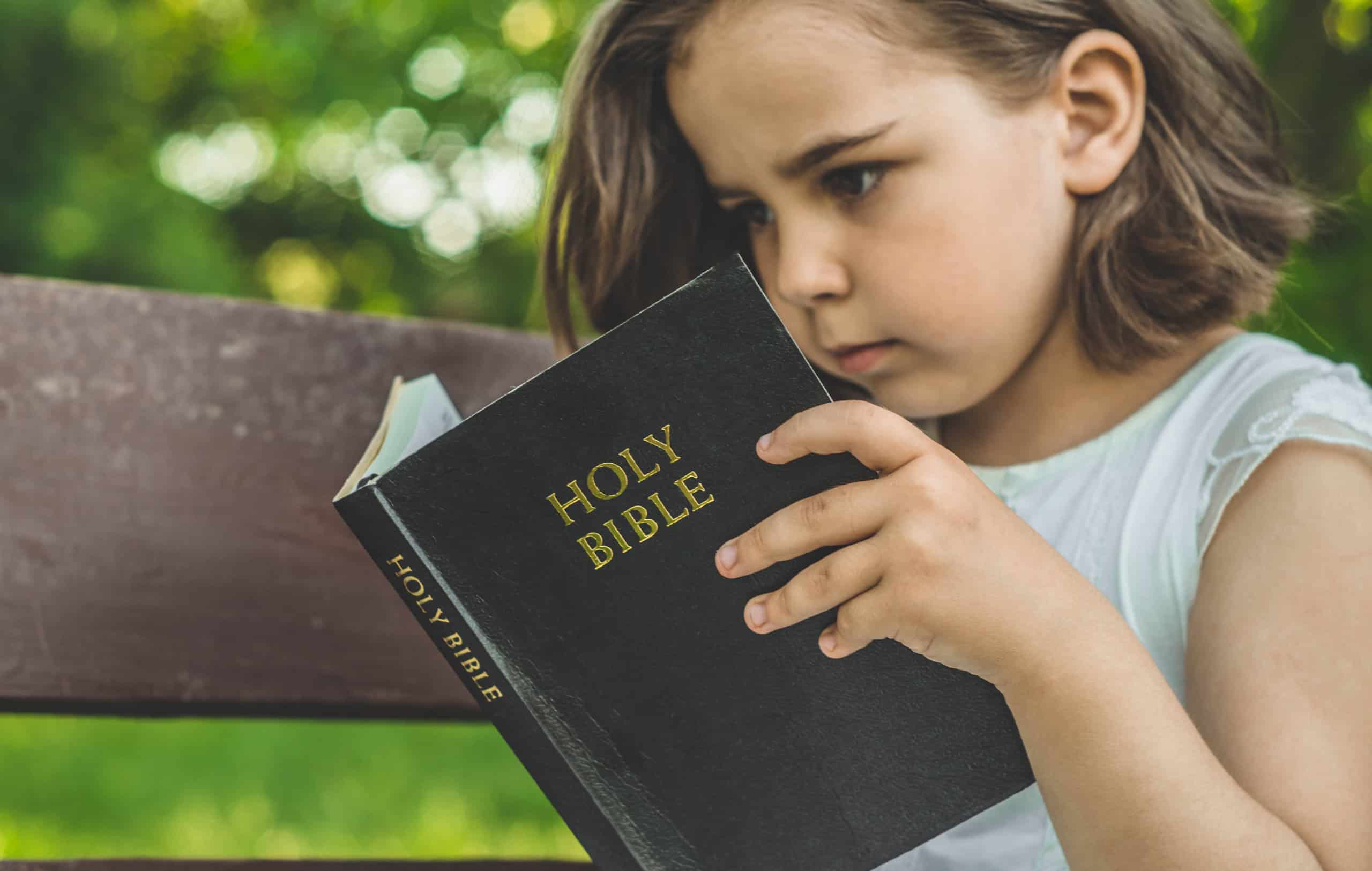
Religious teachings and interpretations have evolved over time. Religion has been used to justify actions such as slavery and discrimination against others, which many religious followers today have gone on to condemn. So atheists question how something that claims to be based on the unchanging will of God could change as society’s morals change.
Why would God need worship?
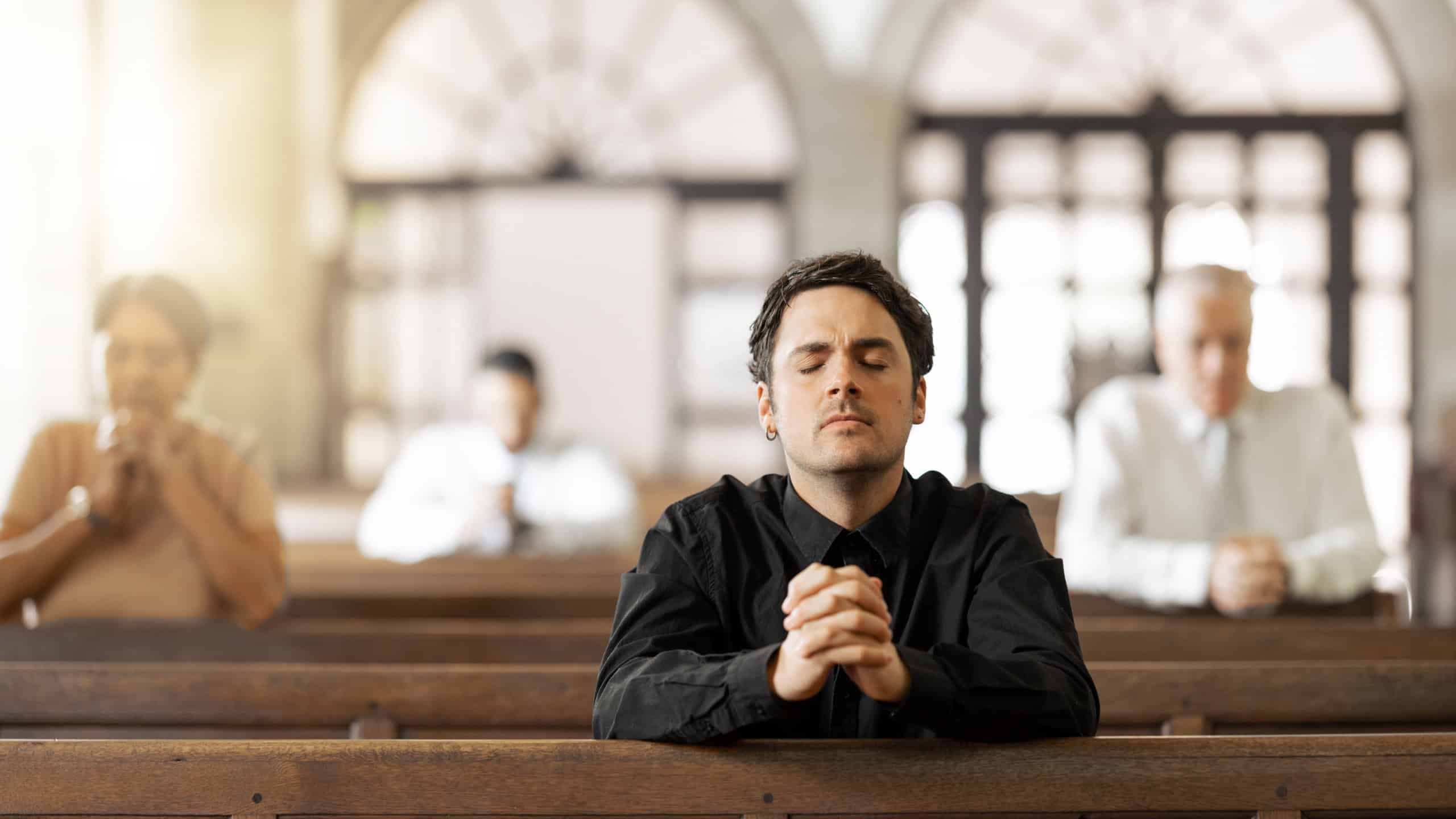
If God is perfect, whole, and needs nothing, then why would he want humans to praise, worship or obey him? Some atheists wonder if requesting worship sounds more like an egotistical wish to be admired by others than how an infinitely wise being would act.
Some theologians say worship serves a purpose for humanity: to help us feel grateful, humble and connect with God, not that God needs anything from us. But the question remains: is worship required to be moral or mainly religious?
Why did God create people knowing they would sin?
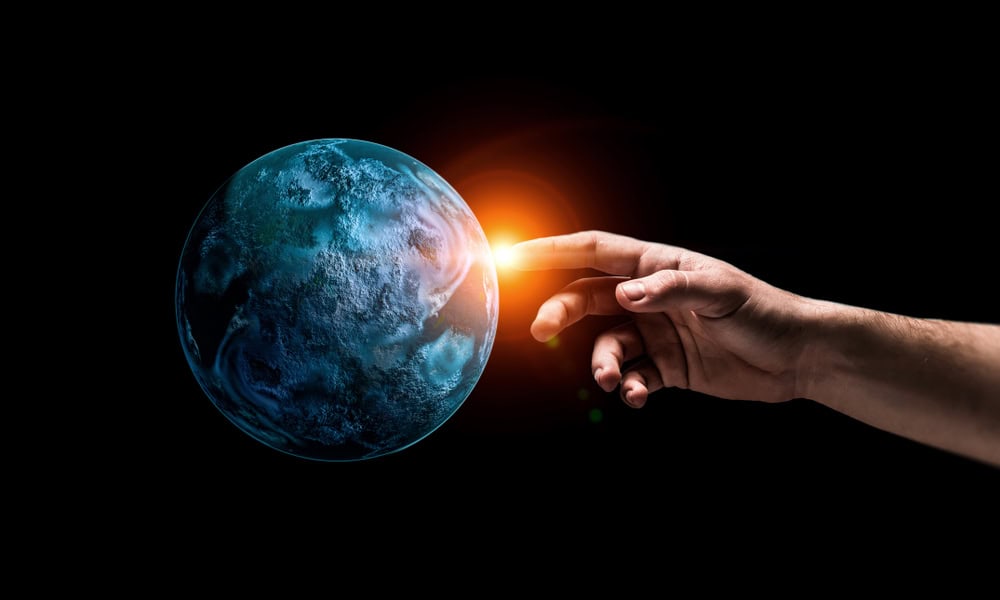
If God is omniscient and knows the future, then he knew before creating humans that they would disobey him. Atheists question why God would create a person if he knew that person was going to do things that would cause him pain or be punished for.
Some theologians claim that you can’t have love without free will and free will includes the possibility of people choosing wrong. But then why couldn’t God have created a world where there was true freedom with less evil?
Why don’t prayers always work?

Humans pray for healing, protection, peace, and an end to suffering. Sometimes prayers are unanswered. Atheists challenge believers: if God were to answer every prayer, how would they know the difference between God answering prayers and coincidence, recovering naturally, or events that would have occurred anyway?
Why does God allow the devil to exist?
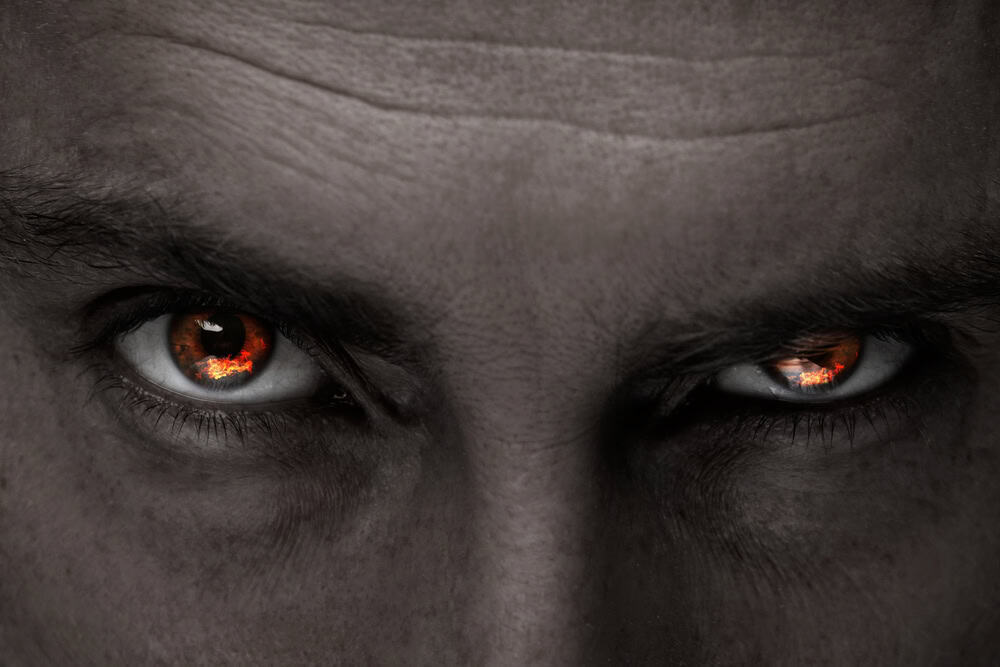
Many religions preach about the existence of Satan. If Satan is as strong as he is often depicted to be, why would God allow him to tempt mankind into evil? If God is all-powerful, he could destroy Satan, or at least prevent him from meddling in our lives. What is the point in allowing Satan to trick people?
Why did God wait so long to reveal his message?
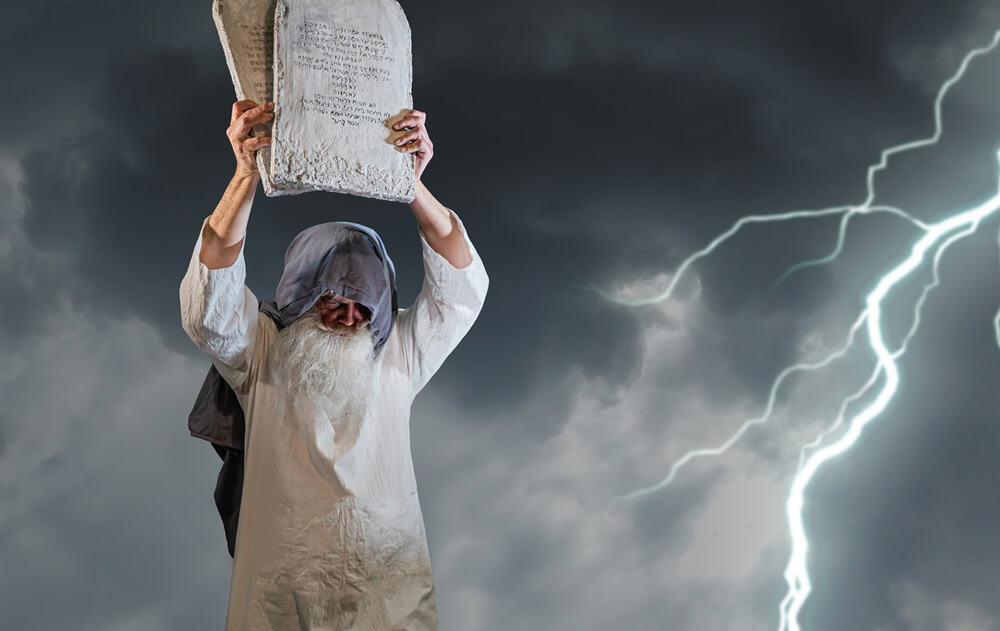
Modern humans have been alive for thousands of years before Christianity, Islam or most other religions came into being. How come a loving God would wait tens of thousands of years before sending down a message telling us how to live so that we may be saved? What about all those people who died never being exposed to that message?
Why do animals suffer if they haven’t sinned?

Animals suffer from disease, starvation, injury, predation, painful deaths, and more, even though animals are not morally culpable in the same way that people are. If God is loving and all-powerful, why would he design the natural world in such a way that literally trillions of animals suffer so unnecessarily just to stay alive?
Human evil doesn’t seem to apply to animal suffering. Must there be suffering for there to be an orderly system of nature? Why didn’t God create the natural world in another way?
Like our content? Be sure to follow us.
12 lessons from Jesus that hold up even outside religion
You don’t have to be religious to find value in the teachings of Jesus, especially when it comes to kindness, relationships, forgiveness, and how we treat others.
12 lessons from Jesus that hold up even outside religion