
Some workers risk their lives, sacrifice sleep, and endure enormous pressure just to earn a living.
Long-haul truck drivers
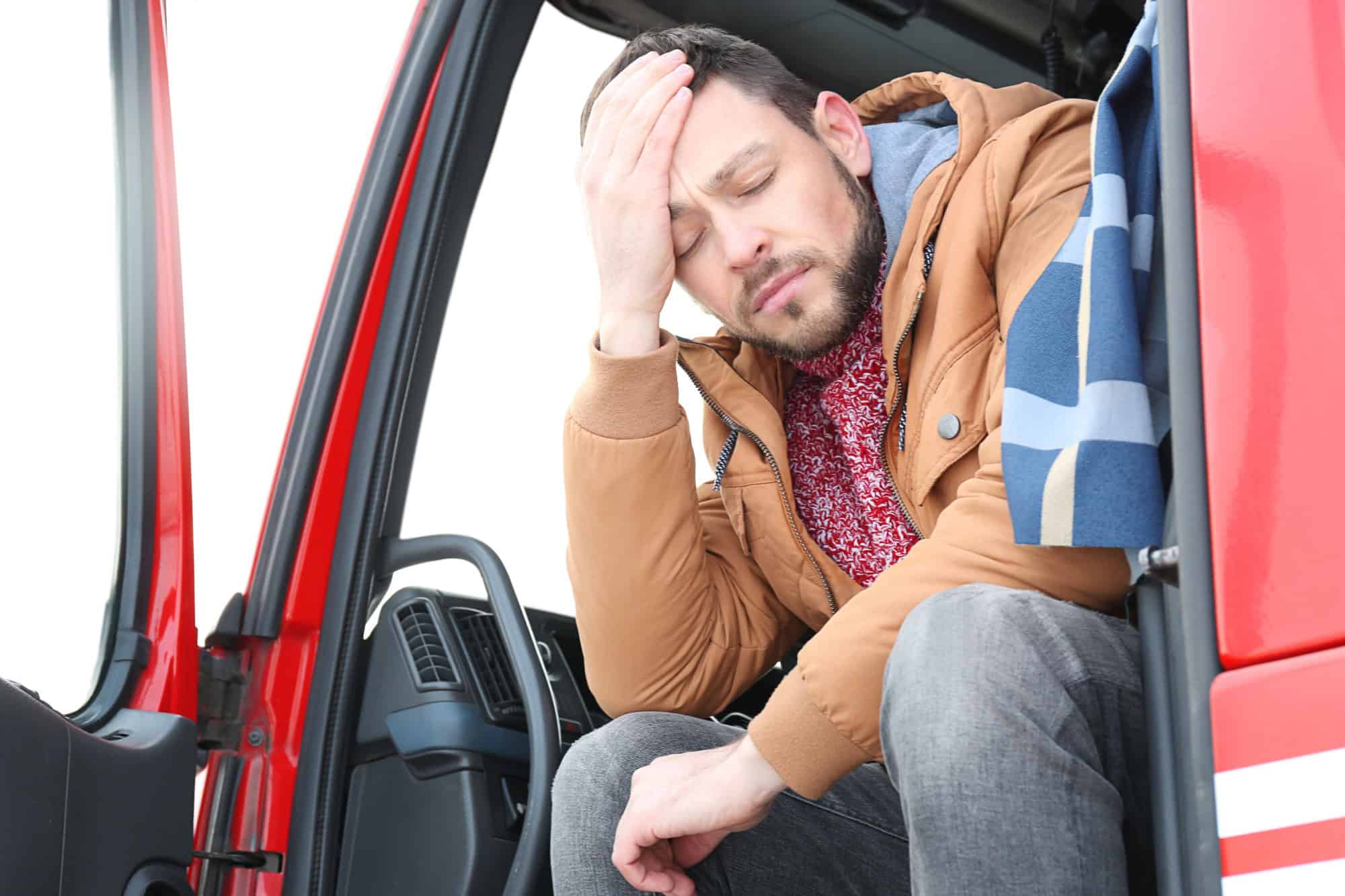
Driving long distances for days or weeks at a time can feel incredibly lonely. Truck drivers often sleep in their truck beds, eat fast food at truck stops, and miss important family events.
Sitting for long hours can cause back pain, exhaustion, and insomnia. While experienced truck drivers can make good money, life on the road can make it hard to keep up with loved ones and normal schedules.
Emergency room nurses

Emergency room nurses often deal with life-or-death situations, emotional family members, and patients who need urgent care. 12-hour shifts, night shifts, and heavy turnover can result in little time to rest when working.
They also face the risk of workplace violence and emotionally stressful scenarios. Nursing can be deeply fulfilling, but the physical demands and constant on-call pressure can make the job a real challenge.
Commercial fishing workers
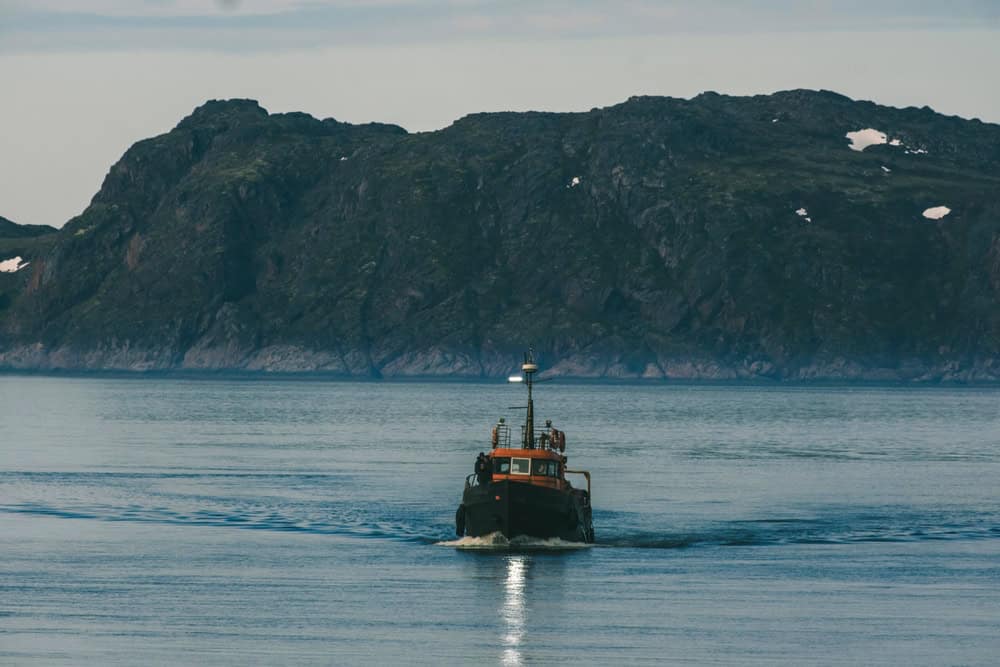
Commercial fishing involves hard physical labor. Working on rough seas and unstable platforms during bad weather can be very hazardous. Commercial fishing employees can spend weeks on boats lifting heavy gear onto slippery decks during lengthy work shifts.
Falling overboard, injuries, and severe weather are all serious risks of the job. Income may be inconsistent due to catches, demand, and season. Long times away from home can also be a hardship of the job.
Restaurant kitchen workers

Professional kitchens are fast-paced workplaces where employees may be on their feet for hours on end. Kitchen workers lift heavy supplies and bags of food, and work close to hot stoves and ovens.
Chefs, cooks, and kitchen helpers may have to work evenings, weekends, and holidays when everyone else is off enjoying themselves. During busy rushes, there can be immense pressure to whip up delicious meals in minimal time. Additionally, many kitchen employees are paid low wages, which can make the job difficult.
Social workers

Social workers often help clients who are facing poverty, abuse, family dysfunction, and other major crises. While the work is rewarding, it can be emotionally draining to work with trauma on a daily basis.
Large caseloads, paperwork, and lack of resources can leave them feeling like they can’t give their clients what they need. Fighting through bureaucratic red tape with so much on the line can lead to burnout.
Construction laborers
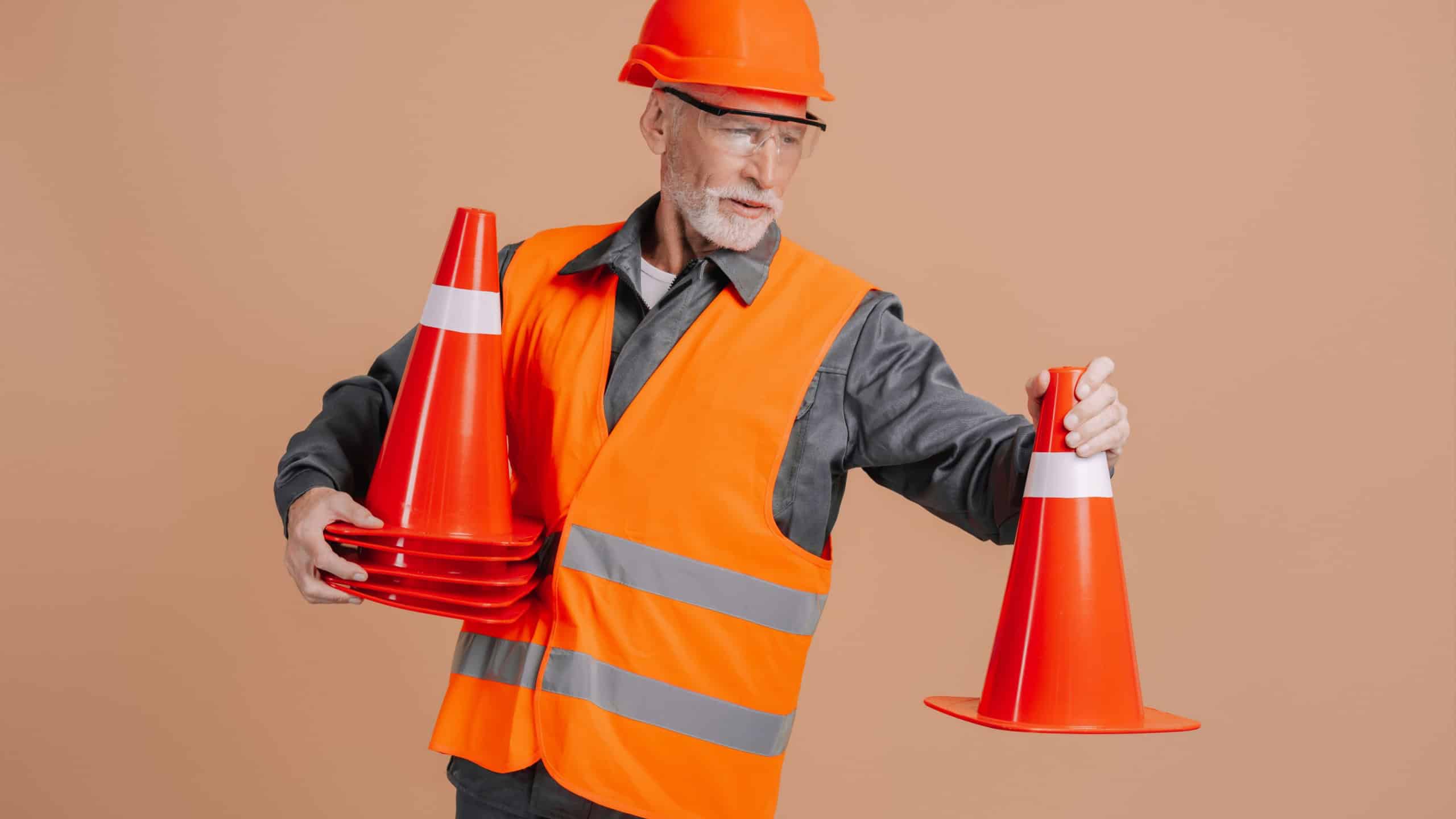
Construction workers labor outside in conditions ranging from very hot to freezing, pouring rain, or high hazard. Manual laborers lift heavy objects and perform repetitive tasks while they breathe dust or loud noise.
Accidents with equipment, falls, and many other on-the-job injuries can occur. Some construction workers endure seasonal unemployment or inconsistent work hours due to the project they work on. As workers get older, construction jobs often grow harder on the body.
Correctional officers

Correctional officers must always be aware of potential danger, conflict and emergency situations. Officers can be intimidated or subject to violence on the job. Many officers experience a great deal of psychological stress.
Changing shifts, mandatory overtime and staffing issues can disrupt normal family life. The need to stay focused at all times during a shift can lead to emotional stress. Some officers have difficulty turning off that intensity when they are off duty.
Air traffic controllers

Air traffic controllers have a lot of responsibility as one small error can cause grave consequences. They have to keep track of several planes at once, communicate clear directions, and think on their feet.
Large airports can become hectic and dealing with emergencies can be stressful. Working rotating weekends and nights can hinder sleep and time with family. But the job comes with great pay.
Logging workers
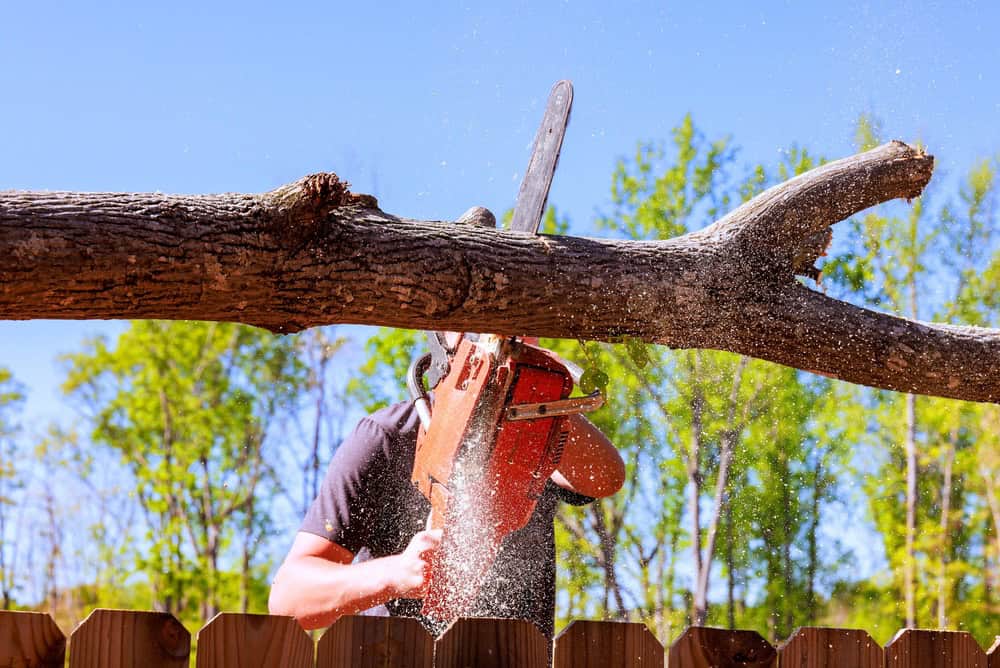
Logging work is hard physical labor and can be dangerous. Laborers use chainsaws and heavy equipment on uneven terrain, rolling logs, and inclement weather. Oftentimes, they are far from help if someone is in need of emergency assistance.
Logging ranks as one of the most deadly jobs in the U.S. Even seasoned workers can’t let their guard down at any time of the day, and the toll of the heavy labor can cause injuries that have long-term effects.
Roofers
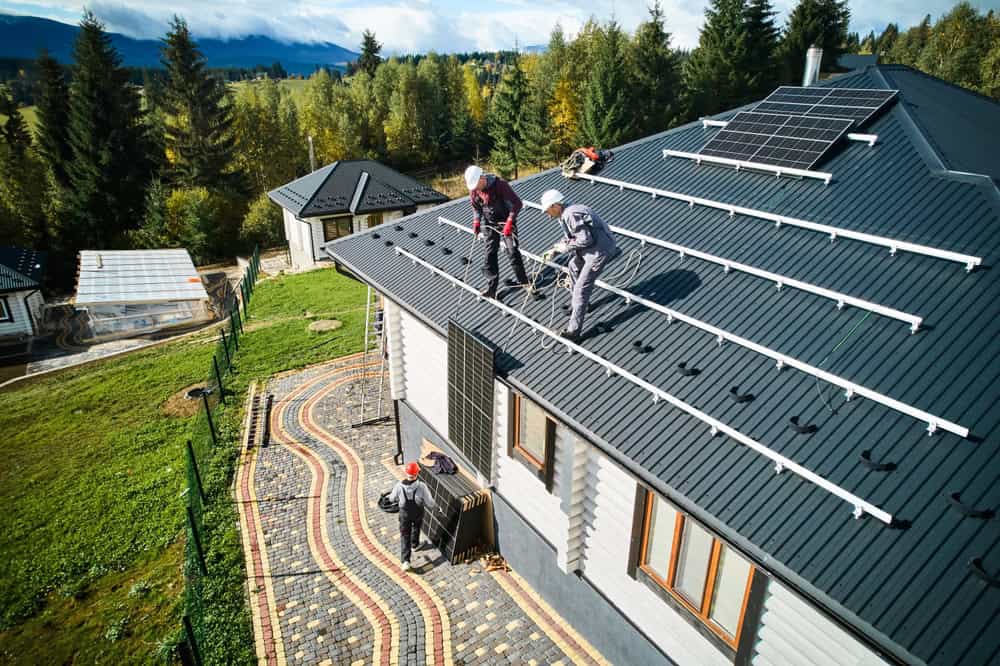
Since roofers spend the bulk of their time working above ground level, roofing is often regarded as one of the more dangerous construction jobs.
Slippery roofs, inclines, intense heat or cold, and heavy loads all pose physical hazards every day. Falling even a short distance can lead to debilitating injury or death. Roofers can also experience seasonal work and potential gaps in income.
Paramedics
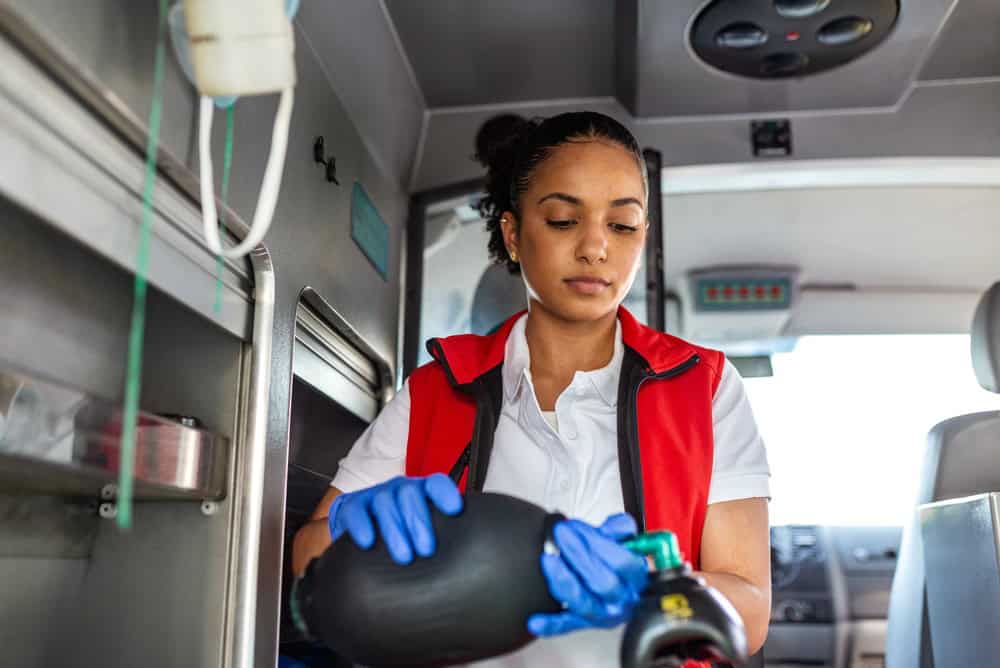
Paramedics deal with severe injuries and illnesses, traumatic events, and emotionally challenging situations on a daily basis. Working nights, getting jumped on unpredictable calls, and having to make split-second decisions in high-risk or high-pressure environments are part of the job.
Paramedics can experience physical injury while lifting patients or equipment. Even after a shift ends, their experiences with traumatic calls could impact their sleep, personal relationships, and mental health.
Call center workers

Call center representatives might spend their entire shift taking complaints, dealing with angry customers and trying to meet strict quotas. Many call center workplaces track call durations, break lengths and productivity, so workers have very little agency over their day.
Having to listen to the same type of conversations for hours on end can get tedious. Dealing with disrespectful customers can be very mentally exhausting. When there are no clear paths to move up within the company and pay is low, it can be very frustrating.
Oil rig workers

Employees on an oil rig can expect to work weeks or even months away from their families. They work around huge machinery, violent storms, and hazardous conditions. Most people who work on oil rigs work 12-hour shifts for several days straight.
This does not leave them with much time to sleep or relax. There is always a risk of fire, explosions, equipment malfunction, and major injury. In addition, living in such close quarters with the same people day in and day out can be draining and make it difficult to have any privacy or maintain a relationship with family.
Underground mining workers
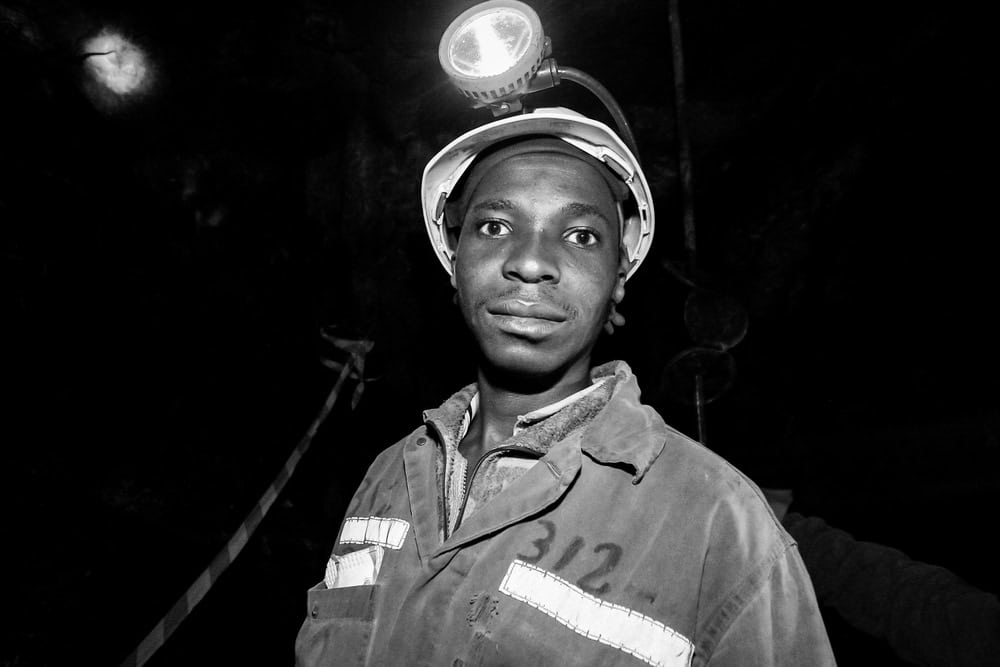
Underground miners spend hours below ground in environments that can be dark, tight, and sometimes poorly ventilated.
Dangers include tunnels that collapse, accidents with equipment and trucks, exposure to toxic gases and dust that can cause chronic lung diseases such as pneumoconiosis, and working with heavy equipment in extreme heat and conditions that are generally uncomfortable.
Working rotating shifts with little daylight can cause sleeping difficulties and other effects on a person’s mental state.
Like our content? Be sure to follow us.
10 jobs many people say aren’t worth the stress

Here are ten jobs that might sound great on paper, yet are usually more trouble than they’re worth. They’re not the dream jobs they’re cracked up to be, as per the people who’ve done them.