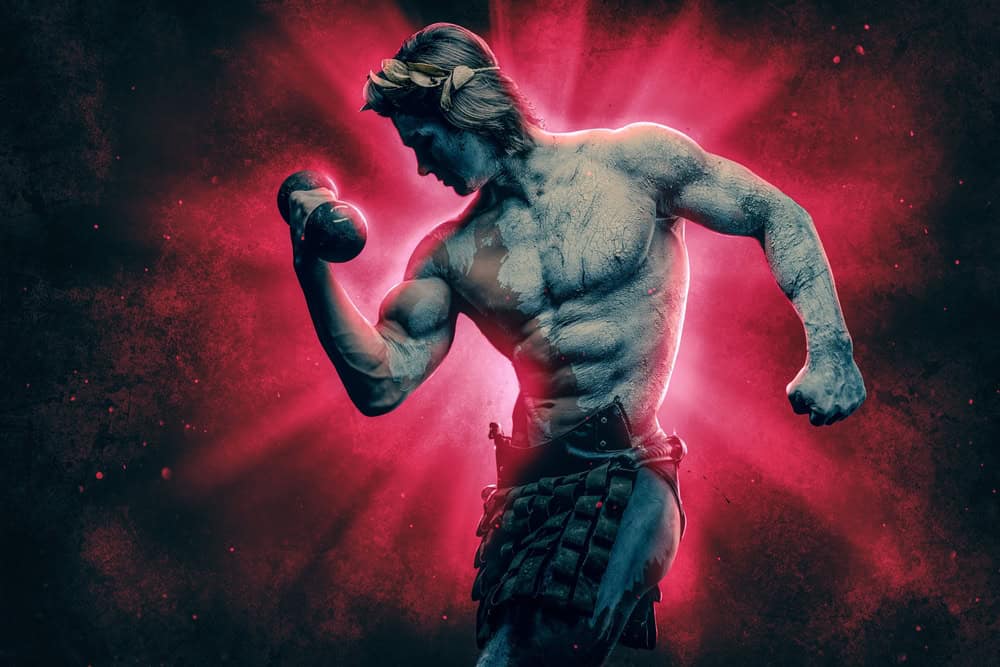
The ancient Greeks had some rather unusual ideas about relationships and the human body.
Athletes competed naked
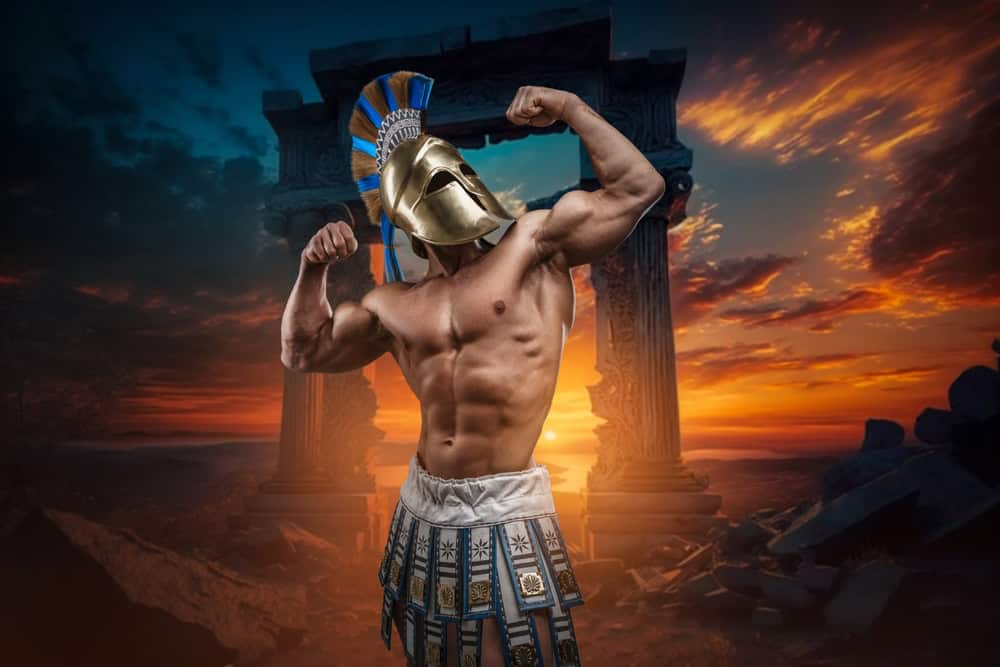
Ancient Greek athletes competed naked most of the time, even at the Olympic Games. They associated nudity with physical beauty and perfection, as well as superior athletic ability. Athletes would put olive oil on their bodies and rub it in before working out. Then, after exercising, they would take a curved metal instrument known as a strigil to scrape the oil and dirt off of themselves.
Did you know that the word gymnasium comes from the Greek word gymnos, which means naked? If you could travel back in time to visit an ancient Greek gym, it would look very different than your gym today.
Public phallic symbols
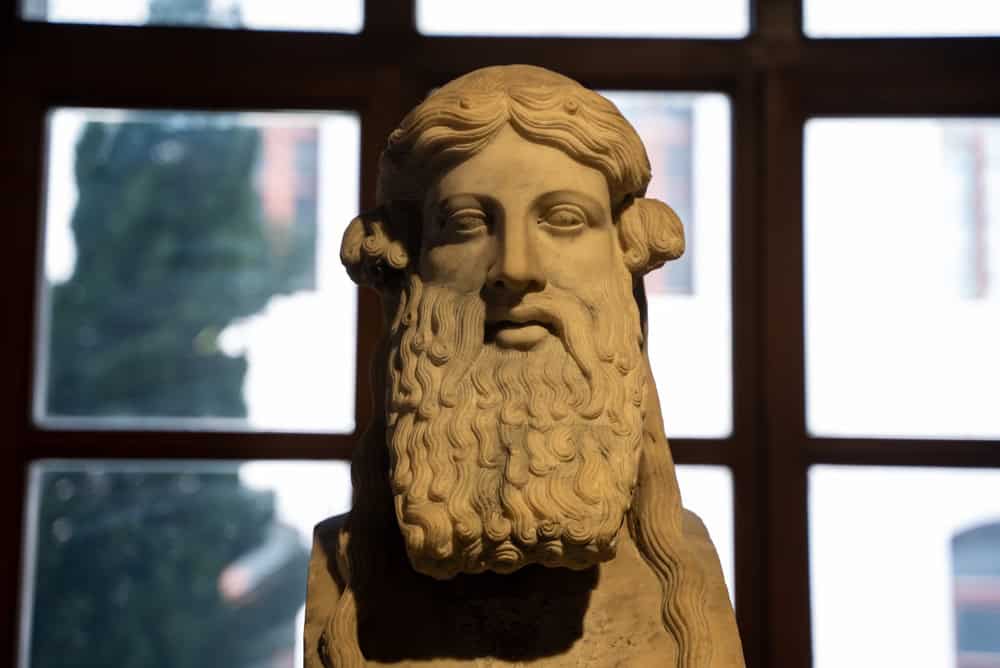
The Greeks were quite comfortable showing male gen****ia in public places. You would often see herm stones, stone pillars with the head of Hermes and male body parts, standing outside people’s homes or at street corners. These herms were thought to bring protection and good luck. Moreover, during certain festivals, men carried phallic symbols.
Drinking parties
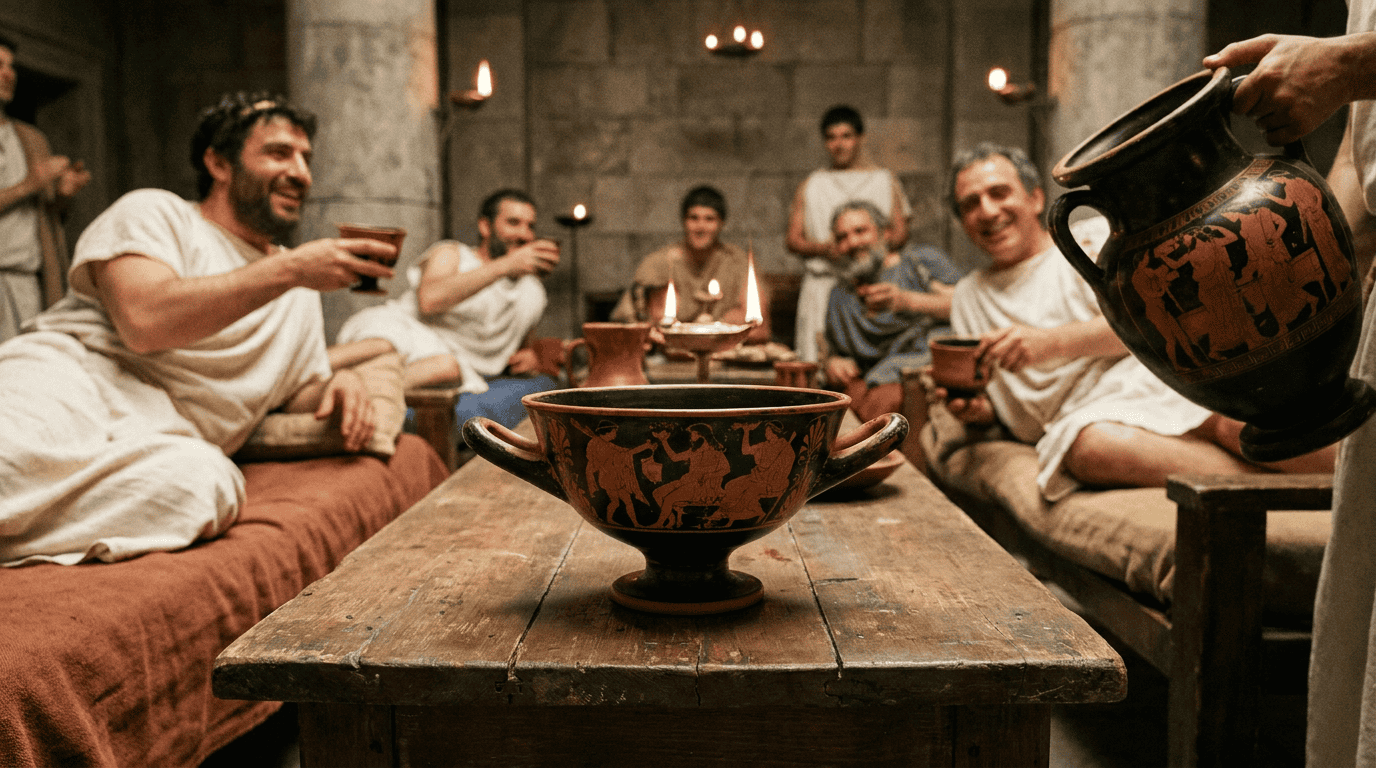
In Ancient Greece, drinking parties known as symposia were common for men who could afford them. Typically, wine was consumed along with music, conversation, and entertainment. Married women of good standing in places like classical Athens did not usually participate in symposia, but female entertainers were allowed.
Some courtesans (hetairai) were educated slaves, who engaged their wealthy customers in conversation. These drinking parties could often turn raucous as the night wore on.
Adulterers facing humiliating punishments

In ancient Athens, adultery was frowned upon, especially when it was committed against another man’s wife. Ancient Greek comedy mentions a punishment of placing a radish in the offender’s backside as public humiliation. There are also mentions of plucking the offender’s private parts’ hair.
Scholars dispute whether or not these events actually happened or were embellished as jokes. However, the fact that punishments like this were written into entertainment tells us about Greek humour in Ancient Greece.
Strange pregnancy tests

Ancient Greek doctors had some strange ways to test for pregnancy or fertility. According to Hippocratic medicine, you could test fertility by inserting garlic into a woman’s va***a overnight. If her breath smelled like garlic the next morning, that meant she could become pregnant because the pathway in her body was open.
Doctors wrongly assumed there was an internal connection between the mouth and gen***ls. Needless to say, it didn’t work.
Older men with young women

Women in classical Athens were often married around their mid-teens, while their husbands were often about 30 years old. Marriage was often arranged by the bride’s father. The bride had little choice about whom she married. Having legitimate children, especially males, was one of the important functions of marriage.
Husbands were often decades older than their brides, which was normal for that time period. By modern-day standards, many of these relationships would raise serious concerns.
Intimate relationships between men
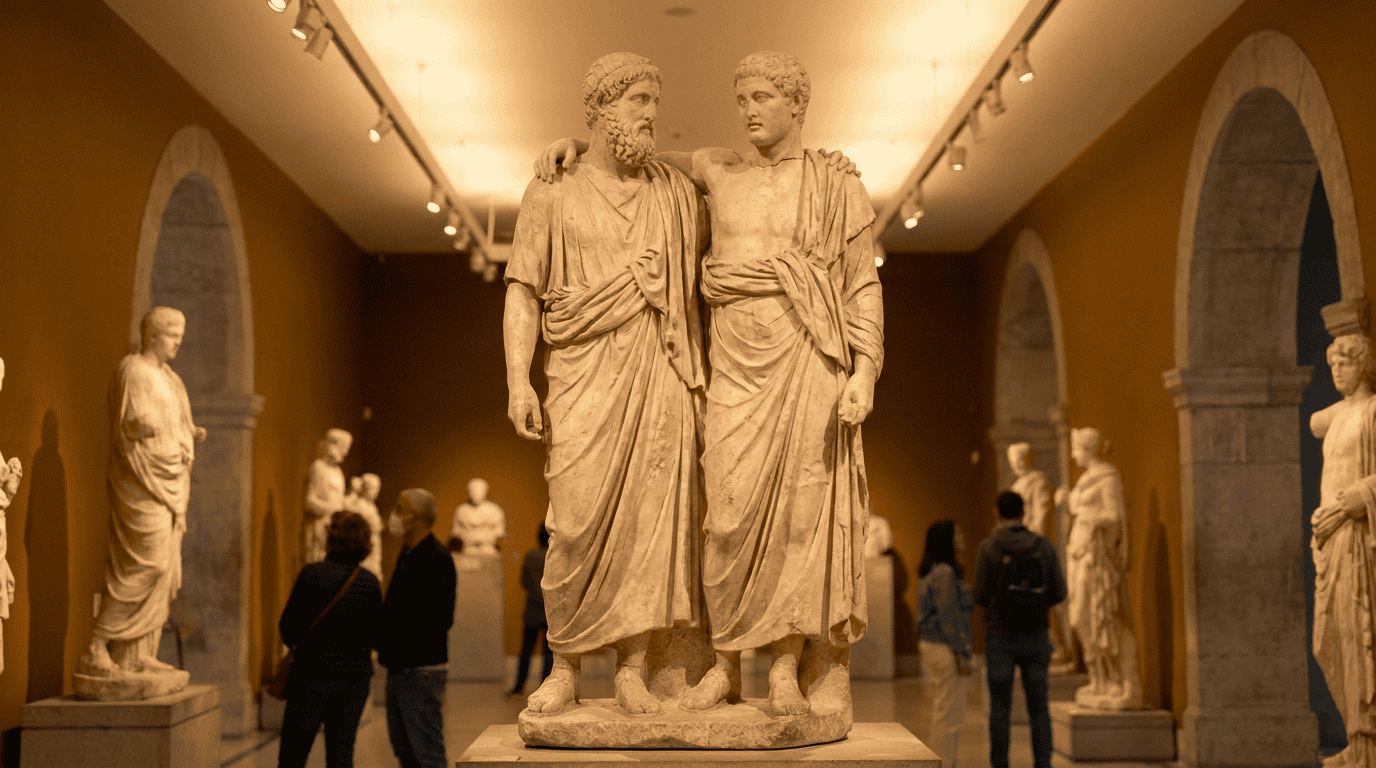
In some Ancient Greek communities (especially among the elite), relationships between adult men and adolescent boys were sometimes represented as mentorships where the older male would escort his younger counterpart into manhood and teach him the ways of social life.
In some contexts, these relationships were se***l. Ancient Greek social norms regarding relationships between males differed between city-states and over periods of time.
Women using unusual contraceptives

Greek women in Ancient Greece used multiple ways to prevent pregnancy. Ancient Greek medical writers prescribed olive oil, honey, and other plant-based concoctions for women. Another plant-based solution was silphium, harvested in Cyrene in North Africa. They were reputed to have medicinal qualities, as well as preventing pregnancy. It is unclear how effective many of these methods were.
Women at festivals
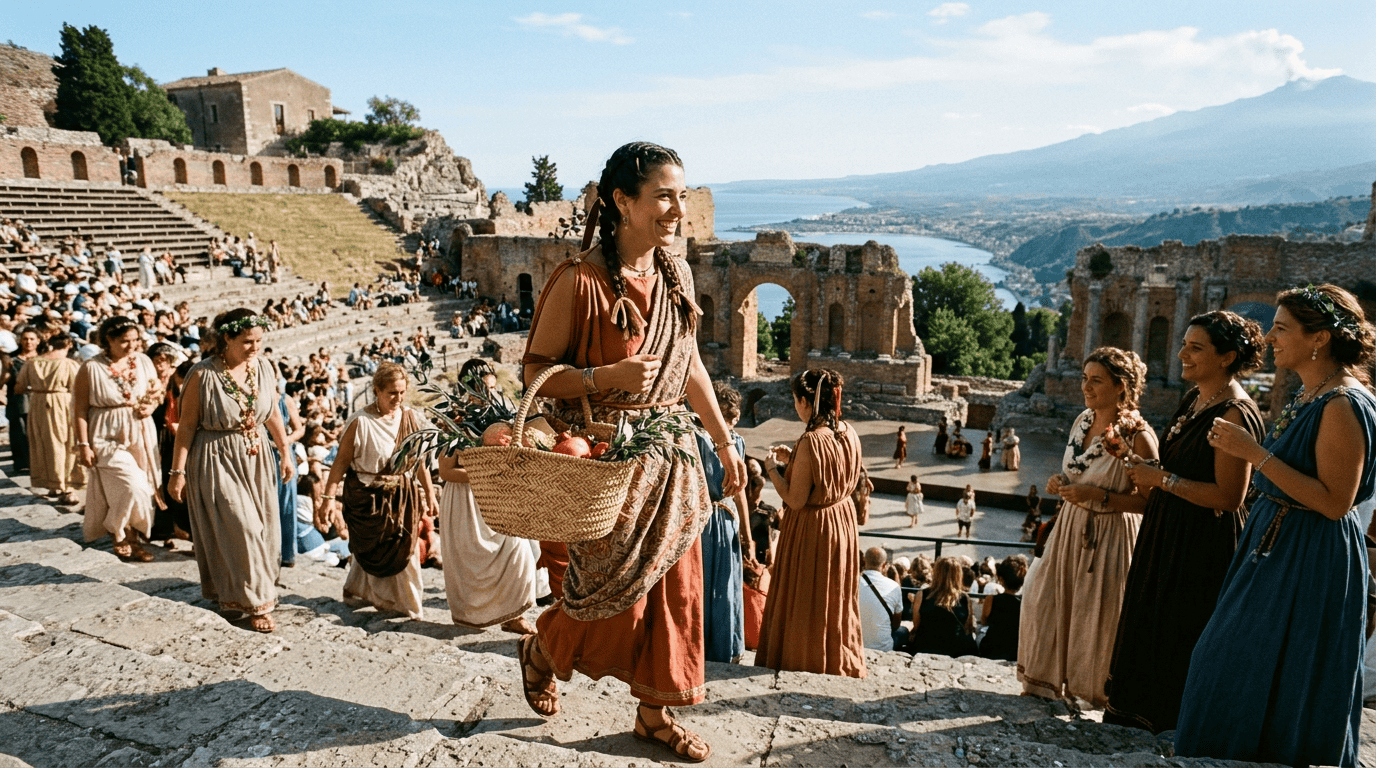
Although women were expected to dress modestly in classical Athens, Spartan women’s clothing habits were different. Spartan girls engaged in athletics such as running and wrestling. Ancient authors mention Spartan women exercising or attending some ceremonies wearing very little clothing.
Spartans thought that women needed to be physically fit so they could produce strong children. However, Spartan attitudes towards nudity in women were unique among the Greeks.
Small private parts
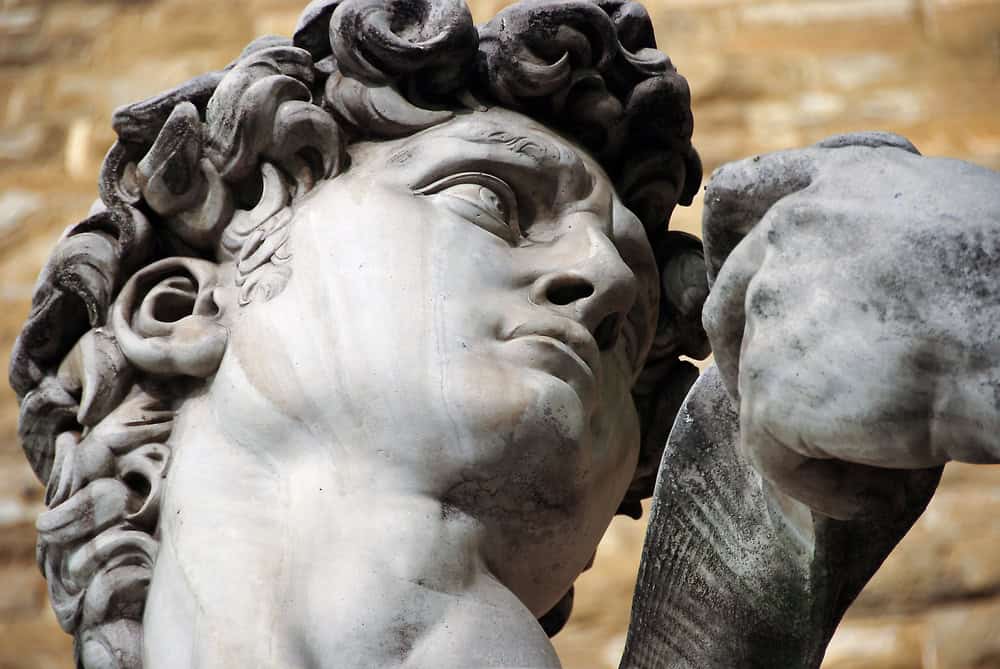
In contrast to many cultures today, small male parts were thought to be beautiful, intelligent, and indicative of self-control in ancient Greece. Male genitals on statues of Greek gods/athletes/heroes are often relatively small in comparison to the physique of the rest of the body for this reason.
Large parts were instead thought to symbolize a lack of self-control. Satyrs, drunken mythical creatures that embodied lust, were often shown with oversized ge***als in Ancient Greek art.
Love lives of Greek gods
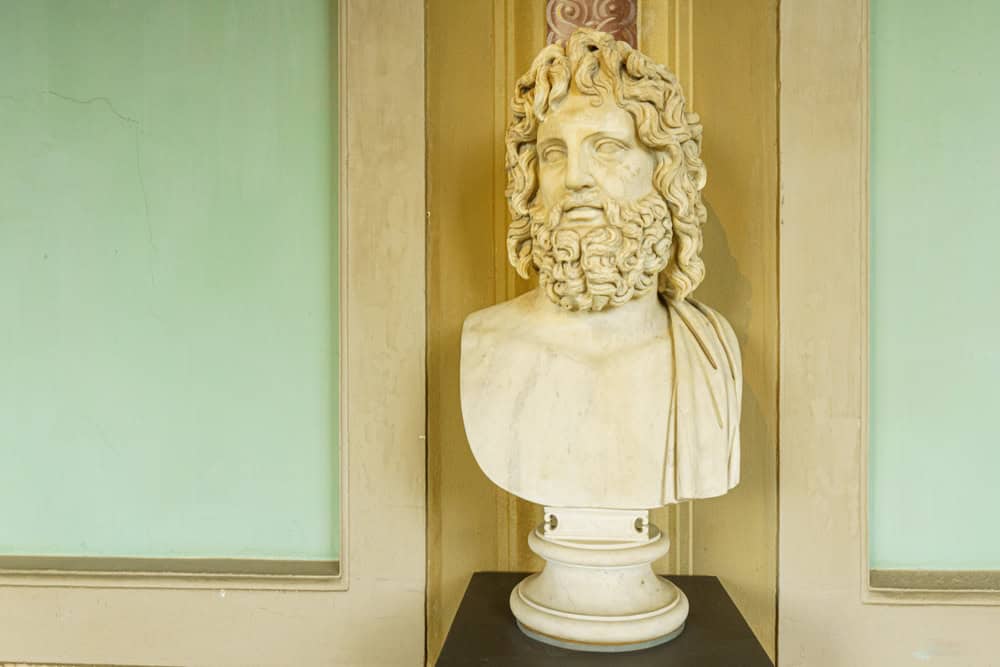
Ancient Greek mythology included affairs, incest, jealousy and violence. Many goddesses and mortal women were seduced by Zeus, who was famous for appearing to them in disguise.
In one story, he came to Leda in the form of a swan. In another, Zeus appeared to Danaë as rain made of gold. Hera, Zeus’ wife, was often depicted as angry about Zeus’ conquests. Most of the original Greek myths are much more unsettling than what children are exposed to today.
Sources: Please see here for a complete listing of all sources that were consulted in the preparation of this article.
Like our content? Be sure to follow us.
15 odd ancient laws that are still in effect

Some laws that were passed hundreds of years ago were never formally repealed, and as a result, there are some strange and antiquated laws out there in the world.