Some laws that were passed hundreds of years ago were never formally repealed, and as a result, there are some strange and antiquated laws out there in the world.
Ban on suits of armor in Parliament (England)
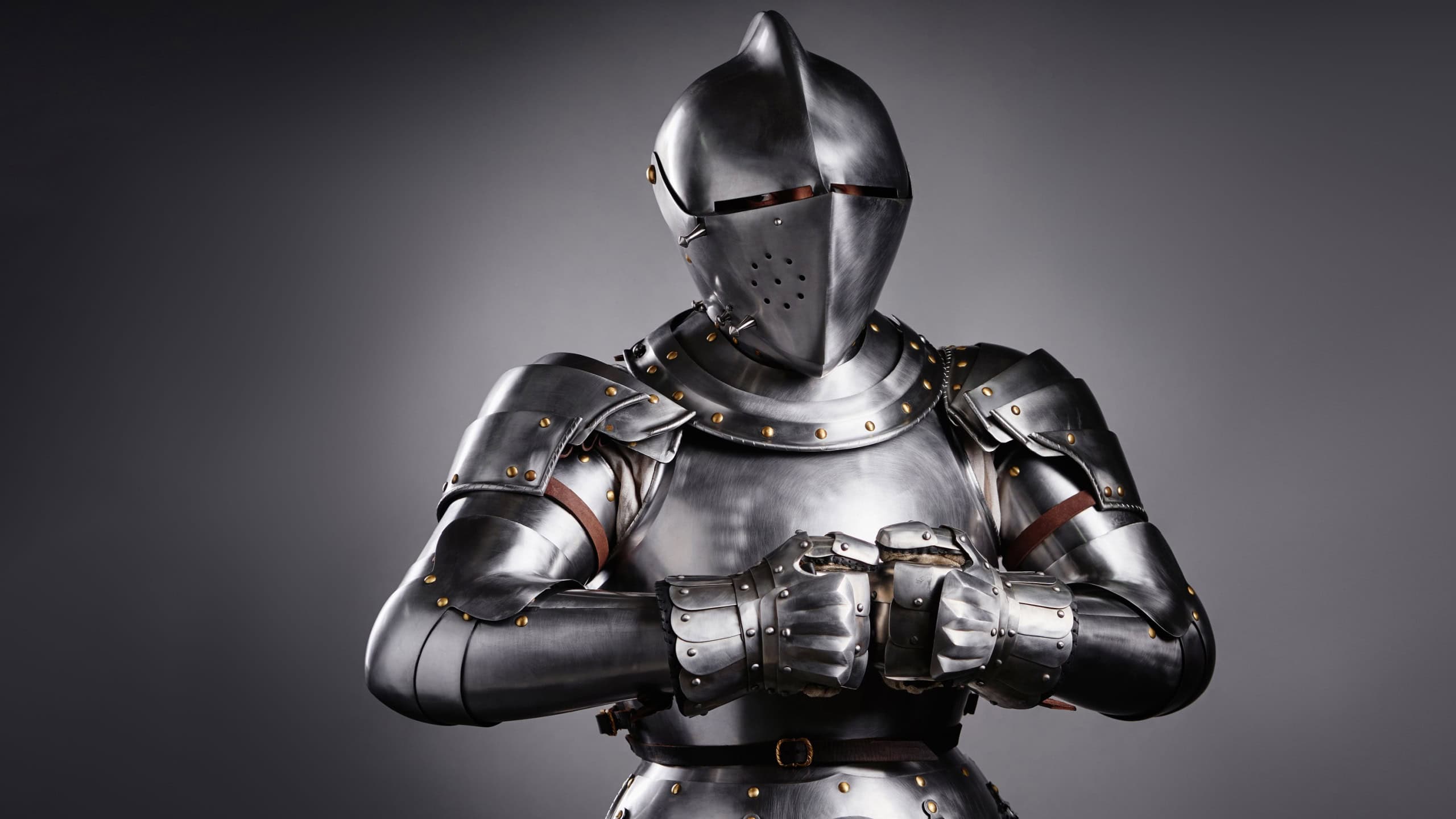
Passed during turbulent times under the rule of King Edward II, this law clearly outlines that any politician or member of nobility is prohibited from entering the House of Parliament while wearing armour.
Originally created so heavily armed barons couldn’t threaten the King while he was presenting new legislation, this 700-year-old law is still technically on the books today.
Royal claim over all whales and sturgeons (UK)

According to a law created in 1322 called Prerogativa Regis, all whales, sturgeons, or porpoises that happen to be found in British territorial waters or are beached become the property of the reigning monarch as “Royal Fish.”
The reason for this law was to fill the royal pantries with luxurious treats. One fisherman learned this the hard way in 2004, when he caught Europe’s largest giant sturgeon and had to present it to Queen Elizabeth II before he could sell it.
The legal mandate to smile (Milan)

In Milan, there is a law that states all citizens must always smile when in public. This law originated from an Austro-Hungarian decree which was enforced in Milan in the 19th century.
The law does give legal allowances for mourners, hospital workers, or someone sitting at a sick bedside, but other downtrodden pedestrians can technically be fined.
Prohibition on Sunday salmon fishing (Scotland)

Under the Salmon Fisheries (Scotland) Act of 1862, which gave statutory authority to age-old Scottish Sabbatarian laws, fishing for salmon or sea trout on Sunday with either net or rod is illegal.
Sabbath-breaking laws have since been repealed in most places, but Scotland still technically enforces this rule throughout the nation’s waterways.
No fake mustaches in church (Alabama, US)

In Alabama, it’s illegal to wear a fake mustache while inside a church if doing so prompts unseemly laughter. Established in the 19th century to prevent mischievous actors from disrupting church services with ridiculous fake facial hair, the oddly specific law was never repealed.
It is still on the books because it is encompassed in a larger Alabama law preventing unlawful gatherings.
Handling salmon under “suspicious circumstances” (UK)

In UK law, Section 32 of the Salmon Act makes it illegal to handle salmon in “ suspicious circumstances.” Although the phrase sounds like something straight out of a comic skit, the section was designed and written concisely to crack down on anti-poaching sting operations by criminalizing the possession of salmon if you suspect it was caught illegally.
Illegal to be drunk in charge of a cow (UK)

In the UK, according to Section 12 of the Licensing Act 1872, it is illegal to be drunk while in charge of cattle, or of a horse, carriage, or steam-engine upon a highway. Implemented during the Victorian era to remove inebriated farmers and drivers from highways, laws against being drunk in charge of an animal today carry normal penalty fines.
Shaking carpets or rugs in street (London, UK)

Beating or shaking carpets, rugs or mats is prohibited in the Metropolitan Police District under Section 60 of the Metropolitan Police Act 1839. The law was enacted to help prevent dust and dirt from being ruffled onto the busy streets of Victorian London. However, door mats can be legally beaten in the street provided it’s before 8: 00 am.
No gambling or cursing in public libraries (UK)

Under the Library Offences Act 1898, gambling, betting, or swearing in public libraries is a specific criminal offence. Passed during the Victorian era with the intent of keeping Reading rooms tranquil and orderly, violation of the law today can net you fines for disturbing the public peace amongst the book stacks.
The common law of bathroom access (Scotland)

Based on older Scottish common-law hospitality rules for travellers, there exists a long-standing rule of customary law that states if a person knocks upon your door and requests access to your toilet facilities, you are legally required to let them enter your premises.
Although it has seldom, if ever, been challenged in a court of law, this rule has been confirmed by legal experts to have been derived from unrepealed customary hospitality duties.
Banning street ice slides and doorbell pranks (UK)
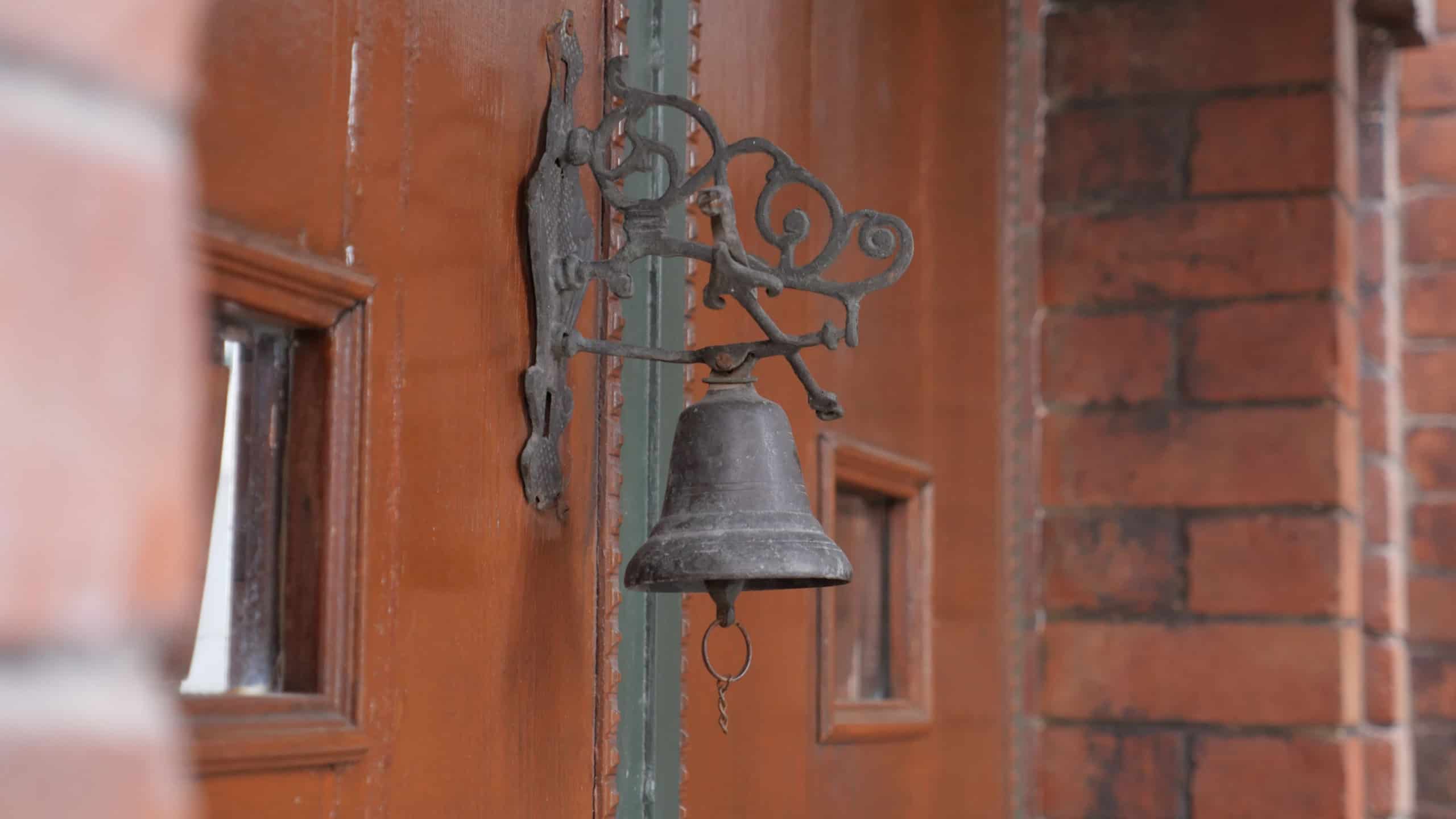
Section 54 of the Metropolitan Police Act 1839 prohibits citizens from flying kites, making slides on frozen sidewalks, or intentionally ringing doorbells without having a reasonable excuse.
Passed as an attempt to control unruly street gangs of young men in Victorian-era London, the anti-social behaviour clauses are technically still valid law.
Posting a stamp upside down (England)
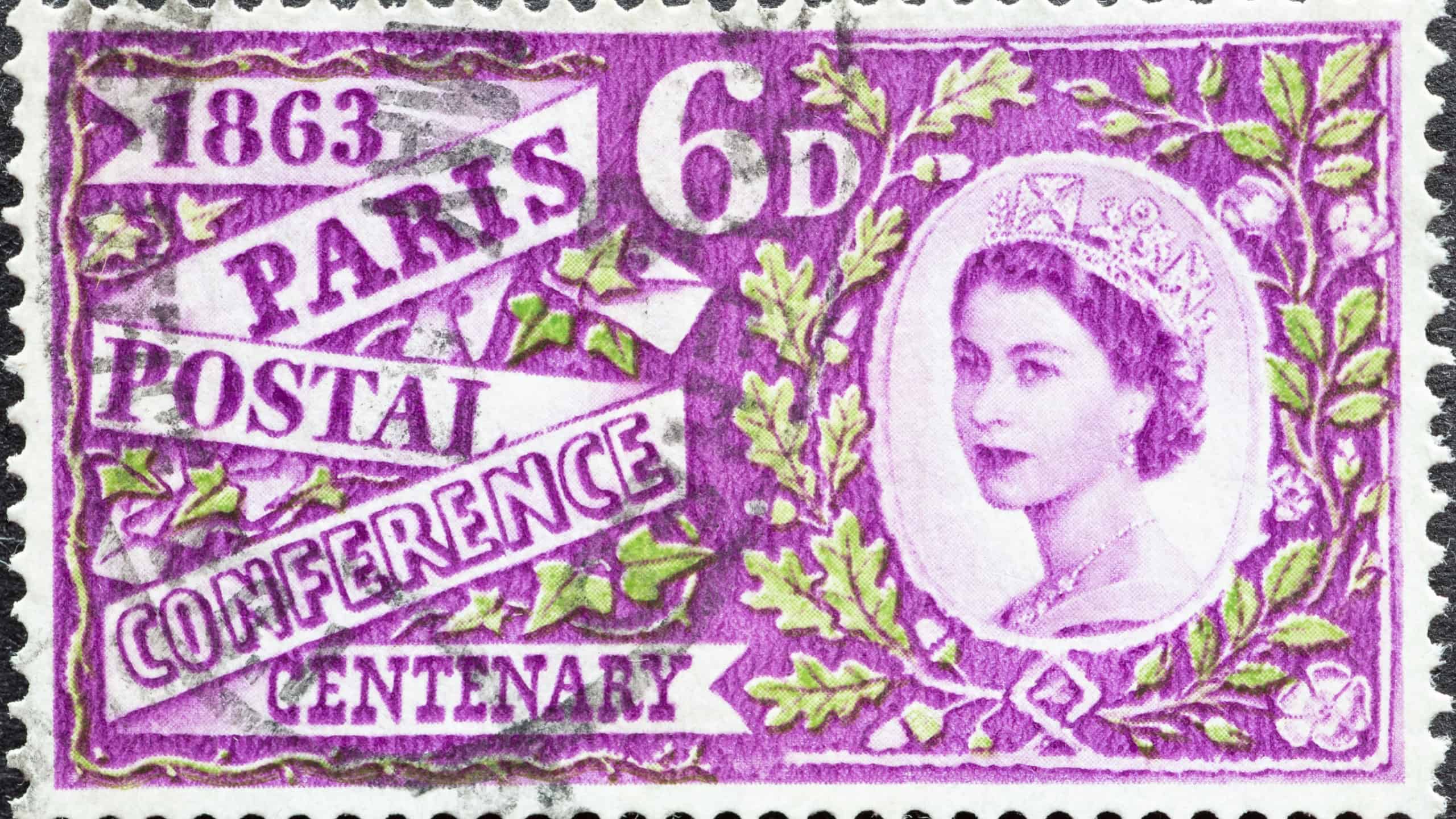
In British law, putting a postage stamp upside-down, with the monarch’s head facing downwards, can be considered high treason or an offense of treasonably defacing the image of the Crown. Postal workers won’t arrest you for it these days, but the law has yet to officially be repealed.
Railway kissing ban (France)

In 1910, French rail officials enacted a decree outlawing kissing on train platforms. Created during the busy era of early 1900’s train travel, long goodbyes and overt displays of affection were creating dangerous overcrowding and missed train departures at major Paris stations. Platform kisses are technically still illegal, but today’s ticket agents don’t issue citations or arrests for platform affection.
Banning football in streets (England)

Back in 1314, King Edward II issued a proclamation banning the playing of football inside the city walls. Entire neighborhoods would play giant mob-style football matches through the streets and marketplaces, creating noise, destroying property, and turning frequently violent.
While Edward’s proclamation isn’t technically law today, it started centuries of on-and-off restrictions on street football.
Carrying planks on sidewalks (London, UK)

Another clause still extant from the Metropolitan Police Act 1839 states that it is illegal to carry anything long like a plank, ladder, pole, cask, tub or hoop along a footway if it impedes people walking. This clause was designed to keep pedestrians safe on the often narrow Victorian sidewalks by preventing them from being obstructed by pedestrians pushing large objects along.
Sources: Please see here for a complete listing of all sources that were consulted in the preparation of this article.
Like our content? Be sure to follow us