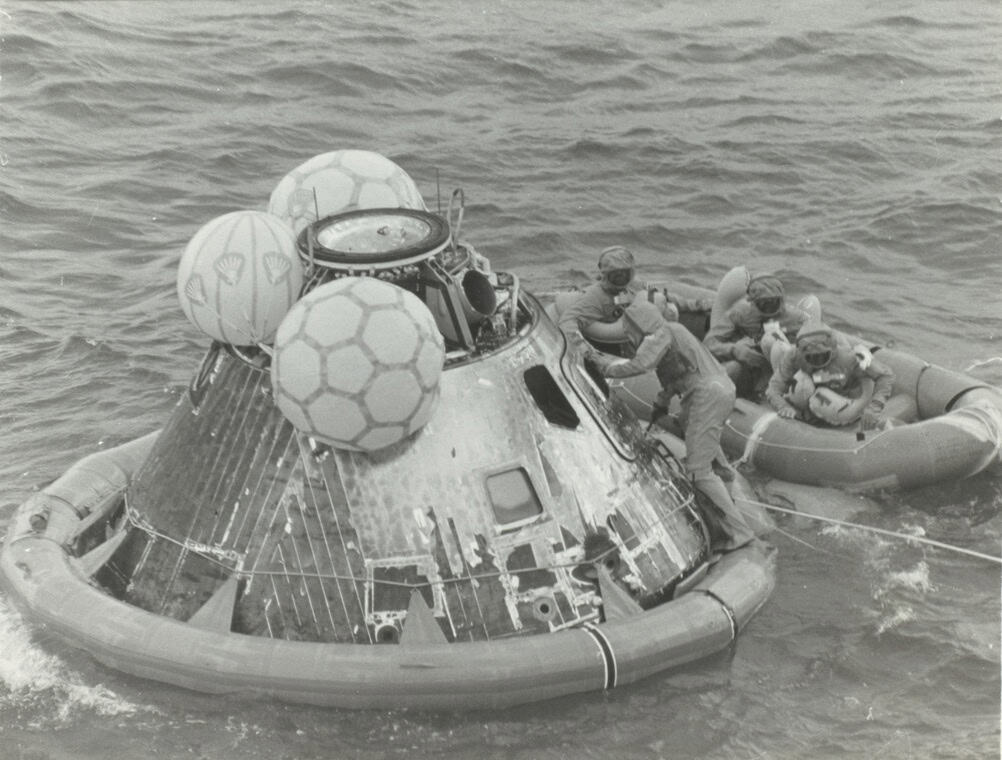
For those who lived through 1969, these events might feel like they happened just yesterday.
The moon landing
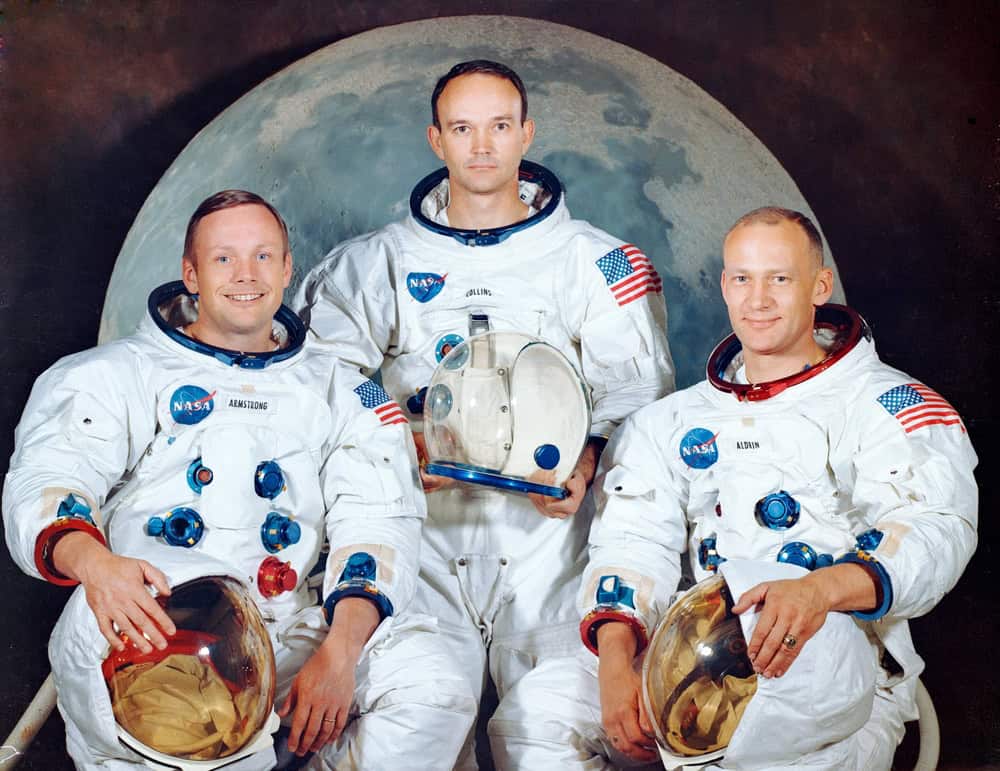
On 20th July 1969, Neil Armstrong and Buzz Aldrin became the first people ever to set foot on the moon after landing there. Millions looked on as Armstrong took his first cautious steps on the lunar surface and spoke the now-famous words, “one small step for man, one giant leap for mankind.” For those who witnessed the broadcast as children, this is likely to remain a lasting memory.
Woodstock festival
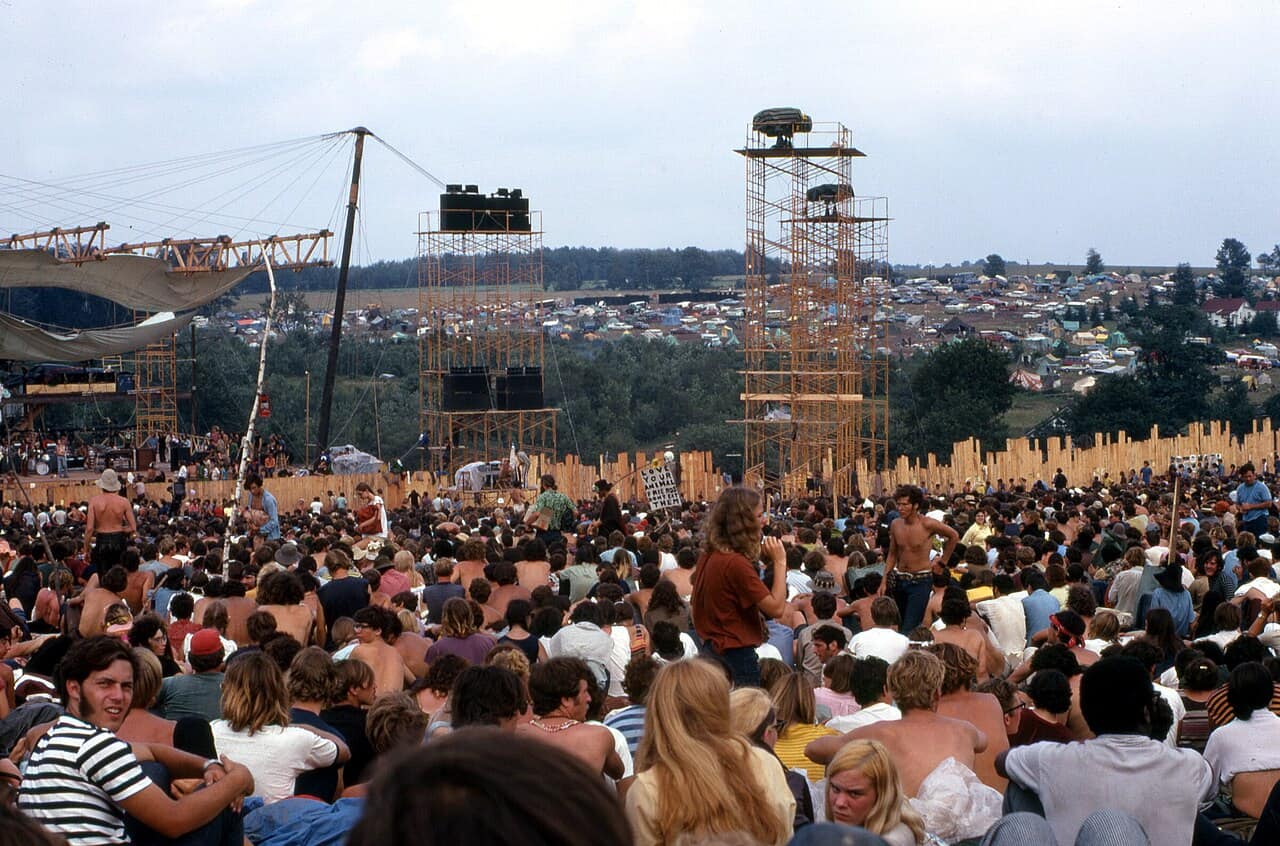
Approximately 400,000 people attended the Woodstock Music Festival over a weekend in August 1969. Held on a small farm in Bethel, NY, the concert showcased some of the greatest musicians of the time (Jimi Hendrix, Janis Joplin, etc.). Despite facing relentless rain and a shortage of food, the festival came to represent the hippie counter-culture of that era. It’s still remembered as a celebration of peace and music during a period of considerable social unrest.
The Beatles’ rooftop concert
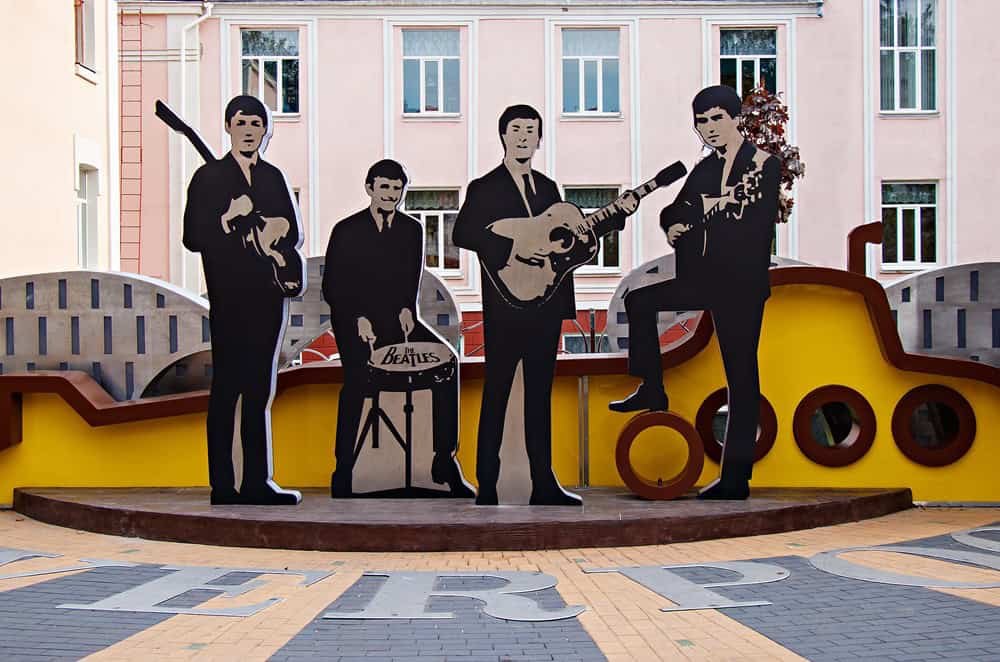
The Beatles played a concert from the roof of the Apple Corps building in central London on 30th January 1969. Many people stood on the pavement underneath and listened as the band performed, singing songs such as “Get Back”.
They continued for approximately 42 minutes until the police stopped them after reports of the disturbance. This would go on to become the last time all four Beatles performed in front of a live audience.
Sesame Street premiered
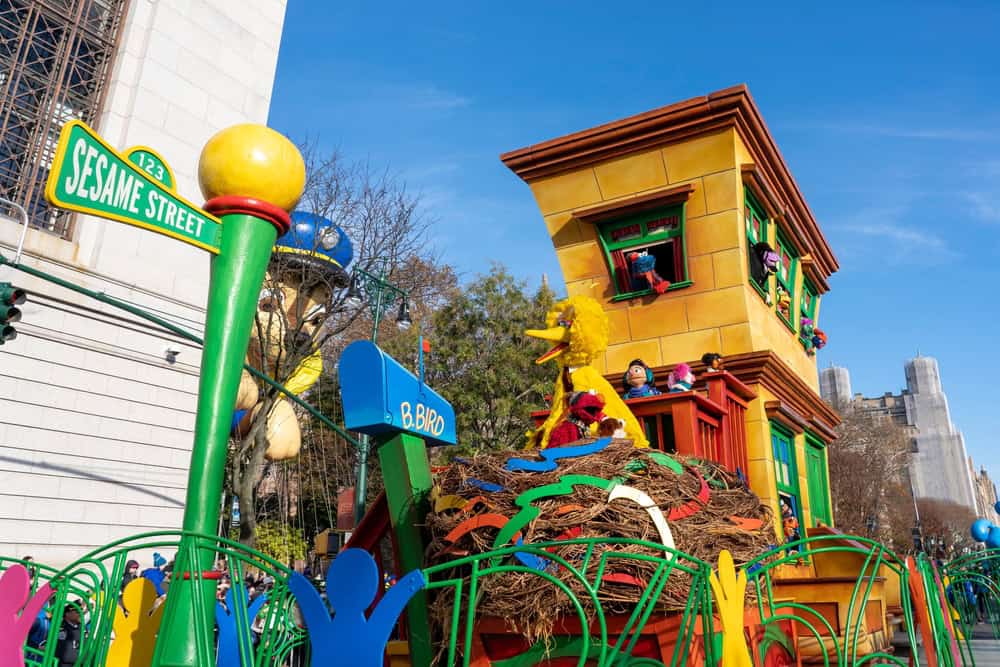
Sesame Street first aired in the USA on the 10th of November, 1969. The programme introduced children to a colourful neighbourhood where learning could be fun. Some of the best-known characters include Big Bird and Oscar the Grouch. Since this show first came to air, it revolutionized children’s TV, allowing them to learn to read, count, etc. in a fun environment.
Nixon became President
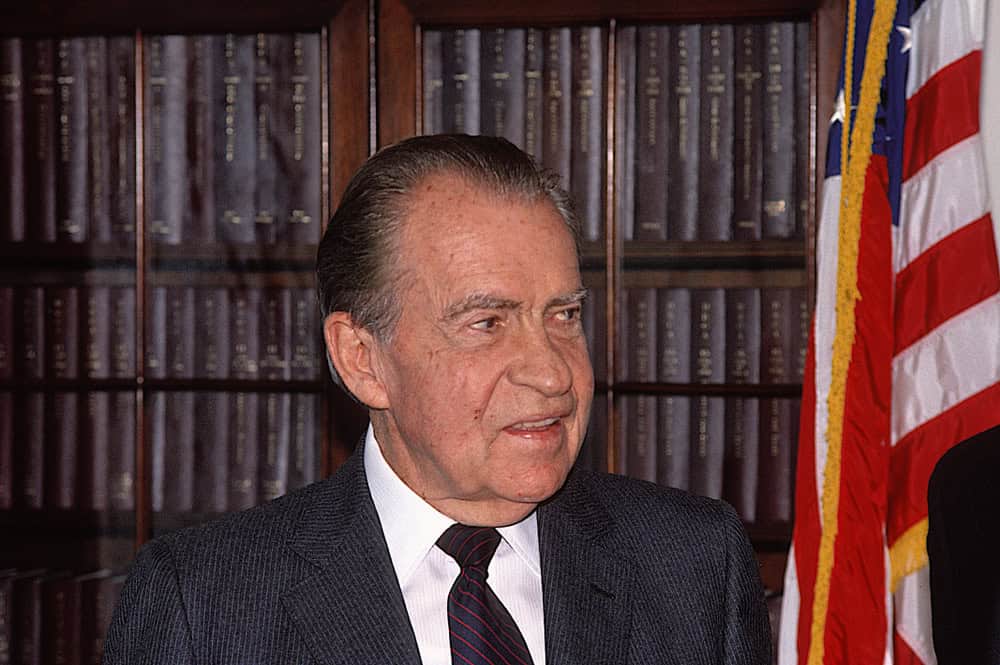
On 20 January 1969, Richard Nixon became the 37th President of the US. At the time, the country was deeply involved in the Vietnam War, and many were hopeful that it would end under Nixon’s leadership. No one knew at the time that Nixon would go on to become the only US President to ever resign.
The Manson murders
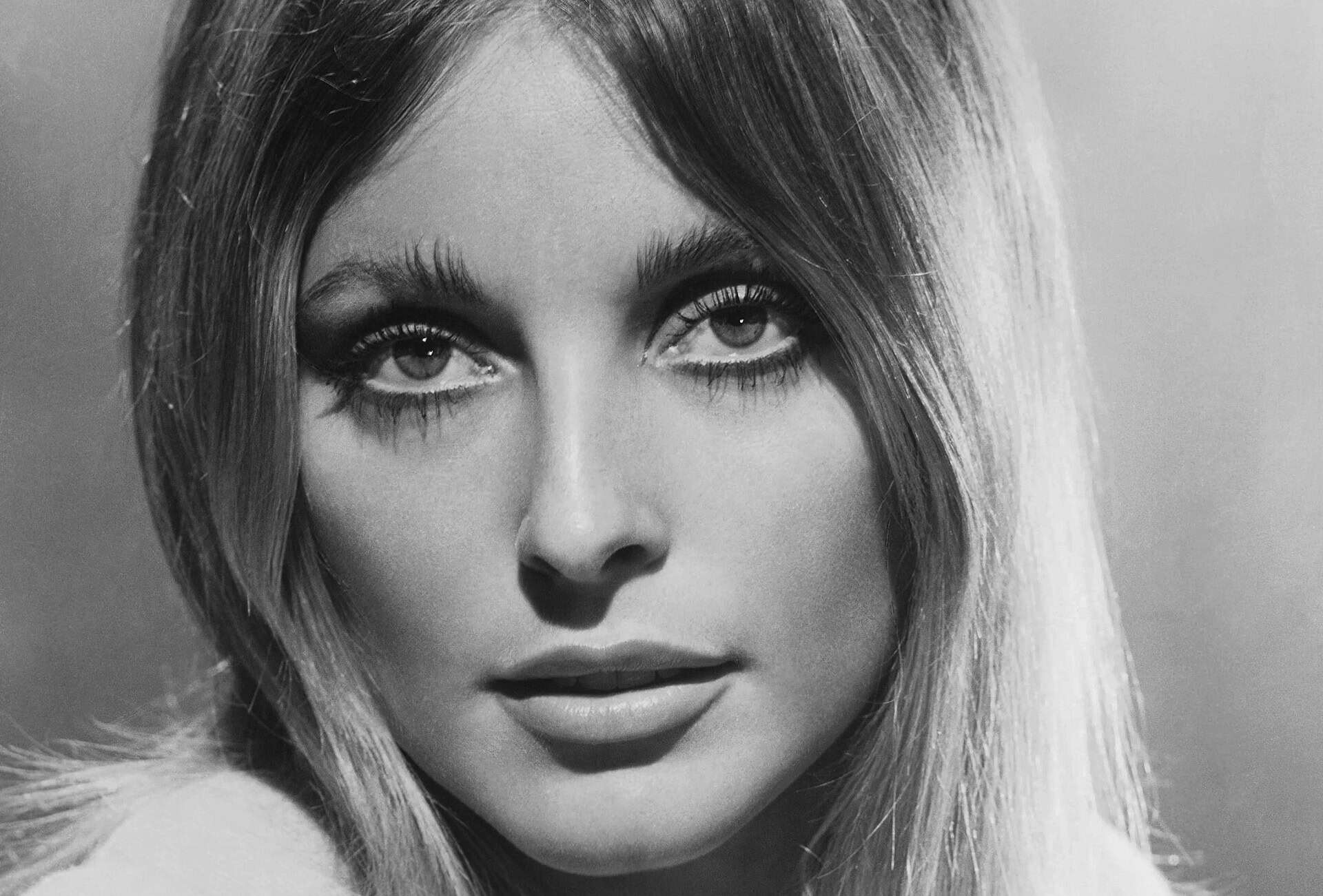
Members of Charles Manson’s cult carried out several horrific murders across California in August 1969, one of which was that of Sharon Tate, an actress then 8 months pregnant with her unborn child. The press gave the events extensive coverage, and many citizens were left appalled. For many, it shattered the idealistic image of the 60s as a carefree time of peace and love.
Concorde’s first flight
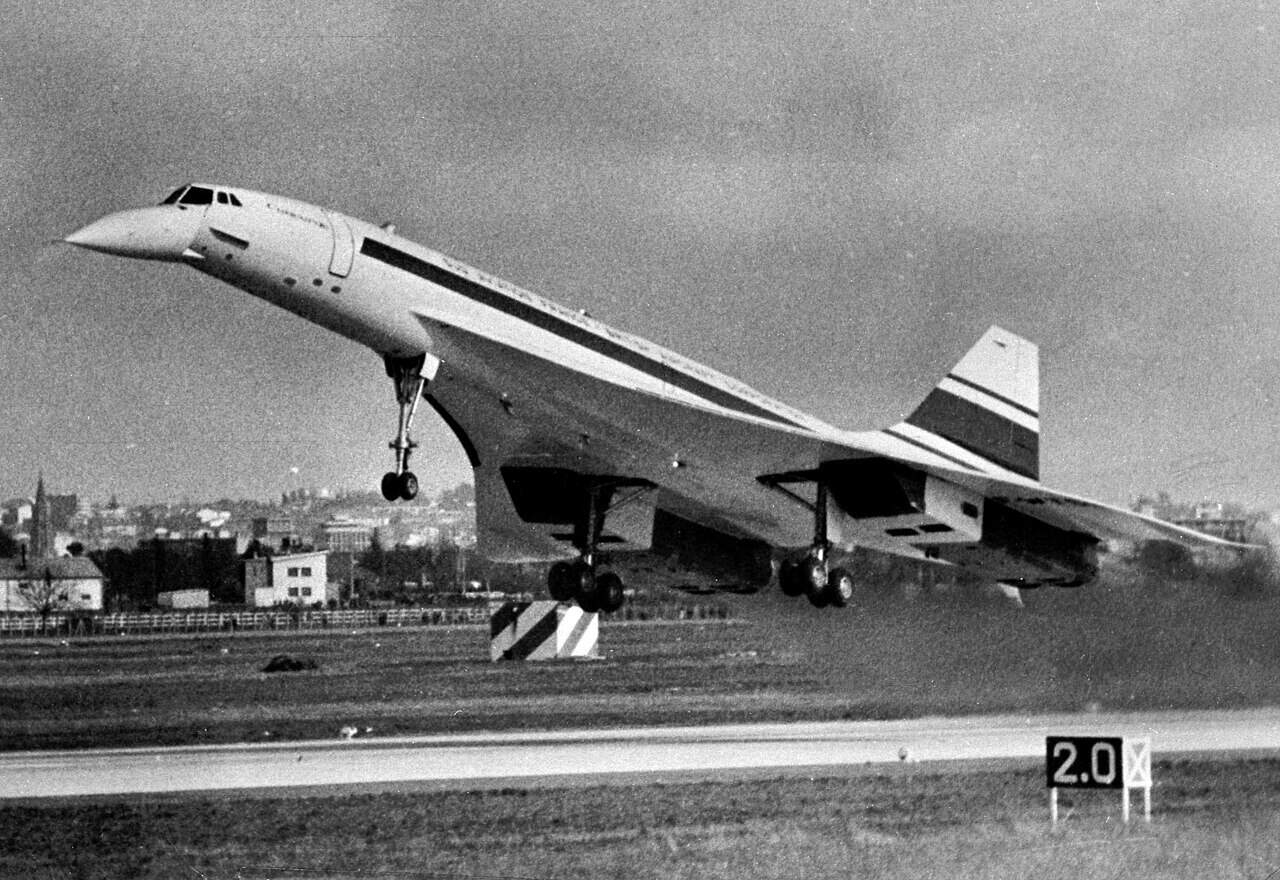
The first test flight of the Concorde took place on 2nd March 1969 out of Toulouse in France. It was designed by France and the UK to facilitate supersonic flights for passengers, eventually allowing people to fly across the Atlantic Ocean in just over 3.5 hours. There was great anticipation and excitement when it took to the skies for its maiden voyage.
The Stonewall uprising
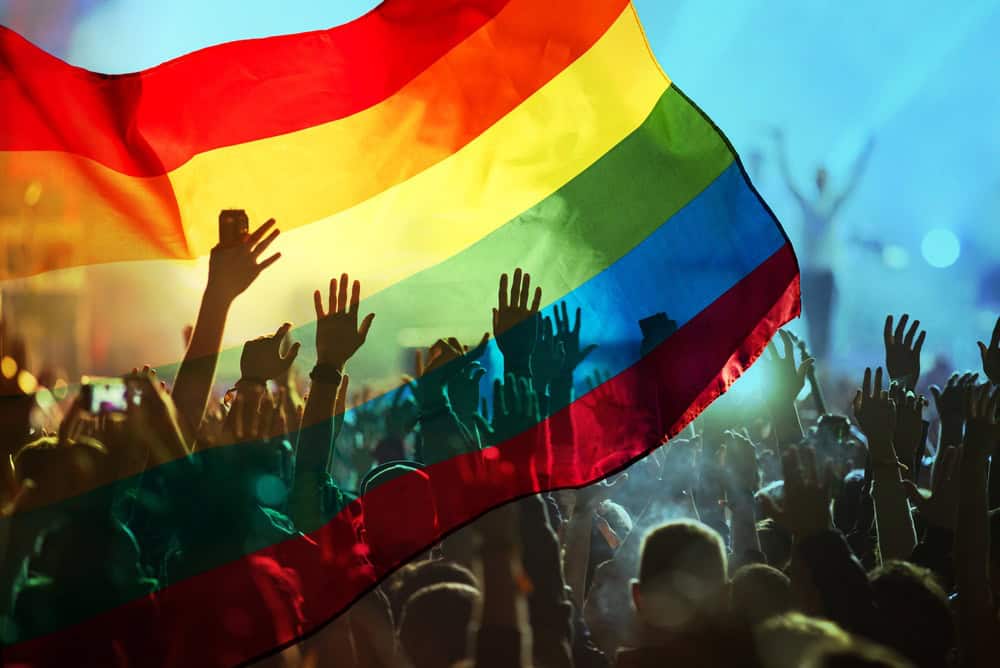
A police raid on the Stonewall Inn on 28th June 1969 sparked protests across NYC for a number of days. Gay men, lesbians and other minorities pushed back against many years of police oppression. This was a major turning point in the modern gay rights movement. It also helped inspire the Pride marches that began the following year.
The first internet message
On the 29th of October 1969, researchers at UCLA tried to send the word “LOGIN” to a computer at the Stanford Research Institute. The remote machine crashed after receiving just the letters “L” and “O”. So, the very first communication across ARPANET (early version of the Internet) was the string “LO.”
The Brady Bunch debuted
Brady Bunch first aired on 26th September 1969 and featured what would become an iconic American family. It told the story of a widowed father and a mother who joined their combined 6 children after marrying. The show did not achieve huge ratings figures while it was actually being shown but became very successful as a result of repeats.
The Chappaquiddick incident
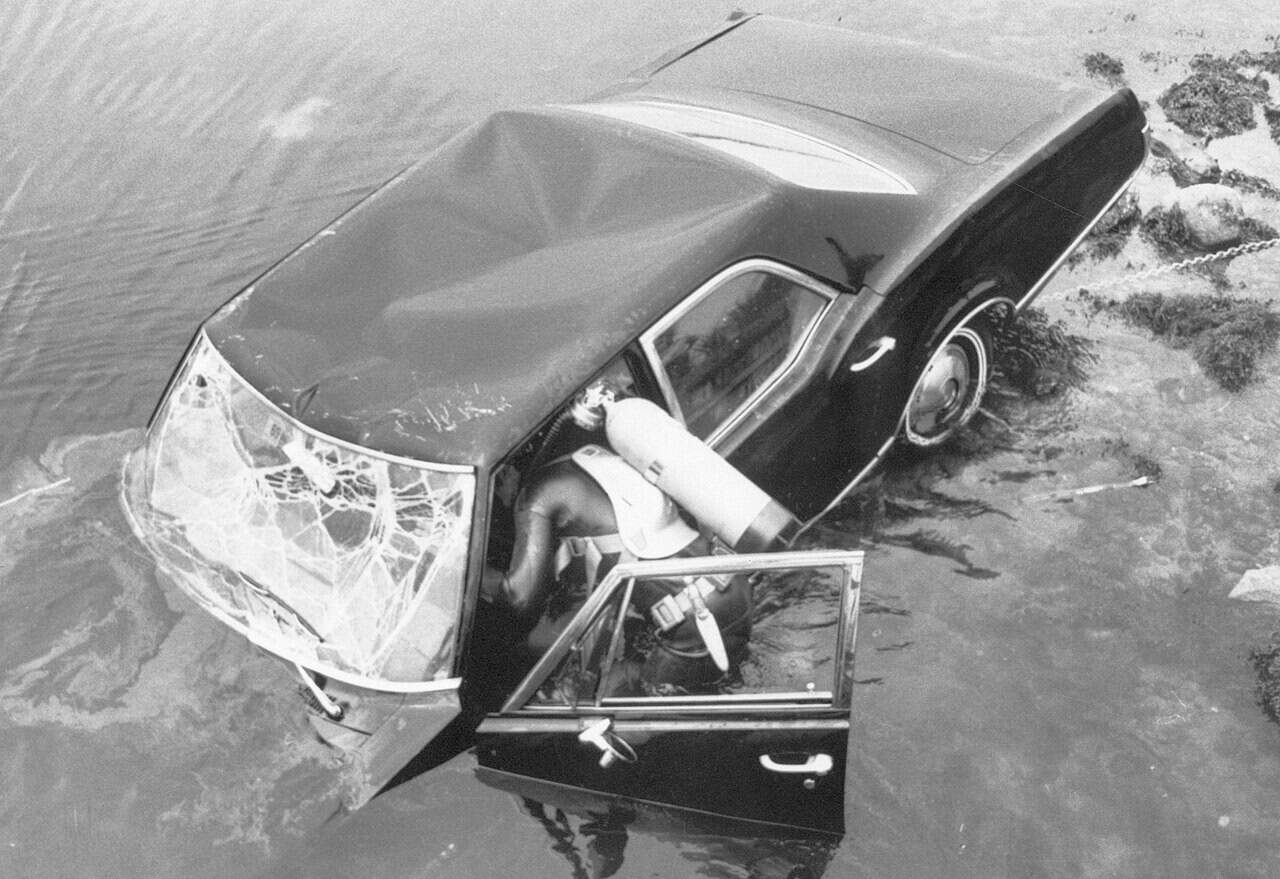
On July 18th, 1969, US Senator Ted Kennedy crashed his car over a bridge on Chappaquiddick Island, MA. His passenger, Mary Jo Kopechne, was killed as a result of the crash. Although he managed to get out of the car, he only contacted the police the next day. This event went on to have a lasting negative effect on Kennedy’s public image for the rest of his life.
The first Boeing 747 flight
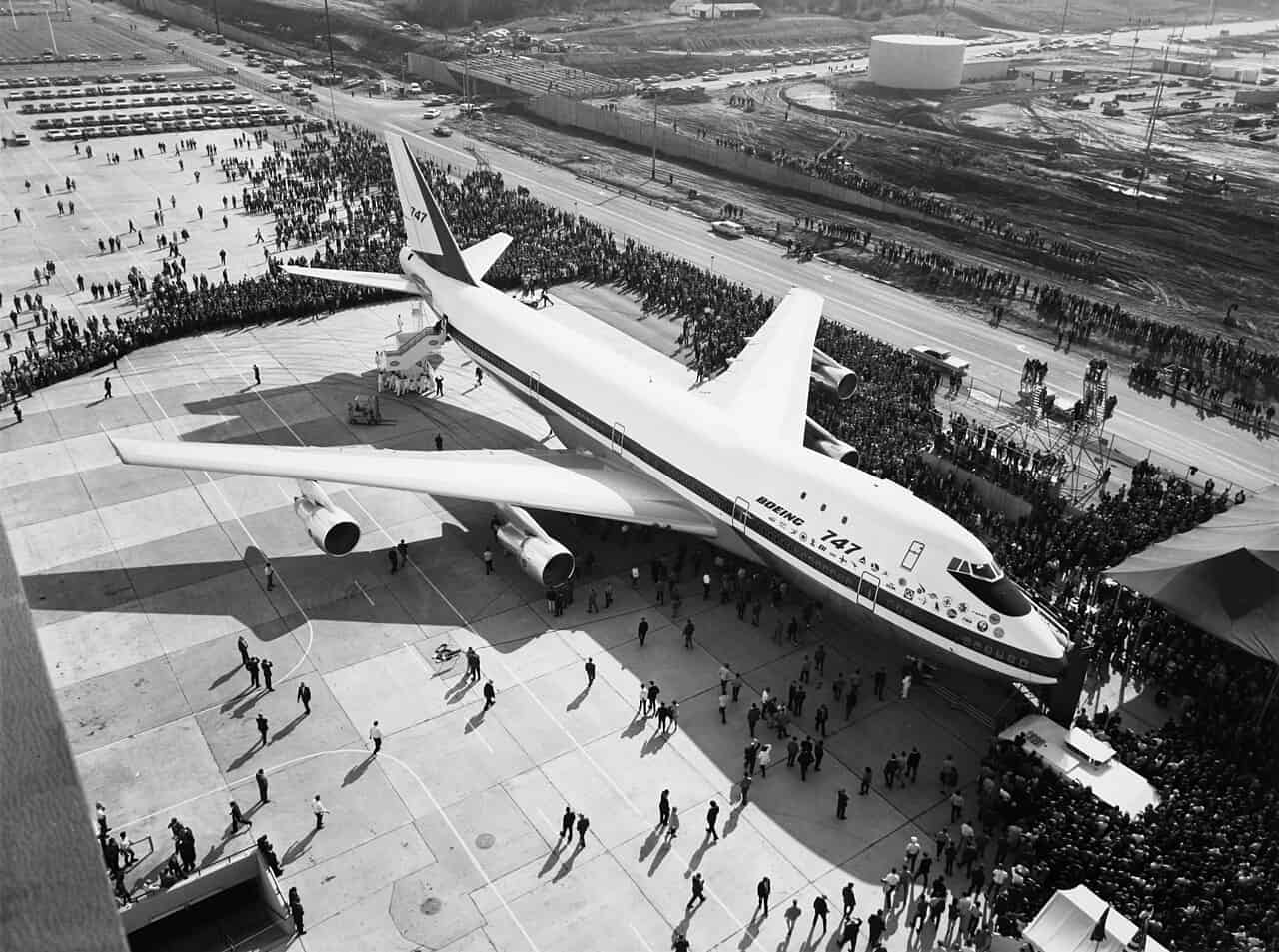
The Boeing 747 made its maiden flight on the 9th February 1969. With its huge dimensions and prominent ‘hump’, it presented a very different image from other airliners at the time. It quickly acquired the nickname ‘jumbo jet’ and allowed an increased number of travellers to fly around the globe. It went on to be an iconic sight in the skies for many years.
The Vietnam War moratorium
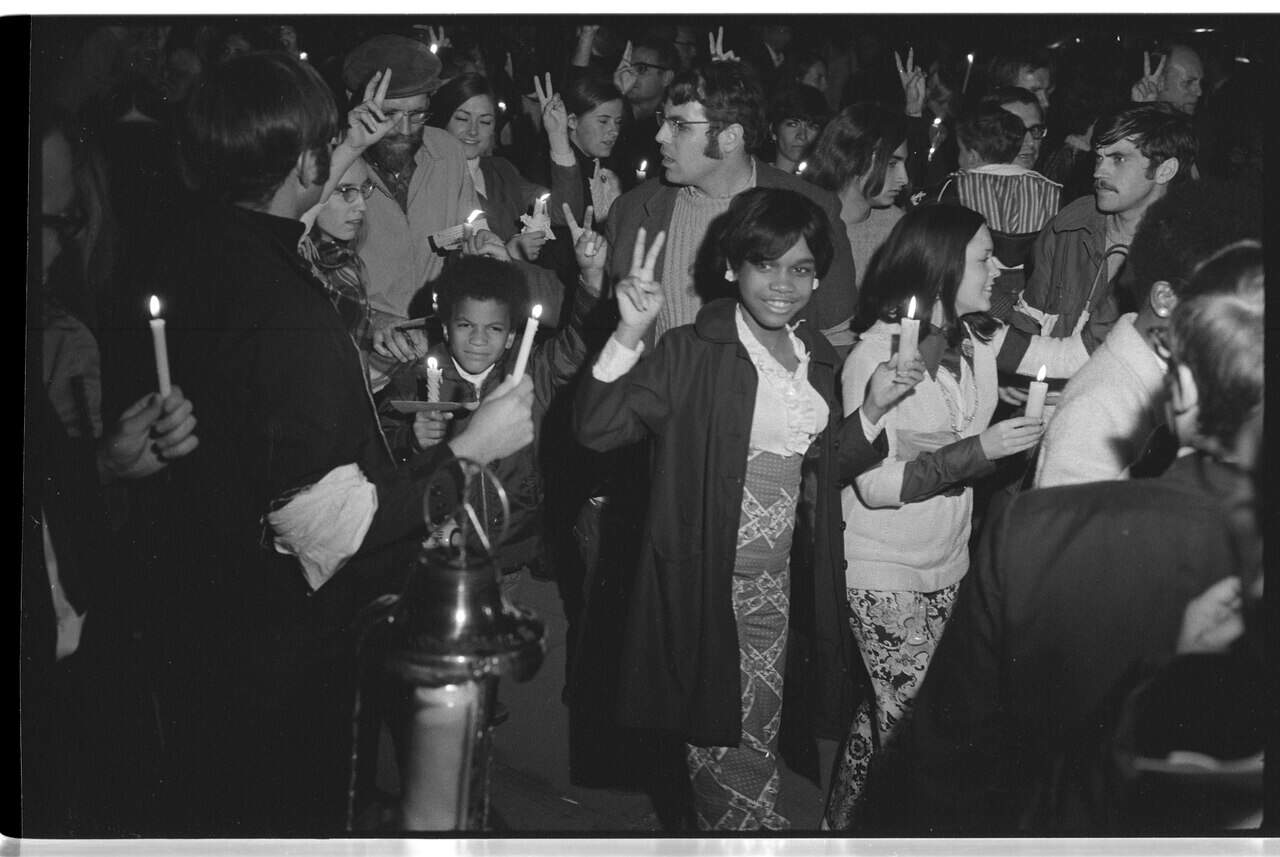
On October 15, 1969, millions of Americans participated in demonstrations against the Vietnam War. Known as the Moratorium to End the War in Vietnam, the event brought together people from many different backgrounds. Another massive anti-war demonstration took place in Washington, D.C., the following month. These protests showed just how deeply the war had divided American society.
The Beatles released Abbey Road
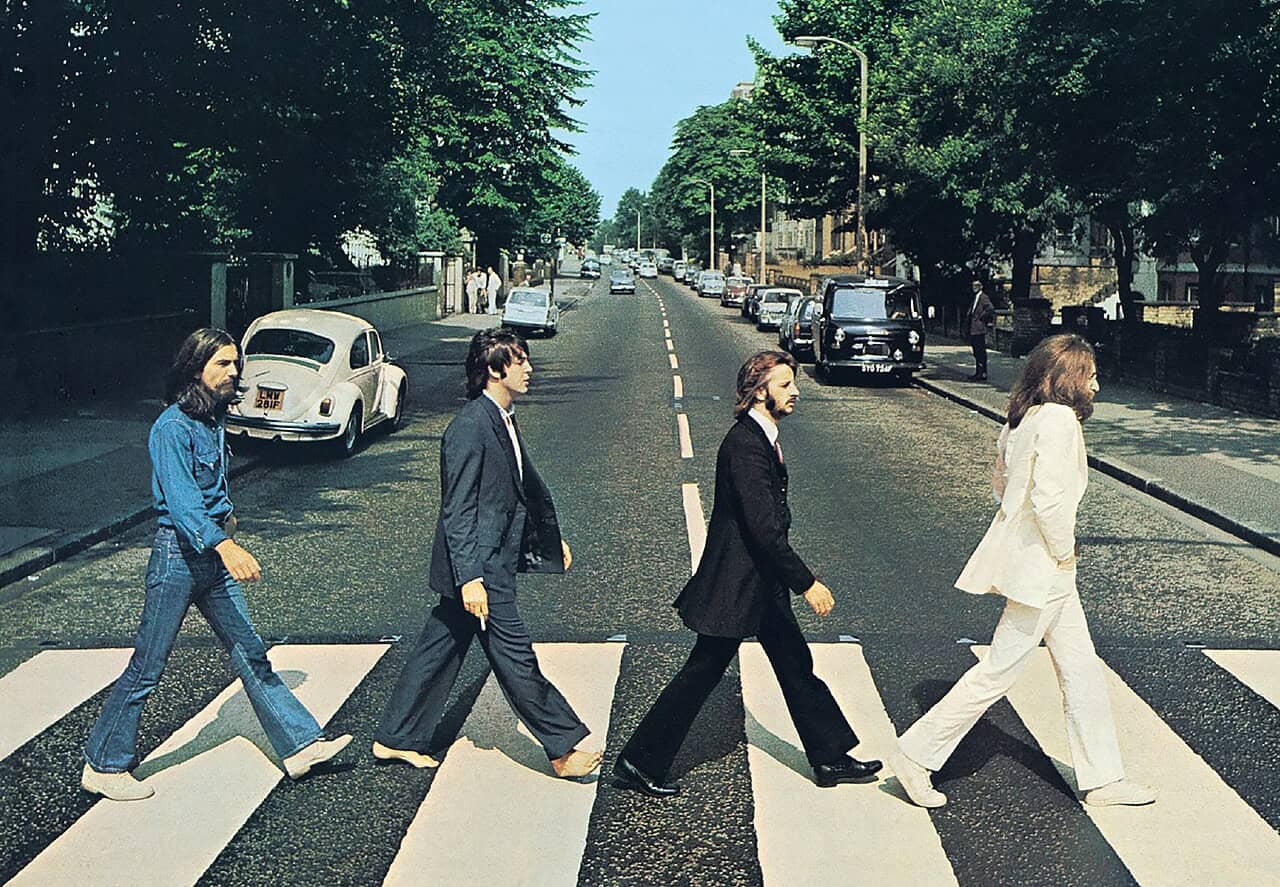
Abbey Road was issued in the UK on 26th September 1969 by The Beatles. Among the many hits included were Here Comes the Sun and Come Together. The photograph of the four band members walking across a pedestrian crossing became one of the most famous album covers in music history. Even today, fans visit the London crossing to recreate the photograph.
The Altamont concert tragedy
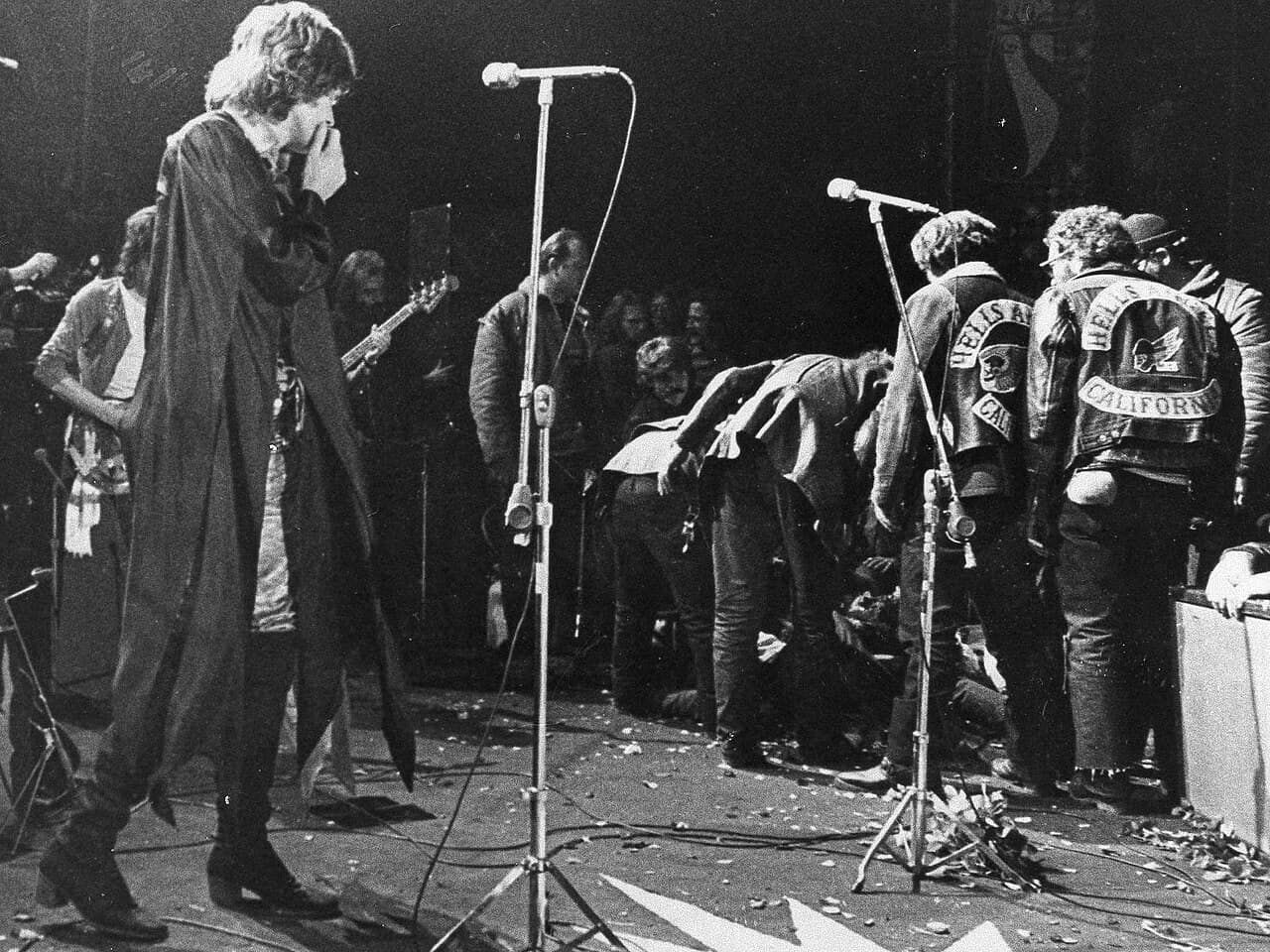
On 6th December 1969, the Rolling Stones played a free show at Altamont Speedway in California. It was intended to be a huge festival of rock ‘n’ roll, but turned violent. One of the spectators, an 18-year-old called Meredith Hunter, was killed when stabbed by one of the Hells Angels (a biker gang hired to help with crowd control).
Sources: Please see here for a complete listing of all sources that were consulted in the preparation of this article.
Like our content? Be sure to follow us.
Kids raised in the 60s and 70s had 9 common sense traits that are almost impossible to find nowadays

Kids in the 60s and 70s often had to figure things out for themselves, and that taught them a lot about everyday life.
Kids raised in the 60s and 70s had 9 common sense traits that are almost impossible to find nowadays