
Canada’s linguistic map has been shaped by native tongues and early French settlements, resulting in unique spellings that bear little resemblance to English phonetic rules.
Etobicoke
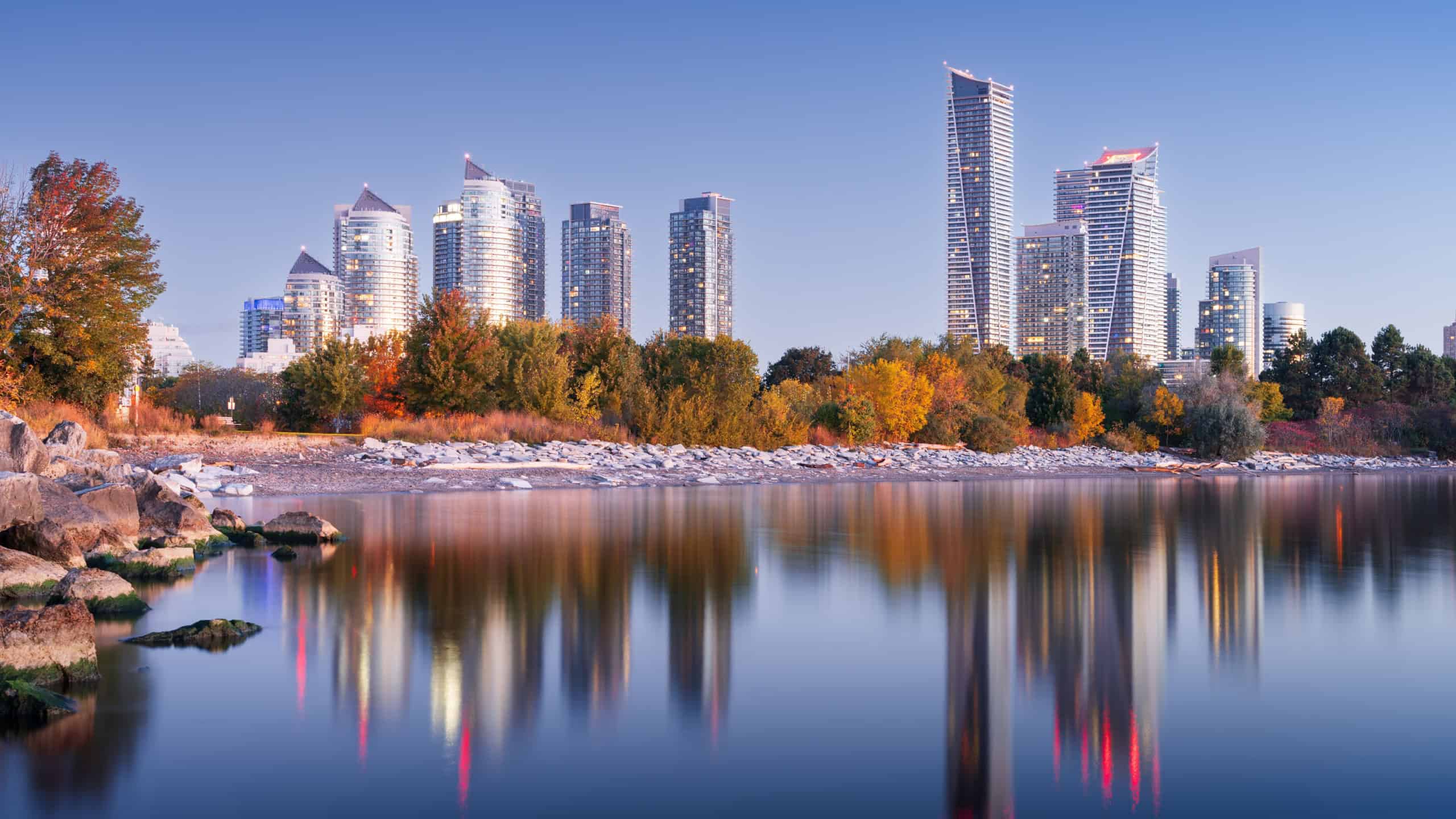
Toronto’s enormous western district is located along the Lake Ontario shoreline and is bordered by the Humber River. Etobicoke comes from an Ojibwe word wadoopikaang, which means “place where the alder trees grow.”
Etobicoke offers scenic lakefront parks, charming mid-century communities and trendy high-rise developments.
When pronouncing the name, forget about the “ke” at the end of the word. It’s pronounced “Eh-toh-bee-co” with a clipped “co” at the end.
Tsawwassen
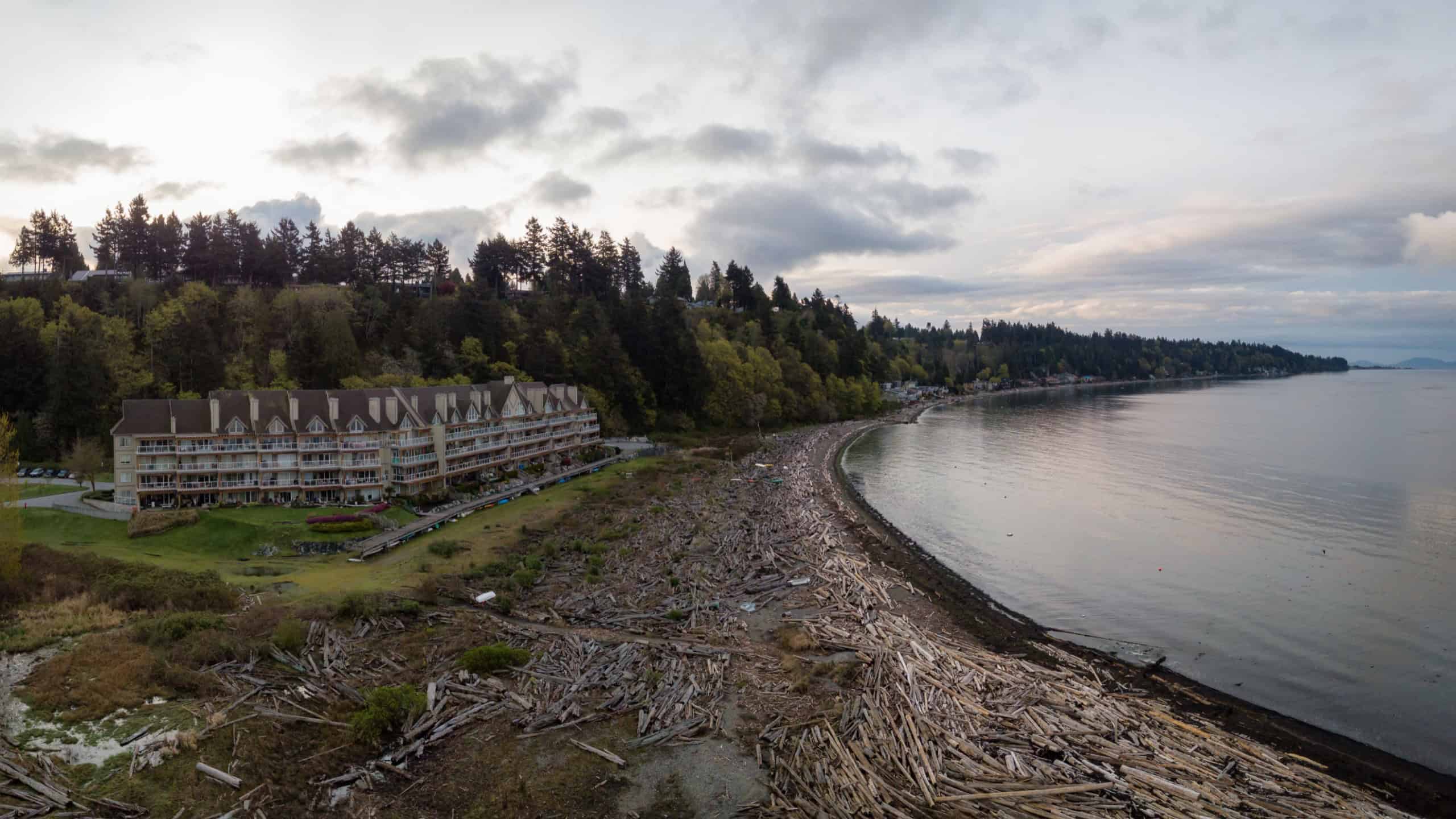
As a gateway ferry terminal serving Metro Vancouver with Vancouver Island and the Gulf Islands, thousands of tourists encounter this Coast Salish name every summer. Nestled on a peninsula that boasts some of the highest sunshine rates in the Pacific Northwest, it’s home to beautiful beaches and quaint seaside communities.
Though trying not to stutter on that first “Ts” will be instinctive for most travelers, the key is to pronounce it “Tah- wah- sen” (Or “Sah-wah-son” if you want to sound precisely like a local) by omitting the “T” altogether or pushing it down into a soft hiss.
Gananoque
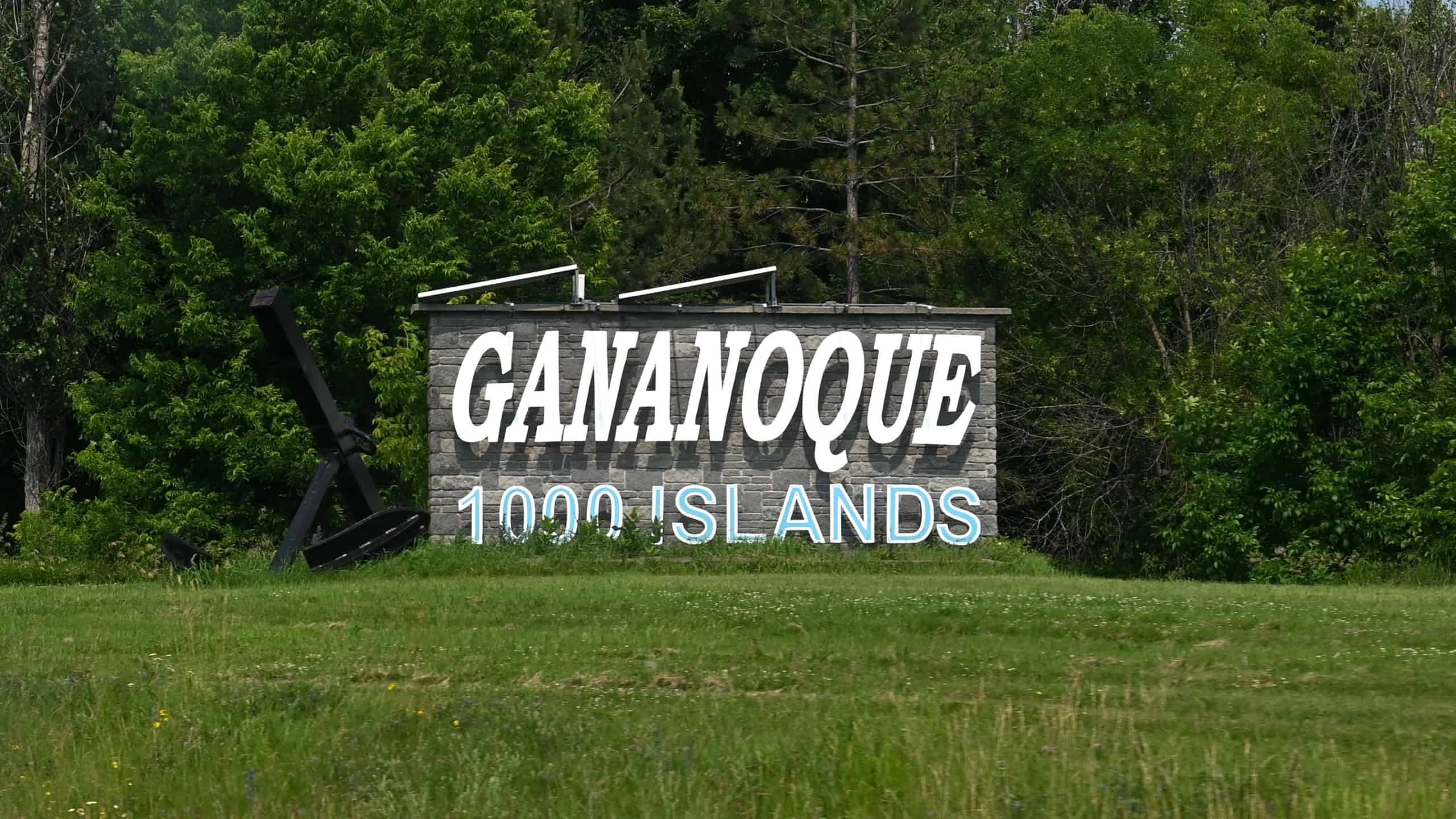
When residents of Gananoque, Ontario, say their town is the gateway to the beautiful Thousand Islands region, they aren’t exaggerating. Gananoque translates to “town on two rivers” in the local Native American language. The town boasts lovely antique brick buildings from the 1800s, a lively waterfront marina and harbour, and plenty of artistic talent.
The town’s name is pronounced as “Gan-an-ock-way.” The residents even have a saying to help visitors get through that third syllable: “The right way, the wrong way, and the Gananoque.”
Antigonish
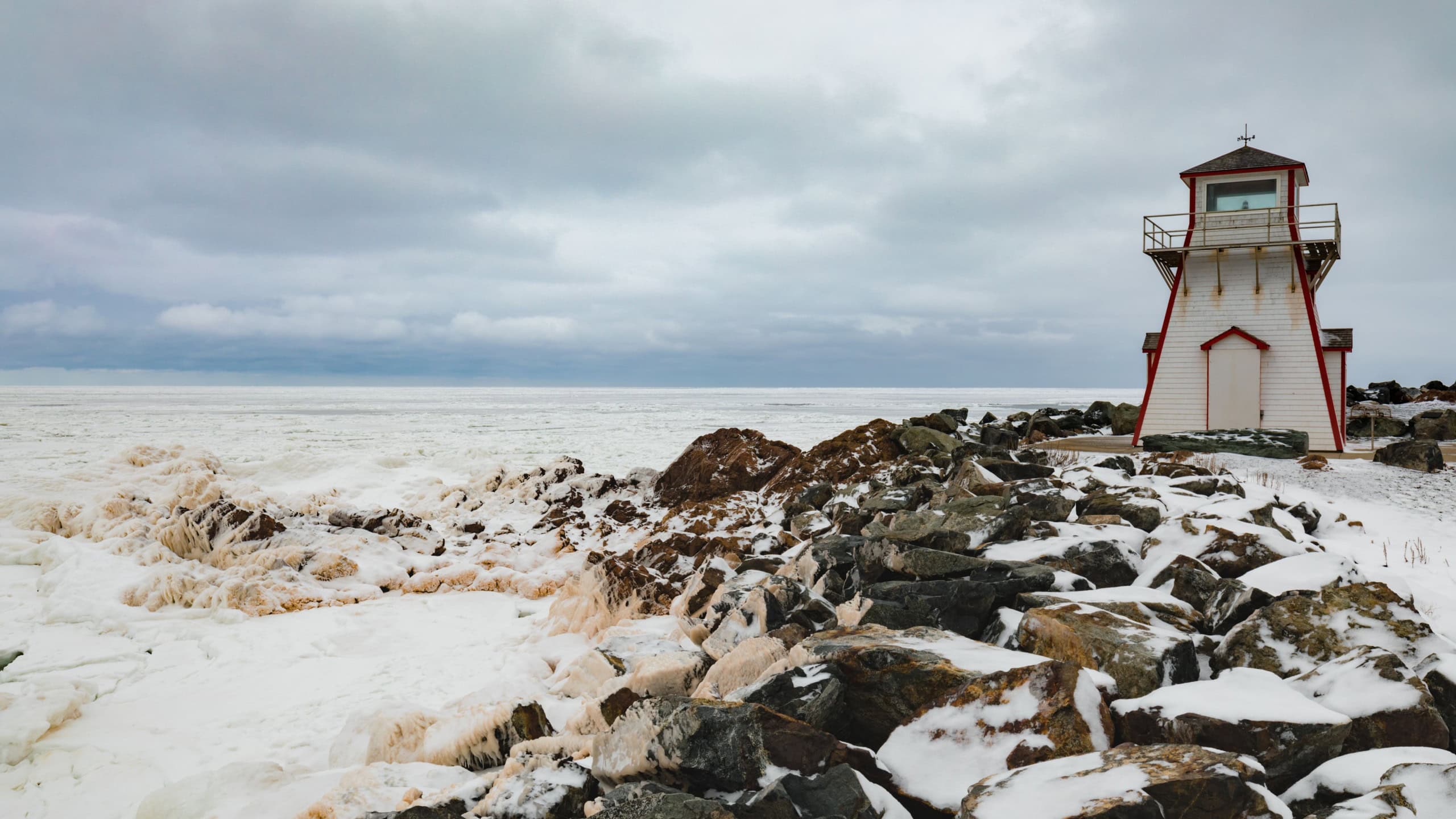
Located in the hilly region of north-eastern Nova Scotia, this collegiate city is one of the bedrock communities of Gaelic Canada and hosts the oldest ongoing Highland Games outside of Scotland. Visitors often trip over this Mi’kmaq word when checking in at the local motel after a long drive to visit the quaint downtown or the campus of St. Francis Xavier University.
Say it like a local: “An- tig-oh- nish”. Keep your tempo consistent and draw a harsh, clean accent on the third syllable.
Quidi Vidi
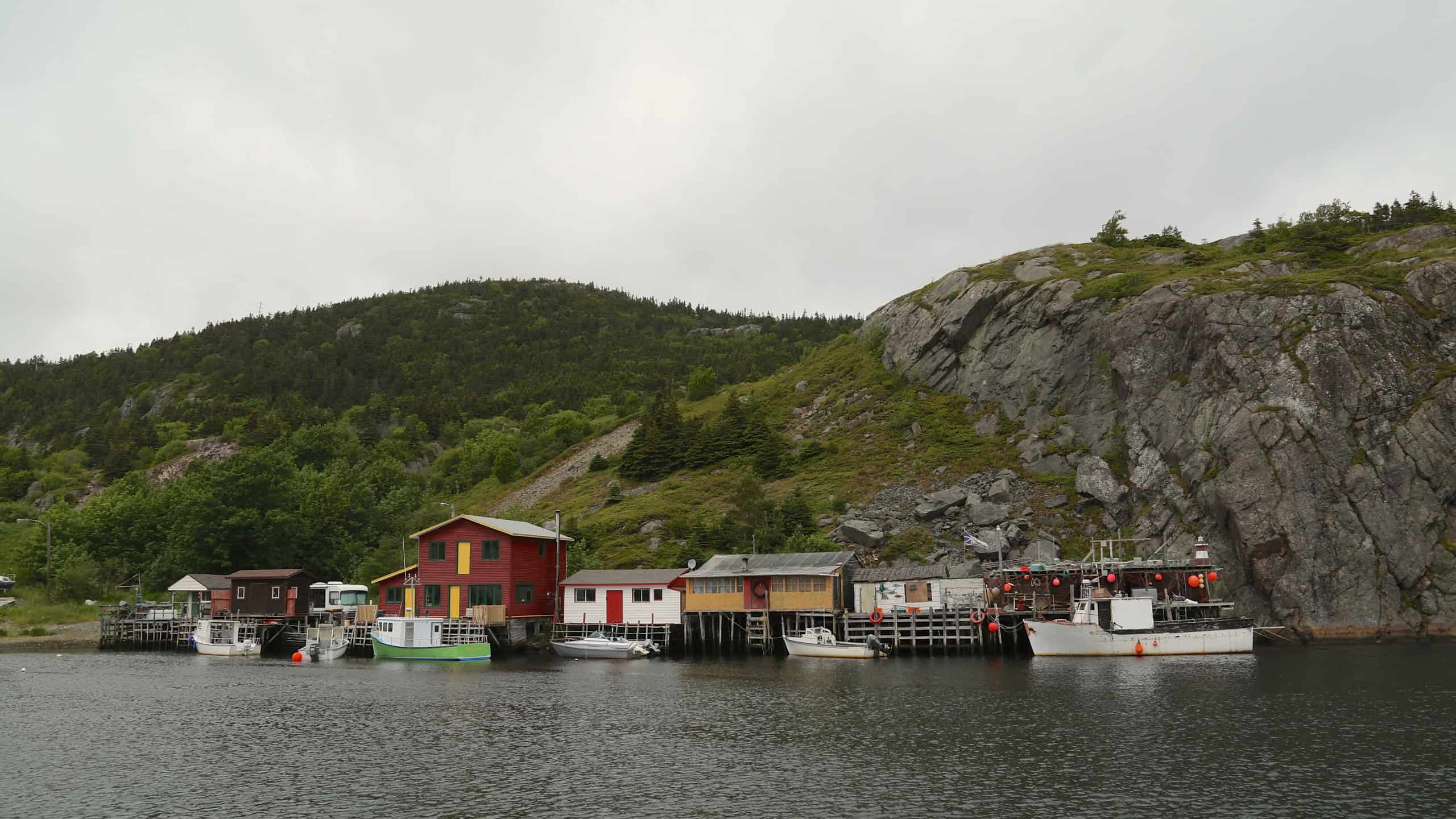
Nestled into a secret rocky cove just minutes from downtown St. John’s, this unbelievably historic, postcard-perfect fishing village features colourful stilt-houses perched atop cliffs overlooking an operating microbrewery on the wharf.
The name of the town may look classic Latin on the map, but generations of uniquely Newfoundland dialect have dulled the pronunciation over time until it simply sounds like “Kitti viti.”
Waskatenau
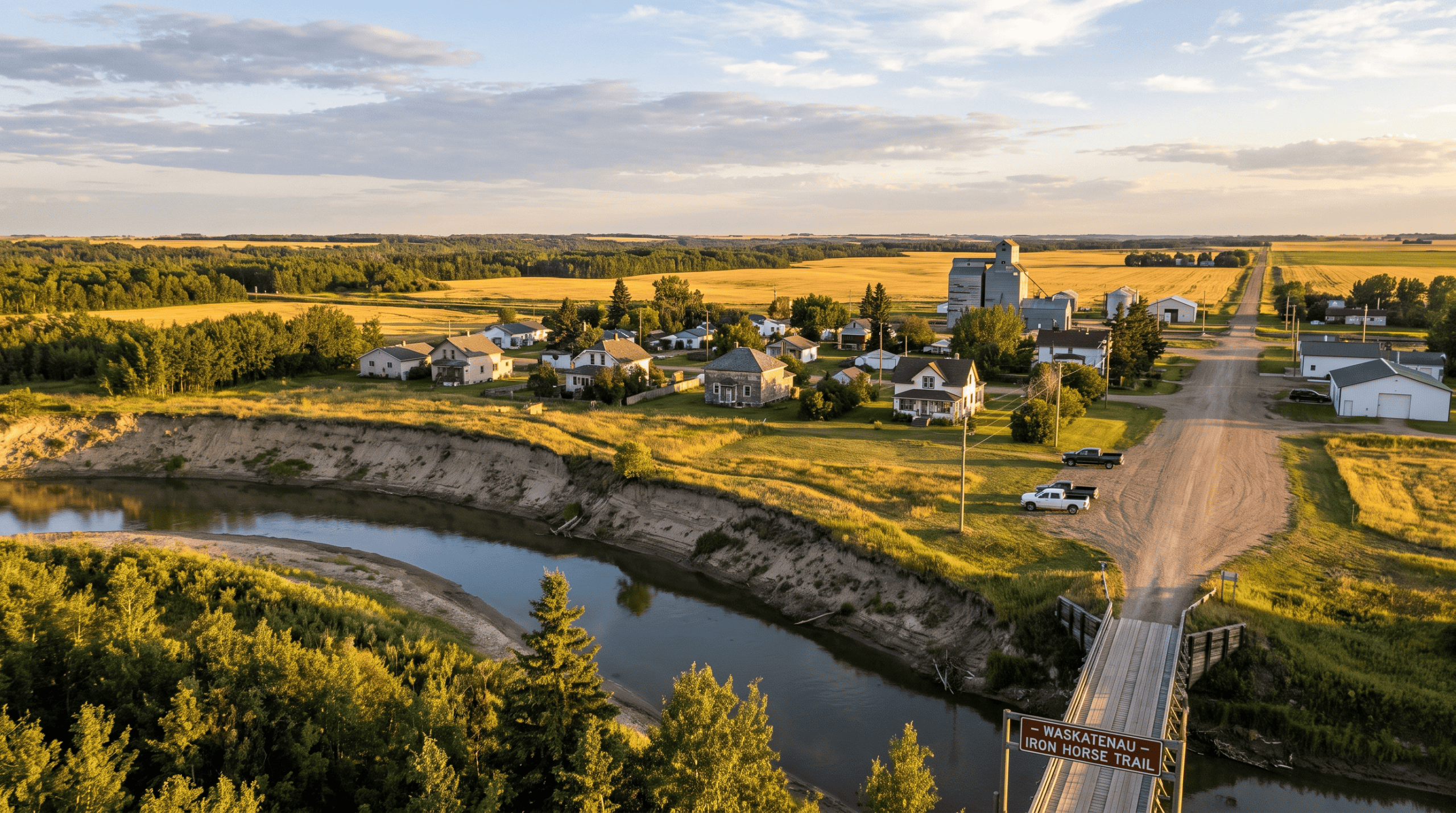
Named after a Cree word meaning “opening in the bank,” as in riverbank, this small town northeast of Edmonton is a quiet community situated beside a river valley. A sleepy agricultural centre on the Iron Horse Trail, it exemplifies quintessential prairie charm.
Trying to pronounce every written vowel and consonant from the highway sign correctly is wrong; to the locals, both the “k” and the “au” are silent. So the correct way to pronounce it is as “Was-et-na.”
Coquitlam
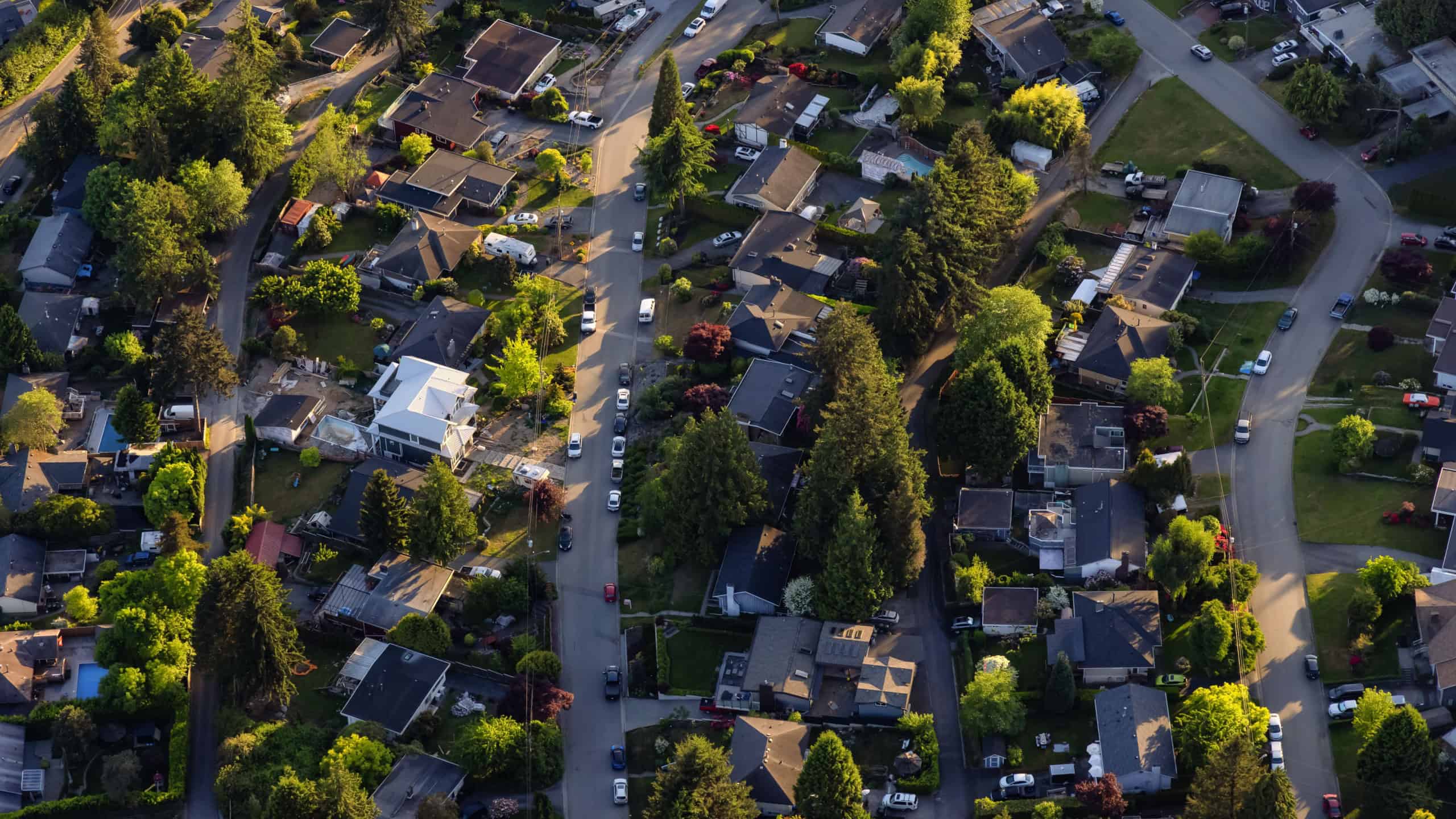
One of three cities making up the booming Tri-Cities region of Metro Vancouver, this fast-growing municipality climbs from the banks of the Fraser River into picturesque mountain pathways.
Travelers try to tack on the rolling, extra syllable right in the middle of the name, but it’s pronounced quickly and abruptly: “Ko- kwit-lum.”
François
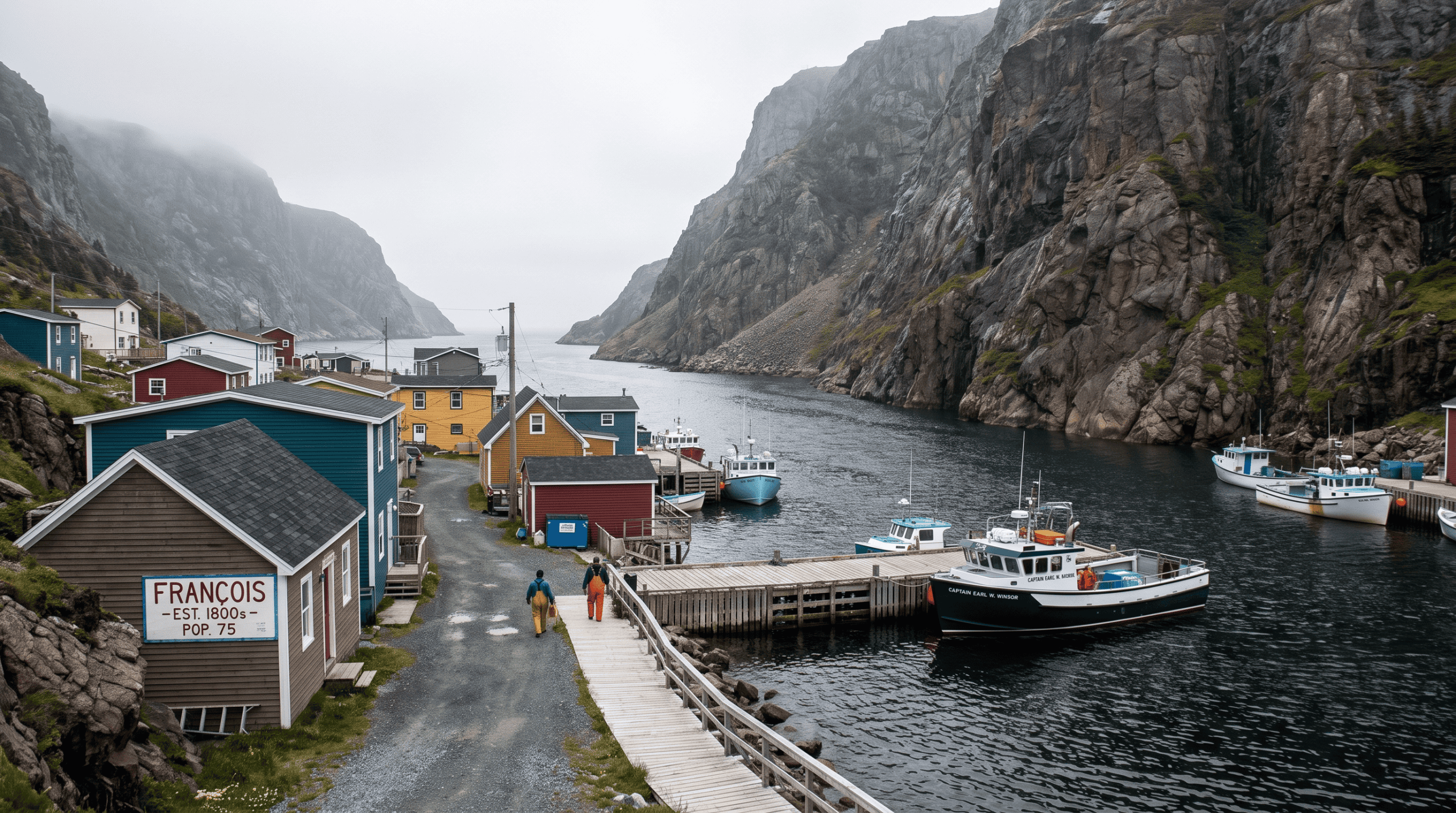
Though this picturesque and remote Newfoundland outport community on the south shore looks completely French, the pronunciation is very local. Nestled within a steep inlet that resembles a fjord, it’s only accessible by sea or coastal ferry.
Since there are no roads or cars, you’ll have to ask for your ticket to “Fran-sway”. Say the classic, “Fran-swah” and you will reveal yourself as a visitor before setting foot on shore.
Oromocto
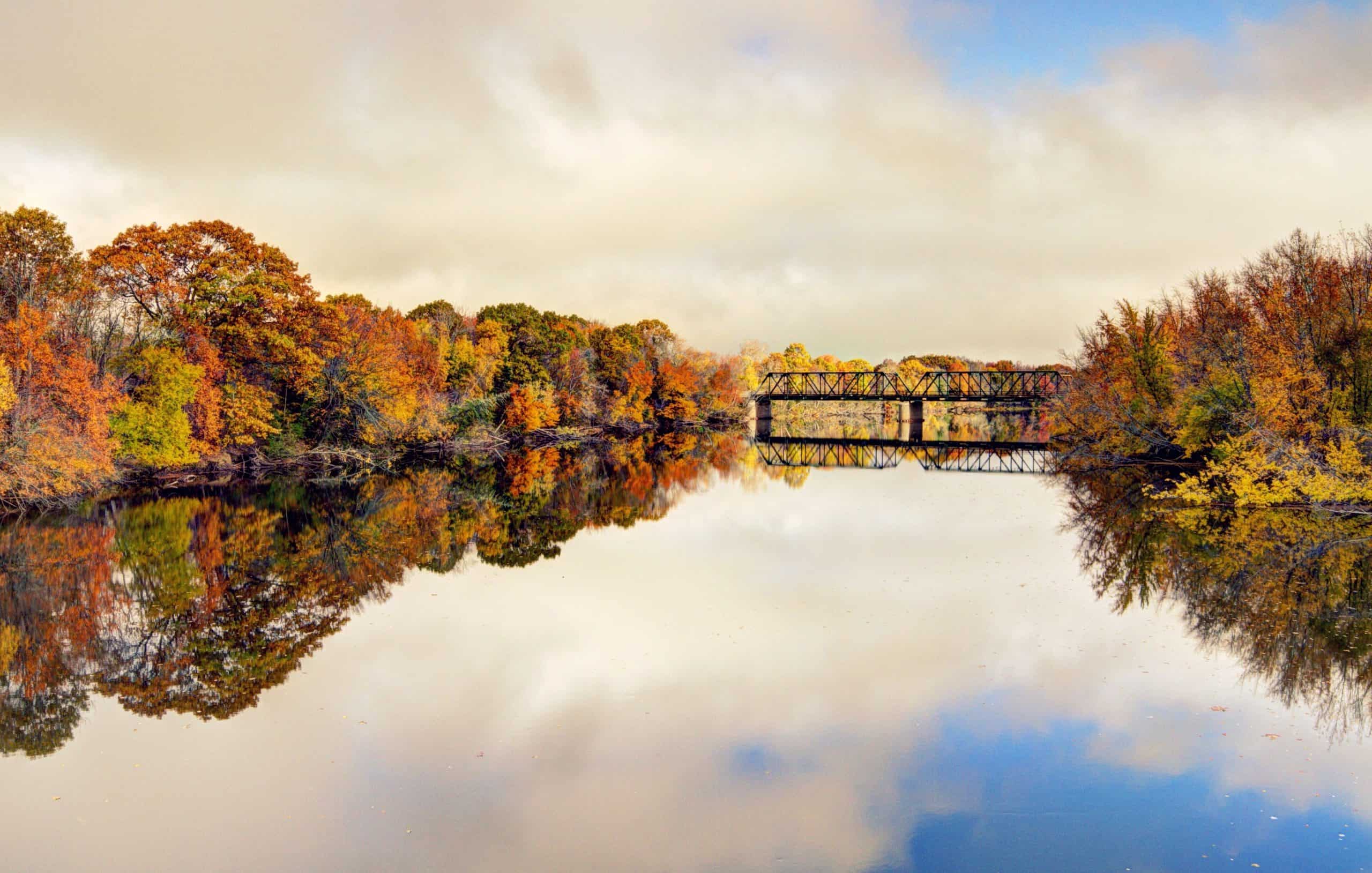
Located on the Saint John River, this town is characterized by its trail system and by being host to one of the largest military training facilities in the Commonwealth, CFB Gagetown. The town is named after the Maliseet term Welamooktook, meaning “good river.”
Tourists often end up mispronouncing the name by misplacing the emphasis; it rolls off the tongue easily if you say “Oh-ruh-mock-toh” without stretching out the end vowels.
Ucluelet
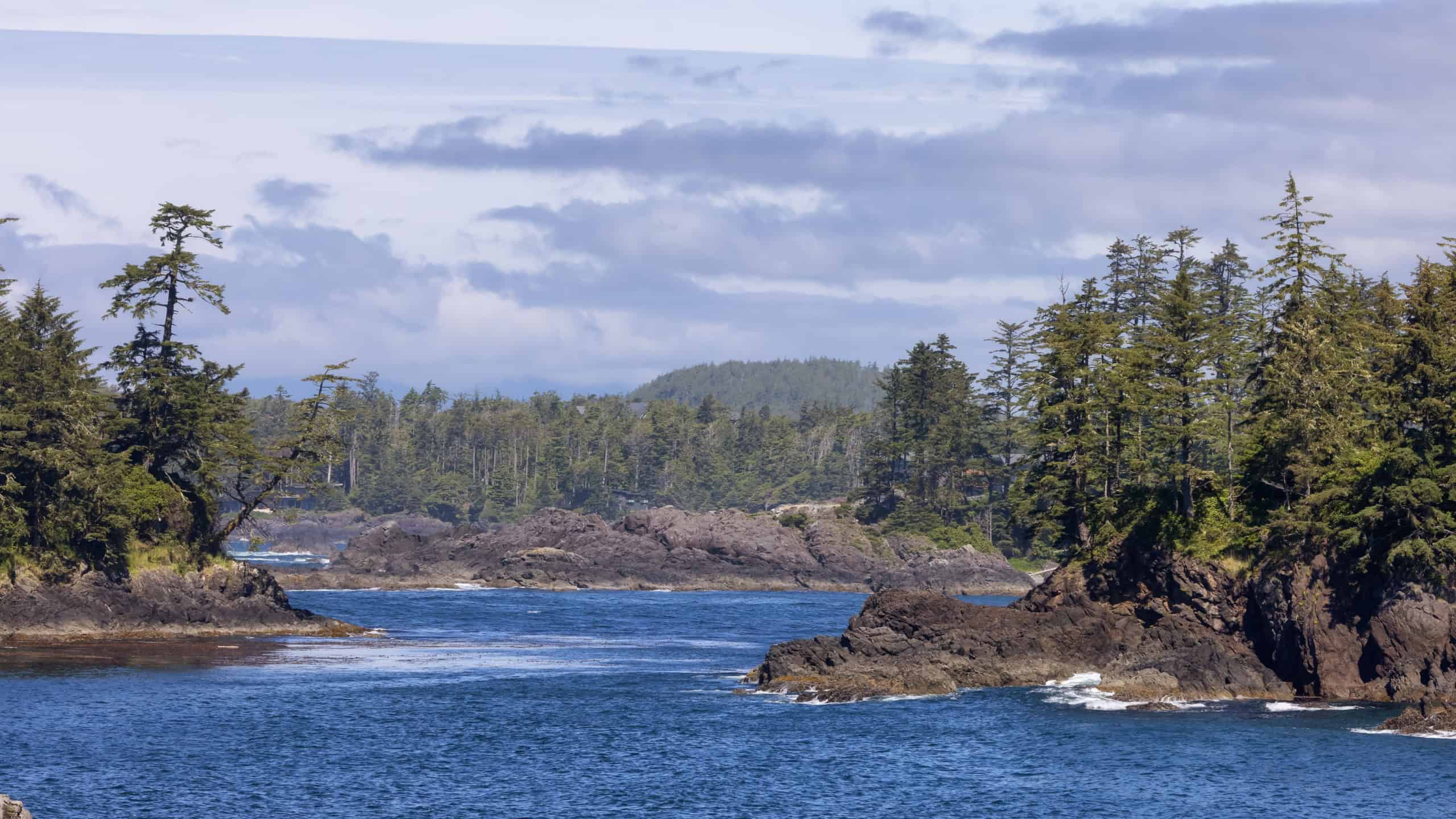
Situated south of Tofino on Vancouver Island’s wild west coast, this Nuu-chah-nulth word means “people of the safe harbor.” This rugged eco- tourism destination is known for storm-watching, old-growth rainforest boardwalks and jaw-dropping ocean vistas.
Visitors may find it tricky mastering the quick transition between the buttery start and crispy end; it’s pronounced “You- cloo-let,” with a very emphatic middle syllable.
Guelph
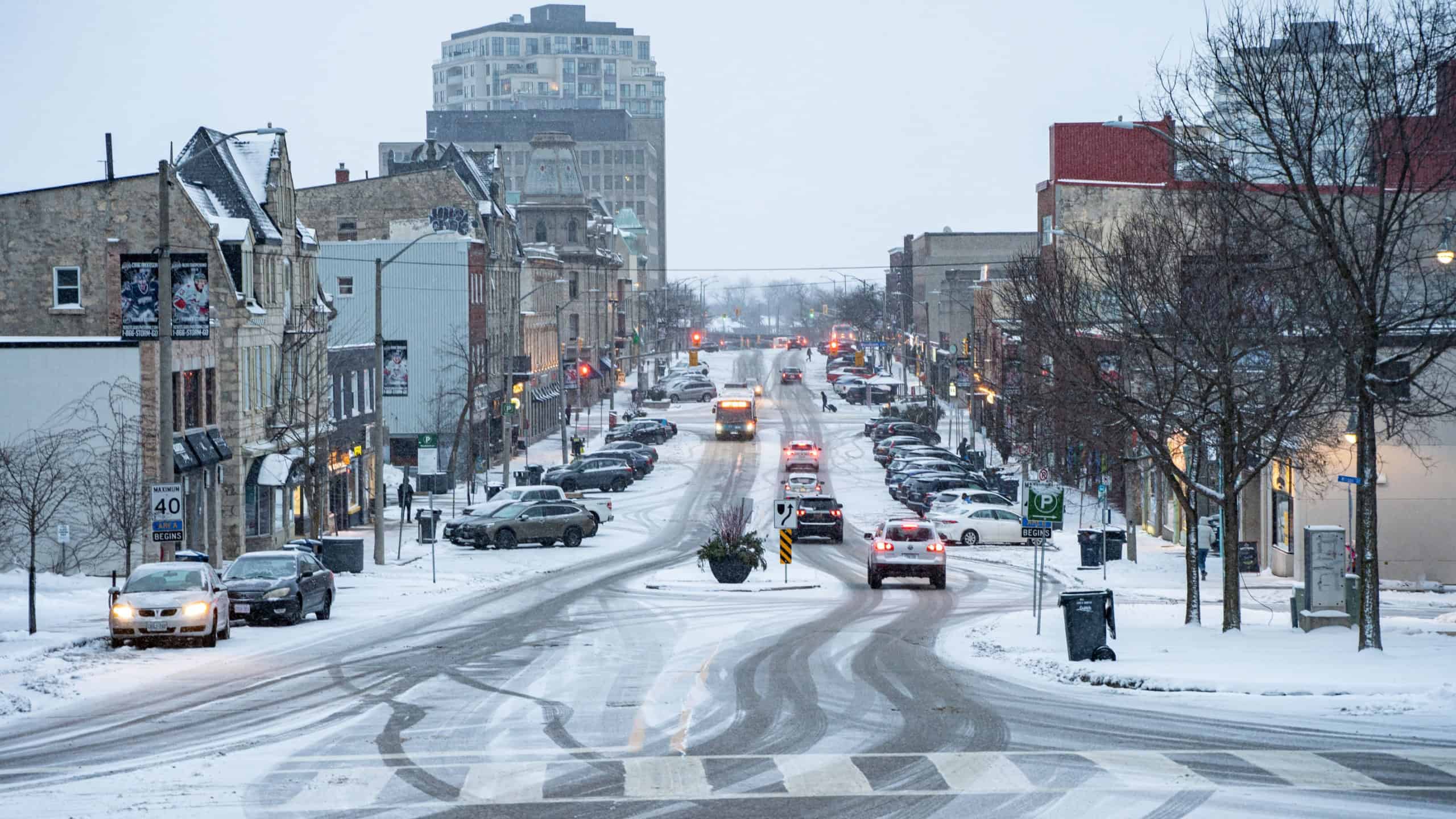
Possessing a name borrowed from the British Royal Family’s ancestry (the House of Welf), this lively university town is known for its limestone buildings, quirky restaurants and enormous Gothic cathedral.
To most Americans, the name sounds like some sort of harsh consonant cluster or fantasy novel title. In reality, it only takes one quick inhale of air to say the whole name, pronouncing it “Gwelf” so it rhymes perfectly with the English word self.
Magaguadavic
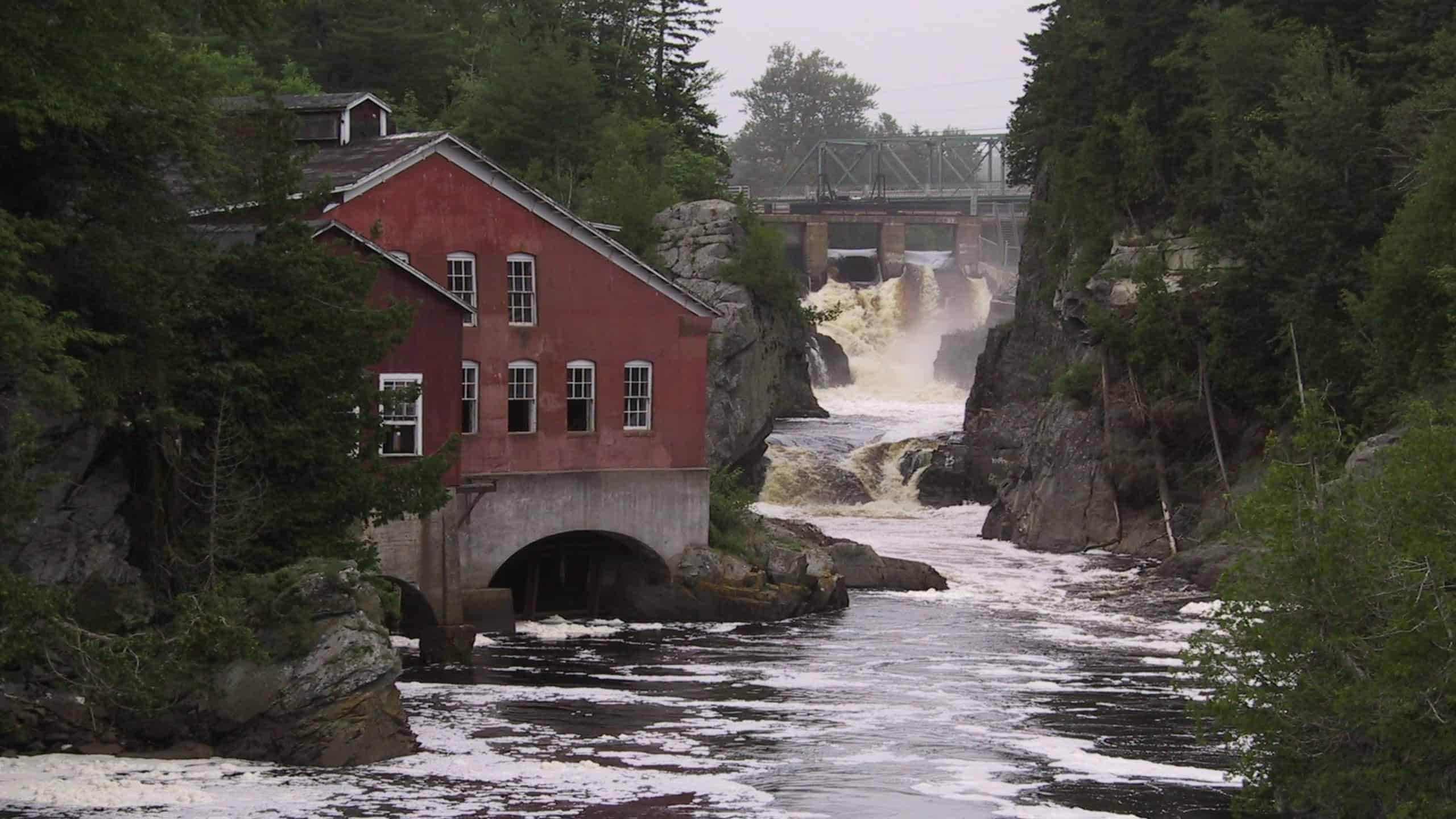
Named after both this rural municipality and the wilderness river that runs through it, this Passamaquoddy word means “river of eels.” It’s one of the final phonetic curveballs in Atlantic Canada, something of a true test of newcomers.
Locals smooth out the entire middle of the word and say “Mack-uh-dave-ick,” turning a massive tongue-twister into a smooth three-syllable word.
Osoyoos
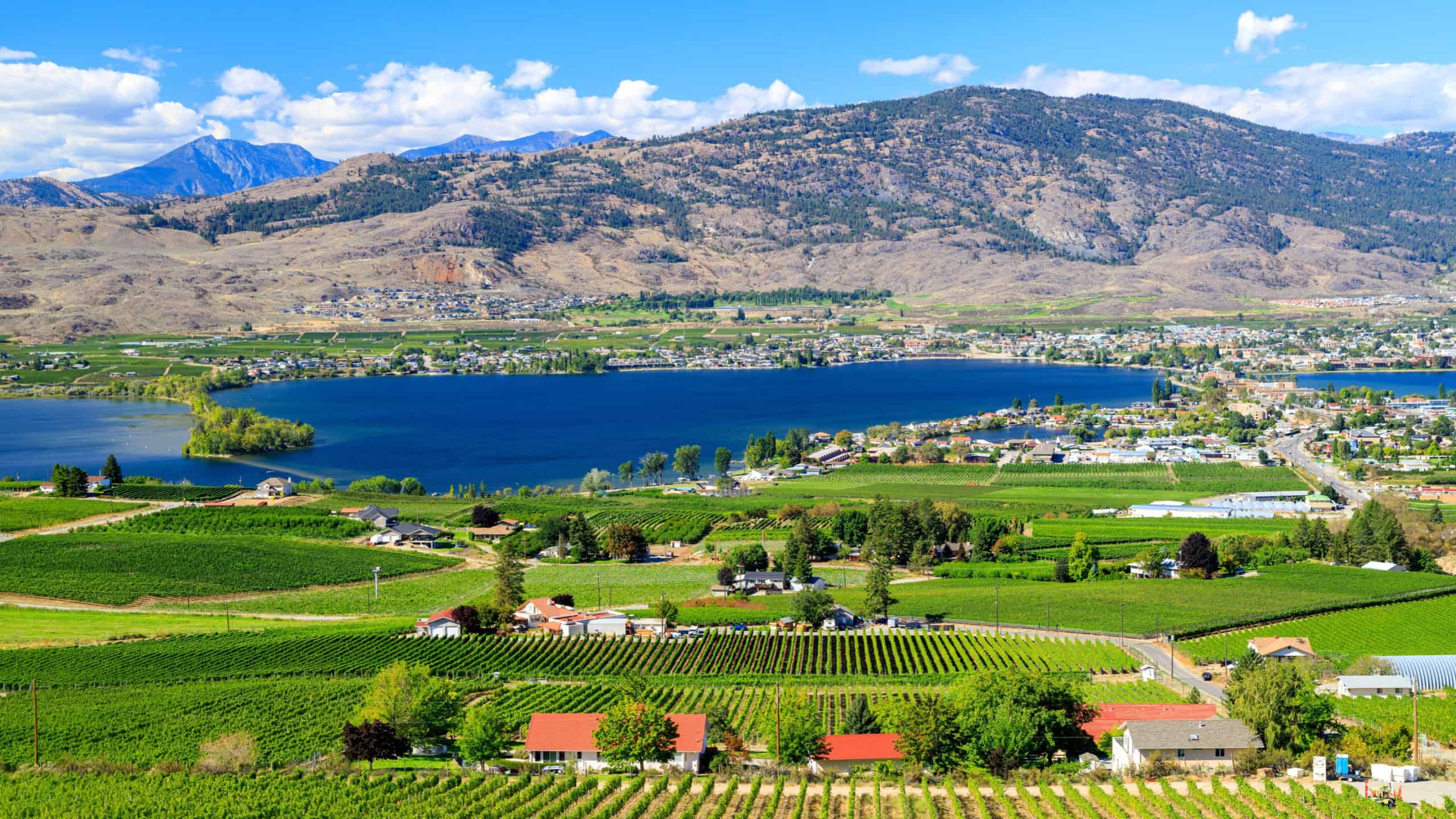
Located in Canada’s only true desert region in the southern part of the Okanagan Valley, this town is known for its hot summers, sprawling vineyards and warm lake. Syilx Okanagan translates to “narrowing of the waters,” referring to the shape of the lake.
Tourists can’t seem to resist pronouncing it with emphasis on the “soy” in the middle. Locals compress the front vowels quietly and say it, “Uh- soo-yoos.”
Penetanguishene
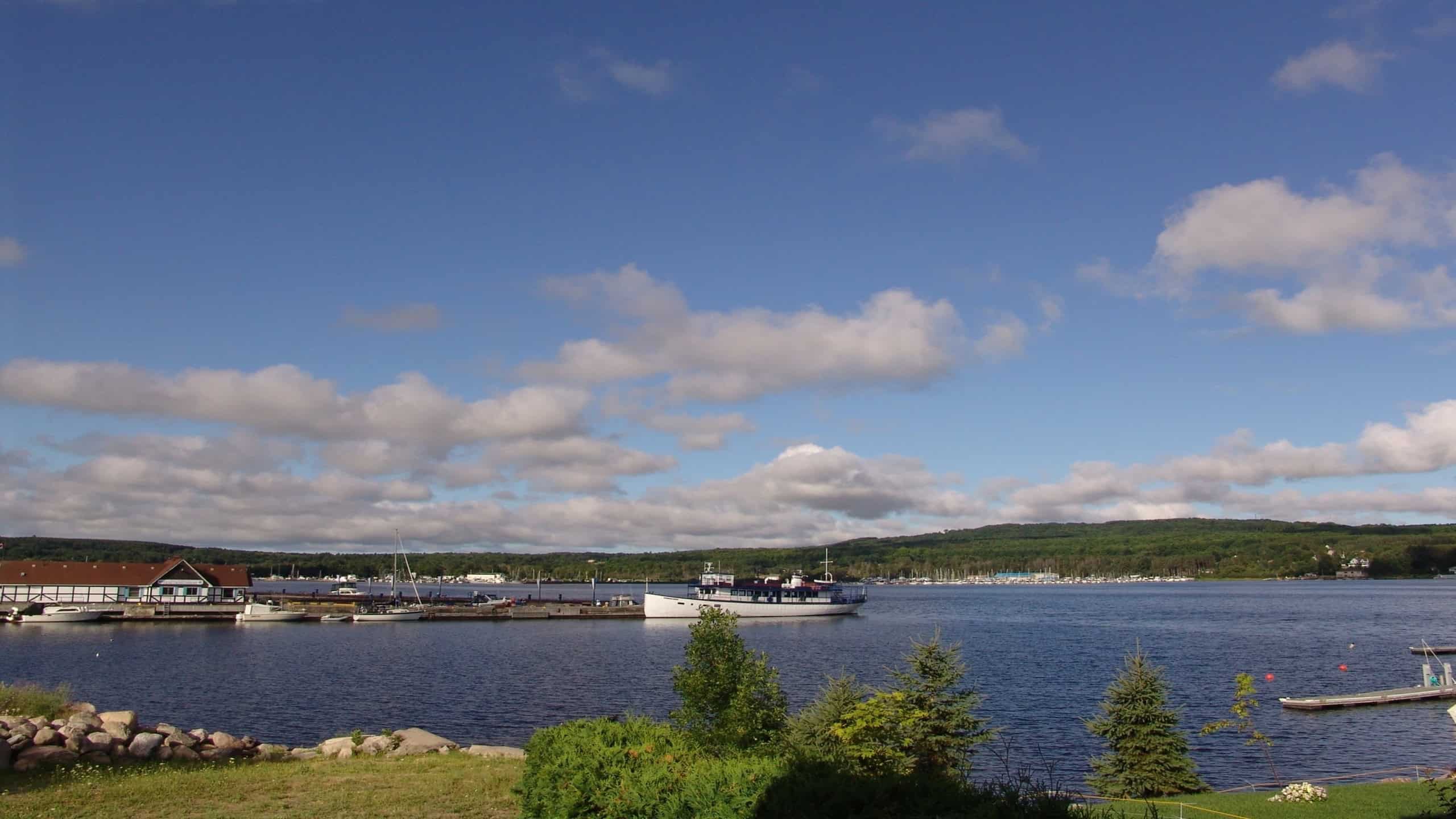
Often referred to as just “Penetang” by locals, this bilingual town built on history sits on the southernmost point of Georgian Bay. Penetang is actually derived from the Abenaki word meaning “land of the white rolling sands.”
A busy entry point for cottage country and marine parks, it’s a mouthful for anyone pronouncing it for the first time. The correct way to pronounce it is as “Pen-ah-tang-wish-een.”
Like our content? Be sure to follow us.